Harvester Agricultural Machinery Blades Suppliers and Manufacturers
Source Harvester Agricultural Machinery Blades from 20 verified suppliers in Shandong, China. Compare key dimensions such as MOQ, lead times, and material specifications to find the right fit. Request quotes today to secure competitive pricing and reliable delivery schedules; review the available evidence before requesting comparable quotations from suitable candidates.
Suppliers List
Knife Craftsman Technology (Shandong) Co., Ltd
- Trading Company
- Shandong, China
- Lead time15 days
- Avg. response≤ 1h
Main productsDiamond friction shim,High alloy wood rotary cutting knife,Harvester blade,Alloy plow,Highway milling teeth
Main marketsDomestic Market(30.00%), North America(15.00%), Central America(15.00%), South America(15.00%), Southeast Asia(9.00%), Africa(5.00%), South Asia(4.00%), Mid East(2.00%), Eastern Asia(1.00%), Southern Europe(1.00%), Western Europe(1.00%), Northern Europe(1.00%), Eastern Europe(1.00%)
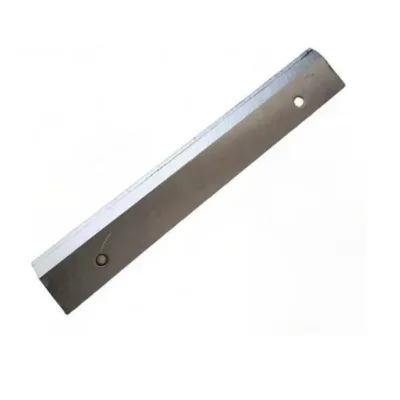
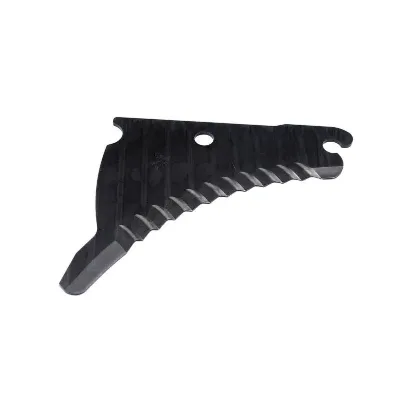
$22.00 - $26.00
MOQ: 100 pieces
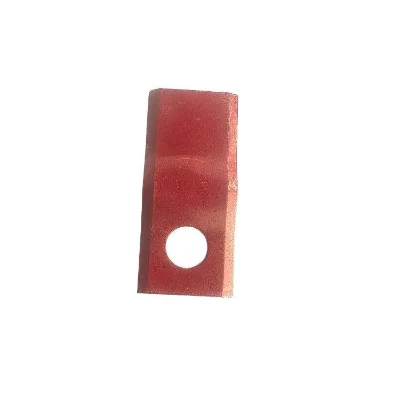
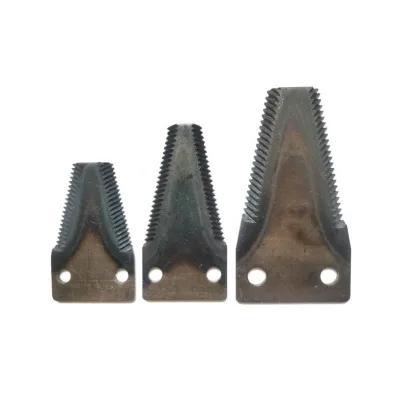
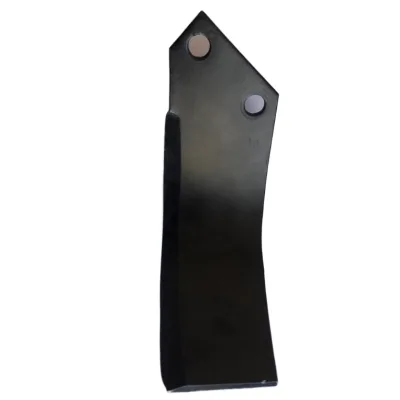
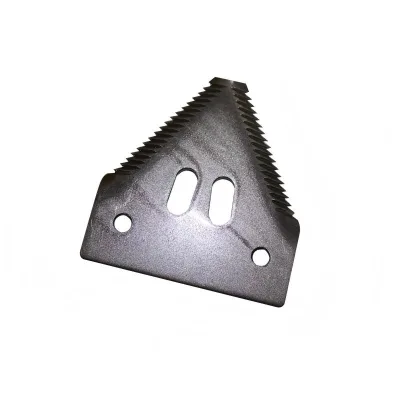

Gaomi Guanriyu Machinery Co., Ltd.
- Combined
- China Shandong
- Lead time30 days
- Avg. response≤ 12h
Main productsGrass Mower, Chipper Shredder, Ginger Harvester, Hay Baler, Cultivator Tiller, Mini 4wheels Tractor, Harrow, Exhause Fan
Main marketsDomestic,Europe

Farm Cutting Machine Blades for Agricultural Machinery Harvester Tillage Tractor
$0.12 - $1.41
MOQ: 1000 Pieces

Factory Supplier Agricultural Machinery Parts Blades for Harvester Tillage Tractor
$0.12 - $1.41
MOQ: 1000 Pieces

Nanjing Hangjin Machinery Equipment Co., Ltd.
- Verified by CTI
- Trading Company
- China Jiangsu
- Lead time30 days
- Avg. response≤ 7h
Main productsBlade, Knife, Machine Cutter, Rubber Blade, Machine Knife, Circle Blade, Cutting Tools Knife, Cutting Tools Blade, Processing Knives, Cutting Blade
Main marketsSouth America,Southeast Asia/ Mideast,Europe

FarmDiscover Agriculture Parts
- Verified by BV
- Trading Company,Manufacturer/Factory
- China Zhejiang
- Lead time30 days
- Avg. response≤ 13h
Main productsTractor Part, Rotary Tiller Parts, Harvester Parts, Tiller Blade, Agriculture Parts, Iron Mud Wheel, Gearbox, Piston, Diesel Engine Parts
Main marketsEastern Europe,North America,Southeast Asia,Eastern Asia,Western Europe,Africa

ANHUI YAFEI MACHINE TOOL CO., LTD.
- Verified by TUVRHEINLAND
- Trading Company,Manufacturer/Factory,Group Corporation
- China Anhui
- Lead time23 days
- Avg. response≤ 4h
Main productsMechanical Blade, Industry Knife, Knife for Metal Industry, Knife for Paper Industry, Knife for Recycling Industry, Knife for Packaging Industry, Knife for Print Industry, Knife for Wood Industry, Slitting Blades, Shear Blades
Main marketsSouth America,Eastern Europe,Mid East,North America,Southeast Asia,Eastern Asia,Oceania,Western Europe,Africa

Qingdao Huanhai Tongda Machinery Co., Ltd.
- Manufacturer/Factory
- China Shandong
- Lead time45 days
- Avg. response≤ 25h
Main productsRice Mill, Flour Mill, Maize Mill, Oil Mill, Disc Mill, Millet Machine, Biomass Gasifier, Combine Harvester
Main marketsSouth America,Eastern Europe,Mid East,North America,Southeast Asia,Eastern Asia,Oceania,Western Europe,Africa

Shandong Yuntai Machinery Co., Ltd.
- Verified by BV
- Combined
- China Shandong
- Lead time30 days
- Avg. response≤ 17h
Main productsDisc Plough, Disc Harrow, Disc Blade, Trailer, Cultivator, Agricultural Spare Parts, Plough Disc, Harrow Disc, Tractor Trailer, Ox Plough
Main marketsSouth America,Africa,Southeast Asia/ Mideast,Europe,Australia,North America

Qingdao Xinyongxin Machinery Co., Ltd
- Verified by TUVRHEINLAND
- Manufacturer/Factory
- China Shandong
- Lead time0 days
- Avg. response≤ 3h
Main productsCasting, Pin, CNC Machining Parts, Tmr Feed Mixer Blade, Injection Molding, Sheet Metal Farbrication, Plough, Sprocket, Spring, John Deers Spare Parts
Main marketsSouth America,Eastern Europe,North America,Oceania,Western Europe


High-Performance Durable Blades for Combine Harvesters and Farming Equipment
$0.50 - $5.00
MOQ: 200 Pieces

Qingdao HQ Import & Export Co., Ltd.
- Verified by TUVRHEINLAND
- Trading Company,Manufacturer/Factory
- China Shandong
- Lead time23 days
- Avg. response≤ 5h
Main productsPipe Fittings, Flanges, Valves, Pipe Hangers and Clamps, Pipe Nipples, Couplings, Bolts and Nuts, Seismic Bracing
Main marketsSouth America,Eastern Europe,Mid East,North America,Southeast Asia,Western Europe,Africa

Hangzhou Emax Industrial Co., Ltd.
- Trading Company,Manufacturer/Factory
- China Zhejiang
- Lead time45 days
- Avg. response≤ 7h
Main productsStamping Part, Pole Line Hardware, Agriculture Machine Parts, Automotive Parts, Electric Power Fitting, Fabrication, Sheet Metal Parts, Metal Stamping Parts, Metal Dustpan, Bracket
Main marketsNorth America,Western Europe
Mituo (Nanjing) Engineering And Agricultural Machinery Import And Export Co., Ltd.
- Manufacturer, Trading Company
- Jiangsu, China
- Lead time30 days
- Avg. response≤ 4h
Main productsMachinery parts,Accessories sales,OEM manufacturing,knife,Net rope
Main marketsDomestic Market(60.00%), Western Europe(15.00%), Eastern Europe(15.00%), South Asia(10.00%)
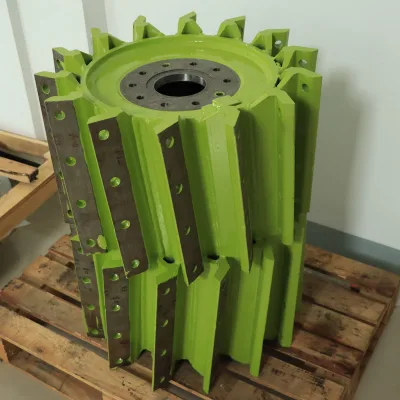
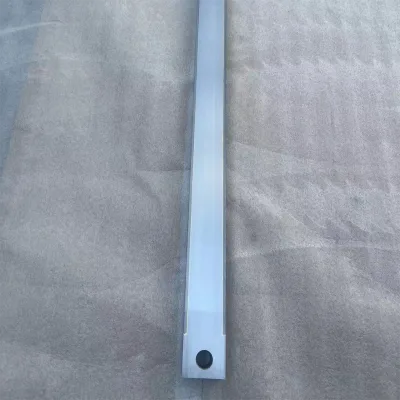
Bestselling Wear-resistant Moving Blades Suitable for Agricultural Machinery with Reasonable Prices
Contact supplier
MOQ: 50 Minimum

Liuzhou Lian United Knives Co., Ltd.
- Verified by SGS
- Combined
- China Guangxi
- Lead time15 days
- Avg. response≤ 8h
Main productsMachine Knives, Blades, Shredder Knife, Doner Kebab Knife, Paper Cutting Knife
Main marketsEurope


Customized Forage Harvester Blade Replacement Silage Cutter Blades Corn Harvester Blades
Contact supplier
MOQ: 100 Pieces

OEM Factory Price Corn Harvester Blades Forage Harvester Blade Replacement Silage Cutter Blades
Contact supplier
MOQ: 100 Pieces

Contact supplier
MOQ: 100 Pieces

1 Piece to Order Silage Cutter Blades Corn Harvester Blades Forage Harvester Blade Replacement
Contact supplier
MOQ: 100 Pieces

Contact supplier
MOQ: 100 Pieces

Ningbo Hengsheng Machinery Co., Ltd.
- Trading Company,Manufacturer/Factory,Group Corporation
- China Zhejiang
- Lead time60 days
- Avg. response≤ 19h
Main productsCasting Part, Lost Wax Casting, Investment Casting Parts, Drop Forging Parts, Machining Parts, Open Die Forging Parts, Die Casting Parts, Bucket Tooth-Tooth Points, Metal Work Parts, Steel Casted-Forged Parts
Main marketsEastern Europe,North America,Western Europe

Yucheng Dadi Machinery Co., Ltd.
- Verified by TUVRHEINLAND
- Combined
- China Shandong
- Lead time15 days
- Avg. response≤ 14h
Main productsDisc Harrow, Disc Plough, Offsets Disc Harrow, Seeder, Disc Plow, Disc Blade
Main marketsOthers(foreignTradeCapacity.exportBusinessCapacityMarketOther),Domestic

Yucheng Yijia Machinery Co., Ltd.
- Verified by BV
- Combined
- China Shandong
- Lead time30 days
- Avg. response≤ 4h
Main productsDisc Harrow, Disc Plough, Disc Blade, Mower
Main marketsSouth America,Africa,Southeast Asia/ Mideast,Europe,North America
Dezhou Haomin Machinery Equipment Co., Ltd.
- Trading Company
- Shandong Province, China
- Lead time30 days
- Avg. response≤ 1h
Main productsTillage machinery,Harvesting machinery,Fertilizer,Sowing machinery,Spraying machinery
Main marketsDomestic Market(46.00%), Africa(20.00%), Southeast Asia(15.00%), South America(8.00%), Eastern Asia(3.00%), Central America(2.00%), North America(2.00%), South Asia(2.00%), Oceania(1.00%), Mid East(1.00%)

Qingdao Choho Industrial Co., Ltd.
- Trading Company,Manufacturer/Factory,Group Corporation
- China Shandong
- Lead time23 days
- Avg. response≤ 10h
Main productsChain, Automobile Chain, Motorcycle Chain, Industrial Chain, Agricultural Chain, Vessel Chain, Bicycle Chain, Saw Chain, Sprocket, Chain Harrow/Assembly Chain
Main marketsSouth America,Eastern Europe,Mid East,North America,Southeast Asia,Eastern Asia,Oceania,Western Europe,Africa

Blade Section Spare Parts Cast Iron Guard Agricultural Combine Harvester Machine Knife
$0.15 - $0.35
MOQ: 10 Pieces

Tractor Agricultural Mowing Cutting Blade Assembly Guard Stockbreeding Harvesting Machine Knife
$0.15 - $0.35
MOQ: 10 Pieces

Taizhou Kesiwo Garden Tools Co., Ltd.
- Verified by SGS
- Trading Company,Manufacturer/Factory
- China Zhejiang
- Lead time23 days
- Avg. response≤ 14h
Main productsPower Sprayer, Water Pump, Brush Cutter, Seeder, Multi-Function Weeder, Tiller, Garden Tools, Saw, Earth Augur, Lithium Battery Scissors
Main marketsSouth America,Eastern Europe,Mid East,North America,Southeast Asia,Eastern Asia,Oceania,Western Europe,Africa

Langfang Gejing International Trade Co., Ltd
- Verified by TUVRHEINLAND
- Trading Company
- China Hebei
- Lead time30 days
- Avg. response≤ 4h
Main productsPto Shalft, Tractor Parts, Transmission Shaft, Plough Parts, Rotavator Blade, Spring, Harrow Parts, Pto Yoke, Coupling, Gearbox
Main marketsEurope

Harvester Blade Agriculture Machinery and Tractor Parts Potato Harvester Flail
$0.80 - $7.00
MOQ: 1000 Pieces

Potato Haulm Cutter Blade High Speed Seedling Smashing Machine Spare Parts Flail Blade
$0.80 - $7.00
MOQ: 1000 Pieces

Changzhou Qianyi Machinery Technology Co., Ltd.
- Verified by TUVRHEINLAND
- Combined
- China Jiangsu
- Lead time60 days
- Avg. response≤ 5h
Main productsFlail Mower, Rotary Tiller, Wood Chipper, Stone Burier, Road Sweeper, Finishing Mower, ATV Mower, Flail Mower with Collector, Log Splitter, Snow Plough
Main marketsSoutheast Asia/ Mideast,Europe,North America

Hot Selling New Agricultural Machinery Good Quality Hydraulic Grade Blade for Tractors
$500.00 - $700.00
MOQ: 5 Sets


Agricultural Good Quality Hydraulic Grade Blade for Tractors CE Approved
$500.00 - $700.00
MOQ: 5 Sets




Comprehensive Sourcing Guide
Harvester Agricultural Machinery Blades Supplier Concentration and Factory Types
The current supplier landscape for Harvester Agricultural Machinery Blades shows a distinct concentration in Shandong, China, where multiple vendors list this specific province as their place of origin. This regional clustering suggests a specialized industrial ecosystem dedicated to producing high-alloy wood rotary cutting knives, harvester blades, and alloy plows. Buyers observing this data should recognize that suppliers in this area often share supply chain advantages related to raw material access and specialized manufacturing infrastructure. However, the specific factory count within this cluster remains dynamic, and the exact number of active manufacturers versus trading companies fluctuates with market conditions.
When evaluating the company types in this sector, the results indicate a mix of trading companies and direct manufacturers offering products like corn harvester blades and air-cutting blades. A trading company structure often implies a broader catalog of agricultural machinery parts, potentially sourcing from various factories to meet diverse client needs. In contrast, a manufacturer might focus on specific high-hardness steel alloy blades or 65Mn materials. Buyers must verify whether a listed entity is the actual producer or an intermediary, as this distinction impacts quality control capabilities and direct communication channels regarding custom specifications for rotary tiller blades or combine harvesting components.
How to Verify Harvester Agricultural Machinery Blades Suppliers
Verification of supplier credibility begins with scrutinizing the provided product attributes and documentation standards found in the search results. Several listings explicitly state that machinery test reports and video outgoing inspections are provided, which serves as a tangible indicator of quality assurance processes. Buyers should request these specific documents to confirm that the tungsten alloy or 65Mn steel blades meet the required durability standards before committing to an order. The presence of a warranty period, such as the three months noted in multiple product entries, also offers a baseline for assessing the supplier's confidence in their manufacturing output and material integrity.
Beyond documentation, buyers must validate the response time and communication reliability of potential partners. The data indicates a response time metric of one, suggesting a high level of engagement readiness among the listed suppliers. However, this metric should be cross-referenced with the actual communication experience during the inquiry phase to ensure consistency. Additionally, verifying the brand name, such as DAOLER, and checking for OEM acceptance capabilities helps confirm the supplier's flexibility and experience in handling custom orders. Buyers should not assume all suppliers offer these specific services without direct confirmation, as capabilities can vary significantly between different trading companies and factories in the same region.
What to Compare Across Harvester Agricultural Machinery Blades Suppliers
Comparing suppliers requires a detailed analysis of key commercial and logistical parameters, specifically focusing on Minimum Order Quantities (MOQ) and pricing structures. The available data reveals a wide range of MOQs, from 100 pieces for specific corn harvester blades to 5,000 pieces for combine harvesting blades. This variation necessitates a careful assessment of the buyer's volume requirements against the supplier's production thresholds. Pricing also fluctuates significantly, with some items listed at approximately 0.30 per unit while others reach 26.00 per unit, depending on the material composition, such as high-hardness steel alloy versus standard 65Mn steel.
Lead times and service levels are equally critical factors in the comparison process. While a lead time of 15 days is observed in the current results, this figure may not apply universally to all product types or order sizes. Buyers should compare the stated lead times against their production schedules to avoid delays. Furthermore, the availability of services like 24-hour online support and the provision of video inspections should be weighed against the complexity of the order. A supplier offering a lower price but lacking these support services may present higher risks, whereas a higher-priced option with comprehensive quality verification and faster response times might offer better long-term value for specialized agricultural machinery parts.
Common Harvester Agricultural Machinery Blades Sourcing Risks
One significant risk in sourcing harvester blades involves the discrepancy between product descriptions and actual material specifications. Listings may claim high-quality tungsten alloy or 65Mn steel, but without independent verification of the machinery test reports, the actual material composition could differ. This risk is particularly acute when dealing with trading companies that aggregate products from multiple sources. Buyers must ensure that the material properties, such as wear resistance and hardness, align with the specific demands of their harvesting operations to prevent premature blade failure and crop loss.
Another critical risk relates to the consistency of warranty terms and after-sales support. While a three-month warranty is frequently cited in the product attributes, the scope of this warranty and the process for claiming it are often undefined in initial listings. If a batch of blades fails due to manufacturing defects, the buyer needs a clear, enforceable agreement regarding replacements or refunds. Additionally, the variability in packaging dimensions and gross weights, such as the difference between a 21 kg gross weight and a 200 kg batch weight, can lead to unexpected shipping costs and logistical complications. Buyers should clarify these details before finalizing orders to mitigate potential financial and operational disruptions.
Harvester Agricultural Machinery Blades Regional Sourcing and Logistics
Sourcing from the identified region of Shandong, China, offers logistical advantages due to the established infrastructure for exporting agricultural machinery parts. The concentration of suppliers in this area often results in streamlined shipping processes and competitive freight rates for bulk orders. However, buyers must account for the specific packaging dimensions and weights listed in the product attributes, as these directly influence shipping costs. For instance, a single package size of 385x80x130 cm for corn harvester blades requires different handling compared to smaller items like lawn mower blades with a 30x20x15 cm package size.
Logistical planning also involves understanding the lead time implications of regional production cycles. A standard lead time of 15 days may be subject to change based on seasonal demand or raw material availability in the Shandong region. Buyers should factor in potential delays when coordinating delivery schedules, especially for large orders with high MOQs like the 5,000-piece requirement for combine harvesting blades. It is essential to confirm the exact shipping terms and Incoterms with the supplier to ensure that the responsibility for freight and insurance is clearly defined. This clarity prevents misunderstandings regarding delivery timelines and ensures that the agricultural machinery parts arrive in time for the critical harvesting season.
Harvester Agricultural Machinery Blades Commercial Terms and Order Planning
Effective order planning for harvester blades requires a thorough understanding of the commercial terms, particularly regarding payment structures and order minimums. The data shows varying MOQs, ranging from 100 pieces to 5,000 pieces, which dictates the initial investment required. Buyers must align their order quantities with these thresholds to secure the best pricing, as prices can range from 0.30 to 26.00 per unit depending on the volume and specific product type. Negotiating these terms early can help optimize cash flow and ensure that the order meets the supplier's production requirements without unnecessary delays.
In addition to pricing and MOQs, buyers should carefully review the warranty and inspection protocols included in the commercial agreement. The presence of a three-month warranty and the provision of machinery test reports are standard features in the current results, but the specific conditions for these guarantees must be explicitly stated in the contract. Buyers should also verify the supplier's ability to handle OEM requests and the availability of video outgoing inspections to ensure quality control. By meticulously planning these commercial terms, buyers can establish a robust framework for their procurement activities, minimizing risks and ensuring a smooth transaction process for their agricultural machinery needs.
FAQs
What is the minimum order quantity for corn harvester blades?
The minimum order quantity for corn harvester blades is 100 pieces. Some specific cultivator parts require a higher minimum of 1000 pieces. Buyers should verify the exact MOQ for their chosen model before placing an order to ensure compliance with supplier requirements.
How long does it take to receive these agricultural blades?
The standard lead time for these agricultural blades is 15 days. This duration applies to the production and preparation of the items for shipment. Buyers should confirm the specific timeline with the supplier as variations may occur based on order volume and current production schedules.
What materials are used to manufacture these harvester blades?
These harvester blades are manufactured using materials such as tungsten alloy, 65Mn steel, and high-hardness steel alloy coatings. Some products also feature carbide wear-resistant alloys. The specific material depends on the blade type and intended application for the agricultural machinery.
Do these suppliers offer warranty coverage for the blades?
Yes, most suppliers offer a warranty period of 3 months for these agricultural blades. This coverage applies to manufacturing defects and material quality issues. Buyers should review the specific warranty terms provided by the supplier to understand the scope of protection for their purchase.
Where are these agricultural machinery parts manufactured?
These agricultural machinery parts are manufactured in Shandong, China. This location is the primary place of origin for the listed products including corn harvester blades and cultivator parts. Buyers can expect the shipping origin to be from this specific region in China.
What is the price range for these harvester blades?
The price range for these harvester blades varies from 0.30 to 26.00 per unit depending on the specific model and material. Some high-standard combine harvesting blades may have different pricing structures. Buyers should check the current price list for the exact cost of their selected item.
Are machinery test reports available for these products?
Yes, machinery test reports are provided for many of these agricultural blade products. This documentation helps verify the quality and performance standards of the items. Buyers can request these reports to ensure the blades meet the necessary specifications for their farming operations.