Eco Friendly Crochet Keychain Suppliers and Manufacturers
Compare 27 verified suppliers offering Eco Friendly Crochet Keychain products with varying lead times, MOQs, and response speeds. Review details on materials like cotton and acrylic yarn, certifications such as ISO 9001, and origins in Hunan, Zhejiang, and Sichuan before contacting vendors for samples.
Suppliers List
Changsha Changlong Tongfei Electronic Technology Co., Ltd.
- Verified by Intertek
- Manufacturer, Trading Company
- Lead time30 days
- Avg. response≤ 2h
Main productsCrochet Flower Artificial Flower, Bags, Festival Gifts and Decorations, Fashion Accessories, Cable
Main marketsNorth America(20%), Mid East(15%), Northern Europe(13%)
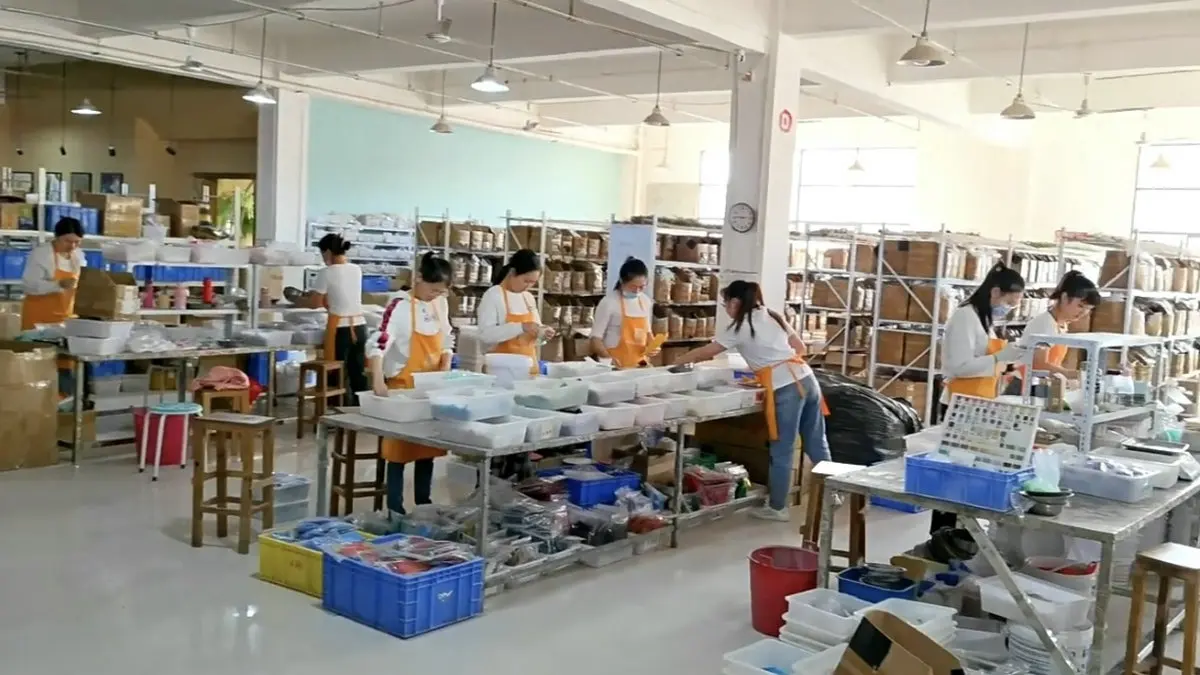
Ningbo Hongdao E-Commerce Ltd.
- Trading Company
- Zhejiang, China
- Lead time20 days
- Avg. response≤ 5h
Main productsCraft &Gift,crochet kit,Personal Care,sewing product,smoking product
Main marketsNorth America(55.00%), Southern Europe(5.00%), Northern Europe(5.00%), Central America(5.00%), Western Europe(5.00%), Eastern Asia(5.00%), Mid East(5.00%), Oceania(5.00%), Eastern Europe(5.00%), South America(5.00%)

Sihang Import and Export Trade (Dazhou) Co., Ltd.
- Verified by SGS
- Trading Company
- China Sichuan
- Lead time15 days
- Avg. response≤ 7h
Main productsCrochet Flowers, Crochet Toys, Crochet Gifts, Crochet Bouquets, Crochet Bags, Tote Bags Pouch Bags Clutch Bags Handbags, Blanket, Wallhangings, 100% Handmade Products, Crochet Keychains
Main marketsSouth America,Eastern Europe,Mid East,North America,Southeast Asia,Eastern Asia,Oceania,Western Europe,Africa

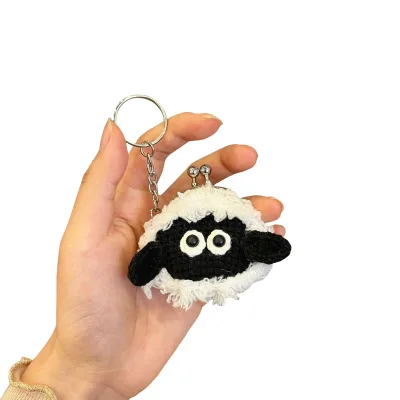
Handmade Design Knitted Amigurumi Crochet Keychain Cute Crocheted Animals Toy Keychain
$5.00 - $6.00
MOQ: 30 Pieces


$0.75 - $10.00
MOQ: 1 Pieces

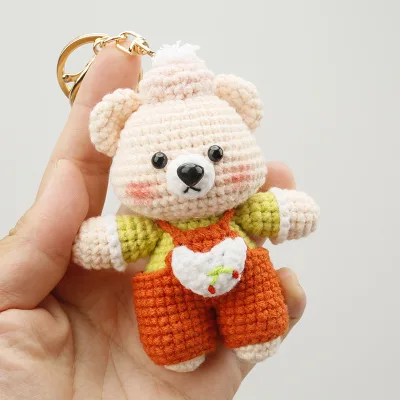
Lovely Crochet Little Bear Knitted Tiny Animal Keychain Small Keychain for Bag Ornament
$0.75 - $2.00
MOQ: 1 Pieces

Wholesale Crochet Girl Keychain with Pear Earring Crochet Mini Doll Keychain for Girl, Woman, Gift
$0.75 - $10.00
MOQ: 5 Pieces

$0.75 - $10.00
MOQ: 5 Pieces
Shijiazhuang Shuomi Clothing And Apparel Co., Ltd.
- Verified by TüVRheinland
- Trading Company
- Lead time10 days
- Avg. response≤ 3h
Main productsCustom Keychains, Custom Pens & Notebook, DIY Accessories, Promotional Caps
Main marketsNorth America(50%), South America(20%), Eastern Europe(5%)
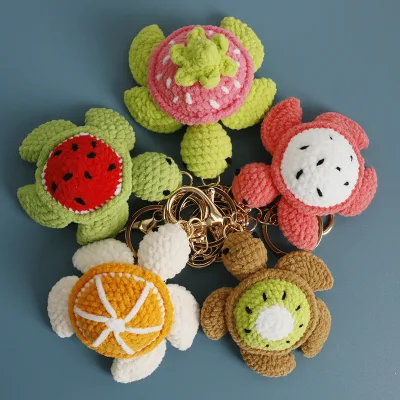
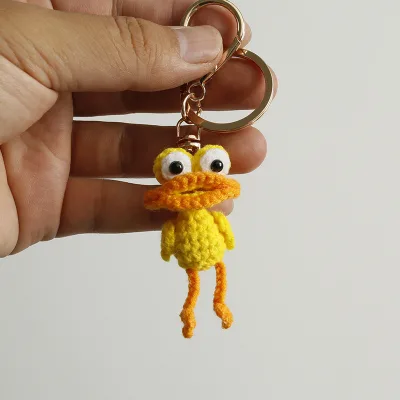
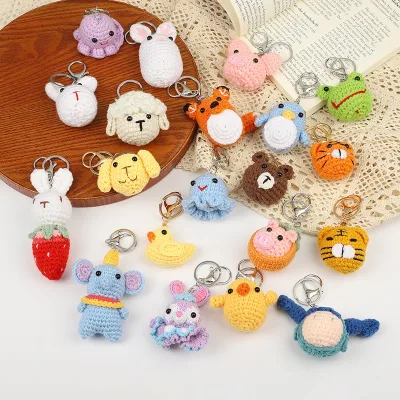
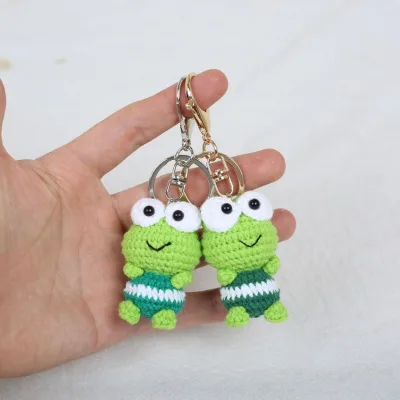
$1.58 - $1.75
MOQ: 10 pieces

- Verified by BV
- Trading Company
- China Anhui
- Lead time15 days
- Avg. response≤ 9h
Main productsPin, Keychain, Fridge Magnet, Lanyard, Metal Pin, Button Badge, Coin, Lapel Pin, Key Chain, Badge
Main marketsSouth America,Southeast Asia/ Mideast,East Asia(Japan/ South Korea),Domestic,Europe,North America

Crochet Rose Sunflower Keychain Ornament New Cartoon Wool Key Ring Romantic Gift
$0.30
MOQ: 100 Pieces


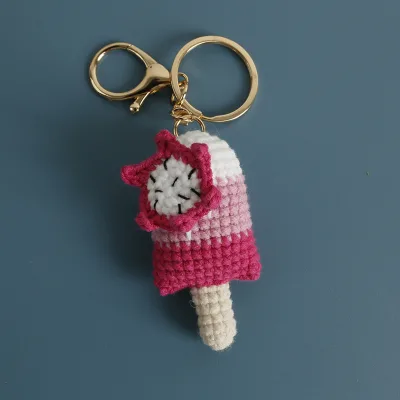
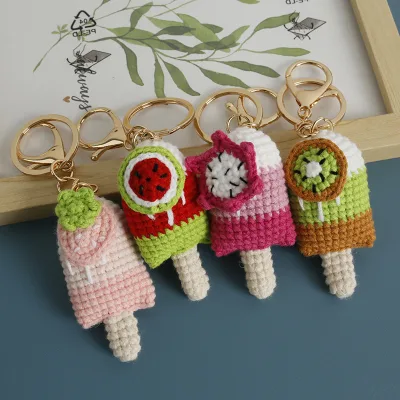
Handmade Ice Cream Shape Plush Keychain Crochet Cute Cartoon Bag Pendant Keyring
$0.30
MOQ: 100 Pieces


Hangzhou Inshine Arts and Crafts Company Limited
- Verified by BV
- Trading Company
- China Zhejiang
- Lead time23 days
- Avg. response≤ 3h
Main productsPerfume, Crochet Gift
Main marketsEurope

$1.50 - $3.50
MOQ: 20 Pieces

Knitting Wool Woven Icecream Crochet Keychain Handmade Bag Pendant Colorful Key Ring
$1.50 - $3.50
MOQ: 20 Pieces


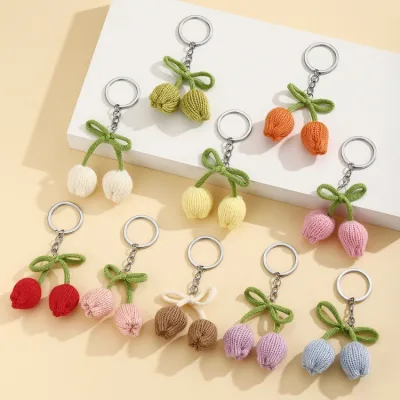
Hot Sale Knitted Flower Tulip Woven Crochet Keychain Handmade Colorful Decoration Gift Key Ring
$1.50 - $3.50
MOQ: 20 Pieces

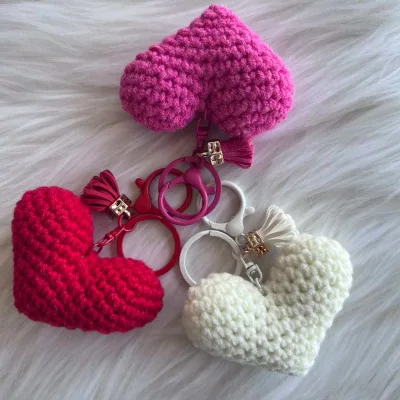
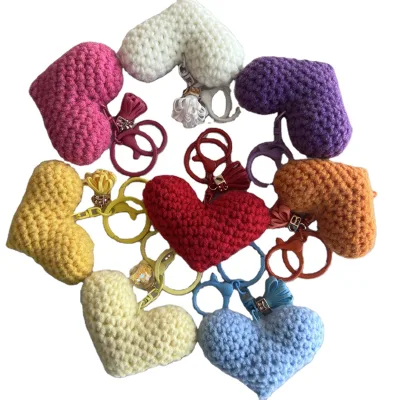
Cute Colorful Heart Doll Hand-Woven Crochet Keychain Knitted Finished Bag Pendant Gift Key Ring
$1.50 - $3.50
MOQ: 20 Pieces


- Verified by SGS
- Trading Company
- China Zhejiang
- Lead time15 days
- Avg. response≤ 6h
Main productsYiwu Sourcing Agent, DIY Toys, DIY Jewelry, Travel Souvenirs, Stationery, School Furtiture, Outdoor Products, Caps & Shoes & Socks, Costumes & Props, Beauty Tools
Main marketsAfrica,East Asia(Japan/ South Korea),North America

Handmade Crochet Goldfish and Koi Keychain with Fish Pendant Gift Every Year
$0.96 - $1.00
MOQ: 100 Pieces

DIY Crochet Deer Keychain Pendant Bag Decoration Cute Animal Hanging Chain Gift
$1.01 - $1.05
MOQ: 100 Pieces

Handmade Crochet Yellow Duck Keychain Pendant, Cute Positive Energy Emoji Pack, Duck Yarn Doll
$0.91 - $0.95
MOQ: 100 Pieces

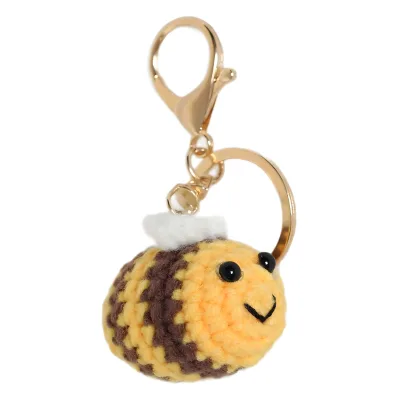
Cross Border Hot Selling Bee Keychain Bag Pendant, Handmade Crochet Cute Little Bee Doll
$0.81 - $0.85
MOQ: 100 Pieces
- Verified by SGS Group
- Trading Company
- Lead time15 days
- Avg. response≤ 1h
Main productsKeychain, Metal Keychain, Plastic Keychain, Plush Keychain, Stuffed Animal Toy
Xuzhou Fenn Import And Export Trading Co., Ltd.
- Manufacturer, Trading Company
- Jiangsu, China
- Lead time60 days
- Avg. response≤ 2h
Main productsbeanie hat,handmade toys,sweater,crochet toys,Hooded clothing
Main marketsNorth America(25.00%), Eastern Europe(20.00%), Northern Europe(10.00%), Mid East(10.00%), South America(10.00%), Central America(5.00%), Southeast Asia(5.00%), Western Europe(5.00%), Southern Europe(3.00%), Oceania(3.00%), Eastern Asia(2.00%), Africa(2.00%)
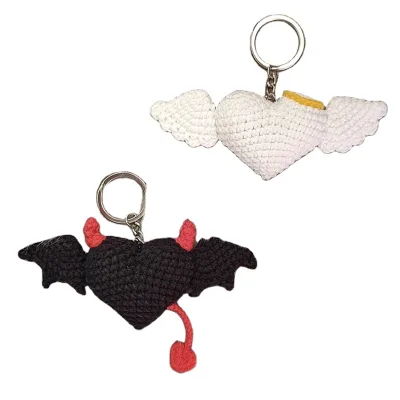
Creative Crochet Keychains Amigurumi Devil Angel With WIngs Crochet Heart Keychain
$2.99 - $3.50
MOQ: 100
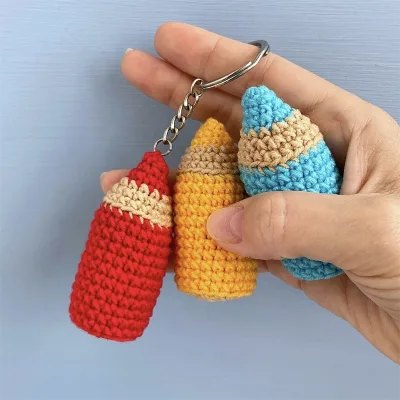
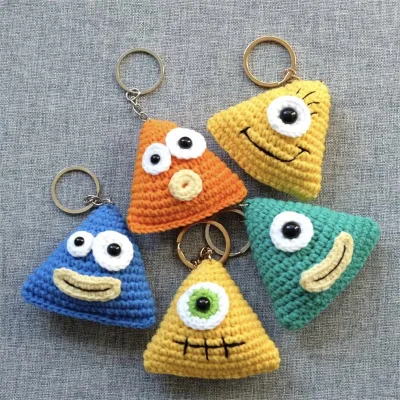
$3.50 - $3.99
MOQ: 100 pieces
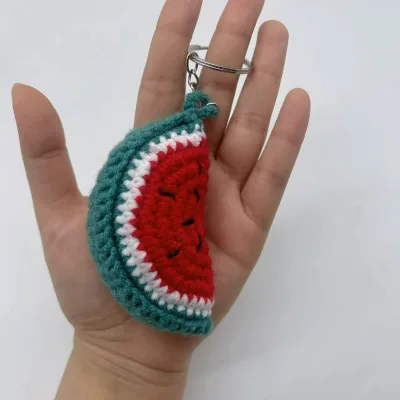
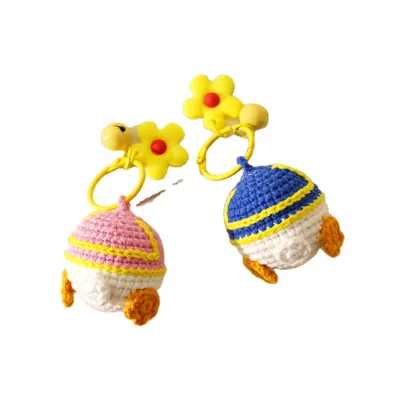
Handmade Crocheted Keychain Crochet Keyrings Lovely Duck Buttocks Keychain Bag Accessories
$6.17 - $6.73
MOQ: 200 pieces
Yiwu Kemeng Import And Export Co., Ltd.
- Trading Company
- Zhejiang, China
- Lead time30 days
- Avg. response≤ 2h
Main productsPlush key chain,stuffed animal toys,metal key chain,PVC keychain,Plastic key chain
Main marketsNorth America(60.00%), Africa(10.00%), Southeast Asia(10.00%), Eastern Europe(10.00%), South America(10.00%)
Yiwu Gingerbread House E-Commerce Firm
- Trading Company
- Zhejiang, China
- Lead time5 days
- Avg. response≤ 2h
Main productsCrochet Flower,Crochet Plant,Crochet Pot,Crochet Doll,Crochet Accessories
Main marketsEastern Europe(20.00%), Northern Europe(18.00%), Western Europe(15.00%), Central America(15.00%), Southern Europe(11.00%), South America(5.00%), North America(5.00%), Africa(3.00%), Oceania(3.00%), Domestic Market(1.00%), South Asia(1.00%), Southeast Asia(1.00%), Mid East(1.00%), Eastern Asia(1.00%)
Shenzhen Kemeng Technology Co., Ltd.
- Verified by SGS Group
- Trading Company
- Lead time15 days
- Avg. response≤ 1h
Main productsMetal Keychain, Keychain, PVC Keychain, Silicone Keychain, Plush Key Chain
Main marketsNorth America(30%), Eastern Europe(25%), Southeast Asia(10%)

- Verified by BV
- Combined
- China Anhui
- Lead time15 days
- Avg. response≤ 5h
Main productsStorage Basket, Laundry Basket, Kitchen Rack, Storage Shelf, Storage Jar, RPET Tableware Set, Matcha Whisk, Handmade Storage Basket, Wall & Table Decoration, Hamper
Main marketsSouth America,Southeast Asia/ Mideast,North America
Yiwu Lumiao Electronic Commerce Co., Ltd.
- Trading Company
- Zhejiang, China
- Lead time0 days
- Avg. response≤ 7h
Main productsYarn,Yarn winder,Crochet Hook,Safety Eyes,Flower Stem Sticks
Main marketsNorth America(32.00%), Southeast Asia(30.00%), Western Europe(10.00%), Northern Europe(5.00%), Eastern Europe(5.00%), Domestic Market(2.00%), Africa(2.00%), South America(2.00%), South Asia(2.00%), Southern Europe(2.00%), Central America(2.00%), Eastern Asia(2.00%), Mid East(2.00%), Oceania(2.00%)
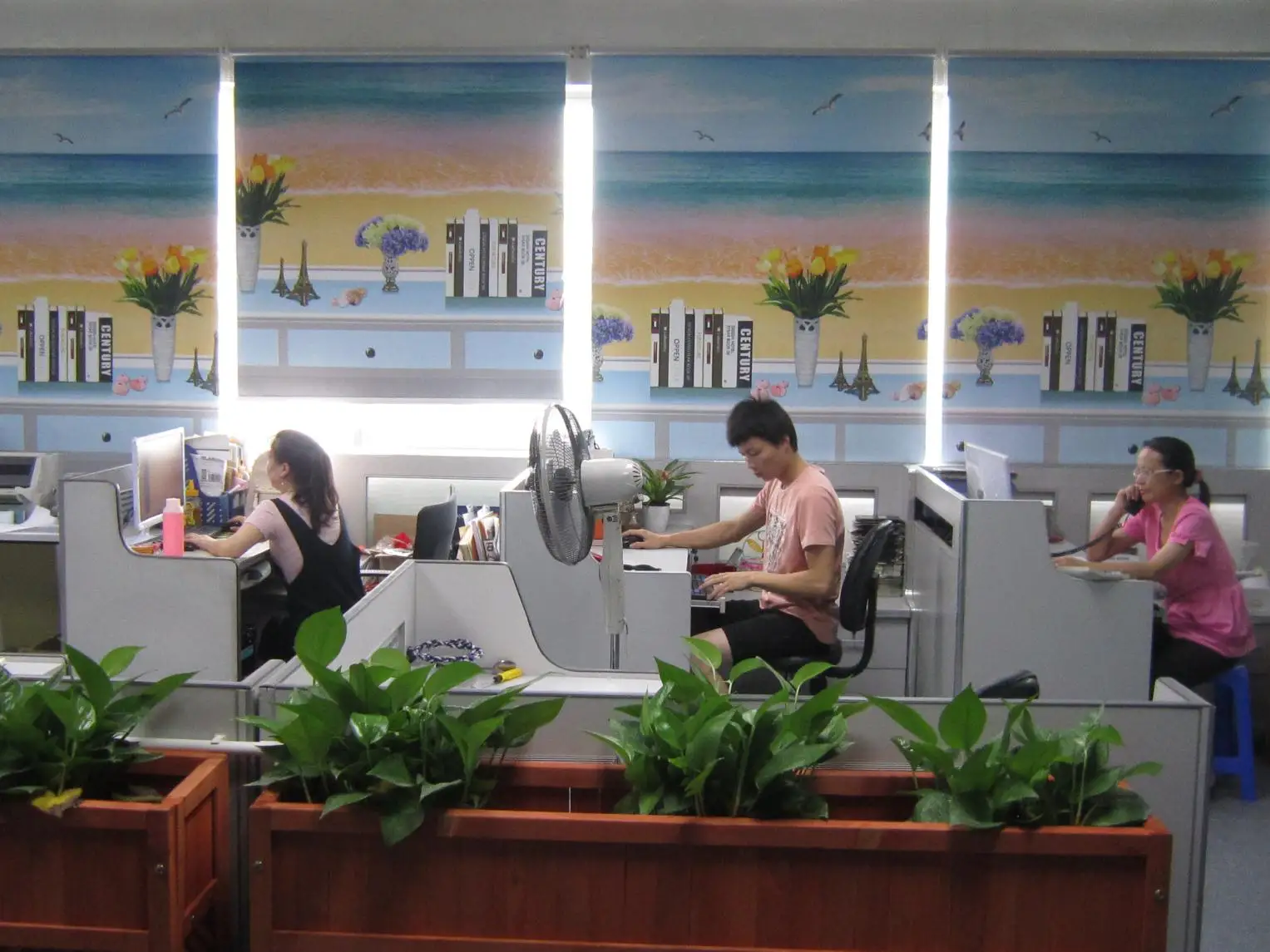
Dongguan Emak Craft Gift Co., Ltd.
- Manufacturer, Trading Company
- Guangdong, China
- Lead time15 days
- Avg. response≤ 7h
Main productsSurvival Kit,Paracord Bracelet,Paracord Watch,Camping Stove,First Aid Kit
Main marketsNorth America(40.00%), Domestic Market(35.00%), Southeast Asia(15.00%)
Jinjiang Deek Plastic Products Co., Limited
- Verified by SGS Group
- Trading Company
- Lead time20 days
- Avg. response≤ 4h
Main productsKey Chains, Gifts Items, Plastic Items, Silicone Items, Shoe Charms
Main marketsNorth America(45%), Western Europe(30%), Oceania(10%)

Jinjiang Jiaxing Supply Management Co., Ltd.
- Verified by TUVRHEINLAND
- Trading Company
- China Fujian
- Lead time30 days
- Avg. response≤ 1h
Main productsEVA Clogs, Flip Flop, Shoe Charms, Shopping Bags, Wristbands, Gifts, Promotional Gifts, Slipper, Sport Cap, Ball
Main marketsNorth America
Shenzhen Xingtong Shimao E-Commerce Co., Ltd.
- Manufacturer, Trading Company
- Guangdong, China
- Lead time0 days
- Avg. response≤ 3h
Main productsKeychains,bags,Hats,gifts
Main marketsNorth America(60.00%), Western Europe(10.00%), Eastern Europe(10.00%), South America(10.00%), Southeast Asia(5.00%), Africa(3.00%), Mid East(2.00%)

Zhongshan Lixin Crafts Co.,Ltd.
- Verified by BV
- Combined
- China Guangdong
- Lead time15 days
- Avg. response≤ 2h
Main productsPatch, Sports Event Medal, Enamel Pin, Custom Keychain, Challenge Coin, Fridge Magnet
Main marketsDomestic


Custom Washable Eco Friendly Polyester Thread Embroidered Fabric Keychain
$0.15 - $0.65
MOQ: 100 Pieces

Customized Keychain Embroidery Logo Keychain Woven Key Ring for Promotion Gift Keychain
$0.15 - $0.50
MOQ: 100 Pieces


Custom Embroidered Keychain Sublimation Logo Design Fabric Embroidered Keychain Fabric Keychain
$0.15 - $0.60
MOQ: 100 Pieces

Zhongshan Yingying Textile Co., Ltd.
- Verified by SGS
- Manufacturer
- China Guangdong
- Lead time15 days
- Avg. response≤ 2h
Main productsPatch, Keychain, Sequin Patch, Towel Embroidery Patch, Embroidery Patch, Embroidery Keychain, Woven Label Patch, Woven Patch, Woven Keychain, Lanyard

Zhongshan Xiaolan Lianxin Gifts & Arts Factory
- Verified by CTI
- Combined
- China Guangdong
- Lead time15 days
- Avg. response≤ 2h
Main productsLanyard, Embroidery Patch, Key Chain, Pet Collar, Pet Leash, Label Pin, Medal, Wristband, Bracelet, Patch
Main marketsSoutheast Asia/ Mideast,Domestic,Europe

Custom Washable Eco Friendly Polyester Thread Embroidered Fabric Keychain
$0.20 - $0.55
MOQ: 100 Pieces


Dongguan FengSuer Textile Co., Ltd
- Verified by TUVRHEINLAND
- Trading Company
- China Guangdong
- Lead time23 days
- Avg. response≤ 3h
Main productsWoven Patches, Woven Labels, Embroidery Patch, Keychians, Hantags, Printing Labels, Printing Patches, Woven Tape, Ribbon
Main marketsEurope

Customized Keychain Logo Shape Sublimation Keychains Woven Keyring Blank Embroidered Keychain
$0.14 - $0.50
MOQ: 100 Pieces


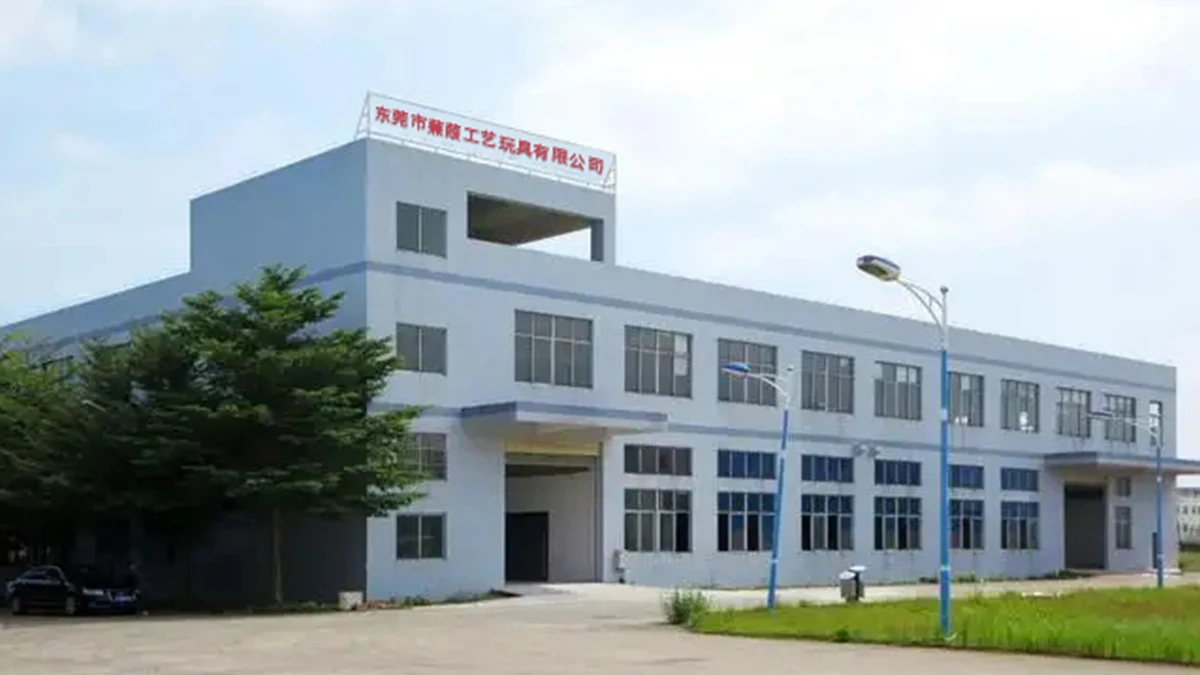
Dongguan Jianjia Craft Toys Co., Ltd.
- Manufacturer, Trading Company
- Guangdong, China
- Lead time35 days
- Avg. response≤ 2h
Main productsDress Up Pretend Play,Baby Toddler Toys,Crafts and DIY toys,Baby fitness toy,Play house toy
Main marketsNorth America(50.00%), Eastern Europe(20.00%), Mid East(10.00%), Southern Europe(5.00%), Northern Europe(5.00%), Western Europe(5.00%), Oceania(5.00%)

Fuzhou Chongkang Gifts Trade Co., Ltd.
- Verified by SGS
- Manufacturer/Factory
- China Fujian
- Lead time23 days
- Avg. response≤ 6h
Main productsPromotional Gifts, Baseball Cap, Beanies Hat, Gift Bags, Scarf, Microfiber Cleaning Cloth, Keychain, USB Charging Line, Luggage Tag, Mobile Phone Holder
Main marketsSouth America,Eastern Europe,Mid East,North America,Southeast Asia,Eastern Asia,Oceania,Western Europe,Africa


Wholesale Custom Woven Keychain Tag Double Sided Embroidery Keychain Keyring
$0.30 - $0.98
MOQ: 100 Pieces

Shenzhen Awells Gift Co., Ltd.
- Verified by SGS
- Combined
- China Guangdong
- Lead time15 days
- Avg. response≤ 1h
Main productsEmbroidery Patch, PVC Patch, Woven Patch, Chenille Patch, Embroidery Keychain, Woven Keychain, PVC Keychain, Lanyard, Lapel Pin, Cap
Main marketsSoutheast Asia/ Mideast,Europe,Australia,North America


Wholesale Personalized Custom Woven Keychain Promotional Embroidery Keychain
$0.15 - $0.58
MOQ: 50 Pieces

High Quality Good Price Promotional Gifts Custom Fabric Tag Woven Keychain Embroidery Keychain
$0.15 - $0.58
MOQ: 50 Pieces

Shijiazhuang Followmee Trade Co., Ltd.
- Trading Company
- Hebei, China
- Lead time15 days
- Avg. response≤ 2h
Main productsFashion keychain,Clothing and Accessories,Fashion Sock sand Gloves,Fur balls & Tassels,Fur Product Accessories
Main marketsNorth America(40.00%), South America(15.00%), Northern Europe(7.00%), Southern Europe(7.00%), South Asia(7.00%), Africa(7.00%), Southeast Asia(7.00%), Eastern Europe(7.00%), Western Europe(2.00%), Eastern Asia(1.00%)

Lianyungang Hongwen Toys Co., Ltd.
- Verified by SGS
- Combined
- China Jiangsu
- Lead time23 days
- Avg. response≤ 7h
Main productsCustom Plush Backpack, Stuffed Toy, Custom Plush Pillow, Custom Plush Doll, Custom Plush Toy, Custom Hold-All, Plush Pillow, Animal Plush, Stuffed Plush Toys, Plush Toy Animals
Main marketsAfrica,Southeast Asia/ Mideast,East Asia(Japan/ South Korea),Domestic,Europe,Australia,North America
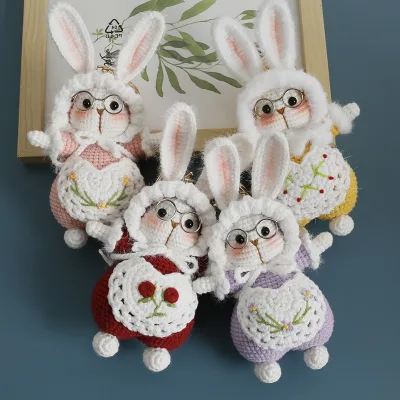
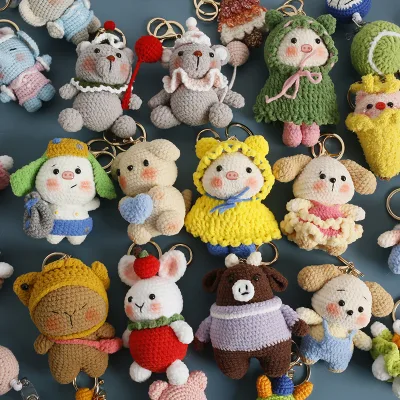
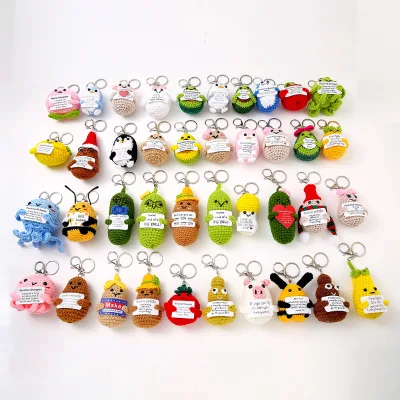
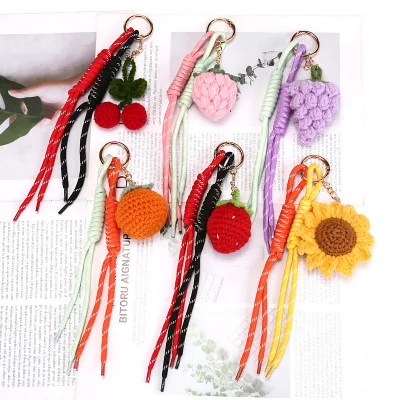








Comprehensive Sourcing Guide
Eco Friendly Crochet Keychain Supplier Concentration and Factory Types
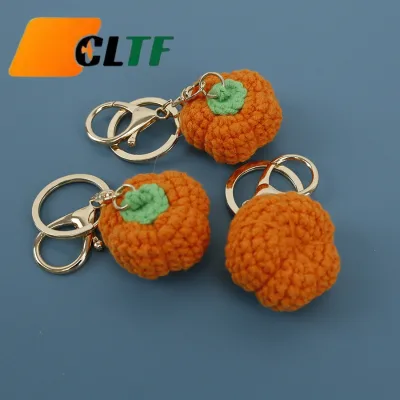
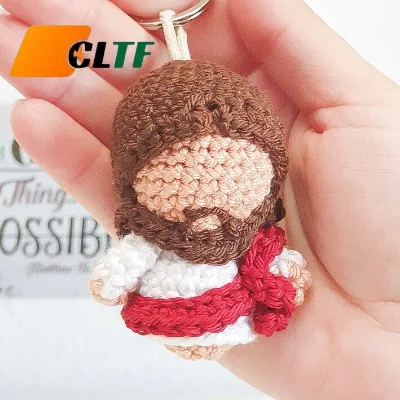
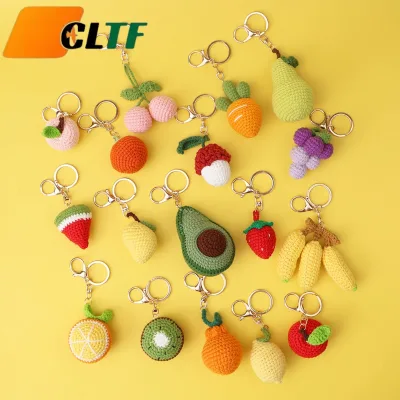
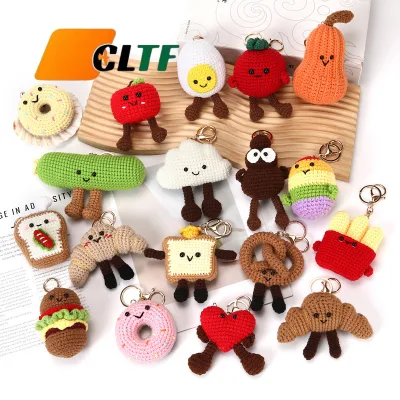
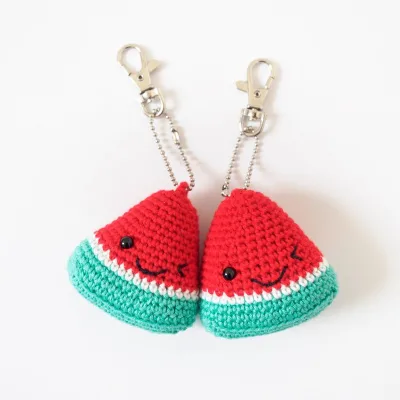
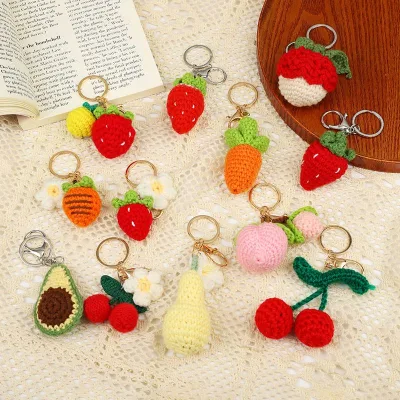
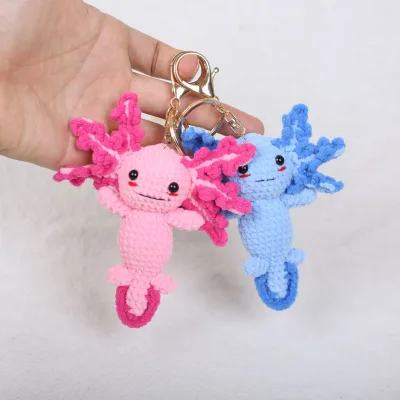
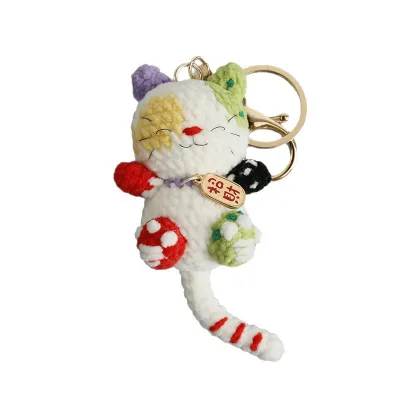
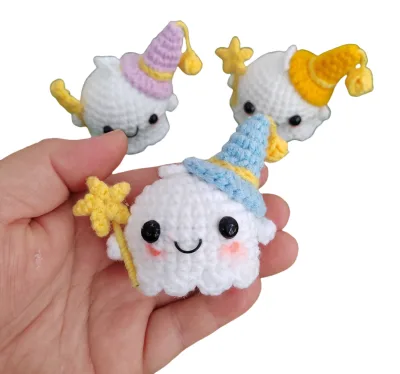
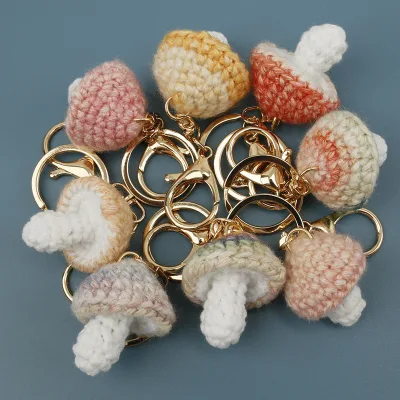
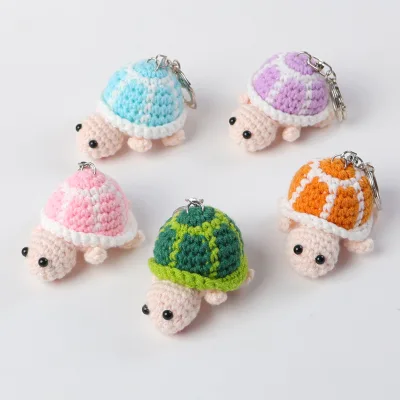
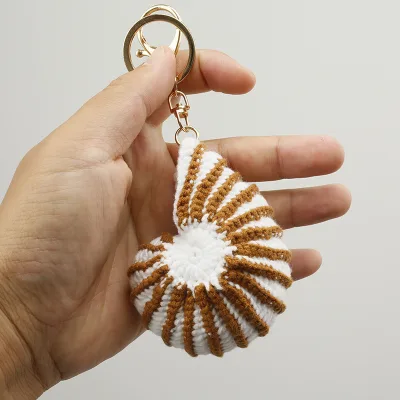
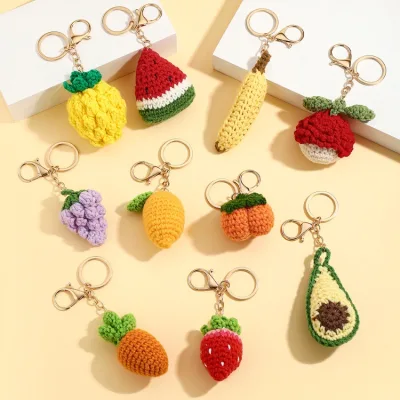
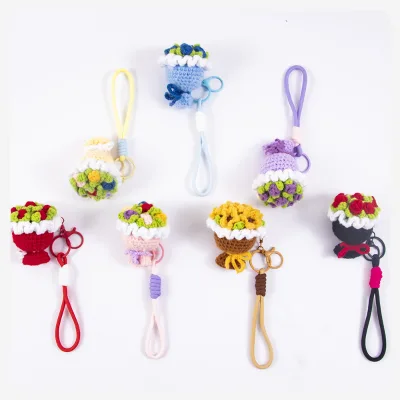
Current data indicates a mix of manufacturer and trading company profiles among suppliers offering eco-friendly crochet keychains, with specific facility locations identified in Hunan, Zhejiang, and Sichuan provinces within China. Some suppliers list their primary output as handmade crochet items including fruit, animal, and religious figure keychains, while others focus on broader craft kits and textile products. The presence of Intertek verification on certain profiles suggests a subset of vendors undergoes third-party quality checks, though this status is not universal across all available results. Buyers should note that production capabilities vary, with some facilities offering sample processing and customized on-demand services, while others may have more standardized output lines.
When assessing supplier concentration, buyers must rely on explicit location facts rather than general assumptions about manufacturing hubs. The observed data points to specific origins such as Hunan and Zhejiang for certain product lines, but no single dominant cluster is confirmed for all eco-friendly crochet keychain varieties. A trading company profile may aggregate goods from multiple workshops, whereas a manufacturer profile implies direct production control. To identify true manufacturing clusters, buyers should request detailed factory addresses and verify if the listed location matches the actual production site. This distinction is critical because a trading company located in a major port city might source from a rural workshop in a different province, affecting lead times and quality control consistency.
How to Verify Eco Friendly Crochet Keychain Suppliers
Verification of supplier credibility begins with checking for specific third-party certifications and response metrics provided in the supplier profile. The available data shows that some suppliers hold Intertek verification status, which serves as a tangible indicator of quality assurance processes. Buyers should prioritize suppliers who display this verification badge and cross-reference it with their claimed capabilities. Additionally, response times are a key metric for assessing operational efficiency; observed response times range from two to five days, with faster responses often correlating with higher engagement levels. A supplier with a five-day response window may indicate a larger volume of inquiries or a less agile communication structure compared to those responding within two days.
Beyond certifications and speed, buyers must scrutinize the specific product attributes and material claims to ensure they align with eco-friendly standards. The product evidence reveals materials such as cotton, acrylic yarn, and wool, with some items explicitly labeled as handmade and eco-friendly. However, the term "eco-friendly" is not universally defined in the provided facts, so buyers must verify the specific sourcing of these materials. For instance, while cotton is a natural fiber, the processing methods and dyeing techniques used by the supplier are not detailed in the current data. Buyers should request detailed material safety data sheets or specific sourcing certificates to confirm the environmental claims. Relying solely on product keywords like "handmade" or "eco-friendly" without supporting documentation can lead to misalignment between expectations and actual product composition.
What to Compare Across Eco Friendly Crochet Keychain Suppliers
Comparing suppliers requires a systematic evaluation of key operational dimensions such as minimum order quantities, lead times, and pricing structures. The data indicates a wide range in minimum order quantities, with some suppliers requiring as few as 20 pieces while others set thresholds at 50 or 100 pieces. Lead times also vary significantly, with observed durations ranging from 20 to 30 days. Buyers should create a comparison matrix that lists these specific metrics for each potential vendor to identify which suppliers align with their inventory and cash flow requirements. A supplier with a lower MOQ might be ideal for testing new designs, while a supplier with a shorter lead time could be crucial for meeting tight seasonal deadlines.
Pricing and product specifications are equally critical factors in the comparison process. The observed price ranges for crochet keychains span from approximately $1.29 to $6.16 per unit, depending on the complexity of the design and the materials used. Some products feature intricate details like silk screen printing or specific shapes, which may justify higher price points. Buyers should also compare the single package size and gross weight, as these factors directly impact shipping costs and logistics planning. For example, a keychain with a single gross weight of 1.000 kg will incur different freight charges compared to one weighing 0.033 kg. By aligning these quantitative data points with their specific business needs, buyers can make more informed decisions that balance cost efficiency with product quality and delivery speed.
Common Eco Friendly Crochet Keychain Sourcing Risks
One significant risk in sourcing eco-friendly crochet keychains is the potential discrepancy between claimed materials and actual product composition. While product attributes list materials like cotton and acrylic yarn, the specific origin and processing methods of these fibers are often not detailed in the initial supplier data. This lack of transparency can lead to situations where a product marketed as "eco-friendly" contains synthetic blends or dyes that do not meet environmental standards. Buyers must mitigate this risk by requesting detailed material breakdowns and testing reports before placing large orders. Relying on general product descriptions without verifying the specific supply chain of raw materials can result in receiving goods that fail to meet the intended sustainability criteria.
Another critical risk involves the variability in production quality and consistency across different supplier batches. The data shows that some products are handmade, which inherently introduces variations in size, shape, and finish. For instance, keychains described as having "irregular" shapes or "3D shapes" may exhibit significant differences between individual units. This inconsistency can be problematic for buyers seeking uniformity for retail packaging or brand consistency. To address this, buyers should request pre-production samples and establish clear quality control checkpoints. Additionally, the reliance on manual labor means that production delays or workforce shortages can impact lead times, making it essential to have contingency plans in place. Understanding these risks allows buyers to implement stricter quality assurance protocols and manage expectations regarding product uniformity.
Eco Friendly Crochet Keychain Regional Sourcing and Logistics
Regional sourcing decisions are heavily influenced by the specific locations of suppliers and their associated logistics capabilities. The available data identifies suppliers operating in Hunan, Zhejiang, and Sichuan provinces, each with distinct logistical profiles. For example, one supplier lists Ningbo as their port of dispatch, which is a major shipping hub on the east coast of China. This location can facilitate faster and more cost-effective shipping to international markets compared to suppliers located in inland provinces like Sichuan. Buyers should evaluate the proximity of the supplier's port to their own distribution centers to minimize transit times and freight costs. Understanding the geographic distribution of suppliers helps in selecting partners that align with specific logistical requirements and delivery timelines.
Logistics planning also involves considering the packaging and weight specifications provided in the product data. The single package sizes and gross weights vary significantly, ranging from compact dimensions of 20x5x4.5 cm to larger packages of 20x10x10 cm. These dimensions directly affect the number of units that can be shipped per container, influencing overall shipping costs. Buyers should calculate the volumetric weight and optimize their order quantities to maximize container utilization. Furthermore, the use of standard packaging details, such as OPP bags, should be verified to ensure they meet the buyer's sustainability goals. If eco-friendly packaging is a requirement, buyers must confirm whether the supplier can accommodate custom packaging solutions or if they must source packaging separately. Proper logistics planning ensures that the supply chain remains efficient and cost-effective throughout the order fulfillment process.
Eco Friendly Crochet Keychain Commercial Terms and Order Planning
Commercial terms and order planning are pivotal for managing the financial and operational aspects of sourcing eco-friendly crochet keychains. The data reveals that minimum order quantities can range from 20 to 100 pieces, which directly impacts the initial investment required. Buyers must align their order volumes with their sales forecasts to avoid overstocking or stockouts. Additionally, lead times of 20 to 30 days must be factored into the production schedule to ensure timely delivery. Buyers should establish a clear timeline that accounts for production, quality checks, and shipping, allowing for buffer time to handle any unforeseen delays. Understanding these commercial terms helps in creating a realistic procurement plan that balances cost, time, and inventory levels.
Payment terms and escrow services are also critical components of the commercial agreement. While the provided data does not explicitly detail payment terms, the presence of Intertek verification suggests that some suppliers may offer secure payment options. Buyers should negotiate payment terms that protect their interests, such as using escrow services to ensure funds are released only after the goods meet the agreed-upon quality standards. It is also important to clarify the pricing structure, including any potential volume discounts or additional costs for customization. By carefully reviewing and negotiating these commercial terms, buyers can mitigate financial risks and ensure a smooth transaction process. Clear communication regarding these terms from the outset helps build a strong foundation for a successful long-term partnership with the supplier.
FAQs
What is the typical MOQ for handmade crochet keychains?
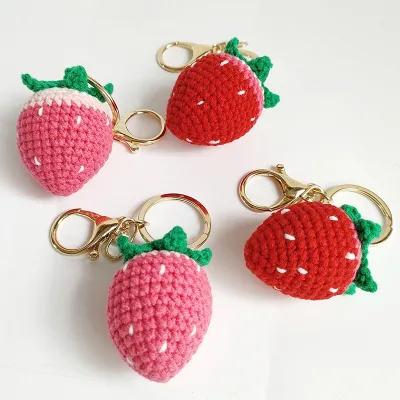
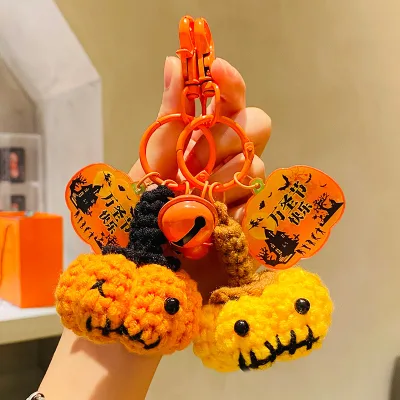
The minimum order quantity for these items generally starts at 20 pieces for fruit-themed designs. Other styles, such as plush pumpkin or religious figures, require a higher threshold of 50 units. Some complex knitted accessories may demand orders of 100 pieces. Buyers should verify specific requirements with the supplier before placing bulk orders.
How long does production take for custom crochet orders?
Manufacturing lead times typically range from 20 to 30 days depending on the supplier type. Trading companies often offer faster turnaround times around 20 days. Direct manufacturers may require up to 30 days for sample processing and customized production runs. Buyers should confirm exact schedules during the inquiry phase to ensure timely delivery.
What materials are used in eco-friendly crochet keychains?
These products are primarily crafted from cotton yarn, acrylic yarn, or wool blends. The materials are selected for their softness, durability, and eco-friendly characteristics. Some items feature cotton linings or specific knitting techniques to enhance texture. Buyers can choose from various natural and synthetic fibers based on their specific product requirements and sustainability goals.
What is the price range for wholesale crochet keychains?
Unit prices for these items typically range from $1.29 to $6.16 per piece. Simple plush keychains often cost between $1.29 and $1.91. More complex designs or specific materials may reach up to $2.99 or higher. Prices vary based on order volume, material selection, and customization needs. Buyers should request detailed quotes for accurate budgeting.
Where are these crochet keychains manufactured?
Production facilities are located in various regions of China, including Hunan, Zhejiang, and Sichuan. Suppliers in these areas specialize in handmade crafts and textile products. The specific origin may influence shipping logistics and lead times. Buyers should verify the exact place of origin to align with their sourcing preferences and supply chain requirements.
How quickly do suppliers respond to inquiries?
Response times for these suppliers typically range from 2 to 5 hours. Faster response rates are common among verified manufacturers and trading companies. Quick communication helps in clarifying customization details and order specifications. Buyers can expect prompt replies during business hours, facilitating efficient negotiation and order processing.