HDPE Industrial Spray Bottle Suppliers and Manufacturers
Source HDPE Industrial Spray Bottle suppliers from 21 manufacturers and traders. Compare grounded details such as HDPE material, neck sizes like 24/410 and 28/410, MOQ, lead time, ISO9001:2015 and ISO14001:2015 certification, and verification status. Request samples to confirm pump sprayer fit before ordering.
Suppliers List

Chongqing Xinjitai Pharmaceutical Sprayer & Pump Co., Ltd.
- Verified by SGS
- Combined
- China Chongqing
- Lead time23 days
- Avg. response≤ 5h
Main productsNasal Sprayer, Oral Sprayer, Topical Sprayer, Throat Sprayer, Nasal Spray Pump, Oral Spray Pump, Throat Spray Pump, Nasal Spray Bottle
Main marketsSouth America,Others(foreignTradeCapacity.exportBusinessCapacityMarketOther),Southeast Asia/ Mideast,Europe,North America
The TNN Development Limited China
- Verified by TUVRHEINLAND
- Trading Company
- China Liaoning
- Lead time30 days
- Avg. response≤ 2h
Main productsRing Pull Cap, Glass Bottle, Pet Preform, Beverage Production Line, Trigger Sprayer, Bottle Cap, Crown Cap, I-Beam Crossmember, Blow Molding Machine, PVC Pet Rigid Film
Main marketsAfrica
Shenzhen Zhenghao Plastic & Mold Co., Ltd.
- Combined
- China Guangdong
- Lead time23 days
- Avg. response≤ 4h
Main productsPlastic Bottle, Plastic Jar, Plastic Container
Main marketsSouth America,Europe,Australia,North America


HDPE Custom Size 35ml 40ml 70ml 80ml 90ml 100ml 110ml 120ml 170ml Cleaning Spray Bottle
$0.20 - $0.30
MOQ: 5000 Pieces

Custom Plastic Spray Bottle 110ml 120ml 170ml Cosmetic Spray Bottle Fine Mist Spray Bottle
$0.20 - $0.40
MOQ: 5000 Pieces

Ningbo Sinoflag International Trading Co., Ltd.
- Verified by TUVRHEINLAND
- Trading Company
- China Zhejiang
- Lead time23 days
- Avg. response≤ 17h
Main productsTap, Faucet, Shower, Sink, Valve, Thermostatic Shower, Shower Column
Main marketsEurope

Jiangxi Weichi Machinery Technology Co., Ltd.
- Verified by TUVRHEINLAND
- Combined
- China Zhejiang
- Lead time23 days
- Avg. response≤ 2h
Main productsConnector Shell, Connector, Bathtub Faucet, Aluminum Shell, Beer Tap, Stainless Steel Faucet, Pet Bottle, Stainless Steel Beer Valve, PE Pipe, Plastic Bottle
Main marketsDomestic
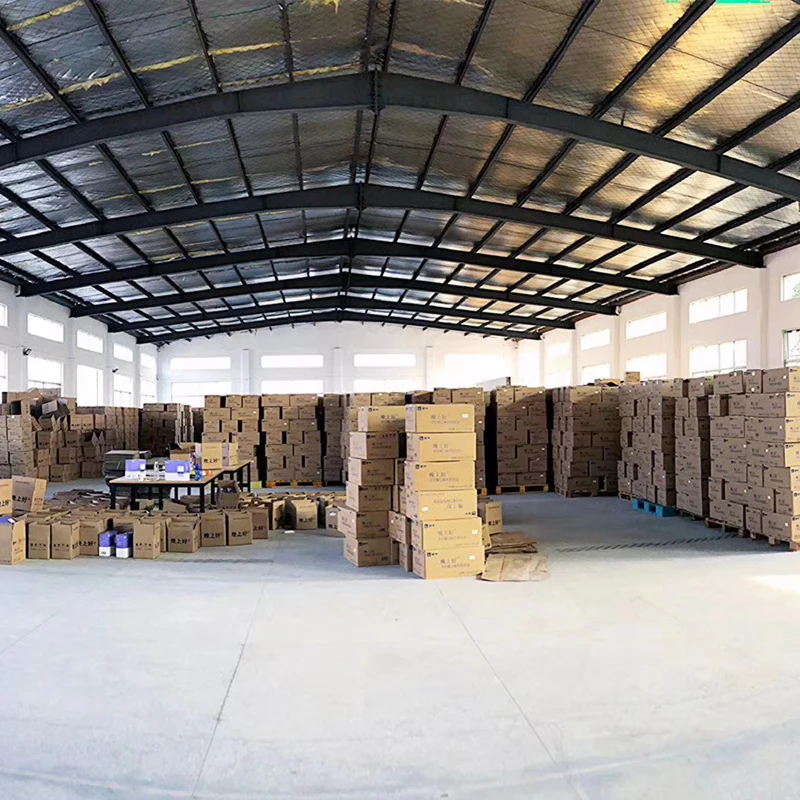
Cangzhou Zhengda Kaihua Plastic Products Co., Ltd.
- Manufacturer, Trading Company
- Hebei Province, China
- Lead time7 days
- Avg. response≤ 3h
Main productsPlastic spray bottles,Drop bottles,Medical bottle,Pesticide bottle,Daily chemical bottle
Main marketsDomestic Market(10.00%), South Asia(10.00%), Southern Europe(10.00%), Northern Europe(10.00%), Central America(10.00%), Western Europe(10.00%), Eastern Asia(10.00%), Mid East(10.00%), Oceania(10.00%), Africa(10.00%), Southeast Asia(10.00%), Eastern Europe(10.00%), South America(10.00%), North America(10.00%)

Guangzhou Shengni Plastic Products Co., Ltd.
- Verified by SGS
- Trading Company
- China Guangdong
- Lead time15 days
- Avg. response≤ 2h
Main productsPlastic Bottle, Plastic Cap, Plastic Pump, Fine Mist Sprayer, Plastic Preform, Trigger Sprayer, Cream Pump, Sprayaer Bottle, Sprayer Pump, Lotion Bottle
Main marketsAfrica,Southeast Asia/ Mideast,Europe

Shenzhen Bona Pharma Technology Co., Ltd.
- Verified by TUVRHEINLAND
- Manufacturer/Factory
- China Guangdong
- Lead time30 days
- Avg. response≤ 22h
Main productsSpray Pumps, Pharmaceutical Packagings, Plastic Bottles, Medical Packaging, Cosmetic Packages, Pharmaceutical Deliverys, Drug Delivery System, Vaginal Applicators, Eye Drops, Vials
Main marketsSouth America,Eastern Europe,Mid East,North America,Southeast Asia,Eastern Asia,Oceania,Western Europe,Africa

NINGBO WELLJAR PLASTIC TECHNOLOGY CO., LTD.
- Verified by BV
- Combined
- China Zhejiang
- Lead time23 days
- Avg. response≤ 9h
Main productsPet Bottle
Main marketsSouth America,Africa,Southeast Asia/ Mideast,East Asia(Japan/ South Korea),Europe,Australia,North America

Ningbo Crete Plastic Co., Ltd.
- Trading Company
- China Zhejiang
- Lead time23 days
- Avg. response≤ 10h
Main productsCosmetic Bottle, Cosmetic Jar, Trigger Sprayer, Lotion Pump, Foam Pump, Mist Sprayer, Plastic Cap, Airless Bottle, Cosmetic Tube, Plastic Bottle
Main marketsSouth America,Africa,Southeast Asia/ Mideast,East Asia(Japan/ South Korea),Domestic,Europe,Australia,North America

500ml 660ml 700ml 750ml 1000ml HDPE Plastic Spray Bottle with Trigger Sprayer
$0.28 - $0.29
MOQ: 10000 Pieces


350ml 450ml HDPE Plastic Empty Continuous Mist Spray Bottle for Hair Care
$0.60 - $1.50
MOQ: 5000 Pieces
Ningbo Refiner Imp. & Exp. Co., Ltd.
- Verified by BV
- Trading Company,Manufacturer/Factory
- China Zhejiang
- Lead time23 days
- Avg. response≤ 12h
Main productsAll Plastic Trigger Sprayer, Oblique Pump Trigger Sprayer, Foam Pump, Lotion Pump, Mist Sprayer, Cream Pump, Plastic Cap, Plastic Bottle
Main marketsSouth America,Eastern Europe,Mid East,North America,Southeast Asia,Eastern Asia,Oceania,Western Europe,Africa

Black Color Oil Sprayer Bottle Ultra-Fine Spray Continuous Spray Bottle
$0.52 - $0.57
MOQ: 10000 Pieces


Direct Factory High Quality Plastic Bottle Continuous Spray Bottle 200ml 500ml
$0.52 - $0.57
MOQ: 10000 Pieces
Ningbo Somewang Packaging Co., Ltd.
- Verified by SGS
- Combined
- China Zhejiang
- Lead time23 days
- Avg. response≤ 4h
Main productsCosmetic Packaging, Cosmetic Bottle, Plastic Bottle, Cosmetic Tube, Cream Jar, Lotion Pump, Mist Sprayer, Trigger Sprayer, Plastic Cap, Glass Bottle
Main marketsSoutheast Asia/ Mideast,Europe,North America

Wholesale 750ml Plastic HDPE Spray Bottle with Different Kinds of Trigger Sprayer
$0.27 - $0.27
MOQ: 10000 Pieces

Wholesale Customized 500ml Plastic HDPE Cylinder Bottle with Different Pumps
$0.14 - $0.15
MOQ: 10000 Pieces

Hot Sale 250ml HDPE Plastic Flat Bottle with Different Kinds Trigger Sprayer
$0.15 - $0.16
MOQ: 10000 Pieces

Eco Friendly 350ml HDPE Plastic Bottle 28/410 Neck Recycle Bottle with PP Sprayer for Cleaning
$0.21 - $0.27
MOQ: 10000 Pieces

Wholesale 750ml Customized HDPE Plastic Flat Bottle with Different Kinds of Closures
$0.22 - $0.24
MOQ: 10000 Pieces

High Quality Special-Shaped 450ml Plastic HDPE Bottle with Different Pumps
$0.28 - $0.28
MOQ: 10000 Pieces

Ningbo July Packaging Co., Ltd.
- Verified by BV
- Trading Company
- China Zhejiang
- Lead time23 days
- Avg. response≤ 4h
Main productsSkincare Packaging, Airless Bottle, Cosmetic Packaging, Trigger Sprayer, Cream Jar, Lotion Pump, Plastic Bottle, Plastic Goblet, Plastic Cup, Wine Glass
Main marketsSoutheast Asia/ Mideast,Europe

Jinhua Allies Import and Export Co., Ltd.
- Verified by SGS
- Manufacturer/Factory
- China Zhejiang
- Lead time23 days
- Avg. response≤ 5h
Main productsCanister, Container, Bottle, Cosmetic, Make up, Plastic Packaging, Eyeshadow, Palette, Box, Compact Case
Main marketsSouth America,Mid East
Hebei Shengjin Package Co., Ltd.
- Verified by TUVRHEINLAND
- Manufacturer/Factory
- China Hebei
- Lead time0 days
- Avg. response≤ 2h
Main productsGlass Bottle, Cosmetic Bottle, Perfume Bottle, Dropper Bottle, Pill Bottle
Main marketsSouth America,Eastern Europe,Mid East,North America,Southeast Asia,Eastern Asia,Oceania,Western Europe,Africa

Guangzhou Winly Packaging Products Co., Ltd.
- Verified by CTI
- Trading Company
- China Guangdong
- Lead time15 days
- Avg. response≤ 3h
Main productsCosmetic Packaging Pet Bottle, HDPE LDPE Bottle, Glass Bottle, Paper Boxes, Airless Bottle, Make-up Tools
Main marketsSoutheast Asia/ Mideast,Europe,North America

GOLD FORTUNE (GUANGDONG) IMPORT & EXPORT CO., LTD.
- Trading Company,Manufacturer/Factory
- China Guangdong
- Lead time23 days
- Avg. response≤ 22h
Main productsCollapsible Aluminium Tube, Laminated Tube, PE Cosmetic Tube, Aluminium and Tinplate Aerosol Can, Hair Colour Chart, Pet/PE Bottle, Packaging Paper Box, Aluminium Bottle, Aerosol Actuator and Valve, OEM Aerosol Products
Main marketsSouth America,Eastern Europe,Mid East,North America,Southeast Asia,Africa

- Verified by TUVRHEINLAND
- Manufacturer/Factory
- China Jiangsu
- Lead time0 days
- Avg. response≤ 10h
Main productsPerfume Bottle, Perfume Cap, Deodorant Cap, Perfume Box, Gift Box, Jewelry Box, Watch Box, Paper Box, Wine Box, Aerosol Cap


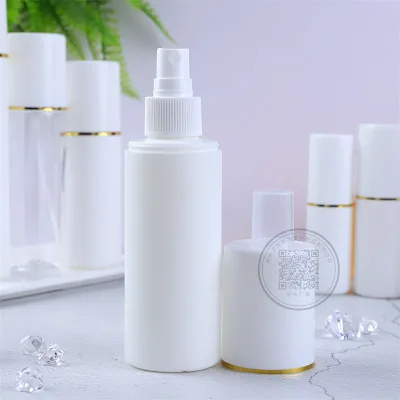
OEM Custom 30ml 50ml 75ml 100ml White HDPE Plastic Mist Spray Bottles with Sprayer
$0.05 - $0.40
MOQ: 10000 Pieces

Ningbo Jiahua Plastic Co., Ltd.
- Verified by BV
- Combined
- China Zhejiang
- Lead time30 days
- Avg. response≤ 22h
Main productsLotion Pump, Trigger Sprayer, Sprayer, Mist Sprayer, Plastic Cap, Pet Bottle, Crimp Sprayer, Perfume Sprayer, Screw Microsprayer
Main marketsSouth America,Southeast Asia/ Mideast,Europe,North America
Ningbo Subir Commodity Co., Ltd
- Verified by TUVRHEINLAND
- Combined
- China Zhejiang
- Lead time30 days
- Avg. response≤ 24h
Main productsSpray Bottle, Credit Card Spray Bottle, Card Spray Bottle, Refillable Spray Bottle, Hand Sanitizing Spray Bottle, Perfume Tester, Perfume Vials, Perfume Spray Bottle, Pocket Spray Bottle, Plastic Bottle
Main marketsEurope,North America

Yuyao Luhang Daily Necessities Co., Ltd.
- Verified by TUVRHEINLAND
- Combined
- China Zhejiang
- Lead time23 days
- Avg. response≤ 9h
Main productsTrigger Sprayer, Lotion Pump, Fine Mist Sprayer, Sprayer Pen&Card Sprayer, Treatment Pump, Foam Pump, Nail&Cleaning Pump, Plastic Cap, Airless Bottle, Bottle
Main marketsSouth America,Others(foreignTradeCapacity.exportBusinessCapacityMarketOther),Southeast Asia/ Mideast,Domestic




Comprehensive Sourcing Guide
HDPE Industrial Spray Bottle Supplier Concentration and Factory Types
When you begin mapping the supplier landscape for HDPE industrial spray bottles, the first step is separating manufacturers from trading companies. Search results in this category typically show both, and the distinction matters for quality control and pricing. A combined manufacturer and trader based in Chongqing, for example, lists spray bottles, nasal and oral sprayers, throat sprayers and matching pumps as its main products, which signals genuine tooling and production capability for blow-molded bottles and injection-molded sprayer assemblies. A trading company in Liaoning, by contrast, lists a much broader basket — ring pull caps, glass bottles, PET preforms, trigger sprayers, blow molding machines and even I-beam crossmembers — which suggests it aggregates orders rather than molding HDPE itself.
To identify clusters when locations are not displayed, look at product titles and attributes. Repeated references to models, clean-room grades, GMP references such as ISO15378, and neck sizes like 18/415, 20/410 and 24/410 indicate suppliers serving pharmaceutical and personal-care packaging markets, which tend to concentrate where medical packaging supply chains exist. For HDPE industrial spray bottles specifically, verify whether the factory actually runs HDPE blow molding and PP sprayer injection in-house, because many listings in this category are assembled from multiple component vendors. Ask each supplier to confirm which processes are internal, which are subcontracted, and request the factory's business scope documentation before relying on any classification shown on a listing page.
How to Verify HDPE Industrial Spray Bottle Suppliers
Verification starts with third-party verification badges and audit evidence. In the current results, one supplier is verified by SGS and another by TÜV Rheinland, which are meaningful but not equivalent to a factory audit on your own scope of supply. A verified badge generally confirms legal existence and basic commercial data; it does not confirm that HDPE bottles are molded under controlled conditions or that sprayer pumps meet dosage tolerances. Ask the supplier for a recent third-party audit report covering quality systems, and request the underlying certificates. One supplier in this category displays ISO9001:2015 and ISO14001:2015 system certifications, and its product attributes reference ISO15378 GMP and a 10,000-grade clean room — claims you should confirm by requesting the certificate numbers and validating them against the issuing body's database.
Practical verification steps should include sample evaluation, a video walkthrough of the blow molding and assembly areas, and reference checks with existing customers in your end market. For an industrial spray bottle, request dimensional reports on the bottle, neck finish and pump, and test dosage per actuation, since one product line lists 100mcl (0.1ml) dosing and another lists a range of 0.05–0.14ml. Confirm the material grades for both components, not just the bottle: the listings specify HDPE bottles with PP sprayers, and the closure type as screw-on. Finally, check response behavior early; documented response times in the results range from roughly 1.4 to 4.6 hours, but your own inquiry-response experience is the more reliable signal.
What to Compare Across HDPE Industrial Spray Bottle Suppliers
Build a comparison table with the dimensions that actually differ between suppliers. Start with lead time: one supplier shows a platform-level lead time of 23 days, another shows 30 days, and their individual product listings quote 15–20, 20–25, 25 and even 15 days depending on the model. These gaps matter if you are restocking. Compare MOQ next — the listings range from 50,000 pieces to 100,000 pieces per SKU, so confirm the figure per size, color and neck finish rather than accepting a single number. Compare response speed, since results show average response times spanning roughly 1.4 to 4.6 hours; slow responses during quoting often worsen during production.
Beyond those basics, compare company type, location and main products. A combined manufacturer focused on sprayers and spray pumps is a different risk profile from a trading company whose catalog spans bottle caps, PET preforms, glass bottles and production machinery. Use verification status — SGS versus TÜV Rheinland in the current results — as a screening filter, then go deeper on certifications: ISO9001:2015 and ISO14001:2015 at the company level, ISO15378 GMP references and clean-room grade at the product level. Compare customization capability, since one listing states customization is available while another states logo printing is not included by default, which affects your branding plan. Finally, compare pricing where displayed — sample figures range from about $0.11 to $0.188 per piece — but only for like-for-like sizes, dosages and neck finishes, and always validate with your own quotations.
Common HDPE Industrial Spray Bottle Sourcing Risks
The most frequent risk in this category is MOQ misalignment. Many listings quote 100,000 pieces as the per-SKU minimum, while others quote 50,000 pieces; if you need multiple sizes or colors, the effective commitment multiplies quickly. Confirm whether the MOQ applies to the bottle alone or the complete bottle-plus-pump assembly, and whether a first order can be split across SKUs. The second common risk is lead-time drift: quoted production windows of 15–20, 20–25 and 25 days in the current listings exclude transit, holidays and mold preparation, and customized colors or closures typically extend them. Get a written production schedule tied to deposit receipt.
Quality risks concentrate in the sprayer assembly rather than the bottle. HDPE bottles are relatively forgiving; PP spray pumps are not. Specify dosage per actuation (listings show 0.1ml nominal and 0.05–0.14ml ranges), priming behavior, leak resistance and compatibility with your formulation, especially for solvent-based industrial contents. Also verify clean-room and GMP claims before treating a supplier as pharmaceutical-grade — a 10,000-grade clean room and ISO15378 references should be documented, not assumed. Watch for recycled-content ambiguity: one listing explicitly marks its product as unrecycled, so state your resin requirements in writing. Finally, beware catalog breadth as a signal: a supplier selling machinery, caps and I-beam crossmembers may be reselling bottles, which lengthens your problem-resolution chain. Payment risk is real too; one listing specifies a 30% prepayment before production, so align payment milestones with inspection rights.
HDPE Industrial Spray Bottle Regional Sourcing and Logistics
The current results point to two distinct sourcing regions. A manufacturer located in Chongqing offers spray bottles and sprayer pumps as its core product line, while a trading company in Liaoning offers trigger sprayers among a much wider catalog. Chongqing is an inland municipality, which typically means goods move by truck or rail to coastal ports before ocean freight — a routing detail worth confirming when you calculate total delivery time. Liaoning is in northeast China with access to northern ports, so freight routing and sailing frequency will differ. Ask each supplier which port they ship from, because inland haulage adds cost and variability that a headline lead time of 23 or 30 days may not reflect.
Packaging and container loading are category-specific logistics concerns. Listings describe poly bag with carton packaging, so request carton dimensions and weight per thousand units to model your container utilization; HDPE bottles nest well, but assembled pumps can increase volume significantly. Ask whether bottles ship with pumps attached or separately, since separate shipping reduces damage and lets you QC components before assembly. Clarify Incoterms and who arranges freight — a trading company may offer more flexible consolidated shipments, while a manufacturer will likely ship direct. Confirm sample logistics too: one listing states samples are provided, but you should confirm whether sample freight is charged and how long customs clearance takes in your market. Build buffer into any quoted delivery time for peak season vessel space.
HDPE Industrial Spray Bottle Commercial Terms and Order Planning
Plan orders around the commercial terms the supplier actually discloses. Product listings in this category show unit price ranges from roughly $0.11 to $0.188, MOQs of 50,000 to 100,000 pieces, and production lead times between 15 and 25 days depending on model, with one supplier-level lead time of 23 days and another of 30 days. One listing specifies payment as 30% prepayment before production, which is a common structure but leaves the balance terms undefined — negotiate when the remaining 70% falls due and what inspection rights you hold before final payment. Ask whether prices are quoted for bare bottles or complete assemblies, since the PP sprayer is often priced separately.
For order planning, sequence your decisions: confirm size (listings span 20ml to 100ml, with 30ml, 50ml and 60ml appearing most often), neck finish (18/415, 20/410, 24/410 in the current data), dosage, color and closure before requesting firm quotations, because each parameter changes tooling and price. Confirm customization scope explicitly — one supplier states customization is available, another lists products without logo printing by default — and get printing costs and plate fees in writing. Reconciliation of ODM and own-brand capability, which one supplier claims, should be tested with a pre-production sample. Finally, verify escrow or platform payment protection availability before wiring deposits, and stage first orders conservatively so that MOQ commitments do not outpace validated quality.
Word count check: each section written to roughly 230 words; total approximately 1,380 words.
FAQs
What is the typical MOQ for HDPE industrial spray bottles?
Typical MOQs for HDPE spray bottles range around 50,000 pieces, and some listings specify 100,000 pieces. Lower volumes may be negotiable for standard models, but custom colors, neck sizes or logo printing usually require the full quantity. Confirm the MOQ for your exact bottle size and sprayer configuration before requesting a formal quotation.
How long does production of HDPE spray bottles usually take?
Production lead times for HDPE spray bottles generally run 15 to 25 days, depending on the model and customization level. Stock configurations with standard neck finishes can ship faster, while custom tooling, special colors or clean-room requirements add time. Always confirm the lead time in writing and factor in shipping before planning your product launch.
Which neck sizes and dosages are available for these spray bottles?
Common neck sizes include 18/415, 20/410 and 24/410, with 18mm and 28-series finishes also offered on certain models. Typical dosage is around 0.1ml per actuation, though throat sprayers may dispense 0.05 to 0.14ml. Check the specification sheet for each model, because dosage and neck size vary by bottle design.
What materials are used in the bottle and the sprayer components?
The bottles are made from HDPE plastic, while sprayer components are usually polypropylene, and some models use HDPE or PET bottle bodies. Plastic injection molding is the standard production technique. Ask suppliers to confirm material grades and request compliance documentation if your application is pharmaceutical or involves sensitive liquid formulations.
Are HDPE spray bottles suitable for pharmaceutical applications?
Yes, many HDPE spray bottles are produced for pharmaceutical packaging, with some listings citing ISO15378 GMP standards and 10,000-grade clean rooms. These features support OTC and medical applications such as oral, throat and topical sprays. Request the relevant certificates and clean-room details directly from the supplier to verify current compliance before ordering.
Can HDPE spray bottles be customized with my brand or specific colors?
Yes, customization is generally available, covering bottle colors, sprayer configurations and specific sizes from 20ml up to 100ml. Some suppliers also offer ODM services and own-brand development. Note that certain stock items ship without logo printing, so confirm whether printing, mold costs and minimum quantities apply to your branding requirements.
What is the price range for HDPE industrial spray bottles?
Listed prices for HDPE spray bottles typically fall between roughly 0.11 and 0.19 US dollars per piece, varying by size, sprayer type and order volume. Larger bottles and specialized sprayers cost more than basic fine-mist models. Request quotations for your exact specification, since unit pricing depends heavily on quantity and customization.
What quality certifications should I verify when sourcing these bottles?
Look for ISO9001 and ISO14001 system certifications, ISO15378 GMP compliance for pharmaceutical use, and third-party verification such as SGS or TUV Rheinland. Clean-room class documentation is also relevant for medical applications. Ask suppliers for current certificate copies and confirm they cover the specific product line you intend to purchase, not just the factory.