High Accuracy Plastic Torque Rheometer Suppliers and Manufacturers
Source 18 verified suppliers for High Accuracy Plastic Torque Rheometer units. Compare grounded dimensions including CE and RoHS certifications, 15-60 day lead times, and Guangdong, China origins. Review specifications and request quotes to identify the right partner for your testing needs.
Suppliers List
Dongguan Right Instrument Co., Ltd.
- Verified by SGS Group
- Trading Company
- Lead time15 days
Main productsPlastic Test Equipment, Rubber Test Equipment, Metal Detector, Paper & Cardboard Tester, Fabric Test Equipment
Main marketsNorth America(16%), Southeast Asia(15%), Western Europe(13%)
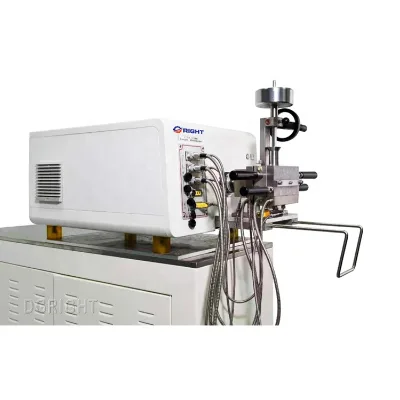
$15000.00 - $25000.00
MOQ: 1 Minimum
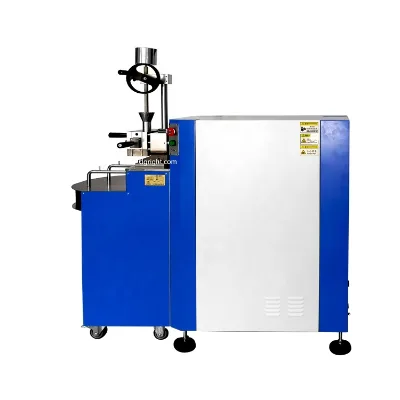
$10226.47 - $51132.33
MOQ: 1 Minimum
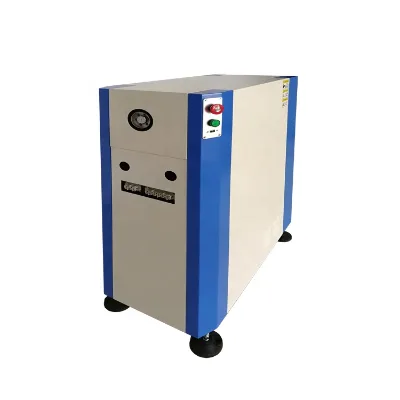
Best Price Plastic and Polymer Material Torque Rheometer for Polymer Material
$15413.90 - $35965.77
MOQ: 1

ASTM D3795 Desktop XLPE Crosslinking Analyzer Polymer Torque Rheometer
$15413.90 - $25689.83
MOQ: 1 Minimum


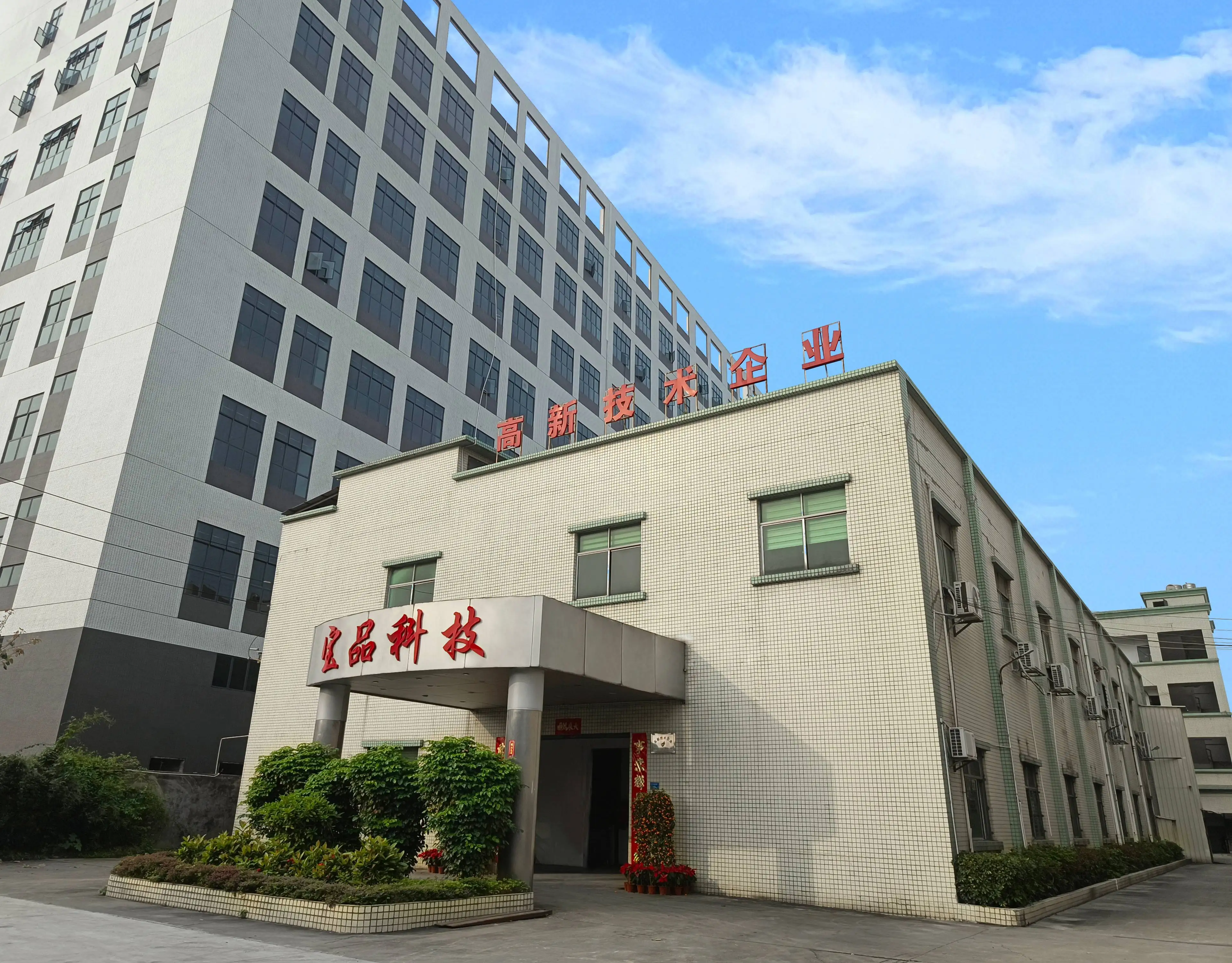
Dongguan Baopin Precision Instruments Co., Ltd.
- Manufacturer, Trading Company
- Guangdong, China
- Lead time60 days
- Avg. response≤ 5h
Main productsLab Press Machine,Lab Two Roll Mill,Lab Extruder,Extrusion Granulation Line,Lab Film Blowing Machine
Main marketsDomestic Market(33.00%), Southeast Asia(7.00%), South Asia(6.00%), Eastern Asia(6.00%), South America(5.00%), Southern Europe(5.00%), Northern Europe(5.00%), Central America(5.00%), Western Europe(5.00%), Eastern Europe(5.00%), Mid East(5.00%), Oceania(5.00%), North America(5.00%), Africa(3.00%)

Jinan Xinghua Instruments Co., Ltd.
- Trading Company,Manufacturer/Factory
- China Shandong
- Lead time23 days
- Avg. response≤ 10h
Main productsTextile Testing Equipments, Yarn Testing Equipments, Leather and Footwear Testing Equipment, Plastic Testing Equipment, Paper and Package Testing Equipment, Paint Testing Equipment, Metallographic Testing Equipment, Mask Testing Equipment, Protective Clothing Testing Equipment, Tensile Testing Machine
Main marketsSouth America,Eastern Europe,Mid East,North America,Southeast Asia,Eastern Asia,Western Europe,Africa
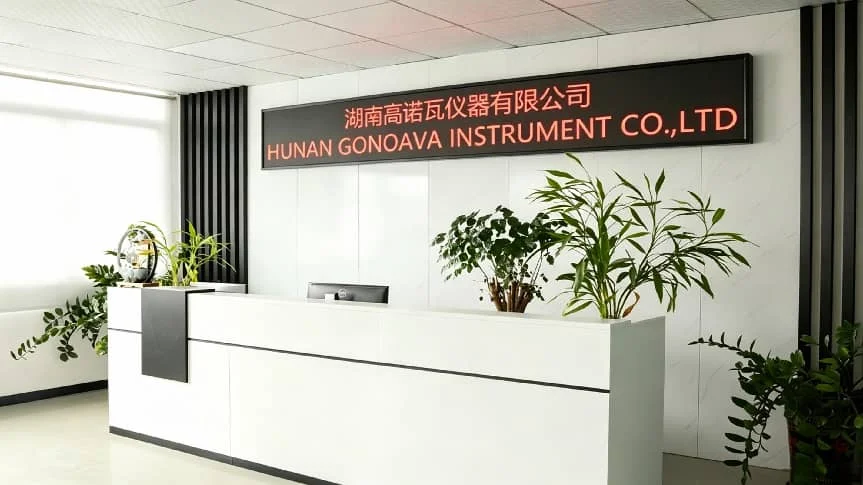
Hunan Gonoava Instrument Co., Ltd.
- Trading Company
- Hunan, China
- Lead time10 days
- Avg. response≤ 4h
Main productsspectrophotometer,Petroleum oil tester,Environmental test chamber,Testing Machine,Contact Angle Tester
Main marketsEastern Asia(20.00%), Northern Europe(10.00%), North America(10.00%), Oceania(10.00%), Domestic Market(5.00%), South Asia(5.00%), Southern Europe(5.00%), Southeast Asia(5.00%), Central America(5.00%), Western Europe(5.00%), Eastern Europe(5.00%), Mid East(5.00%), South America(5.00%), Africa(5.00%)

Harbin Hapro Electric Technology Co., Ltd.
- Verified by TUVRHEINLAND
- Combined
- China Heilongjiang
- Lead time30 days
- Avg. response≤ 10h
Main productsUV Irradiation Crosslinking, Torque Rheometer, Laboratory Mini Extruder, Film Forming Machine, Rubber Machine, Plastic Machine, Two-Roll Mills, Thermal Stability Tester Oven
Main marketsSouth America,East Asia(Japan/ South Korea),Europe,Australia,North America

Changchun Intelligent Instrument Equipment Co.,Ltd.
- Verified by TUVRHEINLAND
- Combined
- China Jilin
- Lead time30 days
- Avg. response≤ 2h
Main productsMaterial Testing Machine, Torque Rheometer, Voltage Breakdown Tester, Capillary Rheometer, Melt Flow Index Tester
Main marketsDomestic


Digital Torque Rheometer for Superior Plastic Rubber Processing Technology
$22000.00 - $30000.00
MOQ: 1 Sets

Innovative Torque Rheometer for Enhanced Plastic Rubber Processing Applications
$22000.00 - $30000.00
MOQ: 1 Sets


Precision Torque Rheometer for Efficient Plastic Rubber Processing Solutions
$22000.00 - $30000.00
MOQ: 1 Sets

Hefei Fanyuan Instrument Co., Ltd.
- Trading Company
- Anhui, China
- Lead time30 days
- Avg. response≤ 9h
Main productsTextile Testing Instrument,Melt Spinning Machine,Mask Testing Machine,Footwear Testing Instrument,Spinning Lab Equipment
Main marketsDomestic Market(34.00%), Southeast Asia(23.70%), South America(10.50%), Mid East(5.30%), Central America(5.30%), Western Europe(5.30%), South Asia(5.30%), Eastern Asia(2.60%), Southern Europe(2.60%), Northern Europe(2.60%), Oceania(2.60%), Eastern Europe(0.10%), North America(0.10%)


$25601.55 - $46082.79
MOQ: 1 Minimum

Nanjing T-Bota Scietech Instruments & Equipment Co., Ltd.
- Verified by TUVRHEINLAND
- Trading Company,Manufacturer/Factory
- China Jiangsu
- Lead time15 days
- Avg. response≤ 4h
Main productsUniversal Testing Machine, Compression Testing Machine, Soil Testing Instruments, Petrolium Testing Machine, Geo-Technical Testing Machine, Surveying Testing Machine, Non-Destructive Testing Machine, Asphalt&Pavement Testing Machine, Concrete&Cement Testing Machine, Lab Equipment
Main marketsSouth America,Eastern Europe,Mid East,North America,Southeast Asia,Eastern Asia,Oceania,Western Europe,Africa

QINGDAO DAHUA MACHINERY CO., LTD.
- Trading Company
- China Shandong
- Lead time23 days
- Avg. response≤ 16h
Main productsRubber Machinery, Rubber Machine, Rubber Mixing Mill, Rubber Mixer Machinery, Rubber Kneader Mixer, Rubber Internal Mixer, Rubber Vulcanizing Press Machine, Vacuum Rubber Molding Press Machine, Rubber Calender Machine, Rubber Extruder Machine
Main marketsSouth America,Southeast Asia/ Mideast,North America

Dongguan Youbi Test Equipment Co.,Ltd
- Verified by SGS
- Trading Company
- China Guangdong
- Lead time15 days
- Avg. response≤ 8h
Main productsTensile Tester, Impact Tester, Abrasion Tester, Climate Chamber, Hardness Tester, Controller, Battery Test Machine, Testing Machine, Test Chamber, Test Equipment
Main marketsSoutheast Asia/ Mideast


No-Rotor Rheometer Rubber Testing Machine Electronic Rotorless Rheometer Rubber Testing
$299.00 - $2999.00
MOQ: 1 Pieces


Guangdong Hongtuo Instrument Technology Co., Ltd.
- Manufacturer, Trading Company
- Lead time旺季: "1 - 1":5,"> 1":"To be negotiated", 淡季: "1 - 1":5,"> 1":"To be negotiated"
- Avg. response≤ 2h
Main productsdensity meter,gold testing machine,climatic testing chamber,universal testing machine,plastic testing equipment

Dongguan Hongjin Test Instrument Co., Ltd.
- Verified by TUVRHEINLAND
- Manufacturer/Factory
- China Guangdong
- Lead time30 days
- Avg. response≤ 1h
Main productsTemperature Humidity Chamber, Tharmal Shock Test Chamber, UV Test Machina, Vibation Tester, Aging Test Machine, Dust Test Chamber, Ozone Aging Test Chamber, Pct High Pressure Aging Box, Rain Test Box, Melt Index Apparatus
Main marketsSouth America,Mid East,Southeast Asia,Africa


Fully Automatic Laboratory Plastic Vulcanization Rheometer Computer Control Rotorless Rheometer
$2000.00 - $16800.00
MOQ: 1 Pieces

Hunan Gonoava Instrument Co Ltd
- Verified by TUVRHEINLAND
- Trading Company
- China Hunan
- Lead time15 days
- Avg. response≤ 7h
Main productsThermal Gravimetric Analyzer, Differential Scanning Calorimeter, Helium Mass Spectrometer, Xrf Portable Analyzer, Fluorescence Spectrometer, RoHS Environmental Analyzer, Contact Angle Testers, Universal Tensile Compression Testing Machine, Climatic Test Chambers, Plastic Testing Machine
Main marketsSoutheast Asia/ Mideast,East Asia(Japan/ South Korea),North America

$1250.00 - $3500.00
MOQ: 1 Pieces

Cone Plate Rheometer Torque Rheometer Viscometer Digital Viscosity Meter
$1200.00 - $3500.00
MOQ: 1 Pieces

Low Shear Rate Cone and Plate Rheometer with Torque Measurement Digital Viscosity Meter
$10000.00 - $15000.00
MOQ: 1 Pieces

OSMeterings Instrument (Shanghai) Co., Ltd.
- Verified by SGS
- Combined
- China Shanghai
- Lead time30 days
- Avg. response≤ 1h
Main productsFlow Meter, Flow Meters, Flowmeter, Flowmeters, Gas Liquid Steam Oil Water Flow Meter, Electromagnetic Flowmeter, Turbine Flow Meter Flowmeter, Air Diesel Flow Meter, Precession Vortex Flow Meter, Positive Displacement Flow Meter
Main marketsSoutheast Asia/ Mideast


High-Precision Plastic Rotameter for Accurate Chemical Flow Measurement
$10.00 - $100.00
MOQ: 10 Pieces

High-Precision Plastic Flow Meter Rotameter for Liquids - 0.6MPa Pressure
$10.00 - $100.00
MOQ: 20 Pieces

CHANGSHA LANGSHUO TECHNOLOGY CO LTD
- Verified by BV
- Trading Company
- China Hunan
- Lead time15 days
- Avg. response≤ 8h
Main productsUniversal Tensile Testing Machine, Plastic Test Machine, Packaging Test Machine, Ink Proofers, Contact Angle Testers, Paint Coating Test Machine, Viscometer Densimeter Gloss Meter, Surface Roughness Meter Vibration Meter, Video Measuring Machine Profile Projector, Hardness Tester
Main marketsSoutheast Asia/ Mideast,Europe

Jinan Kason Testing Equipment Co., Ltd.
- Verified by TUVRHEINLAND
- Trading Company,Manufacturer/Factory
- China Shandong
- Lead time15 days
- Avg. response≤ 5h
Main productsElectronic Testing Machine, Hydraulic Universal Testing Machine, Compression Testing Machine, Impact Testing Machine, Bending Testing Machine, Hardness Tester/Testing Machine, Friction and Wear Testing Machine, Metallographic Equipments, Torsion Testing Machine, NDT/Force Gauge/Tension Meter
Main marketsSouth America,Eastern Europe,Mid East,North America,Southeast Asia,Eastern Asia,Oceania,Western Europe,Africa


Computerized No Rotor Rheometer for Rubber Material Rheology Machine Supplier
$4255.00 - $4555.00
MOQ: 1 Pieces

No Rotor Rheometer Rotational Rheometer / Rubber Open Plate Rheometer
$4255.00 - $4555.00
MOQ: 1 Pieces

Rotational Rheometer, Parallel Plate Rheometer, Rheometer Testing Rubber
$4255.00 - $4555.00
MOQ: 1 Pieces


Hangzhou Changniu Technology Co., Ltd.
- Verified by SGS
- Combined
- China Zhejiang
- Lead time15 days
- Avg. response≤ 3h
Main productsDynamometer, Motor Test Bench, Motor Test System, Parameter Measuring Instrument, Motor Stator Test Equipment, Water Pump Test System, Motor Life Test System, Motor Rotor Test Equipment, Hysteresis Dynamometer, Wind Turbine Test System
Main marketsDomestic

High Precision Motor Torque Speed Measurement Torque Sensor Testing Instruments
$500.00
MOQ: 10 Pieces


Dongguan Lonroy Equipment Co., Ltd
- Verified by SGS
- Trading Company
- China Guangdong
- Lead time15 days
- Avg. response≤ 8h
Main productsMfi Tester, Izod Impact Tester, Charpy Impact Tester, Universal Testing Machine, Temperature Humidity Chamber, UV Weather Tester, Tensile Testing Machine, Taber Abrasion Tester, Hardness Tester, Projector
Main marketsAfrica

$1000.00 - $3000.00
MOQ: 1 Pieces

ISO 6502 Rubber No Rotor Rheometer Rubber Rotorless Rheometer Torque Rheometer
$1000.00 - $3000.00
MOQ: 1 Pieces

$1000.00 - $3000.00
MOQ: 1 Pieces

$1000.00 - $3000.00
MOQ: 1 Pieces




Comprehensive Sourcing Guide
High Accuracy Plastic Torque Rheometer Supplier Concentration and Factory Types
The current supplier landscape for High Accuracy Plastic Torque Rheometer equipment reveals a distinct mix of manufacturing capabilities and trading structures. Data indicates that the primary location for these specialized testing instruments is Guangdong, China, where a significant concentration of production facilities operates. This regional clustering suggests a mature supply chain for laboratory equipment, particularly for devices requiring precise torque measurement and thermal stability analysis. Buyers should note that while many suppliers list their location in this province, the operational model varies significantly between entities. Some suppliers identify themselves strictly as trading companies, acting as intermediaries who source products from various factories to offer a broader catalog. Others present themselves as manufacturers with integrated production lines, capable of customizing equipment for specific laboratory needs. This distinction is critical because it affects not only the pricing structure but also the level of technical support and after-sales service available. Trading companies may offer faster response times and more flexible order quantities, whereas manufacturers might provide deeper customization options for rotor types and mixing chamber volumes. Understanding this dichotomy helps buyers align their procurement strategy with their specific operational requirements, whether they prioritize speed and variety or direct factory engagement and technical depth.
Furthermore, the product evidence highlights a range of main products offered by these suppliers, extending beyond just torque rheometers to include lab press machines, extruders, and film blowing machines. This suggests that many suppliers are specialized in broader laboratory testing equipment rather than being niche-only rheometer producers. For buyers seeking a High Accuracy Plastic Torque Rheometer, this broader portfolio can be advantageous if they plan to source complementary testing devices simultaneously. However, it also necessitates careful verification of the supplier’s actual manufacturing capacity for the specific rheometer model. Some listings indicate capabilities in graphic processing and sample processing, which are essential for customizing rheometer outputs for unique polymer materials. The presence of both manufacturer and trading company types in the results implies that buyers must scrutinize the company type field to determine the true nature of the supplier. A trading company might offer a High Accuracy Plastic Torque Rheometer at a competitive price but with less direct control over quality assurance processes. Conversely, a manufacturer might have longer lead times but offer more robust warranty support and direct engineering assistance. This variability underscores the importance of verifying the supplier’s identity and capabilities before committing to a purchase, ensuring that the chosen partner can meet the specific technical and logistical demands of the project.
How to Verify High Accuracy Plastic Torque Rheometer Suppliers
Verifying the authenticity and capability of suppliers offering High Accuracy Plastic Torque Rheometer equipment requires a multi-layered approach that goes beyond surface-level product descriptions. One of the most reliable indicators of supplier credibility is the presence of third-party verification badges, such as those from SGS Group. These verifications provide an independent assessment of the supplier’s business legitimacy and operational standards, offering buyers a layer of security that self-reported claims cannot match. Buyers should prioritize suppliers who display such verification marks, as they indicate a higher level of transparency and adherence to international business practices. Additionally, checking for system certifications like CE and RoHS is essential, as these marks confirm that the equipment meets specific safety and environmental standards required in many global markets. These certifications are particularly important for laboratory equipment that operates at high temperatures and involves complex electrical components. Buyers should request copies of these certificates and verify their validity through the issuing bodies to ensure they are current and applicable to the specific models being considered. This due diligence helps mitigate the risk of purchasing non-compliant equipment that could lead to regulatory issues or safety hazards in the laboratory.
Beyond certifications, buyers should closely examine the technical specifications and customization options provided by the supplier. The availability of OEM, ODM, and OBM support indicates that the supplier is willing to tailor the High Accuracy Plastic Torque Rheometer to specific client requirements, which is a strong sign of manufacturing capability or strong factory partnerships. Buyers should inquire about the specific components used in the rheometer, such as the torque measurement accuracy, rotating speed ranges, and heating/cooling methods. For instance, some suppliers offer torque measurement accuracy of 0.5%F.S, which is a critical parameter for high-precision testing. Buyers should also verify the warranty terms, with many suppliers offering a two-year warranty, which reflects confidence in their product quality. Additionally, checking the supplier’s response time can provide insights into their customer service efficiency. A quick response time, such as within five hours, suggests a dedicated support team that can address technical queries and order issues promptly. Buyers should also look for evidence of after-sales service provisions, such as engineers available for overseas service, which is crucial for maintaining the High Accuracy Plastic Torque Rheometer over its operational lifespan. By combining verification of credentials with technical due diligence, buyers can confidently select suppliers who are both legitimate and capable of delivering high-quality testing equipment.
What to Compare Across High Accuracy Plastic Torque Rheometer Suppliers
When evaluating multiple suppliers for a High Accuracy Plastic Torque Rheometer, buyers must systematically compare key operational and commercial metrics to identify the best fit for their needs. One of the most significant differentiators is the lead time, which can vary substantially between suppliers. Some suppliers offer a lead time of just fifteen days, which is ideal for urgent procurement needs, while others may require up to sixty days, reflecting more complex manufacturing processes or higher production volumes. Buyers should align their procurement timeline with the supplier’s lead time to avoid project delays. Another critical factor is the minimum order quantity (MOQ). Many suppliers offer an MOQ of one unit, which is beneficial for small laboratories or research institutions that do not require bulk purchases. However, buyers should also consider the price range, which can vary widely based on the model’s specifications and customization options. Prices for high accuracy plastic torque rheometers can range from approximately ten thousand to over fifty thousand dollars, depending on features such as torque measurement range, mixing chamber volume, and rotor options. Buyers should request detailed quotations that break down these costs to understand the value proposition of each supplier.
In addition to lead time and pricing, buyers should compare the technical specifications and customization support offered by each supplier. The rotating speed range, torque measurement accuracy, and power consumption are key technical parameters that should be compared across different models. For example, some suppliers offer a rotating speed of 0-200rpm, while others may have a slightly different range. Buyers should also consider the customization support, including OEM, ODM, and OBM options, as well as any software reengineering capabilities. The availability of different rotor types, such as Roller, Banbury, Cam, or Sigma, can also influence the suitability of the equipment for specific polymer testing applications. Furthermore, buyers should compare the warranty terms and after-sales service provisions. A two-year warranty is common, but buyers should verify what is covered and the process for claiming warranty services. The location of the supplier, primarily Guangdong, China, also impacts logistics and shipping costs, which should be factored into the total cost of ownership. By systematically comparing these dimensions, buyers can make an informed decision that balances technical requirements, budget constraints, and operational efficiency, ensuring they select a supplier that offers the best overall value for their High Accuracy Plastic Torque Rheometer needs.
Common High Accuracy Plastic Torque Rheometer Sourcing Risks
Sourcing a High Accuracy Plastic Torque Rheometer from international suppliers introduces several risks that buyers must proactively manage to ensure a successful procurement. One of the primary risks is the discrepancy between advertised specifications and actual product performance. While suppliers may claim high torque measurement accuracy, such as 0.5%F.S, buyers should verify these claims through independent testing or by requesting detailed calibration certificates. Without proper verification, there is a risk of receiving equipment that does not meet the required precision standards, which could compromise the validity of laboratory results. Another significant risk is the variability in build quality and component durability. Since many suppliers are trading companies rather than direct manufacturers, there may be a lack of direct oversight over the production process, leading to inconsistencies in quality. Buyers should mitigate this risk by requesting detailed product photos, videos of the equipment in operation, and references from previous clients. Additionally, the complexity of the equipment, which often involves electrical heating, compressed air cooling, and precise mechanical components, increases the risk of technical issues during installation and commissioning. Buyers should ensure that the supplier provides comprehensive debugging and installation services, preferably done before shipment, to minimize on-site complications.
Logistical and customs risks are also prevalent when importing High Accuracy Plastic Torque Rheometer equipment. The large size and weight of these machines, with single gross weights ranging from 100kg to 330kg, can lead to high shipping costs and potential damage during transit. Buyers should work with suppliers who have experience in exporting similar equipment and can provide robust packaging solutions to protect the machinery. Furthermore, customs clearance can be delayed if the documentation is incomplete or incorrect, leading to additional storage fees and project delays. Buyers should ensure that all necessary export documents, including commercial invoices, packing lists, and certificates of origin, are prepared accurately. Another risk is the potential for language barriers and communication gaps, which can lead to misunderstandings regarding technical requirements or contract terms. Buyers should establish clear communication channels and, if necessary, use professional translation services to ensure that all specifications and expectations are clearly understood. Finally, the risk of after-sales service inadequacy is significant, especially for equipment that requires regular maintenance and calibration. Buyers should verify the supplier’s ability to provide timely technical support and spare parts, particularly if the supplier is located in a different country. By identifying and addressing these risks early in the sourcing process, buyers can protect their investment and ensure the reliable operation of their High Accuracy Plastic Torque Rheometer.
High Accuracy Plastic Torque Rheometer Regional Sourcing and Logistics
The regional concentration of High Accuracy Plastic Torque Rheometer suppliers in Guangdong, China, offers both advantages and challenges for international buyers. This region is a well-established hub for laboratory equipment manufacturing, benefiting from a mature supply chain, skilled labor, and efficient logistics infrastructure. Buyers sourcing from this region can often access a wide variety of models and customization options, as many suppliers specialize in different aspects of polymer testing equipment. The proximity to major ports in Guangdong facilitates faster and more cost-effective shipping to global destinations. However, buyers must be aware of the logistical complexities associated with importing heavy and sensitive laboratory equipment. The single gross weight of these rheometers can range from 100kg to 330kg, requiring careful planning for freight forwarding and handling. Buyers should work with experienced freight forwarders who specialize in laboratory equipment to ensure proper packaging and secure transportation. Additionally, the lead time for production and shipping can vary, with some suppliers offering quick turnaround times of fifteen days, while others may require up to sixty days. Buyers should factor in these lead times when planning their procurement schedule to avoid delays in laboratory setup or research projects.
Furthermore, buyers should consider the impact of regional trade policies and tariffs on the total cost of importing High Accuracy Plastic Torque Rheometer equipment. Depending on the destination country, there may be additional duties, taxes, or regulatory requirements that can increase the overall cost. Buyers should consult with customs brokers to understand the specific import requirements for laboratory testing equipment in their region. The location of the supplier also affects the availability of local support and service. While many suppliers offer remote technical support, having a local presence or a network of service partners can be beneficial for on-site installation and maintenance. Buyers should inquire about the supplier’s after-sales service network and whether they provide engineers for overseas service. Additionally, the time zone difference between Guangdong and other regions can impact communication and response times. Buyers should establish clear communication protocols and schedule regular check-ins with their suppliers to ensure that any issues are addressed promptly. By understanding the regional dynamics and logistical considerations, buyers can optimize their sourcing strategy and ensure a smooth import process for their high accuracy
FAQs
What is the price range for high accuracy plastic torque rheometers?
Prices typically range from $10,000 to $51,000 depending on specifications. Benchtop models start around $10,226 while advanced units reach $51,132. Costs vary based on torque measurement range, mixing chamber volume, and included rotor options. Buyers should verify exact pricing with suppliers for specific configurations.
What torque measurement accuracy can be expected from these machines?
Most high accuracy models offer a torque measurement accuracy of 0.5%F.S. This precision ensures reliable data for polymer material performance inspection. Some units provide high accuracy classifications suitable for laboratory testing. Buyers should confirm specific accuracy ratings with suppliers before purchasing to ensure compliance with testing standards.
What is the typical lead time for manufacturing these rheometers?
Lead times generally range from 15 to 60 days depending on the supplier. Some trading companies offer faster turnaround times around 15 days, while manufacturers may require up to 60 days for production. Buyers should confirm specific delivery schedules with suppliers to align with project timelines and avoid delays.
What voltage options are available for these laboratory testing machines?
Common voltage options include 220V and 380V to accommodate different electrical standards. Some models support 220V electrical equipment or 380V configurations. Buyers must verify the available voltage options with suppliers to ensure compatibility with their facility's power supply infrastructure before placing orders.
What warranty coverage is typically provided for these testing instruments?
Standard warranty periods are usually 1 to 2 years for these machines. Some suppliers offer 2-year warranties while others provide 1-year coverage. Buyers should verify specific warranty terms with suppliers to understand the scope of coverage for parts and labor during the warranty period.
What is the minimum order quantity for these torque rheometers?
The minimum order quantity is typically 1 unit for these laboratory testing machines. Buyers can purchase single items without needing to meet bulk order requirements. This flexibility allows laboratories to acquire specific models without committing to large volumes. Buyers should confirm MOQ policies with suppliers before ordering.
What customization support is available for these polymer testing devices?
Suppliers generally offer OEM, ODM, and OBM customization support. Some manufacturers also provide software reengineering services. Buyers can request specific modifications to meet unique testing requirements. Customization options vary by supplier, so buyers should verify available support services before placing orders for specialized configurations.