High Efficiency Towed Grass Aerator Suppliers and Manufacturers
Explore 20 verified suppliers offering High Efficiency Towed Grass Aerator options with CE and ISO9001 certifications. Compare response times, lead times, and MOQs to find the right partner. Contact suppliers directly to request quotes; review the available evidence before requesting comparable quotations from suitable candidates.
Suppliers List

Guangzhou Ruike Electric Vehicle Co., Ltd.
- Verified by SGS
- Trading Company
- China Guangdong
- Lead time30 days
- Avg. response≤ 8h
Main productsElectric Golf Cart, Electric Sightseeing Bus, Trackless Mini Train, Electric Vintage Car, UTV, ATV
Main marketsEurope,Australia,North America

Taizhou Taicheng Electrical Equipment Co., Ltd.
- Verified by CTI
- Combined
- China Zhejiang
- Lead time30 days
- Avg. response≤ 14h
Main productsElectric Motor, Fan Motor, Exhaust Fan, Fpr Exhaust Fan, Hvls Industrial Ceiling Fan, Ex Motor, Pm Motor
Main marketsSouth America,Africa,Southeast Asia/ Mideast,Domestic,Europe,Australia

Weifang Sichuang Machinery Co., Ltd.
- Verified by SGS
- Trading Company,Manufacturer/Factory
- China Shandong
- Lead time23 days
- Avg. response≤ 4h
Main productsMower, Green Roller, Turf Brush, Aerator, Top Dresser, Grass Seeder, Turf Sweeper, Big Roll Harvester, Turf Sprayer, Line Marker
Main marketsSouth America,Eastern Europe,Mid East,North America,Southeast Asia,Eastern Asia,Oceania,Western Europe,Africa

Qiankun Environmental Protection Joint Stock Co., Ltd.
- Verified by TUVRHEINLAND
- Combined
- China Henan
- Lead time30 days
- Avg. response≤ 8h
Main productsWastewater Treatment, Air Flotation, Anaerobic Reactor, Mechanical Bar Screen, Belt Filter, Plug Flow Aerator, Submersible Mixer, Hyperboloid Mixer, Dosing Machine, Submersible Aerator
Main marketsOthers(foreignTradeCapacity.exportBusinessCapacityMarketOther),Southeast Asia/ Mideast,Domestic


Submerged Centrifugal Aerator Factory Direct Centrifugal Aerator for Sewage Water
$1500.00
MOQ: 1 Pieces


- Combined
- China Jiangsu
- Lead time30 days
- Avg. response≤ 8h
Main productsPump, Centrifugal Pump, Submersible Pump, Sewage Pump, Submersible Sewage Pump, Submersible Mixer, Submersible Axial Flow Pump, Submersible Aerator
Main marketsSouth America,Southeast Asia/ Mideast,Domestic,Europe,Australia

Hangzhou Darong Agricultural Machinery Co., Ltd.
- Verified by TUVRHEINLAND
- Combined
- China Zhejiang
- Lead time30 days
- Avg. response≤ 2h
Main marketsDomestic,Europe,Australia

Heavy-Duty Lawn Aerator 3 Point Drum Spike Aerator for Lawn Maintenance Compacted Soil Improvement
$235.00 - $265.00
MOQ: 10 pieces


Liaocheng Jade Outdoor Power Equipment Co. Ltd
- Verified by TUVRHEINLAND
- Combined
- China Shandong
- Lead time30 days
- Avg. response≤ 5h
Main productsGolf Equipment, Walk Behind Lawn Comber, Leaf Blower, Mower, Lawn Aerator, Lawn Edger, Wood Chipper, Concrete Floor System
Main marketsSouth America,Africa,Southeast Asia/ Mideast,East Asia(Japan/ South Korea),Europe,Australia,North America
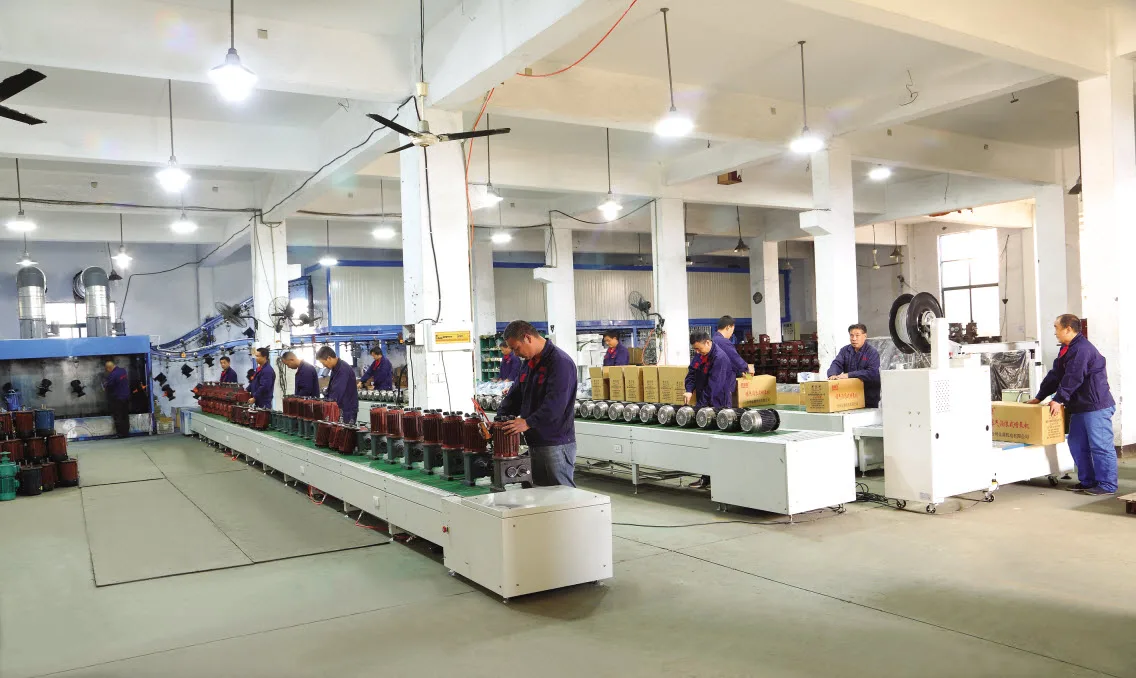
Cha Taizhou Jinhu Mechanical & Electrical Co., Ltd.
- Manufacturer
- Zhejiang, China
- Lead time15 days
- Avg. response≤ 7h
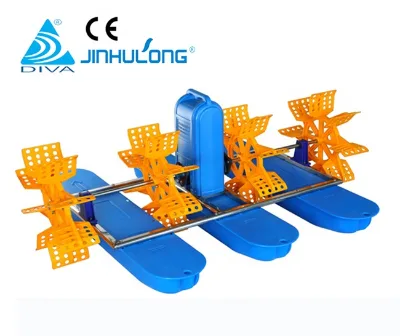
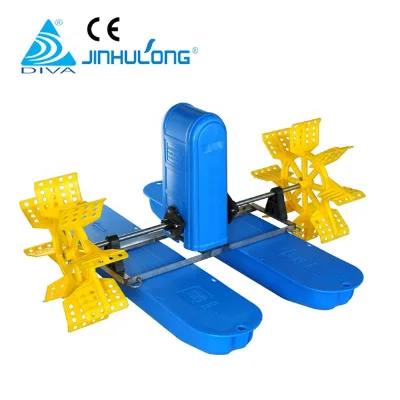
Main productsSide Channel Blowers,Paddle Wheel Aerator,Impeller Aerator,Feeder,Aerator
Main marketsDomestic Market(30.00%), Southeast Asia(30.00%), South America(30.00%), Western Europe(5.00%), Africa(5.00%)

Dongguan Shenglong Environmental Protection Technology Co.Ltd
- Verified by CTI
- Trading Company
- China Guangdong
- Lead time30 days
- Avg. response≤ 2h
Main marketsDomestic

Easy Maintenance Long-Term Continuous Operation Fish Ponds Aeration Aerator
$250.00 - $300.00
MOQ: 1 Pieces

Eternal (jinzhai) Machinery Manufacturing Co., Ltd.
- Verified by TüVRheinland
- Manufacturer, Trading Company
- Lead time0 days
- Avg. response≤ 2h
Main productsHigh Pressure Washer, Chipper Shredder, Airless Sprayer, Tiller, Lawn Mower
Main marketsNorth America(51%), Eastern Europe(15%), South America(10%)

Jinhu Xiaoqingqing Mechanical and Electrical Equipment Company Limited
- Manufacturer
- China Jiangsu
- Lead time0 days
- Avg. response≤ 23h
Main productsPaddle Wheel Aerator, Automatic Fish Feeder, Paddlewheel Aerator, Fish Feeding Machine, Automatic Shrimp Feeder, 2PCS Paddle Wheel Aerator, 4PCS Paddle Wheel Aerator, Diesel Engine Long Arm Aerator, Aquaculture Equipments, Impeller Aerator

Shanghai Dubhe Environmental Protection &Technology Co., Ltd
- Verified by SGS
- Trading Company
- China Shanghai
- Lead time23 days
- Avg. response≤ 10h
Main productsBiological Media Mbbr, Aeration Diffuser, Dissolved Air Fiotation, Rotary Drum Screen, Belt Filter Press
Main marketsSoutheast Asia/ Mideast,East Asia(Japan/ South Korea)

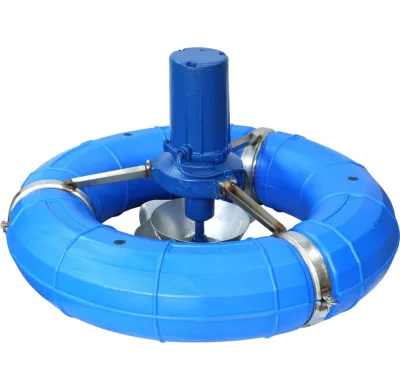
Energy Saving Surface Aerator Fish Farming Aerator for Efficient Wastewater Aeration
$888.00 - $6699.00
MOQ: 1 Pieces

Corrosion-Resistant Surface Aerator for Efficient Wastewater Projects Aeration
$888.00 - $6699.00
MOQ: 1 Pieces


Linhai Geyin Import & Export Co., Ltd.
- Verified by SGS
- Trading Company
- China Zhejiang
- Lead time30 days
- Avg. response≤ 4h
Main productsPlastic Machine, CNC Machine, Mould, Glasses, Plastic Goods, Food Machine, Aerator, Sawing Machine, Compressor, Filling Machiine
Main marketsSouth America,Africa,Others(foreignTradeCapacity.exportBusinessCapacityMarketOther)


Agricultural Machinery 2HP Surge Wave Aerator for Shrimp Pond High Quality
$185.00 - $220.00
MOQ: 10 Sets

Shijiazhuang Chongmu Fluid Machine Co., Ltd.
- Manufacturer/Factory
- China Hebei
- Lead time23 days
- Avg. response≤ 3h
Main productsSlurry Pump, Inline Pump, Submersible Slurry Pump, Multistage Pump, End Suction Pump, Submersible Sewage Pump, Split Case Pump, Vertical Slurry Pump, Gravel Pump, Mixed Flow Pump
Main marketsSouth America,Eastern Europe,Mid East,North America,Southeast Asia,Oceania,Western Europe,Africa

Denaiyou Intelligent Technology (Shanghai) Co., Ltd.
- Verified by SGS
- Combined
- China Shanghai
- Lead time30 days
- Avg. response≤ 9h
Main productsCylinder Mower, Reel Mower, Triplex Mower, Turf Aerator, Lawn Mower.
Main marketsSoutheast Asia/ Mideast,Europe

Tow-Behind Lawn Aerator for Turf and Golf Course Soil Aeration Deposit Price Is
$10000.00 - $11000.00
MOQ: 10 Pieces


HENAN ECO ENVIRONMENTAL PROTECTION EQUIPMENT CO.,LTD.
- Verified by SGS
- Trading Company
- China Henan
- Lead time15 days
- Avg. response≤ 1h
Main productsSubmersible Mixer, Hyperboloid Mixer, Submersible Recirculation Pump, Submersible Aerator, Submersible Jet Aerator, Disc Diffuser, Tube Diffuser, Sludge Dewatering, Solid-Liquid Separator, Vertical Agitator
Main marketsAfrica,Southeast Asia/ Mideast,East Asia(Japan/ South Korea)

Energy-Saving Submersible Jet Aerator Is Optimized for High-Load Wastewater Plant Operation
$299.00 - $399.00
MOQ: 1 Sets

Long Life Centrifugal Aerator with Submersible Motor for Equalization Tank
$400.00 - $5000.00
MOQ: 1 Sets
Denaiyou Intelligent Technology (Shanghai) Co., Ltd.
- Manufacturer, Trading Company
- Shanghai, China
- Lead time30 days
- Avg. response≤ 5h
Main productslawn mower,lawn comber,lawn sweeper,lawn aerator,lawn punching machine
Main marketsNorth America(50.00%), Western Europe(25.00%), Northern Europe(23.00%), Oceania(2.00%)

Yantai Wenbo Construction Machinery Co., Ltd.
- Verified by SGS
- Combined
- China Shandong
- Lead time30 days
- Avg. response≤ 3h
Main productsExcavator Attachment, Crusher Bucket, Rotary Screening Bucket, Hydraulic Grab, Quick Coupler, Hydraulic Shear, Hydraulic Pulverizer, Magnet, Pile Driver, Plate Compactor
Main marketsSoutheast Asia/ Mideast,Domestic


Customizable Lawn Aerator for Skid Steer Loader: Customized Solutions From Chinese Factory
$400.00 - $1100.00
MOQ: 1 Pieces

Shanxi C-Trying Machinery Equipment Co., Ltd
- Verified by SGS
- Trading Company
- China Shanxi
- Lead time30 days
- Avg. response≤ 2h
Main productsGasoline Generator, Diesel Generator, DC Generator, Gas Generator, Permanent Magnet Generator, Submersible Mixer, Centrifugal Fan, Solar Generator, Solar Panel, Generator Parts
Main marketsAfrica

Hangzhou Ocean Industry Co., Ltd.
- Verified by BV
- Combined
- China Zhejiang
- Lead time15 days
- Avg. response≤ 6h
Main productsGear, Gear Rack, Pulley, Chain, Sprocket, Coupling, Gearbox, Pinion, Speed Reducer, Speed Reducer Gear Box
Main marketsSouth America,Southeast Asia/ Mideast,Europe,Australia


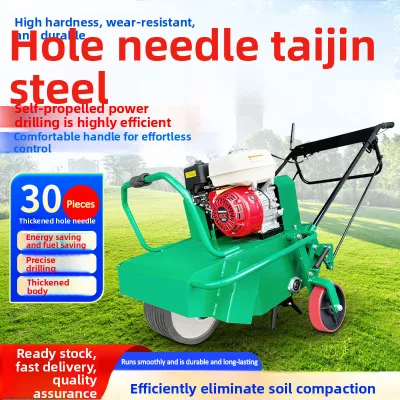
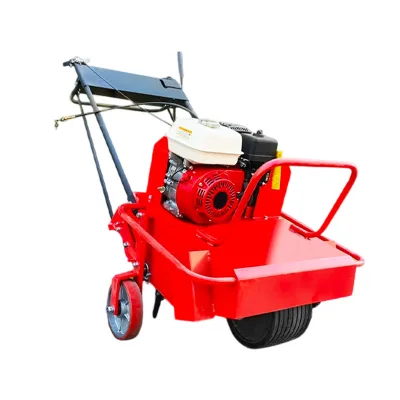
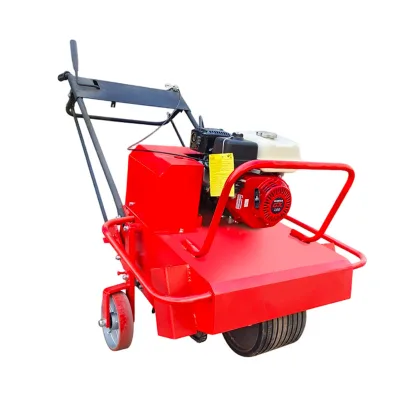


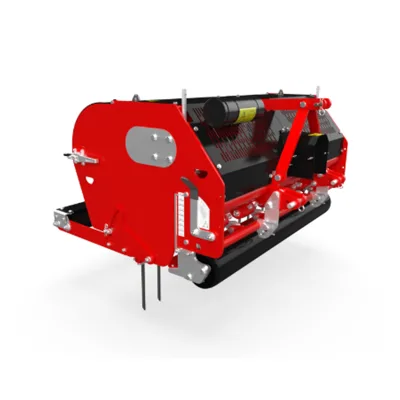
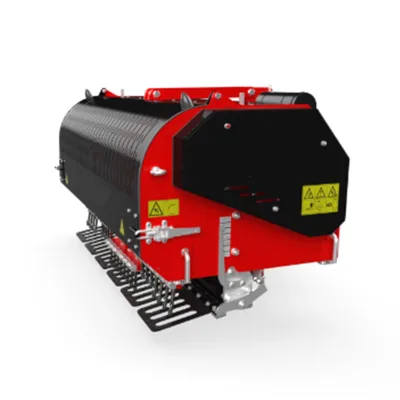


Comprehensive Sourcing Guide
High Efficiency Towed Grass Aerator Supplier Concentration and Factory Types
Current data indicates a concentration of suppliers in China Guangdong and China Zhejiang, though specific factory clusters for towed grass aerators require further verification against individual company profiles. The Guangdong region hosts trading companies offering diverse agricultural machinery, including electric golf carts and trackless mini trains, alongside specific lawn care equipment like rotary lawn mowers and aerators. These entities often list main products that span multiple categories, suggesting a broad trading scope rather than specialized manufacturing depth for a single product line. Buyers must distinguish between pure manufacturers and trading companies by examining the company type field, as trading companies may source from various factories without direct control over the production process.
In contrast, suppliers in China Zhejiang appear to operate as combined entities with capabilities in ODM and OEM services, often focusing on electric motors and industrial fans. While some listings mention high-efficiency energy-saving pond aerators, the presence of these suppliers suggests a potential overlap in manufacturing capabilities for agricultural machinery. The verification status, such as SGS or CTI, provides a baseline for legitimacy but does not confirm the specific factory location or the depth of their aerator production lines. Buyers should investigate whether the listed main products include the specific towed grass aerator model or if the item is a secondary offering from a broader catalog. This distinction is critical for assessing whether the supplier has dedicated tooling and expertise for the specific high-efficiency towed grass aerator requirements.
How to Verify High Efficiency Towed Grass Aerator Suppliers
Verification of suppliers for high efficiency towed grass aerators relies heavily on third-party audit reports and specific certification data provided in the product attributes. Current records show certifications such as CE, GS, and ISO9001:2015, which are essential for validating the safety and quality management systems of the manufacturing facility. However, the presence of a certification label does not guarantee that the specific aerator model meets the required standards; buyers must cross-reference the certification scope with the product model number, such as PL410/4 or YCZ-1100, to ensure the audit covered the exact machinery being purchased. The verification status, whether marked as SGS or CTI, indicates that a third party has inspected the company, but the buyer must request the full audit report to confirm the scope includes the specific aerator components.
Response time and lead time data offer additional layers of verification regarding supplier reliability and operational capacity. A response time of 7.79 hours suggests a relatively active sales team, while a lead time of 30 days indicates the production cycle duration for standard orders. Buyers should compare these metrics against the supplier's stated capacity, such as ODM or OEM capabilities, to ensure they can meet project deadlines. It is crucial to verify if the lead time applies to stock items or custom configurations, as customization availability can significantly extend the production schedule. Furthermore, the presence of specific product attributes like power source (Petrol/Gas or Electric) and certification details (CE, ISO9001:GMP) must be confirmed through direct communication to ensure the supplier can deliver the exact specifications required for the High Efficiency Towed Grass Aerator.
What to Compare Across High Efficiency Towed Grass Aerator Suppliers
When evaluating suppliers, buyers must compare key commercial dimensions including minimum order quantity, price ranges, and specific product attributes to ensure alignment with project needs. Current data reveals a price range from 100.00 to 1550.00, with minimum order quantities varying from 1 unit to 5 units depending on the specific model and supplier. This variance suggests that some suppliers may offer single-unit purchases for testing or small-scale projects, while others require bulk orders for economic viability. Buyers should scrutinize the price per unit against the included features, such as the type of cutter (Rotary or Sickle-bar), power source, and applicable area, to determine the true value proposition. A lower price might indicate a simpler design or lower power output, which could impact the efficiency of the towed grass aerator in large-scale applications.
Beyond pricing and quantity, the comparison must extend to technical specifications and logistical capabilities. Attributes such as working efficiency (e.g., 2500 M2/Hour), fuel tank capacity (3.1L), and maximum operating slope (20 Degrees) are critical for determining suitability for specific terrain conditions. Suppliers offering different moving ways, such as Mount Type or Rear Push, provide distinct operational advantages that must be weighed against the buyer's operational environment. Additionally, the packaging method, whether Steel Crate or Plywood Case, affects shipping costs and product protection during transit. Buyers should also compare the customization availability, as some suppliers offer tailored solutions while others provide standard models only. This detailed comparison ensures the selected supplier can deliver a High Efficiency Towed Grass Aerator that meets both performance and logistical requirements.
Common High Efficiency Towed Grass Aerator Sourcing Risks
One significant risk in sourcing high efficiency towed grass aerators is the potential mismatch between the listed main products and the actual manufacturing capability of the supplier. Many suppliers in the current results list diverse product lines, such as electric golf carts, industrial fans, and aquaculture machines, which may indicate a trading company model rather than a specialized factory. This diversification can lead to quality inconsistencies if the supplier lacks dedicated production lines for lawn aerators. Buyers must verify if the specific aerator model is a core product or a secondary item sourced from a third party, as this distinction impacts the supplier's ability to provide technical support, spare parts, and after-sales service. Relying on a supplier with a broad but shallow product range increases the risk of receiving a product that does not meet the specific performance standards required for high-efficiency operations.
Another critical risk involves the ambiguity of certification claims and the actual compliance of the delivered product. While listings may display certifications like CE, GS, or ISO9001, these labels often apply to the company's general quality management system rather than the specific aerator model. There is a risk that the product attributes, such as the cutter type or power source, may not align with the certified specifications, leading to non-compliance in the destination market. Additionally, the variation in product attributes, such as the difference between a rotary lawn mower and a sickle-bar mower, highlights the need for precise specification matching. Buyers must ensure that the certification documents explicitly cover the specific model and configuration being ordered to avoid regulatory issues or safety hazards upon deployment.
High Efficiency Towed Grass Aerator Regional Sourcing and Logistics
Sourcing high efficiency towed grass aerators from China Guangdong and China Zhejiang presents distinct logistical considerations based on the supplier's location and product type. Suppliers in Guangdong often focus on electric vehicles and general agricultural machinery, which may influence the shipping routes and container utilization for aerators. The presence of steel crate packaging for some models suggests heavy-duty protection is required, potentially increasing shipping volume and costs. Buyers must calculate the freight implications based on the product dimensions, such as 18501520440 mm, and the weight, which can reach 60KG per unit. Understanding the regional logistics infrastructure is essential for estimating the total landed cost, as inland transportation from the factory to the port can vary significantly between provinces.
In contrast, suppliers in Zhejiang may offer different packaging solutions, such as plywood cases or wooden boxes, which can affect the ease of handling and customs clearance. The distance from the factory to the nearest major port, combined with the specific shipping method required for the aerator's size, will determine the transit time and cost. Buyers should verify the origin of the product, as some listings indicate "China" as the origin without specifying the province, which can complicate logistics planning. Additionally, the response time of the supplier, ranging from 7.79 to 13.50 hours, impacts the speed of communication regarding shipping updates and potential delays. Effective logistics planning requires a clear understanding of the supplier's location, packaging standards, and their ability to coordinate with freight forwarders to ensure timely delivery of the High Efficiency Towed Grass Aerator.
High Efficiency Towed Grass Aerator Commercial Terms and Order Planning
Commercial terms for high efficiency towed grass aerators vary significantly based on the supplier's MOQ and lead time requirements. Current data shows a minimum order quantity of 1 unit for some models, while others require a minimum of 5 units, which directly impacts the initial investment and inventory strategy. Buyers must align their order planning with these MOQ constraints to avoid unnecessary capital tie-up or stockouts. The lead time of 30 days is a standard benchmark, but customization availability can extend this period, requiring careful scheduling to meet project deadlines. Understanding the payment terms and the specific conditions for customization is vital for effective financial planning and risk management in the procurement process.
Order planning must also account for the specific product attributes and their impact on the supply chain. For instance, the power source (Petrol/Gas or Electric) and the certification requirements (CE, ISO9001) may necessitate specific documentation or testing procedures before shipment. Buyers should verify the production capacity and the ability to handle rush orders, especially if the project timeline is tight. The availability of spare parts and the warranty terms should be clarified during the negotiation phase to ensure long-term operational support. Additionally, the price range of 100.00 to 1550.00 suggests a wide spectrum of product quality and features, requiring a detailed cost-benefit analysis to select the most appropriate model. By carefully planning the order based on these commercial terms, buyers can secure a reliable supply of high efficiency towed grass aerators that meet their operational needs.
FAQs
What is the price range for high efficiency towed grass aerators?
Prices for high efficiency towed grass aerators typically range from $100 to $1550 depending on the specific model and power source. Electric pond aerators start around $100, while petrol-powered rotary lawn mowers and aerators are priced between $1450 and $1550. Buyers should verify exact costs based on customization needs and order volume.
What certifications do these aerators hold?
Manufacturers offer products with CE certification for standard compliance. Some electric pond aerators also carry ISO9001, GMP, and QS certifications. Additional safety standards like GS may apply to specific models. Buyers should request current certificates to ensure the equipment meets local regulatory requirements for agricultural and industrial machinery usage.
What is the minimum order quantity for these machines?
The minimum order quantity varies by product type. Electric pond aerators generally require a minimum order of five units. Petrol-powered lawn aerators and rotary mowers often have a minimum order quantity of just one unit. Buyers should confirm the specific MOQ with the supplier before placing an order to avoid fulfillment delays.
How long does production take for these aerators?
Standard lead times for manufacturing these aerators are approximately 30 days. This timeframe applies to general production runs for both electric and petrol-powered models. Buyers requiring urgent delivery should discuss expedited options directly with the supplier, as lead times can vary based on customization requirements and current factory capacity.
Where are these aerators manufactured?
These high efficiency aerators are manufactured in China, specifically in the Guangdong and Zhejiang provinces. Guangdong suppliers often focus on electric vehicles and lawn equipment, while Zhejiang manufacturers specialize in electric motors and pond aeration systems. Buyers can verify specific factory locations to assess logistics and shipping costs for their region.
What power sources are available for these aerators?
Aerators are available with both petrol/gas and electric power sources. Petrol models typically use Honda engines and feature 4-stroke or 2-stroke engines for rotary mowing and lawn care. Electric models utilize synchronous motors with power ratings like 1.5kw or 1500W for pond aeration. Buyers should select the source based on their operational environment.