Religious Cross Pendant Necklace Suppliers and Manufacturers
Explore 34 verified suppliers offering religious cross pendant necklaces with customizable options in stainless steel and alloy. Compare locations in Guangdong and Zhejiang, response times, lead times, and pricing to source effectively. Contact suppliers directly to request samples and confirm specifications.
Suppliers List

Guangzhou Huifu Jewelry Co., Ltd.
- Verified by BV
- Manufacturer/Factory
- China Guangdong
- Lead time90 days
- Avg. response≤ 3h
Main productsJewelry, Stainless Steel Jewelry, Stainless Steel Ring, Stainless Steel Pendant, Stainless Steel Earring, Fashion Jewelry, Ring, Necklace, Pendant, Bracelet
Main marketsEastern Europe,Mid East,North America,Western Europe,Africa

- Verified by CTI
- Trading Company
- China Zhejiang
- Lead time15 days
- Avg. response≤ 7h
Main productsJewelry, Brooch, Belt, Necklace, Agent, Bracelet, China Trim, China Ring, China Hair Accessory, China Earring
Main marketsSouth America
- Manufacturer, Trading Company
- Lead time旺季: "1 - 100":9,"> 100":"To be negotiated", 淡季: "1 - 100":9,"> 100":"To be negotiated"
- Avg. response≤ 2h
Main productsFashion Jewelry

Shenzhen Hengda Xin Jewelry Co., Ltd.
- Verified by BV
- Combined
- China Guangdong
- Lead time15 days
- Avg. response≤ 2h
Main productsJewelry, Stainless Steel Fittings, Stainless Steel Jewelry, Necklace, Bracelet, Stud Earrings, Ring, Pendant, Fashion Jewelry, Fashion Accessories
Main marketsSoutheast Asia/ Mideast,East Asia(Japan/ South Korea),Domestic,Europe,Australia,North America
- Verified by TüVRheinland
- Manufacturer, Trading Company
- Lead time5 days
- Avg. response≤ 2h
Main productsFashion Jewelry
Main marketsNorth America(50%), Domestic Market(30%), South America(10%)
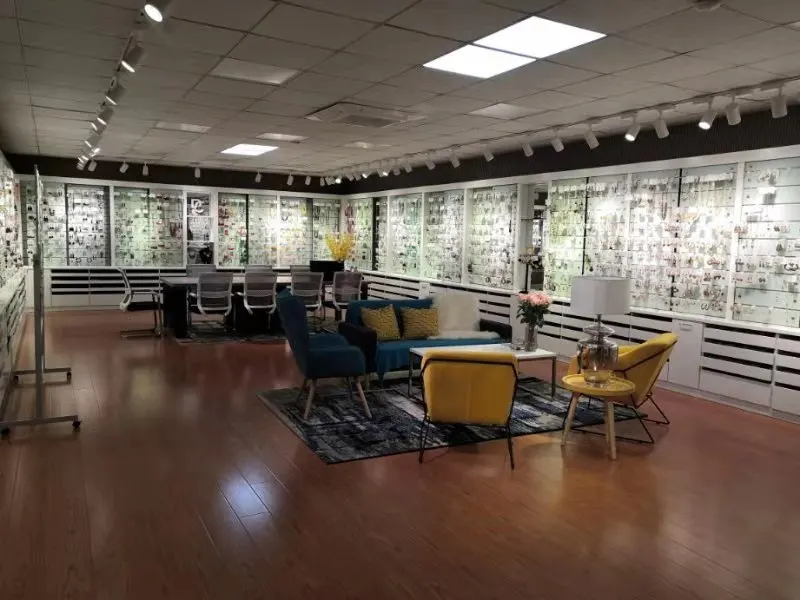
- Trading Company
- Zhejiang, China
- Lead time25 days
- Avg. response≤ 2h
Main productsEarring,Bracelet,Ring,Necklace,Pins
Main marketsNorth America(18.0%), South America(17.0%), Western Europe(11.0%), Mid East(9.0%), Central America(8.0%), Eastern Asia(7.000000000000001%), Africa(5.0%), Domestic Market(5.0%), Eastern Europe(5.0%), Oceania(5.0%), Southern Europe(4.0%), Northern Europe(3.0%), South Asia(2.0%), Southeast Asia(1.0%)

GOODLINESS JEWELLERY CO., LIMITED
- Verified by SGS
- Manufacturer
- China Guangdong
- Lead time23 days
- Avg. response≤ 7h
Main products925 Silver Ring, Brass Jewelry, 925 Silver Earring, 925 Silver Necklace, 925 Silver Set, 925 Silver Bangle, Customer's Design, 925 Silver Bracelet, Silver Accessory, Brass Accessory
Main marketsSoutheast Asia/ Mideast,Europe,North America


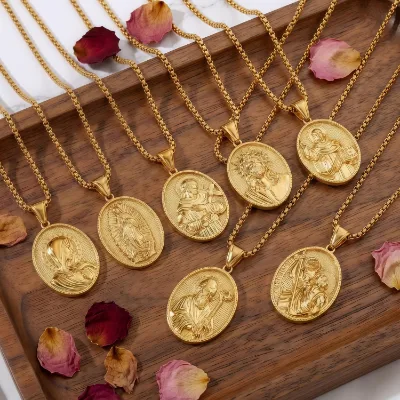
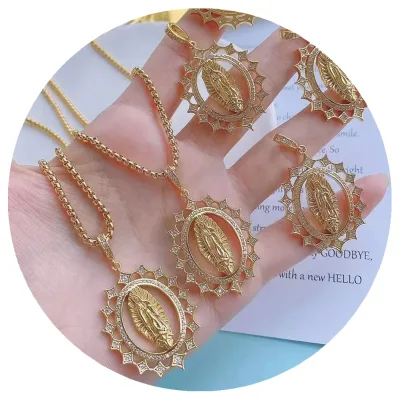
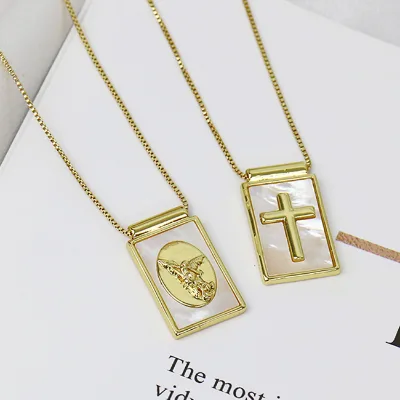
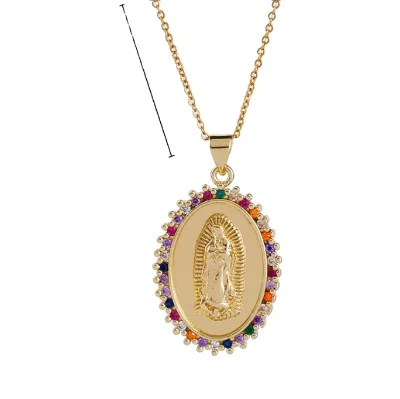
Double Gold Plated Necklace Gold Filled Religious Virgin Mary Necklace Jewellery
$2.50 - $3.00
Moq: 20
Shenzhen Europa Industrial Co., Ltd.
- Trading Company
- Guangdong, China
- Lead time15 days
- Avg. response≤ 5h
Main productsEarring, Ring, Necklace Chain, Bracelets Bangles, Brooch
Main marketsNorth America(40.0%), Eastern Asia(25.0%), Western Europe(10.0%), South America(5.0%), Oceania(5.0%), Domestic Market(5.0%), Mid East(5.0%), Southeast Asia(5.0%)
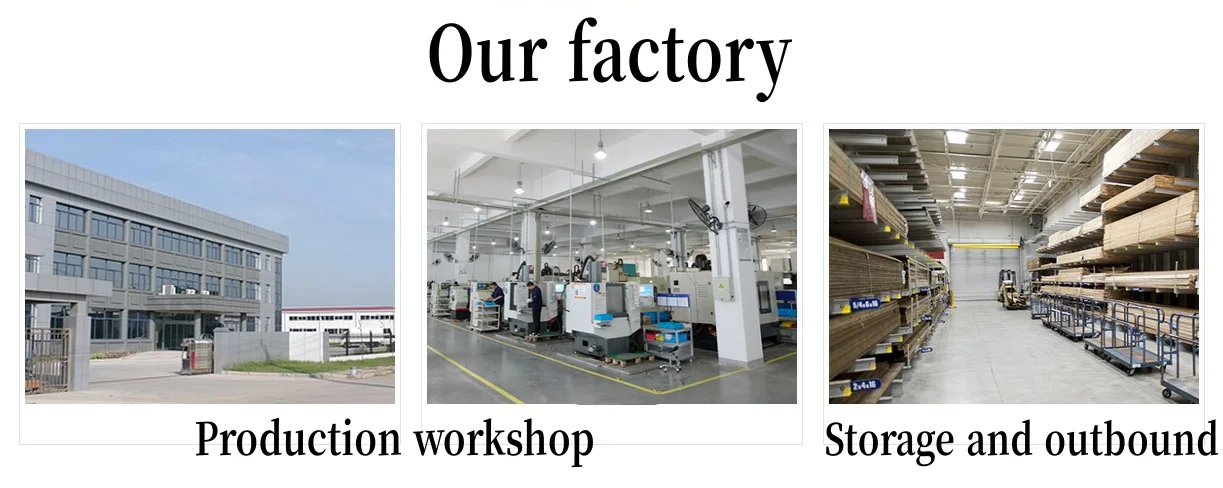
Shenzhen Aimiaida Technology Co., Ltd.
- Manufacturer, Trading Company, Buying Office, Agent, Distributor/Wholesaler
- Guangdong, China
- Lead time0 days
- Avg. response≤ 3h
Main productsstainless steel necklace,stainless steel bracelet,stainless steel ring,stainless steel earrings,stainless steel anklet
Main marketsNorth America(30.0%), Mid East(20.0%), Northern Europe(20.0%), Southern Europe(10.0%), South America(10.0%), Western Europe(10.0%)
Dongguan Cool Jewelry Co., Ltd.
- Verified by TüVRheinland
- Manufacturer, Trading Company
- Lead time0 days
- Avg. response≤ 4h
Main productsNecklace, Bracelet, Ring, Body Chain, Earring
Main marketsNorth America(30%), Western Europe(30%), Mid East(8%)
Guangzhou Saijing Glass Products Co., Ltd.
- Verified by TüVRheinland
- Trading Company
- Lead time15 days
Main productsGlass Beads, Seed Beads, Shells Flower, Seven Chakras, Stone Beads
Main marketsWestern Europe(44%), North America(30%), Southeast Asia(8%)

Qingdao Gemopia Jewelry Co., Ltd.
- Combined
- China Shandong
- Lead time30 days
- Avg. response≤ 3h
Main productsGold Jewelry, Silver Ring
Main marketsSouth America,Africa,Southeast Asia/ Mideast,East Asia(Japan/ South Korea),Domestic,Europe,Australia,North America

Longyuan (Guangzhou) Industrial Development Co., Ltd.
- Verified by TUVRHEINLAND
- Manufacturer/Factory
- China Guangdong
- Lead time23 days
- Avg. response≤ 6h
Main productsJewelry, Fashion Watch, Hair Accessories, Men Jewelry, Women Jewelry, Pendants, Brooches, Bracelets, Crowns, Necklaces
Main marketsSouth America,Eastern Europe,Mid East,North America,Western Europe
Guangzhou Byron Jewelry Co., Ltd
- Verified by Intertek
- Trading Company
- Lead time15 days
- Avg. response≤ 2h
Main productsStainless Steel Lobster Clasp, Jewelry Making Finddings, Necklace, Bracelet, Earrings
Main marketsNorth America(40%), Western Europe(30%), Southern Europe(20%)
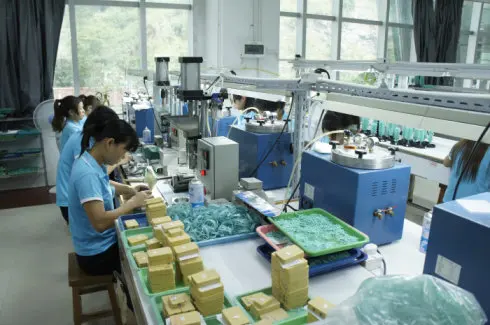
Guangzhou Bangmingwei Jewelry Co., Ltd.
- Trading Company
- Guangdong, China
- Lead time5 days
- Avg. response≤ 3h
Main productsBracelet/ Necklace/ Ring/ Earring/ Jewelry accessories
Main marketsNorth America(50.0%), South America(20.0%), Mid East(15.0%), Eastern Europe(10.0%), Africa(5.0%)

- Verified by BV
- Manufacturer/Factory
- China Fujian
- Lead time15 days
- Avg. response≤ 25h
Main productsWater Bottle, Kitchen Ware, Shoes, Plastic Product, Bag, Toy
Main marketsSouth America,Eastern Europe,Mid East,North America,Southeast Asia,Eastern Asia,Oceania,Western Europe,Africa

Yiwu Phonbon Import & Export Co., Ltd.
- Trading Company
- Zhejiang, China
- Lead time15 days
- Avg. response≤ 7h
Main productsmedal,lapel pin,metal coins,cross,rosary
Main marketsWestern Europe(16.67%), Southeast Asia(16.67%), Southern Europe(15.0%), Eastern Europe(15.0%), South America(10.0%), Africa(5.0%), Northern Europe(5.0%), Central America(5.0%), North America(5.0%), Mid East(3.0%), Eastern Asia(2.0%), South Asia(1.0%), Oceania(0.66%)

- Verified by BV
- Trading Company,Manufacturer/Factory
- China Guangdong
- Lead time0 days
- Avg. response≤ 8h
Main productsSilver Jewelry, Brass Jewelry, Fashion Jewelry, Semi-Precious
Main marketsSouth America,Eastern Europe,Mid East,Southeast Asia,Eastern Asia,Oceania,Western Europe,Africa
Tongshan Dashun Crystal Crafts Co., Ltd.
- Verified by TüVRheinland
- Manufacturer, Trading Company
- Lead time0 days
Main productsPlastic Rhinestone Trimming, Fashion Bracelets, Fashion Necklaces
Main marketsCentral America(23%), North America(22%), South America(15%)
Guangdong Kalen Jewelry Company Limited
- Verified by SGS
- Combined
- China Guangdong
- Lead time30 days
- Avg. response≤ 5h
Main productsStainless Steel Jewelry, Fashion Accessories, Bracelets, Necklaces, Rings, Earrings, Pendants, Bangles, Jewelry Sets, Cufflinks
Main marketsSouth America,Europe,Australia,North America
Shenzhen Huaxinsheng Gifts Co., Ltd.
- Manufacturer, Trading Company, Agent
- Guangdong, China
- Lead time20 days
- Avg. response≤ 2h
Main productsjewelry,necklace,bracelets,pearls and jewels,earrings
Main marketsNorth America(50.0%), Northern Europe(30.0%), Western Europe(10.0%), Oceania(5.0%)

Yiwu Beidifu Jewelry Co., Ltd.
- Trading Company
- Zhejiang, China
- Lead time7 days
- Avg. response≤ 5h
Main productsNecklace; Bracelets; Ring; Earrings; Brooches
Main marketsNorth America(55.00000000000001%), Western Europe(15.0%), Eastern Europe(10.0%), South America(5.0%), Domestic Market(5.0%), Southeast Asia(5.0%), Mid East(3.0%), Africa(2.0%)

Jiuya Huitong (Qingdao) International Trade Co., Ltd.
- Verified by SGS
- Trading Company,Manufacturer/Factory
- China Shandong
- Lead time90 days
- Avg. response≤ 4h
Main productsClothes, Abaya, Camping Tent, Camping Furniture, Solar Light
Main marketsSouth America,Eastern Europe,Mid East,North America,Southeast Asia,Eastern Asia,Oceania,Western Europe,Africa

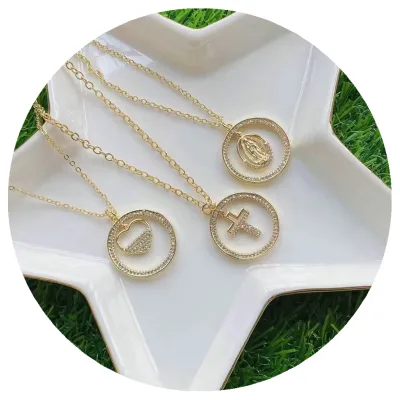
New Arrival Gold Plated Religious Necklace Virgin Mary CZ Maria Pendant Necklace
$0.50 - $5.00
Moq: 500


- Verified by SGS
- Trading Company
- China Zhejiang
- Lead time15 days
- Avg. response≤ 13h
Main productsChristmas Decoration, Christmas Tree, Christmas Gift, Party Decoration, Promotional Product, Festival Items, Gift, Valentine, Party Items, Halloween Decorations
Main marketsEurope,Australia
Shenzhen Wofan Jewelry Co., Ltd.
- Manufacturer, Trading Company
- Guangdong, China
- Lead time0 days
- Avg. response≤ 6h
Main productsjewelry,accessories
Main marketsNorth America(80.0%), South America(8.0%), Southeast Asia(4.0%), Western Europe(2.0%), Eastern Europe(2.0%), Southern Europe(1.0%), Northern Europe(1.0%), Mid East(1.0%), Eastern Asia(1.0%)
- Manufacturer, Trading Company
- Zhejiang, China
- Lead time7 days
- Avg. response≤ 2h
Main productsNecklace,Bracelet,Earring,Ring,Anklet
Main marketsNorth America(40.0%), Northern Europe(10.0%), Domestic Market(5.0%), South Asia(5.0%), South America(5.0%), Western Europe(5.0%), Eastern Asia(5.0%), Mid East(5.0%), Oceania(5.0%), Africa(5.0%), Southeast Asia(5.0%), Eastern Europe(5.0%)

Guangzhou Peishang Jewelry Co., Ltd.
- Verified by BV
- Combined
- China Guangdong
- Lead time30 days
- Avg. response≤ 4h
Main productsEarring, Ring, Necklace, Bracelet, Anklet, Jewelry Set, Silver Jewelry, Brass Jewelry, CZ Jewelry, Natural Stone Jewelry
Main marketsSoutheast Asia/ Mideast,Europe,Australia,North America

Suzhou Thriving Medical Equipment Corp.
- Verified by SGS
- Trading Company,Manufacturer/Factory
- China Jiangsu
- Lead time23 days
- Avg. response≤ 10h
Main productsHospital Bed, Medical Equipment, Autoclave, Stretcher, Bed Head Unit, Electric Bed, Funeral Products, Ultrasound Scanner, Nurse Call System, Operating Light
Main marketsSouth America,Eastern Europe,Mid East,North America,Southeast Asia,Eastern Asia,Oceania,Western Europe,Africa

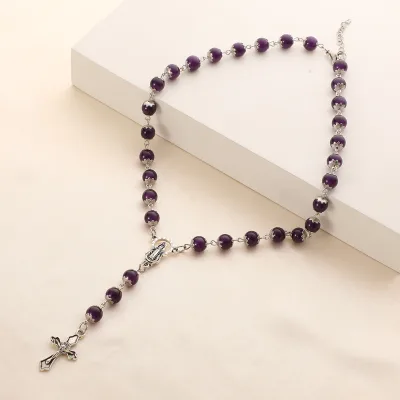
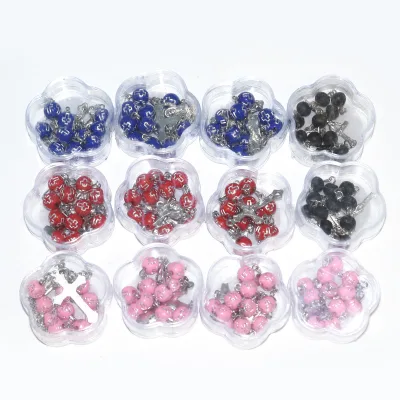
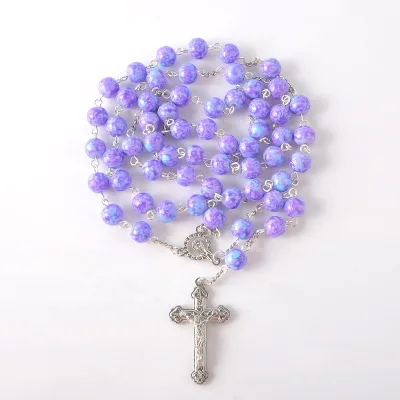
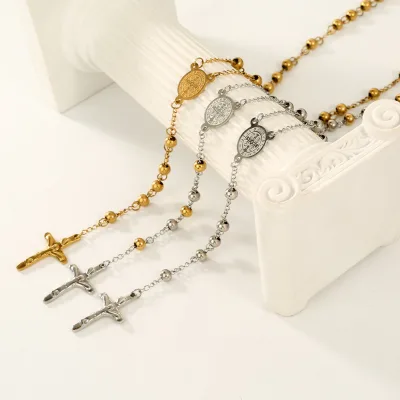
Funeral Products Religion Crafts Religion Necklace a Variety of Religious Rosary
$0.60 - $1.00
Moq: 500

Funeral Products Religion Crafts Flower Acrylic Flower Bead Religious Cross Necklace
$0.60 - $1.00
Moq: 500

Shenzhen Marvel Electronic Co., Ltd.
- Verified by TUVRHEINLAND
- Trading Company
- China Guangdong
- Lead time15 days
- Avg. response≤ 8h
Main productsCustom Jewelry, Silver Jewelry, Earring, Necklace, Bracelet, Nose Ring, Jewelry Set, Fashion Jewelry, Brooch
Main marketsEurope,North America

Shenzhen Amengwei Jewelry Co., Ltd.
- Trading Company,Manufacturer/Factory
- China Guangdong
- Lead time23 days
- Avg. response≤ 22h
Main productsBody Piercing Jewelry, Hinged Segment Ring, Nose Ring Belly Ring, Stainless Steel Jewelry, Labret Lip Ring, Earring, Necklace, Bracelet, Ring
Main marketsSouth America,Eastern Europe,Mid East,North America,Southeast Asia,Eastern Asia,Oceania,Western Europe,Africa

Shenzhen Jinshengrun Technology Co., Ltd.
- Manufacturer/Factory
- China Guangdong
- Lead time0 days
- Avg. response≤ 2h
Main productsStainless Steel Bracelets and Necklaces, Tungsten Steel Ring, Tungsten Ring, Smartwatch(Activity Tracker), Smart Ring, Titanium Steel Necklace, Necklace Pendant, Smart Glasses

Shenzhen Right Grand Jewelry Co., Ltd.
- Verified by SGS
- Manufacturer
- China Guangdong
- Lead time15 days
- Avg. response≤ 7h
Main productsNecklace, Bracelet, Earring, Ring, Nose Ring, Ear Piercing, Belly Ring, Nipple Ring
Main marketsSouth America,Europe,North America
- Manufacturer, Trading Company
- Zhejiang, China
- Lead time20 days
- Avg. response≤ 9h
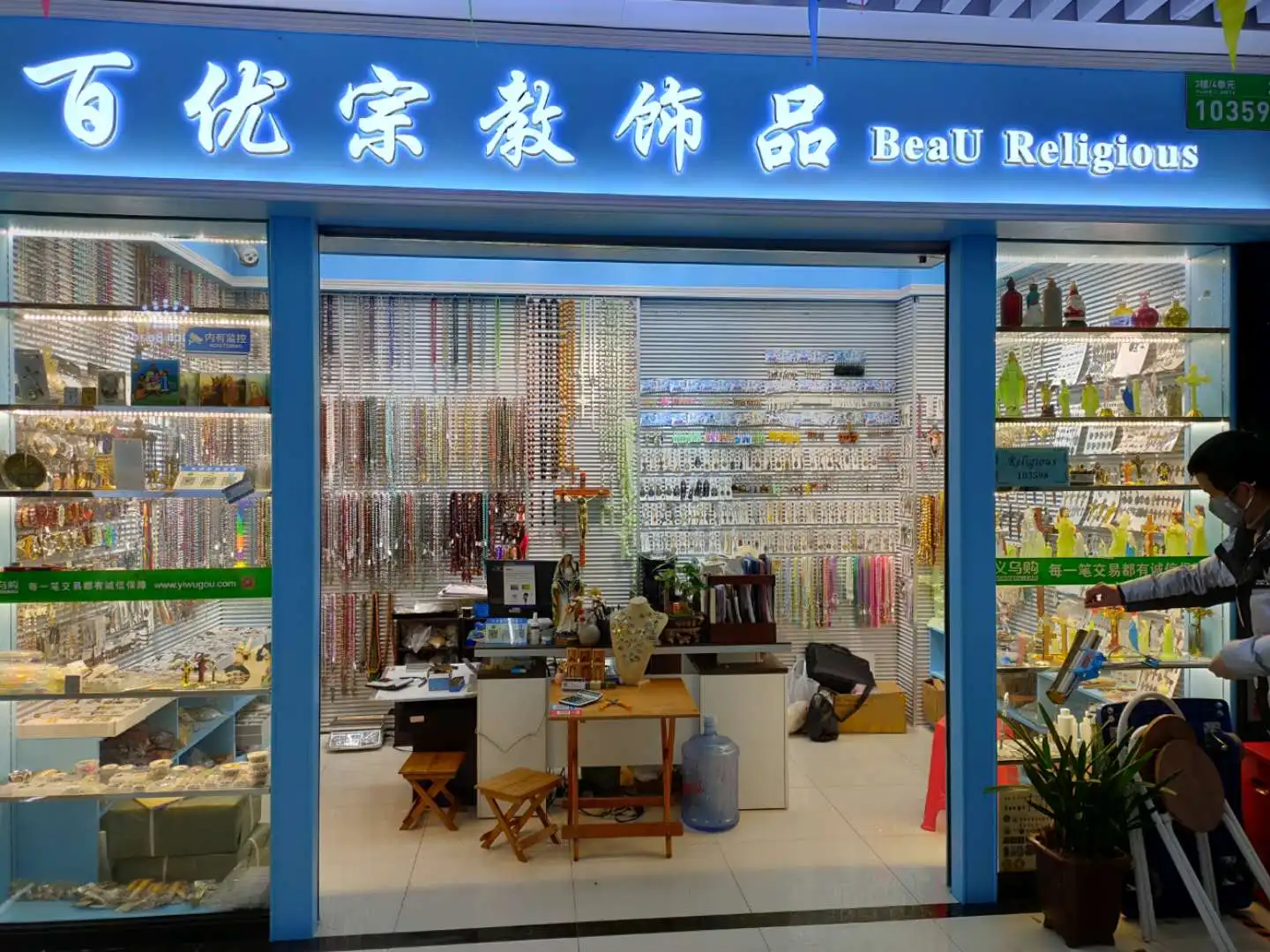
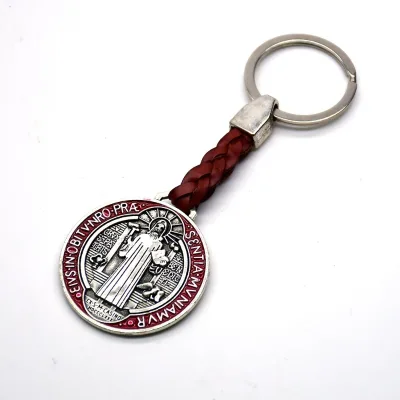
Main productsReligious gift,Catholic,Rosary,Crucifix,Alloy Craft
Main marketsNorth America(20.0%), Central America(15.0%), Western Europe(15.0%), Eastern Europe(10.0%), South America(10.0%), Southern Europe(5.0%), Northern Europe(5.0%), Africa(5.0%), Southeast Asia(5.0%), Mid East(5.0%), Oceania(5.0%)

Jinjiang Jiaxing Supply Management Co., Ltd.
- Verified by TUVRHEINLAND
- Trading Company
- China Fujian
- Lead time30 days
- Avg. response≤ 1h
Main productsEVA Clogs, Flip Flop, Shoe Charms, Shopping Bags, Wristbands, Gifts, Promotional Gifts, Slipper, Sport Cap, Ball
Main marketsNorth America




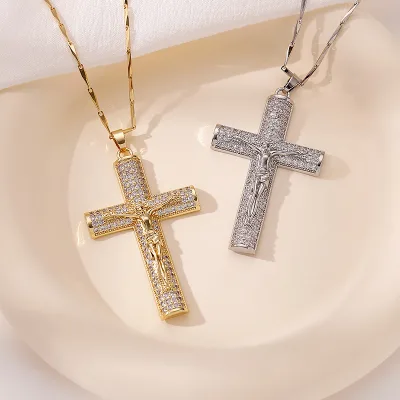
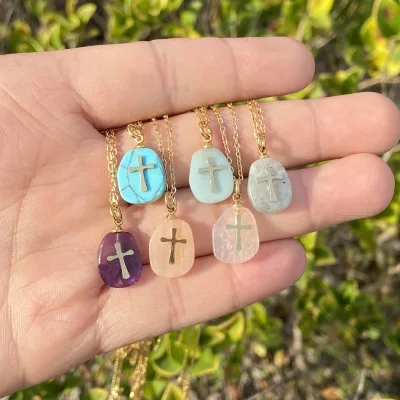
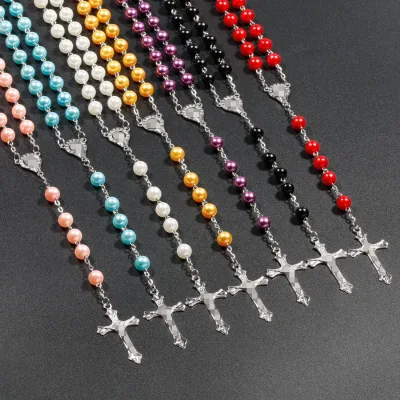
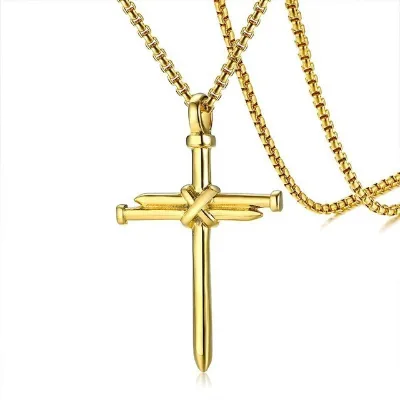
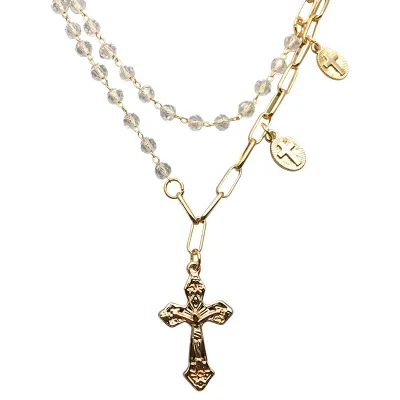
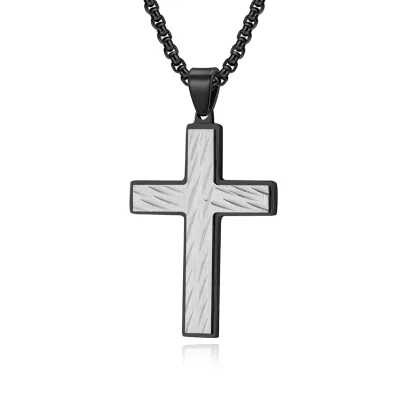
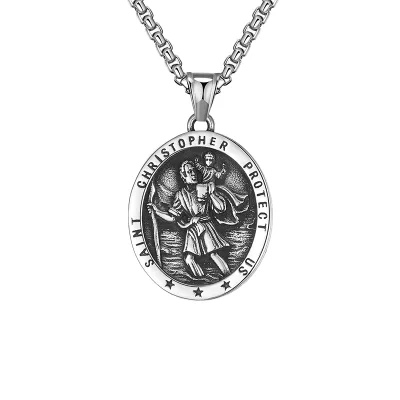
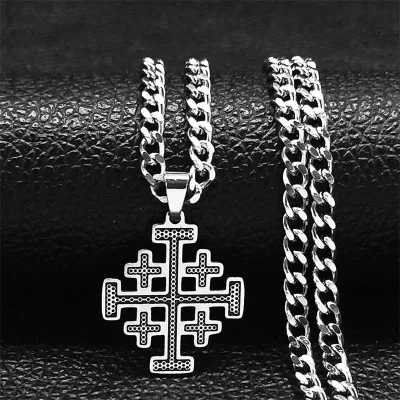
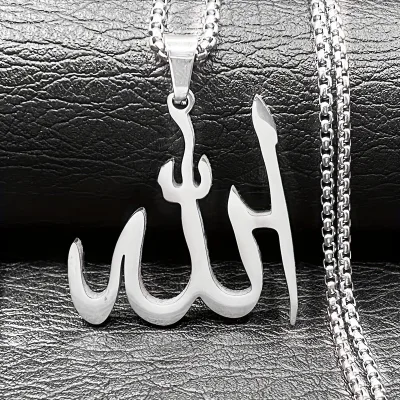
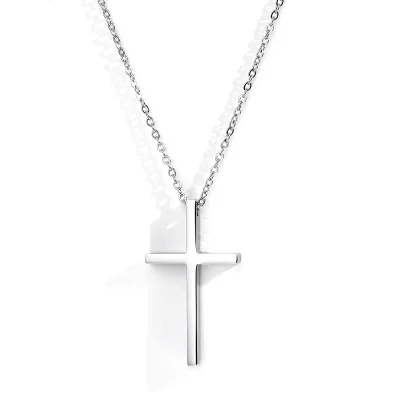
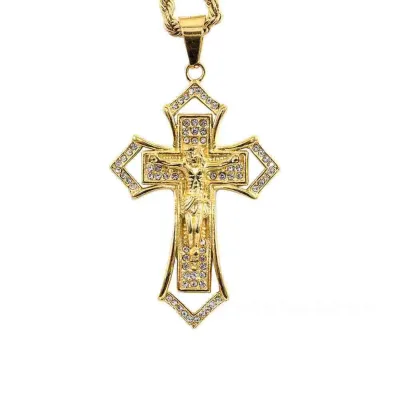
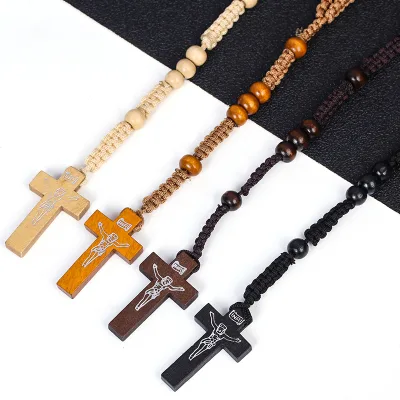








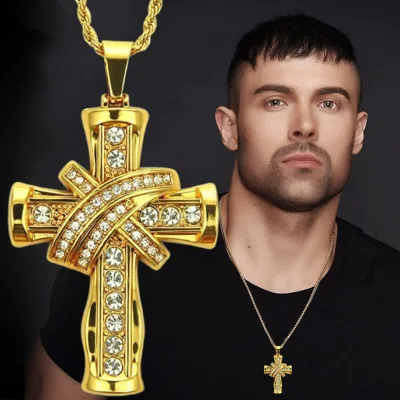
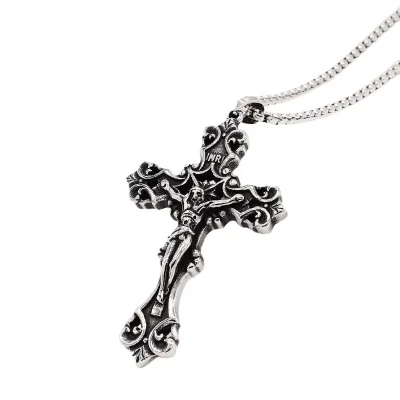
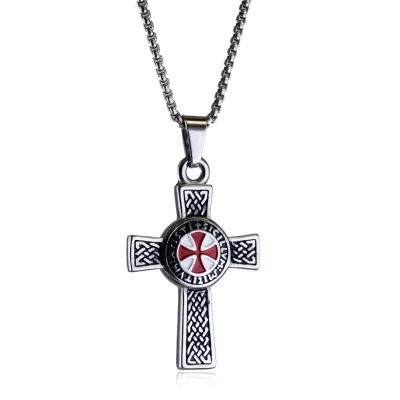


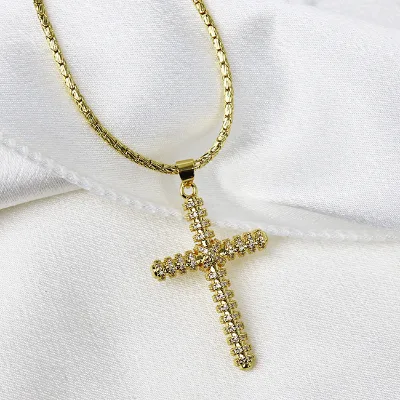




Comprehensive Sourcing Guide
Religious Cross Pendant Necklace Supplier Concentration and Factory Types
The sourcing landscape for religious cross pendant necklaces reveals distinct manufacturing clusters, primarily concentrated in China’s Guangdong and Zhejiang provinces. Guangdong suppliers typically operate as manufacturers or factories, leveraging established industrial ecosystems to produce items such as stainless steel jewelry, pendants, and rings. These entities often emphasize their capability for OEM and ODM services, allowing buyers to customize designs while maintaining structural integrity. The presence of verified badges, such as BV, indicates that these factories have undergone third-party inspections to confirm their operational legitimacy and production capacity. Buyers seeking direct factory relationships should look for suppliers in this region who explicitly state their manufacturing status rather than acting as intermediaries. This direct access can facilitate better control over quality assurance processes and allow for more transparent communication regarding production timelines and material specifications.
In contrast, suppliers located in Zhejiang, particularly in Yiwu, often present as trading companies rather than direct manufacturers. These entities specialize in aggregating products from various sources, offering a diverse range of jewelry items including brooches, belts, and necklaces. Their primary advantage lies in their ability to source multiple product types from a single point of contact, which can simplify logistics for buyers with mixed orders. However, this model may introduce additional layers between the buyer and the actual production facility. Trading companies often highlight their extensive product catalogs and quick turnaround times for standard items. Buyers must carefully distinguish between these trading entities and true factories to understand who holds the actual production responsibility. Verifying the company type is crucial, as it impacts pricing structures, customization flexibility, and the depth of technical support available during the sourcing process.
How to Verify Religious Cross Pendant Necklace Suppliers
Verification is a critical step in mitigating risk when sourcing religious cross pendant necklaces, requiring buyers to scrutinize the credentials provided by suppliers. One key indicator of reliability is the presence of third-party verification badges, such as BV or CTI, which signify that an independent agency has audited the supplier’s business operations. These audits typically cover aspects like business license validity, factory conditions, and social compliance. Buyers should prioritize suppliers who display these verified badges, as they provide a baseline level of trust regarding the supplier’s existence and operational legitimacy. However, verification badges alone are not a guarantee of product quality or delivery performance. They serve as a starting point for due diligence, prompting buyers to request additional documentation such as recent factory audit reports or video tours of the production floor. This deeper level of investigation helps confirm that the supplier’s claims about their capabilities align with their actual operational reality.
Beyond verification badges, buyers should assess the supplier’s responsiveness and transparency as indicators of their professionalism. Response time metrics, such as those measured in hours, can offer insight into the supplier’s operational efficiency and customer service quality. A faster response time often correlates with a more organized internal process, which is beneficial for managing complex orders or addressing urgent inquiries. Additionally, buyers should examine the supplier’s main product listings to ensure they specialize in the specific items they are sourcing. For instance, a supplier listing stainless steel jewelry and pendants as their main products is more likely to have the necessary expertise and equipment for producing high-quality cross pendants than a generalist trader. By combining verification checks with an analysis of response times and product focus, buyers can build a more comprehensive profile of each potential supplier, reducing the likelihood of engaging with unreliable partners.
What to Compare Across Religious Cross Pendant Necklace Suppliers
When evaluating multiple suppliers for religious cross pendant necklaces, buyers must compare key operational metrics to determine the best fit for their specific needs. Lead time is a critical factor, as it directly impacts inventory planning and market launch schedules. Suppliers may offer varying lead times, ranging from quick turnaround options to longer periods required for complex customizations. Buyers should align their order timelines with the supplier’s stated lead times to avoid delays. Additionally, the minimum order quantity (MOQ) is another essential comparison point. Some suppliers may require higher MOQs, which can be suitable for large-scale production runs, while others may offer lower MOQs to accommodate smaller businesses or trial orders. Understanding these thresholds helps buyers manage their cash flow and inventory risks effectively. By comparing lead times and MOQs across different suppliers, buyers can identify partners that offer the most favorable terms for their business model.
Product specifications and customization options also play a significant role in supplier comparison. Buyers should examine the materials, styles, and finishes available from each supplier to ensure they meet their quality and aesthetic requirements. For example, some suppliers may specialize in stainless steel pendants with specific plating options, while others may offer alloy-based products with different color variations. The availability of logo services and customization features, such as shape and size adjustments, can also influence the decision. Buyers should request detailed product attributes, including dimensions, weight, and packaging standards, to ensure consistency across their orders. Furthermore, comparing price ranges for similar products can provide insight into the value proposition of each supplier. However, price should not be the sole determinant; buyers must balance cost with quality, reliability, and service levels to make an informed sourcing decision.
Common Religious Cross Pendant Necklace Sourcing Risks
Sourcing religious cross pendant necklaces involves several potential risks that buyers must actively manage to ensure a successful procurement process. One significant risk is the discrepancy between product samples and bulk production. Suppliers may provide high-quality samples that do not reflect the consistency of mass-produced items. This issue can arise from variations in manufacturing processes, material quality, or quality control standards. To mitigate this risk, buyers should establish clear quality benchmarks and conduct rigorous inspections during production. Requesting pre-shipment inspections or hiring third-party inspection services can help identify defects before the goods are shipped. Additionally, buyers should maintain open communication with suppliers to address any issues promptly. By implementing strict quality control measures, buyers can reduce the likelihood of receiving substandard products and protect their brand reputation.
Another common risk is the potential for delays in delivery, which can disrupt supply chains and impact sales. Lead times may vary based on order volume, customization complexity, and supplier capacity. Buyers should account for potential delays by planning their orders well in advance and maintaining buffer stock. Clear communication regarding production schedules and shipping arrangements is essential to avoid misunderstandings. Furthermore, buyers should be aware of the risks associated with different supplier types. Trading companies may offer faster response times but could have less control over production quality compared to direct manufacturers. Buyers must carefully evaluate the trade-offs between speed, cost, and quality when selecting a supplier. By anticipating these risks and implementing proactive mitigation strategies, buyers can navigate the sourcing process more effectively and ensure a smoother procurement experience.
Religious Cross Pendant Necklace Regional Sourcing and Logistics
The geographic location of suppliers significantly influences logistics costs, shipping times, and overall supply chain efficiency. Suppliers located in China’s Guangdong province often benefit from established manufacturing infrastructure and proximity to major ports, facilitating efficient export operations. This region is known for its concentration of jewelry manufacturers, offering buyers access to a wide range of production capabilities. Buyers sourcing from Guangdong should consider the logistical advantages of this cluster, including streamlined customs processes and competitive freight rates. However, buyers must also account for the distance between the factory and the final destination, which can impact transit times. Understanding the regional logistics landscape helps buyers make informed decisions about shipping methods and inventory management. By leveraging the strengths of specific manufacturing clusters, buyers can optimize their supply chain and reduce overall procurement costs.
In contrast, suppliers in Zhejiang province, particularly in Yiwu, offer different logistical considerations. Yiwu is a major hub for small commodities and trading, providing buyers with access to a diverse array of products. Trading companies in this region may offer consolidated shipping options, which can be cost-effective for buyers with multiple product types. However, buyers should verify the origin of the products to ensure they meet their quality and sourcing requirements. The logistics from Zhejiang may involve different transit routes and customs procedures compared to Guangdong. Buyers must evaluate the specific logistical needs of their orders, including packaging standards and shipping documentation. By understanding the regional differences in sourcing and logistics, buyers can tailor their procurement strategies to maximize efficiency and minimize risks. This regional awareness is crucial for building a resilient and responsive supply chain.
Religious Cross Pendant Necklace Commercial Terms and Order Planning
Commercial terms and order planning are essential components of a successful sourcing strategy for religious cross pendant necklaces. Buyers must carefully review pricing structures, payment terms, and customization options to ensure they align with their budget and operational requirements. Price ranges can vary significantly based on material quality, plating options, and order volume. Buyers should request detailed quotations that break down costs for materials, labor, and packaging. Understanding these cost components helps buyers negotiate better terms and avoid hidden fees. Additionally, buyers should clarify the customization services offered by suppliers, including logo printing, packaging design, and product specifications. Clear communication regarding customization requirements is crucial to ensure the final products meet their expectations. By establishing transparent commercial terms, buyers can build trust with suppliers and foster long-term partnerships.
Order planning involves determining the appropriate order quantities, production schedules, and delivery timelines. Buyers should consider their sales forecasts and inventory needs when placing orders to avoid overstocking or stockouts. Working with suppliers who offer flexible MOQs can help buyers manage their inventory more effectively. Buyers should also establish clear delivery schedules and monitor production progress to ensure timely shipments. Communication is key to successful order planning; buyers should maintain regular contact with suppliers to address any issues promptly. Additionally, buyers should consider the impact of seasonal demand and market trends on their order quantities. By integrating commercial terms with strategic order planning, buyers can optimize their procurement process and enhance their competitive position in the market. This holistic approach ensures that sourcing activities support broader business objectives.
FAQs
What is the price range for stainless steel cross pendants?
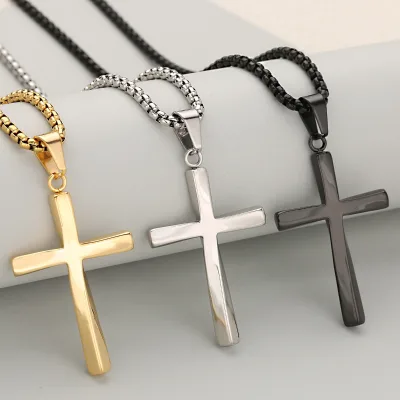
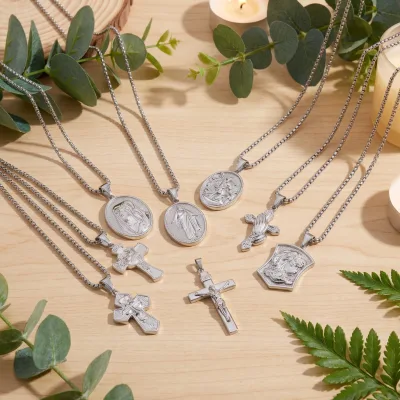
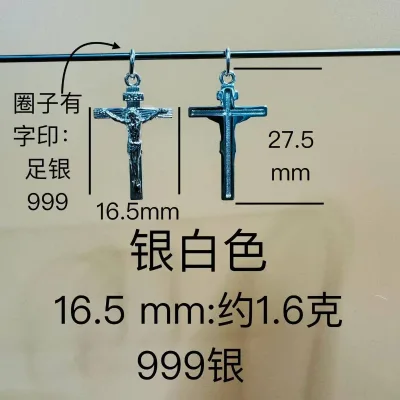
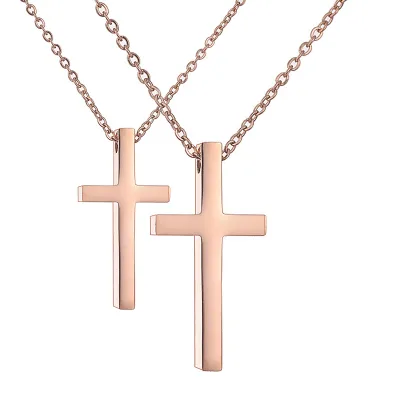
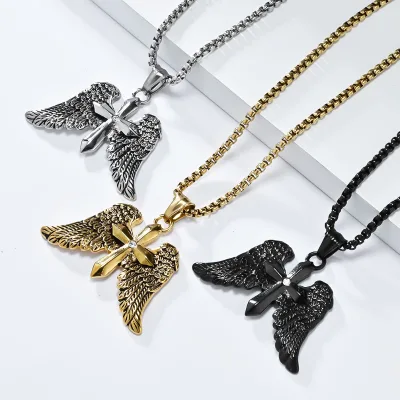
Prices for stainless steel cross pendants typically range from $2.50 to $4.00 per unit. Specific models like the P30804 are priced between $2.50 and $2.80, while custom gold-plated options cost $3.00 to $3.20. Antique silver styles are available for $3.50 to $4.00. Buyers should verify exact pricing based on quantity and customization requirements.
What is the minimum order quantity for these pendants?
The minimum order quantity is generally 100 units for stainless steel cross pendants. Some alloy-based fashion necklaces require a minimum of 120 pieces. These thresholds ensure efficient production runs. Buyers seeking smaller quantities should contact suppliers directly to negotiate terms or explore ready-to-ship inventory options that may have different MOQ structures.
How long does production take for custom orders?
Production lead times vary significantly by supplier type. Manufacturers in Guangdong typically require 90 days for production, while trading companies in Zhejiang offer faster turnaround times of 15 days. Buyers needing urgent delivery should prioritize suppliers with shorter lead times. Customization requests may extend these timelines, so early communication is essential.
Are these pendants hypoallergenic and fade-resistant?
Most stainless steel cross pendants are explicitly listed as non-allergenic and fade-resistant. Attributes indicate no oxidation and no fading for standard models. Buyers should confirm specific material grades and plating quality for long-term wear. Alloy-based fashion jewelry may have different durability profiles, so verifying material composition is recommended for sensitive skin.
Can I get custom logos on these pendants?
Custom logo services are widely available for stainless steel cross pendants. Suppliers offer logo customization for models like P30804 and P30128. Buyers can request specific branding on pendants, necklaces, and charms. This service supports OEM and ODM requirements. Confirm design files and approval processes with the supplier before placing bulk orders.
What certifications do these suppliers hold?
Suppliers in this category hold verification from BV and CTI. These certifications indicate that the companies have undergone third-party audits for business legitimacy and operational standards. Buyers should request specific product compliance certificates, such as nickel-free or lead-free tests, to ensure the jewelry meets international safety standards for their target markets.