High Efficiency Steam Liangpi Machine Suppliers and Manufacturers
Source 15 verified suppliers for High Efficiency Steam Liangpi Machine units. Compare grounded dimensions including Henan and Jiangsu locations, 15-23 day lead times, and ISO 9000 certifications. Request quotes to evaluate pricing and response times; review the available evidence before requesting comparable quotations from suitable candidates.
Suppliers List
Henan Meibang Machinery Equipment Co., Ltd.
- Manufacturer
- Henan, China
- Lead time15 days
- Avg. response≤ 2h
Main productswood crusher,shredder,Airflow dryer,biomass wood pellet machine,carbonization furnace
Main marketsSouth America(12.00%), Southeast Asia(12.00%), North America(9.00%), Eastern Europe(9.00%), Domestic Market(8.00%), Africa(8.00%), Eastern Asia(7.00%), Southern Europe(7.00%), South Asia(6.00%), Central America(6.00%), Western Europe(6.00%), Mid East(5.00%), Oceania(3.00%), Northern Europe(2.00%)
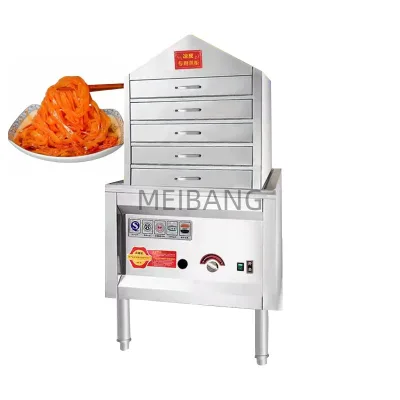
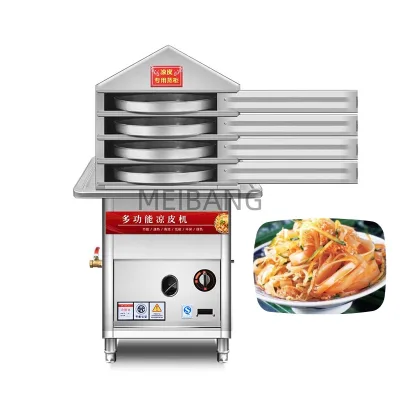
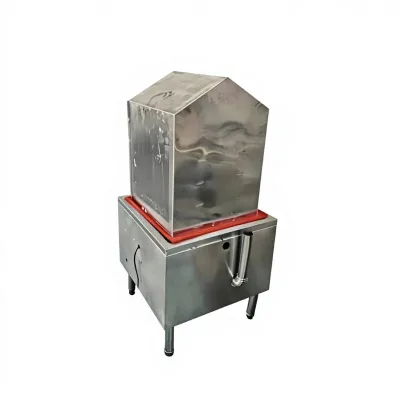
Liangpi S/teaming and Cutting Integrated Machine Large-Capacity Liangpi Steaming Box
$378.88 - $380.93
MOQ: 1 boxes
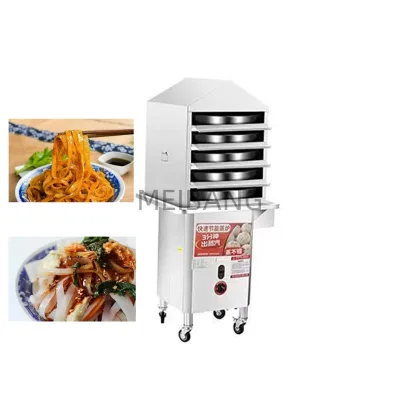
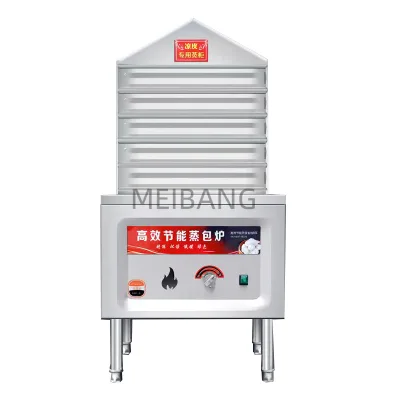
Commercial Liangpi Steaming Oven Multi-function Liangpi Steaming Device Home-use Liangpi Steamer
$378.36 - $380.40
MOQ: 1 boxes
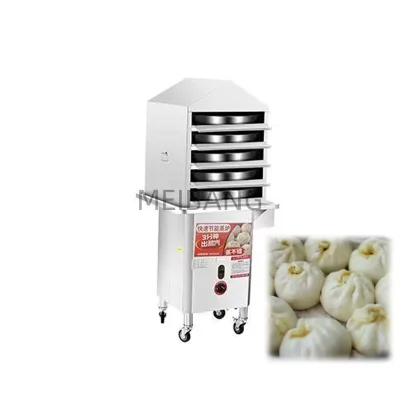
Liangpi Home Machineliangpi Gluten Washer Steam Rice Roll Machine Rice Roll Machine
$371.00 - $373.00
MOQ: 1 boxes
Shanghai Inchun Spinning & Weaving Clothing Equipment Co., Ltd.
- Verified by TUVRHEINLAND
- Manufacturer/Factory
- China Jiangsu
- Lead time23 days
- Avg. response≤ 14h
Main productsWashing Machine, Laundry Press Machine, Drying Machine, Steam Ironing Machine, Automatic Ironing Machine for Laundry, Industrial Washing Machine, Coin Operated Washing Machine, Commercial Washing Machine
Main marketsEastern Europe,Mid East,North America,Western Europe,Africa

Zhengzhou Hento Machinery Co., Ltd.
- Verified by SGS
- Trading Company,Manufacturer/Factory,Group Corporation
- China Henan
- Lead time15 days
- Avg. response≤ 8h
Main productsMeat Processing Machinery, Egg Processing Machinery, Dairy Processing Machinery, Fruit & Vegetable Processing Machinery, Grain Product Making Machines, Snack Machines, Nuts Processing Machinery, Packing Machines, Drying Machines, Commodity Making Machines
Main marketsSouth America,Eastern Europe,Mid East,North America,Southeast Asia,Eastern Asia,Oceania,Western Europe,Africa

Ningbo Jiangbei Fuxin Food Machinery Co., Ltd.
- Verified by CTI
- Combined
- China Zhejiang
- Lead time15 days
- Avg. response≤ 4h
Main productsSiomay Machine, Dumpling Machine, Bun Machine
Main marketsSouth America,East Asia(Japan/ South Korea),Europe,Australia,North America

Semi-Automatic Sumai Dry Steaming Machine High Efficiency Siomay Machine
$5200.00 - $6800.00
MOQ: 1 sets

$22987.00 - $27500.00
MOQ: 1 sheets

$6500.00 - $8798.00
MOQ: 1 sets

$25000.00 - $27600.00
MOQ: 1 sheets

$22987.00 - $29500.00
MOQ: 1 sheets

$17800.00 - $22000.00
MOQ: 1 sheets

Henan Yuanda Boiler Corporation Ltd.
- Combined
- China Henan
- Lead time30 days
- Avg. response≤ 4h
Main productsGas Boiler, Steam Boiler, Coal Boiler, Biomass Boiler, Hot Water Boiler, Oil Boiler, Thermal Oil Boiler, Chain Grate Boiler, Wood Pellet Boiler, Waste Incinerator
Main marketsSouth America,Africa,Southeast Asia/ Mideast,East Asia(Japan/ South Korea),Domestic,Europe,Australia,North America

Jiangsu Sunflower Machinery Co., Ltd.
- Combined
- China Jiangsu
- Lead time23 days
- Avg. response≤ 11h
Main productsWashing Machine, Laundry Machine, Laundry Equipment, Tumble Dryer, Washer Extractor, Industrial Washer, Flat Work Ironer, Ironing Machine, Steam Press, Folding Machine
Main marketsSouth America,Africa,Southeast Asia/ Mideast,East Asia(Japan/ South Korea),Domestic,Europe,Australia,North America


Automatic Steam Press Machines Steam Iron
MOQ: 1 Sets

Automatic Steam Press Machines Steam Iron
MOQ: 1 Sets
Binzhou Lanjet Commercial Electric Appliance Co., Ltd.
- Manufacturer/Factory
- China Shandong
- Lead time0 days
- Avg. response≤ 2h
Main productsdishwasher

TAIZHOU FOXSEW SEWING MACHINE CO., LTD.
- Trading Company,Manufacturer/Factory
- China Zhejiang
- Lead time23 days
- Avg. response≤ 14h
Main productsSpecial Sewing Machine, Heavy Duty Sewing Machine, Programmable Pattern Sewing Machine, Mattress Sewing Machine, Shoes Sewing Machine, Zigzag Sewing Machine, Carpet Sewing Machine, Industrial Sewing Machine, Cutting Machine, Tape Cutting Machine
Main marketsSouth America,Eastern Europe,Mid East,North America,Southeast Asia,Eastern Asia,Oceania,Western Europe,Africa

Taizhou Haifeng Machinery Manufacturing Co., Ltd.
- Manufacturer/Factory
- China Jiangsu
- Lead time23 days
- Avg. response≤ 17h
Main productsLaundry Equipment, Tumble Dryer, Laundry Machine, Industrial Washing Machine, Spinner, Industrial Drying Machine, Washing and Dewatering Machine, Industrial Washing Equipment, Industrial Washer Extractor, Ironing Machine


Roller Steam Ironing Machine Ypa
MOQ: 1 set


Shandong Wilk Kitchen Equipment Co., Ltd
- Verified by SGS
- Trading Company
- China Shandong
- Lead time15 days
- Avg. response≤ 2h
Main productsStainless Steel Worktable, Stainless Steel Sink, Stainless Steel Shelf, Commercial Rice Steamer, Commercial Gas Stove, Refrigeration Equipment, Western Kitchen Equipment, Bakery Equipment, Cleaning&Sterilizing Equipment, Changing Room Equipment
Main marketsSoutheast Asia/ Mideast


High-Efficiency Energy Saving Commercial Steamer - Large Capacity Luxury Model
$42.00 - $177.00
MOQ: 10 Sets
Qingdao Huaye Machinery Co., Ltd.
- Verified by SGS
- Combined
- China Shandong
- Lead time30 days
- Avg. response≤ 2h
Main productsMeat Shredding Machine, Meat Shredder Machine, Spiral Blanching Machine, Blanching Machine, Cooking Machine, Precooker, Continuous Cooking Machine, Tunnel-Type Oven, Continuous Cooking Assembly Line
Main marketsDomestic

QUANZHOU KINGKUNG IMP. AND EXP. TRADE CO., LTD.
- Trading Company
- China Fujian
- Lead time30 days
- Avg. response≤ 10h
Main productsShoe Machine, Shoe Machinery, Shoe Mould, Shoe Mold, Shoe Upper, Shoe Sole, Shoe Materials, Shoe Accessories, Shoe Components, Injection Shoe Machine

Qingdao Xingfu Energy Equipment Co., Ltd.
- Verified by SGS
- Manufacturer/Factory,Group Corporation
- China Shandong
- Lead time23 days
- Avg. response≤ 3h
Main productsBiomass Steam Generator, Biomass Steam Boiler, Oil Gas Fired Steam Boiler, Coal Fired Steam Boiler, Waste Heat Recovery Boiler, Biomass Burners, Waste Tyre Pyrolysis System, Waste Oil Distillation System, Thermal Oil Boiler, Electric Steam Boiler
Main marketsSouth America,Eastern Europe,Mid East,North America,Southeast Asia,Eastern Asia,Oceania,Western Europe,Africa

Shanghai Pharmaceutical Machinery Co., Ltd.
- Verified by TUVRHEINLAND
- Combined
- China Shanghai
- Lead time15 days
- Avg. response≤ 9h
Main productsPharmaceutical Machine, Pharmaceutical Machinery, Fully Automatic Capsule Filling Machine, Blister Packing Machine, Tablet Press, Assistant Machine, Capsule Machine, Coating Machine, Dryer, Granulator
Main marketsAfrica,Southeast Asia/ Mideast,Domestic

Wenzhou Lihong Machinery Technology Co., Ltd.
- Verified by BV
- Combined
- China Zhejiang
- Lead time45 days
- Avg. response≤ 6h
Main productsDairy Equipment, Mixing Tank, Stainless Teel Tank, Bulk Farm Milk Cooling Tank, Wine Tank, Pharmaceutical Equipments, Milk Tank, Milk Cooling Tank, Brewery Equipments, Pipe
Main marketsSouth America,Africa,Southeast Asia/ Mideast,Europe,North America


Comprehensive Sourcing Guide
High Efficiency Steam Liangpi Machine Supplier Concentration and Factory Types
Evidence indicates a concentration of manufacturers in Henan, China, specifically producing wood crushers, shredders, and biomass wood pellet machines alongside food processing equipment. Some suppliers in this region list Liangpi automatic water-feeding machines and stainless steel steamers as core products, with specific models like the MBS-500 Steam Liangpi Machine originating from this area. These entities are classified as manufacturers, suggesting they control the production process rather than acting solely as trading intermediaries. The presence of machinery test reports and video outgoing inspections for these units further supports the existence of established production lines capable of verifying output quality before shipment.
In contrast, other supplier results point to a different industrial cluster in Jiangsu, China, where companies focus on laundry and garment care appliances such as automatic ironing machines and steam pumps. While these suppliers possess relevant steam heating technology and ISO 9000 certifications, their primary product lines do not align with food processing machinery. Buyers seeking high efficiency steam liangpi machines must distinguish between these distinct manufacturing clusters. It is critical to verify that a supplier's main products explicitly include food processing equipment rather than laundry machinery, as the technical requirements for steam generation in food safety contexts differ significantly from those in garment care.
How to Verify High Efficiency Steam Liangpi Machine Suppliers
Verification begins with confirming the supplier's company type and location against the specific product evidence provided. For Liangpi machines, the origin should be Henan, China, and the company type should be listed as a Manufacturer. Buyers should request the machinery test report, which is noted as provided for specific models, and verify the video outgoing inspection availability. These documents serve as concrete proof that the equipment has undergone functional testing. Additionally, checking the core components listed, such as the engine and motor, ensures the machine meets the necessary power specifications for commercial catering or snack food factory applications.
Beyond product documentation, buyers must validate the supplier's response time and lead time to gauge operational reliability. Data shows response times can vary, with some suppliers responding within two days while others take significantly longer. A lead time of 15 days is observed for certain food machinery, whereas other industrial sectors may require 23 days. Buyers should confirm these timelines in writing before placing an order. Furthermore, verifying certifications like ISO 9000 is essential, though this is more common in the laundry equipment sector. For food machinery, the focus should remain on the provided machinery test reports and the specific application fields listed, such as commercial catering or flour mills, to ensure the supplier understands the intended use case.
What to Compare Across High Efficiency Steam Liangpi Machine Suppliers
When evaluating potential partners, the minimum order quantity (MOQ) is a primary differentiator. Evidence shows that specific Liangpi steamers have an MOQ of just one set, making them accessible for small-scale operations or pilot projects. In contrast, other industrial machinery often carries higher thresholds. Buyers should compare this metric against their initial capital constraints. Additionally, the price range for these machines is relatively narrow, with specific models listed between approximately 371 and 383 units of currency. This consistency suggests a standardized market price for this specific category of equipment, allowing buyers to focus on value-added services rather than price negotiation alone.
Capacity and functional specifications offer another critical comparison point. Some units are rated for 120 sheets per hour, while others reach 150 sheets per hour, directly impacting production throughput. Buyers must match these capacity figures to their expected daily output requirements. The voltage specifications, typically 220/380v, must also be verified against local power infrastructure to avoid installation issues. Warranty terms, such as the one-year coverage noted for core components, provide a baseline for after-sales support. Comparing these technical attributes ensures the selected machine aligns with both production volume needs and electrical standards, preventing costly retrofits or underperformance in a commercial setting.
Common High Efficiency Steam Liangpi Machine Sourcing Risks
A significant risk involves the mismatch between supplier specialization and product requirements. Some suppliers in the search results specialize in laundry appliances, such as steam ironing machines and washing presses, rather than food processing equipment. While these companies may possess steam technology, their expertise in food safety standards and specific Liangpi production mechanics may be lacking. Buyers must scrutinize the main product list to ensure it explicitly includes food machinery like wood crushers or biomass pellet machines alongside the steamers. Relying on a supplier whose primary focus is garment care could lead to equipment that lacks the necessary hygiene certifications or functional design for food production.
Another risk relates to the verification of technical claims and the availability of supporting documentation. Although some listings indicate that machinery test reports and video outgoing inspections are provided, buyers must ensure these are current and specific to the exact model ordered. Inconsistent response times, ranging from two days to over thirteen days, can delay critical project timelines. If a supplier cannot provide a clear machinery test report or fails to respond promptly, it may indicate operational inefficiencies. Buyers should also be cautious of vague product descriptions that do not specify application fields like commercial catering or snack food factories, as this ambiguity can lead to receiving equipment unsuitable for the intended industrial environment.
High Efficiency Steam Liangpi Machine Regional Sourcing and Logistics
Sourcing from Henan, China, offers a direct path to manufacturers specializing in food processing machinery, including Liangpi steamers and related equipment. The proximity of these factories to raw material sources and established industrial zones can streamline the logistics of heavy machinery transport. Buyers should confirm the place of origin for every unit, as some listings explicitly state Henan, China, while others may originate from different regions. This verification is crucial for calculating accurate shipping costs and transit times. The weight of these machines, often around 100 kg, requires specific freight arrangements that differ from lighter consumer goods, necessitating careful coordination with logistics providers familiar with industrial cargo.
In contrast, sourcing from Jiangsu, China, presents a different logistical profile, primarily associated with laundry and garment care equipment. While this region has strong manufacturing capabilities, the distance from food machinery hubs may increase shipping complexity if the supplier is not specialized in food equipment. Buyers must assess whether the supplier can handle the specific packaging requirements, such as plywood cases, which are noted for certain industrial machines. The lead time of 15 to 23 days observed in the data reflects the production and shipping duration. Understanding these regional differences helps buyers anticipate potential delays and plan their inventory replenishment schedules effectively, ensuring that the supply chain remains robust regardless of the specific manufacturing cluster selected.
High Efficiency Steam Liangpi Machine Commercial Terms and Order Planning
Order planning must account for the specific commercial terms regarding warranty and core component coverage. Evidence indicates a standard one-year warranty for core components like the engine and motor, which is a critical factor for long-term operational stability. Buyers should explicitly confirm if this warranty covers the entire machine or only specific parts, as this distinction affects maintenance budgeting. Additionally, the availability of customization options, such as color or specific voltage requirements, should be clarified early in the negotiation process. While some listings show customization as available, others may have fixed specifications, impacting the final delivery timeline and cost.
Payment terms and unit pricing structures also require careful review. The observed price range for these machines is tight, suggesting that negotiation leverage may be limited to volume discounts or bundled services rather than unit price reductions. Buyers should verify the selling units, which are often listed as single items, to understand the total cost of ownership. Escrow services or secure payment methods should be utilized to protect funds until the machinery test report and video inspection confirm the product's condition. Planning for the lead time of 15 days or more is essential to avoid production bottlenecks. By aligning commercial terms with the specific technical requirements and warranty expectations, buyers can mitigate financial risks and ensure a smooth procurement process for their high efficiency steam liangpi machines.
FAQs
What is the price range for high efficiency steam liangpi machines?
Prices typically range from approximately 371 to 383 USD per set. This cost covers essential components like engines and motors. Buyers should verify specific model configurations and voltage requirements, such as 220/380v, to ensure accurate pricing for their commercial catering or snack food factory needs.
What is the minimum order quantity for these machines?
The minimum order quantity is generally one set. This low threshold allows small businesses to test equipment efficiency. Suppliers often provide machinery test reports and video outgoing inspections to verify performance before shipment, ensuring the steam liangpi machine meets your specific production capacity requirements.
How long does delivery take for steam liangpi equipment?
Lead times vary by manufacturer, with some offering 15 days and others up to 23 days. Response times also differ, ranging from 2 to 13 hours. Buyers should confirm production schedules and shipping logistics early to align with their commercial catering or snack food factory operational timelines.
Where are these steam liangpi machines manufactured?
Manufacturing locations include Henan and Jiangsu provinces in China. These regions specialize in industrial food processing and laundry machinery. Buyers can verify factory certifications, such as ISO 9000, and check supplier verification status to ensure quality standards are met for their High Efficiency Steam Liangpi Machine procurement.
What warranty and support are provided for steam liangpi machines?
Warranties typically cover one year for core components and the main unit. Suppliers provide machinery test reports and video outgoing inspections for quality assurance. Buyers should confirm warranty terms for engines and motors, ensuring reliable support for commercial catering or snack food factory operations using the steam liangpi machine.
What is the production capacity of these steam liangpi machines?
Capacity ranges from 120 to 150 sheets per hour. This efficiency suits commercial catering and snack food factories. The machines feature high efficiency steam functions and are designed for easy operation. Buyers should verify voltage compatibility and core component specifications to ensure optimal performance for their specific production needs.