High Power Bak4 Fmc Binoculars Suppliers and Manufacturers
Explore 19 verified options for High Power Bak4 Fmc Binoculars from manufacturers and trading companies. Compare response times, lead times, certifications, and customization capabilities to find the right partner. Contact suppliers directly to request samples or quotes; review the available evidence before requesting comparable quotations from suitable candidates.
Updated
Suppliers List
Chongqing Jizhou Enterpeises Co., Ltd.
- Verified by SGS Group
- Manufacturer, Trading Company
- Lead time30 days
- Avg. response≤ 4h
Main productsBinocular Monocular, Telescope, Laser Range Finder, Night Vision, Scope
Main marketsNorth America(30%), Oceania(10%), Northern Europe(10%)

YINGTAN CITY AOXIANG OPTICS CO., LTD.
- Verified by SGS
- Combined
- China Jiangxi
- Lead time15 days
- Avg. response≤ 4h
Main productsRiflescope, Binoculars, Astronomical Telescope, Range Finder, Magnifier, Compass, Night Vision, Gun Brush, DOT Sight, Spotting Scope
Main marketsSouth America,East Asia(Japan/ South Korea),Domestic,Europe,Australia,North America


$48.00 - $55.60
MOQ: 5 Pieces

Comet Long Distance High Definition 7X30mm High Power Binoculars Fmc Large Eyepieces Binoculars
$24.10 - $26.20
MOQ: 20 Pieces

$16.80 - $17.80
MOQ: 20 Pieces

$38.50 - $40.00
MOQ: 20 Pieces

Nanyang Huasen Optoelectronics Co., Ltd.
- Manufacturer, Trading Company
- Henan, China
- Lead time20 days
- Avg. response≤ 2h
Main productsBinoculars,Prism,Lens,Telescope,Rangefinder
Main marketsDomestic Market(60.00%), South Asia(40.00%)
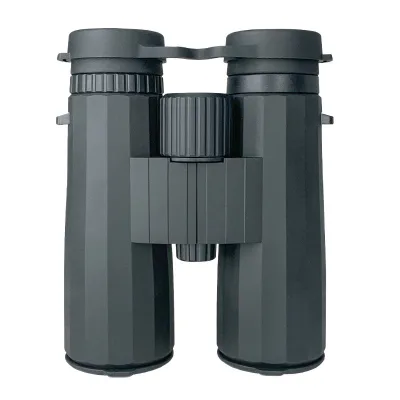
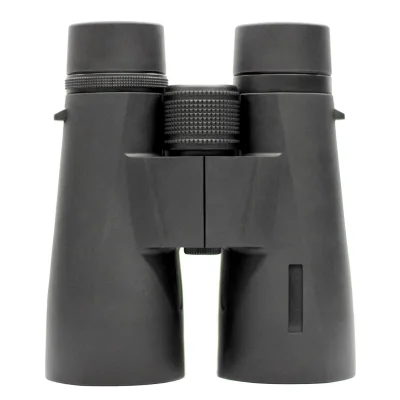
10x42 High Definition High Magnification Telescope BAK4 FMC Children Adult Spotting Binoculars
$20.6781 - $21.711
MOQ: 50 pieces
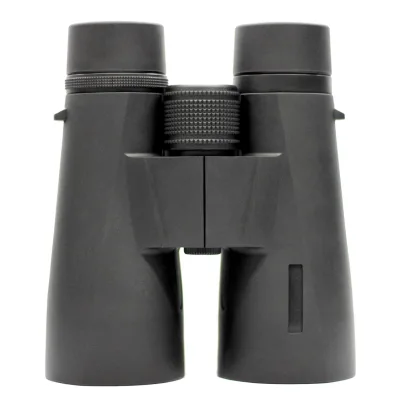
$104.1583 - $108.2421
MOQ: 50 Minimum
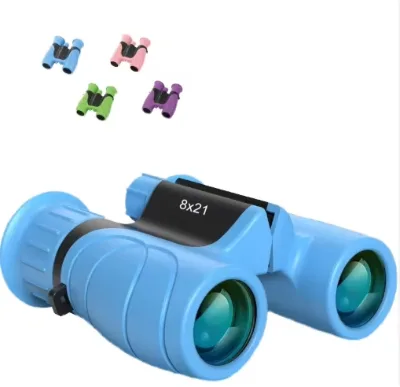
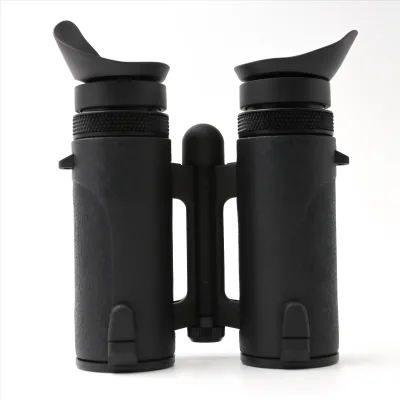
$101.50 - $110.00
MOQ: 80 Minimum
Zhejiang Guchen Technology Co., Ltd.
- Manufacturer, Trading Company
- Zhejiang, China
- Lead time7 days
- Avg. response≤ 7h
Main productsBinoculars; Night Vision; Spotting Scopes; Astronomical Telescope; Monocular
Main marketsNorth America(60.00%), Western Europe(20.00%), Southeast Asia(20.00%)
Kunming Kunguang Photoelectric Technology Co., Ltd.
- Manufacturer, Trading Company
- Yunnan, China
- Lead time6 days
- Avg. response≤ 6h
Main productsMilitary telescope,Roof Binoculars,Large magnification telescope,Spotting Scope,Monocular
Main marketsDomestic Market(20.00%), North America(20.00%), Eastern Asia(15.00%), Southeast Asia(12.00%), Western Europe(8.00%), Eastern Europe(5.00%), South America(5.00%), Southern Europe(5.00%), South Asia(3.00%), Africa(3.00%), Mid East(2.00%), Oceania(2.00%)
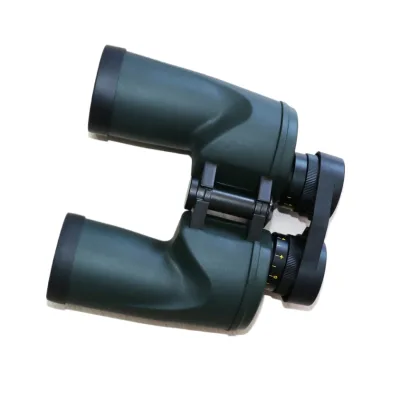
High Quality High Resolution fmc Bak4 Waterproof Telescope Binoculars 7x50 for Investigation
$113.00 - $150.00
MOQ: 5 pieces
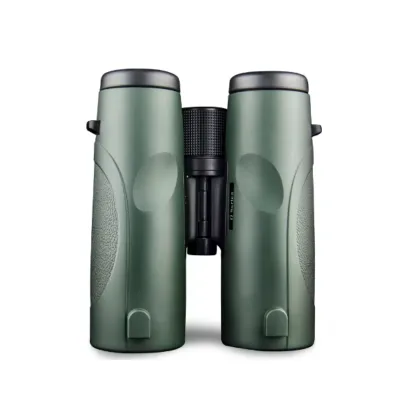
Facoty Directly Binoculars O8543/O1043 High Power Waterproof Bird Watching BAK4 Binoculars
$307.6021 - $321.9583
MOQ: 1 pieces
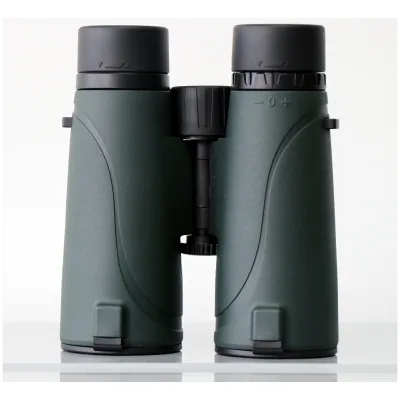
Factory Supply Roof Binoculars FMC Lens High Clear Bak4 Prism Waterproof Binoculars 8X42 for Concert
$62.00 - $78.00
MOQ: 5 pieces
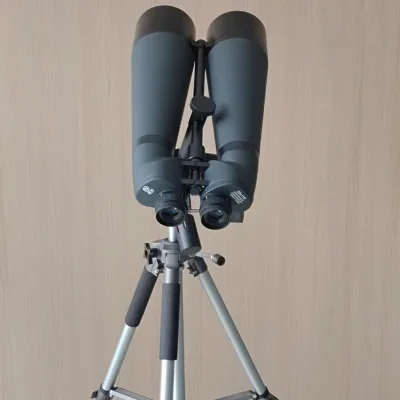
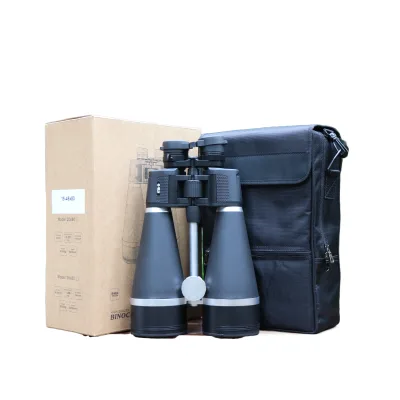
$97.00 - $109.00
MOQ: 5 pieces
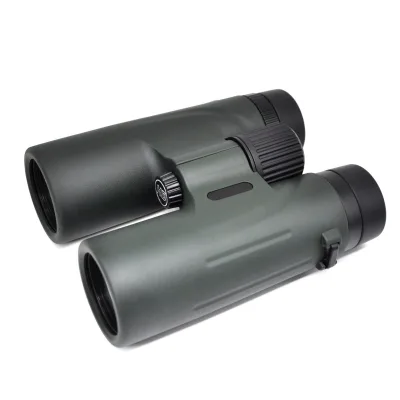
$25.00 - $28.00
MOQ: 100 pieces
Jaxy Optical Instrument Co., Ltd.
- Manufacturer, Trading Company
- Lead time旺季: "1 - 10":15,"> 10":"To be negotiated", 淡季: "1 - 10":15,"> 10":"To be negotiated"
- Avg. response≤ 3h
Main productsbinoculars,telescope,magnifier,campig survival tool,3d glasses
Chengdu Jingfeng Optical Technology Co., Ltd.
- Trading Company
- Sichuan, China
- Lead time0 days
- Avg. response≤ 2h
Main productsoptical glass,binoculars,laser rangefinder,night vision binoculars,3D light lamp
Main marketsNorth America(40.00%), Western Europe(20.00%), Eastern Europe(15.00%), Northern Europe(10.00%), Domestic Market(10.00%), Mid East(5.00%)
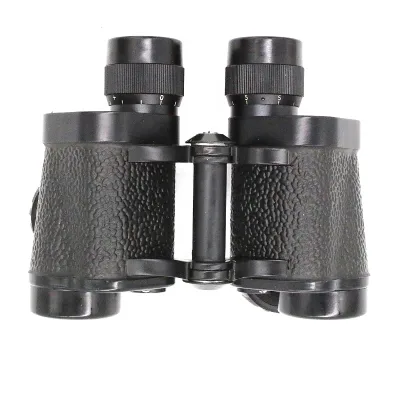
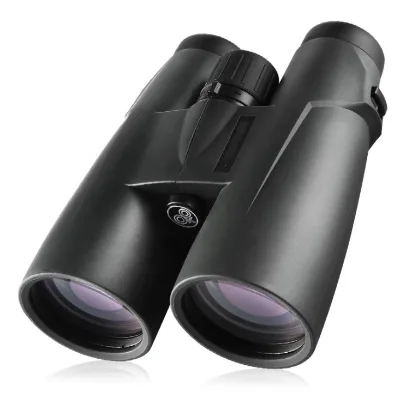
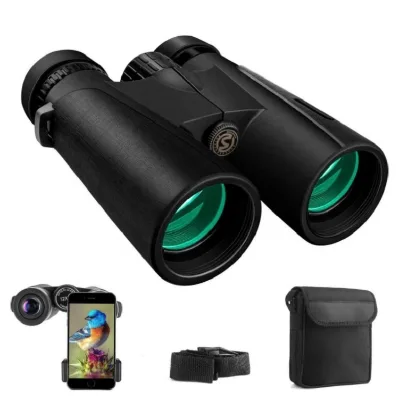
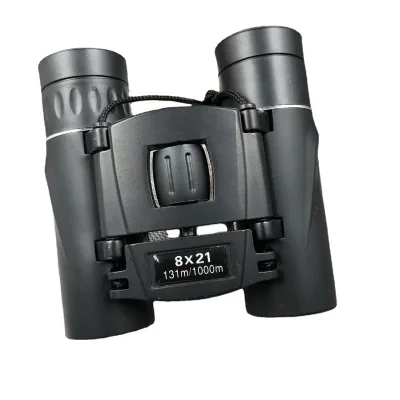
Hot Sale Bak4 Prism FMC Lens Waterproof 12x42 10x42 Binoculars for Hunting
$17.15 - $25.00
MOQ: 1 boxes

Chongqing Dontop Optics Co., Ltd.
- Trading Company,Manufacturer/Factory
- China Chongqing
- Lead time38 days
- Avg. response≤ 5h
Main productsBinoculars, Rifle Scope, Range Finder, Spotting Scope, Telescope, Lenses, Red DOT, Night Vision, Monoculars, Mount
Main marketsSouth America,Eastern Europe,Mid East,North America,Southeast Asia,Eastern Asia,Oceania,Western Europe,Africa

Bak4 Waterproof Dielectric Fmc 10X25 Telescope Best Powerful Binoculars
$20.00 - $26.00
MOQ: 200 Pieces


Kunyang Zhicheng Optics Co., Ltd.
- Manufacturer, Trading Company
- Yunnan, China
- Lead time30 days
- Avg. response≤ 1h
Main productsBinoculars,Telescope,Optical Parts,night vision binoculars,optical lens
Main marketsWestern Europe(25.00%), North America(20.00%), Domestic Market(15.00%), Southern Europe(14.30%), South America(9.60%), Northern Europe(4.80%), Eastern Asia(4.80%), Mid East(4.76%), Africa(1.74%)
Chongqing Dontop Optics Co., Ltd.
- Manufacturer
- Chongqing, China
- Lead time45 days
- Avg. response≤ 5h
Main productsscopes,Binoculars,rangefinders,lens,mounts
Main marketsNorth America(25.00%), Western Europe(22.00%), Eastern Asia(10.00%), Eastern Europe(10.00%), Northern Europe(9.39%), Southern Europe(8.00%), South America(4.60%), Oceania(4.00%), South Asia(3.00%), Southeast Asia(2.00%), Mid East(1.00%), Africa(1.00%), Domestic Market(0.01%)
Nanyang Srate Optical Instrument Co., Ltd.
- Verified by SGS Group
- Manufacturer, Trading Company
- Lead time20 days
- Avg. response≤ 3h
Main productsMagnifying Glass, Microscope, Telescope
Main marketsNorth America(40%), Western Europe(20%), South America(13%)
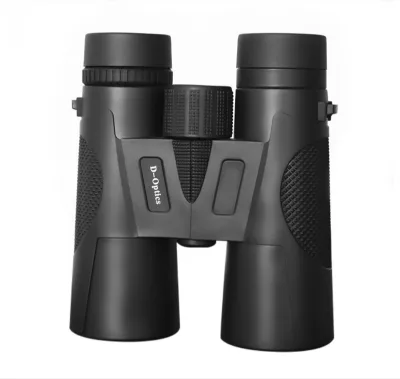
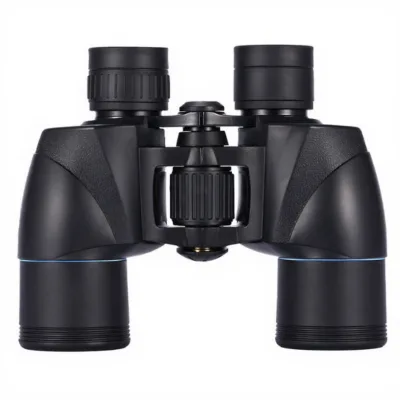
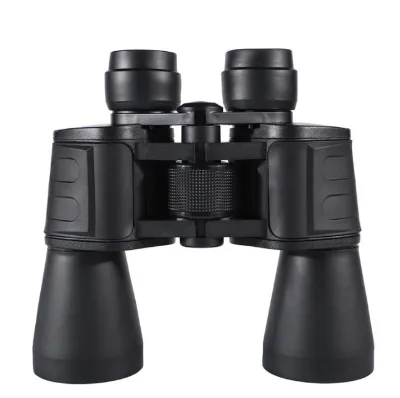
20x Anti Slip Grip Center Focusing Binoculars
$9.00 - $9.40
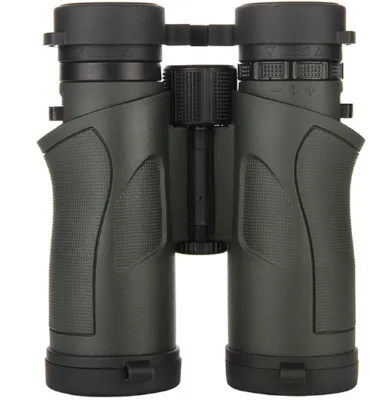
8x42 Binoculars, Factory Direct, Perfect for Outdoor Adventures and Cross-border Trade
$60.00 - $66.00
MOQ: 25
Jaxy Optical Instrument Co., Ltd.
- Verified by SGS Group
- Manufacturer, Trading Company
- Lead time20 days
- Avg. response≤ 3h
Main productsBinoculars and Telescope, Magnifier, Whistle, Compass, 3D glasses
Main marketsWestern Europe(35%), North America(25%), Domestic Market(15%)
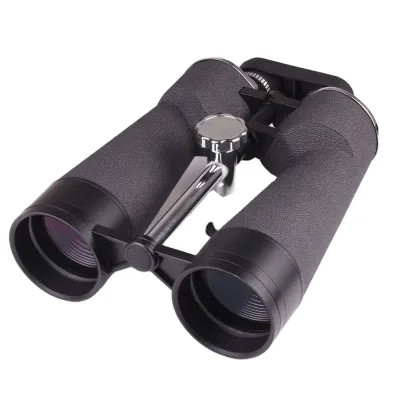
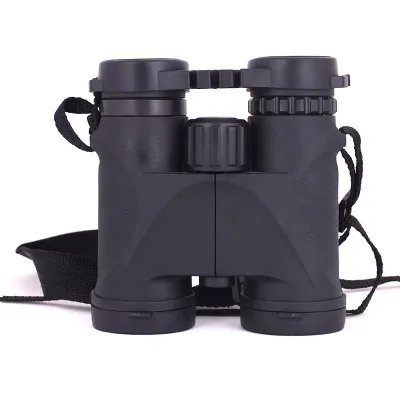
$43.00 - $51.20
MOQ: 100 pieces

Onick Optics (Wuhan) Co., Ltd.
- Verified by SGS
- Combined
- China Hubei
- Lead time15 days
- Avg. response≤ 3h
Main productsRange Finder, Telescope, Night Vision, Thermal Imager, Trail Cameras, Speedometer, Photovoltaic Energy Storage
Main marketsDomestic

Factory Binoculars 20X80 HD Long Range Binocular Optiacl High Quality Binoculars
$407.00
MOQ: 1 Pieces


SHENZHEN JKYO TECHNOLOGY CO., LTD.
- Verified by SGS Group
- Trading Company
- Lead time5 days
- Avg. response≤ 8h
Main productsScopes/ Night Vision Scope, Rangefinder, Thermal Scope, Tactical Flashlights, Red Dot Sight
Main marketsSouth America(20%), Southeast Asia(20%), Eastern Europe(13%)

- Trading Company,Manufacturer/Factory
- China Guangdong
- Lead time23 days
- Avg. response≤ 13h
Main productsShooting Target, Hunting Accessories, Gun Cleaning Kits, Binoculars, Bipods, Tactical Flashlight, Handguards, Night Vision, Red DOT Sight, Scope
Main marketsSouth America,Eastern Europe,Mid East,North America,Southeast Asia,Eastern Asia,Oceania,Western Europe

$96.39 - $97.99
MOQ: 100 Pieces

$137.39 - $138.99
MOQ: 100 Pieces


Ningbo Barride Optics Co., Ltd.
- Trading Company,Manufacturer/Factory
- China Zhejiang
- Lead time75 days
- Avg. response≤ 4h
Main productsMicroscope, Telescope, Binoculars, Riflescope, Magnifier, Spotting Scope, Range Finer, Astronomical Telescope, Night Vision, Biological Microscope
Main marketsSouth America,Eastern Europe,Mid East,North America,Southeast Asia,Eastern Asia,Oceania,Western Europe,Africa

High-Power 8× 40 Porro Prism Binoculars for Clear Long-Range Viewing Bm-5327A
$19.00 - $25.00
MOQ: 200 Pieces

10× 42 Roof Powerful, Bright & Compact Binoculars Phase-Coated Bak4 Optics (BM-7535D)
$55.00 - $65.00
MOQ: 200 Pieces


10× 32 Waterproof Outdoor Roof Binoculars _Phase-Corrected Bak4 Clarity (BM-7535C)
$55.00 - $65.00
MOQ: 200 Pieces


Ningbo Barride Optics Co., Ltd.
- Verified by Intertek
- Trading Company
- Lead time15 days
- Avg. response≤ 2h
Main productsTelescope, Microscope, Binoculars, Magnifier, Hunting Scope
Main marketsWestern Europe(45%), North America(24%), Eastern Europe(10%)
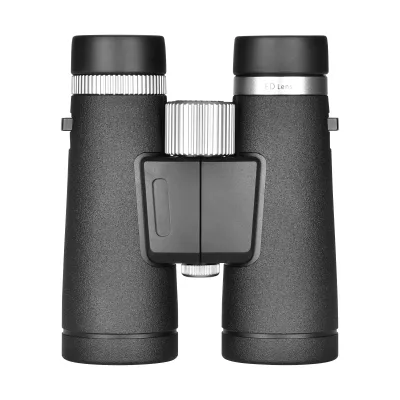
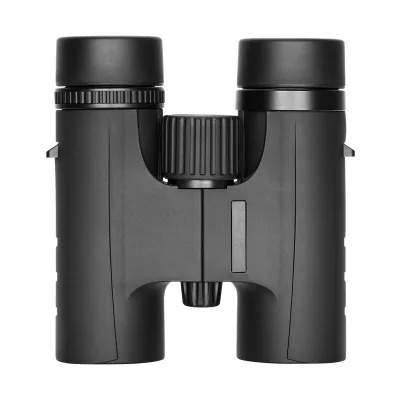
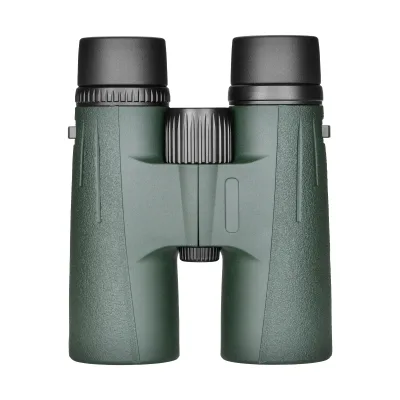
$51.657 - $56.8231
MOQ: 1 pieces
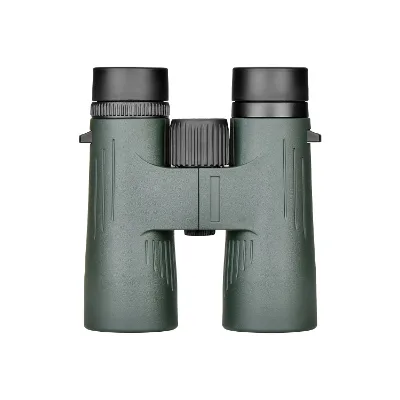

Shenzhen Daking Optoelectronics Co., Ltd.
- Verified by SGS
- Combined
- China Guangdong
- Lead time30 days
- Avg. response≤ 9h
Main productsOptoelectronic, Telescope, Night Vision Monocular, Night Vision Goggle/Biocular, Night Vision Binocular, Night Vision Weapon/Military Sight, Night Vision Body/Housing, Night Vision Accessories, Night Vision Riflescope, Eyepiece
Main marketsNorth America
Shenzhen HTM Electronic Technology Co., Ltd.
- Manufacturer, Trading Company
- Guangdong, China
- Lead time15 days
- Avg. response≤ 2h
Main productsThermal imaging night vision device,Alcohol tester,Telescope,A multifunctional radio
Main marketsNorth America(30.00%), Western Europe(15.00%), South America(15.00%), Eastern Europe(8.00%), Southern Europe(7.00%), Eastern Asia(7.00%), Africa(5.00%), Mid East(4.00%), Southeast Asia(4.00%), South Asia(3.00%), Domestic Market(1.00%), Central America(1.00%)
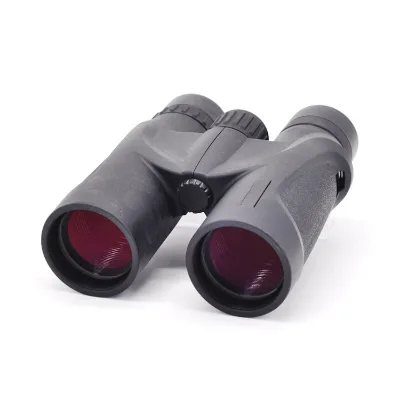

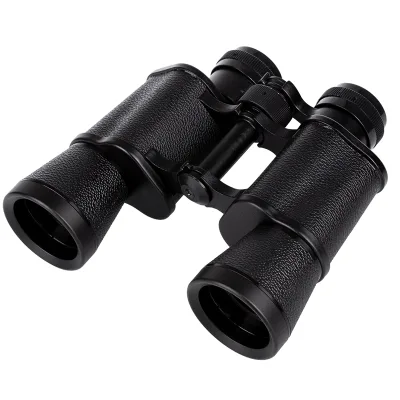
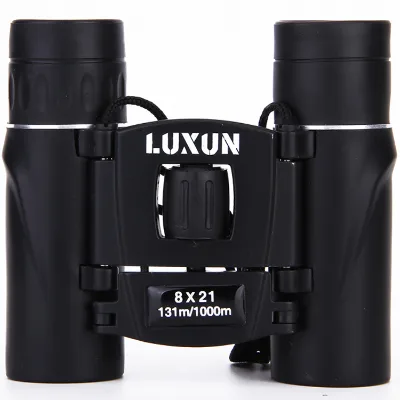
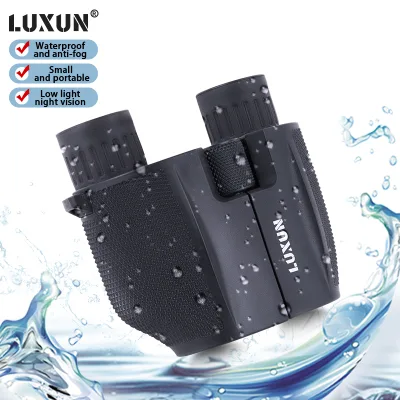
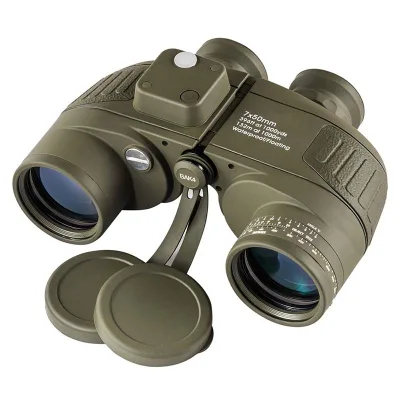
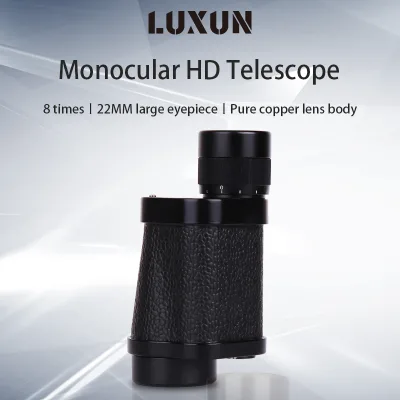
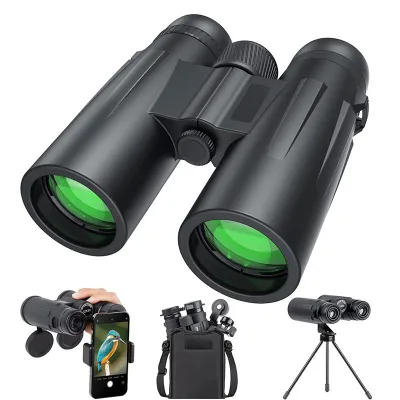
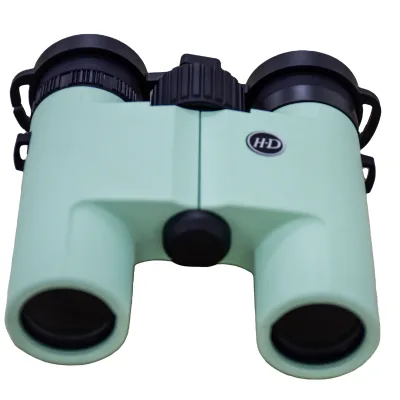
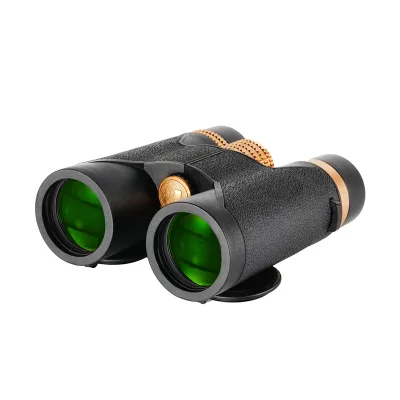
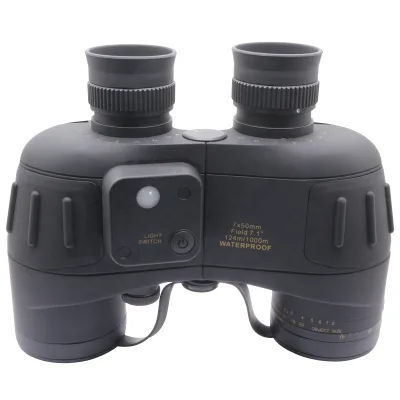
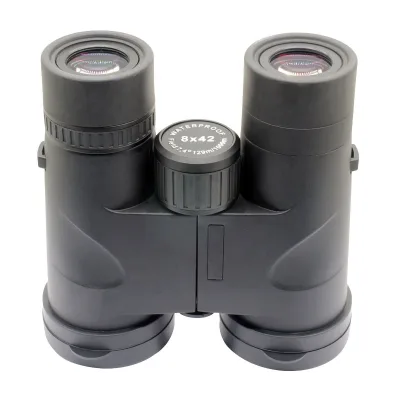


Comprehensive Sourcing Guide
High Power Bak4 Fmc Binoculars Supplier Concentration and Factory Types
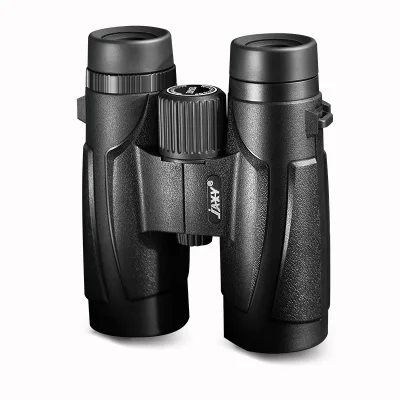
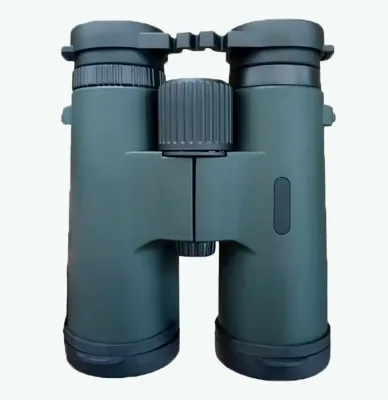
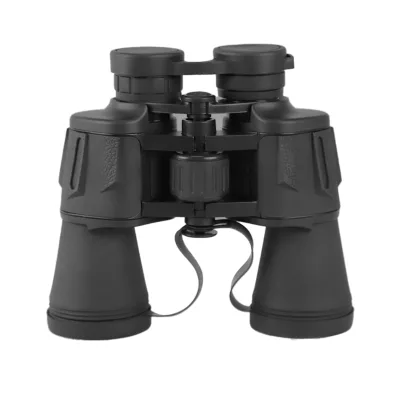
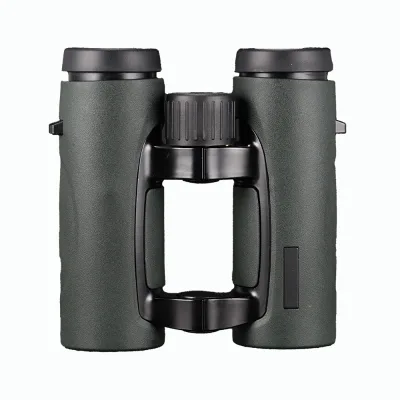
Buyers searching for High Power Bak4 Fmc Binoculars will typically encounter a mix of manufacturers and trading companies in the same listings. In the current supplier pool, the recorded company types are manufacturer and trading company, so the first analytical step is to classify each candidate by role. Manufacturers of this product category commonly list complementary optical items—binoculars, monoculars, telescopes, laser range finders and scopes—which signals a dedicated optics production line rather than a generalist exporter reselling catalog goods. Trading companies, by contrast, may aggregate several optics factories and can be useful when you need multiple product families consolidated into one shipment, though they add a margin layer between you and the production floor.
Where location evidence is supplied, use it to sketch the cluster map. One listing, for example, places the origin in Chongqing, China, a city with an established optics heritage, while other listings simply state China without a city. When a supplier does not display a city, do not assume a cluster; ask directly for the factory address and cross-check it against the business license. Also weigh verification markers: the pool includes SGS Group verification and system certifications such as ISO 9001, CE, REACH, EN 71 and EN 55032. Verified status plus an optics-specialized main-product list is a stronger concentration signal than price alone, and it should anchor your shortlist before deeper diligence begins.
How to Verify High Power Bak4 Fmc Binoculars Suppliers
Verification should start with documents, not conversation. Ask every shortlisted supplier for a business license, an export registration, and copies of the certifications displayed on their profile. In this supplier pool, system certifications on record include ISO 9001, CE, EN 71, REACH and EN 55032, and at least one supplier is verified by SGS Group. Treat these as claims to confirm: request the certificate numbers and issuing bodies, then check validity and scope. A CE mark on a profile means little if the underlying test report does not name the binocular model or the optical assembly you intend to buy. Similarly, ISO 9001 should be issued to the legal entity that will invoice you, not an affiliated sister company.
Second, verify product capability through sample-level evidence rather than marketing copy. The listings here carry detailed attribute tables—prism type BAK4, FMC multi-coating, nitrogen filling, waterproof ratings, exit pupil diameter, field of view—which you can request in written form and later match against a physically tested sample. Ask whether the claimed specs come from an internal QC sheet or a third-party report. Third, verify operational identity: confirm the manufacturing versus trading role, the factory address, and whether customization programs such as OEM and ODM support, which some listings in this pool explicitly state, are backed by in-house tooling. Keep a verification checklist per supplier so that gaps—missing certificate scope, an unverifiable address, no sample policy—become objective disqualifiers rather than vague doubts discovered after payment.
What to Compare Across High Power Bak4 Fmc Binoculars Suppliers
Build a comparison matrix with the attributes actually displayed on supplier profiles, and mark cells as "not stated" where data is missing rather than guessing. Useful dimensions in this category include supplier type (manufacturer or trading company), verification status such as SGS Group verification, system certifications, main product lines, response time, and lead time. For example, the current pool shows a recorded average response time of about four hours and a lead time of roughly thirty days; use these figures as the pool benchmark and compare each candidate against them, noting that not every supplier displays every attribute. A supplier who lists lead time but not MOQ, or certifications but no response speed, is still comparable—you simply document the blank and request the value in your inquiry.
Beyond profile labels, compare product-level evidence, which is richer here than most categories. Listings state magnifications from 7x to 10x, objective diameters of 21mm, 42mm and 50mm, BAK4 prisms, FMC or multi-coating, nitrogen filling, waterproof claims, warranty periods of one to three years, and OEM or ODM support. Some listings also publish price ranges, which lets you position a quoted unit cost within the observed band. Compare customization depth too: one supplier records light customization, sample processing, graphic processing and customized-on-demand services, while product listings specify OEM and ODM support. Weight suppliers that disclose more verifiable specifics higher, since transparency correlates with production control.
Common High Power Bak4 Fmc Binoculars Sourcing Risks
The most common risk in this category is specification drift between listing and shipment. Listings advertise BAK4 prisms and FMC lens coating, but lower-cost suppliers sometimes substitute BK7 prisms or single-layer coatings on production runs while keeping the listing text unchanged. Mitigate this by requiring a golden sample, photographing its optical surfaces and edge behavior, and writing the prism and coating specifications—including nitrogen filling and the waterproof rating, one listing claims 1M/30MIN—directly into the purchase contract. A second risk is certification misuse: a profile showing CE, REACH, EN 71 or EN 55032 may reflect certification on a different product family. Verify scope before you treat compliance as transferable to binoculars.
Warranty inconsistency is a third risk. Within this pool, warranty terms range from one year to three years depending on the model; if warranty support is part of your value proposition, confirm in writing which entity services claims and whether spare parts or replacement units are provided. Fourth, watch trading-company opacity: when a trading company intermediates the factory, you may not learn of production delays until the thirty-day lead time has already slipped. Fifth, beware attribute-table errors themselves—one listing here shows a 42mm objective lens diameter recorded in centimeters—suggesting occasional data-entry carelessness. Always reconcile every numeric spec against a measured sample, and price abnormally low quotes, such as a flat single-price listing in a pool where peers range widely, with extra scrutiny.
High Power Bak4 Fmc Binoculars Regional Sourcing and Logistics
Regional sourcing in this category should follow the evidence you actually have. One product listing records Chongqing, China as the place of origin, and Chongqing is a recognized base for optics assembly; other listings state only China. Where a supplier omits a city, your job is to identify the cluster indirectly: request the factory address, ask which airport or port is nearest for outbound consolidation, and ask whether key optical components—prisms, objective lenses, coatings—are produced in-house or sourced from other regional workshops. This tells you both the logistics footprint and the supply-chain depth without requiring you to assume a location that the profile never states.
Logistically, binoculars are compact but relatively dense, and packaging matters. Recorded single-package dimensions in this pool include 20x20x6 cm and 20x20x9 cm, with single gross weights around 2.0 to 2.5 kg, while a larger marine model lists 5.0 kg and much bigger carton dimensions (52x49x46 cm), reflecting a bulkier configuration. Use these figures to estimate container loading and air-freight cost per unit before you negotiate, since freight can materially shift landed cost on mid-range optics. Also confirm export handling: nitrogen-filled and waterproof units are factory-sealed, so ask how cartons are protected against moisture in transit and whether the supplier consolidates with other optics lines such as monoculars or range finders from the same production site.
High Power Bak4 Fmc Binoculars Commercial Terms and Order Planning
Order planning should begin with the numbers the supplier actually publishes. In the current pool, lead time is recorded at about thirty days and average response time at about four hours; a few listings publish unit price ranges, including bands from roughly $25 to $27.50, $26 flat, $43 to $54, and $47 to $57 depending on the model. Use published ranges as anchors, but request a formal quotation for your exact configuration—magnification, objective diameter, coating, waterproof rating and packaging—since published prices typically reference a standard model. Where MOQ is not displayed, ask for it alongside tier pricing, sample cost, and whether the sample fee is credited against the first bulk order.
Payment and customization terms deserve equal precision. Confirm which payment instruments the supplier accepts, whether an escrow-style protected arrangement is offered, and what deposit-to-balance split applies; do not assume escrow protection exists just because a platform supports it. For customization, listings here state OEM and ODM support and, at company level, light customization, sample processing, graphic processing and customized-on-demand services—clarify which of these applies to your logo, packaging graphics or optical configuration, and what tooling or plate fees apply. Finally, lock the contract around the recorded warranty term for the specific model (one to three years in this pool), the inspection standard, and a remedies clause for spec deviation, so the thirty-day lead time and quoted price carry enforceable quality obligations behind them.
Word count check: approximately 1,370 words.
FAQs
What does BAK4 prism and FMC lens mean on high power binoculars?
BAK4 refers to a barium crown glass prism type that delivers brighter, rounder exit pupils than lower-grade alternatives, while FMC means fully multi-coated lenses with anti-reflective layers on every surface. Together they improve light transmission, edge clarity, and contrast. Most listed models use BAK4 prisms with multi-coated optics, so confirm coating coverage in specifications before ordering.
Which magnification should I choose for High Power Bak4 Fmc Binoculars?
Common options in this range include 7X, 8X, and 10X configurations paired with 21mm to 50mm objective lenses. Higher magnification narrows the field of view and amplifies hand shake, while lower power keeps images steadier and brighter. For hunting or marine use, 7X50 or 8X42 balances power with stability; 10X42 suits long-distance observation from a supported position.
Are these waterproof binoculars suitable for marine and outdoor use?
Yes, several listed models are waterproof and nitrogen filled, with one specification stating 1M/30MIN water resistance. A 7X50 marine variant adds a floating body, compass, and rangefinder for boating conditions. Nitrogen filling prevents internal fogging during temperature changes, which matters for outdoor use. Always request written confirmation of the exact waterproof rating for the model you intend to purchase.
Do suppliers support OEM or ODM customization for binocular orders?
Yes, the listed products show OEM and ODM support, and supplier capabilities include light customization, sample processing, graphic processing, and customized on demand. Typical customization covers branding, packaging, and configuration changes such as magnification or coating. Provide your artwork and requirements early, and confirm which customization stages are included in the quoted unit price before committing to a volume.
What is the typical price range for these binoculars?
Listed unit prices span roughly 25 to 57 US dollars depending on model and configuration, with the compact 10X42 option at the lower end and the 8X42 high-power model near the top. Final pricing depends on order quantity, customization, and coating requirements. Request tiered quotations for your target volumes and compare inclusions such as warranty terms before selecting a supplier.
How fast can suppliers respond and deliver binocular orders?
The listed supplier profile shows an average response time of about 4 hours and a lead time of around 30 days for production. Lead time can extend if customization, packaging changes, or sample approval rounds are added, so build buffer into your schedule. Ask for a production timeline in writing, including sample confirmation, mass production, and shipping milestones for your order.
What certifications and quality assurance should I verify before ordering?
The supplier profile lists ISO 9001 system certification, plus product-level entries including CE, EN 71, REACH, and EN 55032, and is verified by SGS Group. Warranties of 1 to 3 years appear on listed models. Still verify that certificates apply to the specific binocular model and destination market, request current certificate copies, and agree on inspection standards before production begins.