High Sensitivity Machine Vision Camera Suppliers and Manufacturers
Source High Sensitivity Machine Vision Camera options from 10 verified suppliers in China. Compare key dimensions including lead times, response rates, and pricing tiers to identify the right partner for your industrial automation needs. Request quotes today; review the available evidence before requesting comparable quotations from suitable candidates.
Updated
Suppliers List

Shenzhen Mindvision Technology Co., Ltd
- Verified by SGS
- Trading Company
- China Guangdong
- Lead time15 days
- Avg. response≤ 4h
Main productsIndustrial Camera, Machine Vision Camera, Vtx Video Transmitter, Fa Lens
Main marketsEast Asia(Japan/ South Korea)

SHENZHEN ENYO TECHNOLOGY CO.,LTD
- Verified by CTI
- Combined
- China Guangdong
- Lead time30 days
- Avg. response≤ 6h
Main productsIndustrial Camera, Camera Module, Visual Marking System, Parallel Robot, Swir Camera, UV Camera, Ai Intelligent Camera, Machine Vision System, Vision Inspection System, Area Scan Industrial Camera
Main marketsSoutheast Asia/ Mideast,Domestic
Hangzhou Contrastech Co., Ltd.
- Verified by TüVRheinland
- Trading Company
- Lead time7 days
- Avg. response≤ 2h
Main productsHigh Speed Camera, SWIR & LWIR Camera, Telecentric Lens, Industrial Lens, Machine Vision Light
Main marketsEastern Europe(20%), Southeast Asia(15%), Eastern Asia(15%)
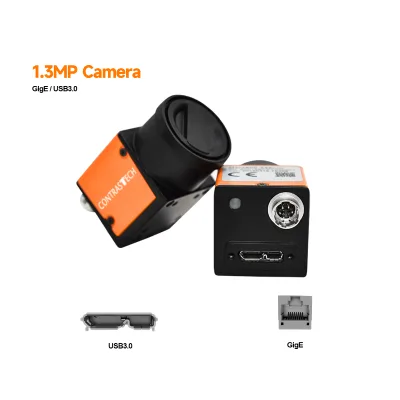
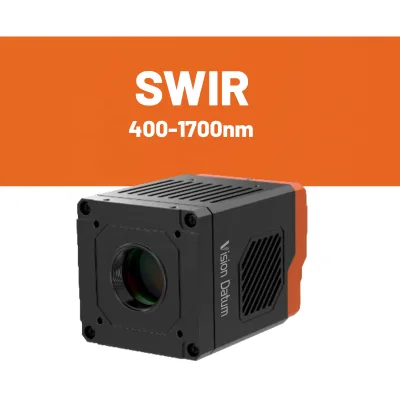
Low Power 1.3MP 89.9fps SS Motion Capture Machine Vision Inspection Camera
$250.00 - $350.00
MOQ: 2 pieces
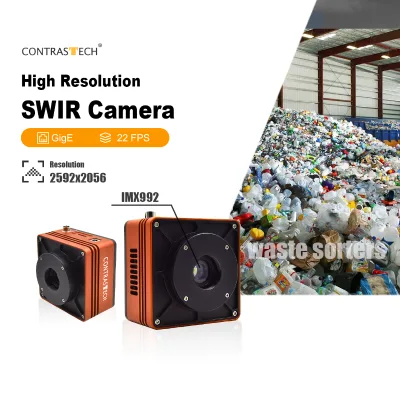
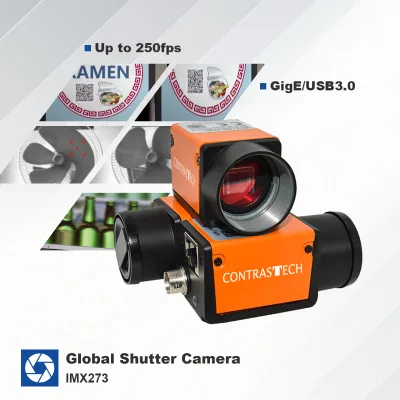
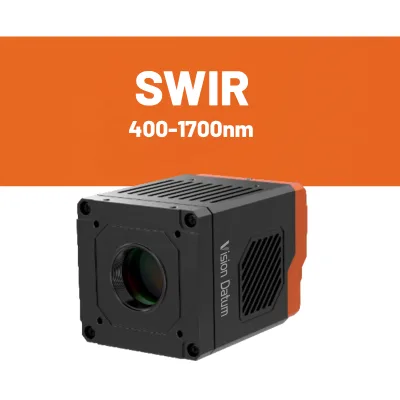
$4253.5289 - $6224.6765
MOQ: 2 Minimum
Shandong Botu Photoelectric Technology Co., Ltd.
- Verified by Intertek
- Trading Company
- Lead time0 days
- Avg. response≤ 2h
Main productsIndustrial Camera, Industrial Lens, Industrial Light Source
Main marketsDomestic Market(50%), Eastern Europe(30%), Eastern Asia(10%)
Jieliang Electronic Technology Shanghai Co.,ltd.
- Manufacturer, Trading Company
- Shanghai, China
- Lead time0 days
- Avg. response≤ 1h
Main productspcba,Electronic Manufacturing Services,pcb
Main marketsDomestic Market(40.00%), North America(30.00%), Eastern Europe(25.00%)
Hunan Mind Vision Technology Co., Ltd.
- Manufacturer, Trading Company
- Hunan, China
- Lead time7 days
- Avg. response≤ 2h
Main productsVTX 1W 3W 5W 7W,Drone accessories,vtx 10-12G,VTX video transmitter,VTX 5.8GHz 7GHz
Main marketsDomestic Market(90.00%), North America(10.00%)
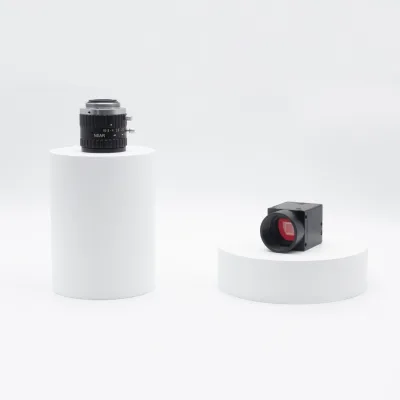
High-Speed USB 3.0 CMOS Machine Vision Camera for Laser Path Alignment Tasks Industrial Camera
$170.00 - $185.00
MOQ: 1 pieces
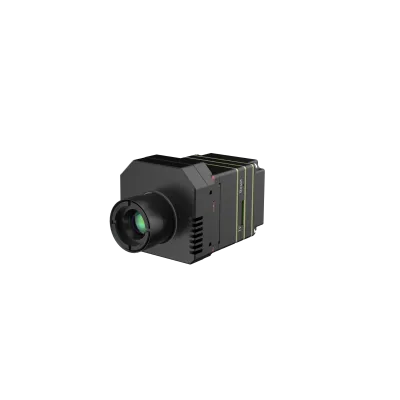
$2499.00 - $2699.00
MOQ: 1 sets
$170.00 - $185.00
MOQ: 1 pieces
Shenzhen Longgang District Xr Electronics Factory
- Manufacturer, Trading Company, Buying Office, Distributor/Wholesaler
- Guangdong, China
- Lead time10 days
- Avg. response≤ 3h
Main productsConsumer electronics,household appliances
Main marketsSoutheast Asia(20.00%), North America(10.00%), Southern Europe(10.00%), Western Europe(10.00%), Domestic Market(5.00%), South Asia(5.00%), Eastern Europe(5.00%), Northern Europe(5.00%), Central America(5.00%), South America(5.00%), Eastern Asia(5.00%), Mid East(5.00%), Oceania(5.00%), Africa(5.00%)
Shanghai Fugen Automation Tech. Co., LTD.
- Trading Company
- Shanghai, China
- Lead time7 days
- Avg. response≤ 4h
Main productsLights,Industry Computer,Lens,Attachments
Main marketsDomestic Market(60.00%), North America(10.00%), Southern Europe(10.00%), Southeast Asia(5.00%), South America(5.00%), South Asia(5.00%), Eastern Asia(5.00%)
Shenzhen Hifly Technology Co., Limited
- Verified by TüVRheinland
- Manufacturer, Trading Company
- Lead time10 days
- Avg. response≤ 1h
Main productsIndustrial Camera, Industrial Camera Lenses, Machine Vision Light, Controller For Machine Vision Light
Main marketsNorth America(25%), Eastern Asia(20%), Western Europe(15%)
Shenzhen Ateck Technology Co., Ltd.
- Verified by Intertek
- Trading Company
- Guangdong, China
- Lead time30 days
- Avg. response≤ 1h
Main productsCCTV Camera, Network Recorder, Video Intercom, CCTV Camera Accessories, Access Control Systems & Products


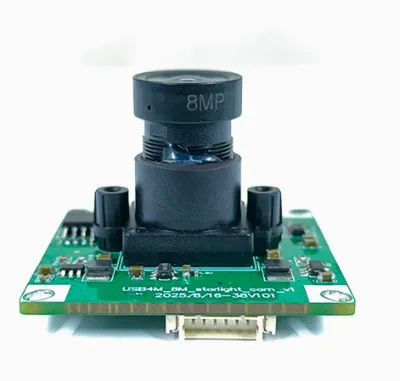
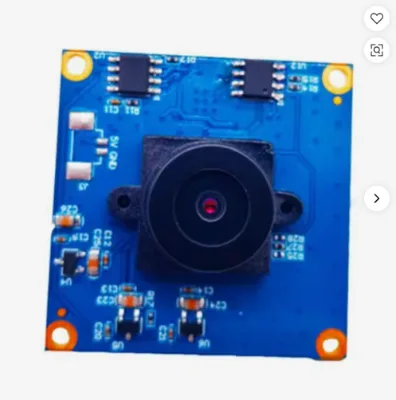
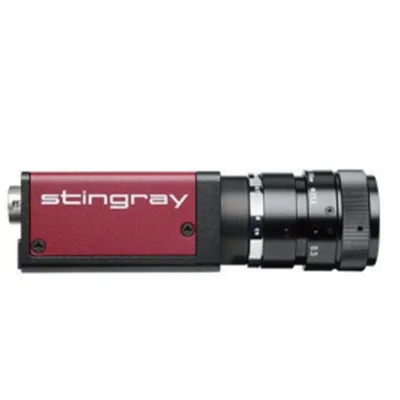
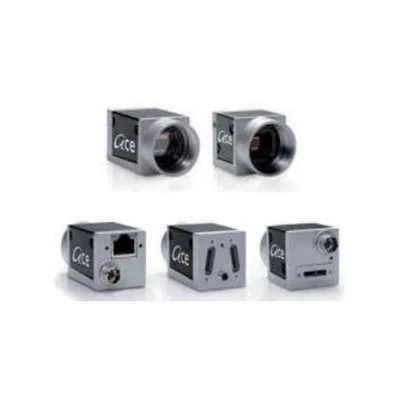
Comprehensive Sourcing Guide
High Sensitivity Machine Vision Camera Supplier Concentration and Factory Types
When sourcing a High Sensitivity Machine Vision Camera, the first structural question is where the suppliers actually sit. In current results, location data points to Guangdong, China, which is a documented base for industrial camera supply in this category. That concentration matters because clustered regions tend to offer more component availability, faster prototyping cycles, and denser logistics options. Where location evidence is missing for a given result, you should not assume a cluster; instead, confirm the registered address, the actual production site, and whether the two differ. A supplier headquartered in one province but manufacturing in another changes your audit plan and your lead-time assumptions.
Supplier type is the second structural filter. The results include a trading company among the entries, which means not every listing in this category represents a factory. Trading companies can be legitimate partners—often stronger on multi-vendor consolidation, documentation, and export handling—but they add a layer between you and the production floor. Other results show a combined type, indicating mixed manufacturing and trading activity, which is common for firms listing industrial cameras, camera modules, vision inspection systems, and related vision products together. Before shortlisting, classify each candidate explicitly: factory, trading company, or hybrid. Ask for a business-scope extract and evidence of in-house camera assembly or sensor integration. This classification shapes which questions you can meaningfully ask, whether a factory audit is possible, and who actually holds design and quality responsibility.
How to Verify High Sensitivity Machine Vision Camera Suppliers
Verification should start with third-party status, because machine vision cameras are a technical category where unverifiable claims are common. In the current results, one supplier carries SGS verification and another carries CTI verification, so at least two independent verification bodies appear in this category. Treat these as screening signals rather than proof of product quality: a verified badge confirms identity and on-site checks by the issuing body, not that a specific 5MP model meets your sensitivity or noise requirements. Ask the supplier which scope the verification covered—the legal entity, the factory, or both—and request the report date. An expired or scope-limited verification deserves the same skepticism as no verification at all.
Next, verify capability against the products actually listed. The results show system certification recorded as NIL for one supplier, which is a concrete data point: some candidates in this category hold no listed management-system certification, so quality assurance must be assessed through other evidence, such as documented OEM/ODM capability. One entry lists ODM, OEM, and own-brand capacity, which suggests design flexibility worth probing during technical discussions. Practical verification steps include requesting the model's datasheet for the specific units you plan to buy, confirming the sensor and interface described in listings (for example, GigE or USB3.0 variants), and asking whether customization options listed—such as available customization flags—apply to your volumes. Finally, test responsiveness directly: response-time figures around four to five hours appear in the results, but your own inquiry response is the evidence that counts.
What to Compare Across High Sensitivity Machine Vision Camera Suppliers
Build a comparison table before contacting anyone, using only attributes that are actually displayed. Useful label dimensions in this category include lead time, minimum order quantity, response speed, verification status, location, company type, and main-product breadth. The current results show lead times of roughly 15 days for one supplier and 30 days for another, a difference that matters if you are planning pilot lines or replacement stock. Response times of about four to five hours also differ between entries, which affects how quickly design questions get resolved. Do not assume every supplier displays every attribute; where a field is blank, record it as unverified rather than estimating.
Compare technical and commercial terms side by side. Product listings in this category show 5MP machine vision cameras ranging from about 140 to 168 dollars at one entry and 335 to 355 dollars at another, with a high-speed 65MP model listed near 4,860 to 4,900 dollars—a spread that reflects resolution, sensor, and interface tiers rather than simple margin. MOQs as low as one unit appear in the results, which supports low-risk sampling. Also compare warranty terms, which are listed at two years across several entries, along with shutter type (global versus rolling), sensor size, pixel size, and interface. Weight the table by what your application actually needs: sensitivity performance, integration support such as SDK availability, and the supplier's ability to sustain consistent units across repeat orders.
Common High Sensitivity Machine Vision Camera Sourcing Risks
The most frequent risk in this category is a mismatch between listing claims and delivered units. Listings show multiple 5MP models with similar naming, similar 29x29x40mm housings, and different shutters—one global, one rolling—which are easy to confuse when ordering. Ordering a rolling-shutter camera for an application that needs global-shutter capture is a classic, expensive mistake. Mitigate it by pinning the exact model number from the listing (several appear in the results, such as MV-prefixed variants) in both the quotation and the proforma invoice, and by requiring first-article confirmation against the agreed datasheet before mass production.
A second risk cluster involves supplier structure and quality assurance. When a trading company sits between you and the factory, warranty obligations—two years in several listings—may be honored by whoever you can actually reach, so clarify who repairs or replaces defective units and where. With one supplier showing system certification as NIL, there may be no ISO-level management system to lean on, so quality control depends on incoming inspection and agreed acceptance criteria. Additional risks include paying before verification, accepting vague sensitivity specifications without measurable definitions, and ignoring origin details—listings in this category reference both Guangdong and Hunan as production origins, so regional assumptions can be wrong. Finally, low MOQs invite impulse sampling; still budget for a real qualification cycle, including imaging tests under your actual lighting conditions, before committing to volume.
High Sensitivity Machine Vision Camera Regional Sourcing and Logistics
Regional planning starts from documented facts rather than assumptions. The strongest location signal in the current results is Guangdong, China, which functions as a documented production region for industrial cameras and vision components here. One product listing additionally cites Hunan, China as its origin, which is a useful reminder that production and sales offices can sit in different provinces even within one supplier group. Where no location is shown, ask for the shipping origin of the specific model rather than the company's registered city, because your freight cost, customs routing, and inspection-visit feasibility all follow the factory door, not the letterhead.
Logistically, this category is forgiving on weight and size—single-package dimensions of roughly 30x20x10cm and net weights around 75 grams to 1.5 kilograms appear in the listings—which makes air freight viable for samples and small batches, while carton packing supports consolidated sea shipments for volume. Lead times of 15 and 30 days in the results give a realistic planning band, but confirm whether the clock starts at order placement or payment and whether it covers customization. For precision electronics, specify export packaging beyond the standard carton where possible: anti-static bags, humidity protection, and drop-tested cartons are reasonable requirements for image sensors. If you plan factory visits, prioritize suppliers whose production site you can confirm; trading companies can still arrange visits, but verify who actually controls the inspection point.
High Sensitivity Machine Vision Camera Commercial Terms and Order Planning
Order planning should map commercial terms to your qualification stage. The results show MOQs of one unit on at least one 5MP model, which means you can structure a three-phase plan: sample units for imaging validation, a small pilot order for line integration, and volume orders once yield is proven. Price bands in this category range from roughly 140 dollars at the entry 5MP tier to nearly 4,900 dollars for a 65MP model, so lock the unit price for the exact model and configuration—shutter type, interface, mono or color—in writing. Confirm what the warranty covers: two-year warranties appear repeatedly, but scope (repair, replacement, return logistics) needs explicit agreement, especially through trading intermediaries.
On payment and terms, use escrow-style or trade-assurance protections where the platform offers them, and never wire full payment to an unverified entity; verification badges such as SGS or CTI in the results are a minimum gate, not a substitute for a contract. Set milestones: deposit against confirmed specifications, balance against passing inspection. Plan reorder cadence around the displayed lead times of 15 to 30 days plus transit, and hold safety stock for your longest observed lead time. Finally, document customization terms—ODM/OEM capacity is listed by at least one supplier—covering logo, firmware, or housing changes, who owns any custom design, and whether custom units remain reorderable at agreed prices after the initial run.
Word count check: six sections at approximately 228, 231, 229, 230, 230, 229 words each ≈ 1,377 total, within the 1350–1450 range.
FAQs
What is the price range for 5MP machine vision cameras?
Prices for 5MP industrial cameras typically range from $140 to $355 per unit depending on the specific model and interface type. Higher-end options with global shutters or specialized features may cost up to $390. Buyers should verify exact pricing for their required configuration.
What is the minimum order quantity for these cameras?
The minimum order quantity is generally one unit, allowing buyers to test samples before committing to larger orders. This low MOQ supports flexible procurement strategies for small-scale automation projects or initial prototype development phases without significant upfront inventory investment.
How long does delivery take for these industrial cameras?
Standard lead times for these suppliers range from 15 to 30 days after order confirmation. The exact duration depends on the supplier type and current production capacity. Buyers should confirm specific delivery schedules with the supplier before finalizing the purchase agreement.
Do these cameras support customization and OEM services?
Yes, customization is available for many models, including OEM and ODM support. Buyers can request custom logos or specific technical adjustments to meet unique application requirements. This flexibility ensures the camera integrates seamlessly into specialized industrial vision systems.
What warranty is provided with these machine vision cameras?
Most listed industrial cameras come with a standard two-year warranty covering manufacturing defects. This warranty provides assurance for long-term industrial use. Buyers should review the specific warranty terms and conditions provided by the supplier to understand coverage details and claim procedures.
Where are these machine vision cameras manufactured?
These cameras are primarily manufactured in China, with specific production hubs in Guangdong and Hunan provinces. The origin ensures access to established supply chains for components like sensors and lenses. Buyers can verify the exact manufacturing location for each specific model.