Outdoor Waterproof IR IP Camera Suppliers and Manufacturers
Source 33 verified Outdoor Waterproof IR IP Camera suppliers from China Guangdong. Compare ISO9001:2015 certified manufacturers with lead times of 15 days, MOQs from 1 unit, and prices between $17.50 and $110.00. Request quotes to verify response times and certifications.
Updated
Suppliers List

Shenzhen Shixin Digital Co., Ltd.
- Manufacturer
- China Guangdong
- Lead time15 days
- Avg. response≤ 6h
Main productsUSB Camera, IP Camera, CCTV, 4K Camera, Security Camera, Camera Module, Mini Camera, Webcam, HD Camera, CCTV Camera
Main marketsSoutheast Asia/ Mideast,Domestic,Europe,North America

Banovision Technology Co., Ltd.
- Manufacturer/Factory
- China Guangdong
- Lead time23 days
- Avg. response≤ 9h
Main productsH. 265 IP Cameras, H. 265 NVR, 4 in 1 HD Cameras, New Solar Products, Explosion-Proof Camera, Anti-Corrision Proof Camera, Ahd Camera, Wireless NVR Kit, Thermal Camera, Wireless Home Monitor Camera
Main marketsSouth America,Eastern Europe,Mid East,North America,Southeast Asia,Eastern Asia,Oceania,Western Europe,Africa

Shenzhen FSAN Intelligent Technology Co., Ltd.
- Combined
- China Guangdong
- Lead time15 days
- Avg. response≤ 13h
Main productsThermal Camera, Ipc Camera, CCTV Camera, NVR, DVR, PTZ, Facial Capture Recognition Camera, Door Bell Camera
Main marketsEast Asia(Japan/ South Korea),Europe,North America
Shenzhen Enster Electronics Co., Ltd.
- Verified by SGS Group
- Manufacturer, Trading Company
- Lead time5 days
- Avg. response≤ 3h
Main productsSolar Camera, POE IP Camera, Wireless IP Camera, 4G IP Camera, Digital Video Recorder
Main marketsNorth America(15%), Eastern Europe(15%), Western Europe(15%)
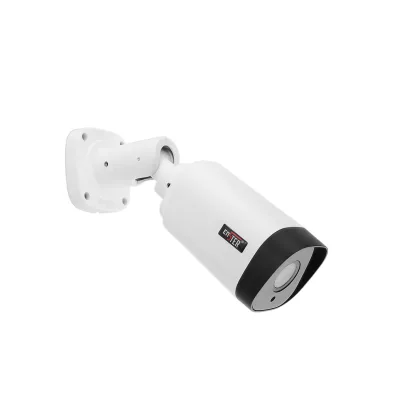
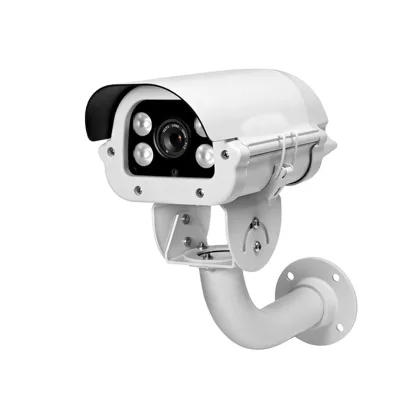
HOT Outdoor IP Camera H.265 4K 8.0MP Bullet IP Camera Weatherproof IP66
$60.5805 - $61.6068
MOQ: 2 boxes
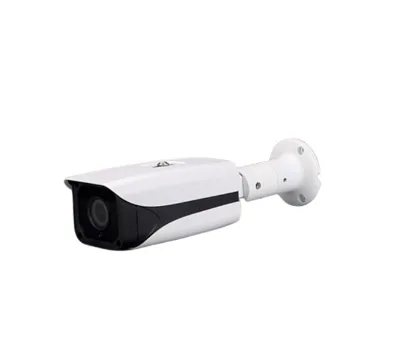
$38.148 - $41.2417
MOQ: 1 pieces
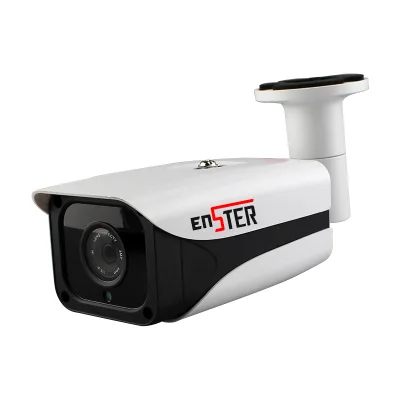
Best Seller Outdoor Waterproof Surveillance 3MP Bullet Security Ip Network Camera
$24.3145 - $26.3685
MOQ: 1 pieces
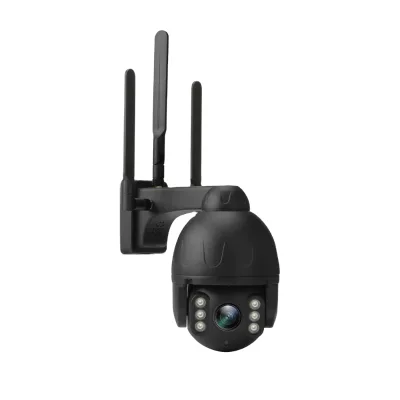
Outdoor 1080P 3G 4G Wireless Security IP Camera With SIM Card SD Card Slot
$80.7272 - $84.8142
MOQ: 1 pieces
Shenzhen Huang Wei Technology Co., Ltd.
- Manufacturer, Distributor/Wholesaler, Other
- Guangdong, China
- Lead time7 days
- Avg. response≤ 4h
Main productsWIFI Camera,mini Camera,Hunting camera,Surveillance cameras,Camcorders camera
Main marketsNorth America(40.00%), Western Europe(30.00%), Domestic Market(15.00%), Eastern Asia(10.00%), Eastern Europe(5.00%)
Shenzhen Chinalu Electronics Co., Limited
- Manufacturer, Trading Company
- Gongdong, China
- Lead time15 days
- Avg. response≤ 3h
Main productsSolar battery Camera,Network camera,4G camera,NVR,CCTV camera
Main marketsMid East(18.00%), North America(13.00%), Africa(10.00%), Eastern Asia(10.00%), Western Europe(10.00%), Southeast Asia(9.00%), Eastern Europe(8.00%), South America(7.00%), South Asia(5.00%), Northern Europe(5.00%), Southern Europe(4.00%), Domestic Market(1.00%)
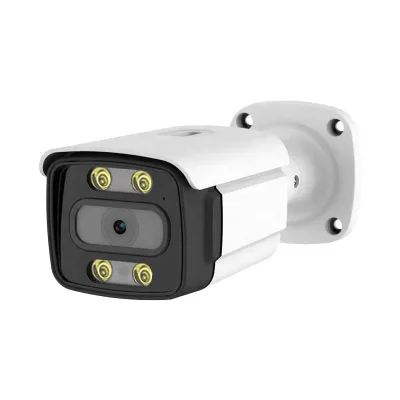
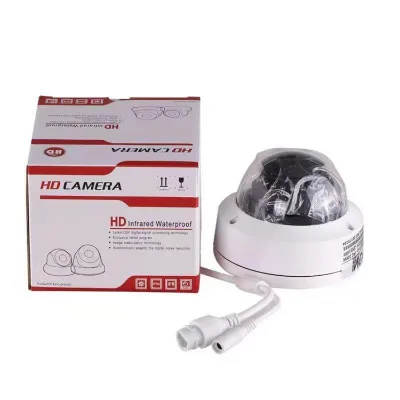
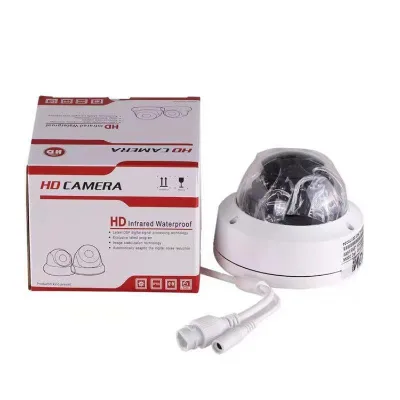
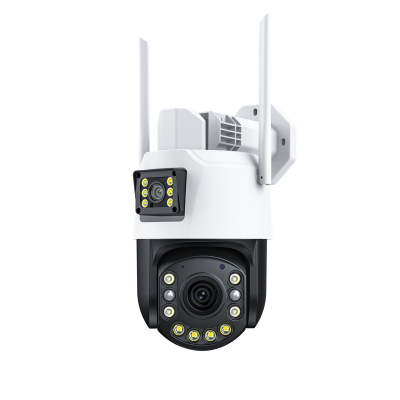
$74.0296 - $93.0512
MOQ: 1 Minimum
Jinan Hikwifi Camera Technology Co., Ltd.
- Verified by TüVRheinland
- Manufacturer, Trading Company
- Lead time10 days
- Avg. response≤ 2h
Main productsExplosion-proof Camera, Solar Camera, PTZ Wifi Camera, IP Network Camera, AI Intelligent Monitoring System
Main marketsNorth America(25%), South America(25%), Eastern Europe(10%)
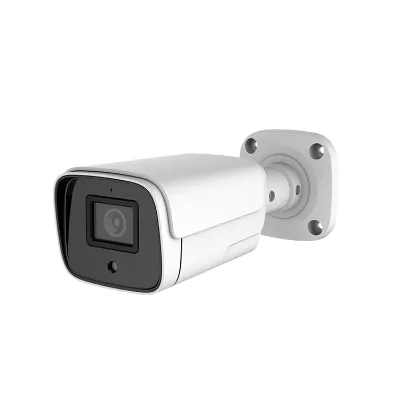
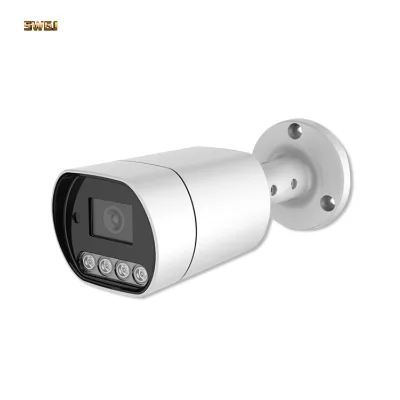
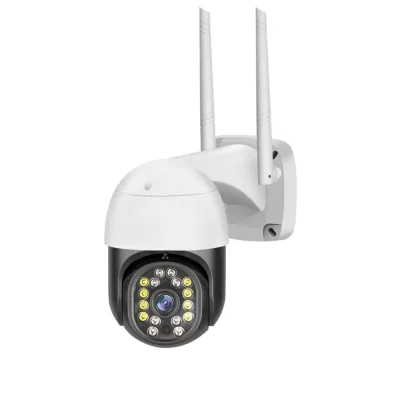
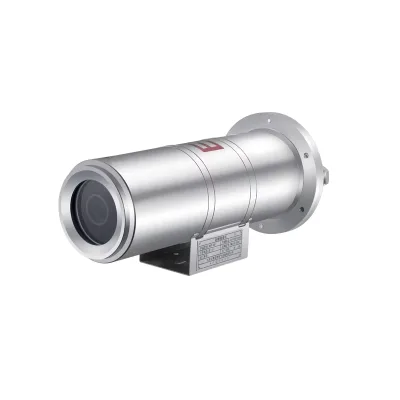
2mp Outdoor Waterproof Poe Ip Camera With Two Way Audio Ai Camera Motion Detection P2p Cctv
$12.00 - $13.70
MOQ: 1 boxes

- Manufacturer/Factory
- China Guangdong
- Lead time15 days
- Avg. response≤ 3h
Main productsSecurity Camera, CCTV Camera, IP Poe Camera, Ai Smart Camera, WiFi Camera, PTZ Camera, DVR Xvr NVR, Ahd Tvi Cvi Camera, Surveillance Accessories, Network Product
Main marketsSouth America,Eastern Europe,Mid East,North America,Southeast Asia,Eastern Asia,Oceania,Western Europe,Africa

Anhui Orange Smart Iot Co., Ltd.
- Verified by SGS
- Trading Company,Manufacturer/Factory
- China Anhui
- Lead time45 days
- Avg. response≤ 2h
Main productsSecurity Camera, IP Camera, CCTV Camera, CCTV, Camera, 4G Solar Camera, Mini CCTV Camera, Surveillance Camera, Solar Camera, Thermal Camera
Main marketsSouth America,Eastern Europe,Mid East,North America,Southeast Asia,Eastern Asia,Oceania,Western Europe,Africa

Shenzhen Bosesh Technology Co., Ltd.
- Manufacturer, Trading Company
- Guangdong, China
- Lead time5 days
- Avg. response≤ 3h
Main productsNetwork Camera,Security camera,IP camera,CCTV camera,tuya camera
Main marketsNorth America(32.00%), Western Europe(30.00%), Eastern Europe(18.00%), Oceania(9.00%), South Asia(4.00%), Africa(1.00%), Southern Europe(1.00%), Northern Europe(1.00%), South America(1.00%), Eastern Asia(1.00%), Mid East(1.00%), Southeast Asia(1.00%)
Shenzhen Huayan Vision Technology Co., Ltd.
- Manufacturer, Trading Company, Distributor/Wholesaler
- Guangdong, China
- Lead time0 days
- Avg. response≤ 19h
Main productswifi camera,solar camera,IP camera,Android projector,Video doorbell
Main marketsSoutheast Asia(40.00%), North America(30.00%), South America(10.00%), Eastern Europe(10.00%), Central America(5.00%), South Asia(3.00%), Africa(1.00%), Western Europe(1.00%)

Dongguan kailexin trading co., LTD
- Trading Company
- China Guangdong
- Lead time15 days
- Avg. response≤ 4h
Main productsPower Bank, Bluetooth Speaker, Bluetooth Earphone, Phone Screen Protector, Phone Case, Car Dash Cam, Smart Watch, Smart Glasses, 4G Camera, Phone Holder
Main marketsSoutheast Asia/ Mideast
Shenzhen Hfwvision Technology Co., Ltd.
- Verified by SGS Group
- Manufacturer, Trading Company
- Lead time15 days
- Avg. response≤ 1h
Main productsIP Camera, Wifi & 4G Camera, POE Camera System, AHD Camera, Network Video Recorder
Main marketsSoutheast Asia(30%), North America(20%), Northern Europe(15%)
Chengdu Feeling Good International Trading Co,.Ltd
- Trading Company
- Sichuan, China
- Lead time20 days
- Avg. response≤ 2h
Main productsip camera,network video recorder,Thermal & Laser Cameras,HD Analog Cameras,5-in-1 XVRs
Main marketsNorth America(51.00%), Africa(18.00%), Western Europe(10.00%), Southeast Asia(9.00%), Eastern Europe(8.00%), Domestic Market(4.00%)
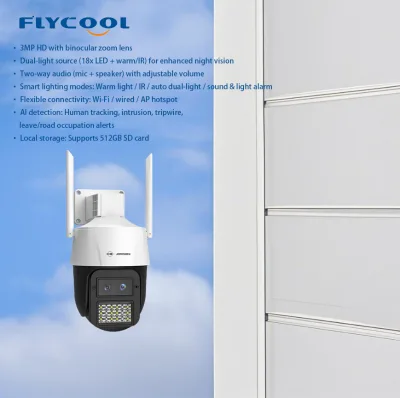
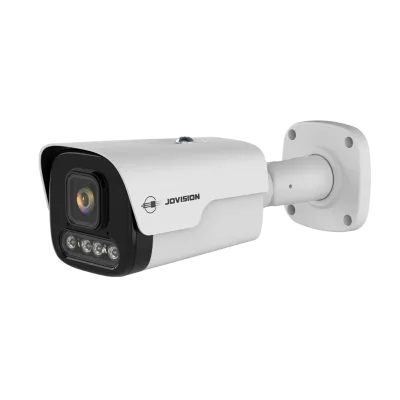
4K Ultra HD Outdoor PoE IP Camera Motorized Zoom 80M IR Warm Light IP67 Metal Housing
$118.00 - $124.00
MOQ: 2 packs
$44.1799 - $50.3628
MOQ: 2 packs
Guangxi Black Fish Technology Co., Ltd.
- Trading Company
- Guangxi, China
- Lead time0 days
- Avg. response≤ 5h
Main productsSmart camera,Surveillance products,home camera,Office webcam
Main marketsWestern Europe(20.00%), Eastern Europe(20.00%), Southern Europe(20.00%), Northern Europe(20.00%), South America(10.00%), North America(10.00%)
Shenzhen Besview Security Limited
- Verified by Intertek
- Trading Company
- Lead time15 days
- Avg. response≤ 2h
Main productsNetwork Camera, Analog Camera, Network Video Recorder, Digital Video Recorder, Surveillance Systems
Main marketsNorth America(40%), Western Europe(20%), Eastern Asia(10%)

Shanghai Future Vision Technology Co., Ltd.
- Verified by SGS
- Trading Company
- China Shanghai
- Lead time15 days
- Avg. response≤ 2h
Main productsCCTV Camera
Main marketsSouth America,Africa,Europe

Zhangzhou Weiweite Trading Co., Ltd.
- Verified by SGS
- Trading Company
- China Fujian
- Lead time30 days
- Avg. response≤ 4h
Main productsCCTV Camera, Solar Camera, Camera Kit, Security Camera, Baby Camera, Outdoor Camera, Baby Monitor, Electric Camera, Camera, IP Camera
Main marketsDomestic


Wireless Surveillance Camera Outdoor 8MP High-Definition Full-Color Waterproof Camera WiFi/4G Camera
$32.00 - $38.00
MOQ: 1 Pieces

Shenzhen Lemik Technology Co., Ltd.
- Manufacturer, Agent, Distributor/Wholesaler
- Guangdong, China
- Lead time15 days
- Avg. response≤ 5h
Main productsAction sport camera recorder,Video camera,kids instant print camera,smart speakers,Karaoke microphones
Main marketsCentral America(19.00%), Eastern Europe(13.00%), North America(13.00%), Northern Europe(11.00%), South America(9.00%), Africa(7.00%), Domestic Market(6.00%), Southeast Asia(6.00%), Eastern Asia(4.00%), Mid East(3.00%), Oceania(3.00%), Western Europe(2.00%), South Asia(2.00%), Southern Europe(2.00%)
Shenzhen Anxinshi Technology Co., Ltd.
- Verified by Intertek
- Manufacturer, Trading Company
- Lead time5 days
- Avg. response≤ 2h
Main productsAccess Control System, CCTV Camera System, PTZ Camera, Solar Camera System, DVR and CCTV Accessories
Main marketsNorth America(30%), Africa(30%), South America(20%)
Shenzhen Hanshield Electronic Technology Co., Ltd.
- Manufacturer
- Guangdong, China
- Lead time7 days
- Avg. response≤ 4h
Main productsUsb camera,wireless camera,FPV camera,mini camera,camera board module
Main marketsNorth America(30.00%), South Asia(20.00%), Eastern Europe(10.00%), South America(5.00%), Mid East(1.00%)
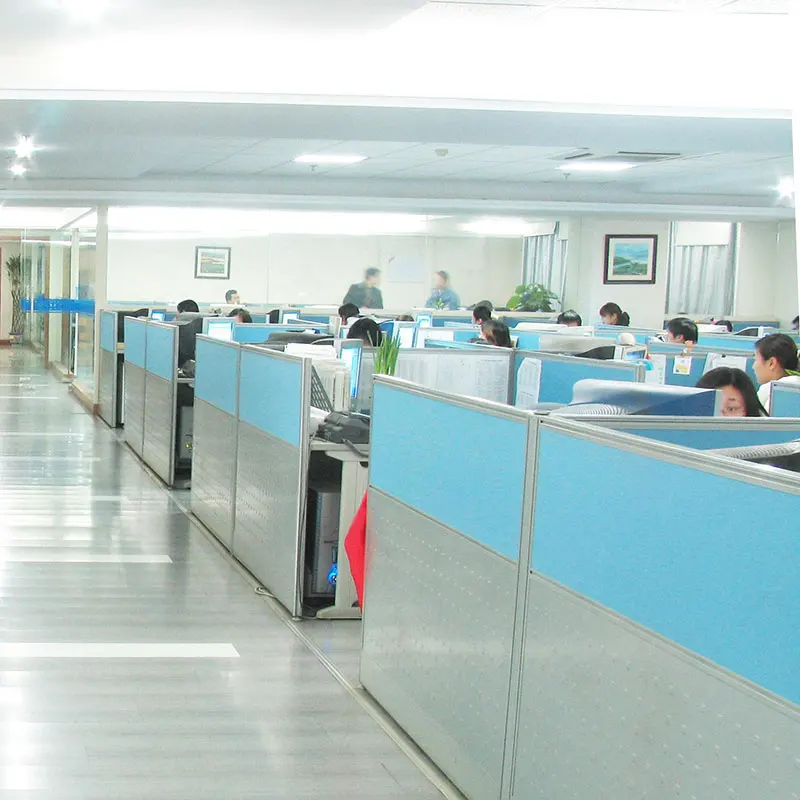
Shenzhen Win Vision Technology Limited
- Distributor/Wholesaler
- Gongdong, China
- Lead time5 days
- Avg. response≤ 3h
Main productsCCTV Camera,Security Camera,IP Camera,NVR,IP PTZ Camera
Main marketsEastern Europe(12.00%), Southeast Asia(10.00%), Mid East(10.00%), Western Europe(10.00%), Northern Europe(8.00%), Africa(8.00%), Central America(8.00%), Oceania(6.00%), South Asia(5.00%), Southern Europe(5.00%), Eastern Asia(5.00%), Domestic Market(5.00%), South America(5.00%), North America(3.00%)
Shenzhen Conda Smart Technology Co., Ltd.
- Verified by TüVRheinland
- Trading Company
- Lead time7 days
- Avg. response≤ 1h
Main productsTuya Solar Camera, Hunting Solar Camera, 4G Router Kit Solar Camera, Multi-lens Solar Camera, AOV Solar Camera
Main marketsNorth America(40%), Eastern Asia(25%), Africa(20%)
Shenzhen Baird Electronics Co., Ltd.
- Verified by Intertek
- Manufacturer, Trading Company
- Lead time10 days
- Avg. response≤ 4h
Main products4G Camera, WIFI IP Camera, Wireless Security Camera System, Low Power Battery Camera, Smart Home System
Main marketsNorth America(30%), Southeast Asia(15%), Mid East(8%)

Shanghai Anma Industry Co., Ltd.
- Trading Company
- China Shanghai
- Lead time30 days
- Avg. response≤ 6h
Main productsCar Accessories, Car Spare Parts, Car Tools, Car Interior Accessories, Car Exterior Accessories, Car Electrical Accessories, Car Lights, Car Mirror, Car Emergency Kits, Car Care Products
Main marketsSouth America,Others(foreignTradeCapacity.exportBusinessCapacityMarketOther),Southeast Asia/ Mideast,Europe,North America
Shenzhen Jiyuanke Electronics Co., Ltd.
- Manufacturer, Distributor/Wholesaler
- Guangdong, China
- Lead time15 days
- Avg. response≤ 12h
Main products4G and WiFi Camera,4G and WiFi Dual Lens PTZ,PT indoor Camera,Bullet IP Camera,AHD and IP Camera
Main marketsDomestic Market(44.00%), South Asia(21.00%), Southeast Asia(18.00%), Africa(15.00%), Eastern Asia(2.00%)

Shenzhen Anjia Information Technology Co., Ltd.
- Manufacturer, Trading Company
- Guangdong Province, China
- Lead time5 days
- Avg. response≤ 5h
Main productssurveillance camera,WIFI camera,Baby Monitor,CCTV camera,network camera
Main marketsNorth America(23.00%), South America(23.00%), Mid East(12.00%), Eastern Europe(10.00%), Southeast Asia(10.00%), Eastern Asia(4.00%), South Asia(3.00%), Africa(3.00%), Domestic Market(2.00%), Central America(2.00%), Southern Europe(2.00%), Western Europe(2.00%), Oceania(2.00%), Northern Europe(2.00%)
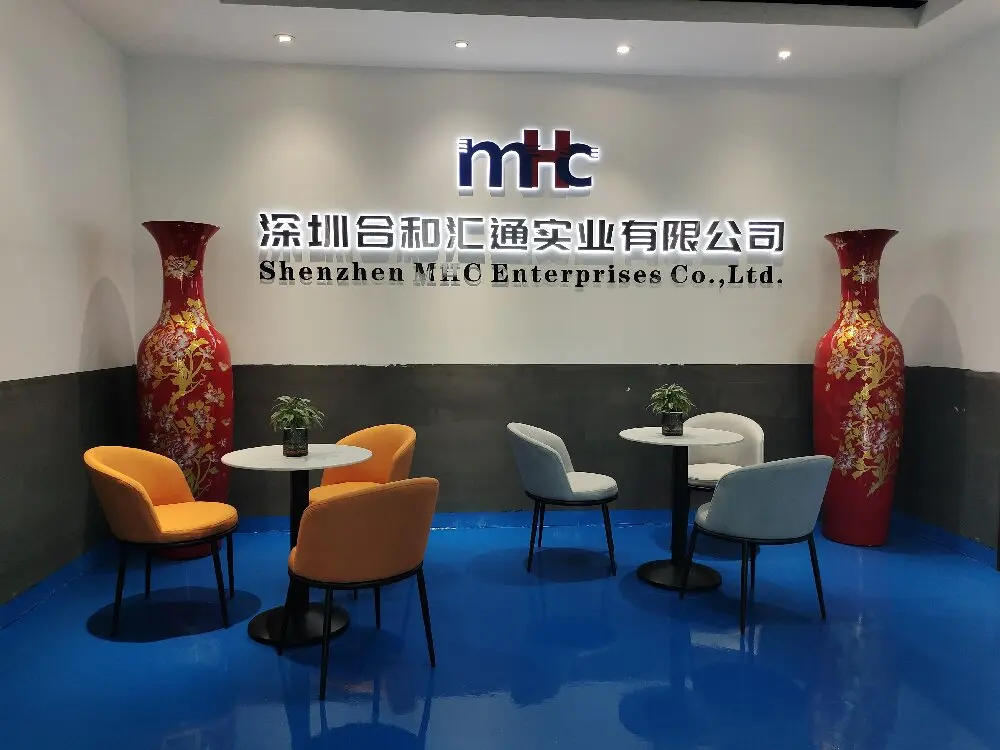
Shenzhen MHC Enterprises Co., Ltd.
- Manufacturer
- Guangdong, China
- Lead time5 days
- Avg. response≤ 6h
Main productsHunting Camera,Wide Angle Trail Camera,Fishing Camera,Hunting Alarm Systems,Outdoor Camera
Main marketsNorthern Europe(30.00%), Oceania(20.00%), North America(10.00%), Southern Europe(5.00%), Eastern Europe(5.00%), Western Europe(5.00%), Eastern Asia(5.00%), Mid East(5.00%), South America(5.00%), Africa(5.00%), Southeast Asia(5.00%)
Jinan Foshvision Technology Co., Ltd.
- Verified by SGS Group
- Manufacturer, Trading Company
- Lead time5 days
- Avg. response≤ 3h
Main productsCooled/Uncooled PTZ Thermal Camera, PTZ Laser Camera, Multi Sensor Thermal Camera, Long Range Night Vision Camera, Intelligent Pan Tilt
Main marketsAfrica(25%), Western Europe(16%), Mid East(15%)

- Verified by TUVRHEINLAND
- Combined
- China Fujian
- Lead time30 days
- Avg. response≤ 5h
Main productsRF Remote Control, Remote Control Duplicator, RF Receiver, Gate Opener, Auto Gate Door Motor, Remote Control, Rolling Code, Motorcycle Alarm System, Sliding Gate Opener, Car Remote Alarm
Main marketsEurope,Australia,North America
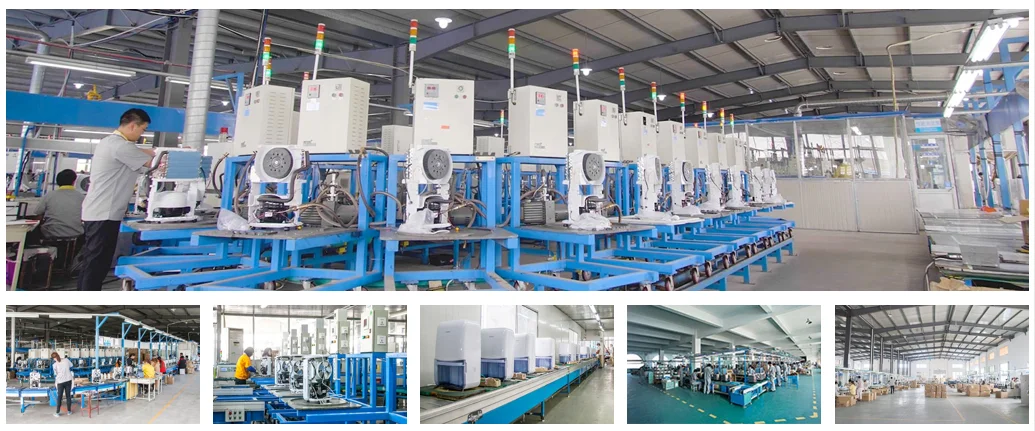
- Trading Company
- Beijing, China
- Lead time20 days
- Avg. response≤ 5h
Main productsHousehold Appliances
Main marketsNorth America(80.00%), Western Europe(5.00%), Southeast Asia(5.00%), Eastern Europe(5.00%), South America(5.00%)
Foshan Jiajian Electronic Technology Co., Ltd.
- Trading Company
- Guangdong, China
- Lead time0 days
- Avg. response≤ 2h
Main productsIP Camera,NVR,DVR/XVR,Analog Camera,Tester
Main marketsNorth America(50.00%), South America(30.00%)
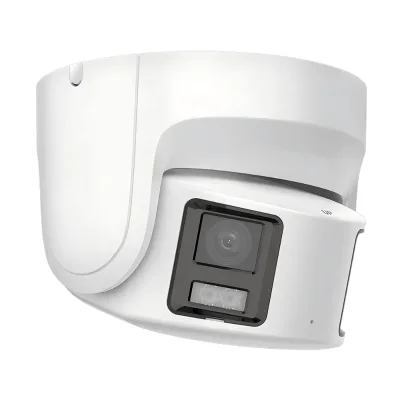
$163.2749 - $189.808
MOQ: 1 pieces
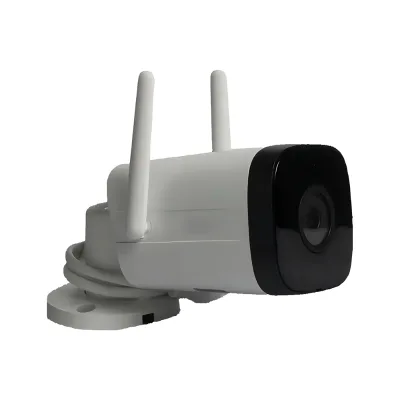
4MP Ultra-Clear Infrared Fixed-focus WiFi Smart Bullet Network Camera CCTV Monitoring Solution
$45.00 - $53.00
MOQ: 1 pairs

Sunrise Security Technology Co., Ltd.
- Trading Company
- China Guangdong
- Lead time15 days
- Avg. response≤ 9h
Main productsCCTV Security Camera, DVR, WiFi IP Camera, 4G SIM Card Solar Panel Camera, WiFi Doorbell, Vehicle Mobile DVR, Car Camera, Car Camcorder, IP Camera, Video Security Camera
Main marketsSouth America,Africa,Australia














Comprehensive Sourcing Guide
Outdoor Waterproof IR IP Camera Supplier Concentration and Factory Types
The current supplier landscape for outdoor waterproof IR IP cameras reveals a distinct concentration of manufacturing capabilities within specific industrial regions. Data indicates that a significant portion of these suppliers are located in China, with Guangdong province emerging as a primary hub for production. This geographic clustering is not accidental; it reflects the mature supply chain infrastructure for electronics, including sensor sourcing, PCB assembly, and plastic injection molding for weatherproof housings. Buyers evaluating this market should recognize that suppliers in this region often benefit from proximity to component manufacturers, which can streamline the production process for complex devices like network cameras. The presence of manufacturers in this area suggests a high density of factories capable of handling both standard and customized orders for surveillance equipment.
When assessing the types of entities available, it is crucial to distinguish between pure trading companies and actual manufacturers. The observed results highlight that many suppliers in this category identify as manufacturers, offering OEM and ODM services alongside their own brands. This distinction is vital for buyers seeking direct control over product specifications, such as sensor types or lens configurations. Manufacturers typically provide more flexibility in customization, allowing for adjustments in effective distance, sensor size, or housing materials. In contrast, trading companies may offer a broader variety of existing models but with less ability to alter technical attributes. Understanding whether a supplier is a factory or a trader helps buyers determine the level of technical support and customization potential they can expect during the sourcing process.
How to Verify Outdoor Waterproof IR IP Camera Suppliers
Verifying the legitimacy and capability of suppliers requires a multi-layered approach that goes beyond surface-level profile reviews. One critical step is to examine the system certifications displayed by the supplier, such as ISO9001:2015, which indicates a standardized quality management system. However, buyers must also look for product-specific certifications like CE, FCC, and RoHS, which are frequently listed in product attributes for these cameras. These certifications are not merely decorative; they are often mandatory for importing surveillance equipment into various international markets. Buyers should request copies of these certificates and verify their validity through the issuing bodies. Additionally, checking the supplier’s response time can provide insights into their operational efficiency. A faster response time, such as the observed average of 5.41, may indicate a more responsive and organized sales team, which is crucial for resolving technical queries quickly.
Another essential verification step involves assessing the supplier’s production capacity and customization capabilities. Buyers should inquire about the supplier’s ability to handle OEM and ODM projects, as this reflects their technical expertise and manufacturing flexibility. It is also important to verify the origin of the products, as some suppliers may list a general country of origin while the actual manufacturing occurs in a different facility. For instance, while Shenzhen is listed as the origin for some models, buyers should confirm if this applies to all products in their order. Furthermore, checking the supplier’s main products can help determine if they are specialized in surveillance equipment or if cameras are just one of many unrelated items. Specialized suppliers are more likely to have deeper technical knowledge and better quality control processes for outdoor waterproof IR IP cameras.
What to Compare Across Outdoor Waterproof IR IP Camera Suppliers
When comparing suppliers, buyers should focus on key operational metrics such as lead time, minimum order quantity (MOQ), and price ranges. The observed data shows a wide variation in lead times, with some suppliers offering a standard lead time of 15 days. This is a critical factor for buyers with tight project deadlines, as delays in camera production can impact entire security installation schedules. Similarly, MOQs can vary significantly, with some suppliers accepting orders as low as one unit, while others require a minimum of ten. Buyers should align their order volume with the supplier’s MOQ to avoid unnecessary costs or inventory issues. Price comparisons should also be conducted carefully, as the observed price ranges for similar specifications can differ substantially. For example, a 1080P camera might range from $19.52 to $22.56, while a higher-end model could cost between $98 and $110.
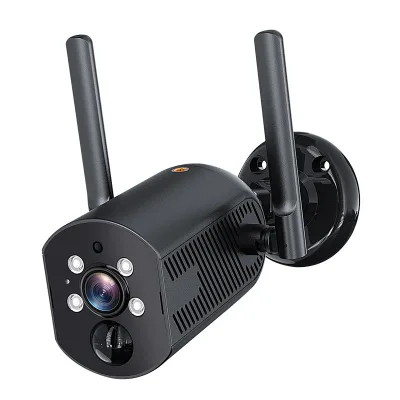
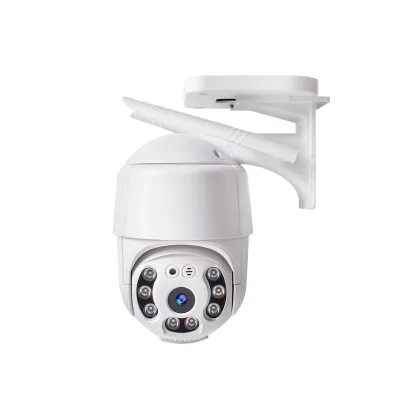
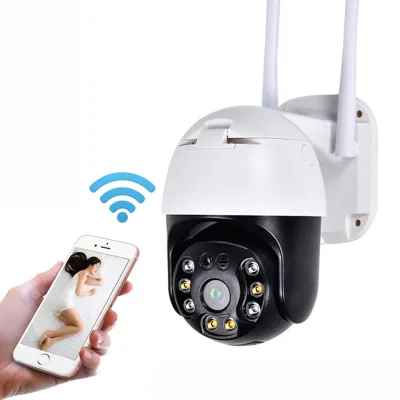
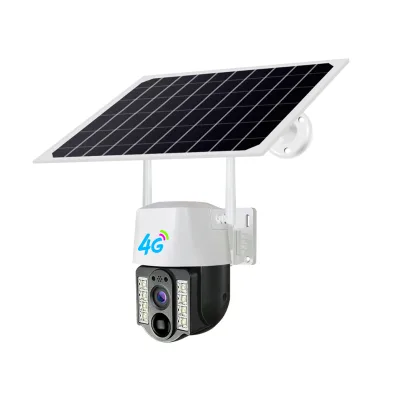
Beyond operational metrics, buyers should compare technical specifications and features to ensure the products meet their specific requirements. Key attributes to compare include sensor type (CCD vs. CMOS), resolution (720P, 960P, 1080P), and effective infrared distance. The observed products feature sensors ranging from 1/4 inch to 1/3 inch, with resolutions varying from 720P to 1080P. Buyers should also consider additional features such as waterproof ratings (IP66), pan/tilt capabilities, and smart home integration support (e.g., Tuya APP). Comparing these technical details across suppliers helps identify the best value proposition. Additionally, buyers should evaluate the customization options available, such as logo printing or packaging modifications, as these can be important for branding and market positioning. A supplier offering comprehensive customization at a competitive price is often a more attractive partner for long-term business relationships.
Common Outdoor Waterproof IR IP Camera Sourcing Risks
One of the primary risks in sourcing outdoor waterproof IR IP cameras is the discrepancy between advertised specifications and actual product performance. Buyers may encounter suppliers who claim high resolution or long infrared distances, but the delivered products fall short of these claims. This risk is particularly prevalent when dealing with suppliers who do not provide detailed technical documentation or third-party test reports. To mitigate this, buyers should request sample units before placing bulk orders and conduct independent testing to verify key attributes such as image clarity, night vision range, and waterproof integrity. Additionally, buyers should be cautious of suppliers who offer prices that seem too good to be true, as this may indicate the use of inferior components or substandard manufacturing processes.
Another significant risk is the lack of after-sales support and warranty coverage. Outdoor cameras are exposed to harsh environmental conditions, which can lead to higher failure rates compared to indoor devices. Buyers should ensure that suppliers offer clear warranty terms and reliable technical support channels. Some suppliers may provide limited warranty periods or require buyers to bear the cost of return shipping for defective units. It is also important to verify the supplier’s ability to provide replacement parts or firmware updates, as these are crucial for maintaining the long-term functionality of the cameras. Buyers should also be aware of potential intellectual property risks, especially when sourcing customized products. Ensuring that the supplier has the necessary rights to use any proprietary technology or designs can prevent legal disputes down the line.
Outdoor Waterproof IR IP Camera Regional Sourcing and Logistics
Sourcing outdoor waterproof IR IP cameras from specific regions like China involves navigating complex logistics and supply chain dynamics. The concentration of manufacturers in Guangdong province offers logistical advantages, such as proximity to major ports and established shipping routes. However, buyers must also consider the impact of regional trade policies, tariffs, and shipping costs on their overall procurement budget. For instance, shipping heavy or bulky camera units can incur significant freight charges, which may vary depending on the destination and shipping method. Buyers should work with suppliers who have experience in international shipping and can provide accurate estimates for delivery times and costs. Additionally, understanding the packaging standards used by suppliers is crucial, as improper packaging can lead to damage during transit.
Logistics planning should also account for customs clearance and regulatory compliance in the destination country. Different regions have varying requirements for importing electronic surveillance equipment, including specific certification standards and labeling requirements. Buyers should ensure that their suppliers can provide the necessary documentation, such as commercial invoices, packing lists, and certificates of origin, to facilitate smooth customs clearance. Furthermore, buyers should consider the lead time implications of different shipping methods, such as air freight versus sea freight. While air freight is faster, it is more expensive, whereas sea freight is cost-effective but involves longer transit times. Balancing these factors based on project urgency and budget constraints is essential for effective logistics management. Buyers should also establish clear communication channels with their suppliers to track shipments and address any potential delays promptly.
Outdoor Waterproof IR IP Camera Commercial Terms and Order Planning
Effective order planning for outdoor waterproof IR IP cameras requires careful attention to commercial terms, including payment methods, pricing structures, and contract details. Buyers should negotiate clear payment terms that protect their interests, such as using escrow services or letter of credit arrangements for large orders. These methods provide a layer of security by ensuring that funds are only released upon satisfactory delivery and inspection of the goods. Additionally, buyers should clarify whether the quoted prices include taxes, duties, and shipping costs, as these can significantly impact the final cost. Some suppliers may offer tiered pricing based on order volume, which can be advantageous for buyers planning to scale their purchases over time. Understanding these pricing structures helps buyers optimize their procurement strategy and maximize cost savings.
Contractual agreements should also specify quality assurance standards, return policies, and dispute resolution mechanisms. Buyers should ensure that the contract includes detailed specifications for the products, including model numbers, resolutions, and feature sets, to avoid misunderstandings. It is also important to define the acceptable quality limit (AQL) for inspections, which determines the number of defective units allowed in a batch. Buyers should also clarify the process for handling defective products, including who bears the cost of return shipping and replacement. Furthermore, buyers should consider the supplier’s capacity to handle rush orders or changes in specifications, as these can be critical for meeting project deadlines. Establishing a strong relationship with the supplier based on clear communication and mutual trust can facilitate smoother transactions and more flexible commercial terms in the future.
FAQs
What is the price range for outdoor waterproof IR IP cameras?
Prices for these cameras typically range from $17.50 to $110.00 per unit. The cost varies based on resolution, sensor type, and additional features like pan-tilt capabilities or wireless connectivity. Buyers can find budget-friendly options starting around $17.50 for basic 1080P models, while advanced units with higher specifications may cost up to $110.00.
What certifications do these IP cameras usually have?
Most outdoor waterproof IR IP cameras listed carry CE, FCC, and RoHS certifications. These standards ensure compliance with safety, electromagnetic compatibility, and hazardous substance restrictions. Additionally, manufacturers often hold ISO9001:2015 system certification, indicating adherence to quality management principles during production. Buyers should verify specific certificates for their target market requirements.
What is the typical lead time for manufacturing these cameras?
The standard lead time for producing these cameras is approximately 15 days. This duration allows for assembly, quality testing, and packaging preparation. Buyers should confirm exact timelines with suppliers, as rush orders or custom OEM/ODM requests may extend the production schedule. Planning for this window helps ensure timely delivery for project installations.
What is the minimum order quantity for these cameras?
The minimum order quantity varies by supplier, with some accepting orders as low as one unit. Other suppliers may require a minimum of ten units for certain models. This flexibility allows buyers to test samples or place small initial orders. Always check the specific MOQ requirements for the chosen camera model before finalizing the purchase agreement.
Where are these cameras typically manufactured?
These cameras are primarily manufactured in China, specifically in the Guangdong region. Shenzhen is a key hub for production, offering access to advanced supply chains and component sourcing. Buyers can expect efficient logistics and competitive pricing due to the concentration of manufacturers in this area. Verifying the exact origin ensures alignment with import regulations and shipping preferences.
What sensor types are used in these IP cameras?
These cameras utilize both CCD and CMOS sensors, with CMOS being more common in newer models. Sensor sizes typically range from 1/4 inch to 1/3 inch, affecting image quality and low-light performance. Some high-end models feature 1/2.7-inch CMOS sensors for enhanced resolution. The choice of sensor impacts the camera's effective distance and overall surveillance capability.