Source IP67 Night Vision PoE Camera for Surveillance, Wildlife, Security
Find 30 IP67 Night Vision PoE Camera models with CMOS sensors, H.265 compression, and two-way audio. Compare features like 1080P resolution, 30m effective distance, and waterproof designs for surveillance, wildlife observation, and security applications; compare the available evidence and request quotations based on your requirements.
Updated
Key considerations
Products List
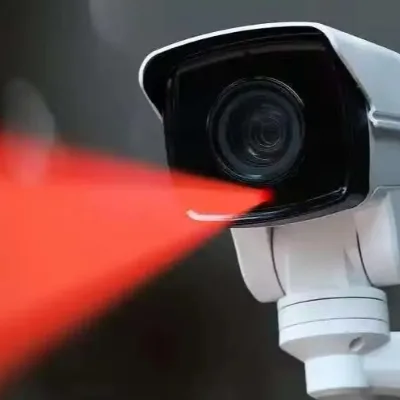
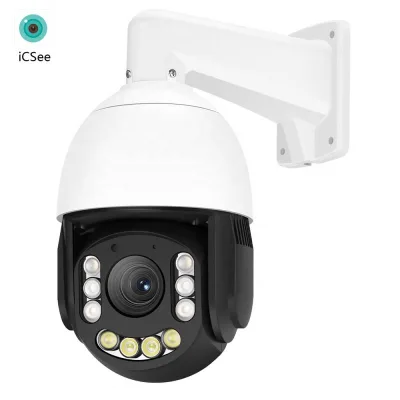


2MP Infrared Night Vision Gun-Type Poe-Powered Security Surveillance Camera
$22.23 - $23.62
MOQ: 100 Pieces


2MP Outdoor Wired Poe Powered Security Cameras Infrared Night Vision Gun CCTV Camera
$18.88 - $19.98
MOQ: 100 Pieces

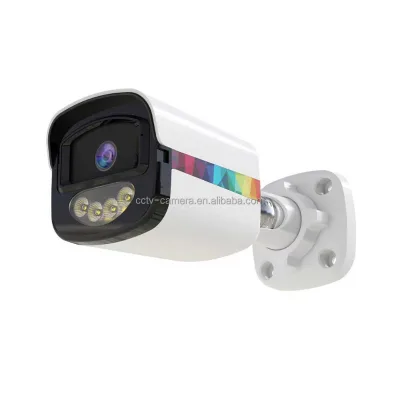
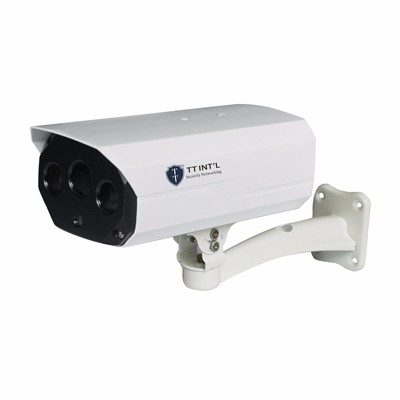


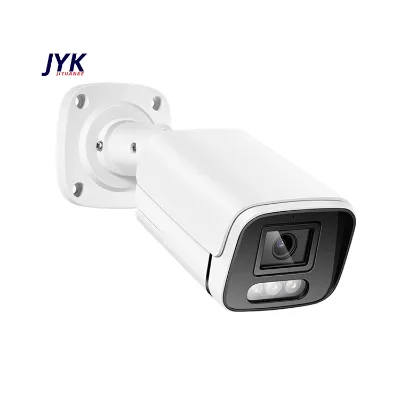


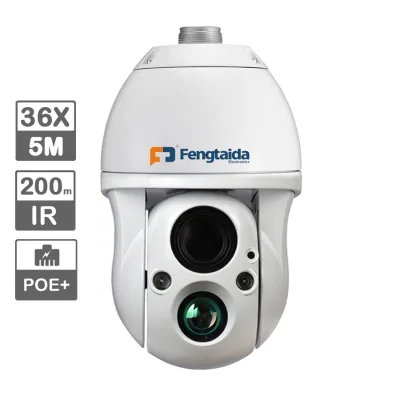
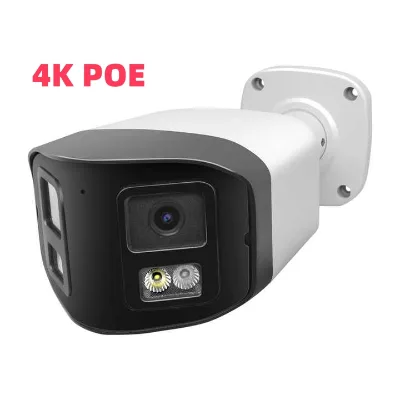
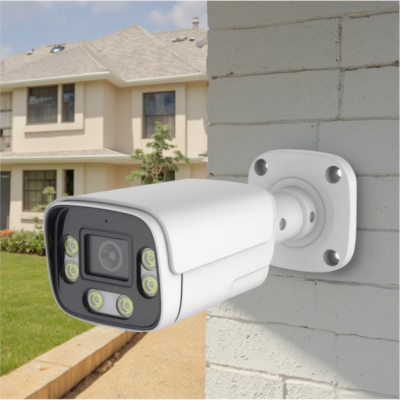
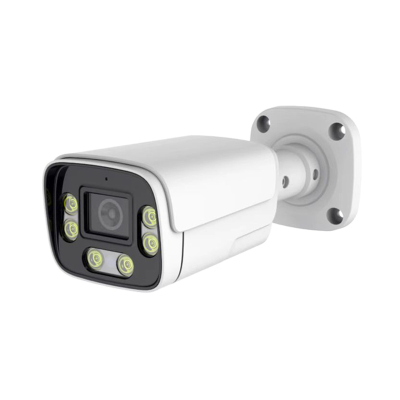
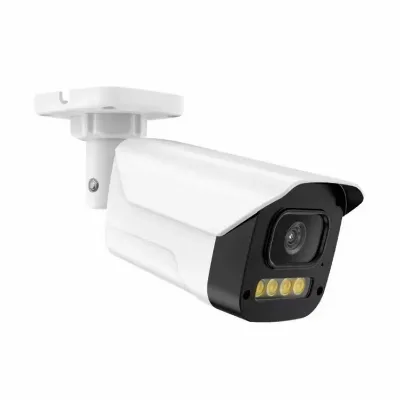
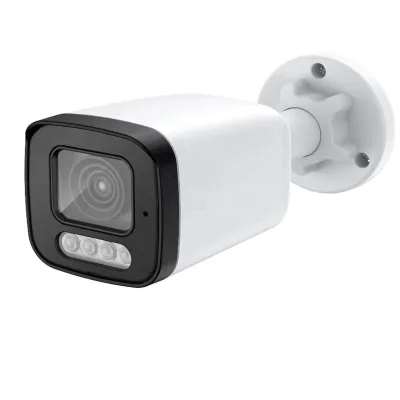

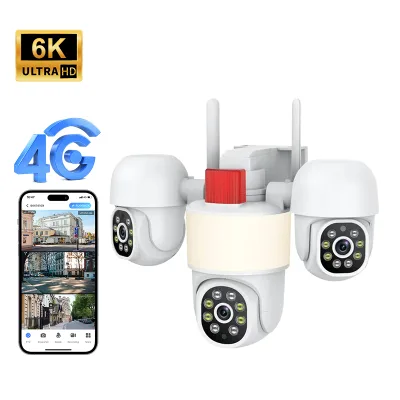
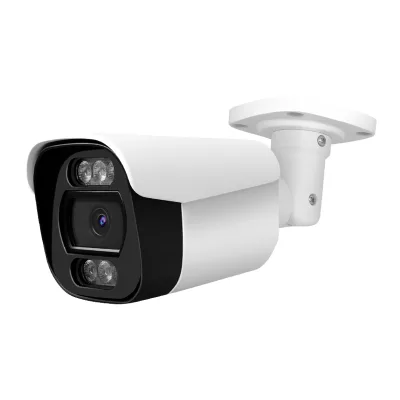
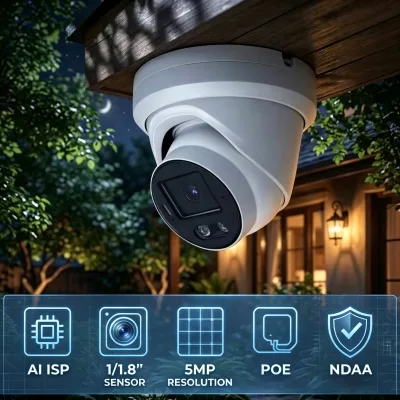
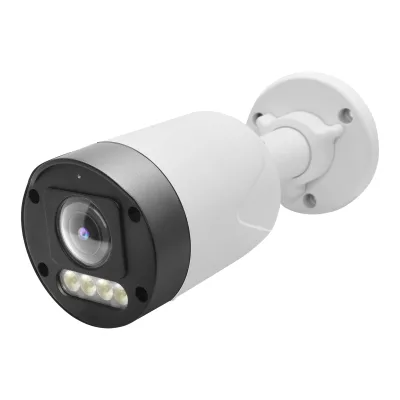
Comprehensive Sourcing Guide
IP67 Night Vision PoE Camera Sourcing Guide
Procuring IP67-rated night vision PoE cameras requires a disciplined approach to verifying environmental sealing and power delivery mechanisms. Buyers must prioritize models that explicitly state IP67 compliance to ensure reliable operation in rain, dust, and extreme temperatures. The Power over Ethernet (PoE) standard simplifies installation by delivering both data and electricity through a single cable, reducing infrastructure costs and potential points of failure. This guide outlines the critical technical and commercial factors necessary for successful sourcing.
The market offers a diverse range of options, from bullet-style security units to PTZ (Pan-Tilt-Zoom) variants, each serving distinct surveillance needs. Observations indicate that many listings support high-resolution formats like 1080P or 4K, alongside specialized features such as infrared night vision and two-way audio. Understanding the specific application, whether for wildlife observation or perimeter security, helps narrow down the vast array of available SKUs to those that meet operational requirements.
Product Scope and Observed Listing Signals
Current market listings reveal a wide spectrum of camera types, including dome, bullet, and mini cameras, with styles often tailored to specific mounting environments. Many suppliers offer customized lens options and software integration, allowing for tailored solutions rather than off-the-shelf limitations. The presence of keywords like "infrared," "night vision," and "security" suggests a strong focus on low-light performance, which is critical for 24/7 monitoring applications. Buyers should verify if the specific model supports the desired field of view and detection range.
Observed attributes highlight the importance of sensor technology, with CMOS sensors being prevalent across various models. Some listings specify effective infrared distances of 30 meters or more, ensuring visibility in dark conditions. Additionally, features such as human motion tracking and wide-angle lenses are increasingly common, enhancing the utility of these devices for comprehensive surveillance. The availability of cloud, NVR, and micro SD card storage options provides flexibility in data management strategies, catering to different security protocols.
Technical Specifications to Verify
Resolution and video compression are pivotal technical factors that directly impact storage requirements and image clarity. Listings frequently mention resolutions ranging from 5MP to 4K, with H.265 compression being a notable feature for efficient bandwidth usage. Buyers must confirm the horizontal resolution, which may be specified in TVL (Television Lines) for analog hybrids or in megapixels for digital streams. Verifying the sensor size, such as 1/4 inch or 1/3 inch, helps assess low-light sensitivity and overall image quality under challenging lighting conditions.
Connectivity and control features also require careful scrutiny, as they determine the ease of integration into existing networks. Many cameras support WiFi and Ethernet connectivity, with PoE being a standard for simplified power delivery. Features like PAN-TILT functionality, remote reset capabilities, and two-way audio add significant value for interactive surveillance. It is essential to verify if the camera supports autofocus lenses and dual-light modes, which can enhance visibility in varying environmental conditions.
Compliance and Safety Documentation
Certification status is a critical indicator of product quality and regulatory compliance in international markets. Common certifications observed in listings include CE, CCC, and ISO9001, which signify adherence to specific safety and quality management standards. Buyers should request valid certification documents to ensure that the cameras meet the legal requirements of their target markets. Non-compliant products may face customs delays or legal liabilities, making verification a crucial step in the procurement process.
Data privacy and network security are equally important considerations, especially for cameras connected to corporate or residential networks. While specific encryption standards may not always be detailed in initial listings, buyers should inquire about firmware update policies and default password practices. Ensuring that the camera supports secure protocols for data transmission helps protect against unauthorized access. Additionally, verifying the warranty terms, typically one year, provides assurance against manufacturing defects and early failures.
Cost Drivers and Commercial Terms
Pricing for IP67 night vision PoE cameras varies significantly based on resolution, feature set, and customization options. Observed price ranges span from $1 to $999, reflecting the diversity from basic bullet cameras to advanced PTZ units with thermal imaging capabilities. Buyers should consider the total cost of ownership, including installation, maintenance, and potential software licensing fees. Bulk purchasing often yields better unit prices, but it is essential to balance cost savings with the need for reliable performance.
Minimum Order Quantities (MOQ) and lead times are key commercial terms that influence procurement planning. MOQs typically range from 1 to 100 units, offering flexibility for both small-scale and large-scale deployments. Suppliers may offer OEM and ODM services, allowing for branded solutions and custom software integration. Understanding these terms helps in negotiating favorable contracts and ensuring timely delivery, which is crucial for project timelines and budget management.
Supplier Qualification and Quality Control
Supplier verification is essential to mitigate risks associated with counterfeit or substandard products. Buyers should assess the supplier’s manufacturing capabilities, including their ability to provide customized logos and software reengineering services. Checking for established brands like BESDER can provide some assurance of quality, but due diligence is still required. Requesting samples before bulk orders allows for practical testing of night vision performance, waterproofing, and network stability.
Quality control processes should be clearly defined, with suppliers offering online technical support and after-sales service. Buyers should inquire about the testing procedures used for IP67 sealing and infrared functionality. Establishing a clear communication channel for technical issues ensures prompt resolution of any problems that arise post-installation. Building a relationship with a reliable supplier can lead to better pricing, priority support, and access to new product innovations.
Long-Term Procurement Checks
Regular performance monitoring is necessary to ensure that installed cameras continue to meet security requirements over time. Buyers should establish a schedule for firmware updates to address security vulnerabilities and improve functionality. Monitoring storage usage and network bandwidth helps identify potential bottlenecks or failures before they impact surveillance coverage. Proactive maintenance can extend the lifespan of the cameras and reduce the need for premature replacements.
Reviewing supplier performance and product reliability periodically helps in making informed decisions for future procurement cycles. Feedback from field operations can highlight issues with durability, image quality, or ease of use that may not have been apparent during initial testing. Staying informed about advancements in infrared technology and PoE standards ensures that the procurement strategy remains aligned with evolving security needs and technological capabilities.
FAQs
What resolution options are available for infrared night vision cameras?
These cameras offer varying resolutions including 1080P, 4K, and 5MP models to suit different surveillance needs. The specific resolution depends on the selected model, with some units providing high-definition clarity for detailed monitoring. Buyers can choose based on their required image quality and budget constraints for optimal performance.
Can these cameras support two-way audio and remote control?
Yes, many models feature two-way audio capabilities with built-in microphones for clear communication. While some units operate without a physical remote control, they support remote management via WiFi or Ethernet connectivity. This allows users to adjust settings and monitor feeds from anywhere using compatible software or mobile applications.
Which certifications do these security cameras typically hold?
Manufacturers often provide cameras with CE certification to ensure compliance with European safety standards. Some products also carry CCC and ISO9001 certifications, indicating adherence to quality management systems. Buyers should verify specific certification documents for each model to ensure they meet local regulatory requirements for installation and operation.
How does the infrared night vision effective distance work?
The effective infrared night vision distance is typically rated at 30 meters or greater, allowing clear visibility in low-light conditions. This feature enables reliable surveillance during nighttime or dark environments. The actual range may vary slightly depending on environmental factors and the specific lens configuration of the selected camera model.
What customization support is available for bulk orders?
Suppliers offer extensive customization support including OEM and ODM services for bulk purchases. Buyers can request custom lenses, software integration, and customized logos to brand the devices. Online technical support is also provided to assist with software reengineering and specific application requirements, ensuring the product fits unique operational needs.
Where are these infrared cameras manufactured and shipped from?
These cameras are primarily manufactured in Guangdong, China, with specific origins noted in Shenzhen. The products are packed in cartons for safe shipping. Buyers should confirm the exact place of origin and shipping logistics with the supplier to ensure timely delivery and compliance with import regulations for their specific destination market.