Source High Sensitivity Machine Vision Camera for Inspection
Source High Sensitivity Machine Vision Camera options from 30 verified listings. Compare models like MV-GE502C/M and MV-XGC6500GC featuring Gige and USB3.0 interfaces, fixed focal length lenses, and 2-year warranties for defect inspection applications; compare the available evidence and request quotations based on your requirements.
Updated
Key considerations
Products List


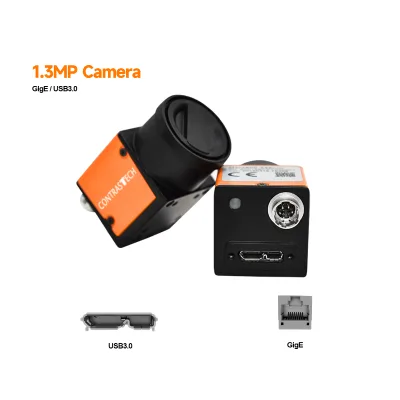
Low Power 1.3MP 89.9fps SS Motion Capture Machine Vision Inspection Camera
$250.00 - $350.00
MOQ: 2 pieces
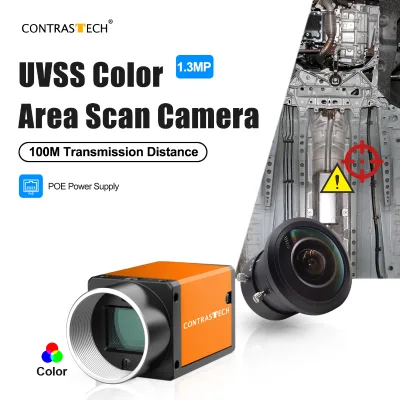
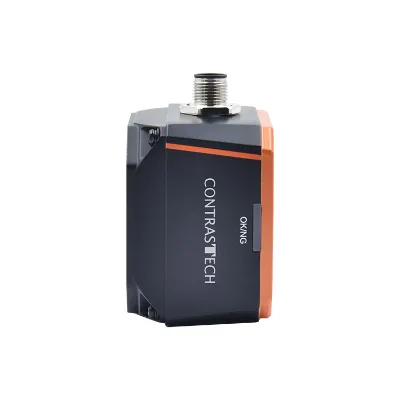


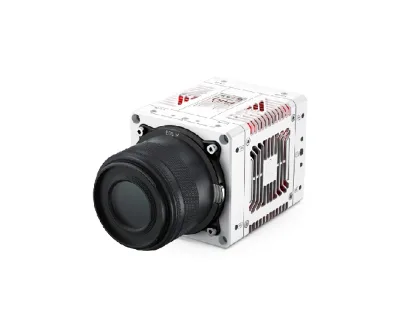
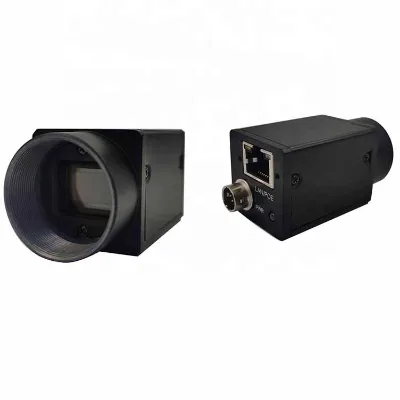
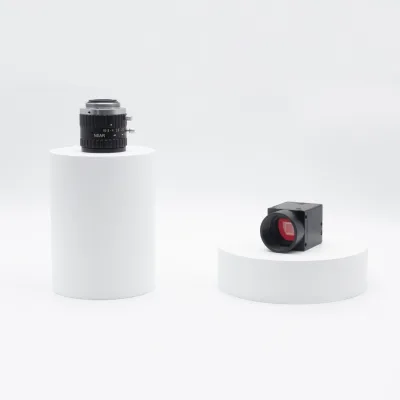


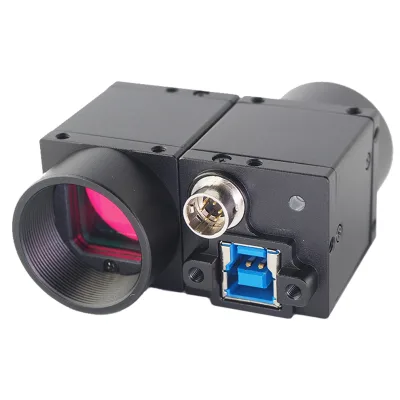
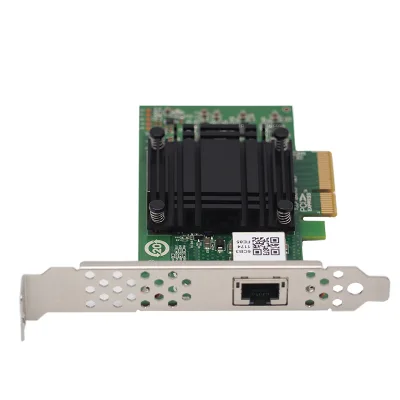
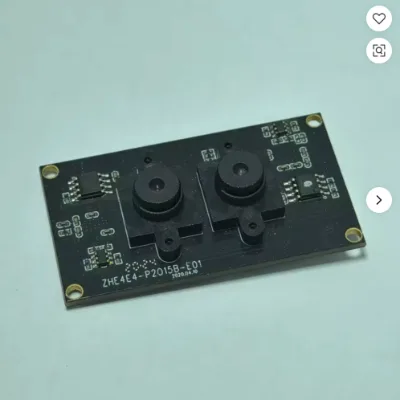
Comprehensive Sourcing Guide
High Sensitivity Machine Vision Camera Sourcing Guide
Procuring high sensitivity machine vision cameras requires a precise understanding of the specific optical and sensor architectures available in the current market. Buyers must distinguish between fixed focal length lenses and other optical configurations, as the observed inventory includes models specifically designed for defect inspection and machine vision applications. The presence of both rolling and global shutter options indicates that application speed and motion blur tolerance are critical decision factors.
Sourcing strategies should prioritize verifying the interface compatibility, such as GigE or USB3.0, against existing industrial automation infrastructure. The observed product range includes diverse sensor sizes and pixel bit depths, necessitating a clear definition of resolution requirements before engaging suppliers. Understanding whether the camera supports custom logos or OEM services is essential for integration into branded industrial systems or specialized inspection lines.
Product Scope and Observed Listing Signals
The current market listings for high sensitivity machine vision cameras reveal a distinct range of specifications, including pixel counts up to 65MP and sensor sizes ranging from 2/3" to larger formats like 29.9*22.4mm. Buyers should note the variation in pixel sizes, which range from 3.2um to 4.8um, directly impacting light sensitivity and resolution capabilities. These physical attributes define the camera's ability to capture fine details in low-light environments or high-speed production lines.
Listing signals also indicate significant variation in packaging and weight, with single package sizes consistently noted around 302010cm but weights fluctuating between 75g and 1.5kg. This discrepancy suggests different internal component densities or protective casing requirements for specific models. Procurement teams must align these physical constraints with their installation space and handling logistics, ensuring the selected unit fits within the designated machinery footprint without requiring structural modifications.
Technical Specifications to Verify
Verification of the sensor type and shutter mechanism is paramount when selecting a camera for high-speed or low-light applications. The available data highlights a mix of rolling and global shutter technologies, each offering distinct advantages for capturing moving objects without distortion. Buyers must confirm that the chosen shutter type aligns with the specific motion characteristics of their target inspection process to prevent image artifacts.
Interface protocols and video compression formats are equally critical for system integration and data throughput. The observed listings support GigE and USB3.0 interfaces alongside compression formats like BMP, Raw, and JPEG, which dictate bandwidth requirements and storage needs. Additionally, the exposure time range and acquisition modes must be validated to ensure the camera can operate effectively within the specific lighting conditions and frame rate demands of the intended industrial environment.
Compliance and Safety Documentation
While specific certification statuses like UL 61496 or EN 61000 appear in background contexts, buyers must explicitly request current compliance documentation from suppliers rather than assuming adherence. The absence of confirmed certification data in the primary product facts necessitates a rigorous verification process where suppliers provide valid test reports for electromagnetic compatibility and safety standards. This step is crucial for ensuring the equipment meets the regulatory requirements of the target market and facility.
Safety documentation should also cover the operational limits of the camera, including environmental ratings such as waterproof or weatherproof capabilities observed in certain listings. Buyers need to confirm that the physical housing meets the IP ratings required for their specific factory floor conditions, whether they involve dust, moisture, or temperature extremes. Without explicit confirmation of these standards, the risk of premature failure or non-compliance with local safety regulations remains unmitigated.
Cost Drivers and Commercial Terms
The observed price range of 66 to 35,000 USD indicates that cost is heavily driven by sensor resolution, pixel count, and specialized features like global shutters or high bit-depth capabilities. Buyers should analyze the correlation between the 65MP models and the lower-cost units to understand the value proposition of high-resolution sensors versus standard configurations. This analysis helps in budgeting accurately for projects that require specific performance thresholds without overpaying for unnecessary features.
Commercial terms such as Minimum Order Quantity (MOQ) and warranty periods are key variables in the total cost of ownership. The observed MOQ range of 1 to 2 units suggests flexibility for small-scale testing or pilot projects, while a standard 2-year warranty provides a baseline for risk management. Procurement teams must negotiate these terms carefully, ensuring that the warranty covers critical components like the sensor and that the MOQ aligns with the initial deployment scale to avoid excess inventory costs.
Supplier Qualification and Quality Control
Supplier qualification should focus on their ability to provide customization support, including OEM, ODM, and customized logo services, which are explicitly listed as available attributes. This capability indicates a mature supply chain capable of adapting products to specific client branding or functional requirements, a vital factor for companies integrating cameras into proprietary systems. Buyers must verify the supplier's track record in delivering these custom solutions to ensure reliability and consistency in product delivery.
Quality control processes must be validated through the supplier's adherence to packaging standards and weight consistency. The observed packaging details, such as 1PC/PP Bag in a Carton, suggest a standardized approach to protection, but buyers should confirm that these methods prevent damage during transit. Additionally, verifying the origin of the components, whether from Guangdong or Hunan, China, can provide insights into the manufacturing ecosystem and the potential for consistent quality control across different production batches.
Long-Term Procurement Checks
Long-term procurement strategies must account for the availability of spare parts and the continuity of the product model line. The specific model numbers observed, such as MV-GE502C/M and MV-XGC6500GC, serve as reference points for future reordering, but buyers should confirm the supplier's commitment to maintaining these SKUs over time. Ensuring that the camera models remain in production prevents the need for costly system redesigns or compatibility issues down the line.
Performance monitoring and data retention capabilities are also essential for long-term operational success. Features like user-defined data areas and frame buffers indicate the camera's ability to handle complex data processing tasks, which may evolve as inspection requirements change. Buyers should establish a protocol for regularly reviewing the camera's performance against the original acquisition mode and exposure time ranges to ensure sustained efficiency and detect any degradation in image quality or processing speed.
FAQs
What lens options are available for high sensitivity machine vision cameras?
Fixed focal length lenses are standard for these devices. Many models support C-Mount interfaces, with CS-Mount available as an optional configuration. This flexibility allows integration with various optical setups for precise defect inspection and machine vision applications.
Which interfaces connect high sensitivity machine vision cameras to systems?
Gige and USB3.0 interfaces are commonly used for data transmission. These connections ensure reliable communication between the camera and processing units. Selecting the appropriate interface depends on your specific bandwidth requirements and existing infrastructure compatibility for optimal performance.
Can high sensitivity machine vision cameras be customized for branding?
Yes, customization is available for these cameras. Buyers can request customized logos, OEM services, and ODM support. This allows businesses to tailor the equipment to their specific operational needs and brand identity while maintaining high-quality imaging capabilities.
What warranty is provided for high sensitivity machine vision cameras?
A two-year warranty is typically provided for these cameras. This coverage ensures reliability and support for industrial applications. Buyers should verify specific warranty terms with suppliers to understand the scope of protection for their specific model and usage conditions.
What is the typical packaging for high sensitivity machine vision cameras?
Cameras are usually packed in cartons containing one piece per PP bag. Standard packaging dimensions are approximately 30x20x10cm. This secure packaging protects the sensitive imaging components during shipping and handling, ensuring the product arrives in optimal condition for installation.
Where are high sensitivity machine vision cameras manufactured?
These cameras are primarily manufactured in China, with origins in regions like Guangdong and Hunan. This manufacturing base supports a wide range of specifications and price points. Buyers can source from various factories offering different sensor sizes and interface options.