Blown Film Grade PBAT Resins Suppliers and Manufacturers
Source 13 verified suppliers for Blown Film Grade PBAT Resins. Compare lead times, MOQs, certifications, and response rates to find the right partner. Review product specs and request samples to verify quality; review the available evidence before requesting comparable quotations from suitable candidates.
Suppliers List

Yangzhou Yilikim New Materials Trading Co., Ltd.
- Verified by CTI
- Combined
- China Jiangsu
- Lead time15 days
- Avg. response≤ 4h
Main productsHmpe Fiber, Para Aramid Fiber, Para Aramid Spun Yarn
Main marketsSouth America,Africa,Southeast Asia/ Mideast,East Asia(Japan/ South Korea),Domestic,Europe,Australia,North America

Shijiazhuang Tuya Technology Co., Ltd.
- Trading Company
- Hebei, China
- Lead time5 days
- Avg. response≤ 6h
Main productsplastic pellets for 3D printing,PETG granules,PLA/PBS/PBAT,ASA resin,PETG + GF/CF
Main marketsEastern Europe(18.0%), Africa(10.0%), Western Europe(10.0%), North America(10.0%), South America(10.0%), Mid East(8.0%), Southeast Asia(8.0%), Domestic Market(5.0%), Central America(5.0%), South Asia(5.0%), Eastern Asia(5.0%), Northern Europe(2.0%), Oceania(2.0%), Southern Europe(2.0%)

Ningbo Qingteng Plastic Co., Ltd
- Verified by BV
- Manufacturer/Factory
- China Zhejiang
- Lead time15 days
- Avg. response≤ 15h
Main productsPP T30s Universal Plastic Raw Material, Plastic Granule PVC Resin, TPU Resin TPU Granule, Saudi Sabic HDPE Tr-144 Raw Material Film Grade, Plastic LDPE Granules LDPE Pellets Price, Polyester Resin Pet Resin, 3D Printer PLA and PETG PLA Filamento De PLA, ABS Plastic ABS Granules PC ABS, High Density Polyethylene LDPE LLDPE PP, Korea EVA Vs430 EVA Granules
Main marketsSouth America,Mid East,North America

Henan Techuang Biotechnology Co., Ltd.
- Verified by TUVRHEINLAND
- Combined
- China Henan
- Lead time15 days
- Avg. response≤ 4h
Main productsBiodegradable Dog Poop Bag, Biodegradable Garbage Bag, Biodegradable Mailing Bag, Biodegradable Clothing Bag
Main marketsDomestic,Europe,Australia,North America

Julier (Xiamen) Technology Co., Ltd.
- Verified by CTI
- Trading Company,Other
- China Fujian
- Lead time15 days
- Avg. response≤ 5h
Main productsNylon PA6 PA66 PPA PA12, PC ABS POM PMMA, PBT PPS Pei Peek, TPU TPE TPR PPSU, PPO TPV Tpo, PLA Pbat EVA, PP PE PS, PETG Pctg
Main marketsSouth America,Eastern Europe,Mid East,North America,Southeast Asia,Eastern Asia,Oceania,Western Europe,Africa

Ningbo Shuyou Plasticization Co., Ltd.
- Verified by BV
- Trading Company
- China Zhejiang
- Lead time30 days
- Avg. response≤ 9h
Main productsplastic granules & Rubber
Main marketsSouth America


Competitive Price Pbat Biodegradable Pbat Plastic Resin Granules for 3D Printing
$2.00 - $2.50
Moq: 25
Anhui Jumei Biological Technology Co., Ltd.
- Manufacturer
- Lead time旺季: "1 - 25000000":10,"> 25000000":"To be negotiated", 淡季: "1 - 25000000":10,"> 25000000":"To be negotiated"
- Avg. response≤ 5h
Main productsCompostable material,Compostable garbage bag,Compostable shopping bag,Compostable dog poop bag,CPLA lids

HEBEI RUNXUCHEN TRADING CO., LTD.
- Verified by SGS
- Trading Company
- China Hebei
- Lead time23 days
- Avg. response≤ 25h
Main productsChemicals, Plastics&Rubber, Food Additives, Feed Additives, Nutrition Enhancers, Titanium Dioxide, Pet Resin, Paraffin Wax, Polymer, PVC Resin
Main marketsSouth America,Eastern Europe,Mid East,North America,Southeast Asia,Eastern Asia,Oceania,Western Europe,Africa

Factory Sale! Biodegradable Raw Pbat Resin / Pbat Plastic Resin Granules / Pbat Granules
$1385.00 - $1650.00
Moq: 1

100% Biodegradable Pbat PLA Modified Resins for Compostable and Disposable Shopping Grocery Bags
$1385.00 - $1650.00
Moq: 1
Jiangsu Torise Biomaterials Co., Ltd.
- Verified by TüVRheinland
- Manufacturer, Trading Company
- Lead time25 days
- Avg. response≤ 2h
Main productsCompostable Bags, Bio Material, Compostable Biodegradable Products, Biodegradable Garbage Shopping Bag
Main marketsWestern Europe(32%), Oceania(28%), North America(22%)
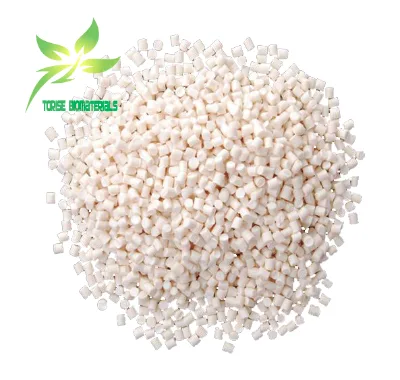
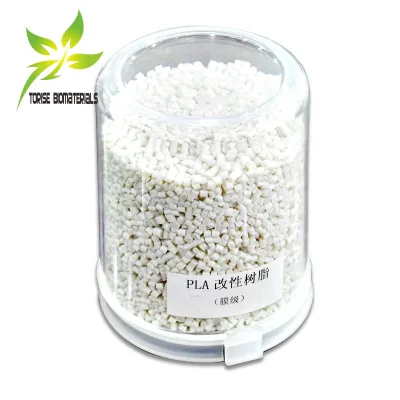
Eco Friendly Products Wholesale Pla Bioplastic Raw Materials Biodegradable Plastic Resin Price
$2650.00 - $2700.00
Moq: 1
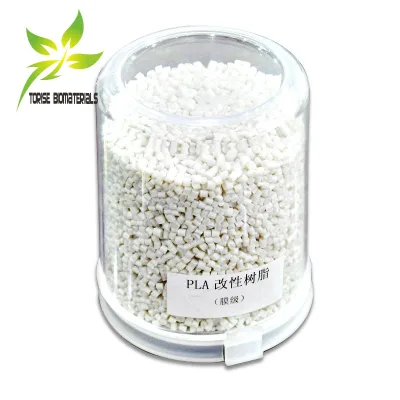
100% Biodegradable and Compostable Corn Starch Modified Resin Plastic Raw Materials
$2300.00 - $2500.00
Moq: 1
Hebei Bona Import And Export Trade Co., Ltd.
- Trading Company
- Hebei, China
- Lead time30 days
- Avg. response≤ 6h
Main productsPE,PP,PS,EPS,EVA
Main marketsNorthern Europe(15.0%), Southeast Asia(15.0%), North America(15.0%), South America(10.0%), Southern Europe(5.0%), Eastern Europe(5.0%), Central America(5.0%), Western Europe(5.0%), Domestic Market(5.0%), Mid East(5.0%), Oceania(5.0%), South Asia(5.0%), Africa(3.0%), Eastern Asia(2.0%)

Beijing TDD E-Commerce Co., Ltd.
- Other
- China Beijing
- Lead time23 days
- Avg. response≤ 20h
Main productsPVC Resin, PP, PE, Pet, Titanium Dioxide, Pigment, Car Tire, Yarn, Fabric
Main marketsMid East,Southeast Asia,Africa

Xiamen Keyuan Plastic Co., Ltd.
- Verified by BV
- Combined
- China Fujian
- Lead time23 days
- Avg. response≤ 3h
Main productsPA6/PA66/PA12, POM, TPU, ABS, PP, PBT, PC, PMMA, PPS, PE(HDPE LDPE LLDPE)
Main marketsSouth America,Africa,Southeast Asia/ Mideast,East Asia(Japan/ South Korea),Europe,Australia,North America

ANHUI YUANPENG INTERNATIONAL TRADE CO., LTD.
- Verified by TUVRHEINLAND
- Trading Company,Manufacturer/Factory
- China Anhui
- Lead time23 days
- Avg. response≤ 4h
Main productsBamboo Trailer Flooring, Mulch Film, Flatbed Flooring, Bamboo Truck Flooring, Agriculture Mulch Film, Eco-Agriculture Film, Biodegradable Mulch Film, Mulch Film Machine, Root Trainer, Nursery Cup
Main marketsSouth America,Eastern Europe,Mid East,North America,Southeast Asia,Eastern Asia,Oceania,Western Europe,Africa




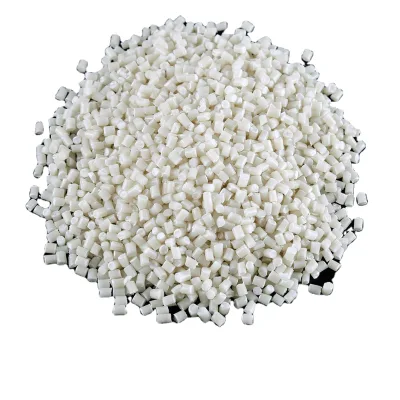
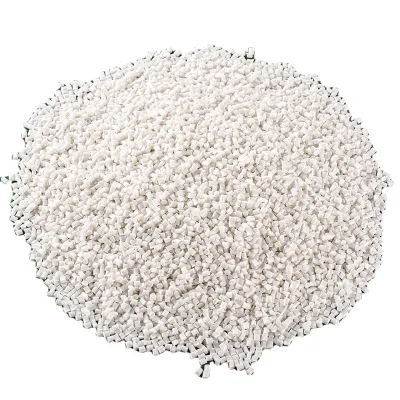
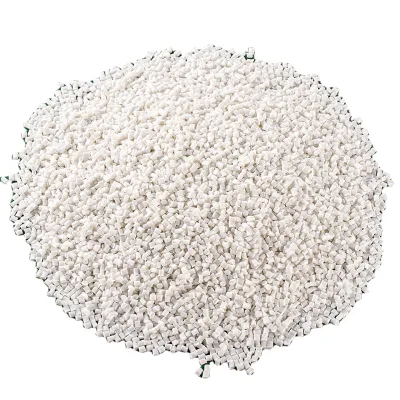
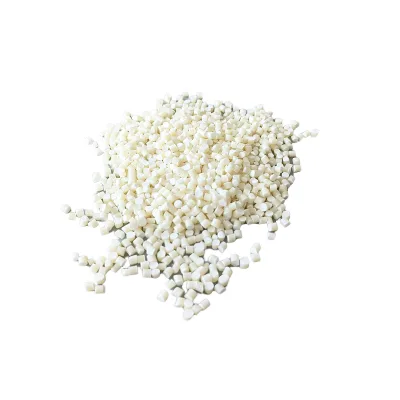
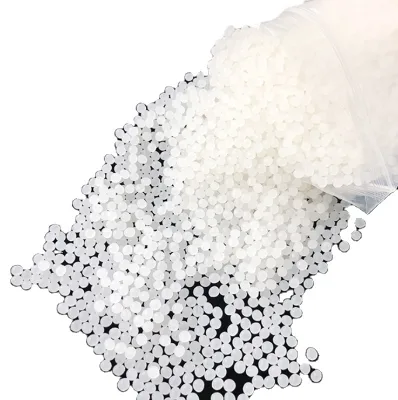
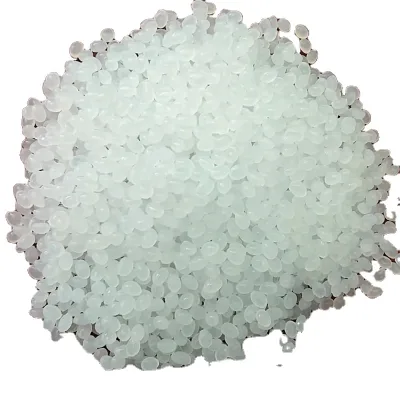


Comprehensive Sourcing Guide
Blown Film Grade PBAT Resins Supplier Concentration and Factory Types
Current data indicates a concentration of suppliers in Jiangsu and Hebei provinces within China, where specific manufacturers and trading entities operate. In Jiangsu, combined company types are observed offering high-performance fibers alongside biodegradable resins, suggesting a diversified industrial base capable of supporting complex polymer needs. Hebei-based suppliers frequently appear as trading companies specializing in plastic pellets, including PETG, PLA, and PBAT variants, often listing main products that span 3D printing filaments and agricultural films. These regional clusters provide a tangible starting point for buyers seeking established supply chains, though the exact number of active factories in each zone fluctuates with market conditions.
When evaluating factory types, buyers should distinguish between combined entities that manage both production and branding and pure trading companies that aggregate goods from multiple sources. The observed data shows suppliers with ODM and own-brand capabilities, indicating they may offer customization for specific resin grades like PBAT+PLA blends. Trading companies in Hebei often list extensive product ranges including ASA resin and modified granules, which implies a broader sourcing network rather than a single production line. Buyers must verify whether a supplier's primary revenue comes from direct manufacturing or distribution, as this distinction impacts quality control depth and the ability to scale production during peak demand periods.
How to Verify Blown Film Grade PBAT Resins Suppliers
Verification processes should prioritize third-party certifications and response metrics found in supplier profiles. Several observed listings display CTI verification status, which serves as a concrete indicator of a supplier's operational legitimacy and adherence to specific safety or quality protocols. Buyers should cross-reference these verification badges with the supplier's claimed capabilities, ensuring that the entity holding the certification matches the one providing the product. Additionally, response times recorded in the system, such as 3.90 hours or 6 hours, offer a quantifiable measure of communication efficiency, which is critical when resolving technical queries about resin grades or delivery schedules.
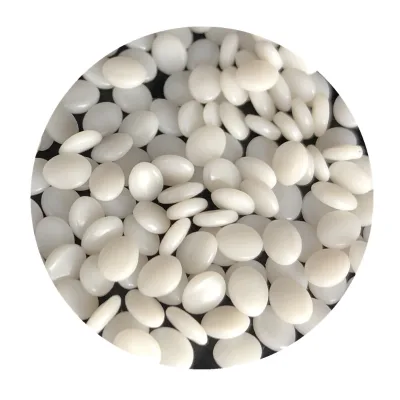
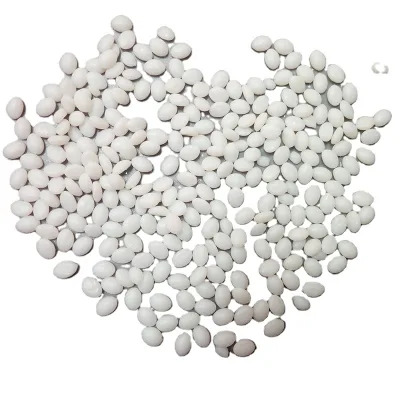
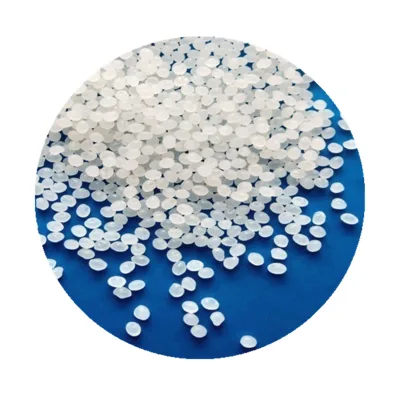
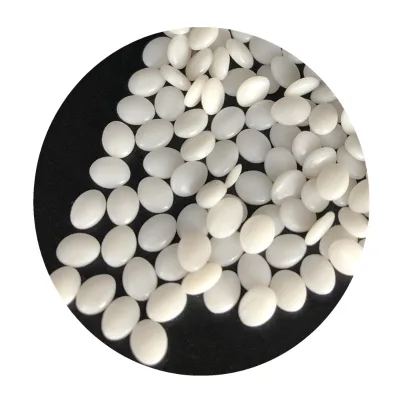
Beyond digital badges, buyers must scrutinize product evidence for specific chemical and physical attributes that confirm the material's suitability for blown film applications. Listings often detail attributes like "Food Contact" grade, "White" color, and specific model numbers such as YYBM01 or TH-801T, which help distinguish between generic and specialized resins. Certifications like EN13432 and Ok Compost Home are explicitly mentioned in some product attributes, providing proof of biodegradability claims. Buyers should request physical samples to validate these digital claims, as the presence of a certificate in a listing does not guarantee the current batch meets the same standard without independent testing.
What to Compare Across Blown Film Grade PBAT Resins Suppliers
Comparative analysis should focus on lead times, minimum order quantities, and pricing structures to determine the most viable partner for specific project needs. Lead times observed in the data range from 5 days to 15 days, a significant variance that affects inventory planning and production scheduling. Minimum order quantities are frequently set at 25 kilograms or 25 units, which may be suitable for small-scale trials but could pose challenges for large-volume manufacturing runs. Buyers must calculate the total cost of ownership by combining the unit price, which varies between 1.20 and 3.85 per unit depending on the grade, with the logistical costs associated with meeting these MOQ thresholds.
Response speed and payment terms also serve as critical differentiators in supplier selection. A response time of 3.90 hours suggests a highly active sales team, whereas a 6-hour window might indicate a larger, less agile organization. Payment terms are consistently listed as 100% T/T in Advance in several product attributes, a condition that requires careful financial risk assessment before committing to an order. Buyers should compare these commercial terms against their own cash flow capabilities and risk tolerance. Additionally, the availability of samples and customization options should be weighed, as suppliers offering "Available" samples and "Customization" services provide greater flexibility for product development and quality assurance testing.
Common Blown Film Grade PBAT Resins Sourcing Risks
One primary risk involves the discrepancy between claimed material properties and actual batch performance, particularly regarding biodegradability and mechanical strength. While product attributes list features like "Weather Resistant" and "100% biodegradable," these claims rely on the supplier's internal testing or third-party reports that may not cover the specific batch being shipped. Buyers face the risk of receiving resin that fails to meet the required extrusion or blown film grade specifications, leading to production downtime or defective end-products. The presence of multiple grades, such as "blow molding grade" versus "injection molding grade," increases the complexity of ensuring the correct material is delivered for the intended application.
Another significant risk stems from supply chain transparency and the potential for misrepresentation of origin or manufacturing capacity. Although locations like Hebei and Jiangsu are identified, the distinction between a factory and a trading company can sometimes obscure the true source of the material. Trading companies may aggregate products from various manufacturers, making it difficult to trace quality issues back to the original production line. Furthermore, the reliance on digital verification like CTI does not eliminate the risk of counterfeit certifications or outdated compliance documents. Buyers must implement rigorous incoming quality control measures to mitigate these risks, as the cost of a failed production run far exceeds the expense of pre-shipment verification.
Blown Film Grade PBAT Resins Regional Sourcing and Logistics
Sourcing from Jiangsu and Hebei offers distinct logistical advantages due to their proximity to major ports and industrial infrastructure in China. Suppliers in these regions often list packaging details such as "Bags+Pallet" or "25kg/bag," which standardizes the handling process for international shipping. The specific packing configurations, including single package sizes of 10x10x10 cm, facilitate efficient container loading and reduce the risk of damage during transit. Buyers should evaluate the supplier's experience with international logistics, as the ability to manage complex shipping arrangements from these specific provinces can significantly impact delivery reliability and cost efficiency.
Logistics planning must also account for the specific weight and volume characteristics of the resin pellets. Product attributes indicate single gross weights ranging from 0.5 kg to 1.5 kg per package, which influences the total shipment weight and freight charges. Buyers should verify if the supplier offers consolidated shipping options to optimize costs, especially when ordering multiple SKUs like PBAT+PLA blends and pure PBAT resins. The origin of place is consistently listed as China, but the specific province affects customs clearance times and potential tariffs. Understanding the regional logistics network helps buyers anticipate delays and plan their inventory levels accordingly, ensuring a steady supply of raw materials for continuous production.
Blown Film Grade PBAT Resins Commercial Terms and Order Planning
Commercial terms for blown film grade resins often include strict payment requirements, with 100% T/T in Advance being a common condition observed in product attributes. This term requires buyers to have sufficient liquidity and trust in the supplier before releasing funds, making the verification of supplier credentials even more critical. Buyers should negotiate payment terms where possible, such as partial payments or letters of credit, to mitigate financial risk. Additionally, the pricing structure varies significantly, with minimum prices ranging from 1.20 to 2.15 and maximums up to 3.85, necessitating a clear understanding of the factors driving these price differences, such as resin grade, certification status, and order volume.
Order planning must align with the supplier's lead times and minimum order quantities to avoid production bottlenecks. With lead times ranging from 5 to 15 days, buyers should factor in this duration when scheduling production runs to ensure raw materials arrive before the manufacturing line is scheduled. The MOQ of 25 kilograms or 25 units sets a baseline for order size, which may require buyers to consolidate orders or share containers with other suppliers to achieve economies of scale. Buyers should also consider the availability of samples and customization options, as these can influence the speed of product development and the time required to finalize the order specifications before production begins.
FAQs
What is the price range for Blown Film Grade PBAT Resins?
Prices for these resins typically range from 1.20 to 3.85 per unit depending on the specific grade and supplier. Some listings show costs between 1.50 and 1.70, while others reach up to 2.30 or 3.85. Buyers should verify current rates based on order volume and specific material requirements before purchasing.
What are the minimum order quantities for these biodegradable resins?
The minimum order quantity is generally 25 kilograms or 25 units for most suppliers offering these materials. Some listings specify a 25 KG minimum for single items, while others indicate 25 units as the baseline. Buyers must confirm the exact MOQ with the supplier to ensure their order meets the required threshold.
How long does it take to receive these PBAT resin shipments?
Lead times for these products vary between 5 and 15 days depending on the supplier and location. Some manufacturers in Hebei offer a 5-day lead time, while others in Jiangsu may require up to 15 days. Buyers should confirm the specific delivery schedule with the supplier to plan their production timeline effectively.
Are these PBAT resins certified for food contact applications?
Yes, several listings explicitly state that the resin grade is suitable for food contact applications. The product attributes confirm compliance with food safety standards for bio plastic bags and trash bags. Buyers should verify specific certification documents like EN13432 to ensure the material meets their regulatory requirements for food packaging.
What certifications do these biodegradable resins hold?
Many suppliers provide certifications such as EN13432 and Ok Compost Home for their biodegradable resins. These certifications confirm the material is compostable and meets environmental standards. Buyers should request proof of these certifications to ensure the product meets their sustainability goals and regulatory compliance needs for commercial use.
Where are the manufacturers of these PBAT resins located?
Manufacturers are primarily located in Jiangsu and Hebei provinces within China. Some suppliers operate from Jiangsu while others are based in Hebei, offering different lead times and logistics options. Buyers should check the specific location of the supplier to estimate shipping costs and delivery times accurately for their region.
What payment terms are required for these resin orders?
The standard payment term for these orders is 100% T/T in advance. This requirement is consistent across multiple listings for biodegradable PBAT and PLA resins. Buyers should prepare their funds accordingly and confirm the exact payment method with the supplier before finalizing any purchase agreement to avoid delays.