Hydraulic Vehicle Positioning Jack Suppliers and Manufacturers
Compare 22 verified suppliers of Hydraulic Vehicle Positioning Jack based on location, lead time, and certifications like CE and ISO. Review product specs and response times to select a partner for your sourcing needs; review the available evidence before requesting comparable quotations from suitable candidates.
Updated
Suppliers List

Jiaxing Ouya Machinery Manufacturing Co., Ltd.
- Verified by TUVRHEINLAND
- Combined
- China Zhejiang
- Lead time30 days
- Avg. response≤ 5h
Main productshydraulic machinery
Main marketsOthers(foreignTradeCapacity.exportBusinessCapacityMarketOther),Europe,Australia


Durable and Safe 4ton Hydraulic Jack for Vehicle Maintenance and Emergency Situations
$42.00 - $46.00
MOQ: 50 Pieces

Anhui Huafeng Import & Export Co., Ltd.
- Verified by SGS
- Trading Company,Manufacturer/Factory
- China Anhui
- Lead time60 days
- Avg. response≤ 3h
Main productsHydraulic Jack, Floor Jack, Bottle Jack, Trolley Jack, Hydraulic Bottle Jack, Hydraulic Floor Jack, Scissor Jack, Hydraulic Trolley Jack, Screw Jack, Jack Stand
Main marketsSouth America,Eastern Europe,Mid East,North America,Southeast Asia,Eastern Asia,Oceania,Western Europe,Africa

Jiaxing Lifede Imp. & Exp. Co., Ltd.
- Verified by TUVRHEINLAND
- Trading Company
- China Zhejiang
- Lead time30 days
- Avg. response≤ 5h
Main productsHydraulic Jack, Car Jack, Motorcycle Lift Tools, Jack Stands, Floor Jacks, Shop Press, Engine Crane, Engine Stands, Hydraulic Vehicle Positioning Jack
Main marketsEurope,North America

Hydraulic Positioning Jack Hydraulic Tire Jack for Vehicle Repair and Moving
$48.00 - $50.00
MOQ: 100 Pieces


1500 Lbs Hydraulic Wheel Dolly Jack Vehicle Positioning Jack Tire Dolly Jack
$44.00 - $46.00
MOQ: 100 Pieces

JIAXING JACKSTAR TOOLS CO., LTD.
- Verified by BV
- Trading Company,Manufacturer/Factory
- China Zhejiang
- Lead time45 days
- Avg. response≤ 6h
Main productsTransmission Jack, Hydraulic Press, Air Hydraulic Jack, Moto Lift Jack, Shop Crane, Shop Press, Hydraulic Bottle Jack, Floor Jack, Hydraulic Log Splitter, Farm Jack
Main marketsSouth America,Eastern Europe,Mid East,North America,Southeast Asia,Eastern Asia,Oceania,Western Europe,Africa

Baoding Xinghang Heavy Industry Technology Co., LTD
- Verified by BV
- Manufacturer/Factory
- China Hebei
- Lead time23 days
- Avg. response≤ 5h
Main productsAir Jack, Tire Changer, Bottle Jack, Floor Jack, Hydraulic Jack, Pneumatic Hydraulic Jack, Car Lift, Wheel Alignment
Main marketsEastern Europe,North America
Cangzhou Flashup Auto Tools Co., Ltd.
- Verified by Intertek
- Trading Company
- Hebei, China
- Lead time10 days
- Avg. response≤ 2h
Main productsHorizontal jack, Air bag jack, pneumatic jack, Electric jack, Hydraulic bottle Jack
Main marketsDomestic Market(70%), South America(30%)
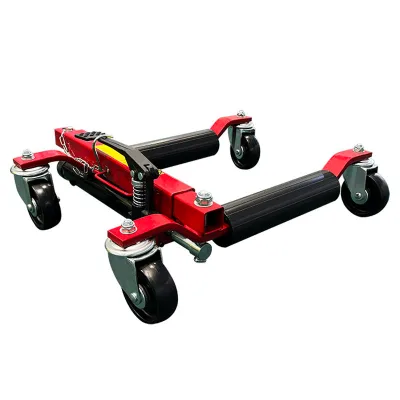
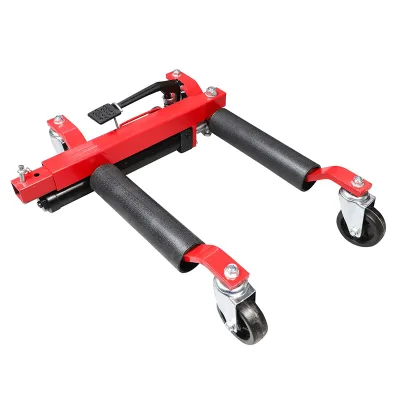
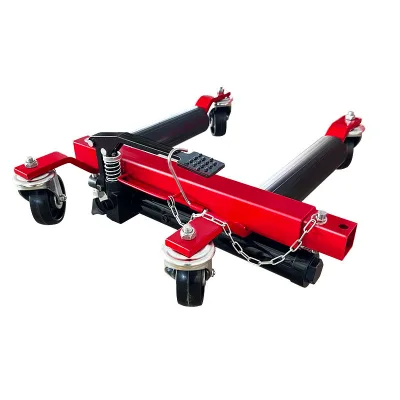
Factory Direct Sale Cars Patented Trolley Hydraulic Vehicle Positioning Jack
$47.142 - $52.38
MOQ: 5 sets
Cangzhou Jiangcheng Machinery Co., Ltd.
- Verified by TüVRheinland
- Manufacturer, Trading Company
- Lead time45 days
- Avg. response≤ 4h
Main productsTire Repair Tools, Engine Crane, Automobile Lift, Car Body Spot Welder, Split Jack
Main marketsDomestic Market(70%), Eastern Europe(12%), North America(10%)
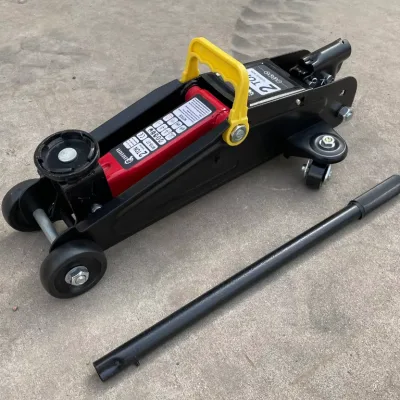
Heavy Duty 2 Ton Steel Hydraulic Car Jack Fast Lift Service Jack for Autos
$15.9954 - $20.5074
MOQ: 1 pieces
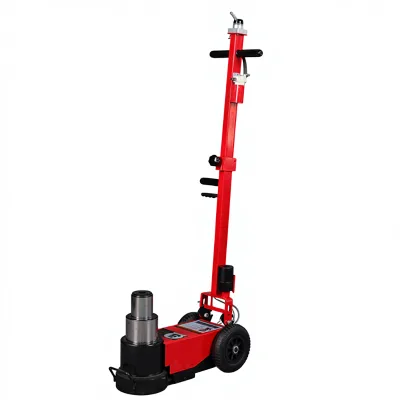
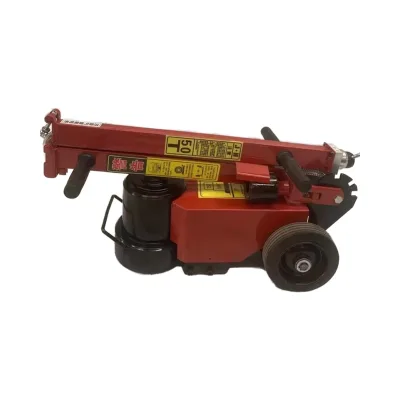
Repair Equipments Tools 80ton 2 Stages Heavy Vehicle Pneumatic Hydraulic Jack
$276.9959 - $301.2458
MOQ: 1 pieces
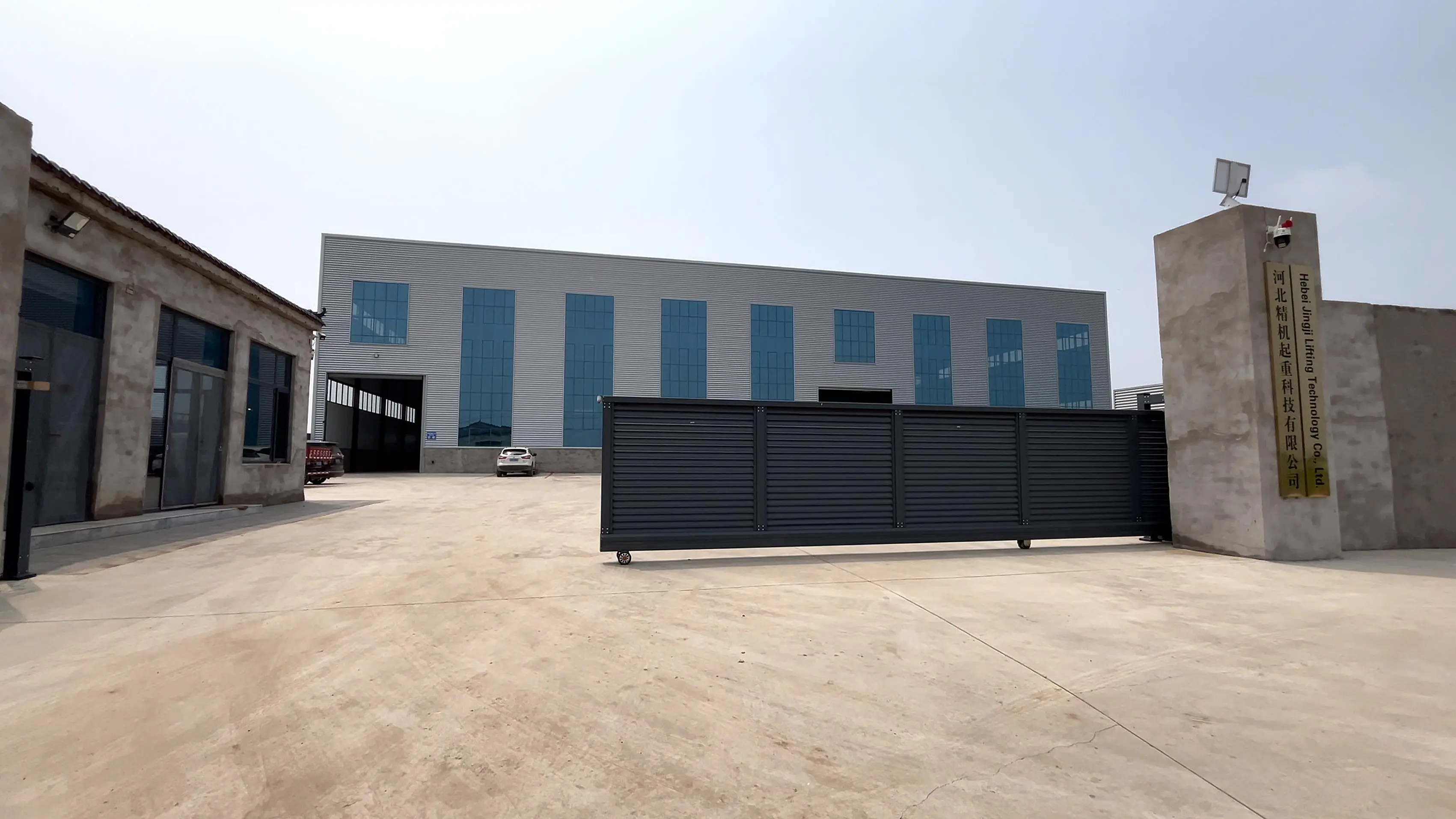
Hebei Jingji Lifting Technology Co., Ltd.
- Manufacturer
- Hebei, China
- Lead time15 days
- Avg. response≤ 1h
Main productsAir Jack,Air Bottle Jack,Floor Jack,Bottle Jack,Tire Changer Machine
Main marketsSoutheast Asia(55.00%), South America(20.00%), Eastern Europe(15.00%), Domestic Market(10.00%)
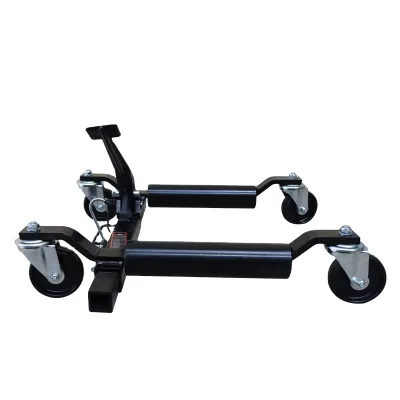
Hydraulic Car Shifter Vehicle Moving Hydraulic Wheel Dolly Go Jack with Best Price
$40.00 - $50.00
MOQ: 10 pieces
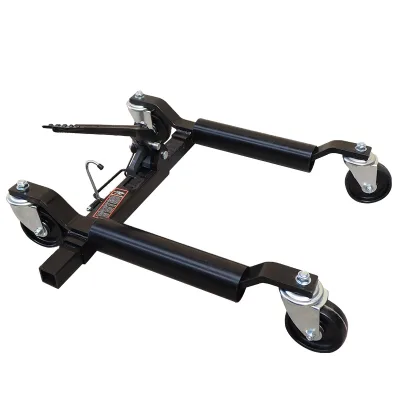
Cars Patented High Quality Trolley Hydraulic Jack Vehicle Positioning Jack Go Jack Set
$240.00 - $250.00
MOQ: 10 pieces
MECHANICAL VEHICLE POSITIONING JACK GO JACK WHEEL DOLLY MOVING DOLLY
$41.0148 - $51.2678
MOQ: 10 pieces
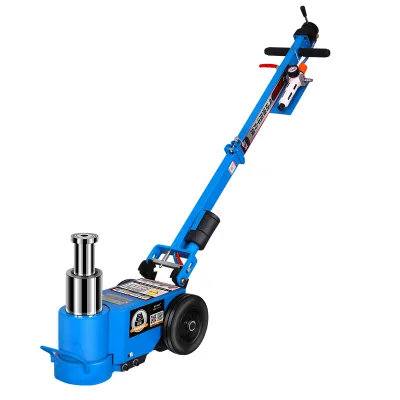
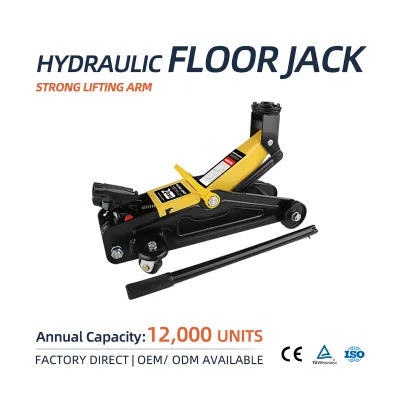
$240.00 - $250.00
MOQ: 10 pieces
Zhejiang Altertool Technology Inc.
- Manufacturer, Trading Company
- Zhejiang, China
- Lead time30 days
- Avg. response≤ 2h
Main productsCar Jack, Car Lift, Shop Press, Motorcycle Tools, Tyre Repair Tools
Main marketsWestern Europe(32.00%), Eastern Europe(32.00%), South America(21.00%), North America(8.00%), Southeast Asia(4.00%), Africa(2.00%), Oceania(1.00%)
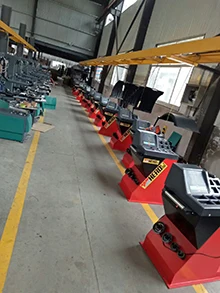
Hebei Zhonghaolian Import And Export Trade Co., Ltd.
- Trading Company
- Hebei, China
- Lead time20 days
- Avg. response≤ 5h
Main productstire repair material and tool,tire valve and valve caps,car jack,tire vulcanizer,wheel weight
Main marketsAfrica(30.00%), South America(20.00%), South Asia(10.00%), Northern Europe(10.00%), Mid East(10.00%), North America(10.00%), Eastern Europe(10.00%)
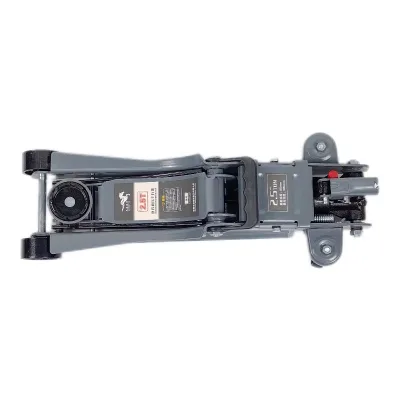
Hydraulic Jack 3t Jack High Performance Lifting and Vehicle Repair Heavy Duty Car Jack
$68.57 - $85.71
MOQ: 10 sets
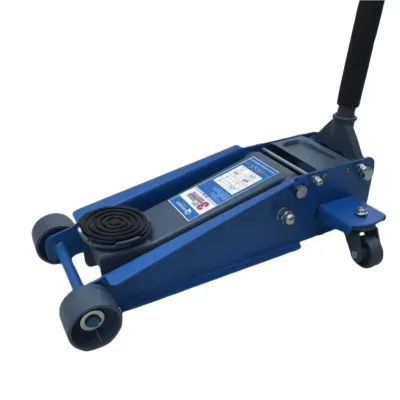
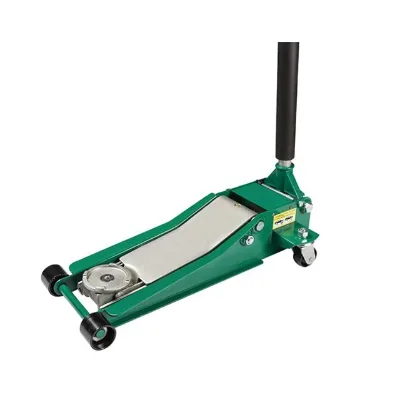
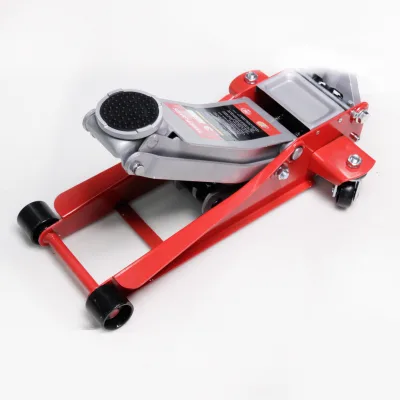
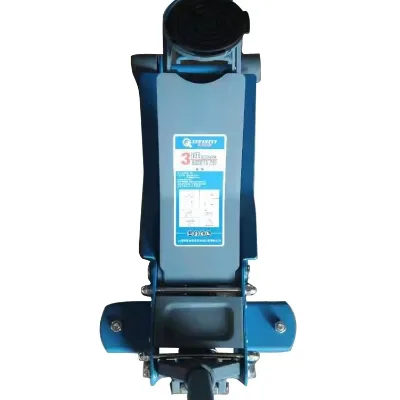
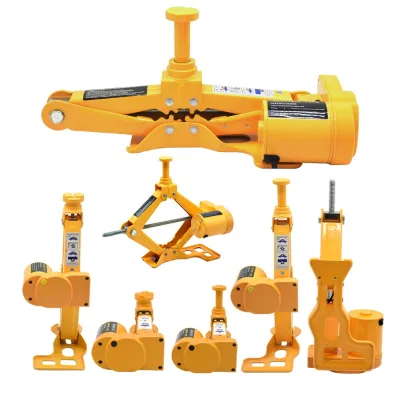
Major 3 t Floor Jack Hydraulic Jack for Cars Car Tire Change Tool Hydraulic Jack for Cars
$47.7483 - $59.6854
MOQ: 10 sets
Guangzhou Karjoys Auto Equipment Co., Ltd.
- Verified by Intertek
- Manufacturer, Trading Company
- Lead time35 days
- Avg. response≤ 2h
Main productsSpray Paint Booth, Dust- free Sanding Machine, Shortwave Infrared Curing Lamp, Car Lift, Tire Changer
Main marketsDomestic Market(20%), North America(15%), Southeast Asia(15%)
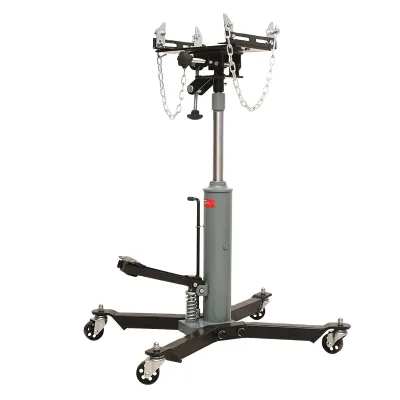
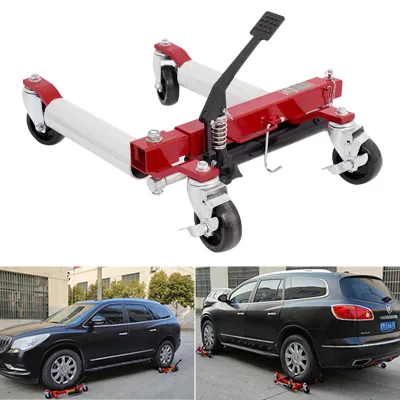
Hydraulic Vehicle Jacks with Tow Dolly Wheel Dolly Easy Position Change Tire Lifter for Car Mover
$275.00 - $290.00
MOQ: 1 sets
Hefei Xilaide Trading Co., Ltd.
- Trading Company
- Anhui, China
- Lead time0 days
- Avg. response≤ 4h
Main productsAutomotive spare parts
Main marketsEastern Asia(50.00%), Eastern Europe(20.00%), Western Europe(10.00%), Mid East(10.00%), Domestic Market(1.00%), South Asia(1.00%), Southern Europe(1.00%), Northern Europe(1.00%), Central America(1.00%), South America(1.00%), Southeast Asia(1.00%), North America(1.00%), Oceania(1.00%), Africa(1.00%)

Yantai Lift Equipment Co., Ltd.
- Trading Company,Manufacturer/Factory
- China Shandong
- Lead time23 days
- Avg. response≤ 4h
Main productsCar Lift, Wheel Alignment, Tire Changer, Wheel Balancer, Auto Diagnostic Scanner, Auto Scanner, Car Jack, Garage Equipment, Auto Diagnostic Tool, Spray Booth
Main marketsSouth America,Eastern Europe,Mid East,North America,Southeast Asia,Eastern Asia,Oceania,Western Europe,Africa


2t Hydraulic Low Position Transmission Jack with CE/Car Positioning Jack/Engine Stand
$416.00 - $462.00
MOQ: 1 Pieces


12 Inch Wheel Dolly/Galvanized and Aluminium/Mechanical Ratchet Type Vehicle Positioning Jack
$105.00 - $120.00
MOQ: 1 Pieces
Hefei Chegongshe Hardware Technology Co., Ltd.
- Verified by Intertek
- Manufacturer, Trading Company
- Lead time7 days
- Avg. response≤ 2h
Main productsJack, Grease Gun, Tool Sets, Dent Repairing Machine, Snow Chain
Main marketsNorth America(20%), South America(20%), Eastern Asia(20%)
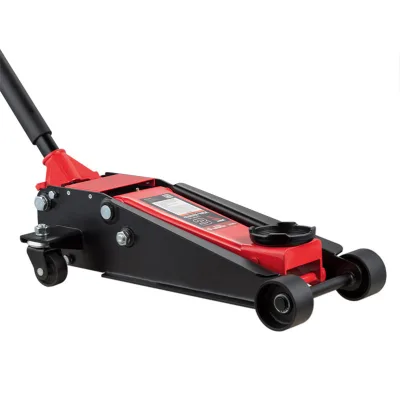
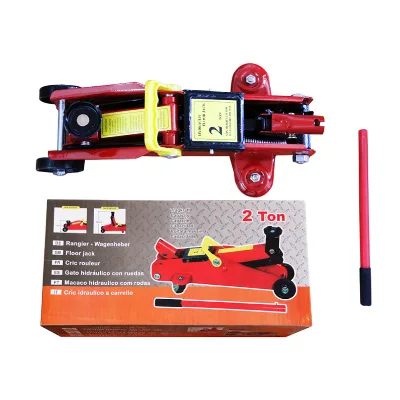
2.5t Floor Jack Positioning Jack Car Wheel Moving Mover Dolly Hydraulic Jack 3 Ton
$43.48 - $50.00
MOQ: 10 pieces
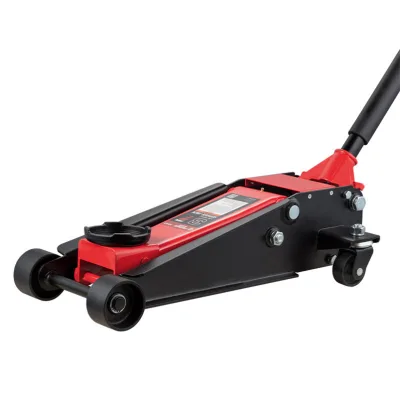
Hot Sale Low Profile Jack Automatic Jack Car Mechanical Jack in the Box Parts
$45.0447 - $51.7992
MOQ: 10 pieces

Haining Lee-Ding Machinery Co., Ltd.
- Trading Company,Manufacturer/Factory
- China Zhejiang
- Lead time30 days
- Avg. response≤ 11h
Main productsJack, Auto Repairing Tools, Motorcycle Lift/Stand, Sandblast Cabint, Parts Washer, Engine Hoist / Stand, Car Lift, Service Carts, Construction Machinery, Auto Tools
Main marketsSouth America,Eastern Europe,Mid East,North America,Southeast Asia,Eastern Asia,Oceania,Western Europe,Africa

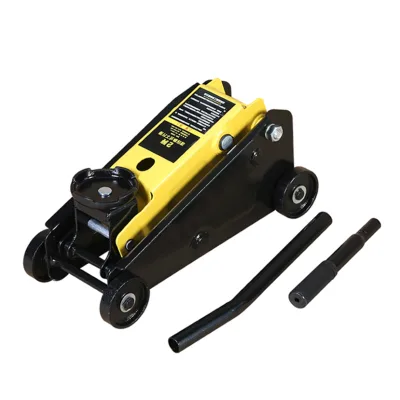
9" Mechanic Car Mechanic Vehicle Positioning Jack, Vehicle Positioning Lift
$1.00 - $100.00
MOQ: 50 Pieces

Jiashan Jiuyuan Precision Tooling Co., Ltd.
- Manufacturer, Trading Company
- Zhejiang, China
- Lead time15 days
- Avg. response≤ 5h
Main productsAuto Tools,Stamping Parts,Agricultural Tools,Truck Accessories,Hydraulic Accessories
Main marketsNorth America(40.00%), South Asia(10.00%), Southern Europe(10.00%), Western Europe(10.00%), Oceania(10.00%), Southeast Asia(10.00%), Eastern Europe(10.00%)
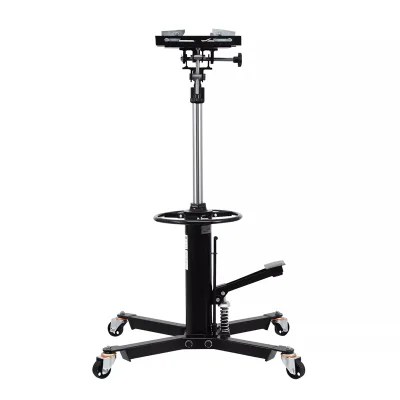
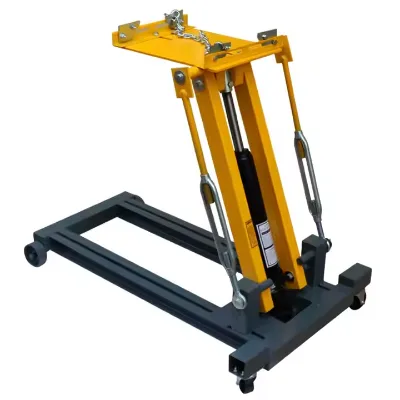
Hydraulic Jack 2T Capacity Vehicle Tools Maximum Height 850mm
$95.00 - $125.00
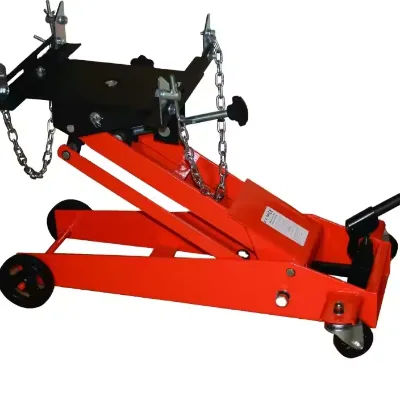
Hot Sale Floor Transmission Jack 0.5T Floor Hydraulic Transmission Jack for Truck Repair Machine
$88.0595 - $98.4188
MOQ: 2 pieces
Hangzhou Changze Trading Co., Ltd.
- Trading Company
- Zhejiang, China
- Lead time25 days
- Avg. response≤ 2h
Main productspaper strainer,wood mixing sticks,paint brush,paint roller,tire cover
Main marketsNorth America(28.00%), South America(20.00%), Northern Europe(8.00%), Eastern Europe(8.00%), Western Europe(6.00%), Southern Europe(6.00%), Eastern Asia(5.00%), Mid East(5.00%), South Asia(3.00%), Oceania(3.00%), Domestic Market(2.00%), Central America(2.00%), Africa(2.00%), Southeast Asia(2.00%)

- Verified by BV
- Combined
- China Shandong
- Lead time30 days
- Avg. response≤ 3h
Main productsParking System, Parking Lift, Car Parking, Automated Parking, Mechanical Parking, Parking Garage, Parking Equipment, Car Elevator, Simple Parking Lift, Car Turntable
Main marketsSouth America,Africa,Southeast Asia/ Mideast,Europe,Australia,North America

Yiwu AODOTOP Machinery Company
- Verified by BV
- Trading Company,Manufacturer/Factory
- China Zhejiang
- Lead time23 days
- Avg. response≤ 3h
Main productsTire Changer, Car Bench, Wheel Alignment, Garage Equipment, Spray Booth, Frame Machine, Car Lift, Auto Repair Equipment, Construction Equipment, Automotive Workshop Equipments
Main marketsSouth America,Eastern Europe,Mid East,North America,Southeast Asia,Eastern Asia,Oceania,Western Europe,Africa

Alignment Car Lifter 4 Post Vehicle Hoist 4 Post Car Lift 4 Post Car Lifts Hydraulic Jack
$1500.00 - $2000.00
MOQ: 1 Pieces


Changshu Evergrande Imp. & Exp. Co., Ltd.
- Verified by TUVRHEINLAND
- Trading Company
- China Jiangsu
- Lead time30 days
- Avg. response≤ 6h
Main productsMetal Etching Panels and Parts, Vegetable Parchment Paper, Tool Carts and Cabinets, Industrial Carpets and Floorings, Spinpack Parts and Accessories
Main marketsEurope
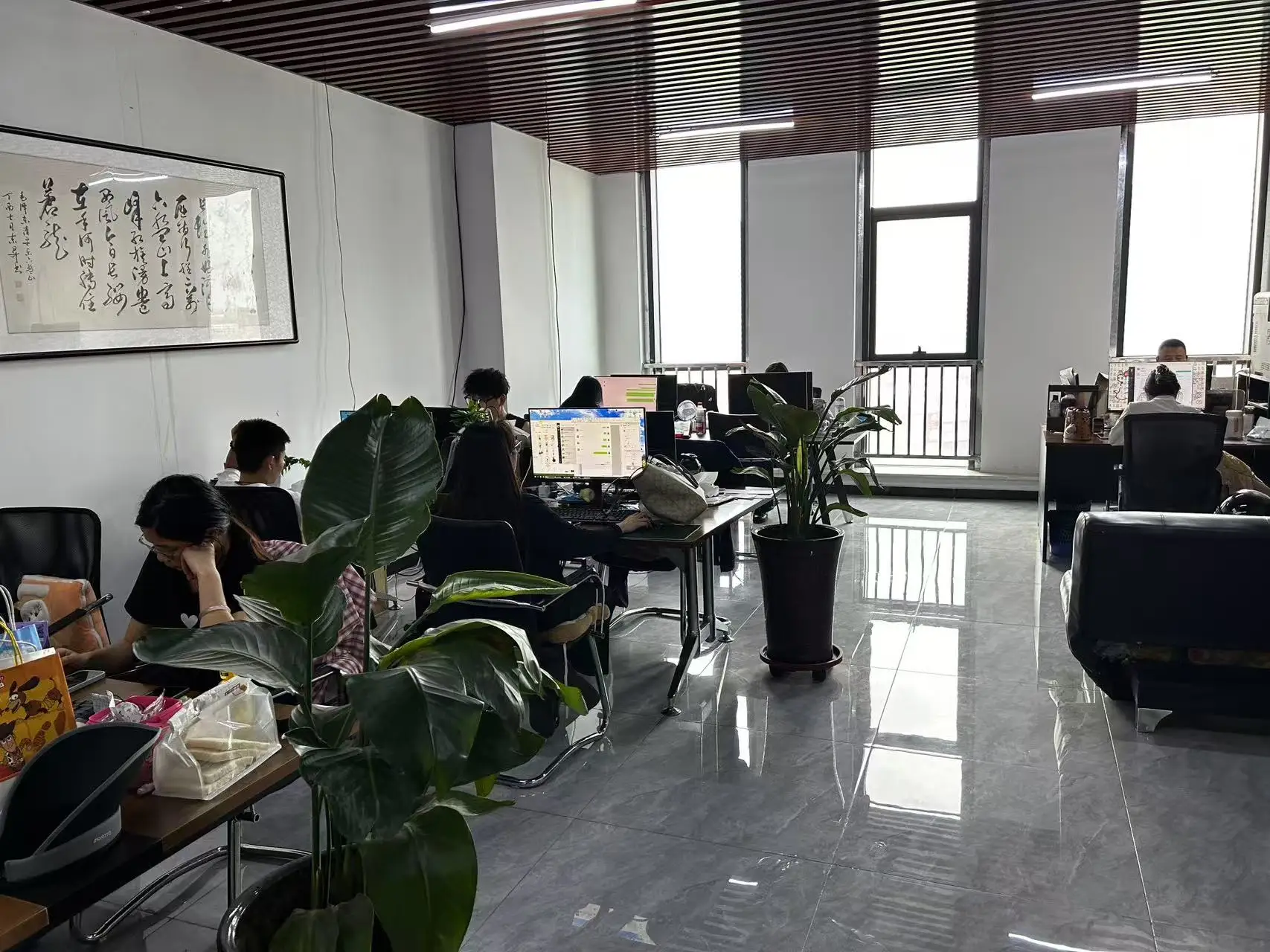
Wuqiang Hongma Tools Manufacture Co., Ltd.
- Verified by SGS Group
- Manufacturer, Trading Company
- Lead time25 days
- Avg. response≤ 2h
Main productsJack Stand, Farm Jack, Car Creeper, Car Ramps, Tool Trolley
Main marketsSouth America(25%), Eastern Europe(25%), North America(20%)
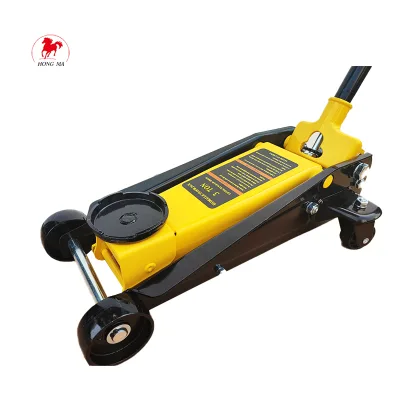
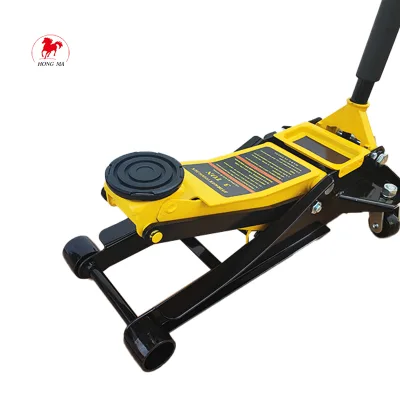
Wholesale3 Ton Manual Hydraulic Car Jack Customized3T Double Pump Floor Jack Low Horizontal Jack
$43.00 - $47.00
MOQ: 100 pairs
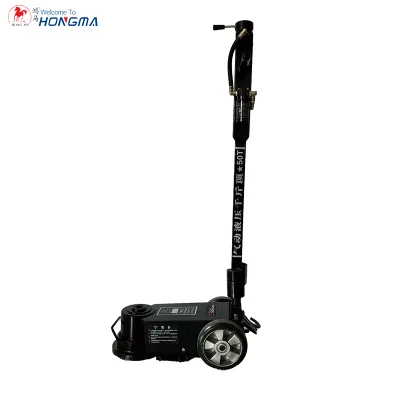
Hebei Baibang Hoisting Machinery Manufacturing Co., Ltd.
- Manufacturer, Trading Company
- Hebei Province, China
- Lead time7 days
- Avg. response≤ 1h
Main productsManufacturing of light and small lifting equipment.,Research and developmentof pneumatic jacks,Manufacturing and sales of lifting tackle,handling vehicleshoists,forklifts
Main marketsDomestic Market(50.00%), Eastern Asia(23.00%), Southeast Asia(16.00%), South Asia(3.00%), Africa(3.00%), North America(3.00%), Mid East(2.00%)
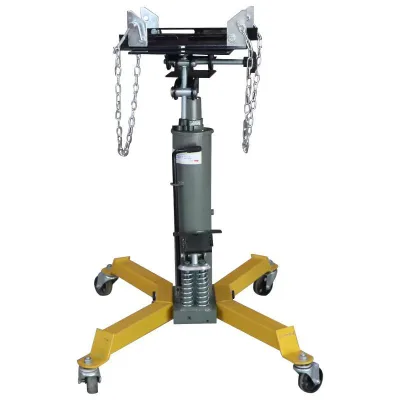
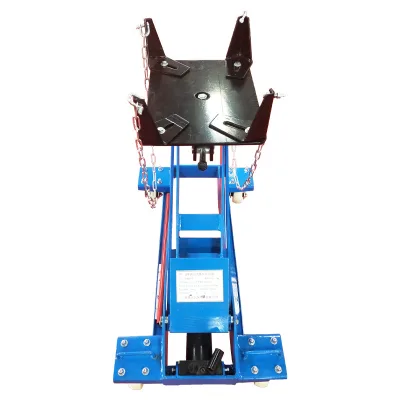
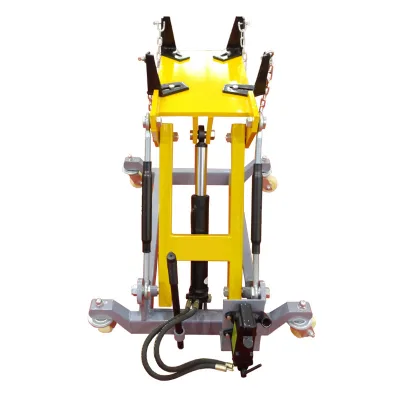
2-Ton Steel Transmission Lift Jack Hydraulic Motor Large Automotive Component Repair Tool
$110.00 - $120.00
MOQ: 1 pieces
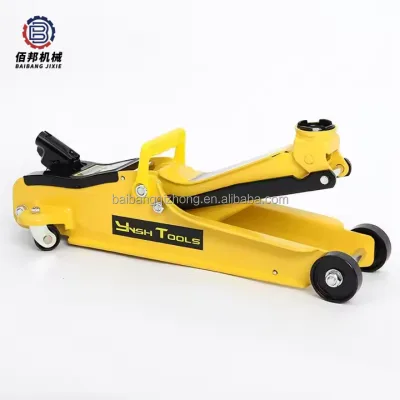


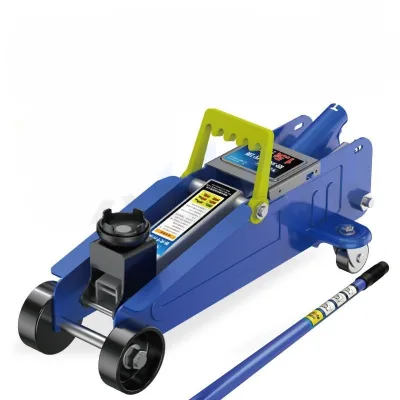
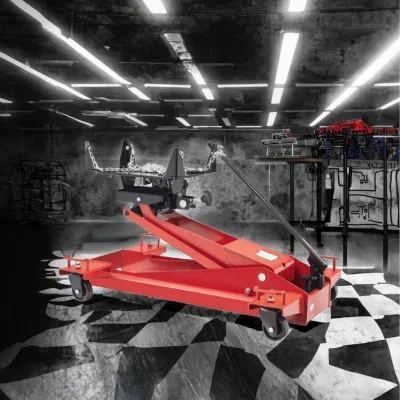
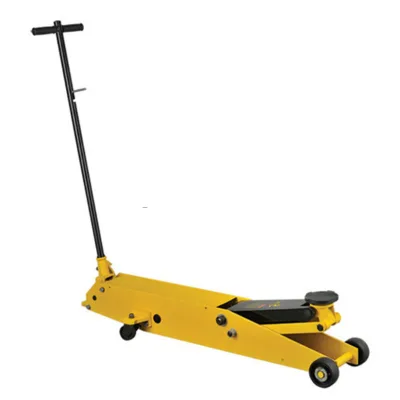
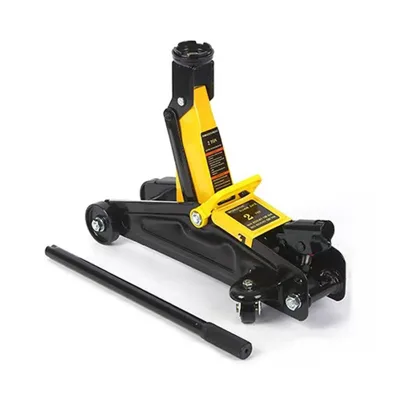
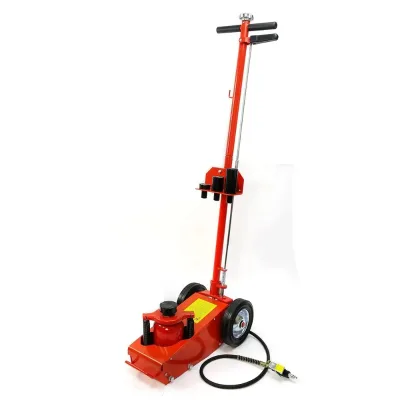
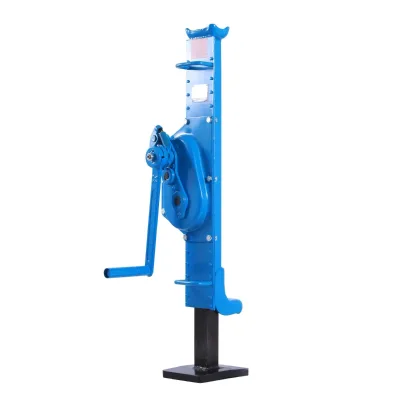


Comprehensive Sourcing Guide
Hydraulic Vehicle Positioning Jack Supplier Concentration and Factory Types
The current supplier landscape for hydraulic vehicle positioning jacks reveals a distinct concentration of manufacturing activity within specific Chinese provinces, with Zhejiang and Anhui emerging as primary hubs for this equipment. Fact-based observations indicate that suppliers in Zhejiang, particularly those in Jiaxing, are actively producing these units, while Anhui-based entities also maintain a significant presence in the sector. These regions host a mix of combined entities that function as both manufacturers and trading companies, offering buyers a diverse range of sourcing options. The presence of these combined company types suggests that some suppliers may manage their own production lines while simultaneously handling distribution, which can influence lead times and customization capabilities.
When evaluating the factory types available, buyers will encounter a spectrum ranging from pure manufacturers to trading companies that aggregate products from various sources. The data shows that some suppliers possess their own brands and offer OEM and ODM services, indicating a capacity for custom engineering and branding. Others operate strictly as trading companies, focusing on the aggregation and logistics of products like hydraulic jacks and wheel dollies. This distinction is critical because a manufacturer with in-house R&D capacity may offer more flexibility for custom specifications, whereas a trading company might provide a broader catalog of existing models. Buyers must verify the actual nature of the entity to ensure alignment with their specific needs for customization or volume procurement.
How to Verify Hydraulic Vehicle Positioning Jack Suppliers
Verification of suppliers in this category relies heavily on third-party audit reports and specific certification markers rather than general reputation. The available data highlights that certain suppliers have undergone rigorous verification processes by recognized bodies such as TÜV Rheinland and SGS. These verifications serve as a primary indicator of a supplier's operational legitimacy and adherence to safety standards. Additionally, system certifications like ISO 9001 are explicitly listed for some manufacturers, confirming that their quality management systems meet international benchmarks. Buyers should prioritize suppliers who display these specific verification badges and certification documents, as these are tangible proofs of compliance rather than self-claimed assertions.
Beyond external audits, buyers must scrutinize the product-specific attributes and certifications listed in the supplier's catalog to ensure they match the intended application. For instance, the presence of CE certification on hydraulic jacks is a common requirement for market access in many regions, and some suppliers also list ISO certification alongside CE. It is essential to confirm that the certification applies to the specific model being sourced, as some listings may show general company certifications that do not cover every product variant. Furthermore, the response time metrics provided in supplier profiles, such as the 2.78-hour or 4.12-hour averages, can serve as a proxy for operational responsiveness and reliability. A supplier with a documented, fast response time is often better equipped to handle urgent inquiries and complex verification requests during the sourcing process.
What to Compare Across Hydraulic Vehicle Positioning Jack Suppliers
When comparing potential partners, the most critical differentiators are lead times, minimum order quantities, and response speeds, as these directly impact supply chain efficiency. The data indicates a significant variance in lead times, with some suppliers offering a 30-day turnaround while others require up to 60 days. Similarly, minimum order quantities range widely, from 50 units for certain durable models to 1000 units for others, forcing buyers to align their order volume with supplier constraints. Response times also vary, with some suppliers averaging under three hours while others take over four hours to reply. These metrics must be weighed against the buyer's urgency and inventory strategy to determine the most suitable partner for the specific project timeline.
Product specifications and pricing structures provide another layer of comparison that is essential for making an informed decision. The catalog data reveals that hydraulic vehicle positioning jacks come in various capacities, such as 1500lbs or 1-10T, and feature different maximum heights and roller lengths. Prices fluctuate based on these specifications, with some models listed between $42 and $46, while others range from $45 to $59. Buyers should also note the packaging standards, which vary from simple cartons to color boxes or metal boxes, as this affects shipping costs and product protection. Additionally, the availability of customization options, such as OEM branding or specific color requirements, should be compared across suppliers to ensure the final product meets the buyer's unique market requirements without incurring unnecessary costs.
Common Hydraulic Vehicle Positioning Jack Sourcing Risks
One of the primary risks in sourcing hydraulic vehicle positioning jacks involves the discrepancy between claimed capabilities and actual production capacity. While some suppliers list extensive R&D capabilities including ODM and OEM services, others may only offer standard models with limited customization. This gap can lead to delays or quality issues if a buyer assumes a supplier can produce a custom design when they only have the capacity for standard inventory. Furthermore, the variation in lead times, ranging from 30 to 60 days, introduces a risk of supply chain disruption if the buyer does not account for the longer production cycles of certain manufacturers. Relying on a supplier with a longer lead time without a buffer can result in stockouts and missed delivery windows.
Another significant risk pertains to the consistency of product certifications and safety standards across different batches. Although many suppliers list CE and ISO certifications, the specific application of these standards to every unit produced must be verified. There is a risk that a supplier might claim broad certification coverage while specific product models lack the necessary testing or compliance documentation. Additionally, the variation in packaging standards, from neutral packing to color boxes, can lead to confusion regarding product protection during transit. If a buyer does not explicitly specify packaging requirements, they may receive goods in inadequate packaging, leading to damage. Buyers must ensure that all safety and quality claims are backed by verifiable documentation for the specific models they intend to purchase.
Hydraulic Vehicle Positioning Jack Regional Sourcing and Logistics
The regional concentration of suppliers in Zhejiang and Anhui provinces offers logistical advantages but also presents specific challenges regarding shipping and customs. Suppliers in Jiaxing, Zhejiang, are noted for their production of hydraulic jacks, while Anhui-based entities also contribute to the supply pool. This geographic clustering can facilitate faster communication and potentially lower inland transportation costs to major ports. However, buyers must account for the specific origin details listed in product attributes, such as "Jiaxing" or "China," to accurately calculate freight costs and transit times. Understanding the precise location of the factory is crucial for estimating the total landed cost, as different regions may have varying port access and shipping rates.
Logistics planning must also consider the specific packaging and weight specifications provided in the product data to optimize container loading. The data shows that hydraulic jacks have varying net and gross weights, with some models weighing around 18kg to 19.8kg, and dimensions that affect how many units fit per container. For instance, some products are packed in cartons with specific measurements like 686222cm, while others use color boxes with different dimensions. These variations directly impact the number of units that can be shipped in a single container, influencing the overall shipping cost per unit. Buyers should request detailed packing lists and dimensions from suppliers to ensure efficient container utilization and to avoid unexpected freight charges that could erode profit margins.
Hydraulic Vehicle Positioning Jack Commercial Terms and Order Planning
Commercial terms for hydraulic vehicle positioning jacks vary significantly based on the supplier's capacity and the specific product model selected. Minimum order quantities are a critical factor, with some suppliers requiring orders as low as 50 units, while others mandate volumes of 1000 units. This disparity requires buyers to carefully assess their inventory needs and cash flow before committing to an order. Additionally, pricing structures are not uniform; some models are priced at a fixed rate, while others have a range, such as $49 to $59. Buyers must clarify whether the quoted price includes all necessary certifications and packaging or if these are additional costs that will affect the final landed price.
Order planning must also account for the sample availability and customization lead times to ensure the product meets quality expectations before full-scale production. Many suppliers indicate that samples are available, which allows buyers to verify product quality and specifications prior to placing a large order. However, the lead time for custom orders may differ from standard production times, potentially extending the overall timeline. Buyers should confirm the sample lead time and the production lead time for customized units to create a realistic project schedule. Furthermore, understanding the warranty terms, such as the two-year guarantee mentioned for some models, is essential for long-term planning and risk management. Clear communication regarding these terms ensures that both parties have aligned expectations for the order lifecycle.
FAQs
What is the price range for hydraulic vehicle positioning jacks?
Prices typically range from $15.23 to $59.00 per unit depending on specifications. Lower-cost options around $15.23 are available for basic models with higher minimum order quantities. Premium hydraulic jacks with features like higher load capacity or specific certifications generally cost between $42.00 and $59.00.
What certifications are available for these hydraulic jacks?
Common certifications include CE and ISO 9001. Some products display both ISO 9001 and CE marks, indicating compliance with international quality and safety standards. Buyers should verify specific certification requirements with suppliers, as availability varies by manufacturer and product model.
What are the typical lead times for these products?
Lead times generally range from 30 to 60 days. Suppliers in Zhejiang may offer faster turnaround times around 30 days, while those in Anhui might require up to 60 days for production and shipping. Confirm exact timelines with your chosen supplier before placing orders.
What is the minimum order quantity for hydraulic jacks?
Minimum order quantities vary significantly, ranging from 50 to 1000 units. Some suppliers accept orders as low as 50 pieces, while others require 100 or 1000 units. Check specific product listings for exact MOQ requirements to ensure they align with your purchasing volume.
Where are these hydraulic jacks manufactured?
Manufacturing locations primarily include Zhejiang and Anhui provinces in China. Specific origins may also be listed as Jiaxing or generally as China. Buyers can filter suppliers by these regions to prioritize local logistics or specific manufacturing capabilities when sourcing hydraulic vehicle positioning jacks.
What load capacities are available for these jacks?
Load capacities typically range from 1 to 10 tons. Specific models may be rated for 1500 lbs, which is approximately 0.75 tons. Always verify the exact capacity for your vehicle type, as specifications vary by model and manufacturer to ensure safe lifting operations.