Hydrophobic Ceramic Car Shampoo Suppliers and Manufacturers
Explore 22 verified options for Hydrophobic Ceramic Car Shampoo from manufacturers and trading companies in Taiwan, China, and Guangdong. Compare response times, lead times, certifications, and MOQs to find the right partner. Contact suppliers directly to request samples and confirm customization details.
Suppliers List
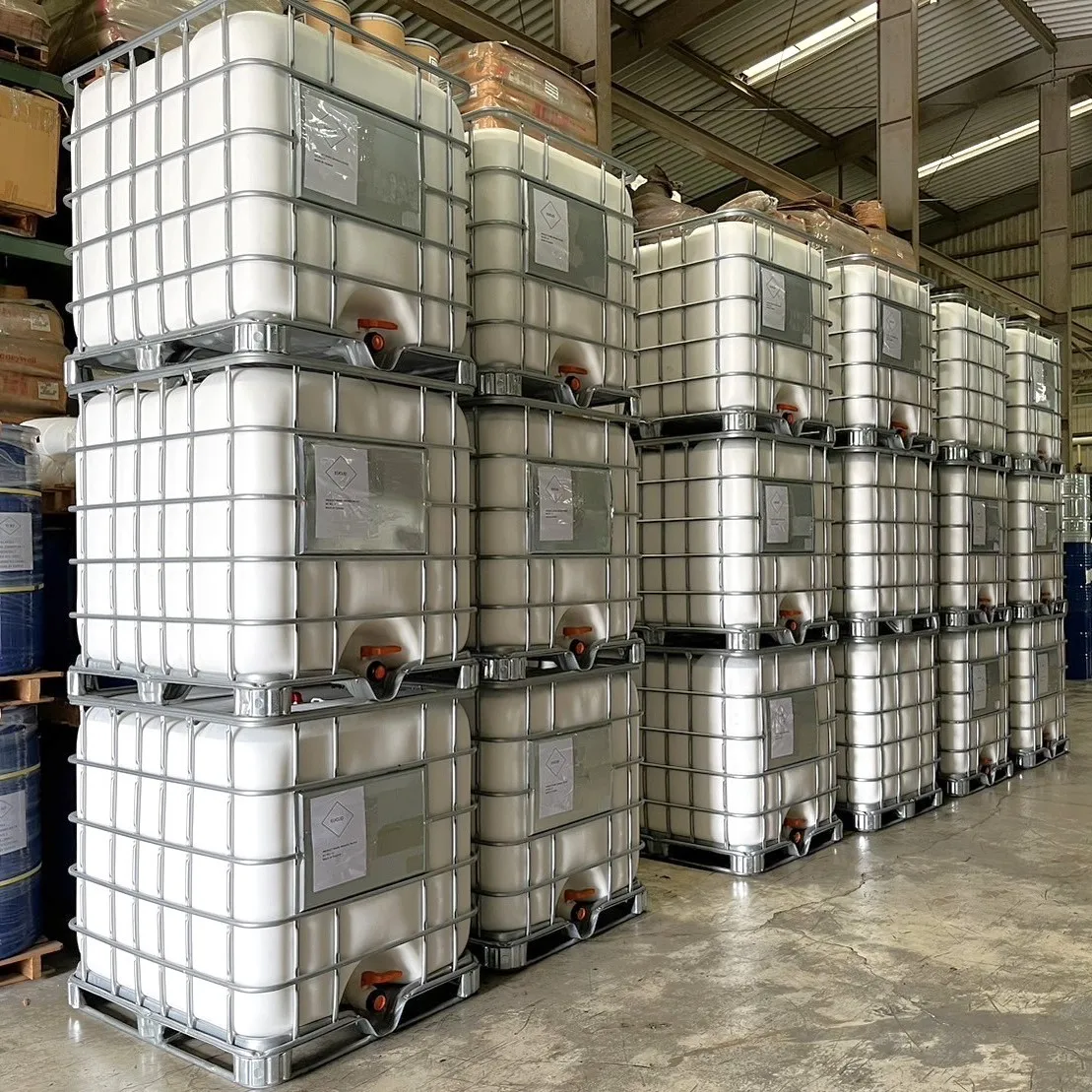
- Manufacturer
- Taiwan, China
- Lead time7 days
- Avg. response≤ 8h
Main productsCar Care Chemical,Building Maintenance Chemicals,Specialty Chemical
Main marketsSouth America(39.0%), Eastern Asia(16.0%), North America(16.0%), Central America(11.0%), South Asia(6.0%), Oceania(6.0%), Southeast Asia(6.0%)
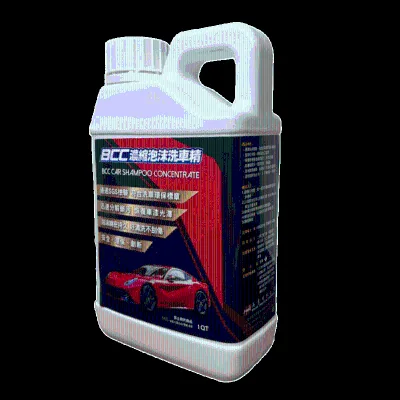
$0.09 - $0.13
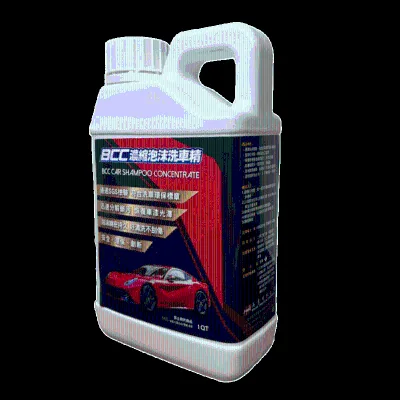
Contact supplier
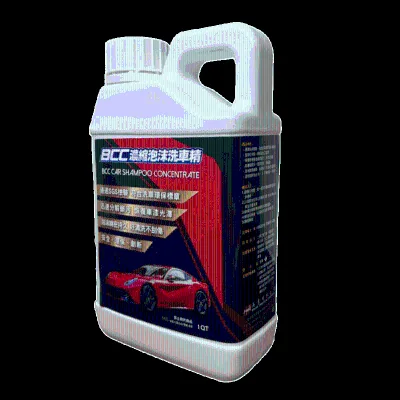
Contact supplier
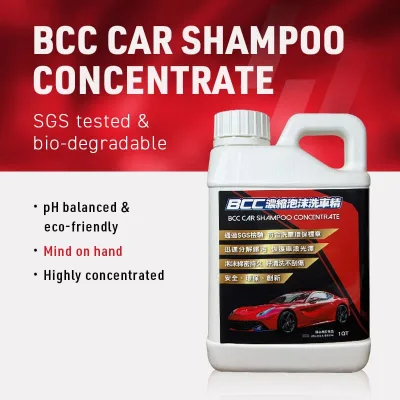
Premium Car Wash Shampoo Product Category Fluid and Chemicals
Contact supplier
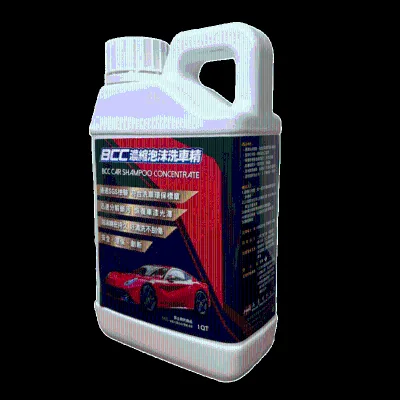
Ecological Car Shampoo Eco-Friendly Fluid and Chemicals Product
Contact supplier
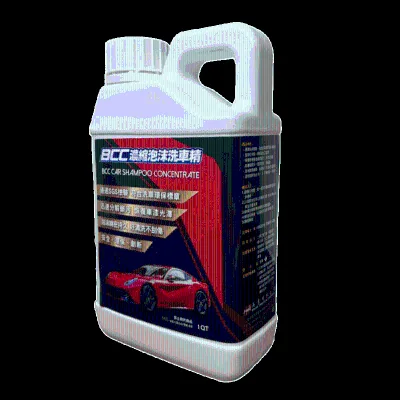
Customized Car Shampoo Premium Fluid & Chemicals Product
Contact supplier

Shanghai Anma Industry Co., Ltd.
- Trading Company
- China Shanghai
- Lead time30 days
- Avg. response≤ 4h
Main productsCar Accessories, Car Spare Parts, Car Tools, Car Interior Accessories, Car Exterior Accessories, Car Electrical Accessories, Car Lights, Car Mirror, Car Emergency Kits, Car Care Products
Main marketsSouth America,Others(foreignTradeCapacity.exportBusinessCapacityMarketOther),Southeast Asia/ Mideast,Europe,North America

Guangzhou Veslee Chemical Co., Ltd.
- Verified by TUVRHEINLAND
- Combined
- China Guangdong
- Lead time30 days
- Avg. response≤ 7h
Main productsCar Care Products, Car Cleaning Products, Auto Maintenance, Aerosol Paint, Atuo Cosmetic, Auto Cleaning Products, Auto Care Products, Home Care and Cleaning Products, Household Products, Auto Washes
Main marketsSoutheast Asia/ Mideast

Shanghai Huaqi Industrial Co., Ltd.
- Verified by TUVRHEINLAND
- Trading Company
- China Shanghai
- Lead time15 days
- Avg. response≤ 6h
Main productsCar Mats, Seat Cover, Car Cover, Wiper Blade, Air Compressor, Steering Wheel Cover, Car Lock, Baby Mirror, Car Jack, Racing Seat
Main marketsSouth America,Africa,Southeast Asia/ Mideast,Europe,Australia,North America

Guangzhou Flamingo Car Care Tech Co., Ltd.
- Verified by BV
- Trading Company
- China Guangdong
- Lead time30 days
- Avg. response≤ 3h
Main productsCar Care Products, Car Wax, Foam Cleaner, Tire Foam, Carburetor Cleaner, Brake Cleaner, De-Rust, Wheel Cleaner, Tire Shine, Rubber Spray
Main marketsSouth America,Africa,Others(foreignTradeCapacity.exportBusinessCapacityMarketOther),Southeast Asia/ Mideast,Europe
Shanghai Anma Industry Co., Ltd.
- Trading Company
- Lead time旺季: "1 - 500":25,"501 - 5000":30,"5001 - 10000":35,"> 10000":"To be negotiated", 淡季: "1 - 500":25,"501 - 5000":30,"5001 - 10000":35,"> 10000":"To be negotiated"
- Avg. response≤ 6h
Main productsInteriror Accessories,Exterior Accessories,Electrical Accessories,Car Tools,Car Lighting
GuangZhou Baoshini Car Accessory Co.,Ltd.
- Verified by Intertek
- Manufacturer, Trading Company
- Lead time15 days
- Avg. response≤ 5h
Main productsCar Cleaning And Care Products, Nano Ceramic Coating, Graphite Ceramic Coating
Main marketsDomestic Market(55%), Mid East(20%), Southeast Asia(10%)

Huizhou Best Festivel Articles Co., Ltd.
- Manufacturer
- China Guangdong
- Lead time30 days
- Avg. response≤ 18h
Main productsParty String, Snow Spray, Coloured Hair Spray, Air Horn, Deodorizing Body Spray, Areosol Insecticide, Paint Spray, Dashbroad Polish, Car Care Product
Main marketsSoutheast Asia/ Mideast,Europe,North America
Guangzhou Yicheng Network Technology Co., Ltd.
- Trading Company
- Guangdong, China
- Lead time10 days
- Avg. response≤ 4h
Main productsCeramic Coatings, Automotive Cleaners, Waxes, Polishes, Clay Bars
Main marketsNorth America(70.0%), Eastern Europe(10.0%), Oceania(5.0%), Western Europe(5.0%), Southern Europe(5.0%), Northern Europe(5.0%)
Guangzhou Glenby Technology Co., Ltd.
- Verified by TüVRheinland
- Manufacturer, Trading Company
- Lead time15 days
- Avg. response≤ 2h
Main productsCeramic Coating, Tire Shine, Car Shampoo, Car Polish, Car Wax
Main marketsDomestic Market(38%), Mid East(20%), Africa(10%)
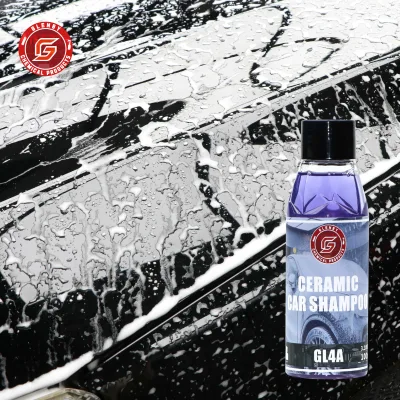
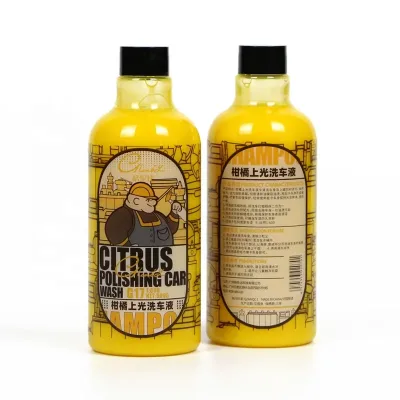
.Car Wash Shampoo Wax Snow Foam NEW Hydrophobic Car Clean 2L Ceramic Shampoo Car Care Product G17
$2.38 - $3.30
MOQ: 1 pieces

Sino Star Automotive Equipment Co., Ltd.
- Verified by BV
- Trading Company
- China Jiangsu
- Lead time23 days
- Avg. response≤ 3h
Main productsCar Wash Machine, Car Lift, Tire Changer, Wheel Balancer, 3D Wheel Alignment, Blue-Point Tools, Car Wash Shampoo, Hydraulic Jacks, Car LED Light
Main marketsSouth America,Southeast Asia/ Mideast,Domestic,Europe,Australia
Guangdong Nuojie Fine Chemical Group Co., Ltd.
- Verified by TüVRheinland
- Manufacturer, Trading Company
- Lead time0 days
- Avg. response≤ 5h
Main productsCeramic Coating, Car Wax, Polishing Compounds, Car Cleaner
Main marketsNorth America(18%), Southeast Asia(18%), Mid East(15%)
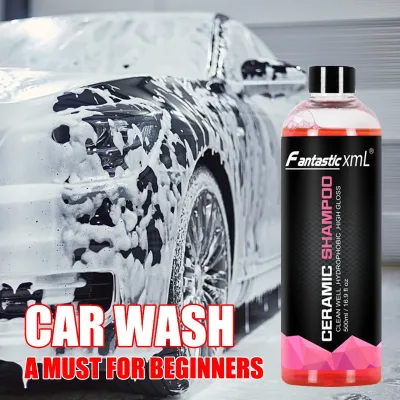
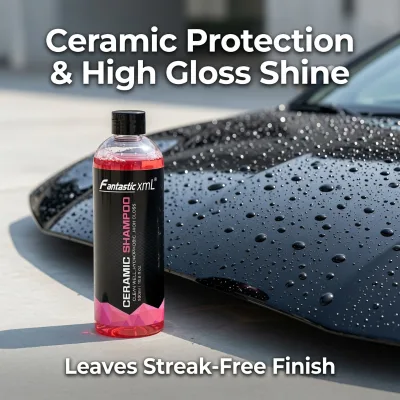
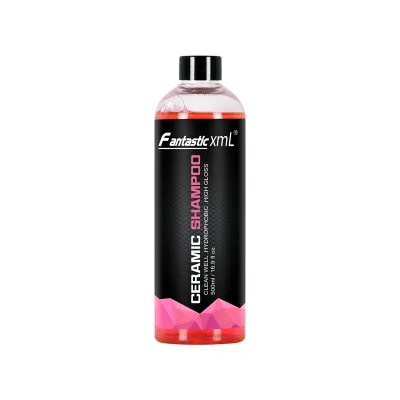
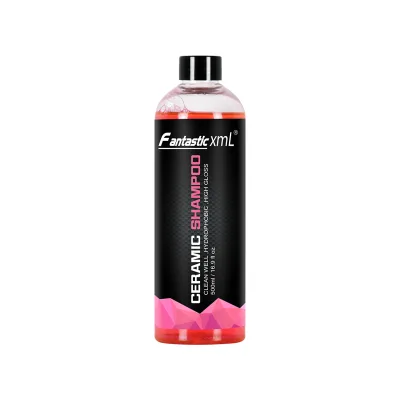
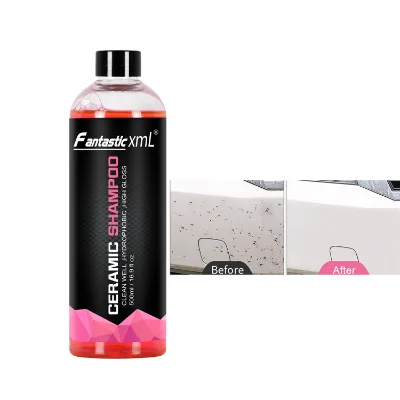
Wholesale Price Rich Foaming Car Detailing Shampoo Snow Foam Car Wash Shampoo for Cars
$2.36 - $3.59
MOQ: 50 pieces

Guangdong Maydos Building Materials Limited Company
- Combined
- China Guangdong
- Lead time15 days
- Avg. response≤ 17h
Main productsWood Paint, Wood Lacquer, Furniture Paint, Emulsion Paint, Adhesive, Wood Coating, Contact Adhesive, All-Purpose Adhesive, Acrylic Paint, Epoxy Floor Paint
Main marketsSouth America,Africa,Others(foreignTradeCapacity.exportBusinessCapacityMarketOther),Southeast Asia/ Mideast,East Asia(Japan/ South Korea),Domestic,Europe,Australia,North America


Multifunctional Cleaning Foam Car Shampoo 650ml with Spray Bottles & Safe Formula
$0.50 - $1.20
MOQ: 2000 Pieces
Guangzhou Everblue Technology Co., Ltd.
- Verified by SGS Group
- Manufacturer, Trading Company
- Lead time7 days
- Avg. response≤ 1h
Main productsAdBlue (DEF, AUS40, Anticrystallization Urea Solution), Antifreezing Solution, car wash wax, AdBlue Dispensers, Diesel Transfer Fuel Pump
Main marketsDomestic Market(40%), Southeast Asia(15%), Africa(15%)
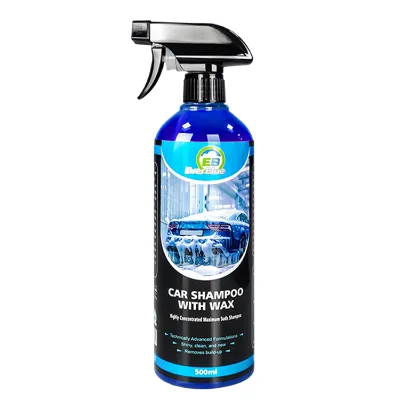
Automatic Car Wash Shampoo 500 Ml Shampoo Car Foam Shampoo Gallon Car Wash Cleaner
$0.68 - $0.89
MOQ: 2000 pieces
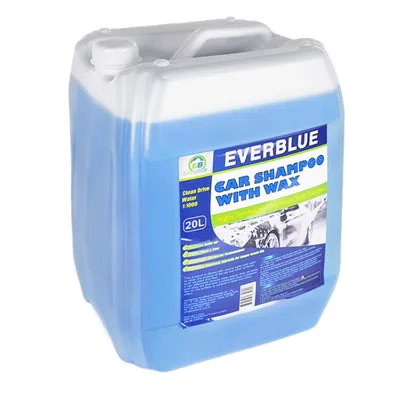
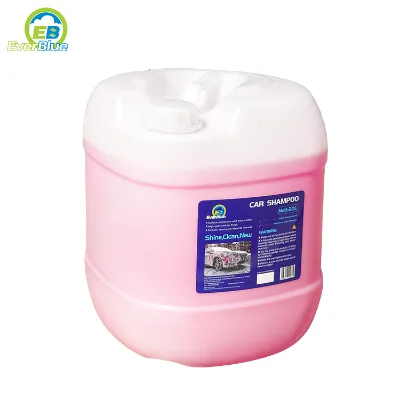
Car Wash Shampoo Pink Color Durable PE Chemical Grade Barrel 20L Good Cleaning Performance
$10.93 - $11.34
MOQ: 100
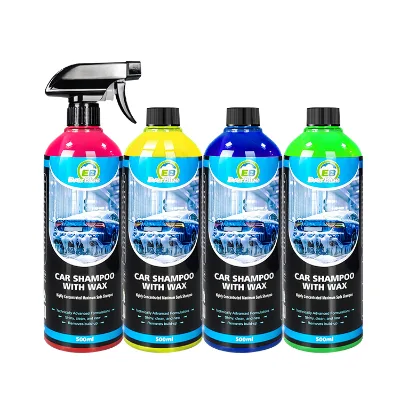

Zhongshan Tekoro Car Care Industry Co., Ltd.
- Verified by TUVRHEINLAND
- Manufacturer/Factory
- China Guangdong
- Lead time23 days
- Avg. response≤ 25h
Main productsSpray Paint, Car Care Products, Spray Lubricant, Fuel Additive, Auto Parts Cleaner, Car Wax, Dashboard Polish, Car Cleaner, Tire Sealer and Inflator, PVA Chamois Cloth
Main marketsSouth America,Eastern Europe,Mid East,North America,Eastern Asia,Oceania,Western Europe,Africa

Hangzhou Zonki New Materials Co., Ltd.
- Verified by BV
- Trading Company
- China Zhejiang
- Lead time30 days
- Avg. response≤ 2h
Main productsAir Freshener, Detergent, AC Cleaner, Carburetor Cleaner, Rust Remover & Lubricant, Brake & Parts Cleaner, Refrigerant Gas, PU Sealant, Spray Paint, Engine Degreaser
Main marketsNorth America

$1.11 - $1.34
MOQ: 3000 Bottles

Deep Cleaning Car Body Residue-Free Clean Car Finish Car Cleaning Product Foam Shampoo
$1.43 - $1.88
MOQ: 100 Pieces


$1.43 - $1.88
MOQ: 100 Pieces

Guangzhou Chejiabao Auto Products Co., Ltd.
- Manufacturer, Trading Company, Buying Office
- Guangdong, China
- Lead time15 days
- Avg. response≤ 2h
Main productscar wax,Nano ceramic coating,Cleaning agent,Curing agent,Abrasive coating
Main marketsNorth America(30.0%), South Asia(20.0%), Southeast Asia(20.0%), Central America(20.0%), Mid East(5.0%), South America(5.0%)

Zhongshan Michel Chemicel Co., Ltd.
- Verified by BV
- Combined
- China Guangdong
- Lead time23 days
- Avg. response≤ 8h
Main productsTire Sealant Aerosol Paint Industrial Glue and
Main marketsDomestic

Guangzhou W&X Chemical Co., Ltd
- Verified by CTI
- Combined
- China Guangdong
- Lead time23 days
- Avg. response≤ 4h
Main productsBrake Fluid, Clearing Agent, Table Wax, Washing Liquid
Main marketsSoutheast Asia/ Mideast,Domestic,Europe

OEM/ODM Detergent Powerful Foam Glass Wash 500ml Deep Cleaning Car Shampoo
$0.80 - $0.95
MOQ: 1200 Pieces

Custom Logo Car Wash Cleaning Agent Detergent Powerful Foam Glass Shampoo
$0.80 - $0.95
MOQ: 1200 Pieces

SANVO Fine Chemicals (Guangdong) Technology Limited
- Verified by SGS
- Combined
- China Guangdong
- Lead time23 days
- Avg. response≤ 2h
Main productsSpray Paint, Paint, Chrome Paint, Graffiti Spray Paint, Car Care, Car Cleaner, Foam Cleaner, Brake Cleaner, Anti Rust Lubricant, Carburetor Cleaner
Main marketsSouth America,Southeast Asia/ Mideast,Domestic
Guangzhou Henschel&ub Chemical Technology Co., Ltd.
- Verified by SGS Group
- Manufacturer, Trading Company
- Guangdong, China
- Lead time0 days
Main productsEV coolant, Engine internal cleaner, Fuel system cleaner, Chassis undercoating, Brake cleaner
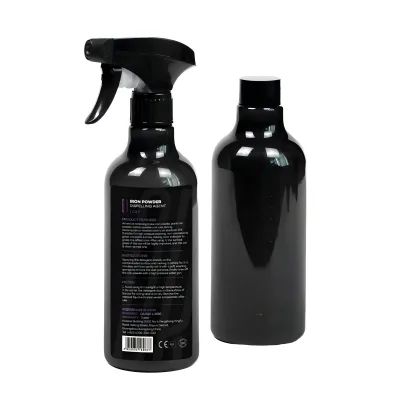
Wax Integrated Ceramic Car Wash Shampoo-Neutral pH Concentrate for Car Body Surface Blue
$1.10 - $2.20
MOQ: 1000
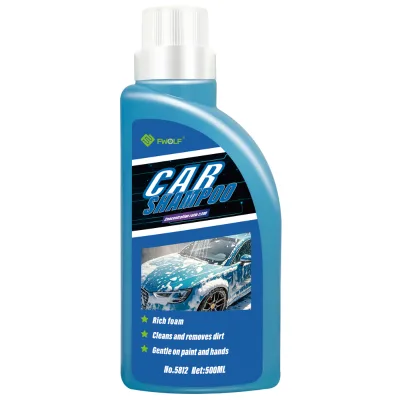
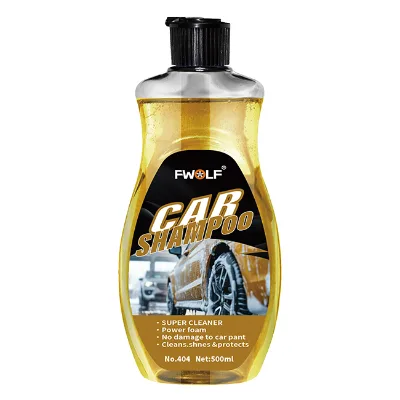
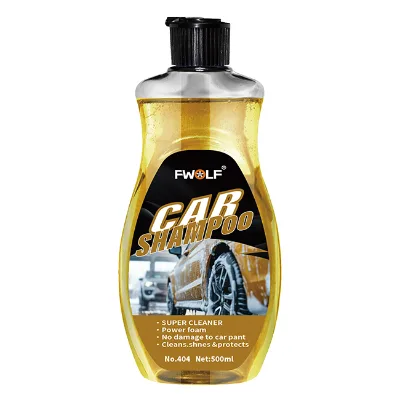
Super Cleaner Power Foam Car Shampoo No-Damage Auto Protectant With Spray Feature
Contact supplier
MOQ: 120
Guangdong Sanvo Chemical Industry Technology Limited
- Verified by Intertek
- Manufacturer, Trading Company
- Lead time0 days
- Avg. response≤ 2h
Main productsSpray Paint, Car Care Products, RTV and PU Sealant, Lubricant Oil, Cleaner and Wash
Main marketsDomestic Market(85%), South America(3%), Oceania(3%)


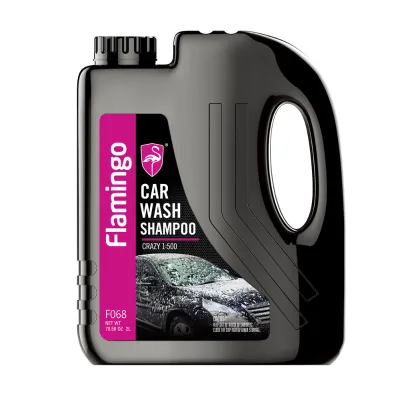

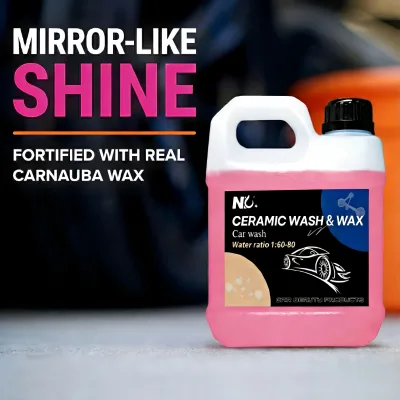




![Europe's Best Seller - Xtreme Ceramic Shampoo - Adds Hydrophobic Protection - Car Wash for Wax & Coatings [Scented]](https://file.focusaim.com/api/image/preview/48a1f3724fc9a3e535bdff61e407182a.png?bi=true&local=true)


Comprehensive Sourcing Guide
Hydrophobic Ceramic Car Shampoo Supplier Concentration and Factory Types
Listings for Hydrophobic Ceramic Car Shampoo and adjacent wash chemicals in the current supplier pool cluster around three sourcing geographies: Taiwan, China; China Shanghai; and China Guangdong. The Taiwan-based entry is a manufacturer whose main products include car care chemicals, building maintenance chemicals and specialty chemicals, which signals genuine formulation capability for chemically layered products like ceramic-infused shampoo. The Shanghai entry is a trading company spanning car accessories, spare parts, tools, interior and exterior accessories, lights, mirrors, emergency kits and car care products, which points to a catalog-wide sourcing model rather than in-house chemistry. The Guangdong entry is a combined-type business focused on car care, cleaning products, aerosol paint, auto cosmetic and household products, and it holds ISO9001:2015 and ISO14001:2015 certificates with third-party verification by TÜV Rheinland, alongside an ODM research capability.
These three archetypes — dedicated manufacturer, broad trading company, and combined manufacturer-exporter — shape what you can realistically source. A manufacturer listings pattern such as the Taiwan supplier's, whose products include concentrated, eco-friendly and biodegradable shampoo formulas with OEM/ODM and private label services available, suits buyers building their own branded line. A trading company such as the Shanghai listing can aggregate related car care SKUs into mixed containers, useful for distributors. A combined Guangdong manufacturer with declared ODM capacity and ISO system certificates fits buyers needing formalized quality systems. Do not assume any given result page shows all of these types; always check the company-type label and main-product list before shortlisting.
How to Verify Hydrophobic Ceramic Car Shampoo Suppliers
Verification starts with the labels the platform actually displays, not with assumptions. For the Guangdong combined-type supplier, the listing shows ISO9001:2015 and ISO14001:2015 system certificates and a TÜV Rheinland verification badge — ask for the underlying certificate numbers and scope so you can confirm they cover the chemical production site, not just a head office. For any manufacturer claiming formulation capability, request proof that the specific hydrophobic ceramic shampoo is produced in-house: batch mixing records, a declared chemist or R&D function, and samples with the ceramic/hydrophobic claims tested on your own panels. The Taiwan manufacturer's product attributes state OEM/ODM and private label services are available, which only matters if the factory can substantiate its own formulation work.
Then validate product-level declarations. The Taiwan listings declare a dilution of up to 300 times, a 2-year shelf life in original packaging, and 1QT of concentrate covering roughly 30 cars — all of which should appear verbatim on your spec sheet and final label. The Shanghai trading listings declare a neutral pH and "without dewaxing" chemistry, so request the pH test report and confirm neutrality on a certificate of analysis for each production lot. Ask every candidate for MSDS/SDS documents, ingredient disclosure to the level your market requires, and any biodegradability or eco-claims documentation, since the Taiwan product markets itself as biodegradable and eco-friendly. Finally, test responsiveness under real conditions: the displayed response times in this pool range from under four hours to eight hours, so send a technical RFQ and measure how long a substantive — not templated — reply takes before committing.
What to Compare Across Hydrophobic Ceramic Car Shampoo Suppliers
Build a comparison sheet with the dimensions visible in supplier results: location, company type, main products, response time, lead time, MOQ, and product-level attributes. On lead time, the spread in this pool is wide — the Taiwan manufacturer lists 7 days, the Shanghai trading company lists 30 days, and the Guangdong combined supplier declares 20–25 working days delivery for its foaming wash shampoo, with 2–4 weeks stated specifically for customized shampoo orders. Your launch calendar should therefore be matched to supplier type: stock items from a fast manufacturer, or plan a full quarter ahead with a trading intermediary. On MOQ, ranges run from negotiable (Taiwan concentrate listings) to 600 and 1,200 units on Shanghai shampoo SKUs, up to 3,000 pieces on the Guangdong foaming shampoo — a decisive variable for first orders.
Also compare what each listing proves. Response times of roughly 3.7, 6.8 and 8 hours tell you about communication speed but nothing about quality, so weight them alongside certificate evidence and product declarations. Compare formulation and packaging choices: 500ml concentrate versus 1L–2L ready-to-use bottles changes freight cost per wash dramatically, and a 300-times dilutable concentrate effectively ships water-free. Compare price bands where displayed — from under $0.15 per concentrated unit to roughly $0.60–$2.10 for bottled shampoo — but only against equivalent volumes and concentrations. Finally, compare service scope: ODM and OEM availability, private labeling, sample availability, and whether customization applies to formula, fragrance, or just label artwork, since these differ sharply between manufacturers and trading companies.
Common Hydrophobic Ceramic Shampoo Sourcing Risks
The first risk is performance inflation. "Hydrophobic ceramic" is a marketing claim, and none of the visible listings attaches a water-contact-angle, beading-durability or SiO₂-content test result to it. If durability of the hydrophobic effect matters to your brand, commission independent lab testing on samples before any bulk order, and define in your contract what formulation the approved sample represents. A related risk is pH ambiguity: some listings declare neutral pH, but a ceramic shampoo that strips existing coatings would contradict its own purpose, so require pH and coating-safety data per lot rather than per brochure.
Second is the customization lead-time trap. Customized shampoo orders carry 2–4 week lead times in this pool, and general delivery windows run 20–25 working days — but these are supplier declarations, not commitments, and chemical production can stall on raw material availability for specialty silicone or ceramic additives. Build buffer into any retail launch date and get delay penalties in writing. Third is shelf-life and dilution drift: declared shelf lives of 2–3 years depend on packaging integrity, and a 300-times dilutable concentrate that separates in cold climates creates returns you did not budget for. Fourth is middleman opacity — buying through a trading company can hide the actual chemical plant, weakening your leverage on formulation changes and quality holds. Fifth is certification scope: an ISO certificate held by an export entity may not cover the filling plant. Finally, packaging weight and liquid freight classification can silently erode margins on ready-to-use formats; always cost the landed, diluted price per wash, not the per-bottle ex-works figure.
Hydrophobic Ceramic Car Shampoo Regional Sourcing and Logistics
Within the current evidence, three regions matter. Taiwan, China appears as the manufacturing location for concentrate-format car shampoo, produced by a specialty chemical manufacturer whose line also covers building maintenance and specialty chemicals — a profile suggesting formulation depth suited to dilutable ceramic shampoo technology. China Shanghai appears as a trading-company location handling broad car accessory and car care assortments, which makes it a candidate for consolidating shampoo with brushes, towels, and accessories in one shipment. China Guangdong appears as a combined manufacturer-exporter location with ISO9001 and ISO14001 certificates, ODM capability, and declared packaging details such as 12-piece cartons and a 13.2kg gross carton weight — the kind of granular packing data you need for freight quotations.
Logistically, format drives cost more than distance. A 500ml concentrate diluted up to 300 times, with a single gross weight of 0.300kg, ships far cheaper per wash than 1L–2L ready-to-use bottles packed in cartons. When quoting, ask each supplier for carton dimensions (one listing shows a 6×9×25cm single package), pallet configuration, and whether liquid chemical shipments require specific labeling or documentation for your destination port. Lead times also interact with region and type: a 7-day listing supports reorder-based replenishment, while 30-day and 20–25-working-day windows favor forecast ordering. Since clustering evidence changes with every search, re-run location filters at sourcing time rather than assuming the current three-region picture holds, and request FOB quotations from each region before deciding where to consolidate.
Hydrophobic Ceramic Car Shampoo Commercial Terms and Order Planning
Anchor commercial planning in the terms suppliers actually display, then negotiate the gaps. Price evidence in this pool ranges from roughly $0.09–$0.13 per unit on Taiwan concentrate listings to $0.60–$1.00 on 300–500ml Shanghai shampoo and $1.70–$2.10 on 1L–2L formats — compare only at equivalent diluted volume. MOQs span negotiable terms, 600 and 1,200 units, and 3,000 pieces, so align your first-order cash exposure with the supplier whose minimum matches your test-market size; a negotiable-MOQ concentrate lets you validate a private-label SKU before committing to thousands of units. Payment terms are declared only as "negotiable" on one listing, so propose staged payments tied to sample approval, production completion, and pre-shipment inspection.
For order planning, sequence milestones against declared lead times: 2–4 weeks for customized shampoo, 20–25 working days for standard foaming shampoo production, and 30 days on a trading-company listing — schedule sample rounds, label artwork approval, and compliance documentation inside those windows, not after them. Confirm sample availability (declared on the Guangdong listing) and whether sample cost is credited against the first bulk order. Put every displayed attribute into the contract: shelf life (2–3 years), dilution ratio, coverage per unit, capacity tolerance, packing configuration, and carton gross weight. For repeat buyers, negotiate annual pricing against raw material indices, since ceramic and silicone feedstocks move with the chemicals market. Finally, plan a second-source supplier in a different region from day one, so a single factory's holiday schedule or capacity crunch never pauses your product line.
Word count check: approximately 1,390 words total across the six sections, each within the 225–235 word range.
FAQs
What is the typical lead time for custom car shampoo orders?
Manufacturers typically require 2-4 weeks for customization lead times. Trading companies may have longer processing periods, often around 30 days. Buyers should confirm specific timelines with suppliers before placing bulk orders to ensure timely delivery for their inventory needs.
What is the minimum order quantity for car wash shampoo?
Minimum order quantities vary significantly by supplier type. Some manufacturers offer negotiable MOQs, while others require specific volumes like 600 or 3000 pieces. Buyers should check individual product listings to determine the exact MOQ required for their specific order size.
Are car care chemical suppliers certified with ISO standards?
Yes, several suppliers hold ISO9001:2015 and ISO14001:2015 certifications. These credentials indicate adherence to quality management and environmental standards. Buyers can verify these certifications directly on supplier profiles to ensure product consistency and regulatory compliance for their sourcing requirements.
What is the shelf life of concentrated car shampoo products?
Most concentrated car shampoo products have a shelf life of 2 years in original packaging. Some specialized formulations may offer up to 3 years. Buyers should always check the expiration date on product specifications to ensure freshness upon delivery and storage.
Do suppliers offer OEM and private label services?
Many manufacturers provide OEM and private label services for car care chemicals. This allows buyers to customize branding and packaging. Buyers should confirm service availability and minimum requirements directly with suppliers to ensure their specific branding needs can be met effectively.
What is the response time for supplier inquiries?
Supplier response times vary, with some responding within 3.71 hours and others taking up to 8 hours. Faster response times often indicate more active sales teams. Buyers should prioritize suppliers with quicker response rates for efficient communication during the sourcing process.
Where are car care chemical manufacturers primarily located?
Major car care chemical manufacturers are located in Taiwan, China, and mainland regions like Shanghai and Guangdong. These areas offer robust supply chains for automotive fluids. Buyers can filter suppliers by location to reduce shipping costs and improve logistics efficiency.