Hydroponics HPS Grow Bulb Suppliers and Manufacturers
Explore 17 verified options for Hydroponics HPS Grow Bulb from China Fujian and Jiangsu. Compare lead times, certifications like ISO and RoHS, and response speeds to select a suitable factory or trading company for your needs; review the available evidence before requesting comparable quotations from suitable candidates.
Suppliers List

- Verified by SGS
- Manufacturer/Factory,Group Corporation
- China Fujian
- Lead time30 days
- Avg. response≤ 19h
Main productsLED Grow Lights, Ec Tt Inline Fan, Double Ended 1000W Light Fixture, Digital Ballast 600W, LED 1000W Bar Fixture Grow Light, HPS/Mh Grow Light Bulbs, CMH315W Light Fixture, Wall Fan, LED Grow Light Quantum Board, LED Grow Light Gavita 1930e
Main marketsEastern Europe,North America,Western Europe

Nanjing Lealite Industry Co., Ltd.
- Verified by TUVRHEINLAND
- Trading Company
- China Jiangsu
- Lead time15 days
- Avg. response≤ 3h
Main productsGalvanized Pole, Light Pole, LED Street Light, Traffic Pole, Circuit Breaker, Terminal Box Ekm2035, Grow Light, Photocell Sensor, Metallic Pole, Electrical Pole
Main marketsSouth America,Africa,Southeast Asia/ Mideast,East Asia(Japan/ South Korea),Europe


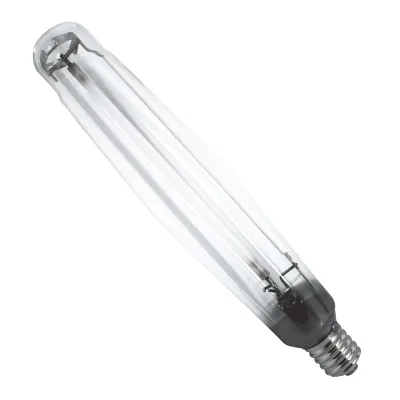
Hydroponic De 1000W Sodium Plant Flower Farm Horticulture Greenhouse Grow Bulb
$15.60 - $16.00
Moq: 1000

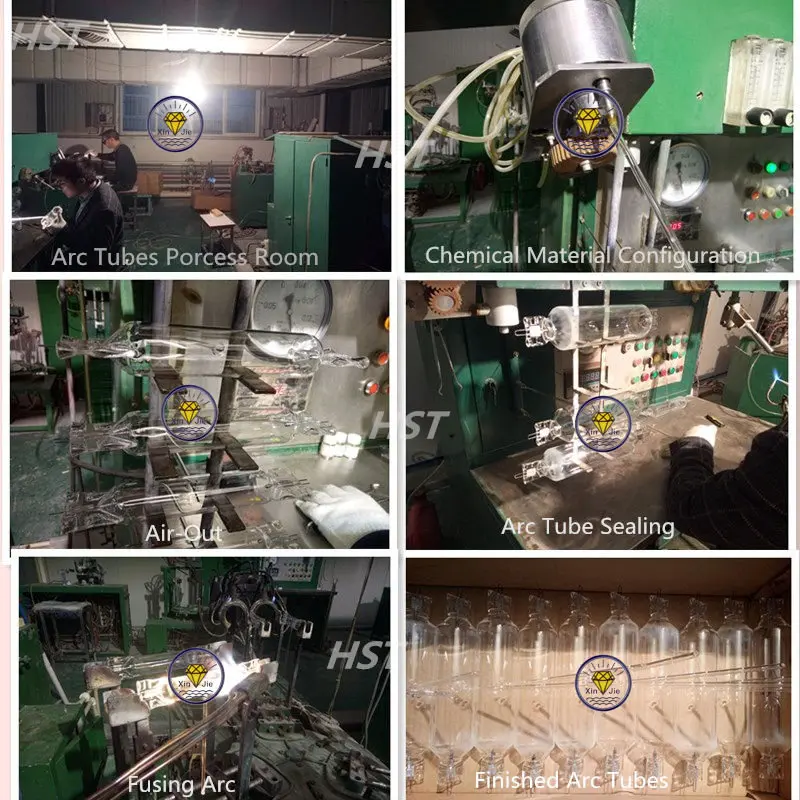
Huaian Huasite Lighting Co., Ltd.
- Manufacturer, Trading Company
- Jiangsu, China
- Lead time10 days
- Avg. response≤ 6h
Main productsunderwater fishing lamp,fishing lamps,fishing lights for boats,green LED fishing lamp,deep water fishing lamp
Main marketsSoutheast Asia(60.0%), South Asia(30.0%), Africa(8.0%), North America(1.0%), South America(1.0%)
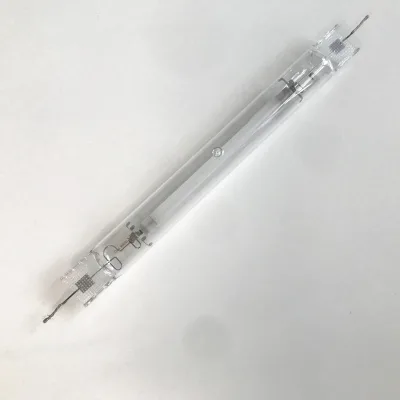
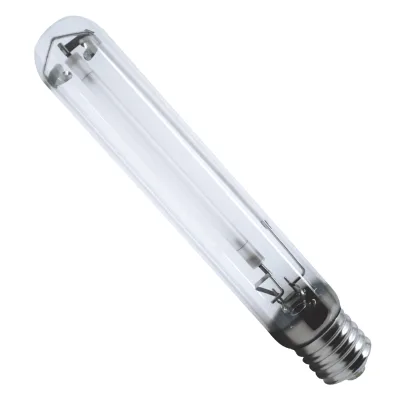
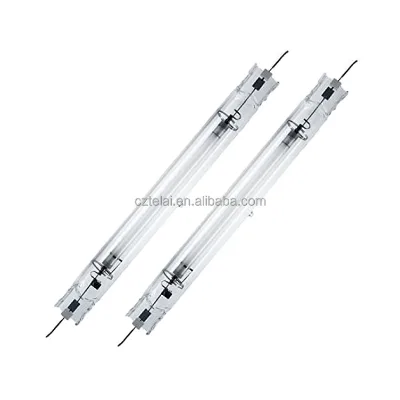
1000w Growing Light Hps Double Ended
$12.00 - $15.00

- Verified by BV
- Trading Company
- China Guangdong
- Lead time30 days
- Avg. response≤ 4h
Main productsHydroponic System, Hydroponic Sponge, Nft Channel, Strawberry Gutter/Tower, Raised Garden Bed, Dutch Bucket, Plastic Net Pot, Substrate, Vegetable Mould, Greenhouse
Main marketsSouth America,Africa,Southeast Asia/ Mideast,East Asia(Japan/ South Korea),Europe,Australia,North America


Hydroponic Greenhouse Hydroponics System Indoor Growing System with Grow Light
$1.60 - $2.50
Moq: 1000
- Verified by Intertek
- Manufacturer, Trading Company
- Lead time45 days
Main productsLED Grow Light, HID Grow Light, Electronic Ballast
Main marketsWestern Europe(54%), North America(24%), Southeast Asia(13%)

Wuxi Liford Import and Export Co., Ltd.
- Verified by SGS
- Trading Company
- China Jiangsu
- Lead time15 days
- Avg. response≤ 3h
Main productsDrum Truck, Coating Line, Forklift Drum Grab, Coating Machine, Electrocoating Production Line, E-Coating Line, Liquid Coating Line, Powder Painting Machine, Painting Equipment, Aluminum Coil Coating Line for Window-Shades
Main marketsEurope,North America
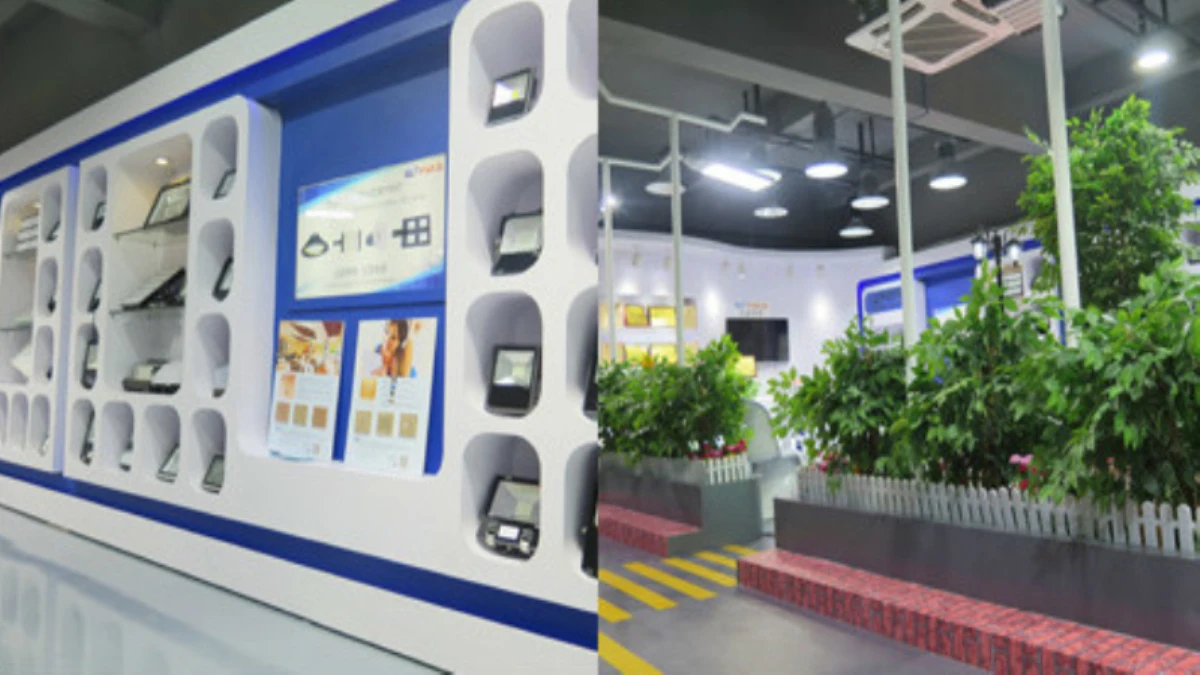
Shenzhen Qianhai Baihuixin Invest Industry Company Limited
- Trading Company
- Guangdong, China
- Lead time15 days
- Avg. response≤ 2h
Main productsProjector Lamp,Flood Lights,Landscape Lamp,Motif Light,Chandelier Lights
Main marketsNorth America(25.0%), Southeast Asia(15.0%), Western Europe(15.0%), Eastern Europe(10.0%), Eastern Asia(8.0%), Africa(5.0%), Southern Europe(5.0%), Oceania(5.0%), Mid East(4.0%), Northern Europe(3.0%), South America(3.0%), South Asia(1.0%), Central America(1.0%)
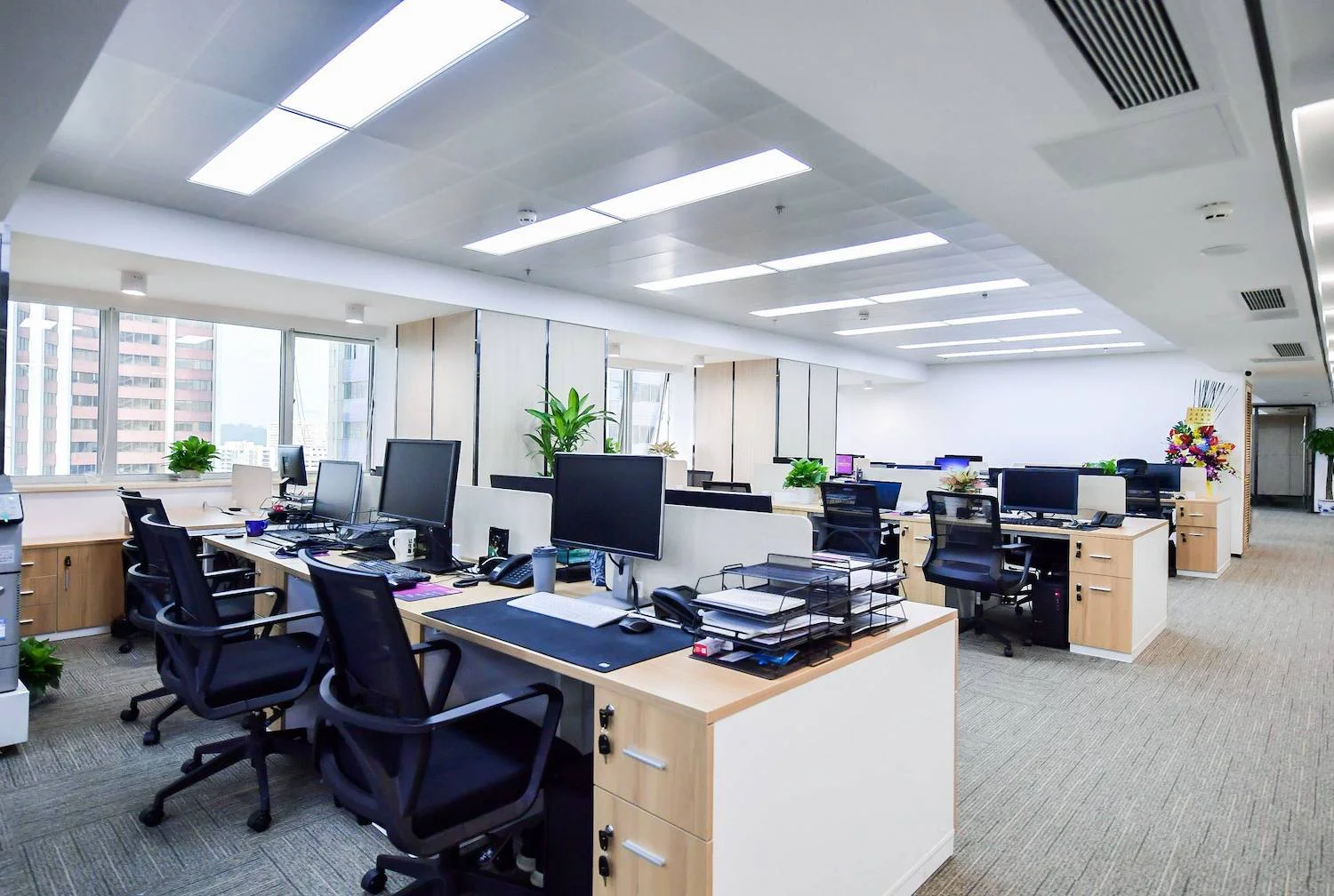
Henan Gengxi Technology Equipment Co., Ltd.
- Trading Company
- Henan, China
- Lead time25 days
- Avg. response≤ 1h
Main productsGrow tent,LED grow light,Heat press machine,Grow Bag,Inline duct fan
Main marketsWestern Europe(20.0%), South America(20.0%), North America(20.0%), Southern Europe(10.0%), Southeast Asia(10.0%), Northern Europe(5.0%), Oceania(5.0%), Eastern Europe(3.0%), Eastern Asia(2.0%), Africa(2.0%), Central America(1.0%), South Asia(1.0%), Mid East(1.0%)

Jiangsu Leader Greenhouse Equipment Co., Ltd.
- Trading Company
- China Jiangsu
- Lead time38 days
- Avg. response≤ 4h
Main productsGreenhouse, Wiggle Wire, Lock Profile, Zigzag Wire, Lock Channel, Shading Net, Insect Net, Roll up Motor, Greenhouse Film, Film Clip
Main marketsSouth America,Africa,Southeast Asia/ Mideast,East Asia(Japan/ South Korea),Europe,Australia,North America
Shenzhen Slinya Electronics Co., Ltd.
- Manufacturer, Trading Company
- Guangdong, China
- Lead time3 days
- Avg. response≤ 13h
Main productsPhone & Computer Accessories,Consumer Electronic Products,Camera & Photos,Electrical Supplies,Light & Lighting
Main marketsNorth America(30.0%), Western Europe(20.0%), Oceania(10.0%), Northern Europe(5.0%), South America(5.0%), Southern Europe(5.0%), South Asia(5.0%), Eastern Europe(5.0%), Africa(5.0%), Southeast Asia(5.0%), Eastern Asia(3.0%), Mid East(2.0%)
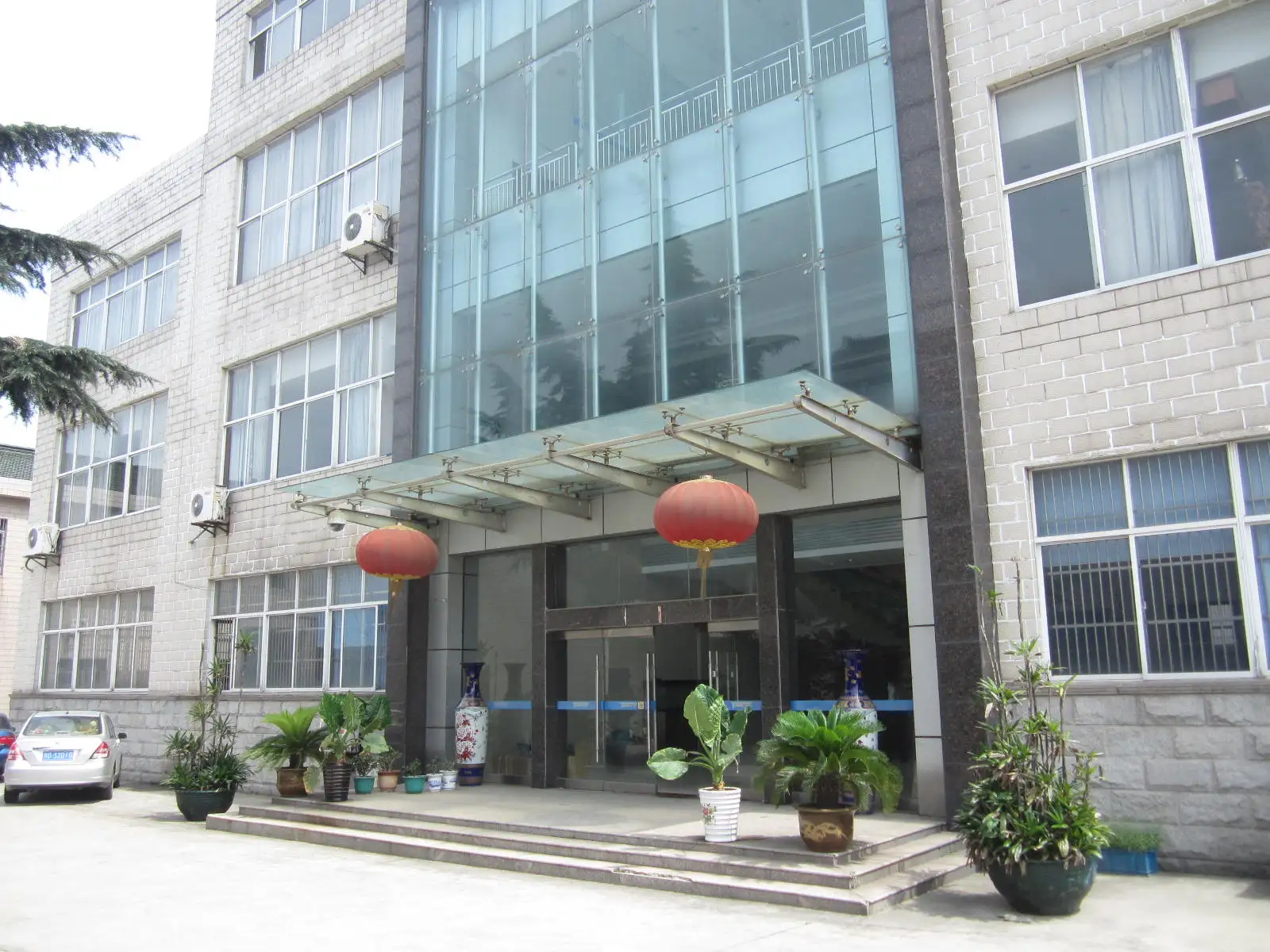
Changzhou Townlite Lighting Electric Co., Ltd.
- Manufacturer, Trading Company
- Jiangsu, China
- Lead time20 days
- Avg. response≤ 1h
Main productsBallast,Ignitor,led high bay,solar products,HID fixture
Main marketsMid East(20.0%), Southeast Asia(10.0%), Eastern Europe(10.0%), North America(10.0%), Domestic Market(5.0%), South Asia(5.0%), Southern Europe(5.0%), Northern Europe(5.0%), Central America(5.0%), Western Europe(5.0%), Eastern Asia(5.0%), South America(5.0%), Oceania(5.0%), Africa(5.0%)
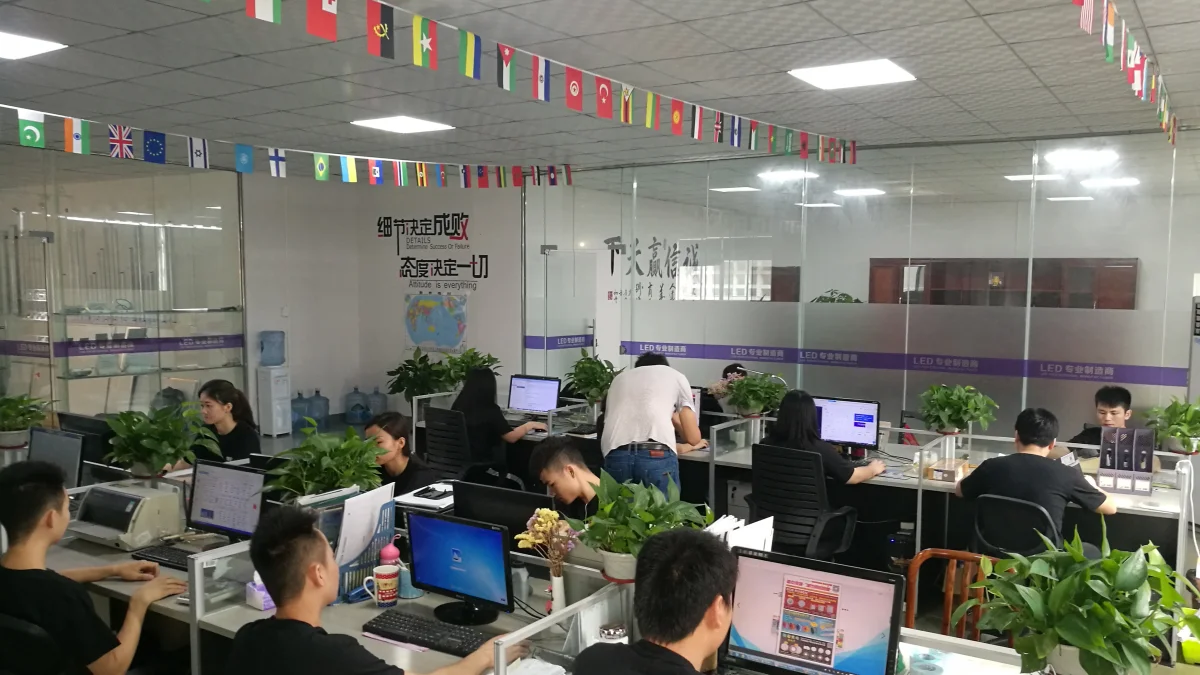
Zhongshan Bohan Light & Technology Lighting Factory
- Manufacturer, Trading Company
- Guangdong, China
- Lead time7 days
- Avg. response≤ 2h
Main productsLed tube light,Led grow light,led dimmable light,Tri proof light,Linear lamp
Main marketsDomestic Market(50.0%), North America(15.0%), Western Europe(15.0%), Southeast Asia(5.0%), South America(5.0%), Mid East(5.0%), Oceania(5.0%)

Anhui Tpack Import&Export Co., Ltd
- Verified by SGS
- Trading Company
- China Anhui
- Lead time30 days
- Avg. response≤ 3h
Main productsVertical Hydroponic, Greenhouse Glass, Dutch Bucket, Greenhouse PC-Board, Hydroponic Nft System, Greenhouse Film, Seedbed, Full Spectrum Grow Light, HVAC System, Grow Container
Main marketsNorth America

Ningbo Fenghua Noerka Lighting & Fixture Co., Ltd.
- Verified by TUVRHEINLAND
- Trading Company,Manufacturer/Factory
- China Zhejiang
- Lead time23 days
- Avg. response≤ 3h
Main productsMetal Halide Lamp, High Pressure Sodium Lamp, High Pressure Mercury Lamp, Capacitor, Magnetic Ballast, Electronic Ignitor, Mining Light Fixture, High Bay Light Fixture, Street (Road)Light Fixture, Flood Light Fixture
Main marketsSouth America,Eastern Europe,Mid East,North America,Southeast Asia,Eastern Asia,Oceania,Western Europe,Africa

Shenzhen Aomei Lighting Technology Co., Ltd
- Verified by SGS
- Trading Company
- China Guangdong
- Lead time15 days
- Avg. response≤ 1h
Main productsLED Grow Light, LED Light, Plant Grow Light, Waterproof Connector, Light, LED Plant Grow Light, Grow Lamp, Strip Light
Main marketsDomestic

Full Spectrum LED Grow Lamp for Hydroponic Vertical Farming Indoor Plant Grow Light
$97.00 - $127.00
Moq: 1

Full Spectrum LED Grow Light: Ideal for Greenhouses, Hydroponics, and Indoor Farming
$89.00 - $138.00
Moq: 1


- Manufacturer
- China Guangdong
- Lead time23 days
- Avg. response≤ 2h
Main productsPVC Trunking, PVC Pipe, PVC Fittings, Gi Box, Street Light, Flood Light, Light Fitting, AAC Cable, Metal Box, PPR Pipe
Main marketsAfrica,Southeast Asia/ Mideast,Australia
Wenzhou Hengxiong Electric Co., Ltd.
- Manufacturer, Trading Company
- Zhejiang, China
- Lead time20 days
- Avg. response≤ 6h
Main productsgrow Light fixture,Electronic ballast,Inline fan,Plastic tray,CO2 Generator
Main marketsNorth America(50.0%), Domestic Market(18.0%), Oceania(5.0%), Southern Europe(5.0%), Northern Europe(5.0%), Western Europe(5.0%), Eastern Europe(5.0%), South America(1.0%), Mid East(1.0%), South Asia(1.0%), Africa(1.0%), Central America(1.0%), Southeast Asia(1.0%), Eastern Asia(1.0%)








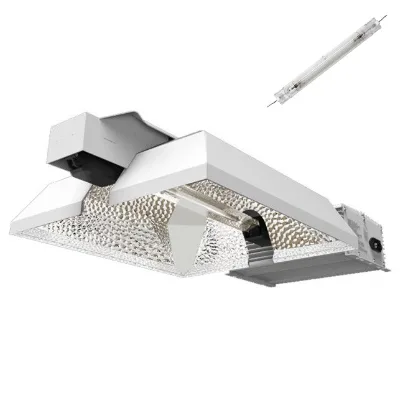
Comprehensive Sourcing Guide
Hydroponics HPS Grow Bulb Supplier Concentration and Factory Types
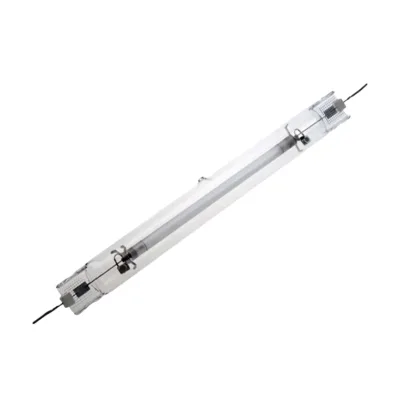
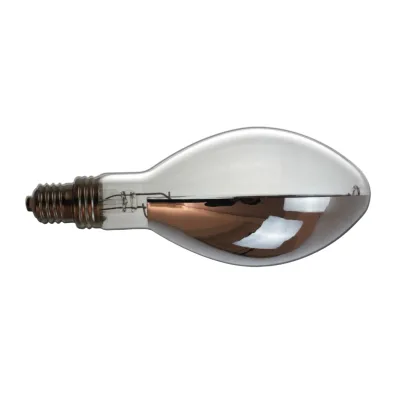
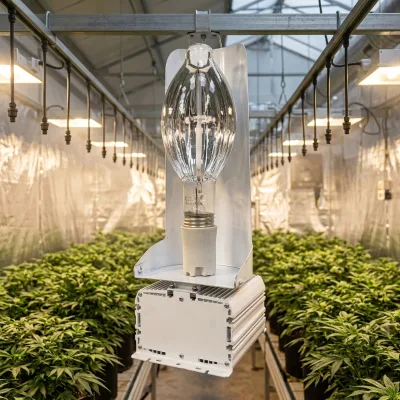
Current data indicates that manufacturers and factory groups producing hydroponics HPS grow bulbs are concentrated in specific Chinese provinces, with Fujian and Jiangsu emerging as key operational hubs. Suppliers in these regions often list diverse product portfolios including LED grow lights, digital ballasts, and various HID fixtures alongside the core HPS bulbs. This clustering suggests a mature supply chain where raw materials and assembly capabilities are readily available, allowing for efficient production scaling. Buyers should note that while some entities operate as pure manufacturers, others function as trading companies that aggregate goods from multiple factories. The distinction is critical because a trading company in Jiangsu may offer a broader range of lighting accessories like photocell sensors and metallic poles, whereas a factory in Fujian might focus heavily on the specific engineering of the bulb and fixture assembly.
When evaluating the factory type, it is essential to verify whether the entity holds direct manufacturing capabilities or acts as an intermediary. Some suppliers display certifications such as ISO 14000 and ISO 20000, which often correlate with established factory environments rather than simple trading desks. However, the presence of a trading company status does not preclude high-quality output, as these firms often provide value through logistics coordination and multi-vendor sourcing. Buyers must examine the company type field carefully to understand the supply chain structure. If a supplier claims to be a manufacturer, they should demonstrate direct control over the production line for components like the high-intensity glass or the aluminum reflectors used in the fixtures. Conversely, trading companies may offer faster response times, as seen in some profiles with response metrics under three hours, compared to larger factory groups that might have longer communication cycles.
How to Verify Hydroponics HPS Grow Bulb Suppliers
Verification of Hydroponics HPS Grow Bulb suppliers requires a rigorous check of third-party audit reports and certification documents to ensure product safety and compliance. Several suppliers in the current results have undergone verification by recognized bodies such as SGS or TÜV Rheinland, which adds a layer of credibility to their operational claims. Buyers should specifically look for these verification badges on supplier profiles before initiating contact, as they indicate that the company's business license and factory conditions have been physically inspected. Additionally, product-level certifications like RoHS, CE, and CCC are frequently listed in product attributes, confirming that the bulbs meet international safety standards for electrical components and hazardous substances. These certifications are particularly important for HPS bulbs, which operate at high voltages and temperatures, requiring strict adherence to safety protocols to prevent electrical hazards in hydroponic setups.
Beyond external audits, buyers must scrutinize the specific product attributes and warranty terms provided in the supplier listings to validate their claims. For instance, some listings detail a three-year warranty for fixtures, while others specify a one-year warranty for bulbs, indicating varying levels of confidence in product longevity. The presence of third-party inspection availability is another critical verification point, allowing buyers to hire independent agents to check quality before shipment. Suppliers who explicitly state that inspection is available demonstrate transparency and a willingness to undergo external quality control. Furthermore, checking the response time metric can serve as a proxy for operational efficiency; a supplier with a response time of under three hours may indicate a dedicated sales team capable of handling complex verification queries quickly. Buyers should cross-reference these response times with the stated lead times to ensure the supplier can meet urgent project deadlines without compromising on the verification process.
What to Compare Across Hydroponics HPS Grow Bulb Suppliers
Comparing suppliers requires a systematic analysis of key operational metrics such as lead time, minimum order quantity, and response speed to determine the best fit for specific project needs. Lead times vary significantly across the supplier base, with some offering a thirty-day production window while others can deliver within fifteen days. This variance often correlates with the supplier's capacity and current order volume, making it a crucial factor for buyers with tight schedules. Similarly, minimum order quantities (MOQ) range from as low as fifty pieces to three hundred units, influencing the initial capital outlay and inventory risk. Buyers must align these MOQs with their projected demand to avoid overstocking or incurring unnecessary per-unit costs. Response times also differ, with some suppliers responding in under three hours and others taking nearly twenty hours, which can impact the speed of negotiation and issue resolution during the sourcing process.
In addition to logistical metrics, buyers should compare the specific product specifications and customization options available from each supplier. Product attributes such as wattage, voltage compatibility, and material composition vary, with some bulbs offering dual-spectrum capabilities or specific color temperatures suitable for different growth stages. Customization availability is another differentiator, as some suppliers allow for tailored packaging or specific bulb types, while others offer standard off-the-shelf products. The inclusion of features like remote controllers or specific IP ratings for water resistance can also dictate the suitability of a product for a particular hydroponic environment. Furthermore, the range of main products offered by a supplier can indicate their breadth of expertise; a company offering both HPS bulbs and LED systems may provide better integration advice than a specialized single-product vendor. Buyers should create a comparison matrix that weighs these technical and logistical factors against their specific project requirements to make an informed selection.
Common Hydroponics HPS Grow Bulb Sourcing Risks
One of the primary risks in sourcing hydroponics HPS grow bulbs is the potential mismatch between advertised specifications and actual product performance, particularly regarding lifespan and luminous output. While some product listings claim a lifespan of thirty thousand hours or even eighty thousand hours, these figures are often based on ideal laboratory conditions that may not reflect real-world usage in a greenhouse. Buyers must be cautious of inflated claims and should request detailed test reports or third-party verification data to substantiate these longevity figures. The risk is compounded if the supplier does not offer a clear warranty or if the warranty terms are vague, leaving the buyer without recourse if the bulbs fail prematurely. Additionally, the variability in input voltage ranges, such as AC 85-265V versus 120-240V, can lead to compatibility issues if the buyer does not carefully match the bulb to their local power infrastructure.
Another significant risk involves the reliability of the supply chain and the consistency of product quality across different batches. Suppliers with longer lead times or those operating as trading companies without direct factory control may face delays or quality inconsistencies that disrupt production schedules. The absence of a standardized inspection process can result in the shipment of defective units, such as bulbs with cracked glass or ballasts with incorrect wattage ratings. Furthermore, the lack of clear communication channels, indicated by slower response times, can exacerbate these issues, making it difficult to resolve disputes or request replacements quickly. Buyers should mitigate these risks by prioritizing suppliers who explicitly offer third-party inspection services and who provide detailed product attributes, such as IP ratings and material specifications, to ensure the bulbs are suitable for the intended hydroponic environment.
Hydroponics HPS Grow Bulb Regional Sourcing and Logistics
Sourcing hydroponics HPS grow bulbs from China involves navigating specific regional logistics advantages and challenges associated with major manufacturing hubs like Fujian and Jiangsu. Suppliers in these regions benefit from established port infrastructure and a dense network of logistics providers, which can facilitate efficient shipping to international markets. However, the distance from these manufacturing centers to the buyer's location will directly impact shipping costs and transit times, making it essential to factor these variables into the total landed cost calculation. Buyers should also consider the impact of regional trade policies and tariffs, which can vary depending on the country of origin and the specific classification of the lighting products. Understanding the logistics capabilities of the supplier, such as their experience with palletized shipping or carton packaging, is crucial for ensuring that the bulbs arrive in good condition.
Logistics planning must also account for the specific packaging requirements of HPS bulbs, which are fragile and require careful handling to prevent breakage during transit. Some suppliers offer specialized packaging solutions, such as single color boxes or palletized cartons, which provide additional protection against damage. Buyers should verify the packaging standards listed in the product attributes, such as the dimensions and weight of the packages, to ensure compatibility with their storage and handling facilities. Additionally, the lead time provided by the supplier includes both production and shipping time, so buyers must clarify whether the quoted lead time is for production only or includes delivery to the port. This distinction is vital for accurate inventory planning and ensuring that the hydroponic system can be installed and operational without unnecessary delays.
Hydroponics HPS Grow Bulb Commercial Terms and Order Planning
Commercial terms for Hydroponics HPS Grow Bulb orders often include specific requirements regarding payment methods, escrow services, and warranty conditions that buyers must carefully review before committing to a purchase. While some suppliers may offer flexible payment terms, others might require full payment upfront or utilize escrow services to protect both parties during the transaction. Buyers should verify the availability of escrow options to ensure that funds are only released once the goods have been received and inspected, reducing the financial risk associated with international trade. Additionally, the warranty terms, which can range from one to three years, should be clearly understood and documented in the purchase agreement to ensure that any defects are covered. Understanding these commercial terms is essential for managing cash flow and protecting the buyer's investment in the hydroponic lighting system.
Order planning for hydroponics HPS grow bulbs requires a strategic approach to managing inventory levels and production schedules based on the supplier's lead times and MOQs. Buyers should calculate the optimal order quantity by balancing the MOQ requirements with their projected usage rates to avoid overstocking or stockouts. For instance, an MOQ of fifty units may be suitable for small-scale operations, while larger facilities might benefit from ordering in bulk to secure better pricing and reduce per-unit shipping costs. It is also important to consider the production lead time, which can vary from fifteen to thirty days, and plan orders accordingly to ensure a steady supply of bulbs for continuous crop growth. By aligning order planning with the supplier's capabilities and the buyer's operational needs, buyers can optimize their procurement process and maintain a reliable supply chain for their hydroponic operations.
FAQs
What certifications do hydroponics HPS grow bulbs have?
Available hydroponics HPS grow bulbs carry RoHS, CE, and CCC certifications. These standards ensure electrical safety and environmental compliance for indoor farming. Some models also meet ISO 14000 and ISO 20000 system requirements. Always verify specific product labels before bulk purchasing to confirm current compliance status.
What is the minimum order quantity for these bulbs?
Minimum order quantities vary by supplier and specific model. Some listings require 300 units, while others accept orders as low as 50 pieces. Double-ended fixtures often have different thresholds compared to single-ended bulbs. Buyers should check individual product pages for the exact MOQ applicable to their selected wattage and type.
How long does shipping take for these grow lights?
Lead times for hydroponics HPS grow bulbs range from 15 to 30 days depending on the supplier. Manufacturers in Fujian and Jiangsu provinces typically offer these delivery windows. Faster response times may correlate with shorter production schedules. Confirm the specific lead time with the seller before finalizing the order to ensure timely arrival.
Are these bulbs suitable for different growth stages?
Yes, many hydroponics HPS grow bulbs support seed starting, vegetative, and bloom stages. Double-ended fixtures often accommodate both Metal Halide and High Pressure Sodium lamps. This versatility allows growers to adjust light spectra for different plant needs. Check the application details on the product page to confirm suitability for your specific crop cycle.
What is the warranty period for these fixtures?
Warranty periods for hydroponics HPS grow fixtures typically range from one to three years. Some manufacturers offer a three-year warranty on specific models, while others provide one year. This coverage often applies to manufacturing defects. Review the warranty terms listed on the product page to understand what is covered and the claim process.
Do suppliers offer customization for these grow lights?
Customization is available for many Hydroponics HPS Grow Bulb models and fixtures. Suppliers can often adjust specifications to meet specific farming requirements. This service allows for tailored solutions regarding wattage, voltage, or housing materials. Contact the supplier directly to discuss your customization needs and confirm if they can accommodate your specific project requirements.
What is the price range for these grow bulbs?
Prices for hydroponics HPS grow bulbs vary based on wattage and specifications. Single-ended 600W bulbs may start around five dollars, while double-ended 1000W fixtures can cost over one hundred dollars. The final price depends on the order quantity and specific model features. Check the current listing for the most accurate pricing information.