Hypoallergenic Steel Gold Ear Gauges Suppliers and Manufacturers
Source 19 verified suppliers for Hypoallergenic Steel Gold Ear Gauges. Compare key dimensions including Zhejiang location, 1-24 hour response times, 10-15 day lead times, and OEM capabilities. Review product specs and request quotes directly; review the available evidence before requesting comparable quotations from suitable candidates.
Suppliers List
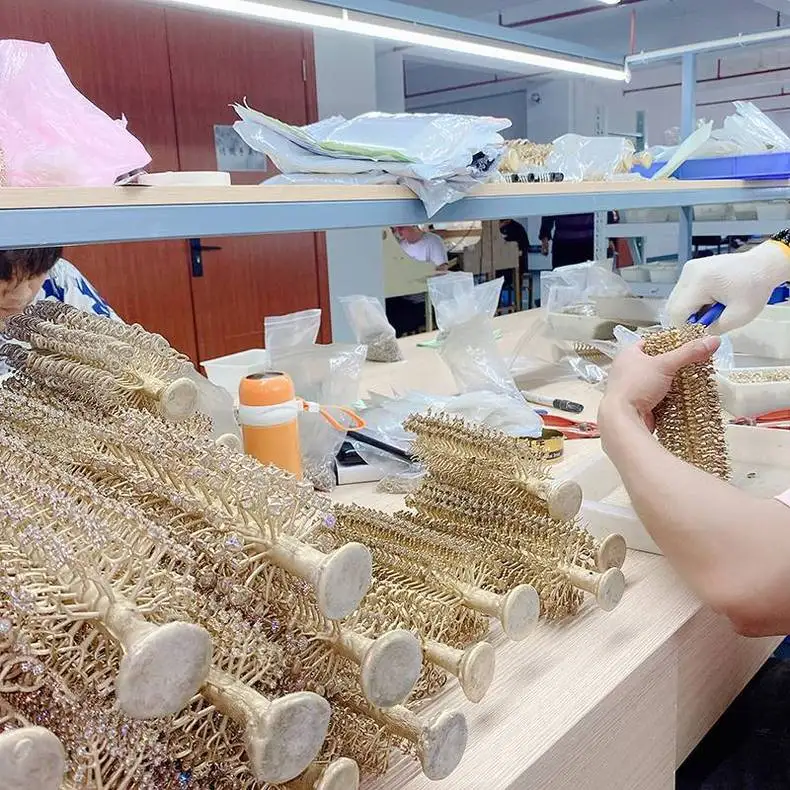
- Trading Company
- Zhejiang, China
- Lead time10 days
- Avg. response≤ 1h
Main productsEarrings,stainless steel Necklace,stainless steel Bracelet,zircon ring,necklace bracelet earrings jewelry sets
Main marketsEastern Europe(20.00%), South America(20.00%), North America(20.00%), Africa(10.00%), Southeast Asia(10.00%), Eastern Asia(5.00%), Mid East(5.00%), Oceania(5.00%), Domestic Market(1.00%), South Asia(1.00%), Northern Europe(1.00%), Central America(1.00%), Western Europe(1.00%)

Tonglu Wanhe Medical Instrument Co., Ltd.
- Combined
- China Zhejiang
- Lead time15 days
- Avg. response≤ 25h
Main productsEndoscope, Endoscopy Instrument, Surgical Instrument, Surgical Supplies, Surgical Equipment, 3mm/5mm/10mm Forceps, Trocar/Needle Holder/Clip Applier, Gynecology Instruments/Morcellator, Cystoscopy Instruments, Arthroscopy Instruments
Main marketsSoutheast Asia/ Mideast,North America


Otoscopy Instruments Stainless Steel Ear Probe
MOQ: 1 Pieces

Otoscopy Instruments 125mm Ear Suction Tube
MOQ: 1 Pieces

Otoscopy Instruments Ear Suction Tube
MOQ: 1 Pieces

Otoscopy Instruments Beyer Bone Rongeur
MOQ: 1 Pieces

Otoscopy Instruments Middle Ear Polyp Scissors
MOQ: 1 Pieces

Ningbo Greetmed Medical Instruments Co., Ltd.
- Verified by SGS
- Trading Company,Manufacturer/Factory
- China Zhejiang
- Lead time45 days
- Avg. response≤ 17h
Main productsDiagnostics, Nebulizer, Hospital Equipment, Laboratory Instrument, Medical Tubes, Monitor, Medical Products, Non Woven Face Mask, Infusion Set, Syringe
Main marketsSouth America,Eastern Europe,Mid East,North America,Eastern Asia,Oceania,Western Europe,Africa
Tonglu BA Medical Devices Co., Ltd.
- Verified by TüVRheinland
- Trading Company
- Lead time30 days
Main productsEndoscope, Forceps, Ureth Cystoscope
Main marketsAfrica(23%), South America(20%), Eastern Europe(13%)

Shenzhen Hengda Xin Jewelry Co., Ltd.
- Verified by BV
- Combined
- China Guangdong
- Lead time15 days
- Avg. response≤ 3h
Main productsJewelry, Stainless Steel Fittings, Stainless Steel Jewelry, Necklace, Bracelet, Stud Earrings, Ring, Pendant, Fashion Jewelry, Fashion Accessories
Main marketsSoutheast Asia/ Mideast,East Asia(Japan/ South Korea),Domestic,Europe,Australia,North America


Stainless Steel Double Ring Roman Numerals Earrings Black White Shell Earrings
$1.50 - $2.30
MOQ: 100 pairs


Geometric Irregular Stainless Steel Earrings Personalized Gold Plated Square Ear Stud for Women
$3.17 - $3.49
MOQ: 100 Pairs

- Trading Company
- China Guangdong
- Lead time30 days
- Avg. response≤ 2h
Main productsCaliper, Micrometer, Gauges, Indicator, Indicator Stands, Bore Gauge, Levelling Tools, Height Gauge, V- Block, Magnetic Base
Main marketsSouth America,Southeast Asia/ Mideast,Europe,Australia,North America

Shenzhen ShineMe Jewelry Co., Ltd.
- Manufacturer/Factory
- China Guangdong
- Lead time15 days
- Avg. response≤ 16h
Main productsTitanium Ring, Tungsten Ring, Stainless Steel Ring, Stainless Steel Pendant, Stainless Steel Bracelet, Stainless Steel Necklace, Stainless Steel Earring, Ear Plug, Titanium and Stainess Steel Body Piercing, Other Matel Jewelry and Accessories
Main marketsSouth America,Eastern Europe,Mid East,North America,Southeast Asia,Eastern Asia,Oceania,Western Europe,Africa

Shenzhen Pride Instrument Inc.
- Verified by SGS
- Trading Company,Manufacturer/Factory
- China Guangdong
- Lead time0 days
- Avg. response≤ 25h
Main productsHardness Testers Rocwell Testers Durometers, Measuring Tools Micrometers Dial Gauges, Force Gauges Torque Gauges Torque Wrenches, Metallographic Equipments Cutting Machines, Non Destructive Testing Coating Thickness Gauges, Optical Instruments Video Measuring Machines, Material Testing Machines Impact Testing Machine, Paint Testing Equipments DIN Cups Grind Gauges, Electronic Instruments Tachometers Refractometer, Hardwares Tools
Main marketsSouth America,Eastern Europe,Mid East,North America,Southeast Asia,Eastern Asia,Oceania,Western Europe,Africa


Stainless Taper Gauge Measuring Tools
MOQ: 1 Pieces

Ningbo Nouman Medical Devices Co., Ltd
- Verified by CTI
- Manufacturer/Factory
- China Zhejiang
- Lead time23 days
- Avg. response≤ 16h
Main productsFace Mask, Isolation Gown, Disposable Syringe, Infusion Set, Nebulizer Mask, Medical PVC Tube, Gauze Swabs, Wound Dressing, Disposable Gloves, Hand Sanitizer
Main marketsEastern Europe,Mid East,North America,Southeast Asia,Eastern Asia,Western Europe

Factory Wholesale Multi-Function Accuracy Digital Infrared Ear Thermometer
$4.00 - $6.00
MOQ: 1000 Pieces


Shenzhen Amengwei Jewelry Co., Ltd.
- Trading Company,Manufacturer/Factory
- China Guangdong
- Lead time23 days
- Avg. response≤ 22h
Main productsBody Piercing Jewelry, Hinged Segment Ring, Nose Ring Belly Ring, Stainless Steel Jewelry, Labret Lip Ring, Earring, Necklace, Bracelet, Ring
Main marketsSouth America,Eastern Europe,Mid East,North America,Southeast Asia,Eastern Asia,Oceania,Western Europe,Africa
Guangzhou Anfook & Dakerden Jewelry Co., Ltd
- Trading Company
- China Guangdong
- Lead time0 days
- Avg. response≤ 12h


Stainless Steel Gold Plated Multicolor Zircon Earrings for Women 2.2g, 21X3mm
$2.50 - $3.35
MOQ: 1 Pieces


Longyuan (Guangzhou) Industrial Development Co., Ltd.
- Verified by TUVRHEINLAND
- Manufacturer/Factory
- China Guangdong
- Lead time23 days
- Avg. response≤ 6h
Main productsJewelry, Fashion Watch, Hair Accessories, Men Jewelry, Women Jewelry, Pendants, Brooches, Bracelets, Crowns, Necklaces
Main marketsSouth America,Eastern Europe,Mid East,North America,Western Europe

Geometric Square Design Pin Brass Plated 18K Real Gold Metal Vintage Earrings
$1.60 - $2.10
MOQ: 10 Pieces


Guangzhou Amittari Instruments Co., Ltd.
- Trading Company
- China Guangdong
- Lead time0 days
- Avg. response≤ 15h
Main productsPaint Thickness Meter, Coating Thickness Gauge, Roughness Tester, Hardness Tester, Moisture Meter, Vibration Meter, Tension Tester, Window Tint Meter, Glossmeter, Anemometer
Orientools Industrial Co., Ltd.
- Verified by TUVRHEINLAND
- Trading Company,Manufacturer/Factory
- China Shanghai
- Lead time45 days
- Avg. response≤ 4h
Main productsFolding Ruler, Carpenter Pencil, Plastic Digital Vernier Caliper, Bubble Level Vial, Square Ruler, Stainless Steel Ruler, Height Gauge, Indicator
Main marketsSouth America,Eastern Europe,North America,Southeast Asia,Eastern Asia,Western Europe
- Verified by SGS
- Trading Company
- China Henan
- Lead time30 days
- Avg. response≤ 4h
Main productsEndoscope, Vessel Sealing, Ultrasonic Scalpel System, Electrosurgical Unit, Biopsy Needle
Main marketsSouth America,Southeast Asia/ Mideast,Domestic,Europe,North America

Reusable Otoscope Stainless Steel Ent Surgical Instruments for Ear Eye Nose and Throat Surgery
$100.00 - $400.00
MOQ: 1 Pieces


Dongguan Bosin Hardware Co., Ltd.
- Trading Company
- China Guangdong
- Lead time15 days
- Avg. response≤ 2h
Main productsKey Ring, Snap Hooks, Ball Chain, Carabiner, Metal Clips, Metal Rings, Metal Buckle, Stainless Steel Chains, Key Chain, Bottle Opener
Main marketsEurope,North America
Dongguan Simzo Electronic Technology Co., Ltd.
- Verified by BV
- Combined
- China Guangdong
- Lead time23 days
- Avg. response≤ 1h
Main marketsSouth America,Southeast Asia/ Mideast,East Asia(Japan/ South Korea),Europe,Australia,North America


Ear Thermometer for Ear and Forehead Temperature Measurement 32 0°C~42 9°C
$5.00 - $6.99
MOQ: 100 Pieces


Yiwu Renrui E-commerce Business
- Trading Company
- China Zhejiang
- Lead time0 days
- Avg. response≤ 4h
Main productsSouvenir Gift, Craft, Scented Candle, Artificial Flower, Christmas Ornaments, Daily Use, Home Decoration, Solid Wood Carvings, Accessories, Photo Frame

Geometric Semi-Circle Earrings - 18K Gold Plated Titanium Steel Metal Finish Ear Clips
$4.20 - $4.50
MOQ: 10 Pieces

Geometric Bead Stud Earrings - Gold Plated Stainless Steel Minimalist Design Jewelry
$4.20 - $4.50
MOQ: 10 Pieces

Fluid Curve Earrings - 18K Gold Plated Stainless Steel with Two-Tone Artistic Design
$4.20 - $4.50
MOQ: 10 Pieces

Cangzhou Dean Safety & SPECIAL Type Tools Producing Co., Ltd.
- Verified by SGS
- Combined
- China Hebei
- Lead time15 days
- Avg. response≤ 8h
Main productsWrench, Non Sparking Tools, Hammer, Pliers, Screwdriver
Main marketsSouth America,East Asia(Japan/ South Korea),Europe
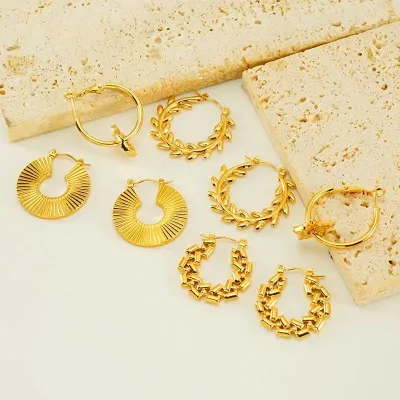
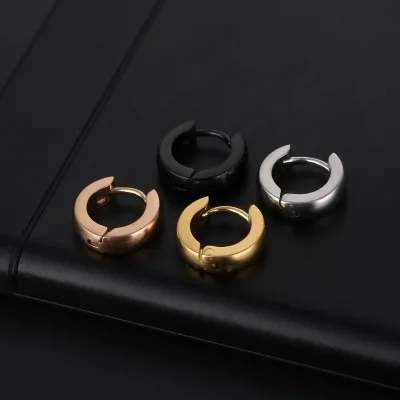
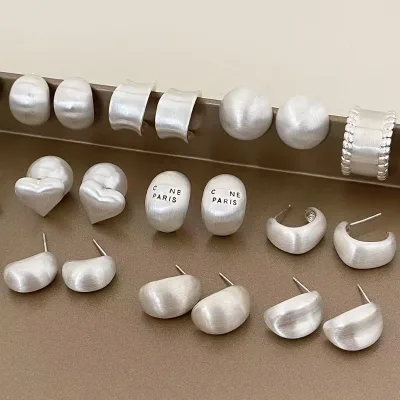
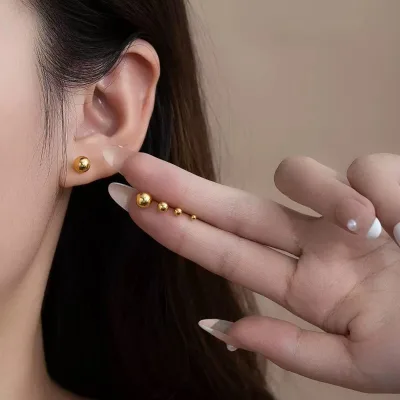


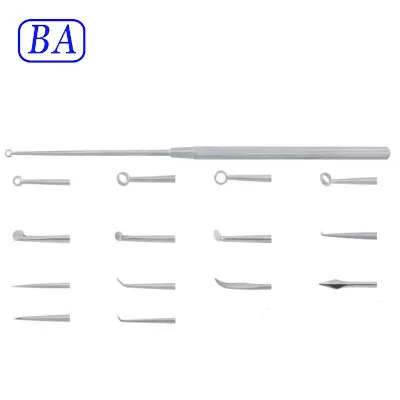
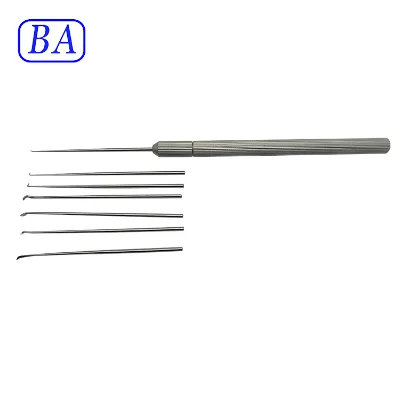


Comprehensive Sourcing Guide
Hypoallergenic Steel Gold Ear Gauges Supplier Concentration and Factory Types
The sourcing landscape for Hypoallergenic Steel Gold Ear Gauges reveals a distinct split between specialized jewelry manufacturers and broader medical instrument producers, each offering different value propositions for buyers seeking specific material qualities. Current data indicates that a significant portion of suppliers are located in Zhejiang, China, a region known for its robust manufacturing infrastructure for fashion accessories. These suppliers often operate as trading companies, which can streamline communication for international buyers but may introduce additional layers between the factory floor and the end purchaser. The primary product categories observed in this region include earrings, stainless steel necklaces, bracelets, and complete jewelry sets, suggesting that many factories possess the necessary equipment to handle stainless steel and gold plating processes required for hypoallergenic gauges. The presence of these diverse product lines implies that many facilities are equipped to handle small, intricate components, which is essential for producing ear gauges that require precise sizing and smooth finishes to ensure wearer comfort.
In contrast to the fashion jewelry segment, there is also a presence of combined suppliers and manufacturers specializing in surgical and medical instruments, such as endoscopes and otoscopy tools. While these entities primarily focus on professional medical devices, their expertise in stainless steel processing and sterilization standards can be relevant for buyers prioritizing medical-grade hypoallergenic properties in their ear gauges. These suppliers often hold certifications like ISO 13485 and ISO 9001, which indicate a rigorous approach to quality management and material traceability. However, buyers must carefully distinguish between suppliers who merely trade medical tools and those who actually manufacture the specific jewelry items required. The company types range from pure trading companies to combined entities that may offer both OEM and ODM services, allowing for greater customization of the gold plating and steel alloy composition. Understanding this dichotomy is crucial for aligning supplier capabilities with the specific technical requirements of Hypoallergenic Steel Gold Ear Gauges, ensuring that the chosen partner has the appropriate scale and specialization for the order volume and quality expectations.
How to Verify Hypoallergenic Steel Gold Ear Gauges Suppliers
Verifying the authenticity and capability of suppliers for Hypoallergenic Steel Gold Ear Gauges requires a multi-layered approach that goes beyond surface-level product listings. Buyers should prioritize suppliers who provide detailed product attributes, such as specific material compositions, plating thickness, and design specifications. For instance, evidence shows that some suppliers explicitly list materials like stainless steel with 18K gold plating or copper with silver plating, which helps in assessing the hypoallergenic potential of the final product. It is essential to request detailed product specifications that include the core material, as stainless steel is generally more hypoallergenic than copper or other base metals. Additionally, buyers should look for suppliers who offer customization options, as this often indicates a higher level of manufacturing control and flexibility. Suppliers that accept OEM and ODM requests are typically more invested in meeting specific client requirements, which can be a positive indicator of their reliability and technical competence in producing specialized jewelry items.
Another critical aspect of verification is checking for relevant certifications and quality standards, particularly if the ear gauges are intended for sensitive skin or medical-grade applications. While many fashion jewelry suppliers may not hold medical certifications, those operating in the medical instrument sector often possess ISO 13485 or ISO 9001 certifications, which demonstrate a commitment to quality management systems. Buyers should request copies of these certificates and verify their validity through independent channels if possible. Furthermore, examining the supplier's response time and lead time can provide insights into their operational efficiency and reliability. A quick response time, such as within one day, suggests a responsive customer service team, while lead times around ten to fifteen days indicate a standard production cycle for small to medium-sized orders. Buyers should also inquire about the supplier's return policies and warranty terms, as these can reveal their confidence in product quality. By combining material verification, certification checks, and operational assessments, buyers can build a comprehensive profile of each supplier, reducing the risk of partnering with unreliable entities.
What to Compare Across Hypoallergenic Steel Gold Ear Gauges Suppliers
When evaluating multiple suppliers for Hypoallergenic Steel Gold Ear Gauges, buyers must systematically compare key operational and commercial metrics to identify the most suitable partner. One of the primary dimensions for comparison is the minimum order quantity (MOQ), which can vary significantly between trading companies and direct manufacturers. Some suppliers may offer low MOQs, such as one piece, which is ideal for testing market response or small boutique orders, while others may require larger volumes to justify production runs. Additionally, the price range for similar products should be analyzed to ensure competitiveness without compromising on quality. For example, price points for fashion earrings can range from one to twelve dollars, depending on the complexity of the design and the quality of materials used. Buyers should also compare the response times of different suppliers, as faster responses can facilitate quicker decision-making and problem resolution during the sourcing process.
Another crucial factor is the range of main products offered by each supplier, which can indicate their specialization and versatility. Suppliers focusing exclusively on fashion jewelry may offer a wider variety of designs and styles, while those with a medical background may provide more standardized, high-quality stainless steel options. Buyers should also consider the supplier's location, as this can impact shipping costs and lead times. Suppliers located in Zhejiang, China, may benefit from established logistics networks, potentially offering more competitive shipping rates. Furthermore, the availability of customization services, such as OEM and ODM, should be compared to determine which supplier can best accommodate specific branding or design requirements. By creating a comparison matrix that includes MOQ, price, response time, product range, location, and customization capabilities, buyers can make data-driven decisions that align with their business goals and operational constraints. This structured approach ensures that all critical factors are considered, leading to a more informed and successful sourcing outcome.
Common Hypoallergenic Steel Gold Ear Gauges Sourcing Risks
Sourcing Hypoallergenic Steel Gold Ear Gauges involves several inherent risks that buyers must proactively manage to ensure product quality and supply chain stability. One significant risk is the potential discrepancy between the advertised material composition and the actual product received. While suppliers may claim to use stainless steel with 18K gold plating, there is a possibility of using lower-grade alloys or thinner plating that may not meet hypoallergenic standards. This risk is particularly prevalent among trading companies that may not have direct control over the manufacturing process. To mitigate this, buyers should request material test reports or certificates of analysis from suppliers, verifying the specific alloy composition and plating thickness. Additionally, buyers should be cautious of suppliers who do not provide detailed product attributes or who are vague about their manufacturing processes, as this lack of transparency can be a red flag for potential quality issues.
Another common risk is the variability in lead times and production consistency, which can disrupt inventory planning and customer satisfaction. Suppliers may experience delays due to raw material shortages, labor issues, or quality control bottlenecks, leading to missed deadlines. This risk is exacerbated when working with multiple suppliers or when orders are placed during peak seasons. Buyers should establish clear communication channels and regular check-ins with suppliers to monitor production progress and address any potential delays early. Furthermore, buyers should be aware of the risk of intellectual property infringement, especially when working with suppliers who offer OEM services. It is essential to have robust non-disclosure agreements and intellectual property protections in place to safeguard unique designs and branding. By identifying and addressing these risks through rigorous due diligence and proactive management, buyers can minimize disruptions and ensure a reliable supply of high-quality Hypoallergenic Steel Gold Ear Gauges.
Hypoallergenic Steel Gold Ear Gauges Regional Sourcing and Logistics
The regional concentration of suppliers in Zhejiang, China, presents both opportunities and challenges for buyers sourcing Hypoallergenic Steel Gold Ear Gauges. This region is a major hub for jewelry manufacturing, offering access to a wide range of suppliers with varying specializations, from fashion accessories to medical instruments. The proximity of suppliers to established logistics hubs can facilitate efficient shipping and reduce transit times, which is beneficial for maintaining inventory levels and responding to market demands. However, buyers must also consider the potential for increased competition among suppliers, which can lead to price fluctuations and varying service levels. To navigate this landscape effectively, buyers should leverage local knowledge and resources, such as engaging with local sourcing agents or attending trade fairs in the region, to gain insights into supplier capabilities and market trends.
Logistics planning is a critical component of successful sourcing, and buyers should work closely with suppliers to optimize shipping routes and costs. Given that many suppliers are located in Zhejiang, buyers can explore options for consolidated shipping, where multiple orders from different suppliers are combined into a single shipment to reduce freight costs. Additionally, buyers should consider the impact of customs regulations and import duties in their home country, as these can affect the total landed cost of the products. It is advisable to work with experienced freight forwarders who can navigate complex international shipping requirements and ensure timely delivery. Furthermore, buyers should monitor global logistics trends, such as changes in shipping rates or port congestion, to anticipate potential disruptions and adjust their sourcing strategies accordingly. By developing a robust logistics plan and leveraging the advantages of the Zhejiang region, buyers can enhance their supply chain efficiency and competitiveness in the market.
Hypoallergenic Steel Gold Ear Gauges Commercial Terms and Order Planning
Effective commercial terms and order planning are essential for managing the procurement of Hypoallergenic Steel Gold Ear Gauges and ensuring a smooth transaction process. Buyers should negotiate clear payment terms that balance risk and cash flow, such as using escrow services or partial payments upfront with the remainder upon shipment. This approach protects both parties and ensures that funds are released only when the goods meet the agreed-upon specifications. Additionally, buyers should establish detailed quality assurance protocols, including pre-shipment inspections and sample approvals, to verify that the products meet the required standards before final payment. It is also important to define clear responsibilities for shipping and insurance, ensuring that the risk of loss or damage is appropriately allocated between the buyer and the supplier. By setting forth comprehensive commercial terms, buyers can minimize disputes and foster a collaborative relationship with their suppliers.
Order planning involves forecasting demand and aligning production schedules with supplier capabilities to avoid stockouts or excess inventory. Buyers should consider factors such as seasonality, market trends, and promotional activities when planning their orders, ensuring that they have sufficient stock to meet customer demand. It is advisable to maintain a buffer stock of popular items to account for unexpected spikes in demand or supply chain disruptions. Furthermore, buyers should establish regular review cycles with their suppliers to assess performance, discuss future orders, and address any issues that may arise. This ongoing communication helps to build trust and ensures that both parties are aligned on expectations and goals. By implementing robust order planning and commercial terms, buyers can optimize their inventory management, reduce costs, and enhance customer satisfaction, ultimately driving business growth in the competitive market for Hypoallergenic Steel Gold Ear Gauges.
FAQs
Are stainless steel earrings hypoallergenic?
Stainless steel is generally hypoallergenic and suitable for sensitive skin. Many suppliers offer daily design earrings in gold and silver colors. These items are often made with copper or stainless steel materials. Buyers should verify specific material types and plating details to ensure compatibility with their needs.
What is the typical lead time?
Typical lead times range from 10 to 15 days depending on the supplier type. Trading companies may offer faster turnaround times around 10 days. Combined suppliers or manufacturers might require up to 15 days for production. Buyers should confirm exact delivery schedules with the supplier before placing orders to avoid delays.
Is there a minimum order quantity?
Minimum order quantities vary by supplier and product type. Some medical instrument suppliers accept orders as low as one piece. Fashion jewelry suppliers may have different MOQs based on customization needs. Buyers should check specific product listings for exact MOQ requirements to ensure they meet the supplier's threshold for production.
Where are these suppliers located?
Most suppliers are located in Zhejiang, China. Specific origins include Tonglu, Zhejiang, for medical instruments. Fashion jewelry suppliers also operate within this region. Buyers can filter results by location to find suppliers closer to their logistics hubs or preferred shipping routes for efficient delivery.
What certifications are available?
Medical instrument suppliers often hold FDA and ISO certifications. Some list ISO 13485 and ISO 9001 for quality management. Fashion jewelry suppliers may not list specific certifications. Buyers requiring certified products should verify the certification status directly with the supplier to ensure compliance with their regulatory standards.
How fast is the response time?
Response times vary significantly among suppliers. Some trading companies respond within one day. Others may take up to 24 hours to reply. Buyers should prioritize suppliers with faster response times for better communication. Quick replies often indicate a more responsive customer service team for order inquiries.
Can I get custom branding?
Many suppliers offer OEM and ODM services for customization. Medical instrument suppliers explicitly accept OEM and ODM requests. Fashion jewelry suppliers may also provide custom branding options. Buyers should discuss specific branding requirements, such as logos or packaging, with the supplier to ensure they can meet your unique business needs.