Lightweight Aluminum Alloy Bicycle Hub Suppliers and Manufacturers
Compare 11 verified suppliers offering lightweight aluminum alloy bicycle hubs with ISO certifications and customizable options. Review response times, lead times, and pricing to select the right factory for your needs; review the available evidence before requesting comparable quotations from suitable candidates.
Suppliers List

Anhui Liteduro Technology Co., Ltd.
- Trading Company,Manufacturer/Factory
- China Anhui
- Lead time45 days
- Avg. response≤ 10h
Main productsBicycle Frame, Electric Bike Frame, Bike Shock, Bicycle Fork, Full Suspesion MTB Frame, Bicycle Assembly, Kids Bicycles, Mountain Bike, Wheelset, Electric Bicycle
Main marketsSouth America,Eastern Europe,Mid East,North America,Southeast Asia,Eastern Asia,Oceania,Western Europe,Africa


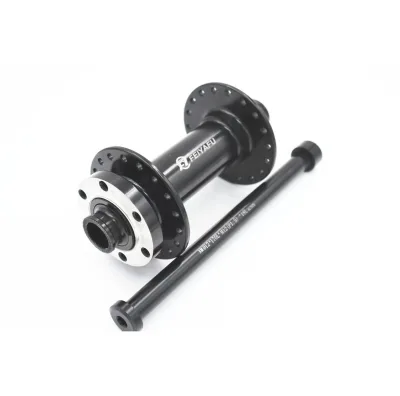
Lightweight Aluminum Mountain Bike Hub 6-Bolt Disc Brake Front 100/110X15 Thru-Axle
$12.50
MOQ: 100 Pieces

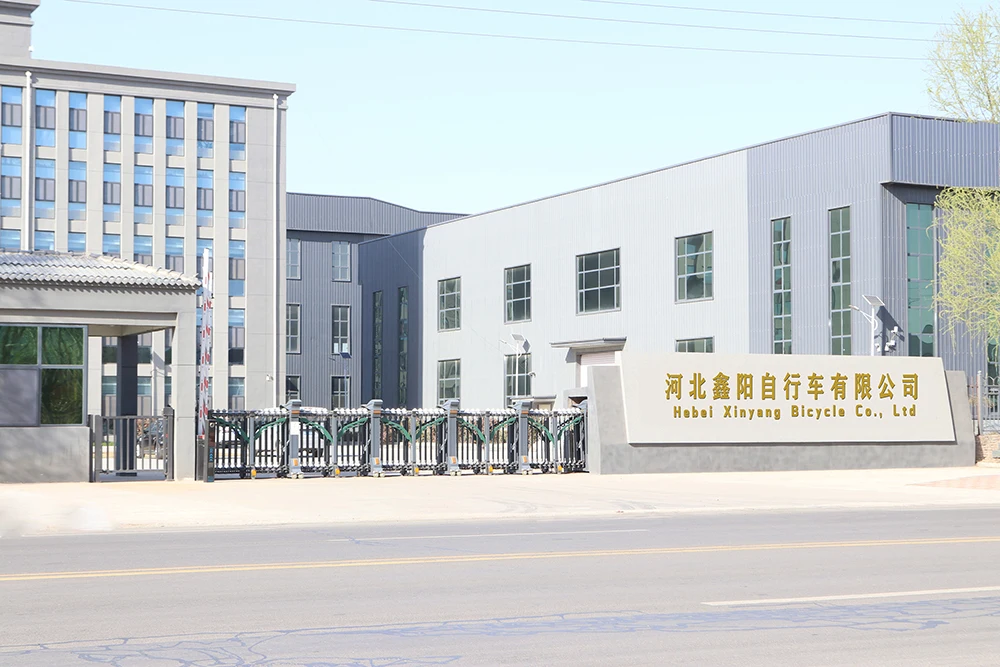
Hebei Xinyang Bicycle Co., Ltd.
- Manufacturer, Trading Company
- Hebei Province, China
- Lead time0 days
- Avg. response≤ 5h
Main productsbicycle,Bicycle for kids,Bicycle accessories,Toy car,bike
Main marketsSouth Asia(10.0%), Southeast Asia(10.0%), Central America(10.0%), Mid East(10.0%), North America(10.0%), Domestic Market(5.0%), Africa(5.0%), Southern Europe(5.0%), Northern Europe(5.0%), Eastern Europe(5.0%), Western Europe(5.0%), Eastern Asia(5.0%), South America(5.0%), Oceania(5.0%)
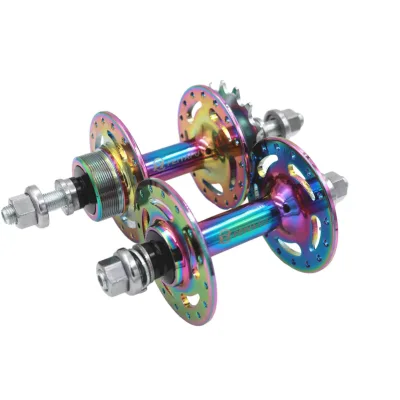
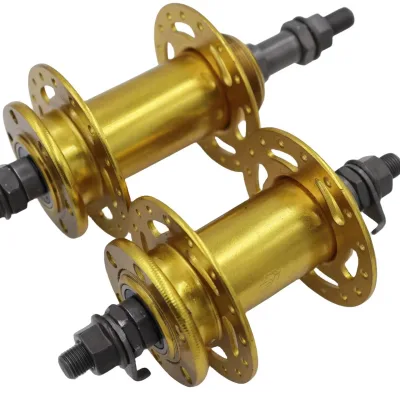
Factory Production Bicycle Accessories CNC Parts Aluminum Alloy Bicycle Hub
$5.57 - $7.34
MOQ: 100 pieces
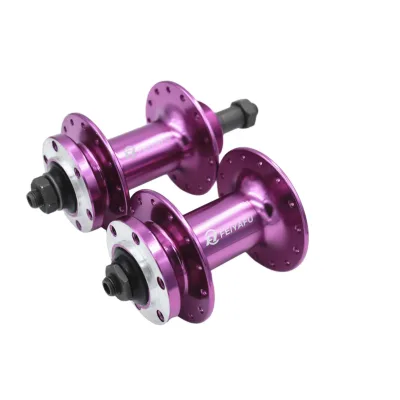
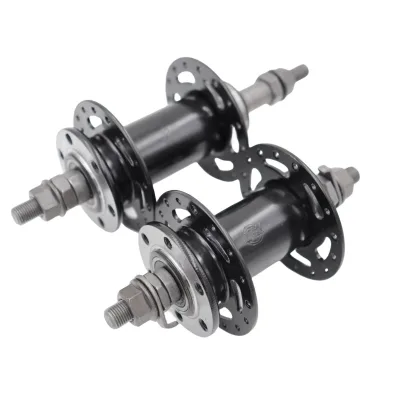
$2.20 - $2.90
MOQ: 1 pieces

Hebei Hongchi Bicycles Co., Ltd
- Verified by BV
- Manufacturer
- China Hebei
- Lead time15 days
- Avg. response≤ 8h
Main productsChainwheel&Crank, Bicycle Parts, Bicycle Accessories, Children Bike, Children Toy, Scooter, Stroller, Electric Car, Saddle, Basket

Xingtai Tianjiu Bicycle Parts Co., Ltd
- Verified by SGS
- Combined
- China Hebei
- Lead time30 days
- Avg. response≤ 4h
Main productsBicycle Parts, Bicycle, Bicycle Crank&Chainwheel, Bicycle Brake Sets, Saddle, Pedal, Bicycle Accessories, Bicycle Tire, Children Toy Vehicle, Bike Parts
Main marketsAfrica,Domestic,Europe
Guangxi Bernee Trading Co., Ltd.
- Manufacturer, Trading Company
- Guangxi, China
- Lead time20 days
- Avg. response≤ 2h
Main productsmaking forks oem&odm,all bicycle parts selling,ebike parts selling,mtb bicycle selling,ebike selling
Main marketsEastern Europe(15.0%), Western Europe(15.0%), South Asia(10.0%), Northern Europe(10.0%), South America(10.0%), Domestic Market(5.0%), Africa(5.0%), Southern Europe(5.0%), Southeast Asia(5.0%), Central America(5.0%), North America(5.0%), Eastern Asia(5.0%), Mid East(5.0%), Oceania(5.0%)
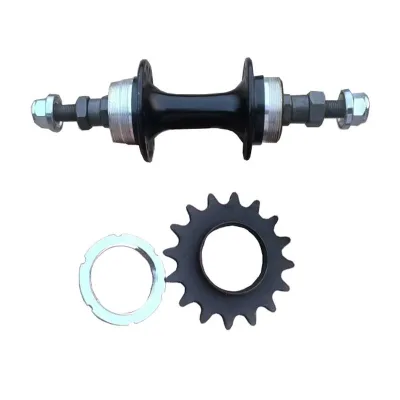
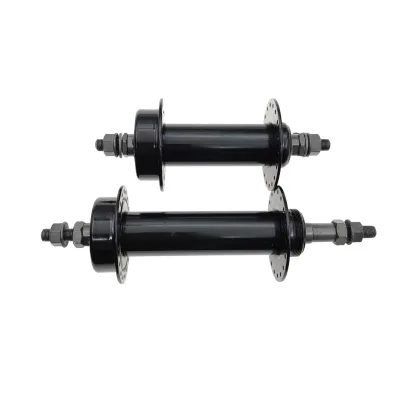
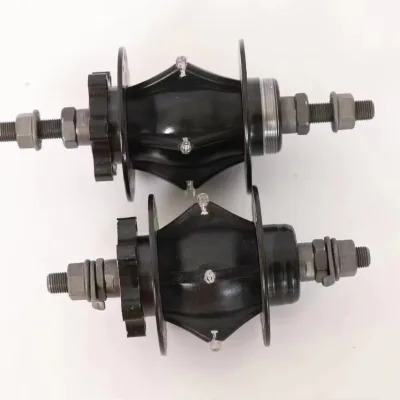
Cheap Bicycle Parts Snow Bicycle Hubs Aluminum Alloy Steel Beach Bike Hub Brake Wheel Bike Hubs
$2.33 - $5.01
MOQ: 20 Minimum

Anhui Hongjian Electronic Technology Co., Ltd.
- Verified by CTI
- Combined
- China Anhui
- Lead time15 days
- Avg. response≤ 3h
Main marketsAfrica,Southeast Asia/ Mideast,Domestic,Europe

Road Bike Aluminum Alloy Hub-36 Holes Black Front/Rear Disc Brake Quick Release Hub
$5.66 - $6.68
MOQ: 150 Pieces


Wuxi Henderchan Industrial Co Ltd
- Verified by SGS
- Trading Company
- China Jiangsu
- Lead time45 days
- Avg. response≤ 3h
Main productsCustom CNC Machining Parts, CNC Machining Service, Custom Investment Casting Parts, Investment Casting Service, Precision Forging Service, Custom Precision Forging Parts, Hinges, Go Kart Parts, Metal Fabrication Service, Custom Metal Fabrication Parts
Main marketsEurope

Guangzong Shuanglong Bicycle Industry Co., Ltd.
- Manufacturer
- China Hebei
- Lead time30 days
- Avg. response≤ 13h
Main productsMountain Bike, Children Bicycle, Bicycle, Bicycle Parts
Main marketsSouth America,Africa,Southeast Asia/ Mideast


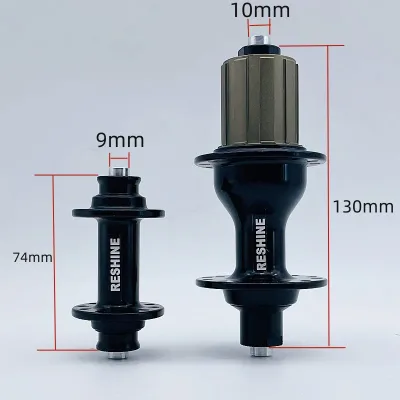
Bicycle Wheel Hubs Aluminum Front Hub and Rear Hub with High Quality and Disc Brake System
$1.72 - $2.10
MOQ: 500 Pieces


New Promotion 2021 Hot Style Mountain Bike Rear Hubs Axle Thru Bicycle Hub
$0.15 - $0.25
MOQ: 500 Pieces
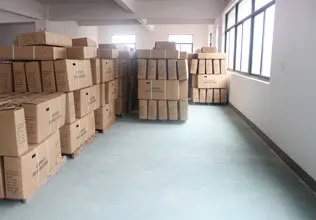
Hangzhou Thumbike Bicycle Co., Ltd.
- Manufacturer
- Zhejiang, China
- Lead time35 days
- Avg. response≤ 2h
Main productsebike,BMX,road bike,city bike
Main marketsNorth America(70.0%), Western Europe(10.0%), Northern Europe(5.0%), South America(5.0%), Oceania(5.0%), Eastern Europe(5.0%)
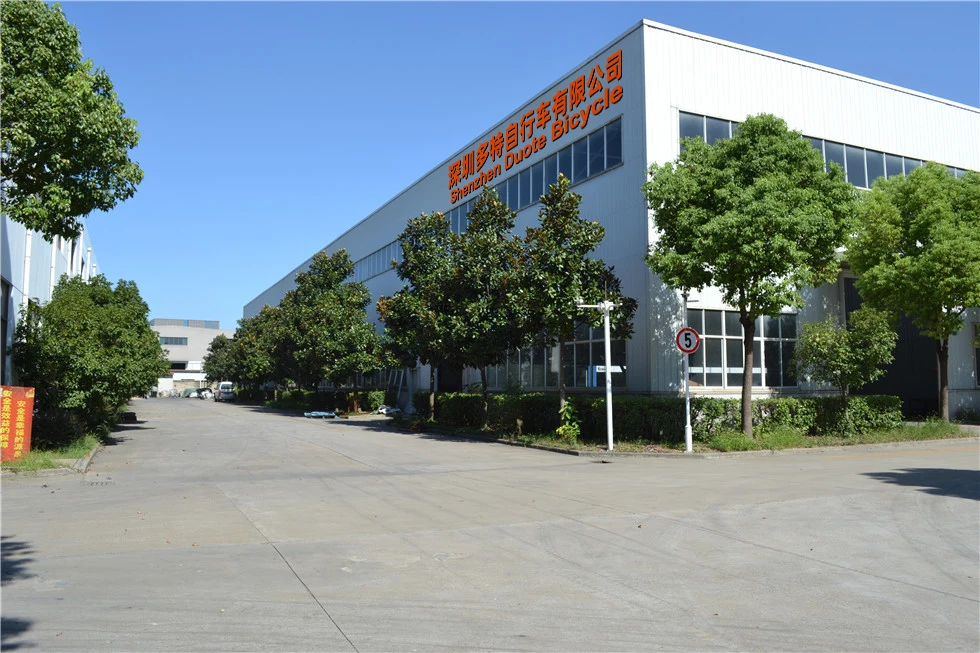
Shenzhen Duote Bicycle Co., Ltd.
- Manufacturer
- Guangdong, China
- Lead time45 days
- Avg. response≤ 2h
Main productsBicycle Wheelset,Bicycle Hubs,MTB Hubs,Carbon Wheel Set,MTB Wheel
Main marketsDomestic Market(60.0%), Southeast Asia(15.0%), Eastern Asia(10.0%), South America(10.0%), Africa(5.0%)

XINGTAI WINWAY IMPORT & EXPORT TRADING CO., LTD.
- Trading Company
- China Hebei
- Lead time23 days
- Avg. response≤ 23h
Main productsMotorcycle Shock Absorber, Motorcycle Brake Shoe, Motorcycle Cable, Motorcycle Sprocket, Motorcycle Mirror, Motorcycle Speedometer, Motorcycle Headlight, Motorcycle Oil Seal, Motorcycle Spark Plug, Motorcycle Kick Staerter
Main marketsSouth America,Africa,Southeast Asia/ Mideast

Steel 28 Hole Bicycle Parts Front and Rear Hubs
Contact supplier

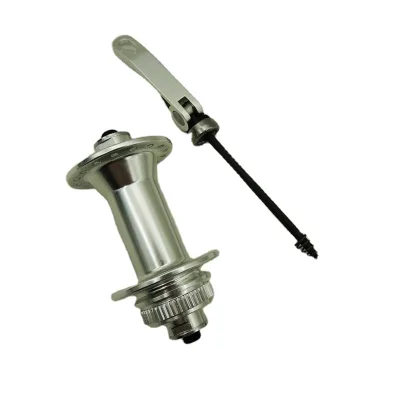
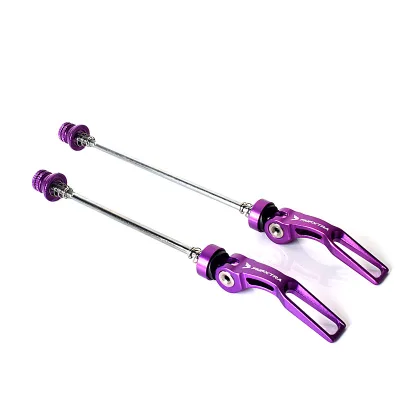
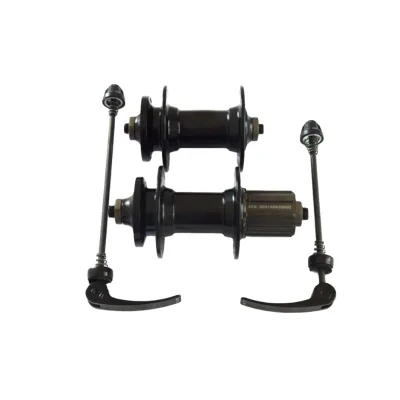
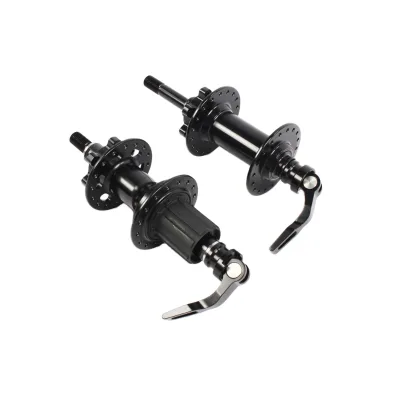
Quick Release Bicycle Hub Mountain Bicycle Hub Set
Contact supplier


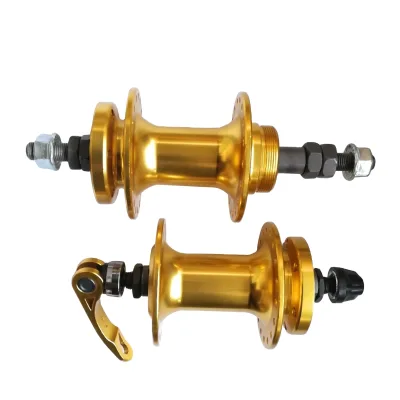
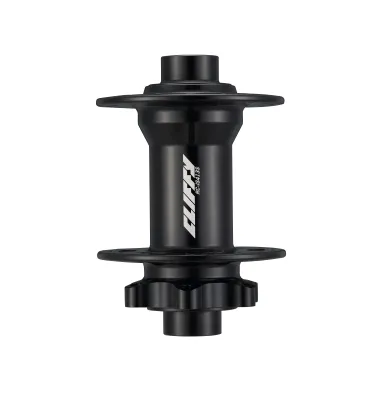
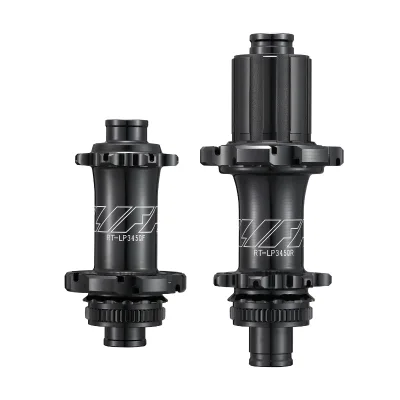
Comprehensive Sourcing Guide
Lightweight Aluminum Alloy Bicycle Hub Supplier Concentration and Factory Types
The current supplier landscape for lightweight aluminum alloy bicycle hubs reveals a distinct geographic concentration in China, specifically within the Anhui and Hebei provinces. These regions serve as primary manufacturing hubs where both trading companies and direct manufacturers operate to meet global demand. In Anhui, suppliers often present themselves as a hybrid of trading and factory entities, suggesting a supply chain that integrates direct production capabilities with commercial distribution networks. This dual structure allows for flexibility in order sizes and customization options, catering to buyers who require both OEM and ODM services. The presence of ISO 9001 and ISO 14001 certifications among these suppliers indicates a baseline commitment to quality management and environmental standards, which is crucial for maintaining consistent product quality in aluminum alloy processing. Buyers evaluating this region should note that the concentration of such facilities facilitates easier communication regarding technical specifications and material sourcing, as the local ecosystem is well-versed in the nuances of bicycle component manufacturing.
In contrast, suppliers located in Hebei Province predominantly identify as manufacturers or trading companies with a strong focus on bicycle accessories and parts. The operational model here often emphasizes high-volume production of standard components, such as sealed bearing hubs and disc brake compatible models. The distinction between a pure manufacturer and a trading company is critical for buyers, as it directly impacts pricing structures and communication efficiency. While trading companies may offer a broader range of compatible parts and easier negotiation on mixed orders, direct manufacturers typically provide deeper insights into production processes and material integrity. The observed supplier types suggest that buyers can find entities capable of handling both small-batch customizations and large-scale wholesale orders. Understanding this dichotomy helps in selecting a partner that aligns with specific business needs, whether that involves strict quality control oversight or rapid access to diverse inventory. The geographic clustering in these Chinese provinces underscores the importance of regional expertise in aluminum alloy fabrication and hub assembly.
How to Verify Lightweight Aluminum Alloy Bicycle Hub Suppliers
Verifying the legitimacy and capability of suppliers requires a multi-layered approach that goes beyond surface-level profile reviews. Buyers should prioritize suppliers who display verifiable system certifications such as ISO 9001 and ISO 14001, as these indicate adherence to international quality and environmental management standards. For aluminum alloy hubs, material integrity is paramount, so confirming that the supplier uses certified aluminum materials, such as AL7075 or similar alloys, is essential. Buyers can request material test reports or mill certificates to ensure the alloy composition meets specified strength and weight requirements. Additionally, checking the supplier’s response time provides insight into their operational efficiency and customer service readiness. A response time of under ten hours, as observed in some profiles, suggests a responsive team capable of addressing technical queries and order modifications promptly. This responsiveness is particularly important when discussing custom specifications, such as axle types, spoke hole counts, or disc mount configurations.
Beyond certifications and response metrics, buyers must verify the supplier’s production capacity and customization capabilities. Suppliers claiming OEM and ODM services should be able to provide detailed information about their manufacturing processes, including CNC machining capabilities and assembly line standards. Requesting samples is a critical step in this verification process, allowing buyers to assess the actual weight, finish, and bearing quality of the hubs. The presence of specific product attributes, such as sealed bearings or thru-axle compatibility, should be confirmed against the supplier’s technical documentation. Furthermore, buyers should inquire about the supplier’s quality control procedures, including how they handle defects and warranty claims. For suppliers in Hebei and Anhui, understanding their supply chain resilience is also important, as disruptions in raw material sourcing can impact lead times. By combining certification checks, response time analysis, and physical sample evaluation, buyers can build a comprehensive profile of a supplier’s reliability and technical competence.
What to Compare Across Lightweight Aluminum Alloy Bicycle Hub Suppliers
When evaluating multiple suppliers, buyers must compare key operational metrics to determine the best fit for their procurement strategy. Lead time is a critical factor, with some suppliers indicating a standard lead time of forty-five days, while others may offer faster turnaround times for stock items. Understanding these variations helps in planning inventory levels and meeting customer delivery expectations. Minimum Order Quantity (MOQ) is another significant differentiator, ranging from small quantities of one unit for sampling or niche custom orders to larger batches of one hundred units for standard production runs. Buyers should align their order volume with the supplier’s MOQ policies to avoid unnecessary costs or inventory bottlenecks. Additionally, comparing pricing structures is essential, as costs can vary based on material grades, bearing types, and customization levels. Some suppliers offer competitive pricing for standard aluminum hubs, while others may charge premiums for specialized features like torque sensor integration or internal geared mechanisms.
Response time and communication efficiency also play a vital role in supplier comparison. Suppliers with faster response times, such as those under ten hours, are often better equipped to handle urgent requests and complex technical discussions. Buyers should also consider the supplier’s main product focus, as those specializing in bicycle hubs may offer deeper technical expertise compared to general trading companies. The availability of customization options, including logo printing, color finishes, and specific axle configurations, should be clearly defined and compared across potential partners. Furthermore, evaluating the supplier’s packaging standards is important for protecting the hubs during transit, with carton packaging being a common standard. Buyers should also assess the supplier’s ability to provide comprehensive product documentation, including assembly instructions and maintenance guidelines. By systematically comparing lead times, MOQs, pricing, response speeds, and customization capabilities, buyers can make informed decisions that balance cost, quality, and service levels.
Common Lightweight Aluminum Alloy Bicycle Hub Sourcing Risks
Sourcing lightweight aluminum alloy bicycle hubs involves several inherent risks that buyers must proactively manage to ensure successful procurement. One significant risk is the discrepancy between advertised specifications and actual product quality, particularly regarding material composition and bearing performance. Aluminum alloys can vary in grade, and inferior materials may compromise the hub’s strength and durability, leading to premature failure in demanding riding conditions. Buyers must mitigate this risk by requesting detailed material certifications and conducting rigorous quality checks on received samples. Another common risk is the variability in lead times, which can impact supply chain stability. Suppliers may experience delays due to raw material shortages or production bottlenecks, so buyers should establish clear communication channels and contingency plans to address potential disruptions. Understanding the supplier’s production capacity and historical performance can help in anticipating and managing these delays effectively.
Packaging and logistics risks are also prevalent, especially when sourcing from distant manufacturing hubs. Improper packaging can lead to damage during transit, resulting in defective products and increased return costs. Buyers should verify that suppliers use robust packaging standards, such as reinforced carton boxes, to protect the hubs from impact and moisture. Additionally, the risk of miscommunication regarding technical specifications, such as axle dimensions or disc mount types, can lead to incompatible products. To minimize this risk, buyers should provide detailed technical drawings and specifications and confirm understanding with the supplier before production begins. Another risk is the potential for hidden costs, such as shipping fees or customs duties, which can affect the total landed cost. Buyers should clarify all commercial terms upfront and ensure that pricing includes all relevant charges. By identifying and addressing these risks through thorough verification and clear communication, buyers can safeguard their procurement processes and ensure the receipt of high-quality aluminum alloy bicycle hubs.
Lightweight Aluminum Alloy Bicycle Hub Regional Sourcing and Logistics
Regional sourcing from China, particularly from Anhui and Hebei provinces, offers distinct advantages and challenges for buyers of lightweight aluminum alloy bicycle hubs. These regions are established manufacturing clusters with well-developed supply chains for bicycle components, facilitating efficient production and material sourcing. The proximity of suppliers to raw material providers and logistics hubs can reduce lead times and transportation costs. However, buyers must navigate the complexities of international shipping and customs regulations to ensure smooth delivery. Understanding the specific logistics capabilities of suppliers in these regions is crucial, as some may have established relationships with freight forwarders that offer competitive rates and reliable service. Buyers should also consider the impact of regional trade policies and tariffs on the final cost of goods, as these factors can significantly affect profitability.
Logistics planning should account for the weight and volume of the hubs, as aluminum alloy components, while lightweight individually, can add up in bulk shipments. Proper palletization and container loading strategies are essential to maximize space utilization and minimize shipping costs. Buyers should also evaluate the supplier’s ability to handle export documentation and compliance requirements, ensuring that all necessary certificates and invoices are provided accurately. The choice between sea and air freight will depend on the urgency of the order and the total volume, with sea freight being more cost-effective for large orders and air freight suitable for urgent replenishments. Additionally, buyers should consider the environmental impact of their logistics choices, as some suppliers may offer eco-friendly packaging or carbon-neutral shipping options. By carefully planning regional sourcing and logistics, buyers can optimize their supply chain efficiency and ensure timely delivery of high-quality aluminum alloy bicycle hubs to their target markets.
Lightweight Aluminum Alloy Bicycle Hub Commercial Terms and Order Planning
Effective order planning and clear commercial terms are essential for successful procurement of lightweight aluminum alloy bicycle hubs. Buyers should establish detailed agreements that specify pricing, payment terms, delivery schedules, and quality assurance protocols. Understanding the supplier’s pricing structure, including any volume discounts or customization fees, is crucial for accurate cost forecasting. Payment terms should be negotiated to balance risk and cash flow, with options such as letters of credit or escrow services providing security for both parties. Buyers must also define clear quality acceptance criteria, including tolerances for weight, dimensions, and bearing performance, to ensure that delivered products meet their specifications. Establishing a robust quality control process, including pre-shipment inspections, can help identify and rectify issues before goods are dispatched.
Order planning should also consider the supplier’s production capacity and lead times to avoid stockouts or excess inventory. Buyers should maintain open communication with suppliers to stay informed about production progress and potential delays. Flexibility in order quantities and delivery schedules can help adapt to changing market demands and supply chain disruptions. Additionally, buyers should plan for after-sales support, including warranty claims and technical assistance, to ensure long-term satisfaction with the product. Understanding the supplier’s return and replacement policies is vital for managing defective products efficiently. By integrating commercial terms with strategic order planning, buyers can build a resilient supply chain that supports their business goals and ensures the consistent supply of high-quality aluminum alloy bicycle hubs. This holistic approach minimizes risks and maximizes value throughout the procurement lifecycle.
FAQs
What is the price range for lightweight aluminum bicycle hubs?
Prices for lightweight aluminum bicycle hubs typically range from $2.20 to $18.50 per unit. The cost varies based on specific model features, axle type, and braking system compatibility. Buyers should verify exact pricing with suppliers, as costs depend on order volume and customization requirements for specific bike applications.
What is the minimum order quantity for aluminum bike hubs?
The minimum order quantity for aluminum bike hubs is generally 100 units for standard models. However, some suppliers offer a minimum order of just 1 unit for customizable or specialized threaded alloy hubs. Buyers must confirm the specific MOQ with the supplier, as it depends on the product model and customization level.
Where are these aluminum bicycle hubs manufactured?
These aluminum bicycle hubs are manufactured in China, specifically in Anhui and Hebei Province. Suppliers in these regions offer both OEM and ODM services. Buyers should verify the exact place of origin for each product listing, as manufacturing locations can vary between different suppliers and specific hub models.
What certifications do these hub suppliers hold?
Suppliers for these hubs hold ISO 9001, ISO 14001, ISO 14000, and ISO 14064 certifications. These standards ensure quality management and environmental responsibility in the manufacturing process. Buyers should request valid certification documents from suppliers to verify compliance with international standards before placing large orders.
How long does production take for these hubs?
Production lead times for these hubs are typically around 45 days. Some suppliers may indicate zero days for specific ready-stock items, but buyers should always confirm current lead times. Response times for inquiries average around 5 to 9 hours, ensuring prompt communication regarding production schedules and order status.
Can I customize these aluminum bicycle hubs?
Yes, customization is available for many aluminum bicycle hub models. Suppliers offer OEM and ODM services, allowing for specific axle materials, disc mount configurations, and color options. Buyers should discuss their specific requirements with the supplier to ensure the customized hub meets their exact application needs and technical specifications.