ID Card Cutter with Corner Trimming Suppliers and Manufacturers
Explore 27 verified options for ID Card Cutter with Corner Trimming from Zhejiang and Hubei factories. Compare response times, lead times, certifications, and pricing to find the right partner. Contact suppliers directly to request samples or quotes; review the available evidence before requesting comparable quotations from suitable candidates.
Suppliers List
Ninghai Haibei Stationery Co., Ltd.
- Manufacturer, Trading Company
- Zhejiang, China
- Lead time30 days
- Avg. response≤ 4h
Main productsPaper Fastener,Paper Clip,Stapler,Staples
Main marketsSouth America(35.0%), Eastern Europe(20.0%), Southeast Asia(17.0%), Mid East(10.0%), North America(4.0%), Oceania(2.0%), Africa(2.0%)
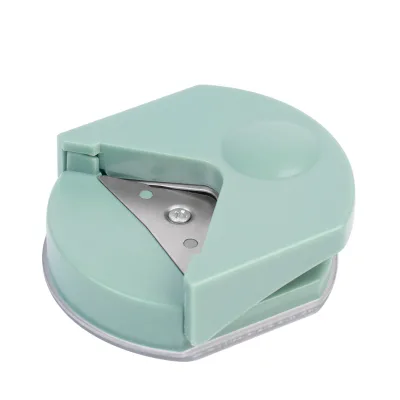
Manual Corner Cutter Card Paper Photo Cutter for Right Angle Round Corner Trimming
$0.36
MOQ: 4000 pieces
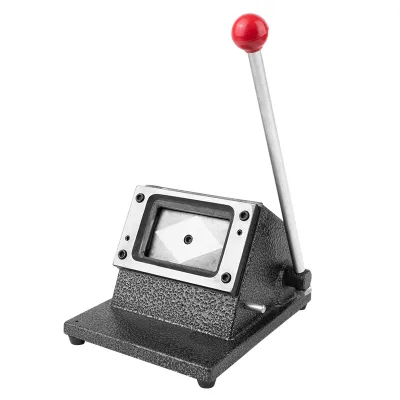
$22.73 - $27.44
MOQ: 25 pieces

WUHAN YAOQIWEI MACHINERY TECHNOLOGY CO., LTD.
- Verified by TUVRHEINLAND
- Combined
- China Hubei
- Lead time30 days
- Avg. response≤ 13h
Main productsCard Laminator, Card Punching Machine, Smart Card, Inkjet/Laser PVC Printing Sheet, Steel Plate, RFID Chip, Neck Strap Lanyards/Badge Reel, Hologram PVC Sheet, Hot Stamping Machine, Card Embosser
Main marketsDomestic


Round Corner Cutter Machine PVC Card Round Corner Machine for Business Cards
$20.00 - $30.00
MOQ: 1 set

Office Paper Trimmer Round Shape PVC ID Card Cutter Machine PVC Card Die Cutter
$61.00 - $75.00
MOQ: 1 set


- Verified by SGS Group
- Manufacturer, Trading Company
- Lead time15 days
- Avg. response≤ 2h
Main productsPaper Cutter, Paper Trimmer, Glue Binding Machine, Cold Laminating Machine, Roll Laminators
Main marketsWestern Europe(45%), Southeast Asia(20%), South America(10%)
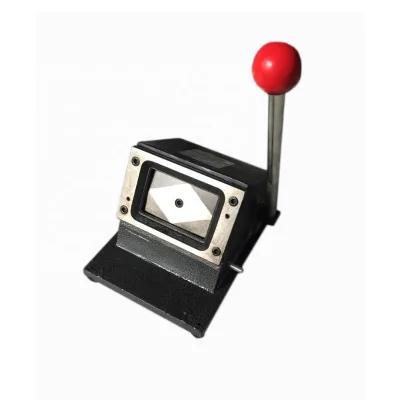
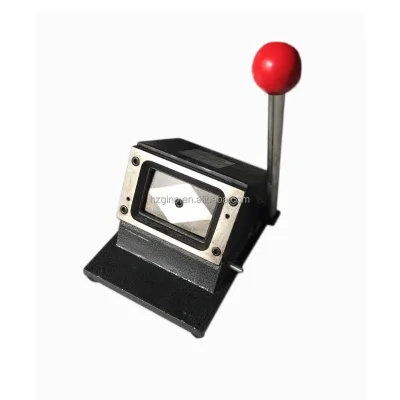
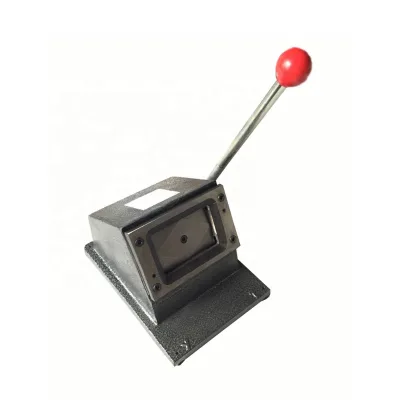
Befitter Manual PVC & Hand Id Business Card Cutter-Black
$21.40 - $24.00
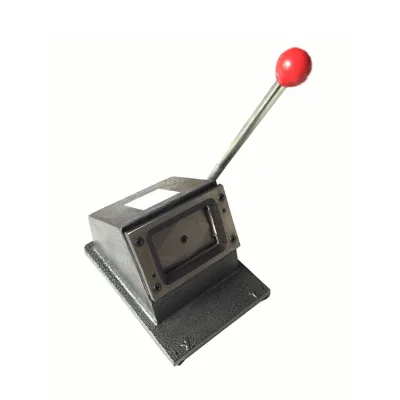

- Verified by TUVRHEINLAND
- Trading Company,Manufacturer/Factory
- China Zhejiang
- Lead time23 days
- Avg. response≤ 15h
Main productsSoft Cover Book Machines, Hard Cover Book Machines, Exercise Book Machines, Spiral Binding Book Machines, Postpress Machines, Color Boxes Making Machines, Rigid Box Making Machines, Paper Bag Machine Machines
Main marketsSouth America,Eastern Europe,Mid East,North America,Southeast Asia,Eastern Asia,Oceania,Western Europe,Africa

Business Card Angle Cutting with Round Corner Cutter Machine Price
$18000.00 - $21000.00
MOQ: 1 Pieces

$5800.00 - $6800.00
MOQ: 1 Pieces

Hangzhou Fuyang Huibo Hansway (BOWAY) Trading Co., Ltd.
- Combined
- China Zhejiang
- Lead time30 days
- Avg. response≤ 16h
Main productsPaper Cutter, Perfect Binder, Roll Laminator, Creasing Perforation, Guillotine, Book Binder, Glue Binding Machine, Card Cutter, Paper Cutting Machine, Foil Printer
Main marketsSouth America,Africa,Southeast Asia/ Mideast,Europe,Australia,North America

200 Pieces/Min Namecard Automatic Business Name Card Cutter Trimmer (Middle Speed)
Contact supplier
MOQ: 1 Pieces


Full Auto A3 Namecard Business Name Card Cutter Cutting Machine (Middle speed)
Contact supplier
MOQ: 1 Pieces

100sheet/3mins Namecard Cutting Full Automatic Business Name Card Cutter
Contact supplier
MOQ: 1 Pieces

Cangzhou Longway Imp & Exp Co., Ltd.
- Trading Company
- Hebei, China
- Lead time20 days
- Avg. response≤ 4h
Main productsFilling Machine/Strapping Machine/Bottle Labeling Machine/Sealing Machine/Carton Machine,strapping machine,packing machine,printing machine,mixing machine
Main marketsWestern Europe(14.000000000000002%), Southeast Asia(9.0%), Mid East(9.0%), Southern Europe(9.0%), Eastern Asia(8.0%), Eastern Europe(8.0%), Northern Europe(8.0%), South Asia(8.0%), Domestic Market(7.000000000000001%), North America(5.0%), Africa(5.0%), South America(4.0%), Oceania(3.0%), Central America(3.0%)
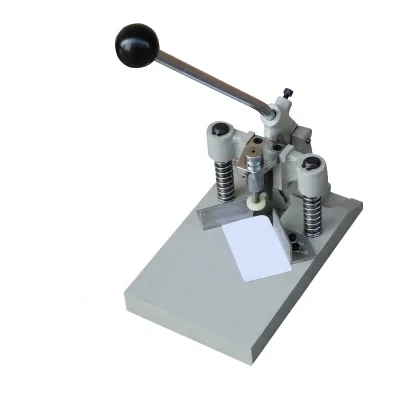
Hand Operate Pvc Business Card Die Cutter for ID Name Photo Paper Corner Cutting Machine
$70.80 - $81.07
MOQ: 1 sets
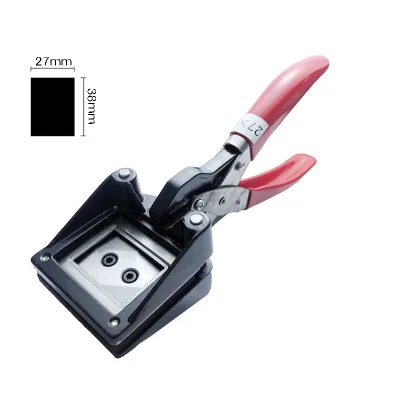
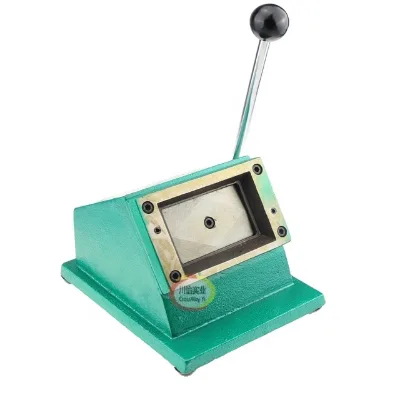
Handheld ID Card Cutter Photo Die Cutter (Square and Rounded Corner Optional)
$11.00 - $15.00
MOQ: 1 packs
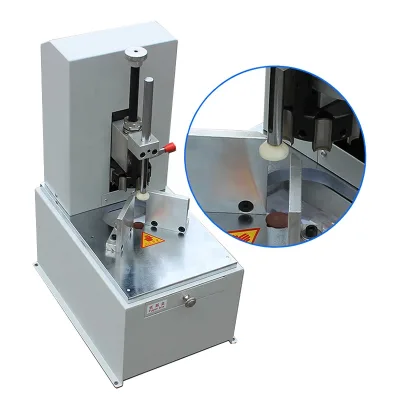
Heavy Duty High Speed Electric Pvc/Card/leather Round/Paper Corner Cutter Machine With 7 Cutter
$410.00 - $419.00
MOQ: 1 sets

Ningbo Bs Printing Machinery Equipment Co., Ltd.
- Verified by BV
- Trading Company
- China Zhejiang
- Lead time15 days
- Avg. response≤ 4h
Main productsDouble Wire Binding Machine, Punching Machine, Paper Cutting Machine, Stamping Machine, Glue Binding Machine, Lamnation Machine
Main marketsNorth America

Electric Heavy Duty Book Corner Cutter /Business Card Round Corner Cutter
$530.00 - $685.00
MOQ: 1 sets

Round Corner Machine for Business Card Round Corner Cutter Paper Round Corner Cutter Machine
$530.00 - $685.00
MOQ: 1 sets
Wuhan Jia Qirui Card Technology Co., Ltd.
- Manufacturer, Trading Company
- Hubei, China
- Lead time10 days
- Avg. response≤ 5h
Main productscard laminator,card punching,DOD UV printer,card wrapping machine,hot stamping machine
Main marketsNorth America(57.99999999999999%), South America(23.0%), Eastern Europe(14.000000000000002%), Western Europe(3.0%), Domestic Market(2.0%)
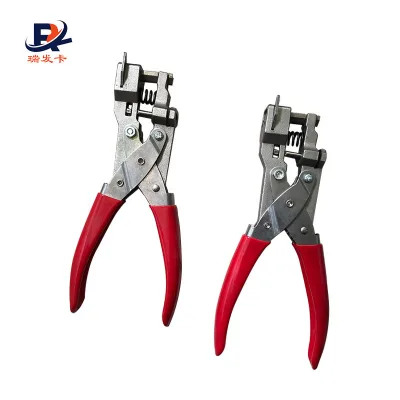
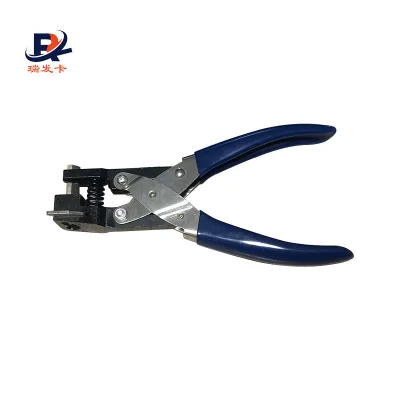
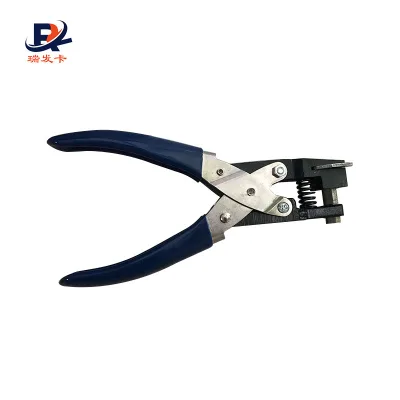
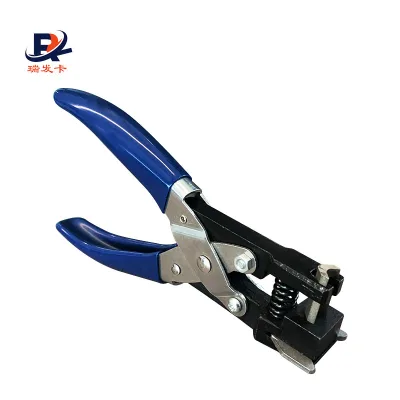
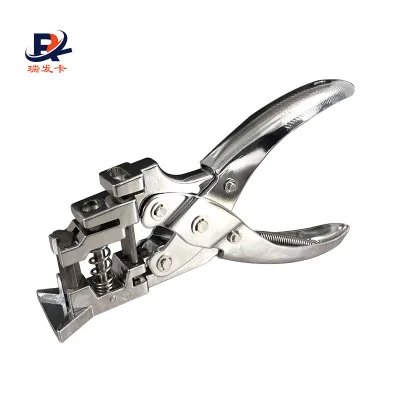
Handheld Plastic Card Rounded Corners / Flat Holes / Round Holes Hole Puncher for ID Cards Badge
$13.28 - $14.30
MOQ: 1 sets

Shenzhen Wentong Machinery Co., Ltd.
- Verified by SGS
- Combined
- China Guangdong
- Lead time30 days
- Avg. response≤ 4h
Main productsChildren Book Machine, Playing Cards Machine, Die Cutting Machine, Punching Machine, Packaging Machine, Smart Card Making Machine, RFID Machine, Testing Machine
Main marketsDomestic,Europe


Card Cutter Pet Card Credit Card Business Card Semi-Automatic Puncher
$40000.00 - $78000.00
MOQ: 1 Pieces


Auto Punch Card Slitter Collator PP Card Tarot Cards Credit Card Puncher
$40000.00 - $78000.00
MOQ: 1 Pieces
Jiangxi Quanheng Material Technology Company Limited
- Verified by SGS Group
- Trading Company
- Lead time10 days
- Avg. response≤ 2h
Main productsLaminator, Air Cushion Machine, Sealing Machine, Air Cushion Film, Packing Bags
Main marketsNorth America(33%), Southeast Asia(28%), Western Europe(25%)
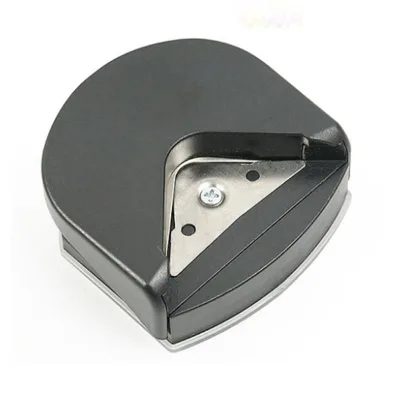
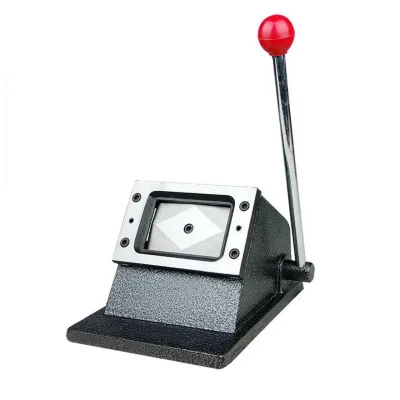
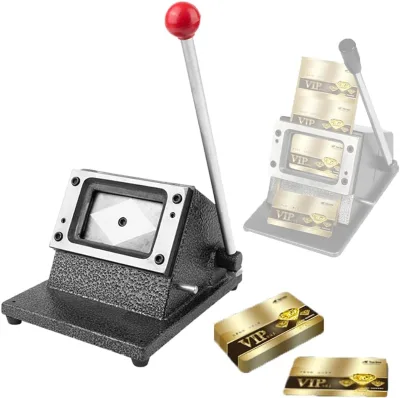
Safe and Easy Manual Card Cutter with Anti Slip Base and Simple Operation
$20.41 - $29.60
MOQ: 1 pieces

HE NAN PENG HUI MACHINERY AND EQUIPMENT CO., LTD.
- Verified by CTI
- Manufacturer/Factory
- China Henan
- Lead time15 days
- Avg. response≤ 3h
Main productsMeat Processing Machine, Fruit Processing Machine, Vegetable Processing Machine, Seafood Processing Machine, Grain Product Processing Machine, Snack Machine, Nuts Processing Machine, Quilting Machine, Textile Machine, Paper Product Processing Machine
Main marketsSouth America,Eastern Europe,Mid East,North America,Southeast Asia,Eastern Asia,Oceania,Western Europe,Africa

Electric Book Paper Round Corner Cutting Machine Business Card Round Corner Cutter
$600.00 - $1200.00
MOQ: 1 Pieces

Vertical Certificate Card Leather Hangtags Notebook PVC Round Corner Cutter Cutting Machine
$600.00 - $1200.00
MOQ: 1 Pieces
Hangzhou Befitter Machinery & Electronic Co., Ltd.
- Verified by SGS Group
- Manufacturer, Trading Company
- Lead time7 days
- Avg. response≤ 2h
Main productsLaminating machine, Punching machine, Creasing machine, Cutting machine, Binding Machine
Main marketsWestern Europe(23%), Eastern Europe(20%), Southeast Asia(20%)
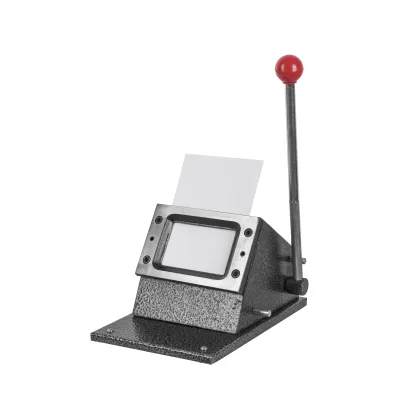
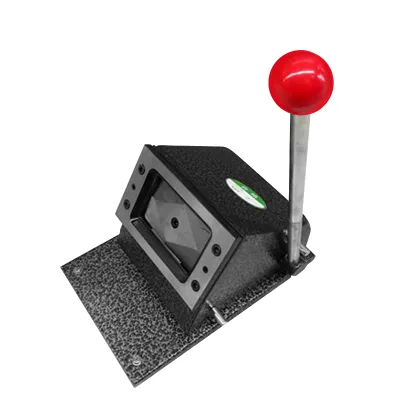
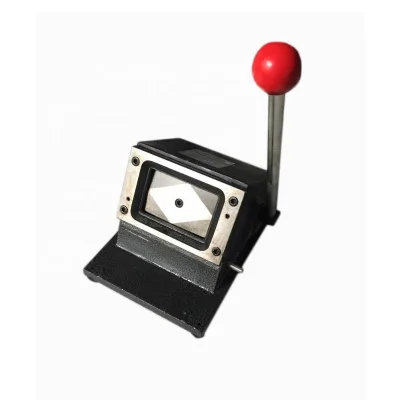
Table-top Photo ID Card Cutter for Passport 90*55
$20.60 - $24.00

Dongguan Cheung Wo Hing Printing Machinery Co., Ltd.
- Verified by TUVRHEINLAND
- Combined
- China Guangdong
- Lead time60 days
- Avg. response≤ 8h
Main productsNotebook Making Machine, Printing and Folding Machinery, Printing Machine, Exercise Book Making Machine, Rlue Back Binding Machine, Exercise Book Sewing and Spiral Forming Mahinery, Flexographic Printing Machine, Newbook Stitching Mahinery, Automatic Punching Machine, Book Sealing and Shrinkinng Machine
Main marketsDomestic
Hangzhou Fuyang Sigo Office Supplies Co., Ltd.
- Manufacturer, Trading Company
- Zhejiang, China
- Lead time15 days
- Avg. response≤ 3h
Main productspaper cutter,perfect binding machine,laminating machine,binding machine,folding machine
Main marketsEastern Asia(15.0%), Northern Europe(15.0%), South Asia(12.0%), Africa(10.0%), Mid East(9.0%), Southern Europe(8.0%), Oceania(7.000000000000001%), Eastern Europe(5.0%), Western Europe(5.0%), Central America(4.0%), South America(3.0%), North America(3.0%), Domestic Market(2.0%), Southeast Asia(2.0%)
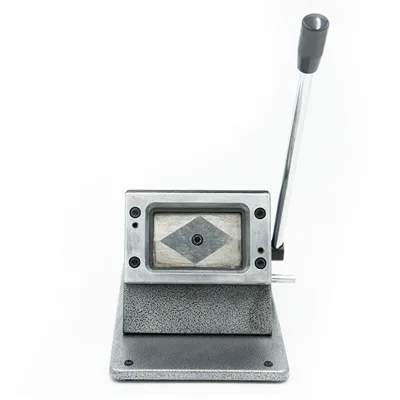
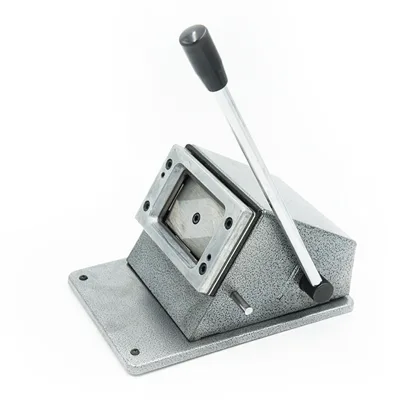
Manual ID Badge Credit PVC Paper Business Card Die Round Corner Cutter Heavy
$19.11 - $21.16
MOQ: 4 units
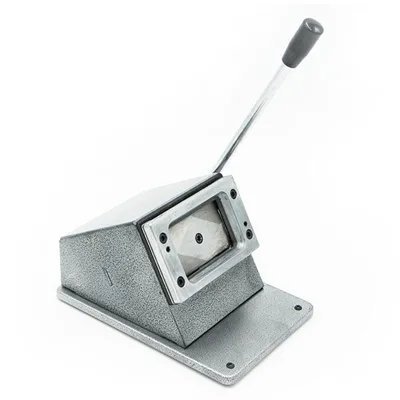
Heavy 86x54mm ID Business Credit PVC Paper Card Rounder Corner Punch Die Cutter
$18.91 - $20.95
MOQ: 4 units

Hangzhou Befitter Machinery & Electronic Co., Ltd.
- Trading Company,Manufacturer/Factory
- China Zhejiang
- Lead time23 days
- Avg. response≤ 9h
Main productsLaminating Machine, Paper Cutting Machine, Roll Laminator, Perfect Glue Binding Machine, Automatic Binding Machine, Die Cutting Machine, Book Binding Machine, Label Cutting Machine, Creasing Machine, Binding Machine
Main marketsSouth America,Eastern Europe,Mid East,Southeast Asia,Eastern Asia,Western Europe,Africa

WUXI VOKEDA TECHNOLOGY CO., LTD.
- Trading Company,Manufacturer/Factory
- China Jiangsu
- Lead time15 days
- Avg. response≤ 8h
Main productsBinding Machine, Paper Cutter, UV Coater Machine, Laminating Machine, Business Card Cutter, Paper Creaser, Paper Folding Machine, Numbering and Perforating Machine, Offset Press, Label Printing Machine
Main marketsSouth America,Eastern Europe,Mid East,North America,Southeast Asia,Eastern Asia,Oceania,Western Europe,Africa

Digital Business Card Cutter with Creaser, Card Slitter with Creasing
$16800.00 - $18000.00
MOQ: 1 Pieces


A4 High Speed Automatic Business Card Trimmer with Creasing and Perforating
$1.00 - $2500.00
MOQ: 1 Pieces

A3 Automatic Business Card Cutter, Coupon Ticket Card Cutter and Name Card Cutter
$1995.00 - $2195.00
MOQ: 1 Pieces

A4 High Speed Automatic Business Card Cutter with Creasing and Perforating
$1.00 - $2500.00
MOQ: 1 Pieces

Vokeda Automatic Smart Business Card Cutter, Name Card Cutter A3 Size
$1195.00 - $1395.00
MOQ: 1 Pieces
Wenzhou Youmao Office Equipment Co., Ltd.
- Manufacturer, Trading Company
- Zhejiang, China
- Lead time10 days
- Avg. response≤ 4h
Main productsPouch Laminator,Hot Roll Laminator,PVC card Cutter,Paper Cutter,Cold Laminator
Main marketsAfrica(15.0%), Southeast Asia(15.0%), South Asia(15.0%), Mid East(15.0%), South America(15.0%), Eastern Asia(5.0%), North America(5.0%), Central America(5.0%), Domestic Market(4.0%), Northern Europe(2.0%), Western Europe(1.0%), Eastern Europe(1.0%), Southern Europe(1.0%), Oceania(1.0%)

WENZHOU HONGYANG MACHINERY CO., LTD
- Verified by BV
- Manufacturer/Factory
- China Zhejiang
- Lead time30 days
- Avg. response≤ 24h
Main productsFlexo Printing Machine, Die Cutting Machine, Slitting and Rewinding Machine, Rewinding Machine, Slitting Machine, Die Cutter Machine, Medical Pouch Machine, Medical IV Dressing Machine, Surgery Wound Dressing Machine, Flexographic Printing Machine
Main marketsSouth America,Eastern Europe,Mid East,North America,Southeast Asia,Eastern Asia,Oceania,Western Europe,Africa
Hangzhou Caide Office Equipment Co., Ltd.
- Verified by TüVRheinland
- Manufacturer, Trading Company
- Lead time5 days
- Avg. response≤ 3h
Main productsPaper Cutting Machine, Perfect Glue Binder, Laminating Machine, Paper Creasing Machine, Notebook Stapler
Main marketsSouth America(30%), Western Europe(25%), Northern Europe(20%)
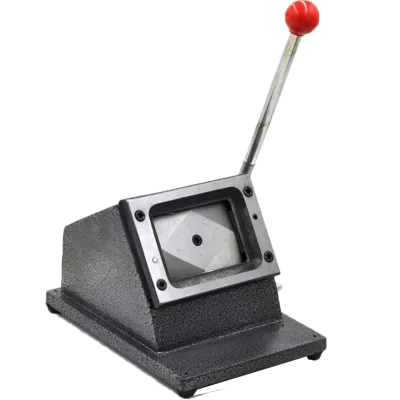
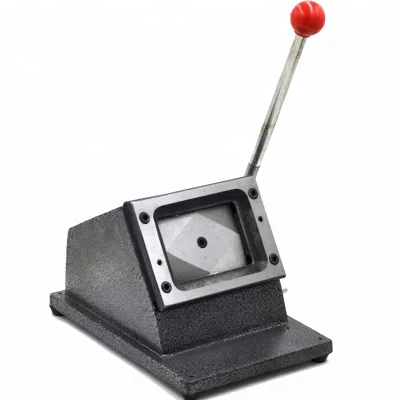

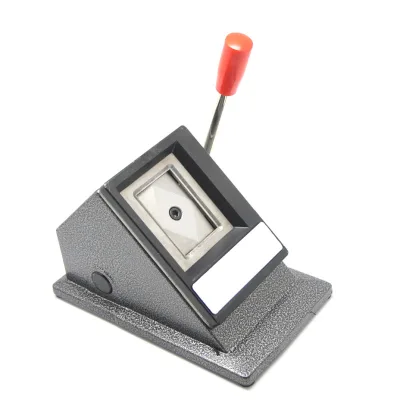
33*48mm Tabletop Passport Photo Cutter ID Photo Die Cutter
$30.00 - $50.00

Zhejiang Huayue Packing Machinery Co., Ltd.
- Verified by TUVRHEINLAND
- Combined
- China Zhejiang
- Lead time30 days
- Avg. response≤ 3h
Main productsPaper Cutter, Paper Cutting Machine, Knife Grinding Machine, Paper Guillotine, Lift, Jogger, Paper Cutting Machinery, Paper Cutter Machine, High Speed Cutter, Automatic Cutter
Main marketsSouth America,Europe

$50000.00 - $75000.00
MOQ: 1 Sets

$17000.00 - $18000.00
MOQ: 1 Pieces

Compact Multi-Function A4 Card Cutter for Precision Paper Cutting Guillotine Cutter
$36800.00 - $43500.00
MOQ: 1 Pieces
Zhejiang Daxiang Office Equipment Co., Ltd.
- Verified by SGS Group
- Manufacturer, Trading Company
- Lead time7 days
Main productsPaper Cutter/Round Corner Cutter, Laminating Machine, Perfect Binder/Creasing Machine, Folding Machine, Die Cutting Machine
Main marketsDomestic Market(50%), Southeast Asia(9%), Africa(9%)
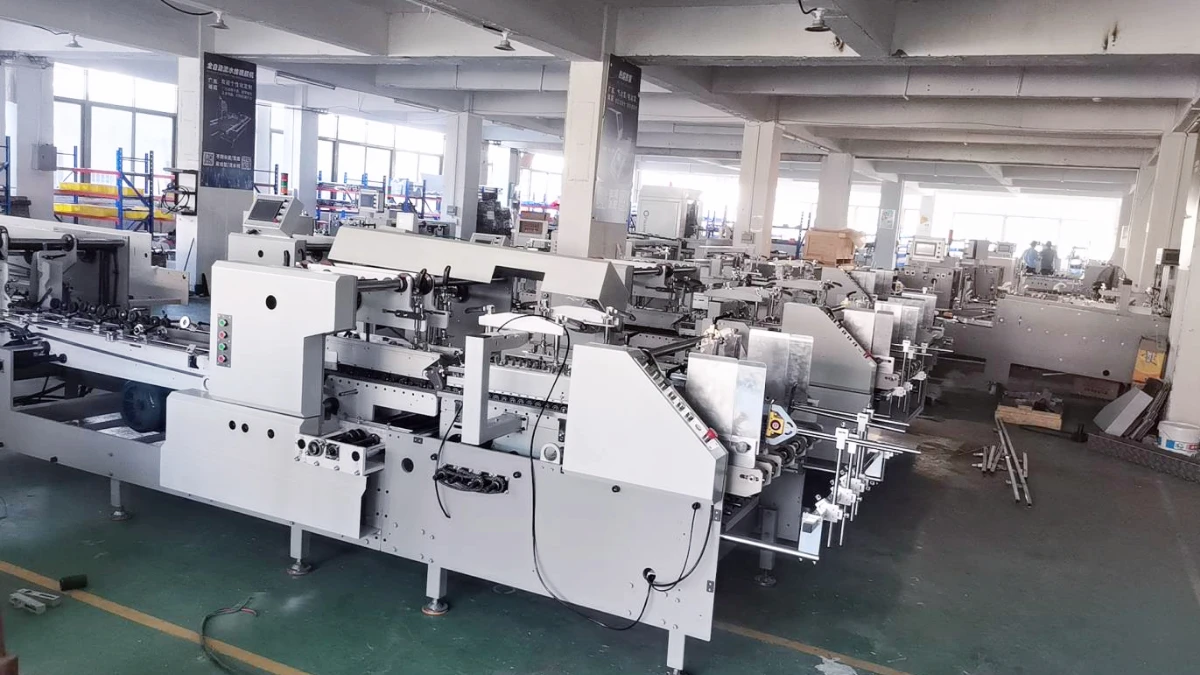
Foshan City Nanhai District Nantong printing machine Co.Ltd
- Manufacturer, Trading Company
- Guangdong, China
- Lead time10 days
- Avg. response≤ 1h
Main productsPrinting Defect Detection Machine, Hamburger Paper Box Machine, Double Tape Machine, Cold And Hot Glue Machine, Desktop Spray Glue Machine
Main marketsNorth America(15.0%), Mid East(15.0%), Southeast Asia(12.0%), South Asia(10.0%), Africa(10.0%), Eastern Europe(8.0%), Western Europe(5.0%), Southern Europe(5.0%), Central America(5.0%), Northern Europe(5.0%), Eastern Asia(3.0%), South America(3.0%), Oceania(2.0%), Domestic Market(2.0%)

- Manufacturer/Factory
- China Shanghai
- Lead time0 days
- Avg. response≤ 11h
Main productsMedium and High-End CNC Precision Cutting Tool, Profile Fixture, Brazing Fixtures, Wear-Resistant Parts, High-Precision Accessories, Super-High Rust-Proof & High Precision Parts, Dental Instrument
Main marketsMid East,North America,Eastern Asia,Oceania,Western Europe


Milling Cutters for PVC Card Smart Label Bank Card Milling Cutter for Sale
$1.00 - $10.00
MOQ: 1 Pieces

Milling Cutters for PVC Card Milling Cutters for License Card Engraving Tool
$1.00 - $10.00
MOQ: 1 Pieces

Guangzhou Chuanyi Electronic Equipment Co., Ltd.
- Manufacturer, Trading Company, Distributor/Wholesaler
- Guangdong, China
- Lead time7 days
- Avg. response≤ 2h
Main productsLarge format Printer,Cnc Router,Laser Machine,Engraving Machine,Marking Machine
Main marketsSouth America(20.0%), Western Europe(10.0%), Eastern Asia(10.0%), Mid East(10.0%), Oceania(10.0%), Africa(10.0%), Southeast Asia(10.0%), Eastern Europe(10.0%), North America(10.0%)

Nantong Genmes Office Products Co., Ltd.
- Verified by TUVRHEINLAND
- Combined
- China Jiangsu
- Lead time30 days
- Avg. response≤ 1h
Main marketsSoutheast Asia/ Mideast,Domestic,Europe,North America
Shenzhen Chengxiang Technology Co., Ltd.
- Verified by Intertek
- Trading Company
- Lead time0 days
- Avg. response≤ 4h
Main productsSoldering Stations, Spot Welders, Screen Removal Separator, SMT Machine, Heat-transfer Machine
Main marketsSouthern Europe(20%), Eastern Europe(18%), North America(15%)
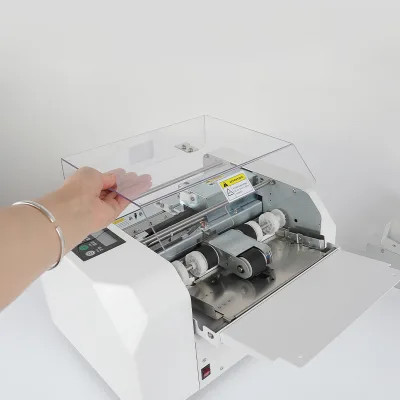
QK-A4-F Automatic Card Cutter - Dual-Blade Precision for Business Cards & ID Badges
$799.00 - $999.00
MOQ: 1 pieces
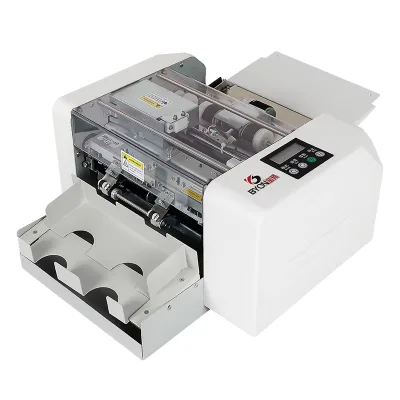
$799.00 - $999.00
MOQ: 1 pieces

Dongguang County Daqi Packaging Machinery Manufacturing Co., Ltd.
- Verified by SGS
- Combined
- China Hebei
- Lead time30 days
- Avg. response≤ 2h
Main productsCarton Making Machine, Carton Box Machine, Carton Machine, Corrugated Cardboard Production Line, Printing Equipment, Molding Equipment, Binding Equipment, Auxiliary Equipment
Main marketsDomestic






Comprehensive Sourcing Guide
ID Card Cutter with Corner Trimming Supplier Concentration and Factory Types
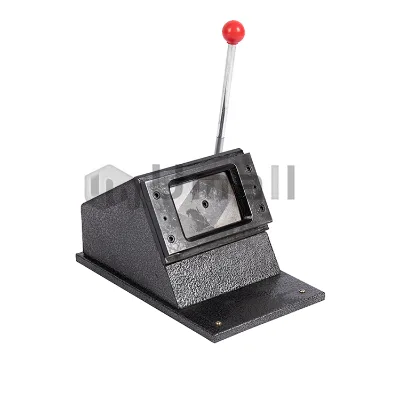
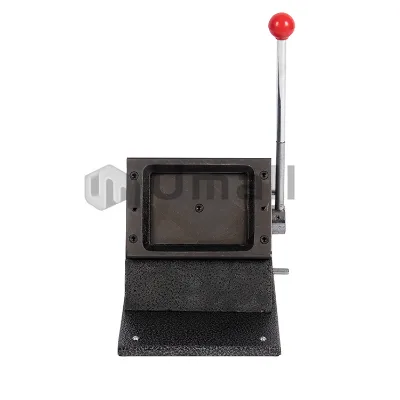
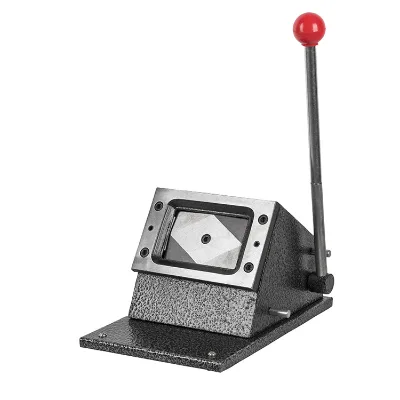
The current supplier landscape for manual and electric corner trimming machines shows a distinct concentration in Zhejiang Province, China, where manufacturers and trading companies operate side by side. Specific product evidence confirms that items like the BASY manual corner cutter and heavy-duty punch die cutters originate from this region, indicating a localized cluster for office equipment and paper processing machinery. Buyers should expect to find a mix of factory-direct sources and intermediaries within this area, as the data lists company types as both Manufacturer and Trading Company. This dual presence suggests that while some suppliers control the production line for steel-based cutters, others may aggregate products from various workshops to offer a broader catalog of office supplies.
In contrast, another significant sourcing hub appears in Hubei Province, specifically Wuhan, where suppliers focus on specialized card processing equipment such as round corner cutters and ID card punching machines. The evidence highlights a supplier in this region offering CE-certified manual cutters with customizable options, suggesting a different specialization compared to the Zhejiang cluster. This regional split implies that buyers seeking heavy-duty steel die cutters might find different inventory levels depending on the province. When evaluating potential partners, it is crucial to verify the specific location listed in the product attributes, as the manufacturing capabilities and supply chain maturity can vary significantly between Zhejiang and Hubei. Understanding these geographic distinctions helps in anticipating lead times and logistical complexities before initiating contact.
How to Verify ID Card Cutter with Corner Trimming Suppliers
Verification of supplier credibility begins with checking for recognized third-party certifications and audit reports, as some listed products explicitly display CE certification and verification badges like TUVRHEINLAND. These credentials are critical indicators that the manufacturing facility adheres to specific safety and quality standards required for machinery that handles sharp cutting mechanisms. Buyers should prioritize suppliers who can provide these documents directly, as the presence of a certification on a product listing does not guarantee the entire factory is compliant. It is essential to request the full audit report to confirm that the specific production line for ID card cutters meets the stated standards, rather than relying solely on the product page display.
Beyond certifications, assessing the supplier's response time and operational transparency is vital for establishing a reliable partnership. The data indicates response times ranging from 4 hours to over 12 hours, which serves as a proxy for the supplier's operational efficiency and customer service readiness. A faster response time often correlates with a more active sales team and better communication channels, which are necessary for resolving technical queries about machine specifications like punching thickness or voltage input. Buyers should also examine the company type listed, distinguishing between pure manufacturers and trading companies, as this affects the ability to customize models or access direct factory pricing. Confirming these details through direct inquiry ensures that the supplier can meet the specific technical requirements of the order.
What to Compare Across ID Card Cutter with Corner Trimming Suppliers
When comparing potential partners, the primary differentiators are the minimum order quantities (MOQ) and the unit price structures, which vary widely across the available product listings. Some suppliers offer low MOQs of just one unit for manual round corner cutters, making them suitable for small-scale testing or niche markets, while others require bulk orders of 4,000 units for standard paper trimmers. This disparity in volume requirements directly impacts the total cost of ownership and the feasibility of the order for different business sizes. Buyers must calculate the effective unit cost based on their required volume, as a lower MOQ might come with a higher per-unit price, whereas larger orders could unlock significant savings but require substantial upfront capital.
Lead times and production capacity are equally critical factors that influence the overall sourcing strategy and inventory planning. Evidence shows delivery times ranging from 25 to 35 days for mass cargo, with sample availability taking 3 to 5 days, which sets a baseline for project timelines. Suppliers with higher response speeds and established ODM or OEM capabilities may offer more flexible production schedules, whereas those with rigid lead times could delay market entry. Additionally, the power source of the machine, whether manual or electric, affects the complexity of the order and the potential need for voltage customization. Buyers should align their order volume and timeline expectations with the specific capabilities of the supplier to avoid bottlenecks in the supply chain.
Common ID Card Cutter with Corner Trimming Sourcing Risks
One significant risk in this category involves the discrepancy between product specifications and actual manufacturing capabilities, particularly regarding material quality and precision. While listings may claim "Normal Precision" or specific cutting dimensions like 86*54mm, the actual output depends heavily on the supplier's quality control processes. There is a risk that a supplier might list a product as compatible with various card types but fail to deliver consistent results for thicker PVC materials or specific card standards. Buyers must verify the actual punching thickness capabilities, which range from 0.1mm to 0.8mm in some listings, to ensure the machine can handle the specific materials they intend to process without excessive wear or failure.
Another critical risk is the variability in payment terms and the lack of standardized commercial protections across different suppliers. Some listings specify strict payment conditions, such as a 30% deposit and 70% balance against the Bill of Lading copy, which exposes buyers to financial risk if the goods are not delivered as agreed. Without a secure escrow service or verified trade assurance, buyers may face challenges in recovering funds if the supplier fails to meet delivery deadlines or quality expectations. It is essential to negotiate clear terms that protect both parties, ensuring that the balance payment is only released after satisfactory inspection of the goods. Understanding these financial risks helps in structuring orders that minimize exposure to potential supplier defaults.
ID Card Cutter with Corner Trimming Regional Sourcing and Logistics
Logistical planning must account for the specific geographic origins of the machinery, as shipping costs and transit times differ between the Zhejiang and Hubei manufacturing clusters. Products originating from Zhejiang, such as the BASY manual cutters, may benefit from established port infrastructure and frequent shipping routes, potentially reducing transit times to international destinations. Conversely, items sourced from Hubei, like the CE-certified round corner cutters, might involve different inland transportation logistics before reaching a port, which could add days to the overall delivery schedule. Buyers should request detailed shipping quotes that include inland freight to ensure accurate total landed cost calculations.
Packaging standards also play a crucial role in protecting the machinery during transit, as the evidence shows variations from color paper boxes to standard export wooden boxes. Heavy-duty steel cutters and electric punching machines require robust packaging to prevent damage during handling and long-distance shipping. The listed packing details, such as the dimensions of the export wooden box or the specific color paper box, indicate the level of protection provided by the supplier. Buyers should verify that the packaging meets international shipping standards, especially for electric models with higher power ratings like the 800W desktop cutting machines. Ensuring adequate packaging prevents damage and reduces the risk of claims upon arrival, safeguarding the investment in the equipment.
ID Card Cutter with Corner Trimming Commercial Terms and Order Planning
Commercial terms for these machines often include specific requirements for customization and branding, which can significantly impact the order timeline and cost. Many suppliers offer customization services, allowing buyers to request specific model numbers or branding on the equipment, but this requires advance planning and potentially higher MOQs. The availability of OEM and ODM capabilities, as noted in the supplier data, suggests that buyers can tailor the machines to their specific brand identity, but this process must be initiated early in the sourcing phase. Understanding the customization lead time is essential, as it may extend the standard production window beyond the typical 25 to 35 days for mass cargo.
Order planning must also consider the voltage and power requirements of the machinery to ensure compatibility with the buyer's local infrastructure. Listings indicate voltage inputs of 110V or 220V at 50/60Hz, which means buyers must verify the electrical standards of their destination country before finalizing the order. Electric models with 800W power ratings require specific electrical setups that differ from manual cutters, necessitating careful coordination with local utility providers. Additionally, the working efficiency of electric machines, such as 2000 pieces per hour, should be matched against the buyer's production volume needs to ensure the equipment provides the desired throughput. Proper planning of these technical and commercial details ensures a smooth integration of the machinery into the buyer's operations.
FAQs
What is the typical lead time for ID card cutter orders?
Lead times vary by supplier and order volume. Some manufacturers offer a 30-day delivery window for standard orders. Others may require 25 to 35 days for mass cargo production. Buyers should confirm specific timelines with the supplier before placing an order to ensure timely delivery.
Are there minimum order quantities for manual card cutters?
Minimum order quantities differ significantly across product listings. Some suppliers require a minimum of 4000 units for certain paper trimmers. Other models, such as specific round corner cutters, may have a minimum order of just one unit. Always check the specific product details for accurate MOQ requirements.
What certifications do these ID card cutting machines have?
Many available models carry CE certification for compliance with safety standards. Some suppliers also hold verification from TÜV Rheinland for quality assurance. Buyers should verify the specific certification status for each product listing to ensure the equipment meets local regulatory requirements before purchase.
Where are these card cutter manufacturers located?
Manufacturers are primarily located in Zhejiang, China, and Hubei, China. Specific products originate from cities like Wuhan in Hubei. Buyers can filter search results by these regions to find suppliers with established manufacturing bases in these key industrial areas for office equipment.
What is the price range for manual ID card cutters?
Prices vary based on model and material. Manual corner cutters can cost as low as 0.36 per unit. Heavy-duty die cutters range from 16 to 30 dollars. Electric desktop models may cost between 984 and 1000 dollars. Buyers should compare specific listings for current pricing.
How quickly do suppliers typically respond to inquiries?
Response times vary among different suppliers on the platform. Some manufacturers respond within 4 hours, while others may take up to 12.59 hours. Buyers seeking urgent assistance should prioritize suppliers with faster response metrics to ensure efficient communication during the sourcing process.
Can these machines cut both paper and plastic cards?
Yes, many models are designed for dual usage on paper and plastic cards. Specific machines support cutting sizes like 86 by 54 millimeters for standard ID cards. Buyers should verify the punching thickness and material compatibility in the product attributes to ensure the machine handles their specific card types.