Hyundai Verna Starter Motor Suppliers and Manufacturers
Explore 29 verified options for Hyundai Verna Starter Motor from China Anhui, Guangdong, and Beijing. Compare response times, lead times, certifications, and prices to source reliable auto parts efficiently; review the available evidence before requesting comparable quotations from suitable candidates.
Suppliers List

AN HUI JI CHENG TRADING CO., LTD.
- Verified by SGS
- Trading Company,Manufacturer/Factory
- China Anhui
- Lead time0 days
- Avg. response≤ 8h
Main productsCar Parts Auto Parts, Suspension Parts, Brake Parts, Engine Parts, Toyota Car Parts, Volkswagen Car Parts, BMW Car Parts, Hyundai Car Parts, Chery Car Parts, Byd Car Parts
Main marketsSouth America,Eastern Europe,Mid East,North America,Southeast Asia,Eastern Asia,Oceania,Western Europe,Africa
Guangzhou Rizhengda Parts Manufacturing Co., Ltd.
- Manufacturer, Trading Company
- Guangdong, China
- Lead time30 days
- Avg. response≤ 3h
Main productsSpark Plug, Ignition Coil, Tire Pressure Sensor, Fuel Pump, Oxygen Sensor
Main marketsNorth America(40.0%), Africa(30.0%), Southeast Asia(5.0%), South Asia(5.0%), Southern Europe(5.0%), Northern Europe(5.0%), Eastern Europe(5.0%), Western Europe(5.0%)
Beijing Jiapin Ruitong Auto Parts Co., Ltd.
- Trading Company
- Beijing, China
- Lead time25 days
- Avg. response≤ 4h
Main productsHYUNDAI and kia auto parts,GENESIS auto parts,Korean auto parts,Ssangyong auto parts,Engine assembly and overhaul parts
Main marketsAfrica(8.0%), Southeast Asia(8.0%), Northern Europe(5.0%), Western Europe(5.0%), North America(5.0%), Mid East(5.0%), Domestic Market(3.0%), South America(3.0%), Eastern Asia(3.0%), Eastern Europe(3.0%), South Asia(2.0%), Central America(2.0%), Oceania(2.0%), Southern Europe(1.0%)
Ruian Kuqi Import&Export Trade Co., Ltd.
- Verified by SGS Group
- Manufacturer, Trading Company
- Lead time35 days
Main productsStarter, Alternator, Armature, Solenoid switch, Field case
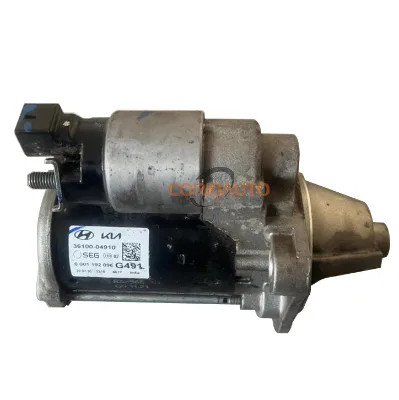
CORKIAUTO 36100-04910 Starter Motor Engine for HYUNDAI Starter Motor Spare Parts
$38.00 - $77.00
Moq: 1
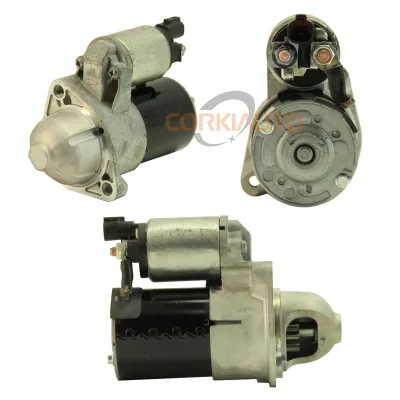
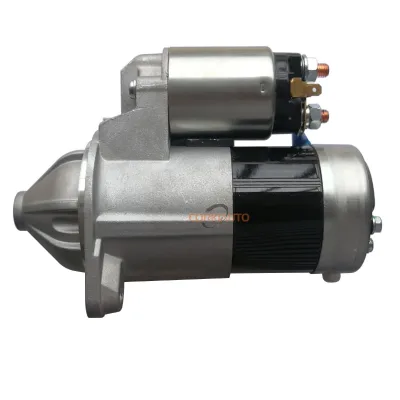
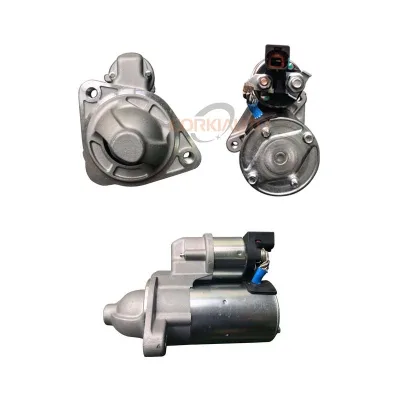
Guangzhou Jinshengxi Auto Parts Co., Ltd.
- Verified by SGS Group
- Trading Company
- Lead time3 days
- Avg. response≤ 2h
Main productsIgnition Coils, Car Sensors, Window Switches, Fuel Pumps, Fuel Injectors
Main marketsSouth America(50%), Southeast Asia(20%), Africa(20%)

Ningbo Yinzhou Zongone Imp& Exp Co., Ltd
- Verified by SGS
- Manufacturer/Factory
- China Zhejiang
- Lead time45 days
- Avg. response≤ 23h
Main productsStarter Motors, Alternator Regulators, Alternators, Starter Drives, Starter Armatures, Starter Field Cases, Starter Solenoids, Alternator Pulley, Alternator Stators, Alternator Rotors
Main marketsSouth America,Eastern Europe,Mid East,North America,Southeast Asia,Eastern Asia,Oceania,Western Europe,Africa

Ruian Jilong Automobile Electric Appliances Co.,Ltd.
- Trading Company,Manufacturer/Factory
- China Zhejiang
- Lead time60 days
- Avg. response≤ 17h
Main productsStarter Motor, Starter Armature, Starter Field Case Assembly, Starter Drive, Brush Holder, Alternator, Alternator Rotor, Alternator Stator, Door Lock Actuator, Tailgate Switch
Main marketsSouth America,Eastern Europe,Mid East,North America
Ruian Changsheng Electric Appliance Co., Ltd.
- Verified by Intertek
- Manufacturer, Trading Company
- Lead time30 days
Main productsStator, Starter Motor, Rectifier
Main marketsNorth America(60%), Western Europe(20%), Southeast Asia(20%)
Chongqing Rongqian Auto Parts Co., Ltd.
- Verified by Intertek
- Trading Company
- Lead time7 days
- Avg. response≤ 2h
Main productsBumpers, Car Headlight, Car Rearview Mirror, Car Taillight, Radiator Frame
Main marketsCentral America(13%), Southern Europe(12%), North America(10%)
Beijing Xinhan Fengda Trading Co., Ltd.
- Verified by SGS
- Trading Company
- China Beijing
- Lead time15 days
- Avg. response≤ 3h
Main marketsSouth America,Australia
Shandong Best Auto Trade Co., Ltd.
- Trading Company
- Shandong, China
- Lead time7 days
- Avg. response≤ 12h
Main productsEngine parts,Timing chain set,Automotive chassis accessories,Automotive sensors,Automotive exterior components
Main marketsSouth Asia(20.0%), Central America(20.0%), Mid East(20.0%), Southeast Asia(20.0%), North America(20.0%)

Ruian Runrun Auto Parts Co., Ltd.
- Verified by SGS
- Trading Company
- China Zhejiang
- Lead time23 days
- Avg. response≤ 5h
Main productsAlternator, Starter Motor, Voltage Regulator, Gear Bendix, Solenoid Switch, Field Coil Assy, Rectifier Bridge, Armature, Brush Holder+Carbon Brushes, Stop Solenoid
Main marketsSouth America,Southeast Asia/ Mideast,Europe,North America


12V Auto Starter Motor for KIA Hyundai IX35 36100-2g000 36100-2g200 36100-2g100 8000285
$33.00 - $36.00
Moq: 10


12V 2.0kw 11t Auto Car Starter Motor for Hyundai KIA 36100-2f000 361002f050 8000269
$54.00 - $62.00
Moq: 2

Cangzhou Toka Auto Parts Co., Ltd.
- Verified by SGS
- Trading Company
- China Hebei
- Lead time15 days
- Avg. response≤ 8h
Main productsClutch Disc, Clutch Cover, Starter Motor, Steering Box, Alternator, Clutch Pressure Plate, Clutch
Main marketsNorth America

Zhejiang iDeas Technology Co., Ltd
- Manufacturer, Trading Company
- Zhejiang, China
- Lead time30 days
- Avg. response≤ 19h
Main productsBaby High Chair,Baby Playpen,Bamboo Cutting Board,Cheese Board,Wooden Tray
Main marketsSouthern Europe(10.0%), Northern Europe(10.0%), Central America(10.0%), Western Europe(10.0%), Eastern Asia(10.0%), Africa(10.0%), Southeast Asia(10.0%), Eastern Europe(10.0%), South America(10.0%), North America(10.0%)
Guangzhou Nihao Import & Export Trading Co., Ltd.
- Verified by Intertek
- Trading Company
- Lead time0 days
- Avg. response≤ 1h
Main productsABS Sensor, Speed Sensor, Crankshaft Sensor, Oxygen Sensor, Air Flow Sensor
Main marketsAfrica(27%), Mid East(15%), Southeast Asia(13%)

Ningbo Magnificent Import & Export Co., Ltd.
- Verified by BV
- Trading Company
- China Zhejiang
- Lead time30 days
- Avg. response≤ 15h
Main productsStarter Motor & Alternator, Auto Parts, Alternator, Turbo Charger
Main marketsEurope,North America

Chongqing Yingdu Auto Parts Co., Ltd
- Trading Company
- China Chongqing
- Lead time0 days
- Avg. response≤ 4h
Main productsHeadvy-Duty Truck and Industral Engine Parts, Engine Overhaul Parts, Cylinder Head and Assy, Crankshaft, Connecting Rod, Piston and Rings, Camshaft, Engine Bearings, Full Gasket Kits, Cat and Perkins Diesel Engine Parts

Ruian Shengliang Trading Co., Ltd.
- Verified by TUVRHEINLAND
- Trading Company,Manufacturer/Factory
- China Zhejiang
- Lead time45 days
- Avg. response≤ 11h
Main productsCooling System Parts, Suspension Parts, Engine Parts, Sensor Parts, Chassis Parts
Main marketsSouth America,Eastern Europe,Mid East,Western Europe
Ningbo Attain Auto Parts Co., Ltd.
- Trading Company
- Zhejiang, China
- Lead time20 days
- Avg. response≤ 6h
Main productsauto brake systems,auto suspension systems,auto cooling systems,auto engine systems,auto steering systems
Main marketsMid East(15.0%), South America(15.0%), Africa(15.0%), Domestic Market(10.0%), Southeast Asia(5.0%), South Asia(5.0%), Southern Europe(5.0%), Central America(5.0%), Western Europe(5.0%), Eastern Asia(5.0%), Eastern Europe(5.0%), Oceania(5.0%), North America(5.0%)
Anhui Tla Machinery Equipment Co., Ltd.
- Verified by SGS
- Trading Company
- China Anhui
- Lead time30 days
- Avg. response≤ 2h
Main productsForklift Parts, Forklift Spare Parts, Forklift Attachment, Forklift Radiator, Forklift Wheel, Forklift Air Filter, Forklift Accessories, Forklift Parts Hydraulic Pump, Forklift PU Wheel, Forklift Sensors
Main marketsSouth America,Africa,Southeast Asia/ Mideast,Europe,North America

Wenzhou Huihai Auto Parts Co., Ltd.
- Manufacturer/Factory
- China Zhejiang
- Lead time0 days
- Avg. response≤ 9h
Main productsCar Alternators, Starter Motor, Auto Alternator, Car Starter Motor, Alternator Parts, Starter Parts, Truck Alternator, Car Parts


Brand New Auto Car Motor Starter 17826 36100-22875 36100-22100 Js1312 for Hyundai/KIA
$20.00 - $35.00
Moq: 30


Guangzhou Adu New Energy Co., Ltd.
- Guangdong, China
- Lead time0 days
- Avg. response≤ 3h
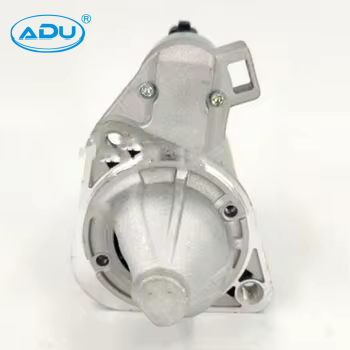
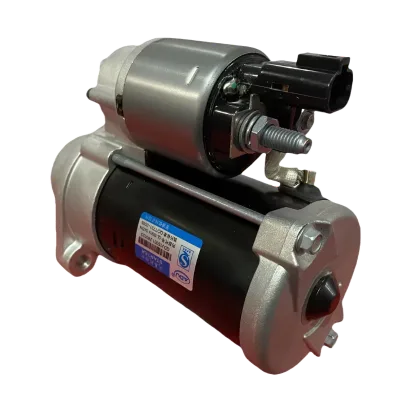
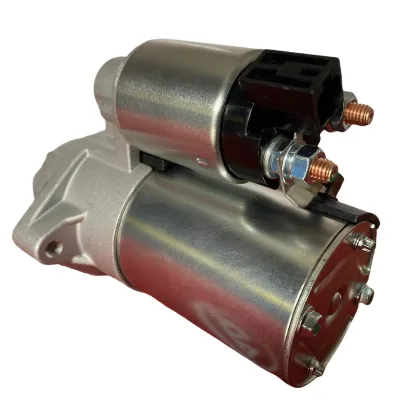
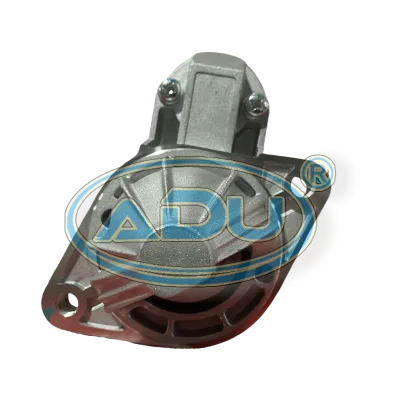
Car Auto Starter for HYUNDA 36100-21510
$22.00 - $27.00

Cangzhou Rangna Automotive Parts Co., Ltd.
- Verified by BV
- Combined
- China Hebei
- Lead time15 days
- Avg. response≤ 2h
Main productsAlternator, Starter, Regulator, Rotor, Stator, Relay, Switch, Rectifier, Brush Holder, Pulley
Main marketsDomestic

Yute Motor(Guangdong) Mechanical Parts Co., Ltd.
- Verified by TUVRHEINLAND
- Combined
- China Guangdong
- Lead time15 days
- Avg. response≤ 5h
Main productsStarter Motor, Alternator, Compressor, Turbocharger, Stop Solenoid, Throttle Motor, DC Motor, Blower, Control Panel
Main marketsSouth America,Others(foreignTradeCapacity.exportBusinessCapacityMarketOther),Domestic

ZHEJIANG KST AUTO ELECTRIC MOTOR CO., LTD.
- Verified by TUVRHEINLAND
- Manufacturer/Factory
- China Zhejiang
- Lead time23 days
- Avg. response≤ 4h
Main productsAlternator Starter Motor, Alternator, Starter Motor, Alternator Generator, Starter, Starter Parts, Alternator Parts
Main marketsSouth America,Eastern Europe,Mid East,North America,Southeast Asia,Eastern Asia,Oceania,Western Europe,Africa

Hefei Yifan Auto Parts Sales Co., Ltd.
- Trading Company
- China Anhui
- Lead time30 days
- Avg. response≤ 6h
Main productsJAC Motor Parts, Mg Maxus Parts, Dongfeng Parts, Mercedes Benz Parts, Gates Auto Parts, Phc Valeo Parts, Foton Parts
Main marketsSouth America,Southeast Asia/ Mideast

Ruian Weichuang Auto Parts Co., Ltd.
- Trading Company,Manufacturer/Factory
- China Zhejiang
- Lead time0 days
- Avg. response≤ 17h
Main productsStarter Solenoid, Starter Solenoid Caps, Standard Price, Auto Parts, Starter Solenoid Screw, Epb, Electronic Parking Motor, Braking System
Main marketsNorth America

Zm392, 36100-23070, 36100-23071, TM000A37901, Starter Solenoid for Hyundai, KIA Motors
$5.00 - $15.00
Moq: 100


Guangzhou Disong Machinery Equipment Co., Ltd.
- Trading Company,Manufacturer/Factory
- China Guangdong
- Lead time15 days
- Avg. response≤ 16h
Main productsExcavator Part, Machinery Engine Part, Wheel Loader Part, Bulldozer Parts, Dump Truck Parts, Generator Set Parts, Heavy Truck Parts, Hydraulic Parts, Electronic Parts, Seal and Gasket
Main marketsSouth America,Eastern Europe,Mid East,North America,Southeast Asia,Eastern Asia,Oceania,Western Europe,Africa


Start Motor for Engine Part 6D155
Contact supplier

Start Motor for Engine Part N14
Contact supplier

JINAN GUYUE AUTO PARTS CO., LTD.
- Verified by SGS
- Trading Company
- China Shandong
- Lead time15 days
- Avg. response≤ 11h
Main productsFAW Sinotruck Shacman Beiben Truck Spare Part, Bus Spare Parts, Light Truck Spare Parts, Tyre, Construction Machinery, Fuwa Ror BPW Trailer Spare Parts
Main marketsAfrica,Southeast Asia/ Mideast,North America






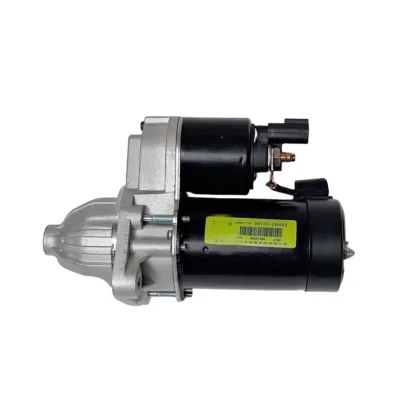


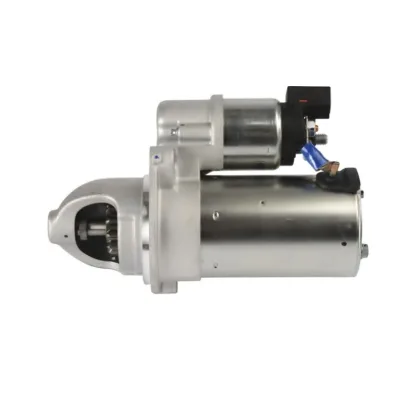

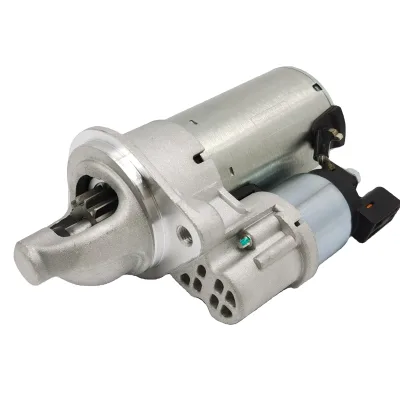




Comprehensive Sourcing Guide
Hyundai Verna Starter Motor Supplier Concentration and Factory Types
The current supplier landscape for Hyundai Verna starter motors shows a concentration of manufacturers and trading companies primarily located in China, with specific clusters identified in Anhui and Guangdong provinces. Fact-based observations indicate that suppliers in Anhui often list themselves as trading companies or manufacturers offering a broad range of auto parts including suspension, brake, and engine components alongside specific starter motors. In contrast, suppliers based in Guangdong frequently operate as manufacturers or trading companies with a focus on auto electrical systems, explicitly listing starter motors as core products. This geographic distribution suggests that buyers should expect a mix of direct factory sources and intermediaries depending on the specific region, with Anhui and Guangdong emerging as the primary hubs for this component category.
When evaluating the company type, it is essential to distinguish between entities that manufacture the starter motors and those that trade them. The available data confirms that many suppliers in this sector hold dual roles, functioning as both a manufacturer and a trading company, which can impact pricing and direct communication channels. Some suppliers in the observed results specialize in specific brands like Hyundai and Kia, while others offer a wider array of Korean auto parts including Genesis and Ssangyong components. Buyers must verify whether the supplier is the actual production facility or a reseller by checking their stated main products and company type designation. This distinction is critical for understanding the supply chain depth and the potential for customization or direct engineering support when sourcing specific starter motor models.
How to Verify Hyundai Verna Starter Motor Suppliers
Verification of supplier credibility relies heavily on third-party audit results and system certifications rather than self-reported claims. The observed data indicates that some suppliers have undergone verification by SGS, providing a baseline level of trust regarding their business operations and product quality. Additionally, system certifications such as TS 16949, ISO 9001, ISO 14001, and ISO 20000 are present in the profiles of certain manufacturers, signaling adherence to international quality management and environmental standards. Buyers should prioritize suppliers displaying these specific certifications as they demonstrate a commitment to standardized production processes. However, the absence of these certifications in a profile does not automatically disqualify a supplier, but it necessitates a more rigorous request for documentation to confirm compliance with automotive industry standards.
Beyond certifications, buyers must scrutinize product-specific evidence to ensure the supplier can deliver the exact Hyundai Verna Starter Motor required. Product listings often include detailed attributes such as part numbers, model numbers, and customization availability, which serve as tangible proof of the supplier's inventory and technical capability. For instance, specific part numbers like 36100-22850 or 36100-2E501 are explicitly linked to Hyundai and Kia applications in the observed data, confirming the supplier's ability to source or manufacture these specific components. Buyers should cross-reference the part numbers provided in the product evidence with their own vehicle requirements to avoid compatibility issues. Furthermore, checking for quality assurances like "100% Tested" or specific warranty periods, such as 12 months, provides additional layers of verification regarding the reliability of the starter motors being offered.
What to Compare Across Hyundai Verna Starter Motor Suppliers
Comparing suppliers requires a systematic evaluation of key operational metrics including lead times, minimum order quantities, and response speeds to determine the best fit for procurement needs. The observed data reveals significant variation in lead times, with some suppliers indicating a lead time of zero days, while others specify durations of 25 to 30 days. Minimum order quantities also differ, with some suppliers offering a low MOQ of just one piece, whereas others may have higher thresholds not explicitly detailed in the summary. Response times are another critical differentiator, with observed values ranging from 3 to 7.62 hours, indicating how quickly a supplier can address inquiries or resolve issues. Buyers should create a comparison matrix to weigh these factors against their specific urgency and volume requirements.
Price and customization capabilities are equally vital dimensions for comparison when selecting a supplier for Hyundai Verna starter motors. The price range for starter motors in the observed results spans from approximately $20 to $60, depending on the specific model and supplier. Some suppliers explicitly state that customization is available, allowing for tailored solutions or branding, while others may offer standard OEM or ODM services. Buyers must analyze whether the price difference correlates with value-added services such as extended warranties, specific packaging requirements, or faster delivery options. Additionally, the availability of different payment terms, such as bank transfers or credit card options, should be compared to ensure financial flexibility. By focusing on these concrete attributes, buyers can make data-driven decisions that align with their budget and operational constraints without relying on vague promises.
Common Hyundai Verna Starter Motor Sourcing Risks
One of the primary risks in sourcing Hyundai Verna starter motors is the potential mismatch between the stated product specifications and the actual delivered item, particularly regarding part numbers and compatibility. The observed data shows a wide array of part numbers, such as 36100-22850, 36100-2E501, and 36100-45C00, each corresponding to different Hyundai and Kia models. Buyers must exercise extreme caution to ensure that the part number listed matches the exact requirements of their vehicle, as even minor discrepancies can lead to installation failures. The risk is compounded by the presence of suppliers offering "Genuine Original" parts alongside aftermarket alternatives, making it difficult to distinguish between authentic components and replicas without thorough verification.
Another significant risk involves the variability in lead times and supply chain reliability, which can disrupt production schedules or vehicle repair timelines. While some suppliers report a lead time of zero, others indicate delays of up to 30 days, creating uncertainty in delivery planning. This inconsistency is often linked to the supplier's location and their capacity to manage inventory levels. Furthermore, the lack of standardized certifications across all suppliers introduces quality risks, as not all products may undergo the same rigorous testing protocols. Buyers should mitigate these risks by requesting detailed quality assurance documentation and confirming the supply ability of the supplier, such as the stated capacity of 5000 pieces per week, to ensure they can meet demand without compromising on quality or delivery speed.
Hyundai Verna Starter Motor Regional Sourcing and Logistics
Regional sourcing strategies for Hyundai Verna starter motors are heavily influenced by the geographic location of the suppliers, with China emerging as the dominant source based on the available data. Specific regions like Anhui and Guangdong are identified as key manufacturing and trading hubs, each offering distinct logistical advantages. Suppliers in Guangdong, for example, often provide detailed shipping terms including options via DHL, FedEx, EMS, UPS, and TNT, as well as air and sea freight. This variety in shipping methods allows buyers to select the most cost-effective or time-sensitive delivery option based on their specific needs. Understanding the regional strengths of these hubs helps buyers anticipate potential shipping costs and transit times.
Logistics planning must also account for the origin of the products, as some suppliers list their place of origin as China or Korea, which can impact customs duties and import regulations. The observed data indicates that products are often packed in cartons or neutral packages, with specific dimensions and weights provided to facilitate accurate shipping calculations. Buyers should verify the packing details, such as the single package size of 30x20x15 cm, to ensure compatibility with their storage and handling infrastructure. Additionally, the availability of different delivery times, ranging from 3-7 working days to longer periods, requires careful coordination with logistics partners to avoid delays. By aligning regional sourcing choices with specific logistical requirements, buyers can optimize their supply chain efficiency and reduce the risk of unexpected shipping complications.
Hyundai Verna Starter Motor Commercial Terms and Order Planning
Commercial terms for Hyundai Verna starter motors vary significantly among suppliers, with payment methods ranging from bank transfers and Western Union to PayPal and credit cards. The observed data highlights that some suppliers require a 30% deposit via T/T, while others offer more flexible payment structures. Buyers must carefully review these terms to ensure they align with their financial policies and risk tolerance. Additionally, the availability of escrow services or other secure payment mechanisms should be verified to protect against fraud or non-delivery. Understanding the specific payment conditions is crucial for establishing a smooth transaction process and maintaining a positive business relationship with the supplier.
Order planning must also consider the warranty and after-sales support provided by the supplier, as these factors directly impact long-term reliability and customer satisfaction. The observed data indicates that some suppliers offer a 12-month warranty on their starter motors, providing a safety net for potential defects or failures. Buyers should confirm the warranty terms, including the duration and coverage, before placing an order. Furthermore, the supply ability of the supplier, such as the capacity to produce 5000 pieces per week, should be factored into order planning to ensure that the supplier can meet volume requirements without delays. By integrating these commercial and operational details into their procurement strategy, buyers can minimize risks and ensure a consistent supply of high-quality Hyundai Verna starter motors.
FAQs
What is the price range for Hyundai Verna starter motors?
Prices for compatible starter motors typically range from $20 to $60 per unit. This range covers various part numbers and models suitable for Hyundai vehicles. Buyers should verify specific pricing based on order quantity and customization requirements when contacting suppliers directly.
What is the minimum order quantity for these parts?
The minimum order quantity is generally one piece for most listed starter motors. This low MOQ allows buyers to test quality before placing larger orders. Some suppliers may offer bulk discounts, so confirming specific terms with the seller is recommended for large purchases.
Where are these starter motors manufactured?
These auto parts are primarily manufactured in China, with specific origins including Anhui, Guangdong, and Beijing regions. Some suppliers also source components from Korea. Buyers can verify the exact place of origin listed in the product details to ensure alignment with their sourcing preferences.
How long does delivery take for starter motors?
Lead times vary by supplier, with some listing zero days for immediate processing and others indicating 25 to 30 days for production. Specific delivery windows of 3-7 working days are also noted for certain items. Buyers should confirm the exact lead time with the supplier before ordering.
What certifications do these suppliers hold?
Suppliers typically hold ISO 9001, TS 16949, and ISO 14001 certifications. Some also possess CE and EN 61000 standards for electrical components. These certifications indicate adherence to quality and safety management systems, providing assurance for B2B buyers sourcing automotive electrical parts.
Do suppliers offer customization for starter motors?
Yes, customization is available for many starter motor listings. Suppliers support OEM and ODM services to meet specific buyer requirements. Buyers should communicate their specific needs, such as part number variations or packaging preferences, directly with the supplier to ensure the product matches their specifications.