Lava Stone Beads Suppliers and Manufacturers
Source 29 verified suppliers for Lava Stone Beads. Compare key dimensions including location, lead times, MOQs, and response times to find the right partner. Review product specifications and pricing details to streamline your sourcing process; review the available evidence before requesting comparable quotations from suitable candidates.
Suppliers List

Yiwu Xiaoya Import And Export Co., Ltd.
- Trading Company
- Zhejiang, China
- Lead time15 days
- Avg. response≤ 5h
Main productsGlass beads,Stone beads,Jewelry accessories,Water sports,Pool & accessory
Main marketsDomestic Market(20.00%), North America(20.00%), South America(12.00%), Mid East(8.00%), Southeast Asia(8.00%), Western Europe(6.00%), Eastern Asia(5.00%), Northern Europe(4.00%), Central America(4.00%), Southern Europe(3.00%), Oceania(3.00%), Eastern Europe(3.00%), Africa(2.00%), South Asia(2.00%)
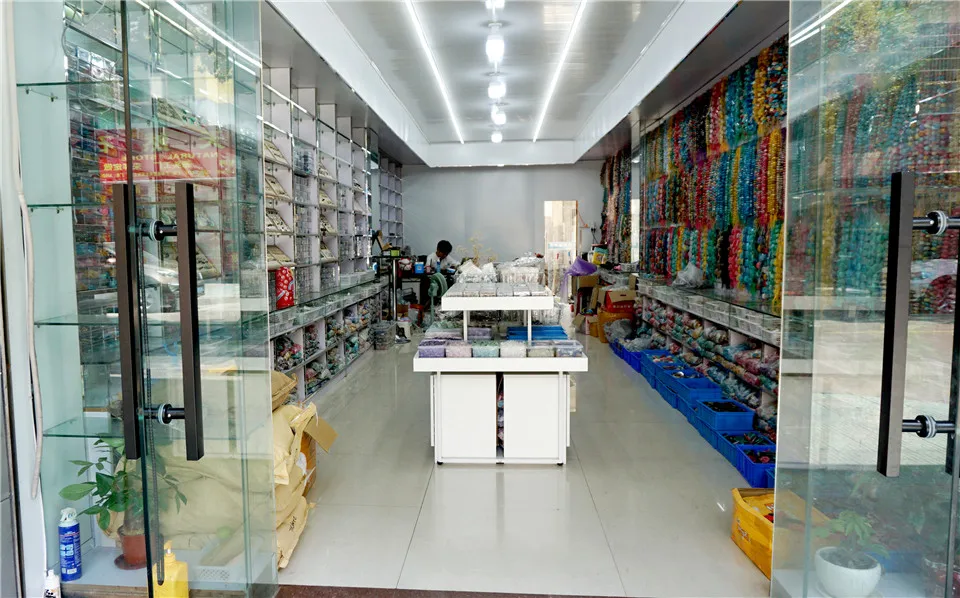
- Trading Company
- Zhejiang, China
- Lead time0 days
- Avg. response≤ 8h
Main productsNatural stone pendant,Natural stone necklace,Agate Pendant,Earrings,Arts and Crafts
Main marketsWestern Europe(40.00%), Southern Europe(20.00%), North America(20.00%), Eastern Europe(10.00%), South America(10.00%)

Guangxi Wuzhou Starsgem Co., Limited
- Manufacturer/Factory
- China Guangxi
- Lead time15 days
- Avg. response≤ 22h
Main productsCubic Zirconia, Star Cut, Synthetic Gemstone, Synthetic Ruby, Synthetic Sapphire, Glass Bead, CZ, Zircon, Semi-Precious Stone, Gemstone
Main marketsSouth America,Eastern Europe,Mid East,North America,Southeast Asia,Eastern Asia,Oceania,Western Europe,Africa
Nanning Haosiqi Jewelry Company Ltd.
- Trading Company
- Guangxi, China
- Lead time7 days
- Avg. response≤ 2h
Main productsNatural Semi-precious stones,Natural Stone Pendant,Bracelet,Rings,Necklace
Main marketsNorth America(45.00%), South America(25.00%), Domestic Market(10.00%), Eastern Europe(5.00%), Mid East(5.00%), Oceania(5.00%), Southeast Asia(5.00%)
Yiwu Shanmei Arts And Gifts Co., Ltd.
- Manufacturer, Trading Company
- Lead time旺季: "1 - 500":15,"> 500":"To be negotiated", 淡季: "1 - 500":15,"> 500":"To be negotiated"
Main productsJewelry

Shenzhen Aisni Jewellery Co., Ltd.
- Manufacturer, Trading Company, Distributor/Wholesaler
- Guangdong, China
- Lead time20 days
- Avg. response≤ 10h
Main productsNecklace,Ring,Bracelet,Anklet
Main marketsNorth America(40.00%), Southern Europe(15.00%), Western Europe(10.00%), Eastern Europe(5.00%), Mid East(5.00%), Southeast Asia(5.00%), South America(5.00%), Eastern Asia(5.00%), Northern Europe(5.00%), Africa(5.00%), Eastern Europe(5.00%), Mid East(5.00%), Southeast Asia(5.00%)

Shijiazhuang Huabang Mineral Products Co., Ltd.
- Verified by BV
- Combined
- China Hebei
- Lead time15 days
- Avg. response≤ 3h
Main productsMica, Kaolin, Bentonite, Talc, Graphite Powder, Iron Oxide Pigment, Cenosphere, Diatomite Powder, Calcium Carbonate
Main marketsSouth America,Africa,Others(foreignTradeCapacity.exportBusinessCapacityMarketOther),Southeast Asia/ Mideast,East Asia(Japan/ South Korea),Domestic,Europe,Australia,North America

- Trading Company,Manufacturer/Factory
- China Guangdong
- Lead time23 days
- Avg. response≤ 7h
Main productsGemstone, Jewelry, Gemstone Jewelry, Loose Gemstone Beads, Jewelry Rings, Jewelry Set, Jewellery Earrings, Pendant, Created Emerald, Cubic Zirconia
Main marketsSouth America,Eastern Europe,North America,Western Europe
Huizhou Yammy Jewelry Co., Ltd.
- Trading Company
- Guangdong, China
- Lead time3 days
- Avg. response≤ 5h
Main productsJewelry,Bracelets,Rings,Earring,Necklace
Main marketsCentral America(20.00%), South America(20.00%), North America(20.00%), Southern Europe(10.00%), Eastern Europe(10.00%), Northern Europe(10.00%), Western Europe(10.00%)
Guangzhou Hong Zhuo Jewelry Co., Ltd.
- Manufacturer, Trading Company, Agent
- Guangdong, China
- Lead time3 days
- Avg. response≤ 15h
Main productssemi precious gemstone beads,freshwater pearls,shell beads,finished jewelries,gold jewelry findings
Main marketsSouth America(26.00%), Northern Europe(10.00%), Western Europe(10.00%), Southern Europe(10.00%), Eastern Europe(10.00%), North America(6.50%), Africa(5.00%), Central America(5.00%), Southeast Asia(5.00%), Mid East(5.00%), Oceania(5.00%), South Asia(1.00%), Eastern Asia(1.00%), Domestic Market(0.50%)
Yiwu Dibishi Jewelry Co., Ltd.
- Trading Company
- Zhejiang, China
- Lead time旺季: "1 - 500":7,"> 500":"To be negotiated", 淡季: "1 - 500":7,"> 500":"To be negotiated"
- Avg. response≤ 3h
Main productsBeads,Bracelets,Crystal,Gemstone,Loose Beads
Main marketsNorth America(40.00%), Western Europe(20.00%), Northern Europe(10.00%), Eastern Europe(10.00%), Southeast Asia(5.00%), Central America(5.00%), South America(5.00%), Oceania(5.00%)

Jiangxi Zhongli Superhard Materials Tools Co., Ltd.
- Combined
- China Jiangxi
- Lead time15 days
- Avg. response≤ 11h
Main productsDiamond Tool
Main marketsSouth America,Africa,Southeast Asia/ Mideast,East Asia(Japan/ South Korea),Domestic,Europe,Australia,North America

Zhejiang Humo Polishing Grinder Manufacture Co., Ltd.
- Verified by BV
- Combined
- China Zhejiang
- Lead time15 days
- Avg. response≤ 8h
Main productsVibratory Finishing Machine, Vibratory Tumbler, Vibratory Polishing Machine, Grinding Machine, Centrifugal Barrel Finishing Machine, Centrifugal Disc Finishing Machine, Abrasive, Ceramic Abrasive, Walnut Shell, Vibratory Dryer
Main marketsSoutheast Asia/ Mideast
Guangzhou Saijing Glass Products Co., Ltd.
- Verified by TüVRheinland
- Trading Company
- Lead time15 days
Main productsGlass Beads, Seed Beads, Shells Flower, Seven Chakras, Stone Beads
Main marketsWestern Europe(44%), North America(30%), Southeast Asia(8%)
Hebei Bao Du Import and Export Trade Co., Ltd.
- Verified by SGS
- Trading Company
- China Hebei
- Lead time15 days
- Avg. response≤ 5h
Main productsExpanded Clay, Vermiculite, Perlite, Zeolite, Color Flakes, Color Sand, Gravel Stone Pebbles
Main marketsSoutheast Asia/ Mideast,Europe,North America

Beijing Hong Yun Xi International Trade Company Limited
- Verified by SGS
- Trading Company
- China Beijing
- Lead time23 days
- Avg. response≤ 14h
Main productsFRP Tank, FRP Vessel, FRP Pipe, FRP Tower, FRP Clarifier, FRP Wet Electrostatic Precipitator Tube, FRP Environment Protection Equipment, Fiberglass Mat, Fiberglass Roving, Glass Beads
Main marketsOthers(foreignTradeCapacity.exportBusinessCapacityMarketOther),Southeast Asia/ Mideast

Xiamen Yuxiang Magnetic Materials Technology Co., Ltd.
- Trading Company
- China Fujian
- Lead time23 days
- Avg. response≤ 7h
Main productsNdFeB Magnet, SmCo Magnet, AlNiCo Magnet, Ferrite Magnet, Rubber Magnet, Fridge Magnet, Magnetic Powder, Magnetic Compound, Magnetic Core, Magnetic Materials
Main marketsSouth America,Africa,Southeast Asia/ Mideast,East Asia(Japan/ South Korea),Europe,Australia,North America

East Sunrise Jewelry Co., Limited
- Verified by SGS
- Manufacturer/Factory
- China Guangdong
- Lead time23 days
- Avg. response≤ 15h
Main productsPendant, Necklace, Bracelet, Ring, Earring, Carving, Ornament, Loose Bead, Jewelry, Semi-Precious Stones
Main marketsSouth America,Eastern Europe,Mid East,North America,Southeast Asia,Eastern Asia,Oceania,Western Europe,Africa


Semi Precious Stone Gemstone Crystal Bead <Esb01757>
MOQ: 50 Pieces


Dalian BestOn Industries Co., Ltd.
- Verified by TUVRHEINLAND
- Trading Company
- China Liaoning
- Lead time15 days
- Avg. response≤ 8h
Main productsGlass Beads, Stainless Steel IBC Tank, Strut Channel, EMT Conduit Connector IMC Conduit, Channel Fittings, Ground Rod, Flange, Seismic Bracket, Carbon Steel Fittings, Strut Clamp
Main marketsSouth America,Eastern Europe,Mid East,North America,Southeast Asia,Eastern Asia,Oceania,Western Europe,Africa

NINGBO HOBA INTERNATIONAL TRADING CO., LTD.
- Verified by BV
- Trading Company
- China Zhejiang
- Lead time30 days
- Avg. response≤ 6h
Main productsThread, Button, Lace Tape, Zipper, Hot Fix Stone, Crystal, Rope, Jewelry Accessory, Ribbon, Reflecting Material
Main marketsSouth America,Africa,Southeast Asia/ Mideast,East Asia(Japan/ South Korea),Europe,Australia,North America

Zhongshan Sap Technology Co., Ltd
- Verified by CTI
- Combined
- China Guangdong
- Lead time30 days
- Avg. response≤ 2h
Main productsSap, Water Crystals, Water Retaining Agent, Super Absorbent Polymer, Colorful Crytal Soil, Artificial Snow, Instant Snow, Water Storage Crystal, Water Storing Crystals
Main marketsEast Asia(Japan/ South Korea),Domestic,Australia
Zhejiang Chenyi Manufacturing Co., Ltd.
- Verified by SGS Group
- Trading Company
- Lead time3 days
Main productsCrystal Craft, Water Fountain, Crystal Drinkware, Crystal Decoration, Packaging & Printing
Main marketsNorth America(40%), Oceania(15%), South America(10%)
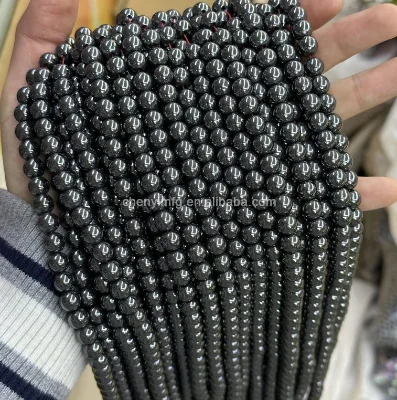
Wholesale Natural Stone Beads Jade Hematite Crystal Gemstone Bead for Jewelry Making
$0.39 - $1.57
MOQ: 10 Minimum


Hunan Jingshengda Ceramic Technology Co., Ltd.
- Verified by BV
- Trading Company,Manufacturer/Factory
- China Hunan
- Lead time15 days
- Avg. response≤ 2h
Main productsLab Ball Mill, Planetary Ball Mill, Jar Mill, Ball Mill Jar, Grinding Jar Comfort with Retsch, Grinding Jar Comfort with Fritsch, Rotary Ball Mill, Zirconia Beads, Planetary Ball Mill for Laboratory, Grinding Jar

- Verified by SGS
- Manufacturer/Factory
- China Guangdong
- Lead time15 days
- Avg. response≤ 22h
Main productsGemstone Bracelets, Loose Beads, Gemstone Ornaments, Gemstone Pendants, Massage Stones, Gemstone Carvings, Cross Pendants, Cross Necklaces, Silver Jewelry, Copper Jewelry
Main marketsSouth America,Eastern Europe,Mid East,North America,Southeast Asia,Eastern Asia,Oceania,Western Europe,Africa

- Manufacturer/Factory
- China Guangdong
- Lead time0 days
- Avg. response≤ 3h
Main productsQuartz Stone, Quartz Countertop, Quartz Slab, Engineered Stone, Artificial Stone, Quartz Stone Flooring, Engineered Quartz Stone, Quartz Benchtops, Quartz Kitchen Tops, Quartz Vanity Top
Main marketsSouth America,Eastern Europe,Mid East,North America,Southeast Asia,Eastern Asia,Oceania,Western Europe,Africa

Guangzhou Milky Way Jewelry Limited
- Trading Company
- Guangdong, China
- Lead time10 days
- Avg. response≤ 2h
Main productsfashion jewelry,jewelry supplies,jewelry findings,jewelry material,art and gift
Main marketsNorth America(40.00%), Eastern Europe(12.00%), South America(12.00%), Africa(10.00%), Western Europe(10.00%), Northern Europe(8.00%), Eastern Asia(3.00%), Southern Europe(2.00%), Mid East(1.00%), Oceania(1.00%), Southeast Asia(1.00%)
Yiwu Shanmei Arts And Gifts Co., Ltd.
- Manufacturer, Trading Company
- Lead time旺季: "5 - 10":15,"15 - 500":35,"505 - 5000":60,"> 5000":"To be negotiated", 淡季: "5 - 10":15,"15 - 500":35,"505 - 5000":60,"> 5000":"To be negotiated"
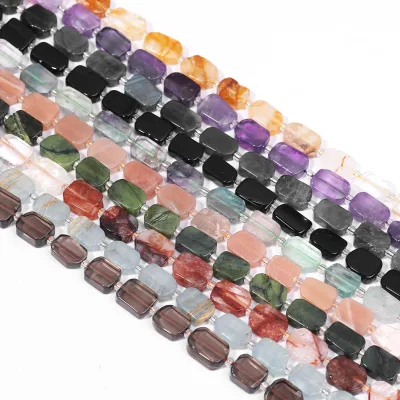
Main productsGemstone Jewelry, Metal Jewelry, Jewelry Accessories, Sterling Sliver Jewelry, Gemstone Decorations

$0.80 - $1.00
MOQ: 10 strands


Qinyuan Fuda New Material Technology Co., Ltd.
- Verified by TUVRHEINLAND
- Trading Company
- China Shanxi
- Lead time15 days
- Avg. response≤ 1h
Main productsgrinding ball
Main marketsSoutheast Asia/ Mideast,Domestic
- Verified by SGS Group
- Manufacturer, Trading Company
- Lead time10 days
Main productsSimi-Finished Stone Beads, Jewelry, Gemstone Decoration
Main marketsDomestic Market(15%), North America(10%), Eastern Europe(10%)




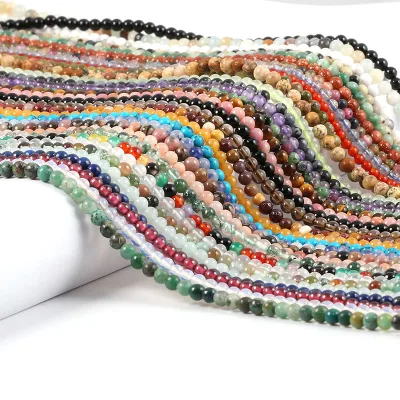


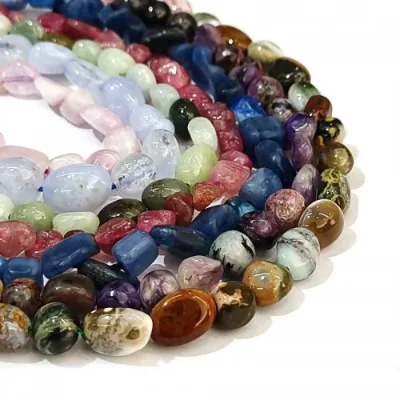
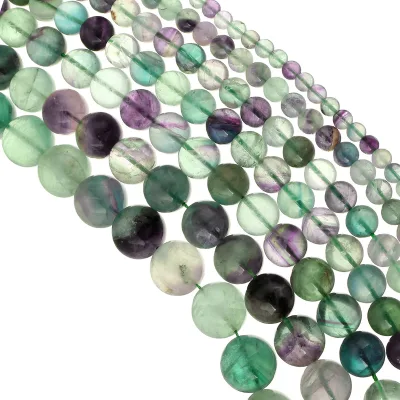


Comprehensive Sourcing Guide
Lava Stone Beads Supplier Concentration and Factory Types
The sourcing landscape for Lava Stone Beads reveals a distinct split between trading companies and direct manufacturers, each offering different advantages for buyers seeking specific volumes or customization levels. Evidence indicates that a significant portion of suppliers are located in Zhejiang, China, and operate primarily as trading companies. These entities often aggregate products from various workshops, providing a broad catalog that includes not just Lava Stone Beads but also glass beads, stone beads, and other jewelry accessories. This structure allows buyers to consolidate orders for mixed materials, which is particularly useful for small businesses or designers who need diverse components for a single shipment. The presence of trading companies suggests that the market is accessible to smaller buyers who may not meet the minimum order quantities required by large-scale factories. However, this model can sometimes obscure the true origin of the materials and limit the ability to customize specific product attributes, such as bead size or packaging, beyond standard offerings.
In contrast, other segments of the market feature manufacturers and factories, such as those located in Guangxi, China, which specialize in gemstone processing and bead production. These suppliers often possess the technical capability for OEM services, including mold making and sample creation, which is critical for buyers seeking unique shapes or specific quality grades like AAA or AAAAA. While the provided data highlights trading companies in Zhejiang, the existence of factory-type suppliers in other regions like Guangxi indicates that buyers can find direct production sources if they look beyond the most common trading hubs. These manufacturers typically focus on high-volume production of semi-precious stones, including peridot and cubic zirconia, alongside Lava Stone Beads. Understanding this dichotomy is essential for buyers to determine whether they prioritize variety and ease of communication through traders or cost efficiency and customization through direct factories. The choice between these two types will significantly impact the negotiation process, lead times, and the overall flexibility of the supply chain.
How to Verify Lava Stone Beads Suppliers
Verifying the legitimacy and capability of Lava Stone Beads suppliers requires a multi-layered approach that goes beyond simple profile reviews. Buyers should start by cross-referencing the supplier’s declared location with their product origins. For instance, if a supplier claims to be a manufacturer in Zhejiang but lists product origins in other regions, this may indicate a trading company model rather than a direct factory. It is crucial to request detailed business licenses and verify the company type, whether it is listed as a Trading Company or a Manufacturer/Factory. This distinction affects not only pricing but also the level of control the buyer has over production quality and timelines. Additionally, buyers should scrutinize the supplier’s response time, as a quick response often correlates with better customer service and more active engagement in the sourcing process. A response time of five days or less is generally indicative of a responsive team, whereas longer delays might suggest a less dedicated support structure.
Furthermore, verification should include a thorough examination of product evidence and certifications. Buyers must ask for specific product attributes, such as the material composition, shape, and size accuracy, to ensure they match the desired specifications. For Lava Stone Beads, confirming whether the stones are natural, undyed, or treated is vital for quality assurance. Requesting samples is a non-negotiable step in this verification process, as it allows buyers to assess the physical quality, packaging, and consistency of the beads. Buyers should also inquire about the supplier’s ability to provide third-party test results or quality control reports, especially if the beads are intended for high-end jewelry markets. While some suppliers may not display explicit certifications, their willingness to provide detailed product data and respond to specific technical questions can serve as a proxy for reliability. Finally, checking the supplier’s history and transaction volume can provide insights into their stability and experience in the market, helping buyers avoid new or unproven entities that may pose higher risks.
What to Compare Across Lava Stone Beads Suppliers
When evaluating multiple suppliers for Lava Stone Beads, buyers must systematically compare key operational metrics to identify the most suitable partner for their specific needs. One of the primary factors is the Minimum Order Quantity (MOQ), which can vary significantly across different suppliers. Some suppliers may offer low MOQs, such as five strands, which is ideal for small batch production or prototyping, while others may require larger quantities, making them better suited for mass production. Buyers should also compare lead times, as these directly impact inventory management and customer delivery promises. A lead time of fifteen days is common for many suppliers, but some may offer faster turnaround times for urgent orders, albeit at a potential premium. Additionally, response time is a critical indicator of supplier reliability; suppliers with faster response times are generally more efficient in handling inquiries and resolving issues promptly.
Price is another essential dimension for comparison, but it should be analyzed in conjunction with other factors rather than in isolation. Buyers should look at the price range for specific product attributes, such as bead size and color, to understand the cost structure. For example, 8mm multicolor loose beads may have a different price point compared to 4mm natural black volcanic Lava Stone Beads. It is also important to compare the packaging details and shipping options offered by each supplier. Some suppliers may include OPP bags and cartons in their standard packaging, while others may offer customized packaging solutions for an additional fee. Buyers should also consider the supplier’s main products and expertise; a supplier specializing in Lava Stone Beads may offer better quality and variety than a generalist trading company. By comparing these dimensions holistically, buyers can make informed decisions that balance cost, quality, and service levels.
Common Lava Stone Beads Sourcing Risks
Sourcing Lava Stone Beads comes with several inherent risks that buyers must proactively manage to ensure a smooth procurement process. One significant risk is the inconsistency in product quality, particularly regarding the natural characteristics of the stones. Lava Stone Beads can vary in color, texture, and density, and buyers may receive batches that do not match the samples provided. This risk is heightened when dealing with suppliers who do not have strict quality control measures in place. Another common risk is the misrepresentation of product origins or materials. Some suppliers may claim that their beads are natural or untreated when they are actually dyed or synthetic. This can lead to customer dissatisfaction and potential legal issues if the products are marketed incorrectly. Buyers must therefore insist on detailed product specifications and, if possible, third-party verification of material authenticity.
Logistical risks are also prevalent in the sourcing of Lava Stone Beads, especially when dealing with international suppliers. Delays in shipping, customs clearance issues, and damage during transit can disrupt supply chains and increase costs. Buyers should be aware of the shipping options available, such as sea, air, or express delivery, and choose the one that best fits their timeline and budget. Additionally, there is a risk of communication breakdowns, particularly when dealing with suppliers who have different language barriers or cultural norms. Misunderstandings regarding order details, payment terms, or delivery schedules can lead to errors and disputes. To mitigate these risks, buyers should establish clear communication channels, use written confirmations for all agreements, and consider using escrow services or other secure payment methods to protect their financial interests. Regular follow-ups and proactive problem-solving are essential to navigating these challenges effectively.
Lava Stone Beads Regional Sourcing and Logistics
The regional concentration of Lava Stone Beads suppliers significantly influences logistics strategies and cost structures for buyers. Many suppliers are located in Zhejiang, China, a major hub for jewelry accessories and bead manufacturing. This concentration offers buyers access to a dense network of suppliers, which can facilitate easier comparison and negotiation. However, it also means that buyers may face higher competition for logistics capacity during peak seasons, potentially leading to increased shipping costs or delays. Buyers sourcing from this region should plan their orders well in advance to secure favorable shipping rates and ensure timely delivery. Additionally, the proximity of suppliers in Zhejiang to major ports and transportation networks can reduce inland transportation costs, making it an attractive option for buyers looking to optimize their supply chain efficiency.
In contrast, suppliers located in other regions, such as Guangxi, China, may offer different logistical advantages. Guangxi is known for its gemstone processing industry, and suppliers here may have specialized expertise in handling natural stones. Buyers sourcing from this region should consider the specific logistics requirements for heavy or fragile items, as Lava Stone Beads can be prone to damage during transit. It is also important to evaluate the supplier’s experience with international shipping and their ability to handle customs documentation. Buyers should work closely with their suppliers to determine the most cost-effective and reliable shipping methods, whether it be by sea, air, or express courier. Understanding the regional logistics landscape allows buyers to make informed decisions about where to source their Lava Stone Beads and how to manage the associated transportation risks and costs.
Lava Stone Beads Commercial Terms and Order Planning
Effective order planning for Lava Stone Beads requires a clear understanding of commercial terms and the ability to negotiate favorable conditions. Buyers should pay close attention to the payment terms offered by suppliers, such as deposit requirements and balance payment schedules. It is advisable to use secure payment methods, such as escrow services, to protect against fraud and ensure that payments are only released upon satisfactory delivery of the goods. Additionally, buyers should clarify the warranty and return policies in case of quality issues or discrepancies in the order. Understanding these terms helps to minimize financial risks and ensures a smoother transaction process. Buyers should also consider the supplier’s capacity to handle large orders and their ability to scale production as needed. This is particularly important for buyers who anticipate growth in their business and need a reliable supplier to support their expansion.
Furthermore, buyers should plan their orders with a focus on inventory management and cash flow. By analyzing historical sales data and market trends, buyers can determine the optimal order quantities and timing to avoid overstocking or stockouts. It is also important to consider the lead times and shipping durations when planning orders, as these factors can impact the availability of products in the market. Buyers should maintain open communication with their suppliers to stay informed about production updates and potential delays. By developing a robust order planning strategy, buyers can ensure a steady supply of Lava Stone Beads while minimizing costs and risks. This proactive approach to commercial terms and order planning is essential for building a sustainable and profitable business in the jewelry accessories market.
FAQs
What is the minimum order quantity for Lava Stone Beads?
The minimum order quantity is typically 5 strands for loose beads. Some suppliers require a multiple of 5 items, while others may accept single items for specific gemstone varieties. Buyers should verify the exact MOQ per product listing, as requirements vary by material type and bead size.
Where are Lava Stone Beads primarily manufactured?
Most Lava Stone Beads are manufactured in Zhejiang, China. Some suppliers list origins in Zhengjiang or Guangxi. A few listings indicate origins outside China, such as GUA. Buyers should check the specific product place of origin to confirm the manufacturing location before placing orders.
What sizes are available for volcanic lava beads?
Available sizes include 4mm, 6mm, 8mm, 10mm, 12mm, 14mm, and 15.5 inches length strands. Specific items may offer 8mm or 8x12mm square cuts. Buyers should select the diameter that matches their jewelry design needs, as options range from small to large round beads.
How long does it take to produce Lava Stone Beads?
Lead times vary by supplier, with some listing 15 days and others showing 0 days for immediate availability. Response times also differ, ranging from 5 hours to over 21 hours. Buyers should confirm production schedules directly with suppliers to ensure timely delivery for their specific orders.
What is the price range for loose lava beads?
Prices range from approximately $0.29 to $1.17 per strand for standard lava beads. Higher-grade or specialized gemstone beads may cost between $2.50 and $4.90. Buyers should compare unit prices based on quantity and specific material grades to find the best value for their budget.
Are Lava Stone Beads suitable for jewelry making?
Yes, Lava Stone Beads are explicitly designed for jewelry making. They are available in round, square, and other shapes for necklaces, bracelets, and accessories. Materials include natural volcanic lava and semi-precious stones, offering versatility for various creative designs and personalization needs.