Lead-Free Crystal Champagne Glass Suppliers and Manufacturers
Source 18 verified suppliers for Lead-Free Crystal Champagne Glass. Compare locations in Shanxi and Shandong, certifications like LFGB and ISO 9000, and MOQs ranging from 200 to 5000 units. Review response times and lead times to select the right partner.
Suppliers List

Shanxi Midas Industrial Co., Ltd.
- Verified by TUVRHEINLAND
- Trading Company
- China Shanxi
- Lead time15 days
- Avg. response≤ 6h
Main productsWine Glass, Glass Plate, Wooden Tray, Scented Candle, Plastic Water Bottle, Stainless Steel Water Bottle, Dinnerware Set, Beer Glass
Main marketsEurope,North America


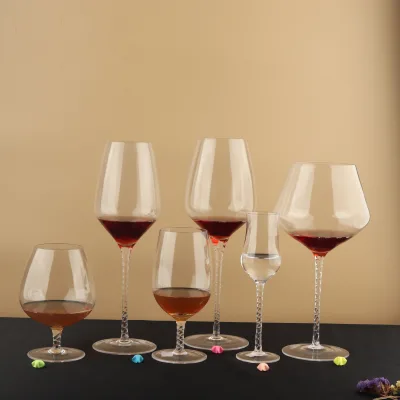
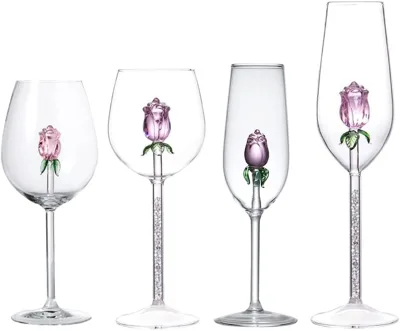
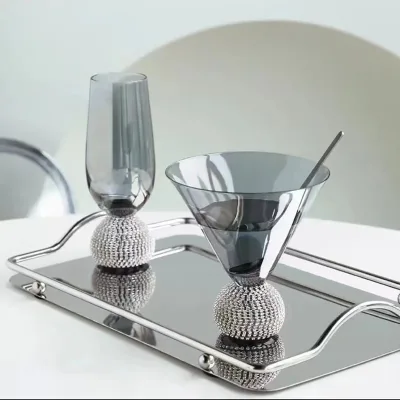
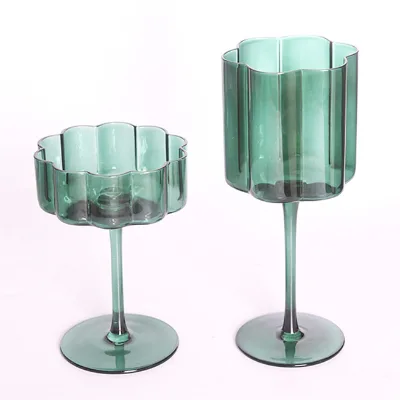
Cheap Handmade Lead Free Colored Wine Glasses Crystal Champagne Flutes Electroplated
$2.20 - $3.50
Moq: 1000


Zibo Timestone International Co., Ltd.
- Manufacturer/Factory
- China Shandong
- Lead time45 days
- Avg. response≤ 14h
Main productsCeramic Dinnerware, Ceramic Mugs, Stainless Steel Bottles Mugs and Tumblers, Glass Bottles Mugs and Tumblers, Dinnerware, Tableware, Glassware, Kitchenware, Household Items, Ceramic Granding Balls and Filters
Main marketsSouth America,Eastern Europe,Mid East,North America,Southeast Asia,Eastern Asia,Oceania,Western Europe,Africa

Wuhan Xinhuahang Household Goods Co., Ltd.
- Verified by BV
- Combined
- China Hubei
- Lead time15 days
- Avg. response≤ 4h
Main productsWine Glasses, Beer Glass, Drinking Glass, Decanter, Shot Glass, Coffee Glass, Cocktail Glass, Champagne Glass, Wine Accessories
Main marketsEurope,Australia,North America

Crystal Bordeaux Wine Glasses Red Wine Glasses Lead Free Premium Crystal Clear Glass
$0.42 - $0.96
Moq: 480

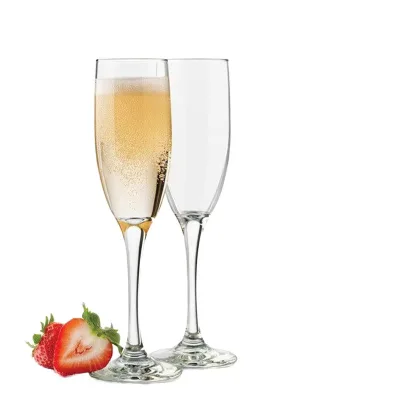
Champagne Glass with Upright Leg Home Crystal Lead-Free Glass Decoration Wine Glass
$1.02 - $1.37
Moq: 500


Guangzhou Tianfu Glass Products Co., Ltd.
- Verified by SGS Group
- Trading Company
- Lead time0 days
- Avg. response≤ 3h
Main productsGlass, Red Wine Glass, Beer Glass, Cocktail Glass, Champagne Glass
Main marketsNorth America(30%), Southeast Asia(20%), Western Europe(10%)

XIAMEN SHUNSTONE HOMEWARE CO., LTD.
- Manufacturer/Factory
- China Fujian
- Lead time23 days
- Avg. response≤ 5h
Main productsWhiskey Gift Set, Whiskey Glass, Wine Glass, Cocktail Shaker, Cooking Steak Stone, Whiskey Decanter, Wine Decanter, Wine Opener
Main marketsSouth America,Eastern Europe,Mid East,North America,Southeast Asia,Eastern Asia,Oceania,Western Europe,Africa

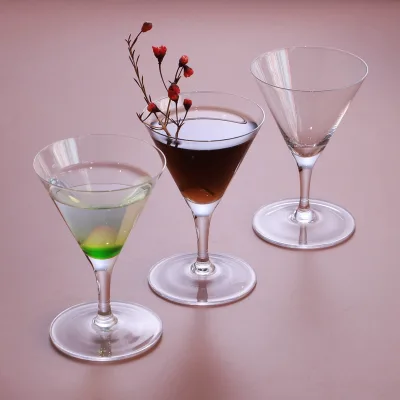
Lead-Free Cocktail Glass Crystal Martini Goblet Conical Champagne Martini Glass
$3.90 - $4.90
Moq: 500


Foshan Ron Hospitality Supplies Co., Ltd.
- Verified by BV
- Manufacturer/Factory,Group Corporation
- China Guangdong
- Lead time45 days
- Avg. response≤ 2h
Main productsRestaurant Furniture, Restaurant Booth, Restaurant Chair, Restaurant Table, Bar Stools, Wedding Chairs, Flatware Sets, Dinnerware Sets, Garden Chairs, Disposable Dinnerware & Tableware
Main marketsSouth America,Eastern Europe,Mid East,North America,Southeast Asia,Eastern Asia,Oceania,Western Europe,Africa

Qingdao Jianhai International Trade Co., Ltd.
- Verified by BV
- Trading Company,Manufacturer/Factory
- China Shandong
- Lead time23 days
- Avg. response≤ 3h
Main productsGlassware, Cosmetic Bottle, Mason Jar, Storage Bottle, Vase, Wine Bottle, High Borosilicate Glass, Glass Bottle, Cup, Glass Craft
Main marketsSouth America,Eastern Europe,Mid East,North America,Southeast Asia,Eastern Asia,Oceania,Western Europe,Africa
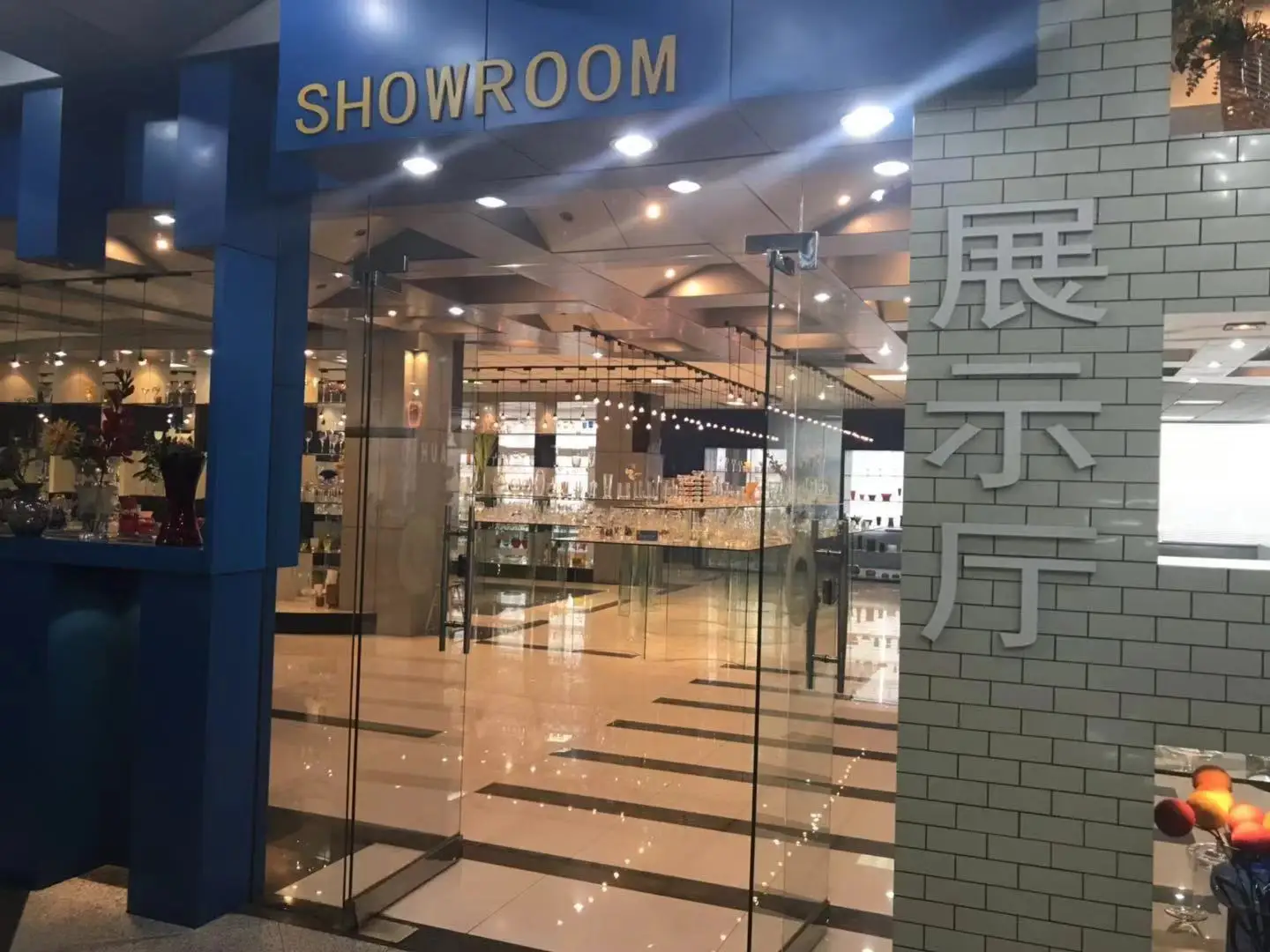
Changsha Aikeyi Homeware Co., Ltd.
- Trading Company
- Hunan, China
- Lead time25 days
- Avg. response≤ 2h
Main productsCustomized Glassware,Glass Tableware,Wine Glass,Glass Bottle,Glass Jar
Main marketsNorth America(33.0%), Oceania(15.0%), South America(12.0%), Western Europe(9.0%), Mid East(8.0%), Central America(4.0%), Northern Europe(4.0%), Africa(3.0%), Eastern Europe(3.0%), Southern Europe(3.0%), South Asia(2.0%), Southeast Asia(2.0%), Eastern Asia(2.0%)

- Verified by SGS
- Trading Company
- China Zhejiang
- Lead time15 days
- Avg. response≤ 15h
Main productsMop, Kitchen Knife, Chopping Board, Blanket, Mosquito Net, Cushion, Slipper, Broom, Luggage, Educational Toy
Main marketsEurope,Australia

Top Seller Lead Free Glass Luxurious Retro Creative Electroplated Gold Wine Glass
$2.90 - $3.41
Moq: 250


- Verified by TUVRHEINLAND
- Manufacturer/Factory
- China Zhejiang
- Lead time45 days
- Avg. response≤ 3h
Main productsIce Bucket, Toys, Kitchen Products, Hip Flask, Shaker, Bar Caddy, Menu Board, Bottle Opener, Barwares, Wine Glasses
Main marketsSouth America,Eastern Europe,Mid East,North America,Southeast Asia,Eastern Asia,Oceania,Western Europe,Africa
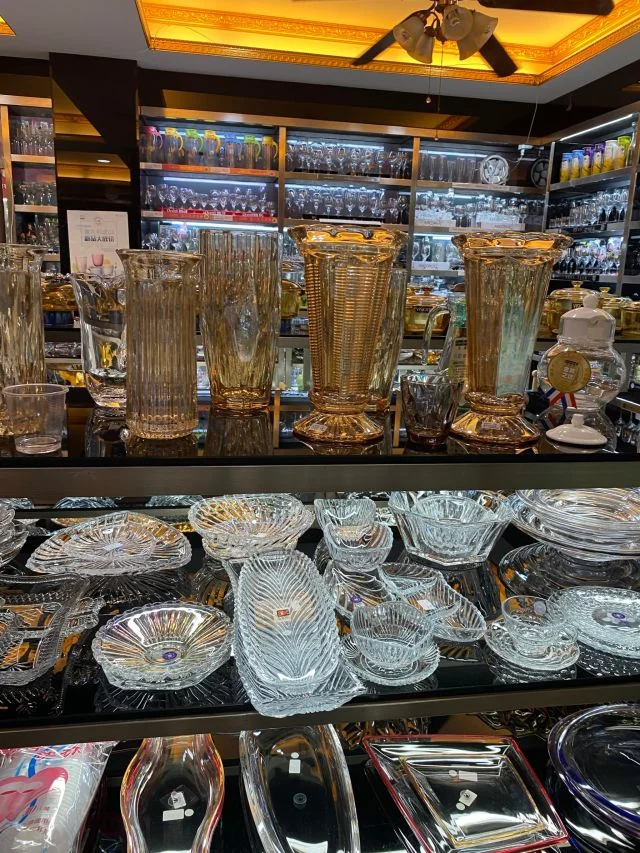
Shanxi Snw Science And Trade Co., Ltd.
- Trading Company
- Shanxi, China
- Lead time45 days
- Avg. response≤ 7h
Main productsWine glass,Glass Candle Jar,Glass Vase,Beer Glass,Glass Storage Jar
Main marketsSouth America(20.0%), North America(15.0%), Central America(10.0%), Eastern Europe(10.0%), Eastern Asia(8.0%), South Asia(6.0%), Northern Europe(5.0%), Southeast Asia(5.0%), Western Europe(5.0%), Oceania(5.0%), Mid East(4.0%), Southern Europe(4.0%), Domestic Market(3.0%)

Hemera (Tianjin) Technology Development Limited
- Verified by TUVRHEINLAND
- Manufacturer/Factory
- China Tianjin
- Lead time38 days
- Avg. response≤ 5h
Main productsGlass Cup, Glass Teapot, Glass Jar&Container, Glass Pitcher&Carafe, Water Jug, Coffee Set, Wine Set, Glass Cooking Ware
Main marketsSouth America,Eastern Europe,Mid East,North America,Southeast Asia,Eastern Asia,Oceania,Western Europe,Africa


Wholesale Wine Glass and Champagne Glasses Lead Free Crystal Glass Burgundy Goblet
$3.00 - $3.99
Moq: 300


Danyang Liou Kitchenware Co., Ltd.
- Verified by CTI
- Combined
- China Jiangsu
- Lead time23 days
- Avg. response≤ 7h
Main productsCutlery, Flatware, Charger Plate, Wine Glass, Bone China Plate, Glass Plate
Main marketsDomestic,North America

Xuzhou Xulang Glass Manufacturing Company., Ltd
- Verified by BV
- Trading Company,Manufacturer/Factory
- China Jiangsu
- Lead time30 days
- Avg. response≤ 3h
Main productsGlass Bottle, Glass Jar, Spice Grinder, Cup, Milk Bottle
Main marketsSouth America,Eastern Europe,Mid East,North America,Southeast Asia,Eastern Asia,Oceania,Western Europe,Africa
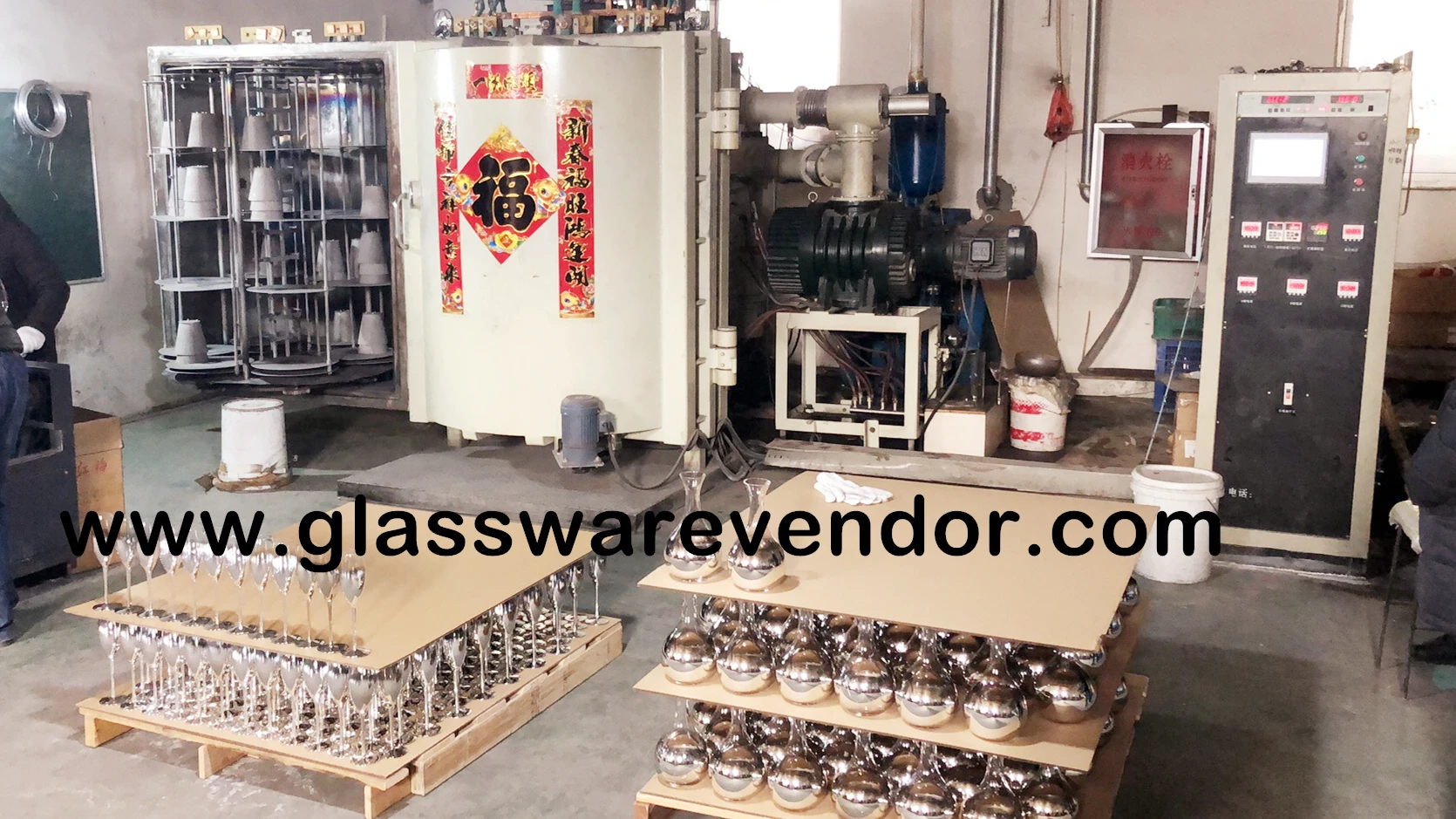
Shenzhen Sunrise Glassware Co., ltd.
- Trading Company
- Guangdong, China
- Lead time30 days
- Avg. response≤ 11h
Main productscustom crystal wine glass,custom hand cut whiskey glass,custom drinking glass,custom colored glass cup,custom double wall glass cups
Main marketsWestern Europe(20.0%), North America(20.0%), Southern Europe(16.0%), Domestic Market(10.0%), Northern Europe(10.0%), Oceania(7.000000000000001%), Mid East(5.0%), Eastern Asia(5.0%), South America(2.0%), Southeast Asia(2.0%), Central America(2.0%), Eastern Europe(1.0%)
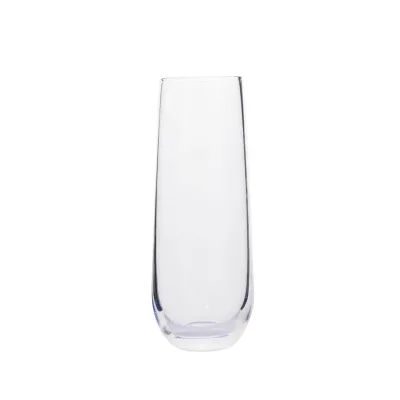
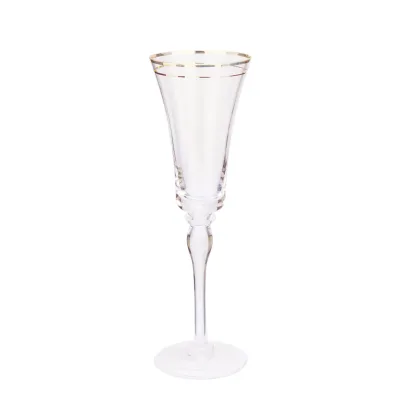
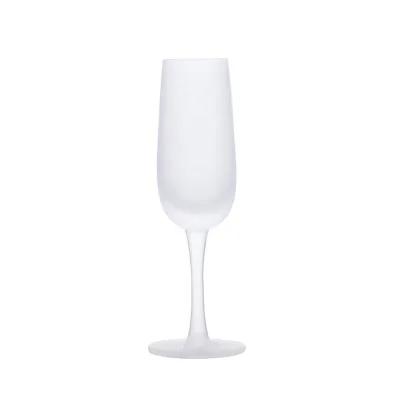
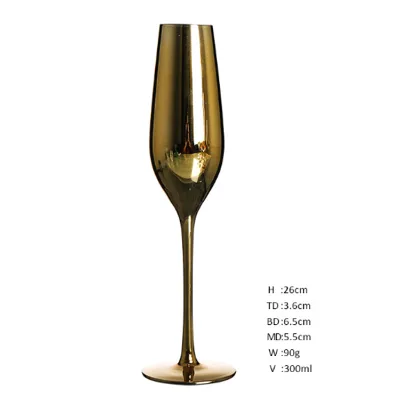
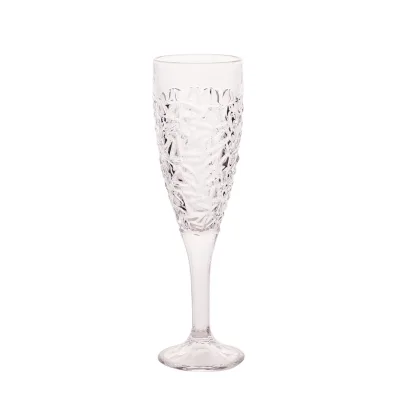
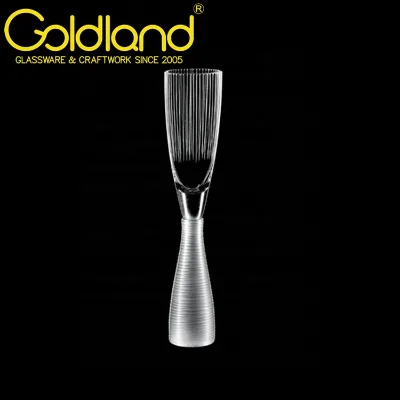
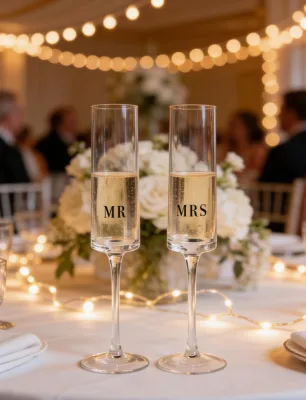
Custom Embossed Champagne Flute Luxury Raindrop Clear Champagne Glass for Wedding
$1.63 - $1.95
Moq: 1000
Shanxi Jinbaijia Trading Co., Ltd.
- Trading Company
- Shanxi, China
- Lead time30 days
- Avg. response≤ 10h
Main productsDrinkware
Main marketsNorth America(40.0%), South America(30.0%), Western Europe(10.0%), Domestic Market(10.0%), Southeast Asia(10.0%)

Suzhou Tongrang Gift Co., Ltd.
- Verified by CTI
- Trading Company
- China Jiangsu
- Lead time15 days
- Avg. response≤ 4h
Main productsGlasswares, Tablewares, Gift, Wineglasses, Glass Bottles, Tumblers, Glass Plate, Glass Jar, Gift Customs, Bottles
Main marketsNorth America

Guangzhou Garbo International Trading Co., Ltd.
- Verified by TUVRHEINLAND
- Trading Company,Manufacturer/Factory
- China Guangdong
- Lead time45 days
- Avg. response≤ 7h
Main productsGlassware, Glass Cup, Glass Mug, Glass Bowl, Glass Candy Jar, Glass Pitcher, Glass Ice Cream Cup and Ice Bucket, Opal Glassware, Stainless Steel Cutlery, Ceramic Dinnerware
Main marketsSouth America,Eastern Europe,Mid East,North America,Southeast Asia,Eastern Asia,Oceania,Western Europe,Africa


7oz Cocktail Margarita Drinking Red Wine Glass
Contact supplier










Comprehensive Sourcing Guide
Lead-Free Crystal Champagne Glass Supplier Concentration and Factory Types
Current data indicates a distinct concentration of suppliers in China, specifically within the Shanxi and Shandong provinces. Shanxi-based entities are frequently identified as trading companies, while Shandong operations often present as manufacturers or factories. This geographic split suggests that buyers may encounter different operational models depending on the specific region they engage. Shanxi suppliers appear to focus on trading activities, potentially sourcing from various workshops, whereas Shandong facilities often list their own brand capabilities alongside OEM and ODM services. Understanding this distinction is critical for determining whether a buyer needs a direct production partner or a sourcing agent.
The supplier types observed include both trading companies and manufacturers, each offering different value propositions. Trading companies in Shanxi may provide a broader range of products like wooden trays and scented candles alongside glassware, acting as a consolidated source for mixed orders. In contrast, manufacturers in Shandong often emphasize their own brand capacity and specific production lines for crystal glassware. Buyers should verify if a supplier is a direct factory or a trading intermediary to align with their quality control needs. The presence of specific product attributes like "Rectangular" or "Irregular Shape" further indicates diverse manufacturing capabilities within these regions.
How to Verify Lead-Free Crystal Champagne Glass Suppliers
Verification of supplier credentials requires checking for specific third-party certifications and company verification statuses. Some suppliers in the dataset display TUVRHEINLAND verification, which serves as a baseline for company legitimacy. Additionally, product-specific certifications such as LFGB, ROHS, REACH, FDA, and CA65 are critical for ensuring the glassware meets international safety standards for lead-free materials. Buyers must confirm that these certifications are current and apply specifically to the lead-free crystal champagne glasses being ordered, rather than just general company compliance. The presence of ISO 9000 or ISO 9001 certificates further supports the supplier's quality management systems.
Beyond certifications, buyers should assess the supplier's response time and verification history to gauge reliability. Response times in the observed data vary significantly, with some suppliers responding in approximately 5 hours while others take over 13 hours. A faster response time often correlates with better communication channels and more active account management. Buyers should also look for evidence of established production standards, such as specific model numbers and detailed product attributes like "Screen Printing" or "Crystal Bottom." These details indicate a mature supply chain capable of handling custom requirements. Always request proof of these certifications directly from the supplier before proceeding with any financial commitment.
What to Compare Across Lead-Free Crystal Champagne Glass Suppliers
When evaluating potential partners, buyers must compare key operational metrics including lead times, minimum order quantities, and pricing structures. Lead times in the current market range from 15 days to 45 days, depending on the supplier's location and production capacity. Shanxi-based trading companies may offer shorter lead times for standard items, while Shandong manufacturers might require longer periods for custom orders due to their own production schedules. Minimum order quantities also vary widely, with some suppliers requiring as few as 200 units, while others set thresholds at 1000, 2000, or even 5000 units. These differences directly impact the total cost of ownership and inventory planning.
Pricing and customization options are equally vital comparison points. Unit prices for lead-free crystal champagne glasses can range from approximately $2.10 to $3.50, influenced by factors like material quality, shape complexity, and packaging requirements. Some suppliers offer custom logos and packing solutions, while others provide standard bulk packing. Buyers should analyze the total cost per unit, including shipping and potential tariffs, rather than focusing solely on the base price. Additionally, comparing the range of main products offered can reveal a supplier's versatility. A supplier offering diverse items like stainless steel bottles or ceramic dinnerware might provide better logistical efficiency for mixed orders compared to a specialized glass-only factory.
Common Lead-Free Crystal Champagne Glass Sourcing Risks
One significant risk involves the discrepancy between claimed material properties and actual product specifications. While many listings advertise "Lead Free Crystal," the specific glass type can vary, with some products described as "Colored Diamond Glass" or "Crystallized Glass." Buyers must ensure that the specific product attributes match their safety requirements, particularly regarding lead content. The presence of certifications like LFGB and FDA is a strong indicator, but without direct testing or verified documentation, there remains a risk of non-compliance. Relying solely on product keywords without verifying the underlying material composition can lead to regulatory issues in the destination market.
Another risk stems from inconsistent production standards and packaging quality. The data shows variations in packing methods, ranging from "Safety Package" to "Bulk Packing" or "Standard Export Pack." Inadequate packaging can result in breakage during transit, especially for delicate crystal items. Furthermore, the shape of the glass, whether "Rectangular" or "Irregular," affects how the product is packed and shipped. Suppliers with longer lead times, such as those taking 45 days, may face delays that disrupt supply chain schedules. Buyers should also be wary of suppliers with high minimum order quantities if they are testing a new market, as this increases financial exposure if the product does not sell as expected.
Lead-Free Crystal Champagne Glass Regional Sourcing and Logistics
Sourcing from China involves navigating logistics from specific manufacturing hubs like Shanxi and Shandong. Shanxi suppliers are often located in the north-central region, while Shandong facilities are situated on the eastern coast. This geographic difference impacts shipping routes and transit times. Coastal suppliers in Shandong may have easier access to major ports, potentially reducing inland freight costs and simplifying export procedures. In contrast, suppliers in Shanxi might require additional overland transport to reach a port, which could add time and cost to the logistics chain. Buyers should request specific shipping terms and calculate the total landed cost based on the supplier's exact location.
Logistics planning must also account for the specific product characteristics and packaging requirements. Crystal champagne glasses are fragile and require careful handling, making the choice of packaging and shipping method critical. Suppliers offering "Custom" packing or "Safety Package" options can help mitigate breakage risks. However, buyers need to verify if these packaging standards are sufficient for international shipping. Additionally, the response time of the supplier can influence how quickly logistics issues are resolved. A supplier with a 5-hour response time may be more agile in addressing shipping delays or documentation errors than one with a 13-hour response window. Clear communication regarding logistics is essential for a smooth delivery process.
Lead-Free Crystal Champagne Glass Commercial Terms and Order Planning
Commercial terms for lead-free crystal champagne glasses often include specific minimum order quantities and pricing tiers. Buyers should be prepared for MOQs ranging from 200 to 5000 units, depending on the supplier's capacity and the complexity of the order. Pricing can fluctuate between $2.10 and $3.50 per unit, influenced by customization needs and order volume. It is crucial to negotiate these terms clearly before placing an order to avoid unexpected costs. Suppliers may offer different pricing for standard versus custom designs, so buyers should clarify the scope of customization, such as logo printing or unique shapes, to ensure accurate quotes.
Order planning must also consider the lead times and production capacity of the selected supplier. Lead times can vary from 15 to 45 days, requiring careful scheduling to meet market demand. Suppliers with established brands and OEM/ODM capabilities may offer more predictable production schedules, while trading companies might have variable timelines based on their sourcing network. Buyers should align their order quantities with their sales forecasts to avoid overstocking or stockouts. Additionally, verifying the supplier's ability to handle custom orders and their response to inquiries is vital for maintaining a reliable supply chain. Proper planning ensures that the commercial terms align with the buyer's operational needs and financial constraints.
FAQs
What is the price range for lead free crystal champagne glasses?
Prices typically range from $2.10 to $3.50 per unit depending on the specific design and customization options selected. Buyers should note that lower price points often correspond to higher minimum order quantities, while premium crystal goblets may carry a slightly higher cost per piece for smaller batches.
What are the minimum order quantities for these products?
Minimum order quantities vary significantly by supplier and product type, ranging from 200 units for certain crystal goblets up to 5000 units for bulk crystal wine glass cups. Buyers seeking smaller trial orders should look for suppliers offering MOQs around 200 to 1000 units.
Where are these suppliers located?
Manufacturers and trading companies supplying these items are primarily located in China, specifically in the Shanxi and Shandong provinces. These regions are known for their glassware production capabilities, offering both crystal and colored diamond glass options for international buyers.
What certifications are available for these glass products?
Products often carry certifications such as LFGB, ROHS, REACH, FDA, and ISO9000. Some suppliers also hold BSCI and SEDEX system certifications. Buyers should verify specific product pages for details like CA65 approval or SGS testing to ensure compliance with regional safety standards.
How long does production take?
Lead times generally range from 15 days to 45 days depending on the supplier type and order volume. Trading companies may offer faster turnaround times around 15 days, while manufacturers with larger capacities might require up to 45 days for complex custom orders.
Can I customize the logo on these glasses?
Yes, customization is widely available for most lead free crystal champagne glasses. Suppliers offer options for custom logos, often using screen printing techniques. Buyers can request specific packaging requirements, such as safety packages or color boxes, to meet their branding needs.