Male Health Ginseng Tea Suppliers and Manufacturers
Explore 19 verified suppliers offering Male Health Ginseng Tea with diverse certifications like BRC, ISO, and HACCP. Buyers can compare lead times ranging from 7 to 15 days, MOQs from 1 to 100 packs, and prices between $2.03 and $9.22. Contact suppliers directly to request samples or negotiate bulk orders.
Suppliers List

- Verified by CTI
- Trading Company
- China Anhui
- Lead time15 days
- Avg. response≤ 7h
Main productsHerbal Medicine, Blue Lotus Flower, Red Ginseng Root, Chinese Herbal
Main marketsSouth America,Africa,Southeast Asia/ Mideast,East Asia(Japan/ South Korea),Europe,Australia,North America
Hangzhou Zhizhen Trade Company Limited
- Trading Company
- Zhejiang, China
- Lead time7 days
- Avg. response≤ 1h
Main productsDaily Mental Clarity 99.9% Pure Clean Formula Sugar Free Vegan Clean Ingredients Tiny Gummies,Health Supplements,Health Supplements,Women's Health Tea,Detox Tea
Main marketsNorth America(50.0%), Southeast Asia(20.0%), South America(10.0%), Northern Europe(10.0%), Eastern Europe(5.0%), Western Europe(5.0%)

Hubei Wansongtang Health Pharmaceutical Group Co., Ltd.
- Verified by BV
- Group Corporation
- China Hubei
- Lead time15 days
- Avg. response≤ 9h
Main productsSlimming Tea, Health Care Tea, Slimming Drink, Dietary Supplements, Slim Green Coffee, Powder, Gummies, Capsule, Tablet, Soft-Gel
Main marketsAfrica,Europe,North America

- Trading Company
- China Anhui
- Lead time15 days
- Avg. response≤ 7h
Main productsFood Supplement, Slimming Tea, Chinese Medicine, Traditional Chinese Medicine, Plant Extract, Herbs, Health and Beauty Equipments
Main marketsSouth America,Africa,Southeast Asia/ Mideast,East Asia(Japan/ South Korea),Europe,Australia,North America


Natural Healthy Herbal Green Tea Improve Immunity Promote Metabolism Ginseng Tea
$1.80 - $2.00
Moq: 50


- Verified by TüVRheinland
- Trading Company
- Lead time0 days
- Avg. response≤ 1h
Main productsCandy, Herbs Products
Main marketsDomestic Market(35%), Mid East(30%), Southeast Asia(20%)
Xi'an Ekon Herbal Biotechnology Co., Ltd.
- Verified by TüVRheinland
- Trading Company
- Shaanxi, China
- Lead time7 days
- Avg. response≤ 3h
Main productsTea Bag, Gummies, Health Capsule, Plant Extract, Dietary Supplyment
Main marketsNorth America(35%), Western Europe(20%), Oceania(15%)

Qingdao Fraken International Trading Co., Ltd.
- Trading Company
- China Shandong
- Lead time30 days
- Avg. response≤ 18h
Main productsHealth Food, Vitamin C Tablet, Spirulina, Chlorella, Fish Oil Softgel, Royal Jelly, Propolis, Ginseng Extract, Ginseng Royal Jelly Oral Liquid, Plant Extract
Main marketsSouth America,Africa,Southeast Asia/ Mideast,East Asia(Japan/ South Korea),Europe,Australia
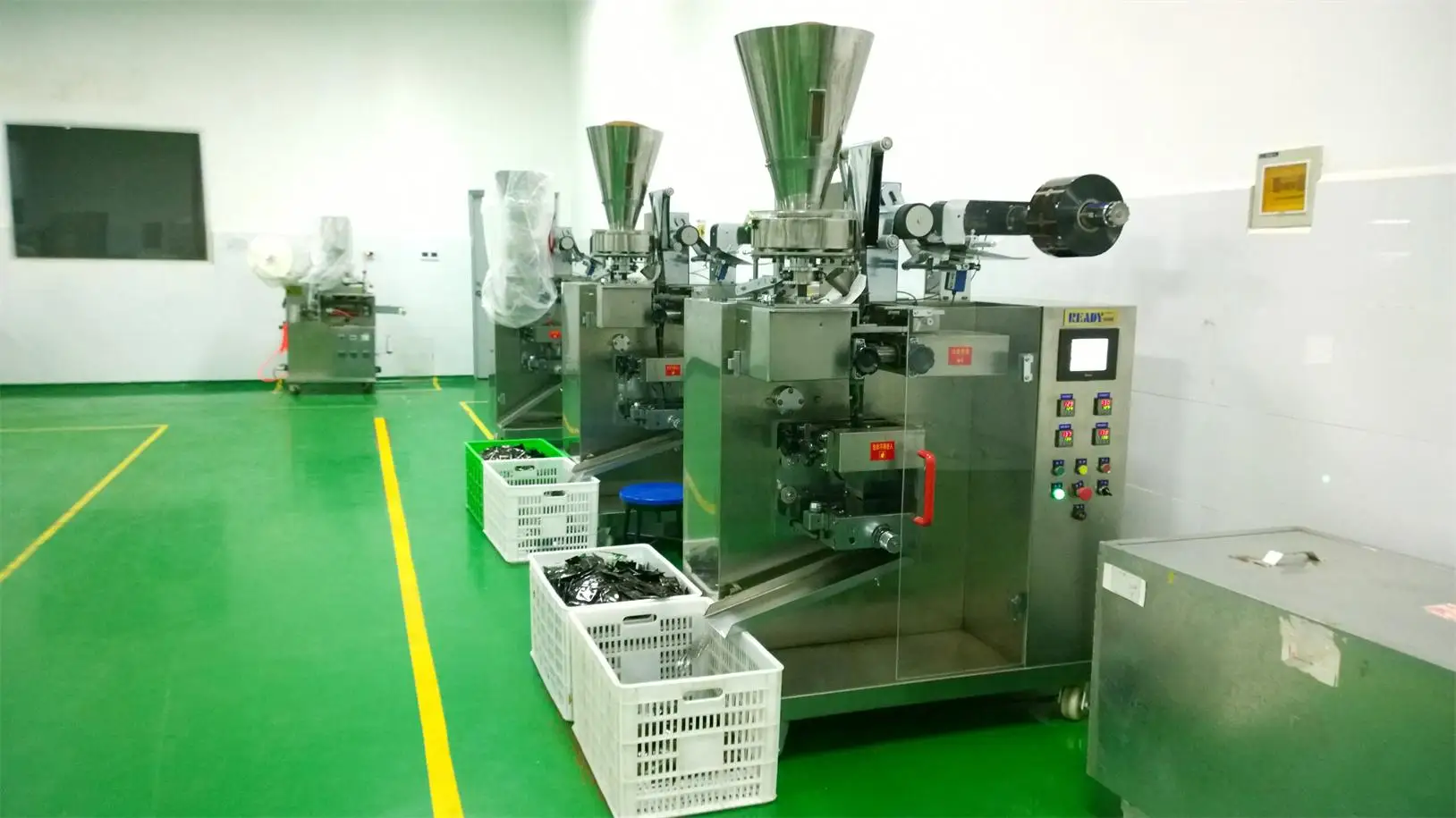
Discount Biotechnology (chengdu) Co., Ltd.
- Trading Company
- Sichuan, China
- Lead time3 days
- Avg. response≤ 2h
Main productshealth supplement,royal honey,energy drink,energy pouches,oral strips
Main marketsNorth America(20.0%), Southern Europe(10.0%), Africa(10.0%), Southeast Asia(10.0%), Eastern Europe(10.0%), Western Europe(10.0%), Central America(7.000000000000001%), Mid East(5.0%), Northern Europe(5.0%), Eastern Asia(5.0%), South America(5.0%), South Asia(3.0%)
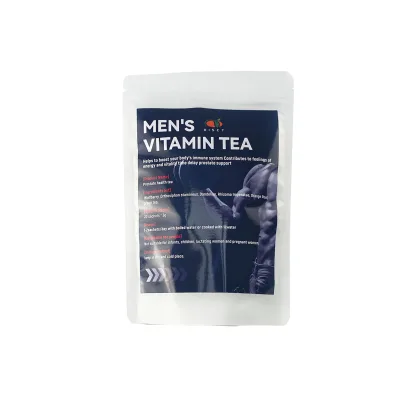
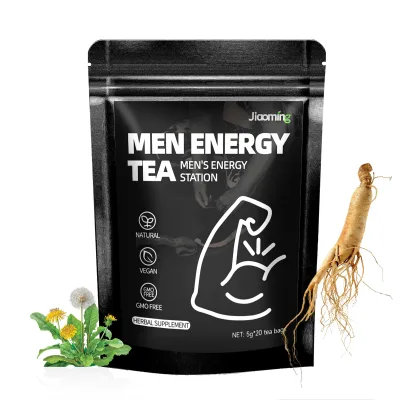
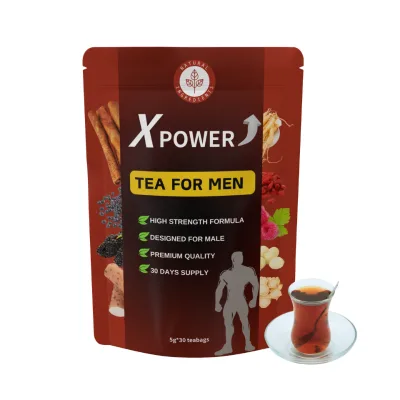
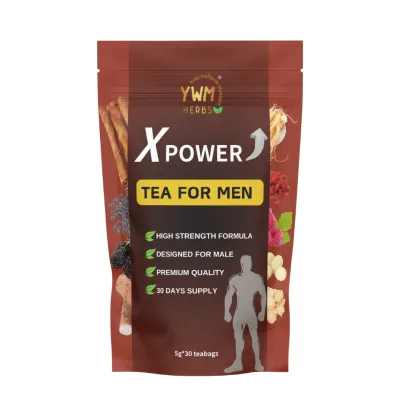
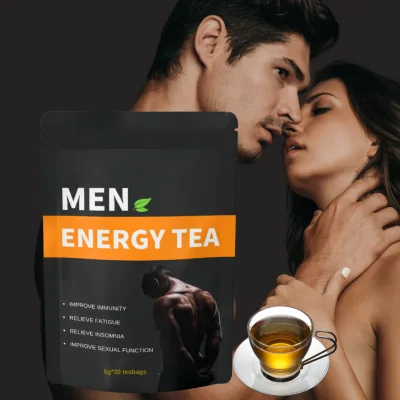
Private Label Male Power Men's Vitamin Herbal Ginseng Tea for Energy Supplement
$2.07 - $3.10
Moq: 100
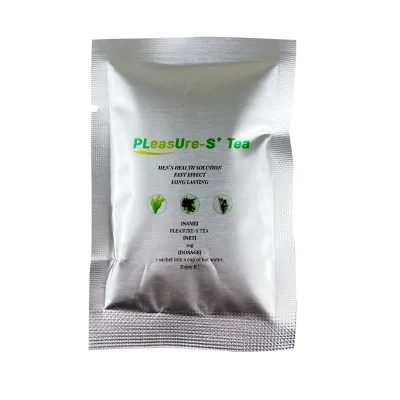

Xinshao Nanmo Biotechnology Co., Ltd.
- Verified by SGS
- Manufacturer/Factory
- China Hunan
- Lead time15 days
- Avg. response≤ 9h
Main productsPlant Extract, Dried Herbs, Herbal Tea, Spices, Fruit and Vegetable Powder, Herbal Extract, Sugar Substitute, Health Care Products
Main marketsSouth America,Eastern Europe,Mid East,North America,Southeast Asia,Eastern Asia,Oceania,Western Europe,Africa

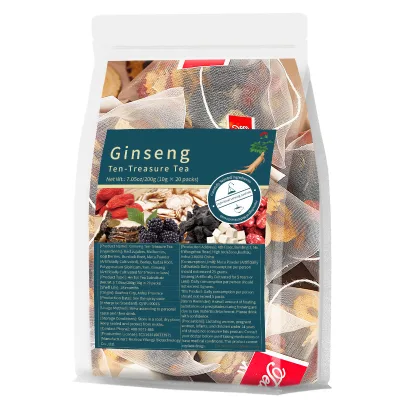
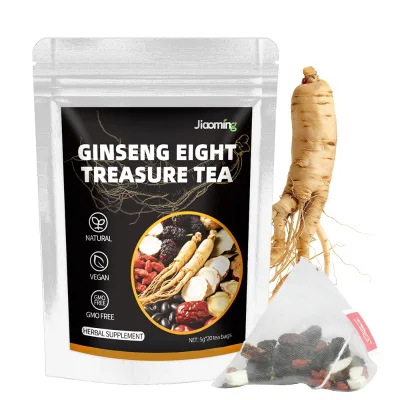
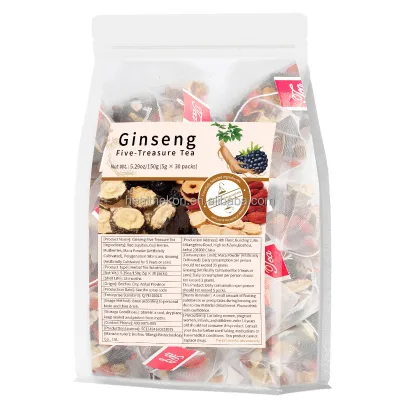
Natural Herbal Tea Ginseng Five Treasure Health Tea Tonifying Kidney Men's Energy Tea
$12.90 - $14.80
Moq: 20


Xi'an Chinaherbs Commerce Co., Ltd
- Verified by BV
- Combined
- China Shaanxi
- Lead time15 days
- Avg. response≤ 8h
Main productsSlimming Tea, Health Tea, Matcha, Yoni Pearls, Yoni Oil, Yoni Pops, Vaginal Tightening Gel, Yoni Wash, Herbal Supplements
Main marketsAfrica,Europe,North America
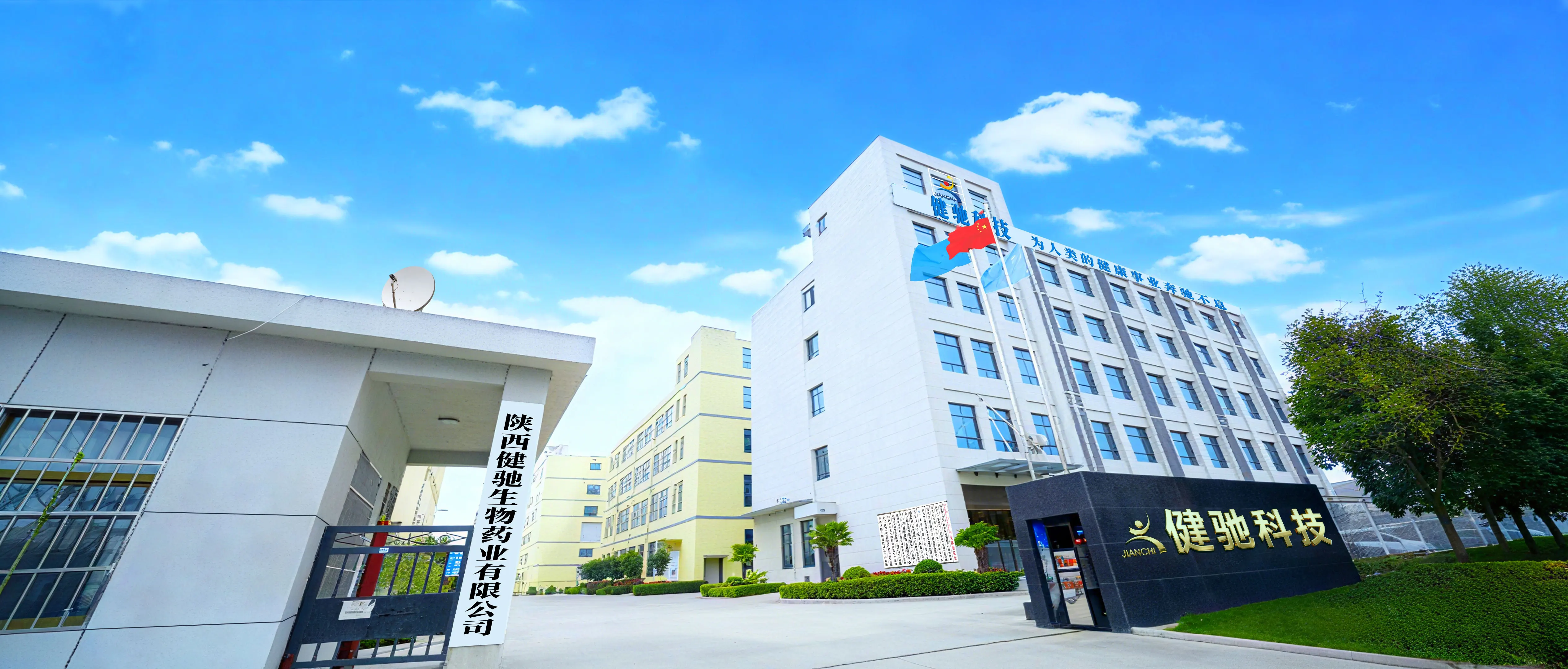
Shaanxi Jianchi Biopharmaceutical Co., Ltd.
- Manufacturer, Trading Company
- Shaanxi, China
- Lead time10 days
- Avg. response≤ 3h
Main productsMan Care Products,Vaginal Tightening Gel,Body Essential Oils,Yoni Detox Pearls,Yoni Wash
Main marketsNorth America(31.0%), Southeast Asia(30.0%), Africa(27.0%), Western Europe(7.000000000000001%), Northern Europe(5.0%)
Shanghai Duolaian Health Management Co., Ltd.
- Verified by SGS Group
- Manufacturer, Trading Company
- Lead time15 days
- Avg. response≤ 2h
Main productsCollagen Gummies, Kidney Cleaning Tablet, Skin Whitening Gummies, Slim Green Coffee, Slimming Tea
Main marketsAfrica(25%), North America(18%), South America(8%)

Discount Biotechnology (Chengdu) Co., Ltd.
- Verified by SGS
- Trading Company
- China Sichuan
- Lead time23 days
- Avg. response≤ 6h
Main productsHealth Supplement, Energy Supplement, Honey Supplement, Functional Gummy, Energy Drink, Sports Supplement, Energy Pouches Customization, Diabetic Supplement, Feminine Health, OEM Oral Strips
Main marketsSouth America,Eastern Europe,Mid East,North America,Southeast Asia,Western Europe,Africa

Changsha Nutrahealth Bio-Tech Co., Ltd.
- Combined
- China Hunan
- Lead time30 days
- Avg. response≤ 16h
Main productsTea, Slimming/Detox Tea, Organic Tea, Hot Selling Chinese Green Tea
Main marketsSouth America,Southeast Asia/ Mideast,East Asia(Japan/ South Korea),Australia,North America

Anhui Yaozhiyuan Chinese Herbal Medicine Co., Ltd.
- Combined
- China Anhui
- Lead time15 days
- Avg. response≤ 18h
Main productsChinese Medicine, Herbal Tea
Main marketsAfrica,Southeast Asia/ Mideast,Europe,North America


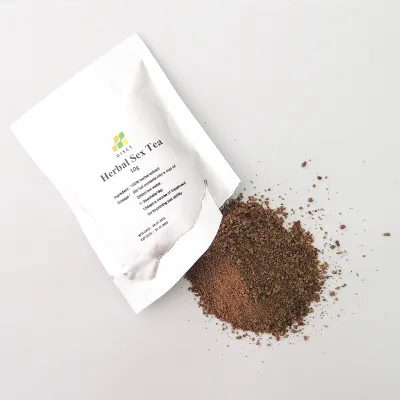
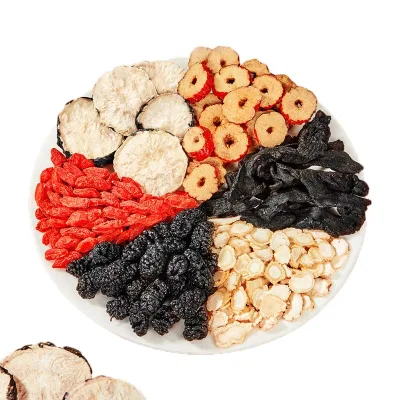
Ba Bao Cha Chinese Health Tea Ginseng Root Mulberry Fruit Herbal Sex Tea for Man
$1.00 - $3.00
Moq: 10


- Combined
- China Anhui
- Lead time15 days
- Avg. response≤ 15h
Main productsTea, Tea Bags, Green Tea, Black Tea, Flower Tea, Herbal Tea, Slimming Tea, Oolong Tea, Ginger Tea, Flavored Tea
Main marketsSoutheast Asia/ Mideast,Domestic,Europe,North America
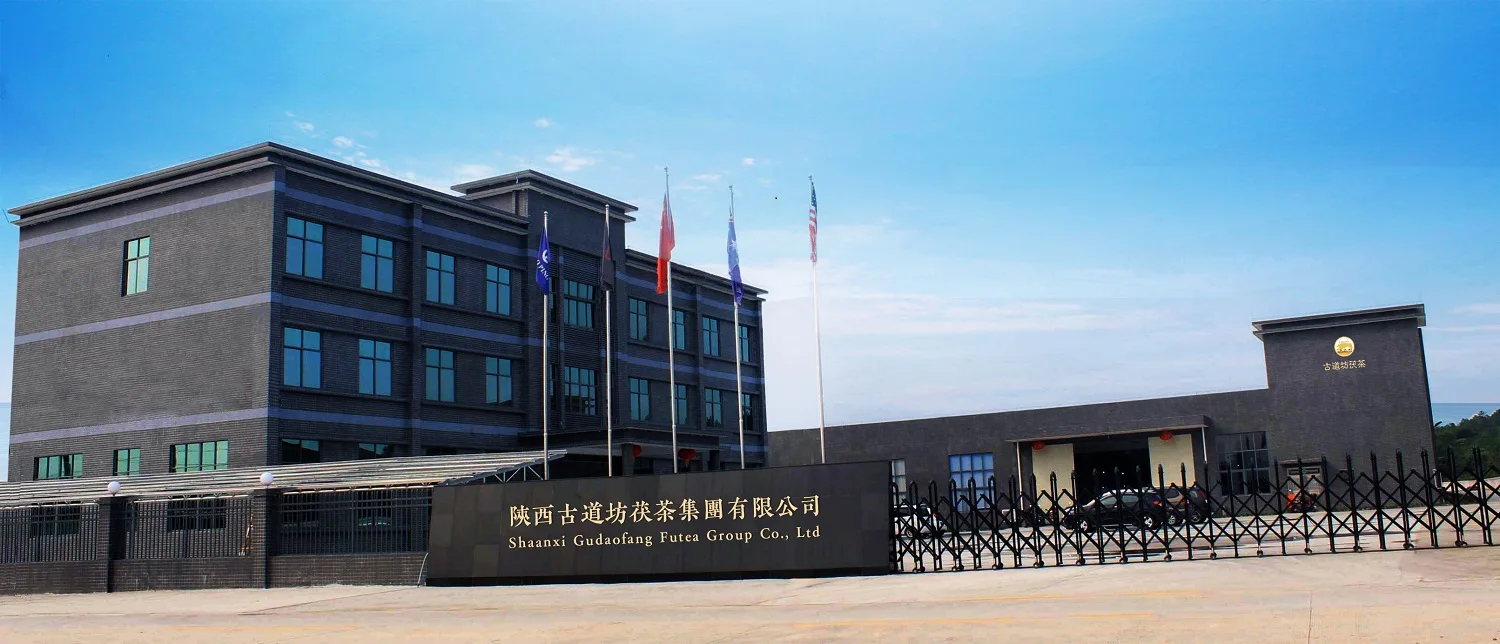
Shaanxi Gudaofang Futea Group Co., Ltd.
- Manufacturer, Trading Company
- Shaanxi Province, China
- Lead time15 days
- Avg. response≤ 4h
Main productsTea wholesale and retail,Produce tea,Fuzhuan tea research and development,Tea ware sales,Tea customized sales
Main marketsDomestic Market(60.0%), Mid East(20.0%), Southeast Asia(10.0%), Eastern Asia(5.0%), Africa(5.0%)
Xi'an Chinaherbs Commerce Co., Ltd.
- Verified by SGS Group
- Manufacturer, Trading Company
- Lead time5 days
- Avg. response≤ 4h
Main productsWomen Health Product, Feminine Hygiene Products, Herbal Tea, Slimming Tea, Dietary Supplement
Main marketsNorth America(55%), Africa(20%), South America(6%)

Gansu Cheezheng Industrial Group Co., Ltd.
- Verified by SGS
- Trading Company
- China Gansu
- Lead time15 days
- Avg. response≤ 3h
Main productsCordycpes, Dry Herbs, Health Products, Highland Barley, Natural Herbs, Rhodiola Rosea, Epimedium, Immunity Capsule, Herbal Tea
Main marketsEast Asia(Japan/ South Korea)


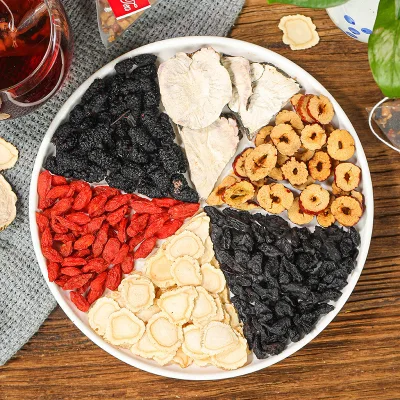
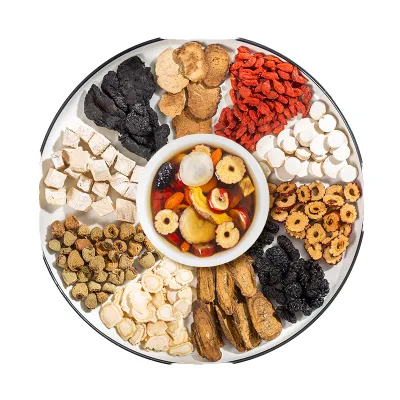
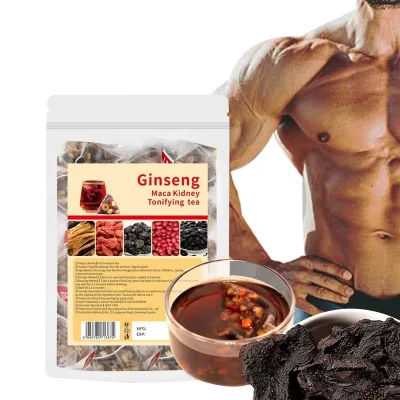
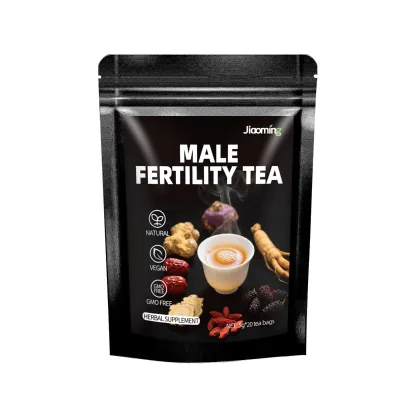
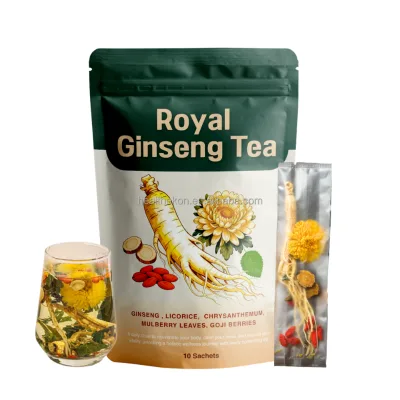
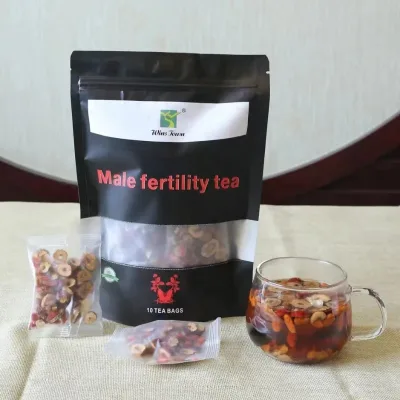
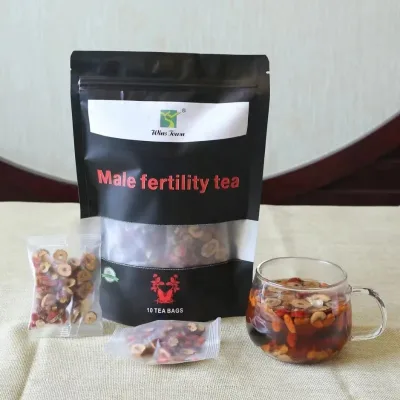
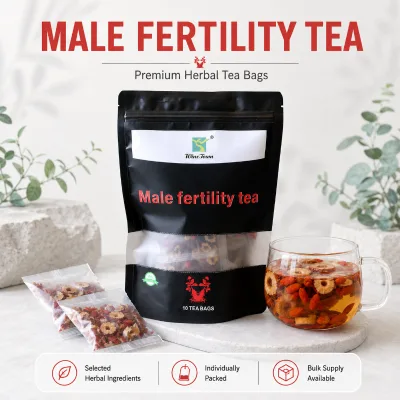
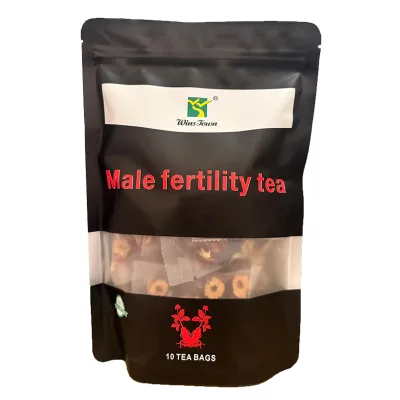
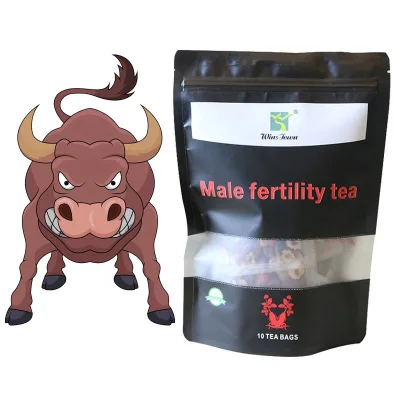
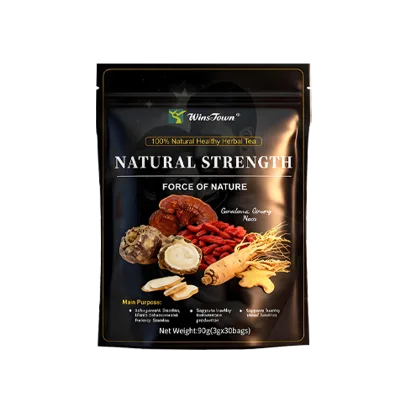
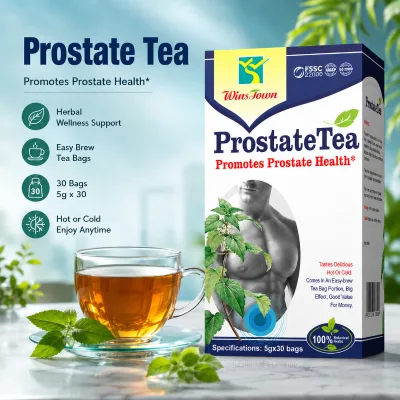
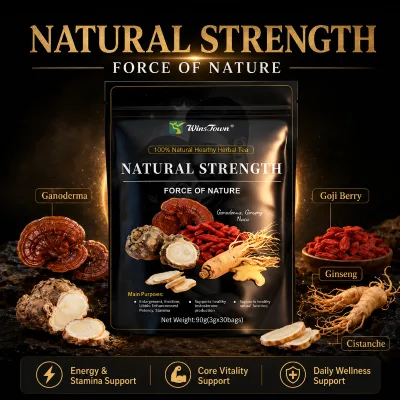
Men's Health Ginseng Five Treasures Tea Wholesale Goji Berry Ginseng Maca Teabag
$2.80 - $4.50
Moq: 36









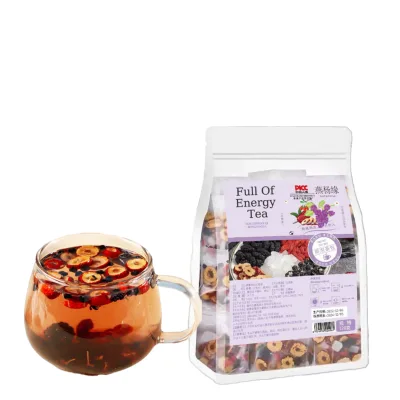
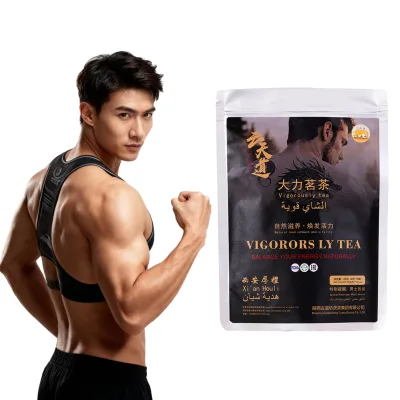
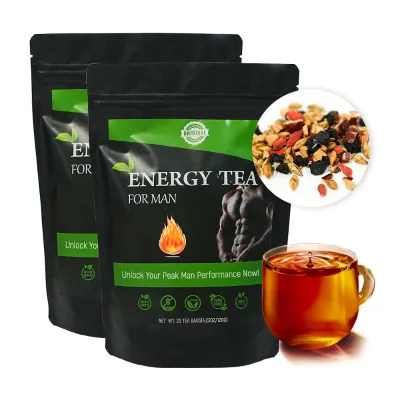
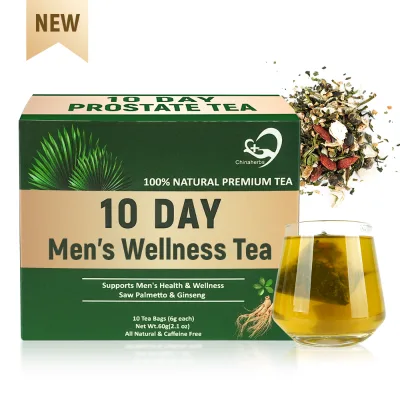
Comprehensive Sourcing Guide
Male Health Ginseng Tea Supplier Concentration and Factory Types
Current data indicates a concentration of suppliers in China, specifically within the Anhui and Zhejiang provinces. These regions appear to host a mix of trading companies and manufacturers offering herbal medicine and ginseng-based products. Some listings explicitly state their address as Anhui Bozhou, a known hub for traditional Chinese herbs, while others are located in Zhejiang. This geographic clustering suggests that buyers can expect a high density of vendors specializing in ginseng root, blue lotus flower, and red ginseng root within these specific administrative areas. The presence of multiple suppliers in Anhui implies a localized supply chain for raw materials, which may influence the authenticity and freshness of the ginseng used in the final tea blends.
The supplier types observed in the results are predominantly trading companies, though some listings imply direct factory capabilities through terms like "Factory Direct." These entities often handle the aggregation of various herbal ingredients such as goji berries, mulberries, and maca to create blended teas. While the data confirms the existence of trading companies, it does not provide a definitive count of pure manufacturing plants versus intermediaries. Buyers should verify whether a supplier is a direct producer or a trading firm by examining their main product lists and company type declarations. Understanding this distinction is crucial, as trading companies may offer broader product ranges but might have different control over the manufacturing process compared to direct factories.
How to Verify Male Health Ginseng Tea Suppliers
Verification is a critical step when sourcing Male Health Ginseng Tea, as the market contains various entities with different levels of credibility. Some suppliers in the current results display verification badges from third-party inspection bodies like CTI, which serves as a tangible indicator of their operational legitimacy. Buyers should prioritize suppliers who have undergone such external audits to ensure their business practices and product claims meet established standards. The presence of a verification status is a strong signal, but it should be the starting point for a deeper due diligence process rather than the sole criterion for selection.
Beyond verification badges, buyers must scrutinize the specific certifications listed for each product. The available data shows a wide array of certifications including BRC, EEC, GAP, GMP, HACCP, IFS, IMO, ISO, and KOSHER. These credentials indicate that the supplier adheres to rigorous quality management and safety protocols. However, the presence of these certifications on a product page does not guarantee that every batch meets these standards without further confirmation. Buyers should request current certification documents and verify their validity with the issuing bodies. Additionally, checking the response time of the supplier, which ranges from one to nearly seven hours in the observed data, can provide insight into their operational efficiency and customer service reliability.
What to Compare Across Male Health Ginseng Tea Suppliers
When evaluating potential partners, buyers should compare key operational metrics such as lead time, minimum order quantity, and response speed. The observed data reveals significant variation in these areas; for instance, lead times range from seven days to fifteen days, while minimum order quantities vary from ten packs to one hundred units. Some suppliers offer a low MOQ of just one unit, which is ideal for sampling, whereas others require bulk commitments. Comparing these figures helps buyers align their inventory needs with supplier capabilities, ensuring that the order volume matches their business scale without incurring unnecessary storage costs or risking stockouts.
Price and product specifications are equally vital dimensions for comparison. The price range for similar ginseng tea products in the current results spans from approximately $2.03 to $9.22 per unit, depending on the specific formulation and packaging. Buyers must analyze whether the price difference correlates with distinct ingredients, such as the inclusion of maca or specific grades of ginseng, or if it reflects differences in packaging quality like individual tea bags versus loose leaf. Furthermore, the shelf life of the products varies, with some listings indicating twelve months and others eighteen months. Comparing these attributes ensures that the selected supplier offers a product that meets both the quality expectations and the logistical requirements of the buyer's target market.
Common Male Health Ginseng Tea Sourcing Risks
One significant risk in sourcing Male Health Ginseng Tea involves the potential discrepancy between claimed ingredients and actual product composition. While many listings highlight ingredients like ginseng, goji berries, and mulberries, some product attributes list ingredients as "0%" or vague terms like "ect," which raises questions about the accuracy of the formulation. Buyers must be vigilant about verifying the exact ingredient list against the product description to ensure the tea contains the advertised health benefits. Relying solely on marketing keywords without cross-referencing the detailed product attributes can lead to receiving a product that does not match the intended specifications or regulatory requirements of the destination market.
Another risk pertains to the consistency of quality and the reliability of the supply chain. The data shows that while some suppliers offer customization and OEM services, others have fixed specifications that may not align with a buyer's specific branding needs. Additionally, the storage instructions vary, with some products requiring a clean, cool, dry area while others specify different conditions. If a supplier fails to maintain these storage standards during transit, the potency of the ginseng and other herbal ingredients could degrade, affecting the shelf life and efficacy of the final product. Buyers should assess the supplier's ability to maintain quality control throughout the entire logistics process to mitigate these risks effectively.
Male Health Ginseng Tea Regional Sourcing and Logistics
Sourcing from the identified regions in China, particularly Anhui and Zhejiang, offers logistical advantages due to the established infrastructure for exporting herbal products. Suppliers in Anhui Bozhou, for example, are situated in a region known for its deep roots in traditional medicine, which often translates to a robust local supply chain for raw ginseng. This proximity to raw materials can streamline the production process and potentially reduce lead times. However, buyers must consider the specific logistics capabilities of each supplier, as the distance from the factory to the port of shipment can impact shipping costs and delivery schedules. Understanding the geographic location of the supplier is essential for accurate freight cost estimation and timeline planning.
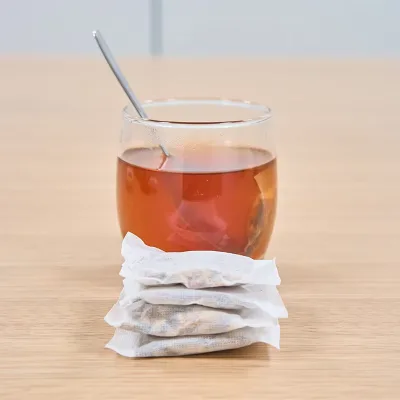
Logistics planning also involves evaluating the packaging and shipping specifications provided by the suppliers. The observed data indicates that products are often packed in individual tea bags, kraft paper bags, or plastic bags, with single package sizes varying significantly. Some listings specify a single gross weight of 1.000 kg, while others list different weights, which directly influences container loading efficiency and shipping costs. Buyers should request detailed packing lists and dimensions to optimize their shipping strategy. Additionally, the storage requirements mentioned in the product attributes, such as keeping the tea in a cool and dry place, must be communicated clearly to logistics partners to prevent damage during transit and ensure the product arrives in optimal condition.
Male Health Ginseng Tea Commercial Terms and Order Planning
Commercial terms for Male Health Ginseng Tea vary widely among suppliers, particularly regarding minimum order quantities and pricing structures. The data shows MOQs ranging from a single unit to one hundred packs, allowing flexibility for different business models. Buyers planning to launch a new product line might prefer suppliers with lower MOQs to test the market, while established retailers may seek partners capable of handling larger volumes. It is crucial to clarify whether the quoted prices are inclusive of packaging costs or if customization fees apply, as some suppliers offer customization services that could affect the final cost per unit. Understanding these financial terms upfront prevents unexpected expenses during the order placement phase.
Order planning must also account for the response times and lead times observed in the supplier data. With response times ranging from one to nearly seven hours, communication efficiency can vary significantly between vendors. A supplier with a faster response time may be better suited for urgent orders or those requiring quick adjustments to specifications. Lead times, which span from seven to fifteen days, should be factored into the overall production schedule to ensure timely delivery. Buyers should establish clear communication channels and confirm the exact lead time for their specific order before committing. This proactive approach ensures that the supply chain remains responsive to market demands and minimizes the risk of delays in product availability.
FAQs
What certifications do Male Health Ginseng Tea suppliers hold?
Suppliers in China Anhui and Zhejiang offer products with BRC, Eec, Gap, GMP, HACCP, IFS, Imo, ISO, and KOSHER certifications. These credentials ensure the herbal tea meets international quality and safety standards for export. Buyers should verify specific certificates for their target market before placing orders.
What is the minimum order quantity for ginseng tea?
Minimum order quantities vary by supplier and product type. Some suppliers accept orders as low as 10 packs for bagged tea, while others require a minimum of 100 units for loose leaf varieties. Buyers should check the specific MOQ listed for each product to determine feasibility for their volume needs.
How long does it take to receive Male Health Ginseng Tea?
Lead times for Male Health Ginseng Tea typically range from 7 to 15 days depending on the supplier and production schedule. Suppliers in Zhejiang may offer faster turnaround times compared to those in Anhui. Buyers should confirm the exact lead time with the supplier before finalizing payment to ensure timely delivery.
What is the price range for Male Health Ginseng Tea?
Prices for Male Health Ginseng Tea generally range from $2.03 to $9.22 per unit. The cost varies based on ingredients, packaging, and certification levels. Bagged teas with multiple herbs like maca and ginseng may be priced higher than single-ingredient loose leaf options. Buyers should request quotes for accurate pricing.
Can suppliers customize Male Health Ginseng Tea packaging?
Yes, many suppliers offer customization options for Male Health Ginseng Tea packaging. Buyers can choose between tea bags, kraft paper bags, or plastic bags. Some suppliers also allow custom branding and labeling. Buyers should discuss customization requirements and any associated costs with the supplier before placing an order.
What ingredients are commonly found in Male Health Ginseng Tea?
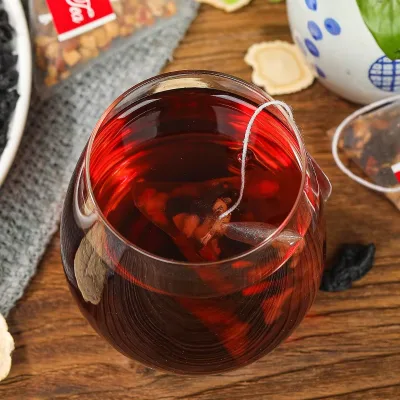
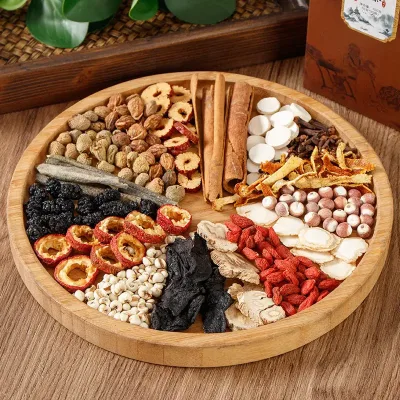
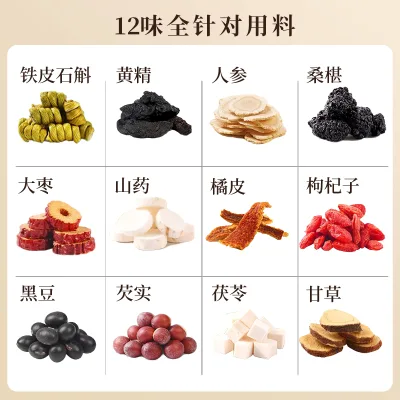
Common ingredients in Male Health Ginseng Tea include ginseng, goji berries, mulberries, maca, wolfberry, and polygonatum. These herbs are blended to support male vitality and kidney health. Buyers should review the ingredient list to ensure the tea meets their specific health and dietary requirements.
How should Male Health Ginseng Tea be stored?
Male Health Ginseng Tea should be stored in a clean, cool, and dry place to maintain freshness and potency. The shelf life typically ranges from 12 to 18 months. Proper storage prevents moisture absorption and preserves the herbal properties. Buyers should follow the storage instructions provided by the supplier.