Maternity Nursing Pajama Sleepwear Suppliers and Manufacturers
Explore 23 verified suppliers offering Maternity Nursing Pajama Sleepwear with ODM and OEM capabilities. Compare response times, lead times, certifications like ISO 105 and Oeko-Tex 100, and pricing ranges from 2.30 to 13.30. Contact suppliers directly to request samples and verify production standards.
Suppliers List

Shanghai Easun Group Imp & Exp Co., Ltd.
- Verified by BV
- Trading Company
- China Shanghai
- Lead time15 days
- Avg. response≤ 19h
Main productsHoodies, Pajamas, T-Shirt, Bath Robe, Sleepwear, Polo Shirts, Safety Shoes
Main marketsAfrica

Infant Sleepwear Sleep Wear Ladies Sustainable Sleepwear Men's Pajama Gown Cute Sleepwear
$3.50 - $10.00
MOQ: 500 pcs

Fuzzy Pajama Cotton Pajama Set Night Sleepwear Baby Pajamas Winter Sleepwear
$5.66 - $9.66
MOQ: 1000 set


Dongguan Huoyoung Apparel Co., Ltd.
- Verified by SGS Group
- Manufacturer, Trading Company
- Lead time20 days
- Avg. response≤ 2h
Main productsSleepwear, Lounge Wear, Night Wear, Robe, Romper
Main marketsNorth America(29%), Western Europe(25%), Oceania(10%)
Qingdao Essence Garment Co., Ltd.
- Verified by SGS Group
- Manufacturer, Trading Company
- Lead time15 days
- Avg. response≤ 2h
Main productsPajamas, Robes, Maternity Pajamas, Baby Pajamas, Nightgown
Main marketsNorth America(51%), Domestic Market(40%), Oceania(4%)
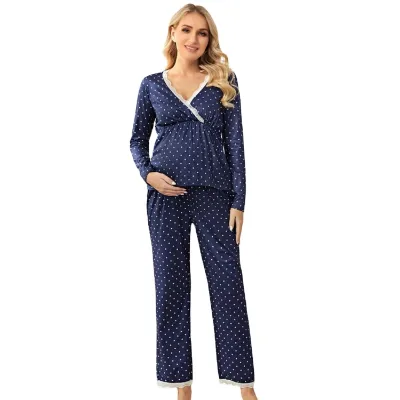
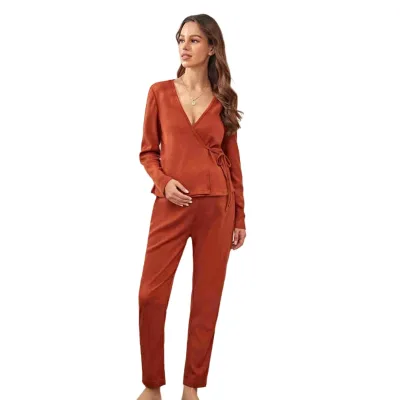
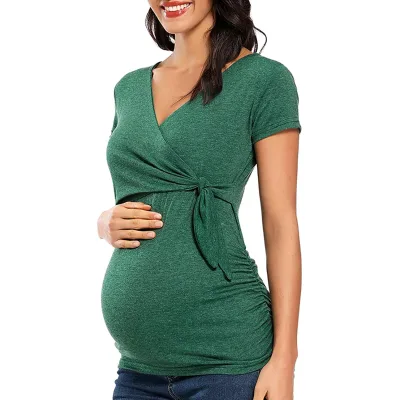
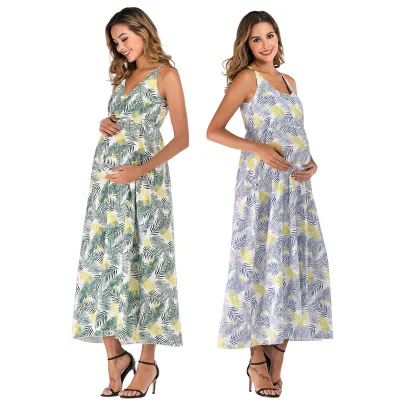
Breastfeeding Nursing Top Pregnant Clothing Wear Pajama Maternity Tops Pajama Clothes Set
$14.89 - $18.99
MOQ: 100
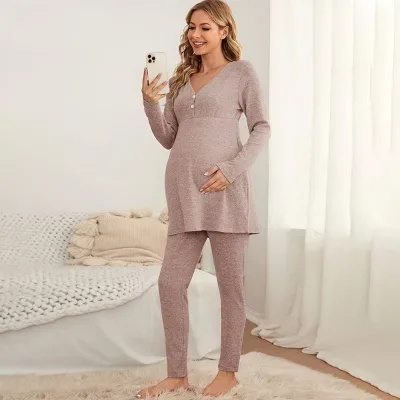
Custom Long Nursing PJS Half Button Top Adjustable Waist Leggings Maternity Pajama Clothes
$13.40 - $16.80
MOQ: 100
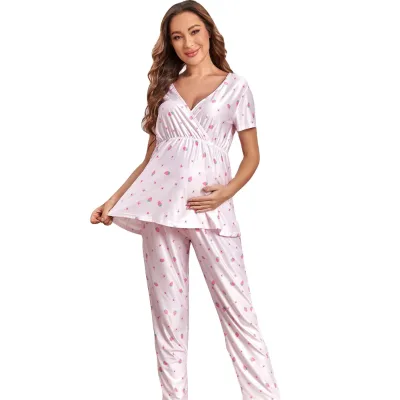

Hangzhou Longwin Industry Limited
- Verified by SGS
- Trading Company,Manufacturer/Factory
- China Zhejiang
- Lead time15 days
- Avg. response≤ 6h
Main productsHome Cleaning, Domestic Appliances, Auto and Motorcycle and Bicycle, Fiberglass Products, Battery, Clothing, Furniture, Tools, Machine, Building
Main marketsSouth America,Eastern Europe,Mid East,North America,Southeast Asia,Eastern Asia,Oceania,Western Europe,Africa


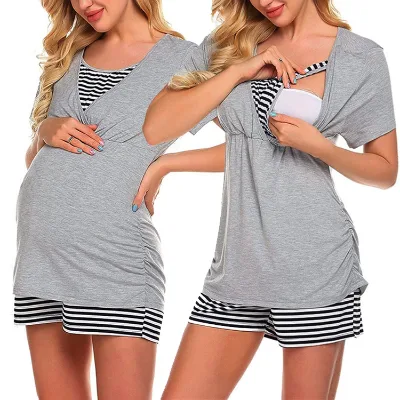
Maternity Nursing Breastfeeding Easy Access Hidden Opening Comfortable Sleepwear Pajamas
$1.90 - $3.00
MOQ: 1 Pieces

Maternity Nursing Dual-Layer Privacy Modest Breastfeeding Sleepwear Pajamas
$1.90 - $3.00
MOQ: 1 Pieces

Qingdao Glamour Garment Co., Ltd.
- Verified by SGS Group
- Manufacturer, Trading Company
- Lead time40 days
- Avg. response≤ 1h
Main productsBaby Romper, Kids Pajama Sets, Baby Sleep Bag, Baby Blanket and Swaddle, Kids Dress
Main marketsNorth America(49%), Western Europe(25%), Oceania(18%)
$11.25 - $14.22
MOQ: 200 units
$11.31 - $14.29
MOQ: 200 units
$11.25 - $14.22
MOQ: 200 units
$10.80 - $13.77
MOQ: 100 units

- Verified by TUVRHEINLAND
- Combined
- China Shanghai
- Lead time15 days
- Avg. response≤ 4h
Main productsInfant Clothes, Baby Clothes, Kids Wear, Underwear, Sock, Pajama, Night Dress, Sleep Bag, Yoga Clothes, Nursing Tee
Main marketsEurope,Australia,North America

$3.51 - $6.22
MOQ: 50 Pieces

Wholesale Bamboo Pajamas Maternity Wear Nursing Sleepwear Elegant Pregnancy Clothes
$6.50 - $19.99
MOQ: 100 Pieces


Fashion Lace V Neck Women Maternity Clothing Wear One Piece Pregnant Maternity Nursing Pajamas Dress
$6.90 - $11.99
MOQ: 100 Pieces


New Design Nursing Maternity Set Bamboo Loungewear Set Pregnant Sleepwear
$8.99 - $15.99
MOQ: 100 Pieces
Qingdao Gu Ang Industry And Trading Co., Ltd.
- Verified by TüVRheinland
- Manufacturer, Trading Company
- Lead time45 days
- Avg. response≤ 2h
Main productsPajama Sets, Lounge Wear, Casual Wear, Home Wear, Leather Apparel
Main marketsNorth America(43%), Western Europe(25%), Mid East(22%)
Shenzhen Beiqiaowest Technology Co., Ltd.
- Manufacturer, Trading Company, Distributor/Wholesaler
- Guangdong, China
- Lead time10 days
- Avg. response≤ 3h
Main productsclothes,sleepwear,nightgown,dress,unisex t-shirts
Main marketsCentral America(25.00%), North America(20.00%), Northern Europe(10.00%), South America(10.00%), Western Europe(10.00%), Mid East(10.00%), Eastern Europe(10.00%), Domestic Market(5.00%)

Shanghai Hexuan Baby Products Co., Ltd.
- Verified by SGS
- Trading Company
- China Shanghai
- Lead time15 days
- Avg. response≤ 6h
Main productsBaby Wear Baby Cloth Diaper Bibs Baby Rompers
Main marketsSouth America,Africa,Southeast Asia/ Mideast,East Asia(Japan/ South Korea),Europe,Australia,North America


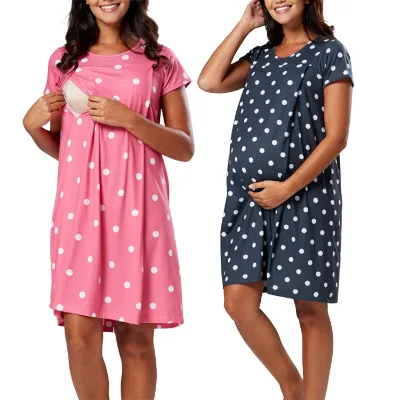
Women Short Sleeve Maternity Nightgown Printed Nursing Clothing Breastfeeding Sleep Dress
$2.90 - $8.00
MOQ: 5 Pieces


Wholesale Nursing Dress/Maternity Nightgown Women Delivery/Labor Breastfeeding Sleep Evening Dresses
$2.90 - $8.00
MOQ: 5 Pieces
Jingzhou Inli Garment Co., Ltd.
- Verified by SGS Group
- Manufacturer, Trading Company
- Lead time0 days
- Avg. response≤ 3h
Main productsBaby Romper, Baby Pajamas, Kid Pajamas
Main marketsNorth America(80%), Western Europe(10%), Mid East(10%)

- Verified by CTI
- Trading Company,Manufacturer/Factory
- China Fujian
- Lead time90 days
- Avg. response≤ 12h
Main productsOutdoor Jackets, Swimwear, Gym Wear, Sport Pants, Beach Shorts, Puffer Jackets, Workwear, Yoga Wear, Kid's Clothes, Sweater
Main marketsSouth America,Eastern Europe,Mid East,North America,Southeast Asia,Eastern Asia,Western Europe,Africa

Soft Maternity Nursing Pajamas Breastfeeding Sleepwear Postpartum Lounge Set
$7.50 - $8.50
MOQ: 1000 Pieces

Double Layer Sleeveless Maternity Nursing Pajama Set Breastfeeding Sleepwear Shorts
$7.50 - $8.50
MOQ: 1000 Pieces

Wholesale Maternity Nursing Sleepwear Long Sleeve Breastfeeding Pajamas Set
$11.00 - $12.00
MOQ: 1000 Pieces

Double Layer Maternity Nursing Pajama Set Long Sleeve Breastfeeding Sleepwear with Pockets
$11.00 - $12.00
MOQ: 1000 Pieces


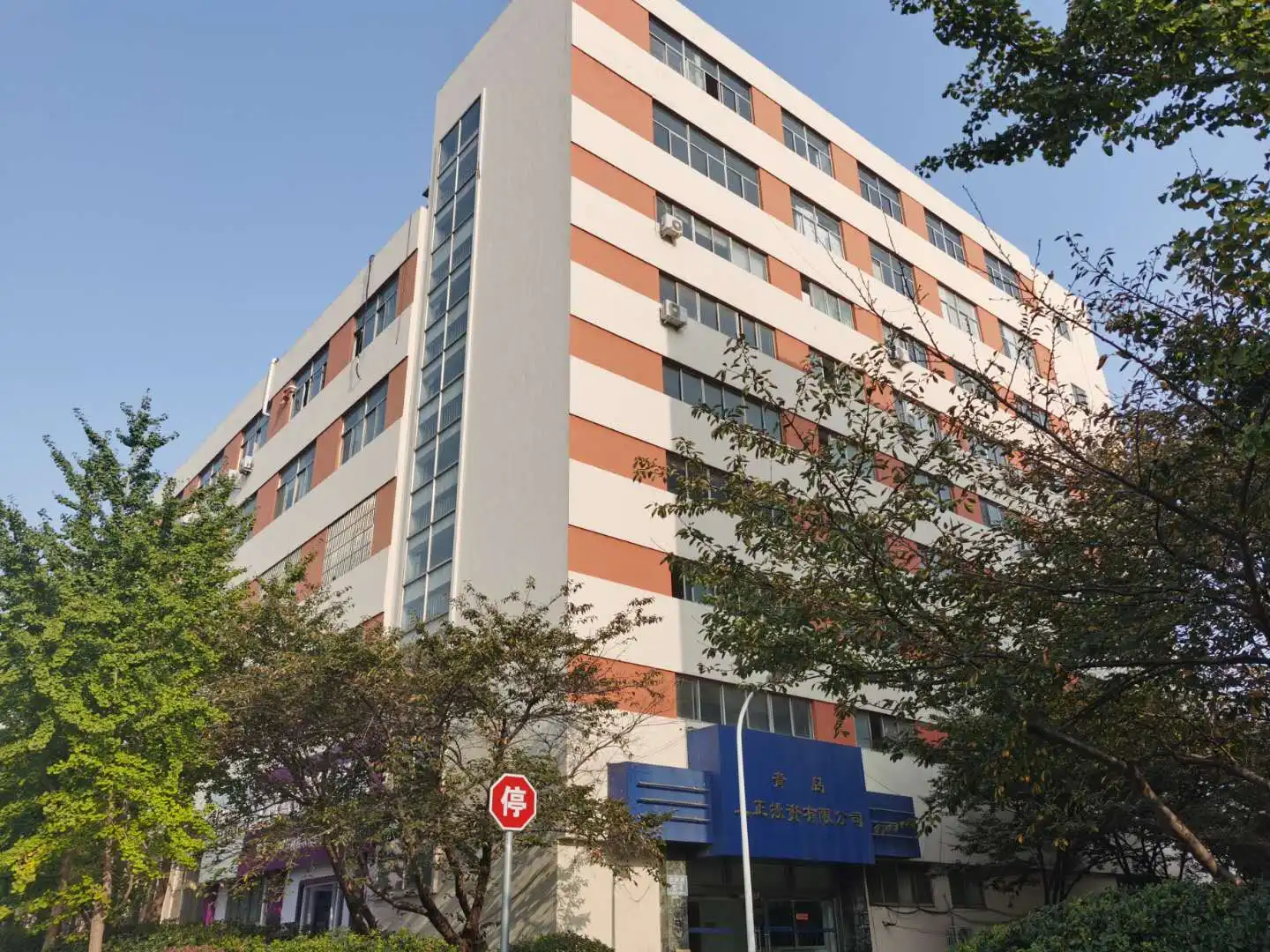
Qingdao Jvhengxin International Trading Co., Ltd.
- Trading Company
- Shandong, China
- Lead time30 days
- Avg. response≤ 2h
Main productspajamas,robes,nightgown,onesies,beachwears
Main marketsWestern Europe(30.00%), North America(20.00%), Northern Europe(15.00%), South America(10.00%), South Asia(5.00%), Southern Europe(5.00%), Eastern Europe(5.00%), Central America(5.00%), Oceania(5.00%)
Shenzhen Yilanya Technology Co., Ltd.
- Manufacturer, Trading Company, Agent, Other
- Lead time旺季: "1 - 1000":7,"> 1000":"To be negotiated", 淡季: "1 - 1000":7,"> 1000":"To be negotiated"
- Avg. response≤ 3h
Main productsApparel,women's sleepwear,women's clothing,women's set,carpet
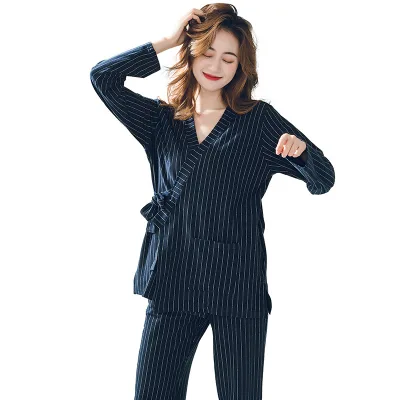
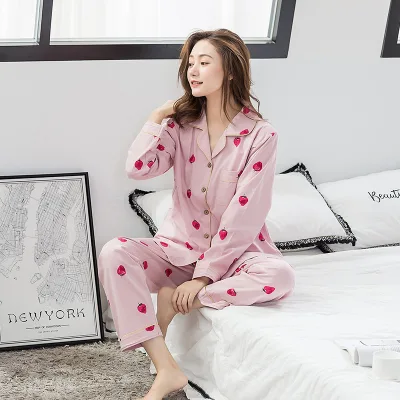
2021 Hot Selling Plus Size Black Red Heart Pajamas Set Lounge Wear Maternity Clothes
$12.68 - $14.88
MOQ: 20
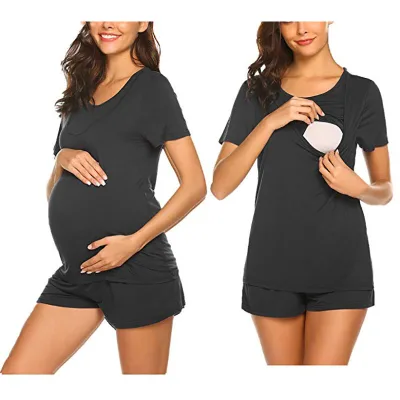

Foshan Bolun International Trade Co., Ltd.
- Manufacturer/Factory
- China Guangdong
- Lead time23 days
- Avg. response≤ 1h
Main productsSleepwear, Pajama Set, Loungewear, Nightwear, Pyjamas, Night Suit, Home Wear, Pajamas, Sleepingset, Night Clothes
Main marketsSouth America,Eastern Europe,Mid East,North America,Southeast Asia,Eastern Asia,Oceania,Western Europe,Africa
Dongguan Zhuoyi Apparel Co., Ltd.
- Verified by SGS Group
- Manufacturer, Trading Company
- Lead time25 days
- Avg. response≤ 3h
Main productsMen Clothing, Women Clothing, Kids Clothing, Sportswear & Yoga Wear, Swimwear
Main marketsNorth America(30%), Western Europe(20%), Oceania(10%)
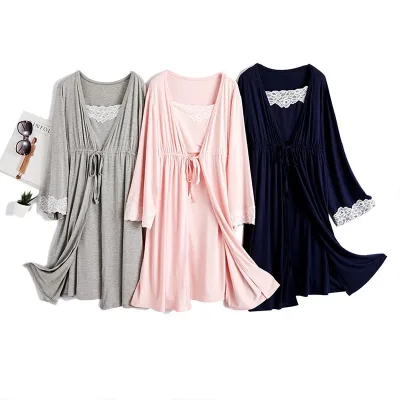
$10.22 - $12.31
MOQ: 100 pieces
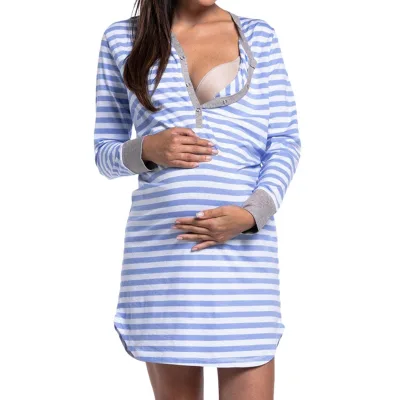
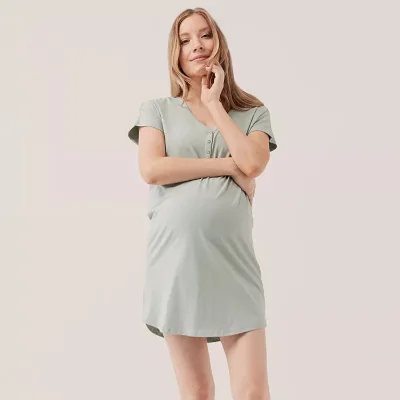
$6.58 - $10.68
MOQ: 100 pieces
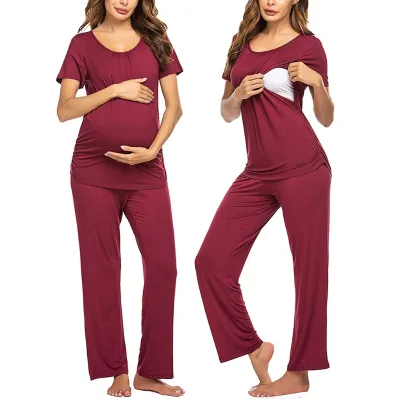
$14.28 - $16.98
MOQ: 100 pieces
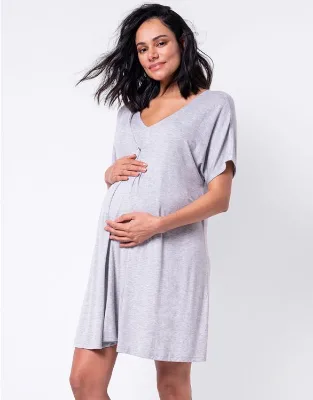
$10.68 - $13.68
MOQ: 100 pieces
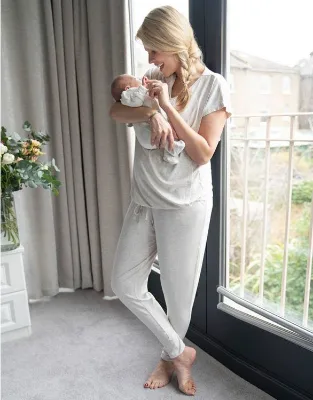
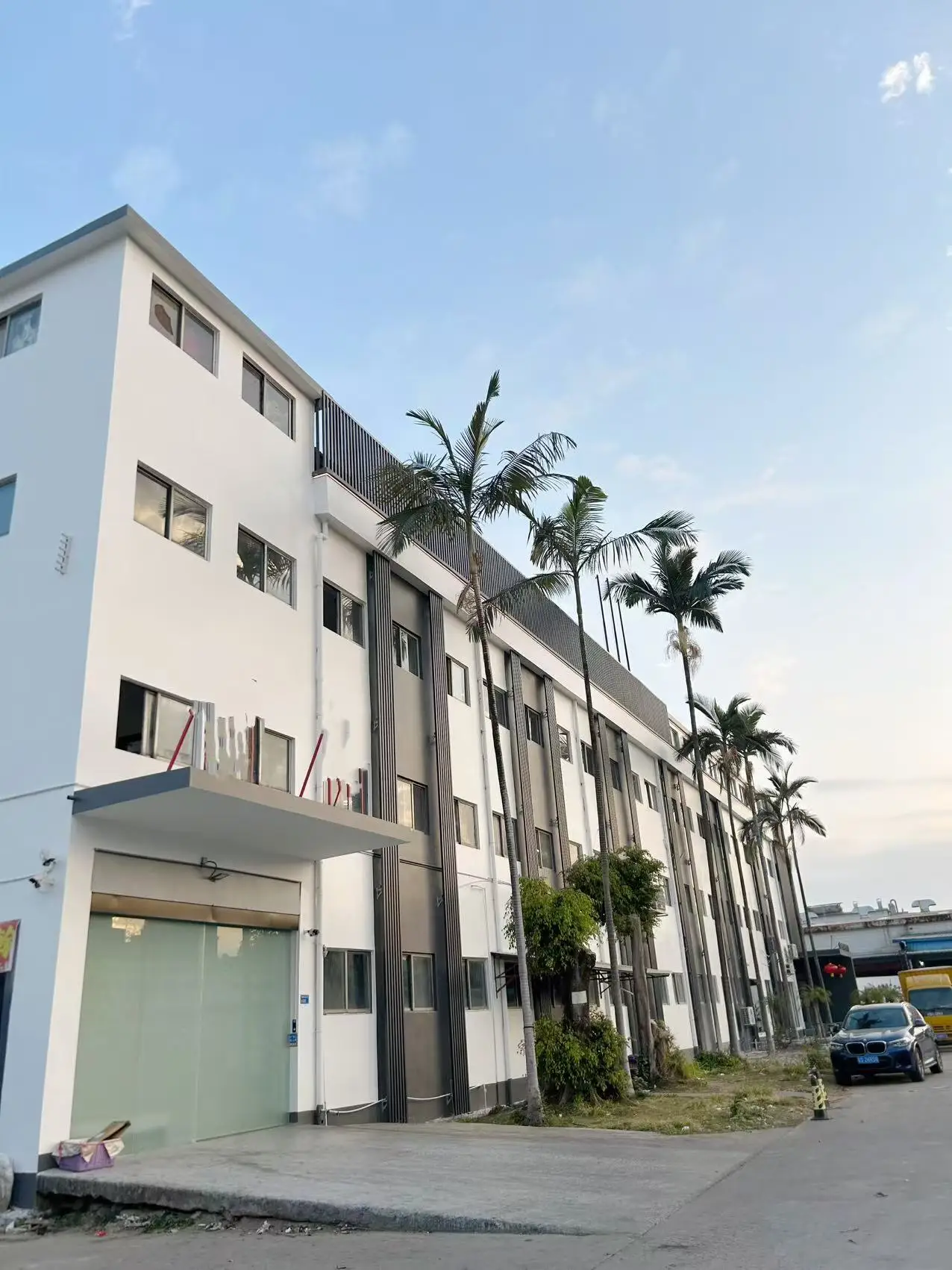
- Trading Company
- Guangdong Province, China
- Lead time30 days
- Avg. response≤ 10h
Main productsEquestrian clothing,Lounge wear,Maternity Clothing,active wear,sports wear
Main marketsNorth America(28.00%), Western Europe(20.00%), Northern Europe(20.00%), Oceania(10.00%), Southern Europe(10.00%), Central America(5.00%), Southeast Asia(3.00%), Eastern Europe(2.00%), South America(2.00%)
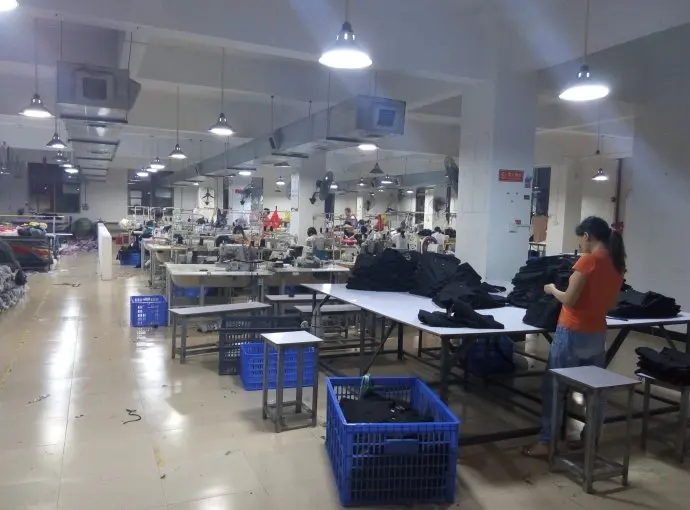
Shantou Minxin Clothing Co., Ltd.
- Manufacturer, Trading Company
- Guangdong, China
- Lead time5 days
- Avg. response≤ 4h
Main productsBaby Sleeping Bag,Baby Swaddle Blanket,Baby Products,Baby Clothing,Baby Sleeping Pillow
Main marketsDomestic Market(90.00%), Southeast Asia(5.00%), Eastern Europe(3.00%), North America(2.00%)
Kunming Ansheng Industry And Trade Co., Ltd.
- Verified by SGS Group
- Manufacturer, Trading Company
- Lead time0 days
- Avg. response≤ 6h
Main productsWipes , Wet Towel, Bath Robe, Disposable Bed Sets , Underwear
Main marketsNorth America(20%), South America(20%), Southeast Asia(15%)
Foshan Nanadi Apparel Co., Ltd.
- Verified by SGS Group
- Manufacturer, Trading Company
- Lead time30 days
- Avg. response≤ 2h
Main productsDress, Tops, Pants, Knit sweater, Blanket
Main marketsNorth America(75%), Oceania(25%)
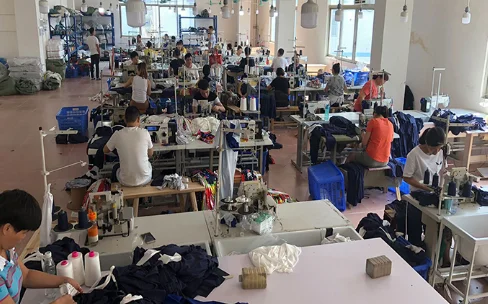
Guangzhou Samwestart Technology Co., Ltd.
- Manufacturer, Trading Company, Agent, Distributor/Wholesaler
- Guangdong, China
- Lead time5 days
- Avg. response≤ 5h
Main productspajamas,Women Pajamas,Men Pajamas,Silk Pajamas,Cotton Pajamas
Main marketsMid East(15.00%), North America(15.00%), Western Europe(12.00%), South America(10.00%), Eastern Asia(9.00%), Southeast Asia(8.00%), Oceania(7.00%), Domestic Market(5.00%), Africa(5.00%), South Asia(3.00%), Southern Europe(3.00%), Northern Europe(3.00%), Eastern Europe(3.00%), Central America(2.00%)
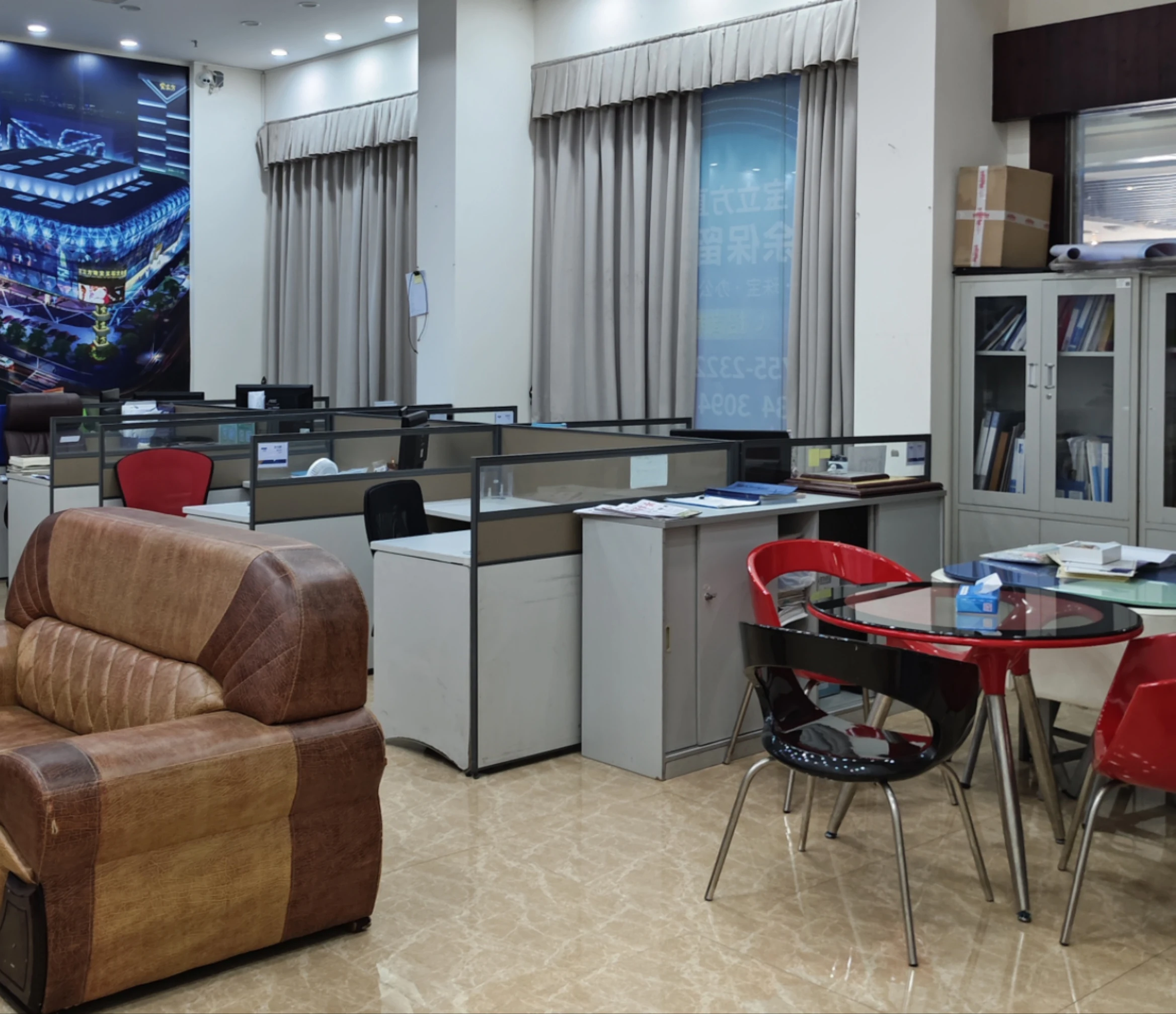
Syntone Home Technology (shenzhen) Co., Ltd.
- Trading Company
- Guangdong, China
- Lead time15 days
- Avg. response≤ 1h
Main productsBottle sterilizer,milk shaker,Milk bottle storage box,baby towel,sleeping bag
Main marketsSoutheast Asia(50.00%), Africa(10.00%), Northern Europe(6.00%), Central America(5.00%), South Asia(5.00%), Eastern Asia(5.00%), Mid East(5.00%), South America(5.00%), North America(5.00%), Eastern Europe(3.00%), Western Europe(1.00%)
Weifang Baifei Textile Co., Ltd.
- Verified by SGS Group
- Manufacturer, Trading Company
- Lead time1 days
- Avg. response≤ 2h
Main productsBaby Romper, Kids Clothes, Women's Pajamas, Men's Pajamas Set, Family Matching Set
Main marketsNorth America(55%), Oceania(20%), Eastern Europe(10%)

- Verified by CTI
- Trading Company
- China Anhui
- Lead time23 days
- Avg. response≤ 1h
Main productsFurniture, Home Furniture
Main marketsSoutheast Asia/ Mideast
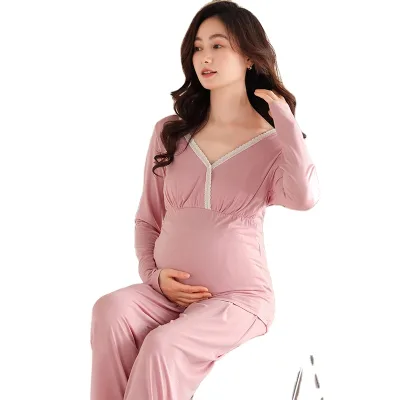
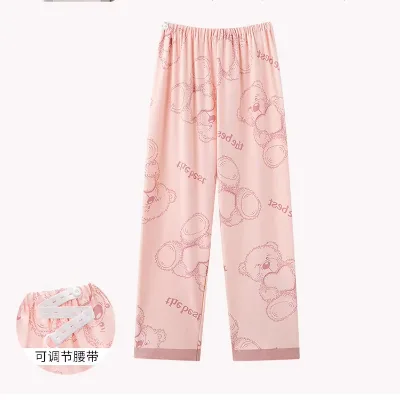
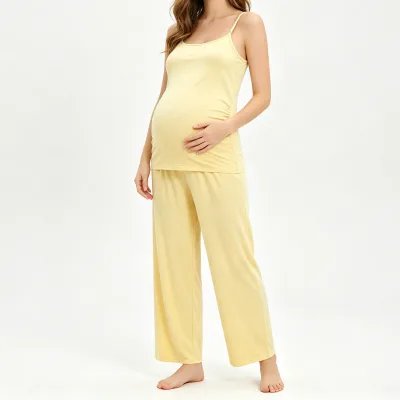
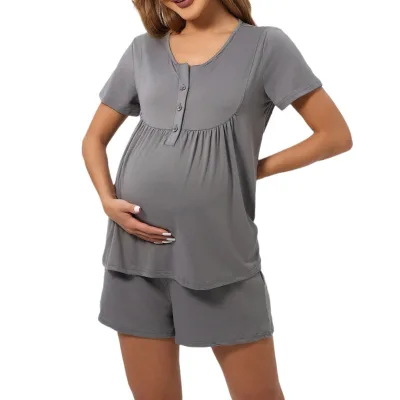
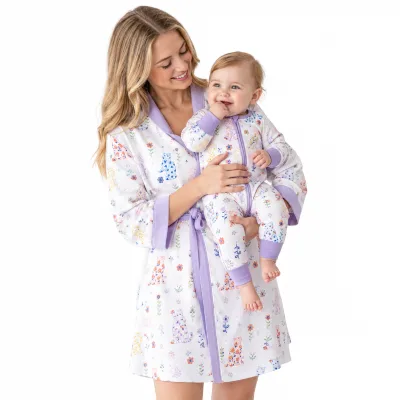
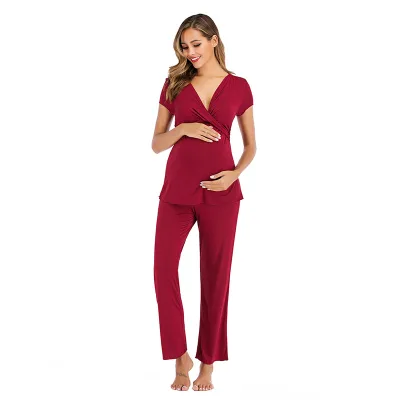
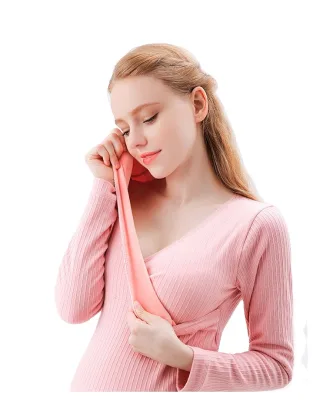


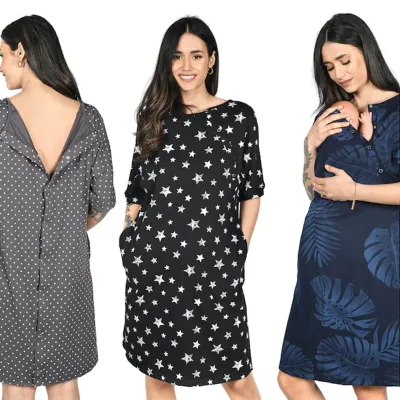
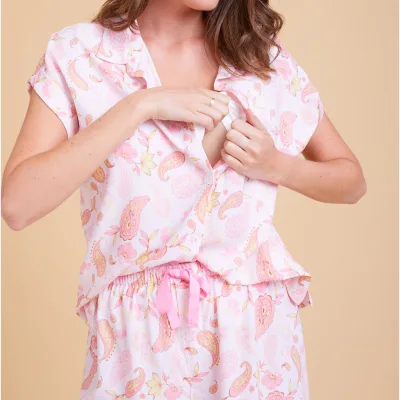
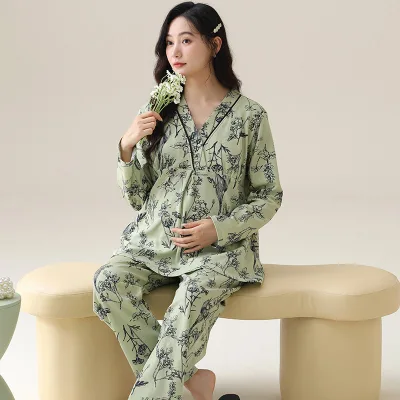
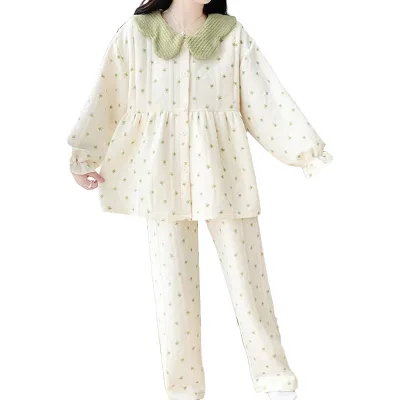
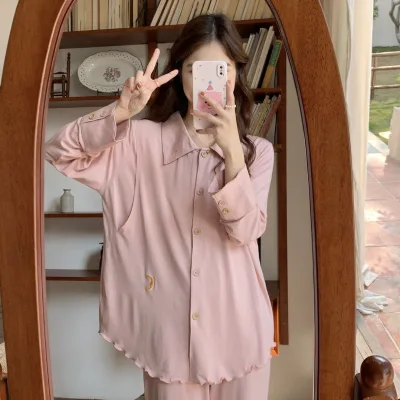
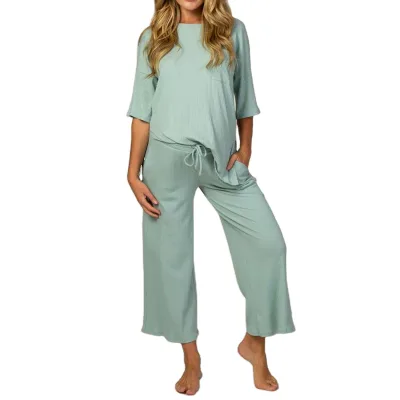
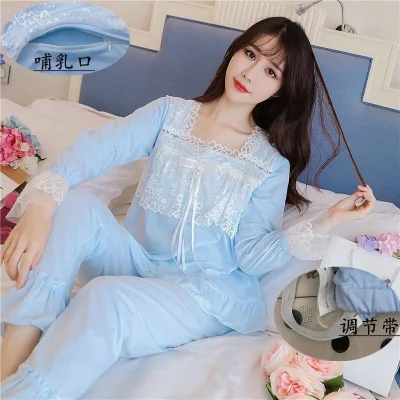
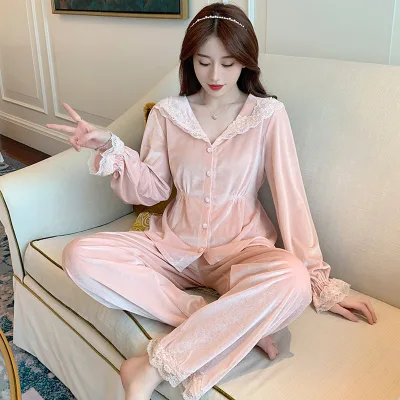
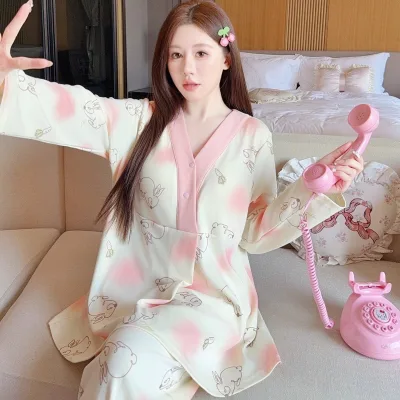


Comprehensive Sourcing Guide
Maternity Nursing Pajama Sleepwear Supplier Concentration and Factory Types
Current data indicates a concentration of suppliers in China, specifically within Shanghai and Zhejiang provinces, where manufacturing clusters for sleepwear are active. These regions host a mix of trading companies and manufacturers capable of handling the specific demands of maternity and nursing apparel. Some entities operate as dual-role entities, functioning as both a manufacturer and a trading company, which allows them to offer direct production capabilities alongside broader sourcing networks. This hybrid structure is particularly relevant for products requiring specialized features like breastfeeding access or adjustable sizing for pregnancy stages. The presence of these diverse company types suggests that buyers can find partners with varying degrees of control over the supply chain, from raw material sourcing to final packaging.
When evaluating the factory types, it is essential to distinguish between pure trading entities and those with direct production facilities. The available facts show that some suppliers possess ODM and OEM capacities, indicating they can handle custom designs and branding requests. Others may focus on light customization or graphic processing, which is suitable for buyers seeking minor adjustments to existing patterns. The main products listed often include sleepwear, lounge wear, night wear, and robes, confirming that these suppliers have the necessary infrastructure for maternity-specific items. Buyers should verify if a supplier's primary focus aligns with their specific needs, as some may specialize in general sleepwear while others have dedicated lines for maternity nursing pajamas.
How to Verify Maternity Nursing Pajama Sleepwear Suppliers
Verification is a critical step when sourcing Maternity Nursing Pajama Sleepwear, as the safety and comfort of the product are paramount for expectant and new mothers. The current results show that some suppliers hold BV verification, while others are verified by SGS Group, providing a baseline of trust regarding their business legitimacy. These third-party verifications confirm that the company exists and has undergone specific checks, but they do not guarantee product quality or compliance with all safety standards. Buyers must look beyond the verification badge to ensure the supplier can meet the rigorous demands of maternity wear, which often requires specific fabric softness and secure closures.
In addition to company verification, buyers should examine the specific certifications held by the supplier, such as ISO 105, Oeko-Tex 100, and CPC. These certifications are particularly relevant for sleepwear intended for sensitive skin or infants, as they indicate compliance with chemical safety and colorfastness standards. The presence of these certifications suggests that the supplier has established quality control processes for their materials and production methods. However, since not all suppliers in the results display these specific credentials, buyers must explicitly request proof of certification for the specific batch of maternity pajamas they intend to order. Relying solely on general company verification without confirming product-specific standards can lead to compliance issues in the destination market.
What to Compare Across Maternity Nursing Pajama Sleepwear Suppliers
When comparing potential partners, buyers should prioritize key operational metrics such as lead time, minimum order quantity (MOQ), and response speed to ensure alignment with their business timeline. The data reveals a range of lead times, with some suppliers offering 15 days and others requiring up to 20 days for production. This variation can significantly impact inventory planning, especially for seasonal maternity collections that must be ready before specific holidays or baby showers. Similarly, MOQs vary widely, with some suppliers requiring 500 pieces while others demand 1000 pieces. Buyers with smaller budgets or those testing new designs must carefully select suppliers whose MOQs match their financial capacity and risk tolerance.
Response time is another critical factor that influences the efficiency of the sourcing process. The observed response times range from approximately 2 hours to nearly 19 hours, indicating a significant difference in communication speed. A faster response time often correlates with better project management and a more proactive approach to resolving issues during the sampling or production phases. Additionally, buyers should compare the customization capabilities, such as the ability to offer private labeling, custom printing, or specific fabric blends like jersey cotton or polyester blends. The availability of samples, including free samples or support for sample production, is also a vital differentiator that can help buyers assess product quality before committing to a large order.
Common Maternity Nursing Pajama Sleepwear Sourcing Risks
One of the primary risks in sourcing Maternity Nursing Pajama Sleepwear is the inconsistency in material quality and safety standards across different suppliers. While some products are described as being made from 100% cotton or jersey cotton, others may use polyester blends that do not offer the same breathability or softness required for sensitive skin. The lack of uniform standards in the results means that a buyer cannot assume all suppliers adhere to the same material specifications. Without explicit verification of fabric composition and safety testing, there is a risk of receiving products that may cause skin irritation or fail to meet the comfort expectations of pregnant women and new mothers.
Another significant risk involves the reliability of production timelines and the ability to meet customization requests. The data shows that production times can vary based on order quantity, with some suppliers stating that production time is "according to your quantity." This lack of fixed timelines can lead to delays, particularly if the supplier faces capacity constraints or if the customization requirements are complex. Furthermore, the variation in packaging standards, ranging from simple OPP bags to export cartons, can affect the final presentation and protection of the goods during shipping. Buyers must mitigate these risks by establishing clear contracts that define material specifications, production schedules, and packaging requirements before placing any orders.
Maternity Nursing Pajama Sleepwear Regional Sourcing and Logistics
Sourcing from China, specifically from hubs like Shanghai and Zhejiang, offers access to a mature supply chain for sleepwear and maternity apparel. These regions benefit from established logistics networks that facilitate the efficient movement of goods from factories to ports. The proximity of manufacturing clusters to major shipping lanes can reduce transit times and lower freight costs, making these locations attractive for international buyers. However, the specific origin of the product, whether Zhejiang or Shanghai, may influence the type of logistics partners available and the efficiency of customs clearance procedures. Buyers should consider the logistical advantages of these regions when planning their supply chain strategy.
Despite the logistical benefits, buyers must remain vigilant about the specific origin details provided for each product. Some product attributes list the origin as Zhejiang, while others specify China generally or Shanghai. This variation can impact the accuracy of origin labeling for customs purposes and may affect eligibility for certain trade agreements or duty rates. Additionally, the packing methods, such as 1 piece per OPP bag or 1 set per PE bag, can influence the volume and weight of the shipment, thereby affecting freight costs. Buyers should verify the exact packing details and origin claims with the supplier to ensure that the logistics planning aligns with the actual product specifications and regulatory requirements of the destination market.
Maternity Nursing Pajama Sleepwear Commercial Terms and Order Planning
Commercial terms for Maternity Nursing Pajama Sleepwear vary significantly, with price ranges observed from approximately $2.30 to $13.30 per unit depending on the product specifications and order volume. These price fluctuations reflect differences in material quality, customization levels, and production complexity. Buyers must carefully analyze the price-to-value ratio, considering that lower prices may correspond to simpler designs or less premium materials, while higher prices might indicate advanced features like specialized nursing access or higher-grade fabrics. Understanding the pricing structure is essential for budgeting and ensuring that the final product meets the desired quality standards without exceeding financial constraints.
Order planning requires a strategic approach to managing MOQs and sample processes. With MOQs ranging from 500 to 1000 pieces, buyers need to assess their inventory needs and sales forecasts to determine the optimal order size. The availability of samples, including free options or support for sample production, provides an opportunity to validate the product before committing to a full order. Additionally, the customization options, such as logo printing or design modifications, should be factored into the timeline and cost calculations. Buyers should establish a clear communication channel with the supplier to confirm all commercial terms, including payment methods, delivery schedules, and quality assurance protocols, to ensure a smooth and successful procurement process.
FAQs
What is the typical lead time for maternity pajamas?
The typical lead time for maternity pajamas ranges from 15 to 20 days based on current supplier data. Some manufacturers offer customized production schedules, while others maintain standard timelines. Buyers should confirm specific delivery dates with the supplier before placing an order to ensure timely arrival.
What are the minimum order quantities for sleepwear?
Minimum order quantities for sleepwear vary between 500 and 1000 pieces depending on the supplier and product type. Some vendors accept orders as low as 500 units for custom designs, while others require 1000 pieces for standard items. Always verify the specific MOQ with the chosen supplier to avoid issues.
Which certifications do these pajama suppliers hold?
Selected suppliers hold ISO 105, Oeko-Tex 100, and CPC certifications for their sleepwear products. These standards ensure material safety and quality compliance for international markets. Buyers should request valid certification documents from the supplier to confirm that the products meet specific regulatory requirements for their target region.
Where are the maternity pajama manufacturers located?
Manufacturers of maternity pajamas are primarily located in China, specifically in Shanghai and Zhejiang provinces. These regions offer established supply chains for textile production. Buyers can expect products to originate from these areas, though specific factory locations should be confirmed directly with the supplier for accurate logistics planning.
What materials are used for nursing pajamas?
Nursing pajamas are commonly made from materials like 100% cotton, polyester, or cotton-polyester blends. Some products feature jersey cotton or bamboo fabrics for comfort. The specific material composition varies by supplier, so buyers should check product details to ensure the fabric meets their comfort and durability requirements.
How quickly do suppliers respond to inquiries?
Supplier response times vary, with some vendors replying within 2 hours and others taking up to 18 hours. Faster response times often indicate higher availability or dedicated support teams. Buyers should prioritize suppliers with quick response metrics to ensure efficient communication during the sourcing process.
Are samples available for maternity sleepwear?
Samples are available for maternity sleepwear, with some suppliers offering free samples upon request. Production time for samples typically takes around 7 days. Buyers should confirm sample costs and shipping details with the supplier, as policies may vary regarding free versus paid sample requests.
What is the price range for bulk orders?
The price range for bulk maternity pajama orders typically falls between 2.30 and 13.30 USD per piece. Pricing depends on factors like material, customization, and order volume. Buyers should request detailed quotes from multiple suppliers to compare costs and negotiate better terms for their specific quantity requirements.