Maternity Lace-Up Back Wedding Dress Suppliers and Manufacturers
Compare 11 verified suppliers offering maternity lace-up back wedding dresses with details on lead times, response speeds, and customization options. Review product attributes like material and style to select the right factory for your order; review the available evidence before requesting comparable quotations from suitable candidates.
Updated
Suppliers List

- Verified by CTI
- Trading Company
- China Anhui
- Lead time23 days
- Avg. response≤ 1h
Main productsFurniture, Home Furniture
Main marketsSoutheast Asia/ Mideast
Quanzhou Hongqian Trading Co., Ltd.
- Trading Company
- Fujian, China
- Lead time30 days
- Avg. response≤ 2h
Main productsWedding Dresses,Bridal Gowns,Evening Gowns,Formal Dresses,Prom Dresses
Main marketsSouth America(20.00%), North America(20.00%), Southern Europe(10.00%), Northern Europe(10.00%), Western Europe(10.00%), Eastern Europe(10.00%), Domestic Market(5.00%), Oceania(3.00%), Mid East(2.00%), South Asia(2.00%), Eastern Asia(2.00%), Africa(2.00%), Central America(2.00%), Southeast Asia(2.00%)
Changsha Ayhhed Biotechnology Co., Ltd.
- Trading Company
- Hunan, China
- Lead time10 days
- Avg. response≤ 8h
Main productsBicycle Accessories,Mom and baby goods,Fashion Clothes,Wedding and evening dress,Herbal & Flower Tea
Main marketsSouthern Europe(10.00%), Northern Europe(10.00%), Oceania(10.00%), Central America(10.00%), Western Europe(10.00%), Eastern Europe(10.00%), South America(10.00%), North America(10.00%), Mid East(5.00%), Africa(5.00%), Southeast Asia(5.00%), Eastern Asia(3.00%), South Asia(2.00%)

Favorable Ladies Simple Fashion Lace Wedding Dress Zipper Back Bridal Wedding Gowns
$46.00 - $50.00
MOQ: 1

Romantic Round Neck Elegant Ivory Removable Lace Coverlet Bridal Wedding Dress
$45.00 - $52.00
MOQ: 1 pieces

Favorable Plus Size Strapless Sequined Lace Maternity Wedding Dresses Under 100
$45.00 - $60.00
MOQ: 1 pieces
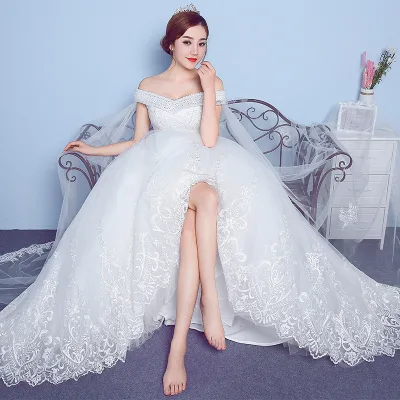
$58.00 - $70.00
MOQ: 1 Minimum
Suzhou Zhongsheng Dress Company Limited
- Trading Company
- Jiangsu, China
- Lead time30 days
- Avg. response≤ 16h
Main productsWedding Dress,girl dress,Bedding sets,evening dress,wedding gift
Main marketsDomestic Market(7.14%), South Asia(7.14%), Southern Europe(7.14%), Northern Europe(7.14%), Central America(7.14%), Western Europe(7.14%), Eastern Asia(7.14%), Mid East(7.14%), Oceania(7.14%), Africa(7.14%), Southeast Asia(7.14%), Eastern Europe(7.14%), South America(7.14%), North America(7.14%)

Suzhou Leader Apparel Co., Ltd.
- Combined
- China Jiangsu
- Lead time23 days
- Avg. response≤ 4h
Main productsWedding Dress Manufacturer, Custom Wedding Dresses, Evening Dress, Prom Dress, Ball Gown, Mother of The Bride Dress, Bridesmaid Dress, Stock Flower Girl Dress, Men Suits, Dresses
Main marketsSouth America,Domestic,Europe,Australia,North America


Mermaid Bridal Wedding Gown Lace Tulle Backless Wedding Dress 2026 H9036
$179.00 - $229.00
MOQ: 1 Pieces
Suzhou Chengjun Wedding Dress Co., Ltd.
- Manufacturer, Trading Company
- Jiangsu, China
- Lead time0 days
- Avg. response≤ 6h
Main productsWedding Dress,Prom Dress,Wvening Dress,Party Dress,Bridesmaid Dress
Main marketsWestern Europe(30.00%), North America(30.00%), South Asia(15.00%), Southeast Asia(15.00%), Northern Europe(10.00%), Southern Europe(10.00%)
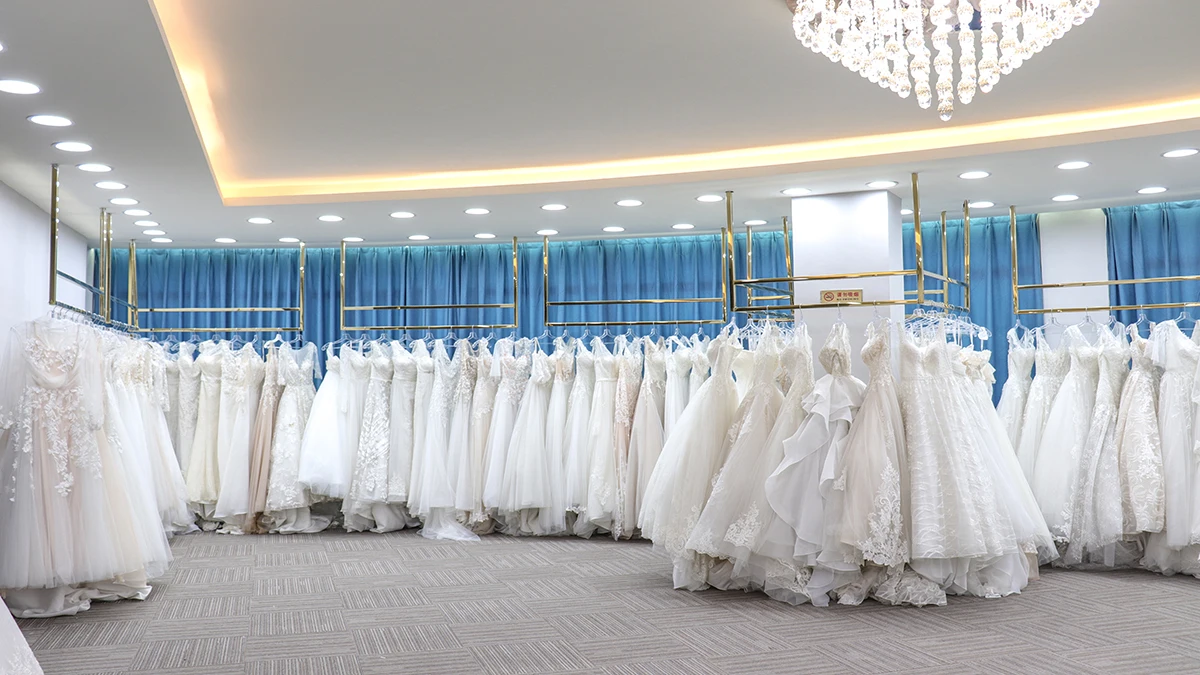
Guangzhou Angel Bridal Gown Factory
- Manufacturer, Trading Company
- Guangdong, China
- Lead time15 days
- Avg. response≤ 2h
Main productsWedding Dress,Bridesmaids Dress,Evening Dress,Mother Of Bridal Gown,Flower Girl Dress
Main marketsNorthern Europe(20.00%), Western Europe(20.00%), Southern Europe(10.00%), South America(10.00%), Africa(10.00%), Eastern Europe(10.00%), Mid East(5.00%), North America(5.00%), Southeast Asia(5.00%), Central America(5.00%)

Caoxian Michelle Clothing Co., Ltd.
- Manufacturer, Trading Company
- Shandong Province, China
- Lead time0 days
- Avg. response≤ 2h
Main productsNewborn Photography Props,Newborn Photography Clothing,Newborn Photography Clothes,Baby Clothes,Pet Toy
Main marketsWestern Europe(22.00%), Oceania(20.00%), North America(14.00%), Eastern Europe(10.00%), Northern Europe(5.00%), Southern Europe(5.00%), South America(5.00%), Central America(5.00%), Southeast Asia(4.00%), Eastern Asia(3.00%), Africa(3.00%), Mid East(2.00%), Domestic Market(1.00%), South Asia(1.00%)
Dongguan City Xinhui Garments Co., Ltd.
- Verified by Intertek
- Manufacturer, Trading Company
- Lead time20 days
- Avg. response≤ 2h
Main productsT shirts, Hoodies, Joggers, Women Dresses, Jackets
Main marketsNorth America(85%), Oceania(8%), Western Europe(7%)

- Verified by CTI
- Trading Company,Manufacturer/Factory
- China Fujian
- Lead time90 days
- Avg. response≤ 15h
Main productsOutdoor Jackets, Swimwear, Gym Wear, Sport Pants, Beach Shorts, Puffer Jackets, Workwear, Yoga Wear, Kid's Clothes, Sweater
Main marketsSouth America,Eastern Europe,Mid East,North America,Southeast Asia,Eastern Asia,Western Europe,Africa
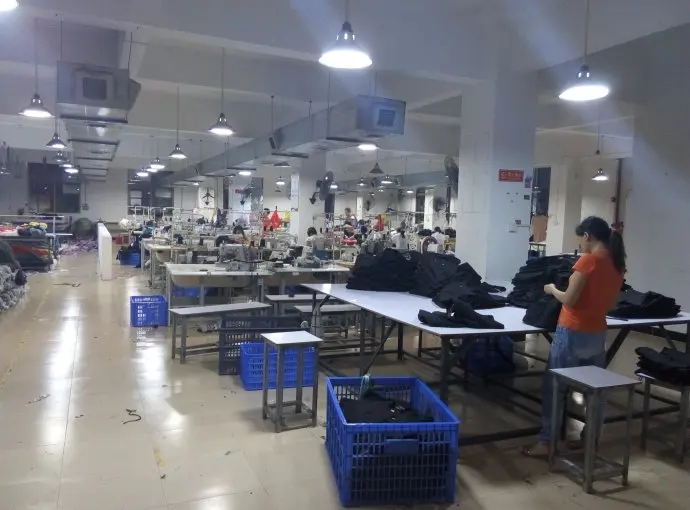
Shantou Minxin Clothing Co., Ltd.
- Manufacturer, Trading Company
- Guangdong, China
- Lead time5 days
- Avg. response≤ 5h
Main productsBaby Sleeping Bag,Baby Swaddle Blanket,Baby Products,Baby Clothing,Baby Sleeping Pillow
Main marketsDomestic Market(90.00%), Southeast Asia(5.00%), Eastern Europe(3.00%), North America(2.00%)




Comprehensive Sourcing Guide
Maternity Lace-Up Back Wedding Dress Supplier Concentration and Factory Types
The current supplier landscape for maternity lace-up back wedding dresses reveals a distinct geographic concentration in China, specifically within the Anhui and Fujian provinces. These regions serve as primary manufacturing hubs for bridal and formal wear, offering established supply chains that support the complex construction required for maternity-specific garments. Suppliers located in these areas often specialize in a range of apparel, including wedding dresses, evening gowns, and formal wear, indicating a mature ecosystem capable of handling specialized sizing and structural modifications. The presence of trading companies alongside manufacturing entities suggests a market where sourcing flexibility is high, allowing buyers to access a variety of styles without necessarily dealing directly with factory floors. This concentration facilitates easier logistics coordination and potentially faster communication due to regional clustering of related industries.
Within these manufacturing clusters, the types of companies vary significantly, influencing the nature of the partnership a buyer might establish. Many suppliers are identified as trading companies, which act as intermediaries between the buyer and the production facilities. These entities often provide a broader catalog of products, such as satin, lace, and beaded wedding dresses, catering to diverse aesthetic preferences. In contrast, some suppliers may operate with a more direct manufacturing focus, particularly those offering OEM services and customization options. The distinction is crucial because trading companies may offer greater variety and consolidated shipping, while direct manufacturers might provide more control over production details and material sourcing. Understanding this dynamic helps buyers align their procurement strategy with their specific needs for volume, customization, and supply chain transparency.
How to Verify Maternity Lace-Up Back Wedding Dress Suppliers
Verifying the credibility of suppliers requires a multi-layered approach that goes beyond surface-level product listings. Buyers should prioritize suppliers who have undergone third-party verification processes, such as CTI certification, which provides an additional layer of trust regarding the company’s operational legitimacy. This verification status is a critical indicator that the supplier has been audited for business practices and compliance, reducing the risk of engaging with fraudulent entities. Additionally, checking for response times can offer insights into the supplier’s operational efficiency and customer service quality. A rapid response time, such as 0.10 hours, suggests a highly responsive team capable of addressing inquiries and resolving issues promptly, which is essential for maintaining momentum in the sourcing process.
Beyond verification badges and response metrics, buyers must scrutinize the specific attributes of the products offered to ensure they align with quality standards. For instance, examining product details like material composition, embellishment techniques, and construction methods can reveal the supplier’s expertise in handling delicate fabrics and intricate designs. Suppliers listing specific model numbers, such as "HQ2110-008 Pregnant Wedding Dress," demonstrate a structured product catalog and attention to detail. Furthermore, verifying the origin of the products, such as confirming they are made in Fujian or Anhui, China, helps ensure consistency with the claimed manufacturing capabilities. Buyers should also look for evidence of customization availability and OEM services, as these indicate the supplier’s flexibility to meet unique design requirements. This comprehensive verification process helps mitigate risks and ensures a reliable partnership.
What to Compare Across Maternity Lace-Up Back Wedding Dress Suppliers
When evaluating multiple suppliers, it is essential to compare key operational metrics that impact the overall sourcing experience. Lead time is a critical factor, with some suppliers offering turnaround times of 23 to 30 days, which directly influences inventory planning and delivery schedules. Buyers should assess whether these lead times are realistic for their specific order volume and complexity, particularly for customized maternity dresses that may require additional fitting adjustments. Response time is another vital metric, as quicker communication can prevent delays and ensure that any production issues are addressed immediately. Comparing these operational efficiencies across different suppliers helps identify those who can best meet tight deadlines and maintain consistent quality standards.
In addition to operational metrics, buyers should compare product-specific attributes such as minimum order quantities (MOQ), pricing, and customization options. MOQs can vary significantly, with some suppliers requiring orders of 10,000 units, while others may offer lower thresholds, impacting the feasibility of small-batch orders. Pricing structures should also be analyzed, with costs ranging from approximately $44 to $284 per unit, depending on the complexity of the design and materials used. Buyers must determine which price points align with their budget and target market. Furthermore, comparing customization capabilities, such as the availability of OEM services and specific design modifications, allows buyers to select suppliers who can accommodate their unique brand requirements. This detailed comparison ensures that the chosen supplier offers the best balance of cost, quality, and flexibility.
Common Maternity Lace-Up Back Wedding Dress Sourcing Risks
Sourcing maternity lace-up back wedding dresses involves several inherent risks that buyers must proactively manage to ensure a successful procurement process. One significant risk is the potential for quality inconsistencies, particularly when dealing with complex garments that require precise fitting and durable construction. Maternity dresses often involve specialized materials and design elements, such as stretchable fabrics and adjustable closures, which can be challenging to produce consistently at scale. Buyers should be vigilant about verifying the quality control measures implemented by suppliers, including material testing and final inspection protocols. Failure to address these quality concerns can result in defective products, customer dissatisfaction, and financial losses.
Another common risk is the misalignment between supplier capabilities and buyer expectations regarding customization and lead times. Suppliers may promise flexible OEM services and rapid turnaround times, but these commitments can be difficult to fulfill, especially during peak seasons or when dealing with high-volume orders. Buyers must carefully review supplier contracts and communication records to ensure that agreed-upon terms are clearly documented and enforceable. Additionally, there is a risk of supply chain disruptions, such as delays in material sourcing or production bottlenecks, which can impact delivery schedules. To mitigate these risks, buyers should establish clear communication channels, conduct regular progress checks, and maintain contingency plans for potential delays. This proactive approach helps minimize disruptions and ensures a smoother sourcing experience.
Maternity Lace-Up Back Wedding Dress Regional Sourcing and Logistics
The geographic location of suppliers plays a crucial role in determining logistics efficiency and cost structures for maternity lace-up back wedding dresses. Suppliers located in China, particularly in the Anhui and Fujian provinces, offer distinct advantages in terms of manufacturing infrastructure and supply chain maturity. These regions are well-established hubs for apparel production, providing access to a wide range of materials and skilled labor. Buyers should consider the logistical implications of sourcing from these areas, including transportation costs, customs procedures, and delivery times. Understanding the regional logistics landscape helps buyers optimize their supply chain and reduce overall procurement costs.
Logistics planning also involves coordinating with suppliers to ensure that products are packed and shipped in a manner that preserves their quality. For delicate items like wedding dresses, proper packaging is essential to prevent damage during transit. Suppliers often provide specific packing instructions, such as using polybags or individual boxes, to protect the garments. Buyers should verify these packaging standards and ensure that they align with their shipping requirements. Additionally, considering the weight and dimensions of the products, as indicated by single package sizes and gross weights, helps in calculating accurate shipping costs and selecting appropriate freight methods. By carefully managing regional sourcing and logistics, buyers can enhance the reliability and efficiency of their supply chain.
Maternity Lace-Up Back Wedding Dress Commercial Terms and Order Planning
Commercial terms and order planning are fundamental aspects of sourcing maternity lace-up back wedding dresses that require careful attention to detail. Buyers must negotiate clear payment terms, such as Trade Assurance or other secure payment methods, to protect their financial interests. These terms provide a layer of security, ensuring that payments are released only upon satisfactory delivery of the goods. Additionally, understanding the supplier’s return and refund policies is crucial for managing potential issues related to product quality or delivery delays. Buyers should also consider the implications of minimum order quantities and pricing tiers, as these factors can significantly impact the overall cost structure and profitability of the order.
Order planning involves coordinating with suppliers to establish a realistic production schedule that aligns with the buyer’s market demands. This includes determining the appropriate order volume, lead times, and delivery dates to ensure timely availability of the products. Buyers should also plan for potential variations in production, such as changes in material availability or design modifications, by maintaining open communication with suppliers. Establishing a clear timeline for sample approvals, production milestones, and final inspections helps streamline the process and reduce the risk of delays. By meticulously planning commercial terms and order logistics, buyers can achieve a balanced and efficient sourcing strategy that meets their business objectives.
FAQs
What is the typical lead time for maternity wedding dresses?
Manufacturers in China generally require 23 to 30 days for production. This timeframe allows for material sourcing and quality checks. Buyers should confirm specific schedules with suppliers before placing orders to ensure timely delivery for their wedding dates.
Do suppliers offer OEM services for custom maternity gowns?
Yes, many suppliers provide OEM services for custom designs. This allows buyers to modify styles, fabrics, and embellishments. Suppliers in Fujian and Anhui support these requests, ensuring the final product matches specific brand requirements or unique design preferences.
What is the minimum order quantity for lace wedding dresses?
The minimum order quantity is typically 100 pieces for standard items. However, some custom or specialized models may require a higher MOQ of 10,000 units. Buyers should verify the specific MOQ with the supplier based on their order volume.
Are maternity wedding dresses available with lace-up backs?
Yes, lace-up back designs are available for maternity wedding dresses. These styles offer adjustable fit and a classic aesthetic. Suppliers provide options with various silhouettes, including ball gowns and mermaid styles, to suit different body types and preferences.
What materials are commonly used for maternity wedding gowns?
Common materials include satin, polyester, and lace. Satin offers a smooth finish, while lace adds decorative detail. Suppliers use these fabrics to create comfortable and elegant gowns suitable for pregnancy. Buyers can choose based on their preferred texture and style.
How quickly do suppliers respond to sourcing inquiries?
Response times vary, with some suppliers responding within 0.10 hours. Others may take up to 2 hours. Quick responses indicate active customer service. Buyers should expect prompt replies from verified suppliers to facilitate efficient communication and order processing.