Medical Powder Packaging Pouch Suppliers and Manufacturers
Source 17 suppliers for Medical Powder Packaging Pouch solutions. Compare lead times, MOQs, certifications like ISO13485, and material structures to find the right fit. Request quotes today from verified factories; review the available evidence before requesting comparable quotations from suitable candidates.
Suppliers List
- Manufacturer, Trading Company
- Lead time旺季: "1 - 5000":12,"5001 - 25000":15,"> 25000":"To be negotiated", 淡季: "1 - 5000":12,"5001 - 25000":15,"> 25000":"To be negotiated"
- Avg. response≤ 3h
Main productsPlastic Bag, Stand Up Pouch, Kraft Paper Pouch, Labels, Paper Box
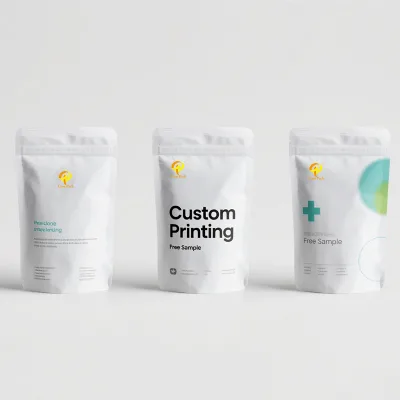
Packaging Medical Grade Smell Proof Plastic Packaging Bag for Pharmaceutical Powder Pouch
$0.02 - $0.36
MOQ: 1000 pieces
Anhui Tianrun Medical Packaging Materials Co., Ltd.
- Verified by BV
- Combined
- China Anhui
- Lead time15 days
Main productsSterilization Pouch, Biological Indicator, Sterilization Indicator, Medical Composite Film, Medical Blister Paper, Barrier Film, Medical Crepe Paper, Sterilization Indicator Tape
Main marketsAfrica,Domestic

Shijiazhuang G-House Trading Co., Ltd.
- Verified by BV
- Trading Company,Manufacturer/Factory
- China Hebei
- Lead time30 days
Main productsPharmaceuticals Medicines, Tablets Capsules Water for Injection, Powder for Injection Infusions Syrups Cream, Antihypertensive Amlodipine Tablets, Analgesic and Anti-Inflammatory Diclofenac, Antimalarial Artemether Dihydroartemisinin, Antibiotic Amoxicillin Capsules Ceftriaxone, Amoxicillin and Clavulanate Potassium Tablets, Ceftriaxone Sodium for Injection, Omeprazole Capsules Ciprofloxacin Tablet
Main marketsSouth America,Eastern Europe,Mid East,North America,Southeast Asia,Eastern Asia,Oceania,Western Europe,Africa

CHINA HUAMEI MEDICAL INSTRUMENT CO., LTD.
- Combined
- China Shanghai
- Lead time38 days
Main productsSurgical Instruments Surgical Scissors, Sterilization Pouch Bags Tyvek Pouches, Sterile Bags Pouches Medical Packaging, Medical Disposable Products, Paper Printing Label Printing, Travek Pillows Inflatable Pillows, Wrist Bands ID Bands, Medical Packaging Material, Gamma Radiation Sterilization, Ethelene Oxide Sterilization
Main marketsSoutheast Asia/ Mideast,Domestic,Europe,Australia,North America


Durable Medical Packing Bags Disposable Pouches Sterilization Bags Pouches
$0.01 - $0.05
MOQ: 10000 Pieces

Shandong Kangde New Material Technology Co., Ltd.
- Verified by SGS
- Trading Company,Manufacturer/Factory
- China Shandong
- Lead time23 days
Main productsLaminated Film, Pet Food Packaging, Food Packaging, Agricultural Product Packaging, Compositing Packaging, Medical Packaging, Daily Necessities Packaging, Plastic Packaging, Transparent Film, Metalized Film
Main marketsSouth America,Eastern Europe,Mid East,Southeast Asia,Eastern Asia,Oceania,Western Europe,Africa


Premium Custom Printed Pouches for Medical Instruments and Packaging Solutions
$1.20 - $4.50
MOQ: 300 kg


Zhongshan Langke Packaging Co., Ltd.
- Combined
- China Guangdong
- Lead time15 days
Main productsPackaging Film, Lamination Film, Medical Film, Medical Pouch, Food Pouch, Daily-Use Pouch, Daily Chemical Pouch, Snack Packaging, Printing and Packaging, Clothing Packaging
Main marketsSoutheast Asia/ Mideast,East Asia(Japan/ South Korea),Europe

Guangdong Danqing Printing Co., Ltd.
- Verified by BV
- Combined
- China Guangdong
- Lead time23 days
Main productsFood Packaging, Plastic Bag, Zipper Pouch, Spout Pouch, Plastic Film, Quad-Seal Flat Bottom Pouch, Shrink Sleeves, Stand up Zipper Pouch, Roll Film, Food Pouch
Main marketsSouth America,Africa,Southeast Asia/ Mideast,Europe,Australia,North America

Animal Medicine Plastic Printing Packaging Bag Cheap Packaging Supplier
$0.04 - $0.05
MOQ: 50000 Pieces


Mask Packaging Bag Cosmetic Packing Shape Pouch
MOQ: 50000 Pieces
Shantou Weiyi Packaging Co., Ltd.
- Verified by SGS
- Combined
- China Guangdong
- Lead time15 days
Main productsSpout Pouch, Coffee Bag, Food Packaging Bag, Packaging Film, Stand up Pouch, Zipper Bag, Plastic Bag, Tea Bag, Aluminum Foil Bag, Packaging Bag
Main marketsSoutheast Asia/ Mideast,Domestic


Custom Logo Pill Pouch Medical Paper Packaging Bag Medication Dispensing Envelopes
$0.01 - $0.05
MOQ: 10000 Pieces


JIANGMEN MST PACKAGING GROUP LIMITED
- Verified by TUVRHEINLAND
- Trading Company
- China Guangdong
- Lead time30 days
Main productsPackaging Bag, Box Pouch, Kraft Paper Bag, Paper Bag, Coffee Bag, Plastic Bag, Compostable Bags, Recyclable Bags, Biodegradable Bags, Spout Pouch
Main marketsSouth America,Southeast Asia/ Mideast,Europe,Australia,North America

Fujian Kaian Packaging Technology Co., Ltd
- Verified by SGS
- Combined
- China Fujian
- Lead time15 days
Main productsPackaging Film Roll, Stand up Pouch, Three-Side Seal Pouch, Spout Pouch, Fin Seal Pouch, Flat Bottom Pouch, Ziplock Pouch, Quad Pouch, Retort Pouch, Shaped Pouch
Main marketsDomestic

Customized Printing Stand up Spout Pouch for Powder Plastic Food Packaging Bag
$0.01 - $0.03
MOQ: 30000 Pieces


Dongguan Chenghua Industrial Co., Ltd.
- Verified by BV
- Manufacturer/Factory
- China Guangdong
- Lead time23 days
Main productsZiplock Bag, Biodegradable Bag, Aluminum Bag, Doypack, Zipper Bag, Food Bag, OPP Bags, Plastic Bags, Poly Bags, Specimen Bags
Main marketsSouth America,Eastern Europe,Mid East,North America,Southeast Asia,Eastern Asia,Oceania,Western Europe,Africa
Qingdao Fullsun Biotechnology Packaging Co., Ltd
- Verified by BV
- Combined
- China Shandong
- Lead time15 days
Main productsBiodegradable Bag
Main marketsNorth America

Plastic Food Packaging Bag Stand up Pouch Compound Aluminized Zipper Drug Bag
$0.06 - $0.10
MOQ: 50000 Pieces

Food Drug Packaging Bag Stand up Pouch Bottom Composite Aluminized Zipper Pill Plastic Bag
$0.06 - $0.10
MOQ: 50000 Pieces

Anhui Mingde Medical Care Products Co., Ltd.
- Trading Company
- China Anhui
- Lead time15 days
Main productsSterilization Pouch, Dental Bibs, Examination Paper Couch Roll, Protective Bed Sheet, Dental Accessories, Disposable Underpad, Sterilized Packaging, Dental Appliance, Disposable Medical Consumables, Disposable Beauty Items
Main marketsSouth America,Africa,Southeast Asia/ Mideast,East Asia(Japan/ South Korea),Europe,Australia,North America


Flat Sterile Pouch Sample Pouch / Bags / Pouches / Rolls
MOQ: 20000 piece

Ningbo Yingmed Medical Instruments Co., Ltd.
- Verified by TUVRHEINLAND
- Trading Company,Manufacturer/Factory
- China Zhejiang
- Lead time23 days
Main productsSurgical Gloves, Alcohol Pads, Surgical Mask, Syringe, IV Set, Bandage, Urine Bag, Oxygen Mask, Nebulizer Mask, Surgical Suture
Main marketsMid East,Southeast Asia,Western Europe,Africa

- Verified by TUVRHEINLAND
- Combined
- China Fujian
- Lead time23 days
Main productsSpout Pouch, Packaging Film, Chicken Bag, Stand up Pouch, Zipper Bag, Laminate Film, Vacuum Bag, Aluminum Bag, Pet Food Packaging, Quad Pouch
Main marketsSoutheast Asia/ Mideast,Europe,Australia

- Verified by CTI
- Trading Company
- China Anhui
- Lead time30 days
Main productsMedicine, Veterinary Drug, Nutritional Supplements, Medical Disposable, Medical Dressing, Medical Devices, Apis, Food Additives, Feed Additives
Main marketsSouth America,Africa,Others(foreignTradeCapacity.exportBusinessCapacityMarketOther),Southeast Asia/ Mideast

- Verified by SGS
- Trading Company
- China Hebei
- Lead time15 days
Main productsStand up Pouch, Mylar Bag, Food Packaging Bag, Coffee Packaging Bag, Pet Food Bags, Stand up Bag, Aluminium Foil Bag, Pet Food Packaging Bag, Square Bottom Bag, Side Gusset Bag
Main marketsEurope,North America


Comprehensive Sourcing Guide
Medical Powder Packaging Pouch Supplier Concentration and Factory Types
The current supplier landscape for medical powder packaging pouches reveals a mix of manufacturer and trading company entities, with some operating as combined entities to offer broader service ranges. These suppliers are primarily located in specific Chinese provinces, including Guangdong, Anhui, and Hebei, which serve as key manufacturing hubs for plastic and medical-grade packaging materials. The main product lines observed include stand-up pouches, kraft paper pouches, and specialized medical-grade smell-proof bags designed for pharmaceutical powders and collagen peptides. Some facilities also produce sterilization pouches and barrier films, indicating a capacity to handle diverse medical packaging needs beyond simple powder containment.
When evaluating the factory types, buyers should note that manufacturers often provide direct control over material structures like PET/VMPET/PE laminates and sealing methods such as zipper tops. Trading companies may aggregate products from multiple factories, offering a wider variety of main products like labels and paper boxes alongside the core pouches. The presence of combined company types suggests a hybrid model where a single entity might manage both production and distribution logistics. Buyers must verify if the supplier is a direct manufacturer or a trading intermediary to understand the depth of technical support available for customizing thickness, size, and printing requirements for medical applications.
How to Verify Medical Powder Packaging Pouch Suppliers
Verification of suppliers in this sector requires a rigorous check of certifications and company credentials, as medical packaging demands strict adherence to safety and quality standards. Several observed suppliers hold ISO 13485 and CE certifications, which are critical for medical device and pharmaceutical packaging compliance. Additionally, some entities display BSCI and ISO 9001 system certifications, while others have BV verification status, providing an external layer of trust regarding their business operations. Buyers should prioritize suppliers who explicitly list these certifications in their product attributes, ensuring the packaging meets the regulatory requirements for sterile and non-sterile medical environments.
Beyond certifications, buyers must assess the supplier's response time and production capacity to ensure reliability. The observed response time for these suppliers is approximately three days, which serves as a baseline for communication efficiency during the sourcing process. It is essential to confirm if the supplier offers ODM and OEM capabilities, as this indicates their ability to customize designs, materials, and branding for specific medical powder products. Buyers should also verify the origin of the products, noting that many are manufactured in Guangdong, China, and ensure that the claimed production capacity aligns with the required order volumes to avoid delays in critical medical supply chains.
What to Compare Across Medical Powder Packaging Pouch Suppliers
Comparing suppliers requires a detailed analysis of lead times, minimum order quantities, and pricing structures, which vary significantly based on order volume and production seasonality. Lead times for standard orders range from 12 to 15 days, with larger volumes exceeding 25,000 units requiring negotiation. The minimum order quantity (MOQ) observed ranges from 500 units for specialized sterilization pouches to 200,000 units for general medical pill bags, necessitating a clear understanding of the buyer's volume requirements before engaging with a supplier. Pricing also fluctuates, with some products listed between $0.02 and $0.35 per unit, while specialized medical pouches may cost between $0.80 and $2.00, depending on material complexity and customization.
Buyers should also compare product attributes such as material structure, thickness, and printing capabilities to ensure the packaging meets specific medical standards. Observed attributes include customized colors, thicknesses ranging from 0.1 mm to 0.5 mm, and features like moisture resistance and child-resistance. The surface printing methods, such as gravure printing, and the availability of custom designs are crucial for branding and regulatory labeling. Additionally, the industrial use classification, such as medicine or dental applications, helps in filtering suppliers who specialize in the specific niche required. A thorough comparison of these technical specifications ensures the selected supplier can deliver packaging that is both functional and compliant with medical industry standards.
Common Medical Powder Packaging Pouch Sourcing Risks
One significant risk in sourcing medical powder packaging pouches is the potential mismatch between claimed certifications and actual product compliance. While some suppliers list ISO 13485 and CE certifications, buyers must verify that these apply to the specific product being ordered, as certifications can sometimes be generic to the company rather than the specific item. Another risk involves the variability in material quality, particularly regarding the thickness and sealing integrity of the pouches. Inconsistent thickness, such as variations between 0.1 mm and 0.5 mm, can affect the barrier properties required to protect sensitive pharmaceutical powders from moisture and contamination.
Supply chain disruptions and lead time variability also pose substantial risks, especially during peak seasons when production capacity may be stretched. The observed lead times of 12 to 15 days can extend significantly for orders exceeding 25,000 units, potentially delaying critical medical product launches. Furthermore, the reliance on third-party trading companies can introduce communication gaps and quality control issues, as the trading entity may not have direct oversight of the manufacturing process. Buyers should mitigate these risks by requesting detailed production schedules, conducting pre-shipment inspections, and ensuring that the supplier has a robust quality assurance system in place to maintain consistency across all batches.
Medical Powder Packaging Pouch Regional Sourcing and Logistics
Sourcing medical powder packaging pouches from China offers access to established manufacturing clusters in provinces like Guangdong, Anhui, and Hebei, which are known for their plastic and medical packaging industries. These regions provide a concentration of suppliers with the necessary infrastructure to produce high-volume orders efficiently. However, buyers must consider the logistical implications of shipping from these locations, including transit times and customs clearance procedures. The proximity of these manufacturing hubs to major ports can facilitate faster shipping, but buyers should verify the specific port of origin for each supplier to optimize logistics planning.
Logistics planning also involves understanding the packaging and handling requirements for medical products, which often demand strict temperature and humidity controls during transit. The observed packing standards, such as 200 pieces per box and export carton boxes, indicate a level of care in handling, but buyers should confirm if additional protective measures are available for sensitive medical powders. Additionally, the location of the supplier can impact the cost of freight and the overall lead time, making it essential to factor in these variables when calculating the total landed cost. Buyers should work with logistics partners who have experience in medical supply chains to ensure that the packaging arrives in optimal condition and meets all regulatory requirements for import.
Medical Powder Packaging Pouch Commercial Terms and Order Planning
Commercial terms for medical powder packaging pouches often include specific conditions regarding payment, delivery, and customization, which must be clearly defined before placing an order. The observed minimum order quantities and lead times suggest that buyers should plan their orders well in advance, especially for large volumes that require negotiation on delivery schedules. Pricing structures can vary based on the complexity of the design, the material used, and the quantity ordered, with some suppliers offering competitive rates for standard items while charging premiums for custom features like specialized printing or unique sealing mechanisms.
Order planning should also account for the customization capabilities of the supplier, as many offer ODM and OEM services to tailor the packaging to specific medical needs. Buyers should confirm the availability of sample production and the timeline for sample approval before committing to a full production run. Additionally, the response time of approximately three days indicates that communication should be proactive to address any technical queries or design changes promptly. By establishing clear commercial terms and a detailed order plan, buyers can minimize the risk of misunderstandings and ensure a smooth procurement process that aligns with their medical product launch schedules.
FAQs
What is the minimum order quantity for medical powder pouches?
Minimum order quantities vary by supplier and product type. Some suppliers require 1,000 units for standard plastic bags, while others may ask for 500 units for sterilization pouches. Larger orders often trigger different pricing tiers. Always confirm the specific MOQ with the supplier before placing an order to ensure it meets your production needs.
How long does it take to receive medical packaging orders?
Lead times depend on order volume and production season. For small orders under 5,000 units, delivery typically takes 12 days. Medium orders between 5,001 and 25,000 units may require 15 days. Large orders exceeding 25,000 units often need negotiation for a specific timeline. Seasonal peaks can also impact these standard delivery windows.
Are custom designs available for medical powder packaging bags?
Yes, custom designs are widely available for medical powder packaging. Suppliers offer customized colors, sizes, and thicknesses to match your specific requirements. Many manufacturers support custom printing, including gravure printing, and can produce bags with features like zippers or windows. You can also request specific material structures like PET/VMPET/PE for enhanced barrier properties.
What certifications do medical packaging suppliers typically hold?
Many suppliers hold ISO 13485 and CE certifications for medical-grade products. Some manufacturers also maintain BSCI, ISO 9001, and GMP certifications to ensure quality and safety. These credentials verify that the production processes meet international standards for medical devices and pharmaceutical packaging. Always request proof of certification to confirm compliance with your regulatory requirements.
What materials are used for medical powder packaging pouches?
Common materials include PE, PET, and VMPET laminates for durability and barrier protection. Some pouches use aluminum foil structures to ensure smell-proof and moisture-resistant properties. Thicknesses typically range from 0.1 mm to 0.5 mm depending on the application. Suppliers can also provide custom material structures to meet specific pharmaceutical or medical device storage needs.
Can suppliers provide samples before bulk production?
Most suppliers accept custom orders and can provide samples upon request. While specific sample policies vary, many manufacturers are willing to produce prototypes to verify design and material quality. You should confirm sample availability and costs directly with the supplier. This step ensures the final product meets your exact specifications before committing to a large production run.
Where are these medical packaging manufacturers located?
Manufacturers are primarily located in China, with facilities in provinces like Guangdong, Anhui, and Hebei. These regions offer a dense network of suppliers specializing in plastic and medical packaging. The location can influence shipping times and logistics costs. Buyers should verify the specific factory location to ensure it aligns with their supply chain strategy and delivery expectations.