Medium Loader Glute Ham Developer Suppliers and Manufacturers
Explore 31 verified options for Medium Loader Glute Ham Developer from Shandong factories and trading companies. Compare response times, lead times, certifications, and pricing to source reliable equipment. Contact suppliers directly to request quotes and verify product specifications; review the available evidence before requesting comparable quotations from suitable candidates.
Suppliers List
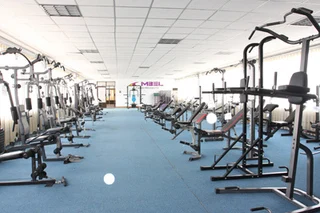
Qingdao Imbell Sporting Goods Co., Ltd.
- Manufacturer, Trading Company
- Shandong, China
- Lead time45 days
- Avg. response≤ 9h
Main productsFitness Equipment
Main marketsNorth America(45.00%), Domestic Market(15.00%), Western Europe(15.00%), Oceania(10.00%), Africa(7.00%), South Asia(1.00%), Southern Europe(1.00%), Eastern Europe(1.00%), Northern Europe(1.00%), Central America(1.00%), Eastern Asia(1.00%), South America(1.00%), Mid East(1.00%)

Shandong Hammer Fitness Equipment Co., Ltd.
- Verified by SGS
- Trading Company
- China Shandong
- Lead time23 days
- Avg. response≤ 3h
Main productsPilates Reformer, Multifunctional Trainer, Hack Squat, Cardio Equipment, Strength Equipment, Fitness Equipment Accessories, Functional Trainer Cable Machine, Hip Thrust Machine, Stair Climbing Machine
Main marketsSouth America,Southeast Asia/ Mideast,East Asia(Japan/ South Korea),Australia,North America


Multi Station Hip and Leg Strength Machine Comprehensive Glute Ham Developer
$565.00 - $615.00
MOQ: 1 Pieces


- Verified by BV
- Trading Company,Manufacturer/Factory
- China Shandong
- Lead time45 days
- Avg. response≤ 10h
Main productsFitness Equipment, Spinning Bike, Treadmill, Elliptical Bike, Recumbent Bike, Upright Bike, Gym Mats, Plate Loaded Gym Equipment, Pin Loaded Selected Gym Equipment, Stair Climber
Main marketsSouth America,Eastern Europe,Mid East,North America,Western Europe,Africa


Commercial Plate Loaded Hammer Strength Fitness Glute Ham Reverse Hyperextension
Contact supplier
MOQ: 5 Pieces

Qingdao Modun Industry & Trade Co., Ltd.
- Manufacturer/Factory
- China Shandong
- Lead time30 days
- Avg. response≤ 4h
Main productsGym Equipment, Power Rack, Squat Rack, Barbells, Bumper Plates, Weightplates, Kettlebell, Dumbbell, Multi Function Station, Rubber Flooring Mat
Main marketsSouth America,Eastern Europe,North America,Southeast Asia,Eastern Asia,Western Europe

Professional Gym Glute Ham Fitness Workout Equipment GHD Machine Glute Ham Developer
$188.00 - $228.00
MOQ: 5 Pieces


Factory Directly Sale Glute Ham Developer for Gym Equipment GHD Machine
$188.00 - $228.00
MOQ: 5 Pieces


Dezhou Canxu Import & Export Co., Ltd.
- Verified by BV
- Trading Company,Manufacturer/Factory
- China Shandong
- Lead time15 days
- Avg. response≤ 6h
Main productsFitness Equipment, Cardio Machines, Plate Load Machine, Plate Loaded Machine, Fitness Accessories
Main marketsSouth America,Eastern Europe,Mid East,North America,Southeast Asia,Eastern Asia,Oceania,Western Europe,Africa

$479.00 - $529.00
MOQ: 1 Pieces

CH-103 Gym Fitness Equipment GHD Glute Rogers Glute Trainer -Ham Development Machine
$479.00 - $529.00
MOQ: 1 Pieces
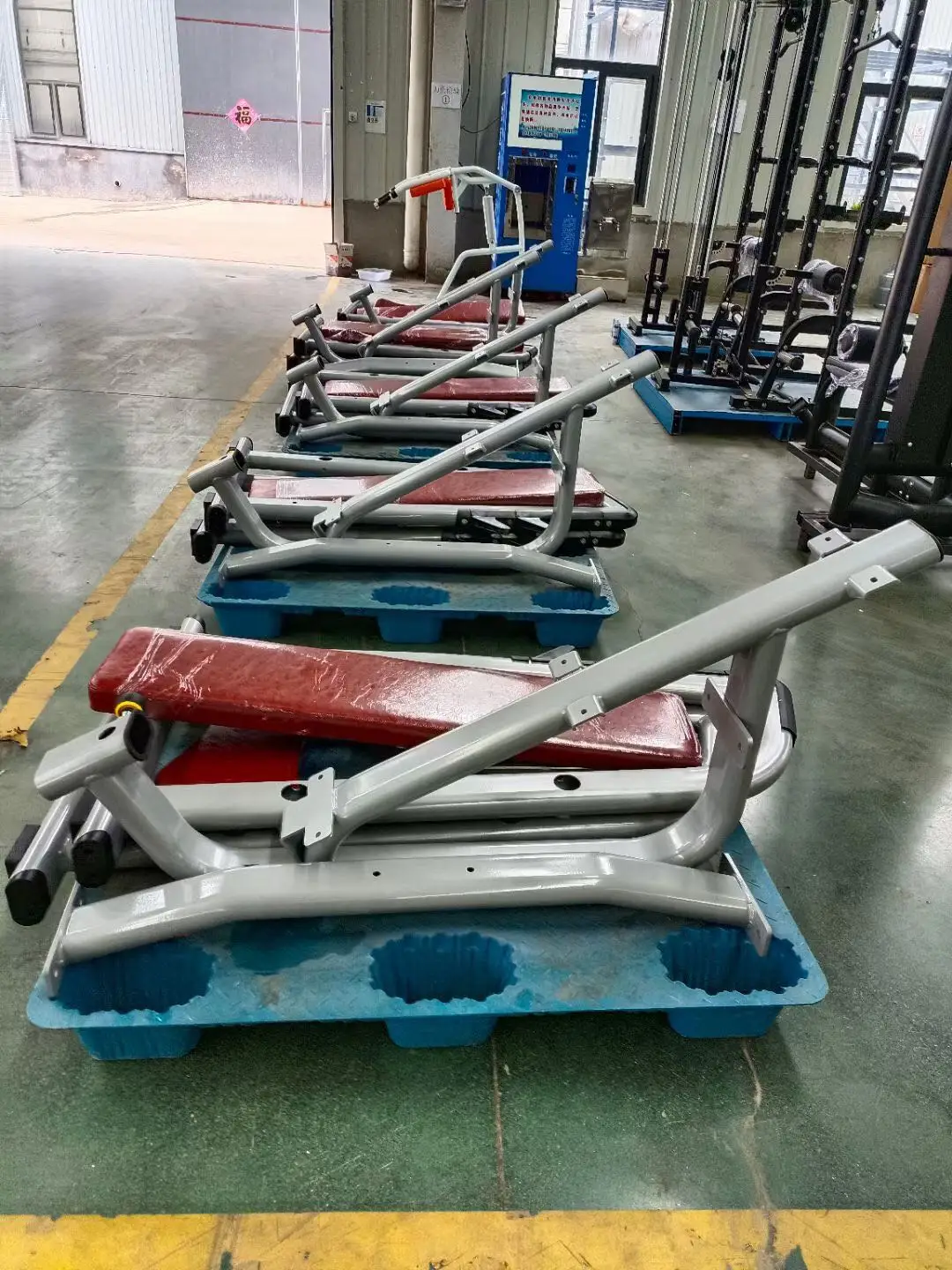
Dezhou JM Import & Export Co.,Ltd.
- Manufacturer, Trading Company
- Shandong, China
- Lead time3 days
- Avg. response≤ 3h
Main productstreadmills,strength machines,gym fitness equipment,gym fitness racks,water rower machine
Main marketsOceania(10.00%), Southern Europe(10.00%), Western Europe(10.00%), Eastern Europe(10.00%), Mid East(10.00%), North America(10.00%), Domestic Market(5.00%), South Asia(5.00%), Africa(5.00%), Northern Europe(5.00%), Central America(5.00%), Southeast Asia(5.00%), Eastern Asia(5.00%), South America(5.00%)
Shandong Yuwei Fitness Equipment Co., Ltd
- Verified by SGS
- Combined
- China Shandong
- Lead time23 days
- Avg. response≤ 3h
Main marketsSouth America,Domestic

$820.00 - $880.00
MOQ: 2 Pieces

$840.00 - $880.00
MOQ: 2 Pieces

Heavy-Duty Commercial Glute Ham Developer for Posterior Chain and Hamstring Strengthening
$340.00 - $360.00
MOQ: 2 Pieces


$820.00 - $880.00
MOQ: 2 Pieces

$1070.00 - $1170.00
MOQ: 2 Pieces

Nantong Vigor Sport Goods Co., Ltd.
- Verified by SGS
- Combined
- China Jiangsu
- Lead time30 days
- Avg. response≤ 2h
Main productsFunctional Trainers, Cardio Cross Training Equipment, Free Weights, Accessories and Attachment, Spare Part, Gym Space Solution
Main marketsEurope

Professional Commercial Grade GHD Glute Ham Developer Machine for Gym Fitness
$170.00 - $190.00
MOQ: 30 Pieces

$363.00 - $381.00
MOQ: 20 Pieces

Adjustable Glute Ham Developer GHD Machine for Commercial Gym Strength Training
$180.00 - $198.00
MOQ: 30 Sets

Commercial Adjustable Glute Ham Developer for Professional Bodybuilding Strength Training
$208.00 - $220.00
MOQ: 20 Sets


DEZHOU HENGQING FITNESS EQUIPMENT CO., LTD.
- Combined
- China Shandong
- Lead time23 days
- Avg. response≤ 7h
Main productsGym Equipment, Fitness Equipment, Strength Equipment, Cardio Equipment
Main marketsSouth America,Southeast Asia/ Mideast,Europe

Gym Fitness Equipment Glute Ham Developer Training Equipment Sports Machine
$150.00 - $250.00
MOQ: 1 Sets

Glute Trainer Machine for Glute Builder and Glute Workouts Activates Hamstrings
$470.00 - $520.00
MOQ: 1 Sets

Eterne (Tianjin) Sports Equipment Co., Ltd.
- Verified by SGS
- Trading Company
- China Tianjin
- Lead time30 days
- Avg. response≤ 5h
Main productsGym, Treadmill, Strength Equipment, Aerobic Equipment, Crossfit Equipment, Commercial Fitness Equipment, Home Fitness Equipment, Spinning Bike, Stair Master, Power Sled
Main marketsDomestic

Factory Directly Sale Glute Ham Developer for Gym Equipment GHD Machine
$160.00 - $220.00
MOQ: 1 Pieces

Fitness Gym Use Glute Ham Raise Machine Workout Equipment Glute Ham Developer Roman Chair GHD
$180.00 - $220.00
MOQ: 5 Pieces


Nantong Splendid Sporting Co., Ltd.
- Verified by BV
- Trading Company,Manufacturer/Factory
- China Jiangsu
- Lead time45 days
- Avg. response≤ 6h
Main productsGym Bench, Power Rack, Functional Machine, Dumbbell, Kettlebell, Barbell, Foam Roller, Yoga Mat, Resistance Band, Slam Ball
Main marketsSouth America,Eastern Europe,Mid East,North America,Southeast Asia,Eastern Asia,Oceania,Western Europe,Africa


Commercial Quality Glute Ham Developer GHD Machine Gym Equipment Fitness Machine
$350.00 - $370.00
MOQ: 30 Pieces

Gym Equipment Glute Ham Developer Weight Bench Hip Trust Gym Exercise Machine
$118.00 - $126.00
MOQ: 20 Pieces

Floor Glute Ham Developer Weight Bench Hip Trust Gym Machine Fitness Equipment
$104.00 - $110.00
MOQ: 30 Pieces
Dezhou Canxu Import & Export Co., Ltd.
- Verified by SGS Group
- Trading Company
- Lead time15 days
- Avg. response≤ 2h
Main productsFitness Equipment, Gym Equipment, Strength Equipment, Fitness Equipment Accessories
Main marketsNorth America(40%), South America(20%), Eastern Europe(10%)

Changsha Dinuo Technology Co., Ltd.
- Trading Company
- Hunan, China
- Lead time15 days
- Avg. response≤ 2h
Main productsPower rack,Smith Machine,plate loaded machine,Dumbbell,Rubber gym floor
Main marketsNorth America(35.00%), Southeast Asia(30.00%), Western Europe(10.00%), South America(10.00%), Northern Europe(10.00%), Eastern Europe(5.00%)
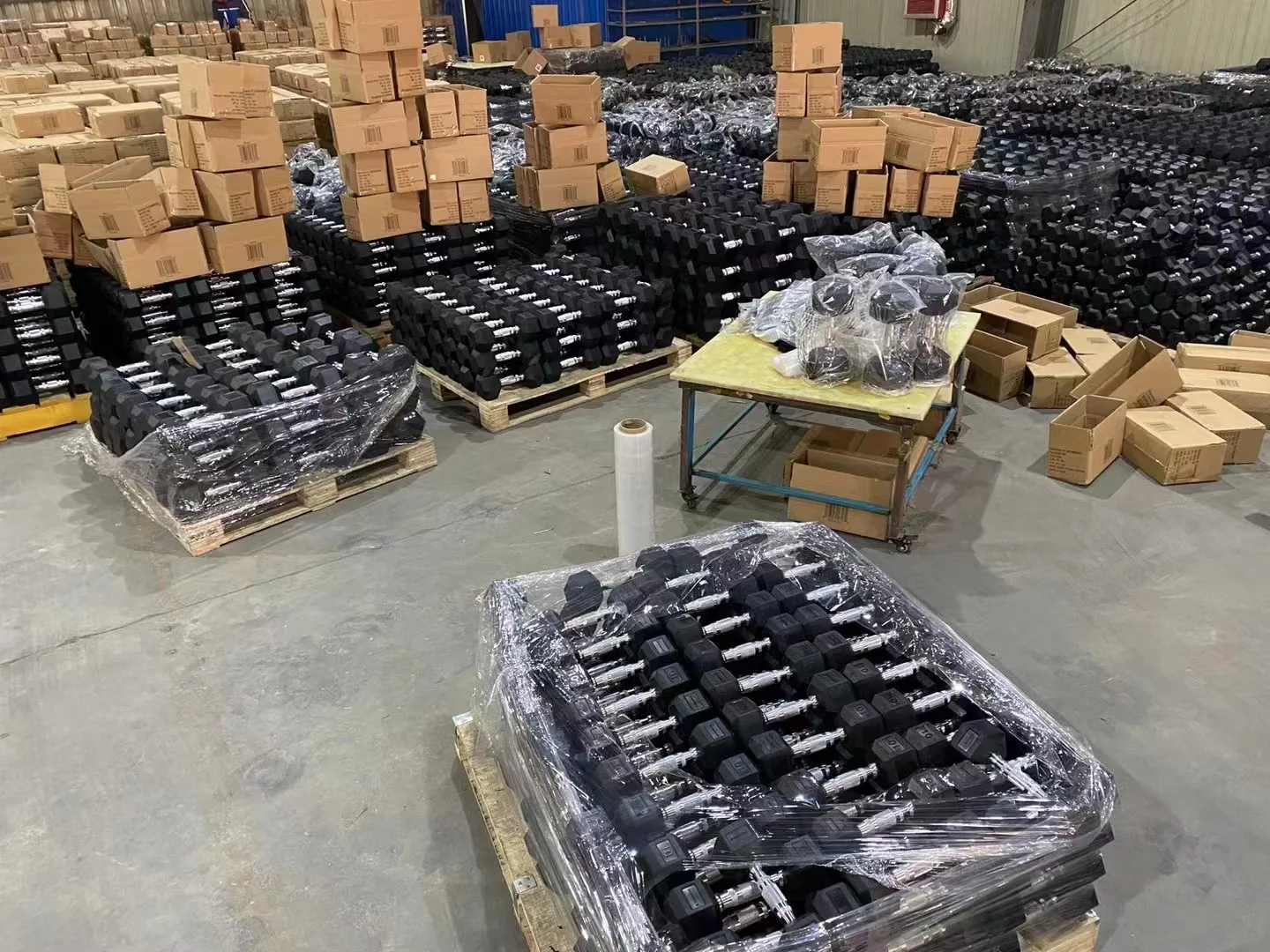
Jiangsu Cerdatec Industrial Co., Ltd.
- Manufacturer, Trading Company
- Jiangsu, China
- Lead time7 days
- Avg. response≤ 5h
Main productsFree Weight,Racks& Rigs,Strength Equipments,Yoga & Pilates
Main marketsNorth America(30.00%), South America(20.00%), Northern Europe(8.00%), Southern Europe(8.00%), Southeast Asia(8.00%), Eastern Europe(8.00%), Eastern Asia(6.00%), Mid East(6.00%), Western Europe(4.00%), South Asia(2.00%)
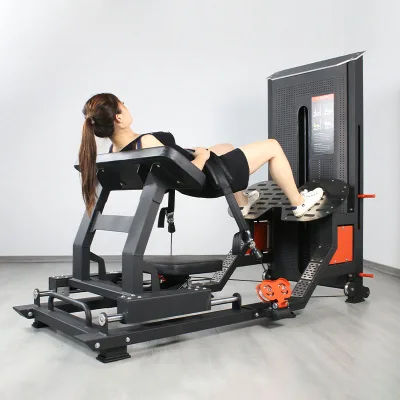
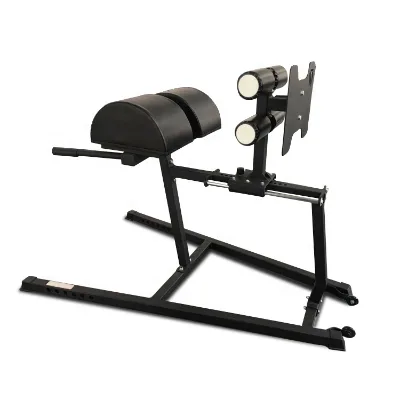
Hot Sale Popular Commercial Bodybuilding Glute Multi Thrust Builder Hip Machine for GYM
$620.00 - $680.00
MOQ: 2
Dezhou Bodi Fitness Equipment Co., Ltd.
- Verified by TüVRheinland
- Manufacturer, Trading Company
- Lead time20 days
- Avg. response≤ 6h
Main productsFitness Equipment, Treadmill, Exercise Bike, Dumbbell, Fitness Accessories
Main marketsDomestic Market(50%), Western Europe(20%), North America(10%)
Hebei Hongkang Sports Technology Co., Ltd.
- Verified by TüVRheinland
- Manufacturer, Trading Company
- Lead time30 days
- Avg. response≤ 3h
Main productsFitness Equipment, Padel Court, Treadmill, Chest Press, Outdoor Fitness Equipment
Main marketsSouth Asia(30%), North America(20%), Western Europe(15%)
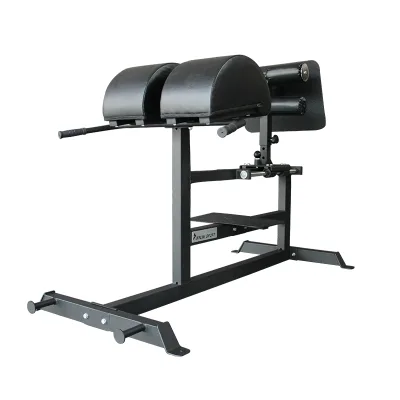
Gym Equipment Commerical Adjustable Back Hyper Extension Roman Chair Glute Ham Developer
$150.00 - $200.00
MOQ: 1
- Trading Company
- Shandong, China
- Lead time45 days
- Avg. response≤ 5h
Main productsFitness Rack,Dumbbell,Barbell,Weight Plates,Kettlebell
Main marketsNorth America(50.00%), Western Europe(15.00%), Domestic Market(10.00%), Eastern Europe(10.00%), Southern Europe(5.00%), South America(3.00%), Oceania(2.00%), Northern Europe(2.00%), Southeast Asia(1.00%), Mid East(1.00%), Eastern Asia(1.00%)
Shandong United Factories Fitness Equipment Co., Ltd.
- Trading Company
- Shandong, China
- Lead time7 days
- Avg. response≤ 2h
Main productsTreadmill,Dumbbell,Barbell,Elliptical,Spinning Bike
Main marketsSoutheast Asia(30.00%), South Asia(30.00%), South America(20.00%), Africa(20.00%)

Shandong Tianzhan Fitness Equipment Co., Ltd.
- Verified by BV
- Combined
- China Shandong
- Lead time30 days
- Avg. response≤ 8h
Main productsGym Equipment, Fitness Equipment, Strength Machines, Exercise Bike, Body Building Machines, Commercial Fitness Equipment, Motorized Treadmill, Fitness Equipment Gym Machine, Free Weight Accessories, Treadmill
Main marketsSouth America,Southeast Asia/ Mideast,East Asia(Japan/ South Korea),Europe,Australia,North America
SHANDONG VANTEN FITNESS EQUIPMENT CO., LTD
- Verified by SGS Group
- Manufacturer, Trading Company
- Lead time20 days
- Avg. response≤ 2h
Main productsFitness Equipment, Treadmill
Main marketsEastern Asia(50%), North America(30%), Domestic Market(20%)
Dezhou Eagle Fitness Equipment Co., Ltd.
- Verified by SGS Group
- Trading Company
- Lead time20 days
- Avg. response≤ 3h
Main productsFITNESS EQUIPMENT , COMMERCIAL TREADMILL , EXERCISE BIKE , DUMBBEELL , MULTI FUNCTIONAL RACKS
Main marketsSouth America(20%), Domestic Market(20%), Eastern Europe(15%)
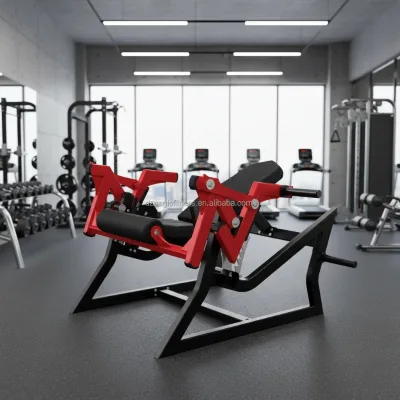
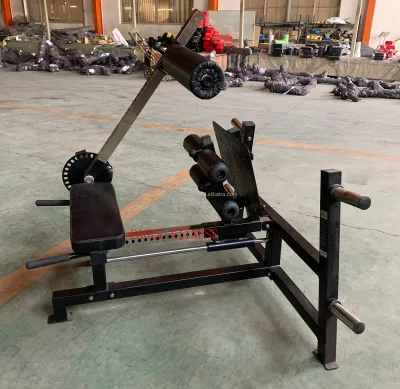
Commercial Fitness Equipment Assisted &Ham Developer
$400.00 - $450.00
Dezhou Aoshengjia Fitness Equipment Co., Ltd.
- Manufacturer, Trading Company
- Lead time旺季: "1 - 5":10,"> 5":"To be negotiated", 淡季: "1 - 5":10,"> 5":"To be negotiated"
- Avg. response≤ 2h
Main productsFitness Equipment
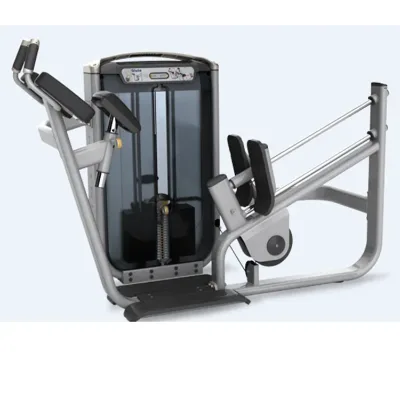
Manufacturer Direct Sales of High-Quality Professional Glute Training Equipment
$692.11 - $697.25
MOQ: 5 units
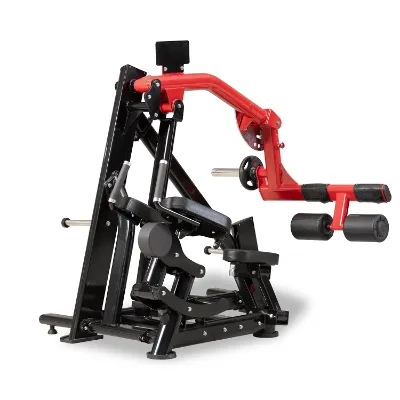

Shandong Realleader Fitness Co., Ltd.
- Trading Company,Manufacturer/Factory
- China Shandong
- Lead time60 days
- Avg. response≤ 6h
Main productsFitness Equipment, Fitness Equipment-Made in China, Gym, Gym Equipment, Fitness, Bodybuilding Equipment, Fitness Equipment-Made-in-China. com, Gym Equipment-Made-in-China, Cardio Equipment-Made-in-China, Home Gym
Main marketsSouth America,Eastern Europe,Mid East,North America,Southeast Asia,Eastern Asia,Oceania,Western Europe,Africa
Shandong Changxu Fitness Technology Co., Ltd.
- Verified by TüVRheinland
- Manufacturer, Trading Company
- Lead time15 days
- Avg. response≤ 5h
Main productsCardio Equipment, HC Strength Fitness Equipment, JC Strength Fitness Equipment, HZ Strength Fitness Equipment, ZL Strength Fitness Equipment
Main marketsDomestic Market(50%), North America(15%), South America(10%)

GuangZhou Microstep Office Equipments Co.,LTD
- Verified by BV
- Trading Company
- China Guangdong
- Lead time15 days
- Avg. response≤ 12h
Main productsToner, Pick up Roller, Fuser Film, Upper Roller, Developer, OPC Drum, Cleaning Blade, Lower Sleeved Roller, Thermistor
Main marketsDomestic
MINI ELEPHANT HEAVY INDUSTRY CO., LTD.
- Verified by CTI
- Combined
- China Shandong
- Lead time15 days
- Avg. response≤ 3h
Main productsExvacator, Lawn Mower, Loader, Mini Exvacator, GPS Lawn Mower, Skid Steer Loader, Lithium-Ion Lawnmower, Remote-Controlled Lawnmower
Main marketsDomestic


Shock Absorption Loader Reduce Vibration Comfort Long Time Operation
$4700.00 - $5100.00
MOQ: 1 Pieces
Terramech Machinery (Shandong) Co., Ltd
- Verified by TUVRHEINLAND
- Trading Company,Manufacturer/Factory
- China Shandong
- Lead time0 days
- Avg. response≤ 2h
Main productsWheel Loader, Motor Grader, Bulldozer, Excavator, Compactor, Dump Truck, Backhoe Loader, Crane, Spare Parts
Beijing Shante Songzheng International Trade Co., Ltd.
- Trading Company
- Beijing, China
- Lead time2 days
- Avg. response≤ 3h
Main productsExcavator spare parts,Dozer spare parts,Wheel loader spare parts,dumptruck parts,Construction Machinery Parts
Main marketsEastern Europe(25.00%), Africa(20.00%), Southeast Asia(15.00%), South America(15.00%), Mid East(10.00%), North America(10.00%), Oceania(5.00%)
Shanghai Reachwell Machine Co.,Ltd.
- Verified by TUVRHEINLAND
- Trading Company
- China Shanghai
- Lead time30 days
- Avg. response≤ 3h
Main productsFlat Top Tower Crane, All Terrain Crane, Excavator, Bulldozer, Dozer, Mobile Truck Crane, Jumbo, Rock Bolter, Scaler, LHD
Main marketsSouth America
Shandong Denuo Fitness Equipment Co., Ltd.
- Verified by SGS
- Combined
- China Shandong
- Lead time23 days
- Avg. response≤ 17h
Main marketsDomestic

Shandong Shante Heavy Industry Machinery Co., Ltd.
- Verified by TUVRHEINLAND
- Combined
- China Shandong
- Lead time30 days
- Avg. response≤ 1h
Main productsMining Machinery, Mining Loader, Wheel Mucking Loader, Tunnel Mucking Loader in Mining, Haggloader with Breaking Hammer, Underground Mining Loader, Electric Excavator
Main marketsSoutheast Asia/ Mideast

Decline Muck Loader: Versatile Partner for Ramp Construction and Access Tunneling
$7000.00 - $12500.00
MOQ: 1 SET

Muck Loader Built for Extreme Terrains and Steep Gradients in Tunneling Projects
$7000.00 - $12500.00
MOQ: 1 SET
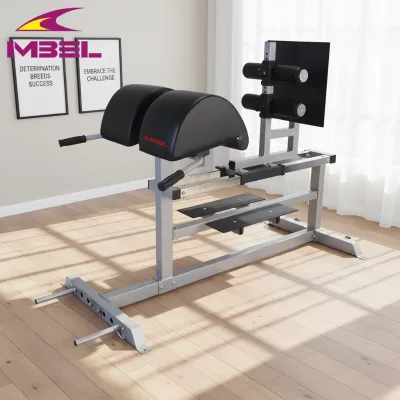
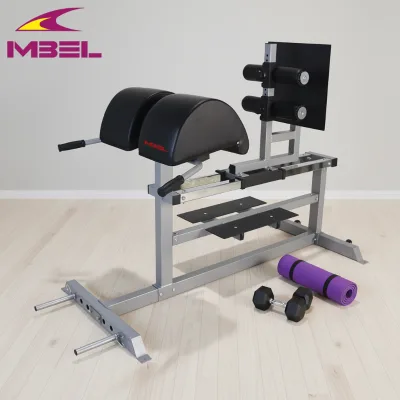
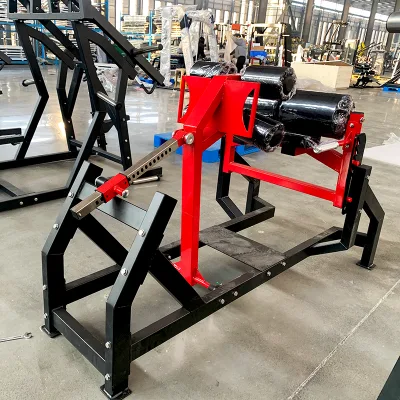
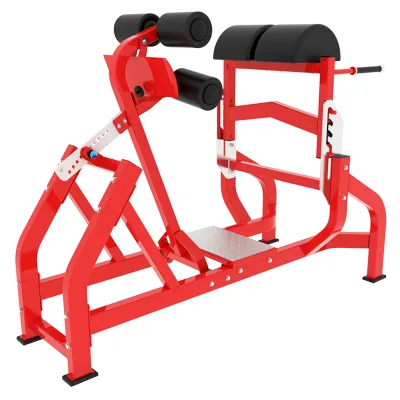
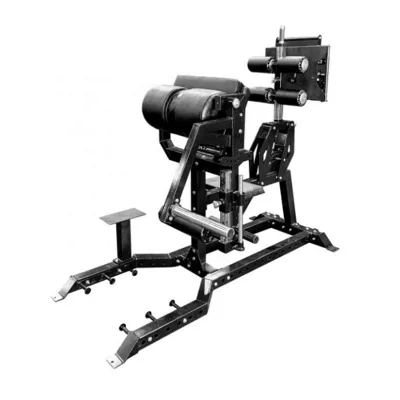
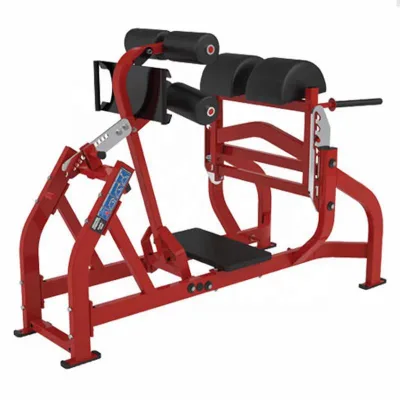
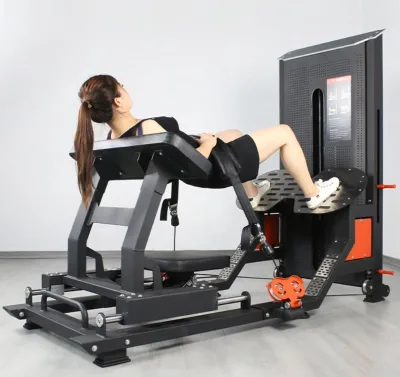
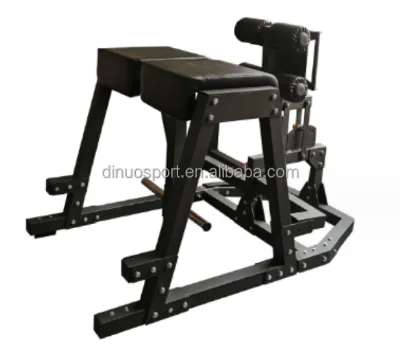
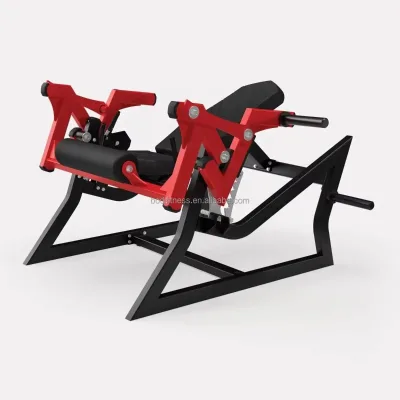
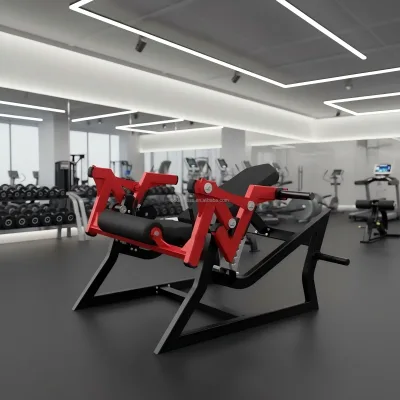
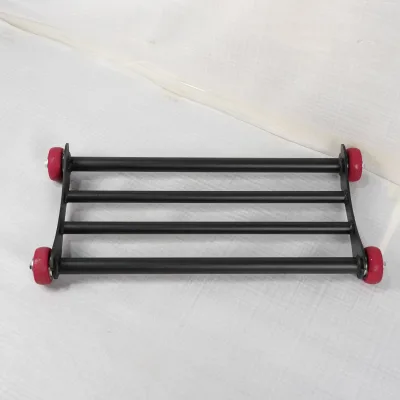
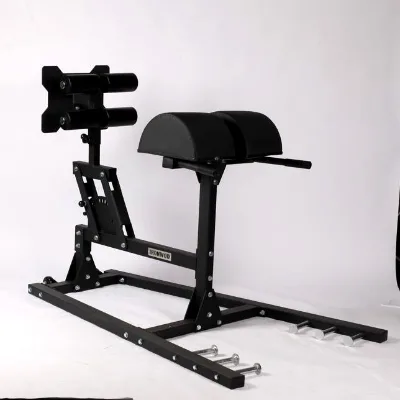
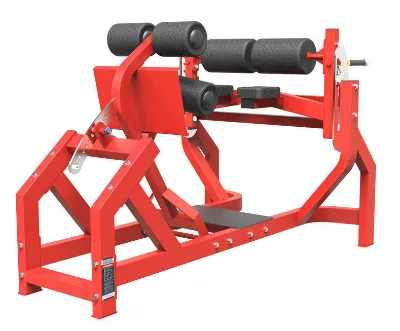
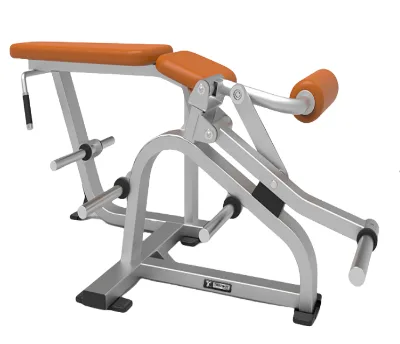
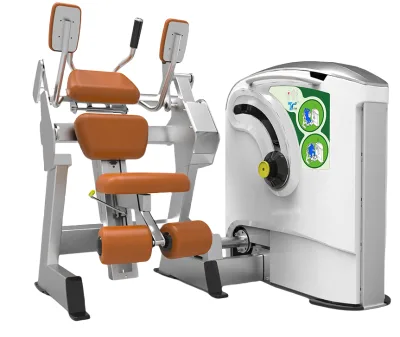


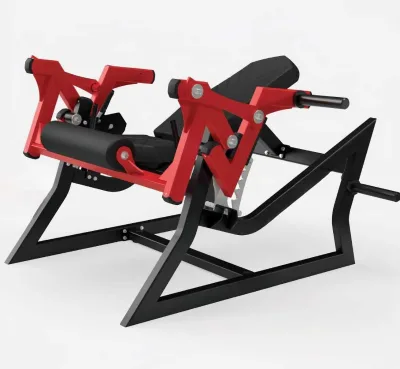






Comprehensive Sourcing Guide
Medium Loader Glute Ham Developer Supplier Concentration and Factory Types
The available data indicates a specific concentration of manufacturers and trading companies operating within Shandong, China, for Medium Loader Glute Ham Developer equipment. This region serves as a primary hub where facilities produce items such as the Glute Ham Developer Machine and multifunctional trainers. Buyers observing results from this area should note that the supplier pool includes both direct manufacturers and trading entities, each offering distinct advantages in the supply chain. The presence of these dual company types suggests a mature local ecosystem capable of supporting various order sizes and customization needs.
When evaluating the factory types in this cluster, it is essential to distinguish between entities that own production lines and those that facilitate trade. The observed supplier profiles list company types as either Manufacturer or Trading Company, which directly impacts the negotiation dynamic and product verification process. A manufacturer typically offers direct control over the production schedule and material sourcing, while a trading company may provide a broader portfolio of complementary fitness equipment. Buyers must verify the specific operational model of each potential partner to ensure alignment with their procurement strategy, as the distinction influences lead times and quality assurance protocols.
How to Verify Medium Loader Glute Ham Developer Suppliers
Verification of suppliers requires a rigorous check of their stated credentials against independent third-party assessments. The current results show that some suppliers hold SGS verification status, which serves as a tangible indicator of operational legitimacy. Buyers should prioritize partners with such verified badges and confirm that the certification covers the specific product lines they intend to purchase. It is critical to request current certification documents rather than relying solely on platform badges, as these documents provide the necessary proof of compliance with international safety and quality standards.
Beyond verification badges, buyers must scrutinize the response time and communication efficiency of potential suppliers. The data indicates response times ranging from approximately 2.8 hours to 9 hours, which can significantly impact the speed of the sourcing process. A faster response time often correlates with a more active sales team and better project management capabilities. Buyers should test communication channels before placing orders to ensure that the supplier can address technical queries regarding dimensions, materials, and customization options promptly. This initial interaction serves as a practical gauge of the supplier's reliability and commitment to customer service.
What to Compare Across Medium Loader Glute Ham Developer Suppliers
Comparing suppliers requires a detailed analysis of key operational metrics such as lead time, minimum order quantity, and pricing structures. The observed data reveals lead times varying from 23 days to 45 days, with some suppliers offering seasonal adjustments where peak seasons extend production to 25 days and off-seasons reduce it to 15 days. Buyers must align their inventory planning with these specific timelines to avoid stockouts or excessive holding costs. Additionally, the minimum order quantity (MOQ) is a critical factor, with some listings showing an MOQ of 50 units, which may influence the total cost per unit and the feasibility of small-batch testing.
Pricing and product specifications also demand careful comparison across different supplier profiles. The price range for similar equipment varies significantly, with some items listed between $40 and $55, while others range from $220 to $250 or even higher at $565. These discrepancies often reflect differences in material quality, such as stainless steel versus standard metal, or the complexity of the machine design. Buyers should compare the specific attributes like assembling dimensions, weight capacity, and color options to ensure the quoted price matches the required product specifications. This granular comparison prevents budget overruns and ensures the selected equipment meets the intended commercial or gym usage standards.
Common Medium Loader Glute Ham Developer Sourcing Risks
One significant risk in sourcing this equipment involves the potential mismatch between product descriptions and actual manufacturing capabilities. Some product listings contain conflicting category information, such as classifying fitness equipment under luxury travel or airplane trainer categories, which may indicate data entry errors or a lack of specialized focus. Buyers must verify that the product category aligns with the actual item, such as Strength Training or Fitness & Body Building, to ensure the supplier understands the specific engineering requirements. Relying on inaccurate categorization can lead to receiving equipment that does not meet safety standards or functional expectations for a commercial gym environment.
Another risk pertains to the variability in material specifications and certification claims. While some products explicitly list certifications like CE and materials such as stainless steel, others may lack clear documentation or display generic attributes. The absence of specific system certifications in some supplier profiles requires buyers to request detailed material test reports and compliance certificates before finalizing an order. Without these documents, there is a risk of receiving substandard equipment that may fail under heavy use or fail to meet import regulations in the destination country. Proactive verification of these technical details is essential to mitigate the risk of product failure and regulatory non-compliance.
Medium Loader Glute Ham Developer Regional Sourcing and Logistics
Sourcing from the identified region of Shandong, China, involves specific logistical considerations regarding shipping ports and transit times. The data consistently points to Qingdao as the primary loading port for these shipments, which is a major hub for container traffic in the region. Buyers should factor in the distance from the factory to the port and the subsequent ocean freight duration to their final destination when calculating total landed costs. Understanding the specific port of origin helps in coordinating with freight forwarders to optimize shipping routes and minimize delays in the supply chain.
Logistics planning must also account for the physical dimensions and weight of the equipment, which vary by model. For instance, some units have carton dimensions around 1380420165mm, while others are significantly larger, such as 19657851130mm. These dimensions directly impact the number of units that can be loaded into a standard shipping container, affecting the overall shipping cost per unit. Buyers should request precise packing lists and volume data to calculate the most efficient container utilization. Proper planning of these logistical details ensures that the equipment arrives safely and that the shipping budget is accurately allocated without unexpected surcharges.
Medium Loader Glute Ham Developer Commercial Terms and Order Planning
Commercial terms for Medium Loader Glute Ham Developer orders often include provisions for OEM and ODM services, allowing buyers to customize branding and specifications. The available data confirms that many suppliers offer these services, enabling the creation of unique product lines with customized logos and colors. Buyers should clearly define their customization requirements early in the negotiation process to ensure the supplier can accommodate the requested changes within the production timeline. This flexibility is a key advantage for brands looking to differentiate their offerings in a competitive fitness market.
Order planning must also consider the payment terms and the availability of escrow services to protect the buyer's financial interests. While specific escrow details are not universally listed in the provided facts, buyers should insist on secure payment methods that release funds only upon satisfactory delivery or inspection. Additionally, the lead time variability, ranging from 15 to 45 days depending on the season, requires careful scheduling to meet market launch dates. Buyers should build buffer time into their project schedules to account for potential production delays or shipping disruptions, ensuring a smooth transition from order placement to product availability in their target markets.
FAQs
Where are the glute ham developer machines manufactured?
The glute ham developer machines are manufactured in Shandong, China. Specific models originate from Dezhou City within this province. Buyers should verify the exact loading port, which is typically Qingdao, before finalizing shipping arrangements for their orders.
What is the typical lead time for these fitness machines?
Lead times vary by supplier and season. Some manufacturers offer a standard 45-day window, while others provide 23 days. During peak seasons, delivery may extend to 25 days, whereas off-season orders can be completed in just 15 days.
What is the minimum order quantity for glute ham developers?
The minimum order quantity is generally set at 50 units per model. This threshold applies to standard commercial gym equipment listings. Buyers seeking smaller quantities should contact suppliers directly to discuss potential flexibility or alternative purchasing options.
Do these machines support OEM and ODM customization services?
Yes, most listed manufacturers explicitly offer both OEM and ODM services. Buyers can request customized logos and specific color options like black or grey. Customization availability should be confirmed with the supplier before placing any bulk orders.
What certifications do the glute ham developer machines hold?
Some models carry CE certification for safety compliance. Verification of specific certifications like SGS is available for certain trading companies. Buyers must check individual product listings to confirm which safety standards apply to their specific equipment selection.
How quickly do suppliers typically respond to inquiries?
Response times vary significantly among different suppliers. Some companies respond within 9 hours, while others achieve a faster average of 2.83 hours. Buyers should expect varying reply speeds depending on the specific vendor they contact for their inquiry.
What materials are used to construct these fitness machines?
Construction materials typically include stainless steel or general steel for durability. Some heavy-duty commercial models utilize metal frames to ensure stability during intense workouts. Buyers should verify the specific material grade listed for each product model.
What is the price range for these glute ham developer machines?
Prices range from approximately 40.63 to 55.87 USD for basic models. More comprehensive multi-functional trainers can cost between 220 and 250 USD. High-end commercial units may reach prices around 565 USD depending on features and specifications.