Mercedes-Benz Hydraulic Power Steering Pump Suppliers and Manufacturers
Source 18 verified suppliers for Mercedes-Benz Hydraulic Power Steering Pump. Compare locations in China, ISO certifications, lead times, and MOQs to find the right partner. Request quotes today; review the available evidence before requesting comparable quotations from suitable candidates.
Suppliers List

- Verified by BV
- Trading Company,Manufacturer/Factory
- China Zhejiang
- Lead time45 days
- Avg. response≤ 4h
Main productsRubber Products, Rubber Parts, Rubber Bush, Silicone Rubber, Rubber Metal Part, C. V. Joint, Steering Rack, Stamping Parts, Steering Pump
Main marketsSouth America,Mid East,Southeast Asia,Western Europe


Power Steering Pump for Mercedes Benz Sprinter 0024662101 /0024660901/A0024660901/ A0024662101
$36.50 - $38.00
MOQ: 50 Pieces

- Verified by TUVRHEINLAND
- Trading Company
- China Jiangsu
- Lead time15 days
- Avg. response≤ 3h
Main productsAuto Parts, Car Spare Parts, Auto Engine Parts, Auto Chassis Parts, Truck Parts, Suspension Parts, Steering Parts, Accessory Parts
Main marketsSouth America,Southeast Asia/ Mideast,Domestic,Europe,North America

Hydraulic Power Steering Pump for Mercedes Benz W211 E350 0054661401 0044663601
$30.00 - $60.00
MOQ: 50 Pieces


Guangzhou Berlin Auto Parts Manufacturing Co., Ltd.
- Verified by SGS
- Combined
- China Guangdong
- Lead time15 days
- Avg. response≤ 15h
Main productsAuto Parts, Auto AC Compressor, Steering Rack &Pump, Auto AC Parts, Steering Parts, Suspension Parts, Automobile Air-Conditioning System Compressor, Power Steering Rack, Power Steering Pump, Steering Gear
Main marketsSouth America,Africa


Power Steering Pump for Mercedes Benz W204/W212 C220 Cdi 0064665701/0064665801
$19.00 - $50.00
MOQ: 10 Pieces


Ningbo Eastiger Products Co., Limited
- Verified by BV
- Trading Company
- China Zhejiang
- Lead time30 days
- Avg. response≤ 16h
Main productsTruck Parts, Truck Spare Parts, Trailer Parts, Auto Parts, Engine Parts, Loader Parts, Car Parts, Bus Parts
Main marketsSouth America,Southeast Asia/ Mideast,Australia,North America


Use for Mercedes Benz Truck Hydraulic Steering Pump 0034602280 0034604980
$80.00 - $150.00
MOQ: 50 Pieces


Shenzhen Hongrun Vehicle Parts Co., Ltd.
- Verified by SGS
- Trading Company
- China Guangdong
- Lead time30 days
- Avg. response≤ 25h
Main productsLED Trailer Light, Trailer LED Lamp, Excavator Part, Trailer Spare Part, Air Bag and Air Spring, Volvo Truck Part, Scania Truck Part, Daf Truck Part, Excavator Undercarriage Part, Bulldozer Part
Main marketsSoutheast Asia/ Mideast,Australia

Shanghai Spb Industry Co., Ltd.
- Verified by SGS
- Trading Company,Manufacturer/Factory,Group Corporation
- China Shanghai
- Lead time30 days
- Avg. response≤ 4h
Main productsCar Spare Part, Suspension Parts, Ball Joint, Shock Absorber, C. V Joint, Brake Pad, Radiator, Stabilizer Bar, Oil Filter, Steering Rack
Main marketsSouth America,Eastern Europe,Mid East,North America,Southeast Asia,Eastern Asia,Oceania,Western Europe,Africa

Car Spare Parts Auto Power Steering Pump 712c 914c 1215c for Mercedes-Benz
$10.00 - $15.00
MOQ: 100 Pieces

Auto Hydraulic Power Steering Pump for Benz 7673 955 534 001 466 1301 7673955534 0014661301
$10.00 - $15.00
MOQ: 100 Pieces

New Auto Steering Systems OEM 712c 914c 1215c Power Steering Pump for Benz
$10.00 - $12.00
MOQ: 50 Pieces

High Quality Auto Parts Auto Hydraulic Power Steering Pump for Benz 542 0051 10 001 460 7080 001 460
$10.00 - $15.00
MOQ: 100 Pieces

$10.00 - $15.00
MOQ: 100 Pieces


Zhejiang Gaocheng Autoparts Co., Ltd.
- Verified by SGS
- Manufacturer/Factory
- China Zhejiang
- Lead time45 days
- Avg. response≤ 3h
Main productsAuto Parts Wet Friction Materials, Fricton Materials, Wet Friction Materials Paper, Clutch Friction Discs, Automobile Clutch Friction Plates, Wet Brake Plates, Hydraulic Fittings, Pneumatic Fittings, Pipe and Tube Fittings, Mechanical Parts
Main marketsEastern Europe,North America,Eastern Asia,Western Europe

OEM 6614605180 6614603880 Hydraulic Power Steering Pump for Mercedes Benz MB100
$28.00 - $40.00
MOQ: 5 Pieces


Shanghai Changshun Import & Export Company Limited
- Manufacturer, Trading Company
- Shanghai, China
- Lead time30 days
- Avg. response≤ 6h
Main productsCombination Switch,Ignition Switch,Multi-function Switch,Valves,EPS
Main marketsSouth America(35.00%), North America(30.00%), Western Europe(20.00%), Africa(5.00%), Eastern Asia(5.00%), Mid East(5.00%)

AN HUI JI CHENG TRADING CO., LTD.
- Verified by SGS
- Trading Company,Manufacturer/Factory
- China Anhui
- Lead time0 days
- Avg. response≤ 7h
Main productsCar Parts Auto Parts, Suspension Parts, Brake Parts, Engine Parts, Toyota Car Parts, Volkswagen Car Parts, BMW Car Parts, Hyundai Car Parts, Chery Car Parts, Byd Car Parts
Main marketsSouth America,Eastern Europe,Mid East,North America,Southeast Asia,Eastern Asia,Oceania,Western Europe,Africa


0044668301 Auto Spare Parts Power Steering Pump for Mercedes-Benz W251 W221
$40.00 - $60.00
MOQ: 10 Pieces


Auto Spare Parts Power Steering Pump 0054662201 0044667801 0044668501 for Mercedes-Benz W164
$40.00 - $60.00
MOQ: 10 Pieces

Anhui Toba Auto Parts Co., Ltd.
- Verified by SGS
- Combined
- China Anhui
- Lead time60 days
- Avg. response≤ 5h
Main productsTiming Chain Kit, Oil Pump, Water Pump, Belt Tensioner, Fan Clutch, Electric Water Pump
Main marketsSouth America,North America

OEM 0024667001 0024666901 High Quality Hydraulic Power Steering Pump for MERCEDES-BENZV-CLASS
$10.00 - $100.00
MOQ: 50 Pieces

Car Steering System Auto Parts Hydraulic Power Steering Pump for MERCEDES-BENZ OEM 64662301
$10.00 - $100.00
MOQ: 50 Pieces

Car Spare Part Hydraulic Power Steering Pump for MERCEDES-BENZE OEM 0054662001 0054662201
$10.00 - $100.00
MOQ: 50 Pieces

$10.00 - $100.00
MOQ: 50 Pieces

Auto Steering System Power Steering Pump for MERCEDES-BENZ OEM 0034669301 0044668301
$10.00 - $100.00
MOQ: 50 Pieces

Car Spare Part Hydraulic Power Steering Pump for Mercedes-Benz S-CLASS W220 OEM 0034665401
$19.00 - $29.00
MOQ: 50 Pieces

- Trading Company
- China Chongqing
- Lead time15 days
- Avg. response≤ 3h
Main productsAuto Alternator, Auto Starter, Steering Rack, Throttle Body, Auto Sensor, Control Arm/Crossmember, Power Steering Pump, Fuel Injector, Ignition Distributor, Turbocharger
Main marketsSouth America,Europe

Hydraulic Power Steering Pump 02-09 0044667001 0054660001 0054669001 for Benz E-Class W211 E200 E220
$40.00 - $58.00
MOQ: 1 Pieces

for Mercedes Benz Power Steering Pump A0044668501 0044668501 A0054662201 0054662201
$18.00 - $45.00
MOQ: 10 Pieces

Guangzhou Leaf Auto Parts Co., Ltd.
- Verified by TUVRHEINLAND
- Manufacturer/Factory
- China Guangdong
- Lead time23 days
- Avg. response≤ 14h
Main productsLED Lights, Car Headlight, Jeep Light, Work Light, Light Bar, Laser Light, Cylinder Head, Engine Parts, Cylinder Block, Power Steering Rack
Main marketsSouth America,Eastern Europe,Mid East,North America,Southeast Asia,Eastern Asia,Oceania,Western Europe,Africa
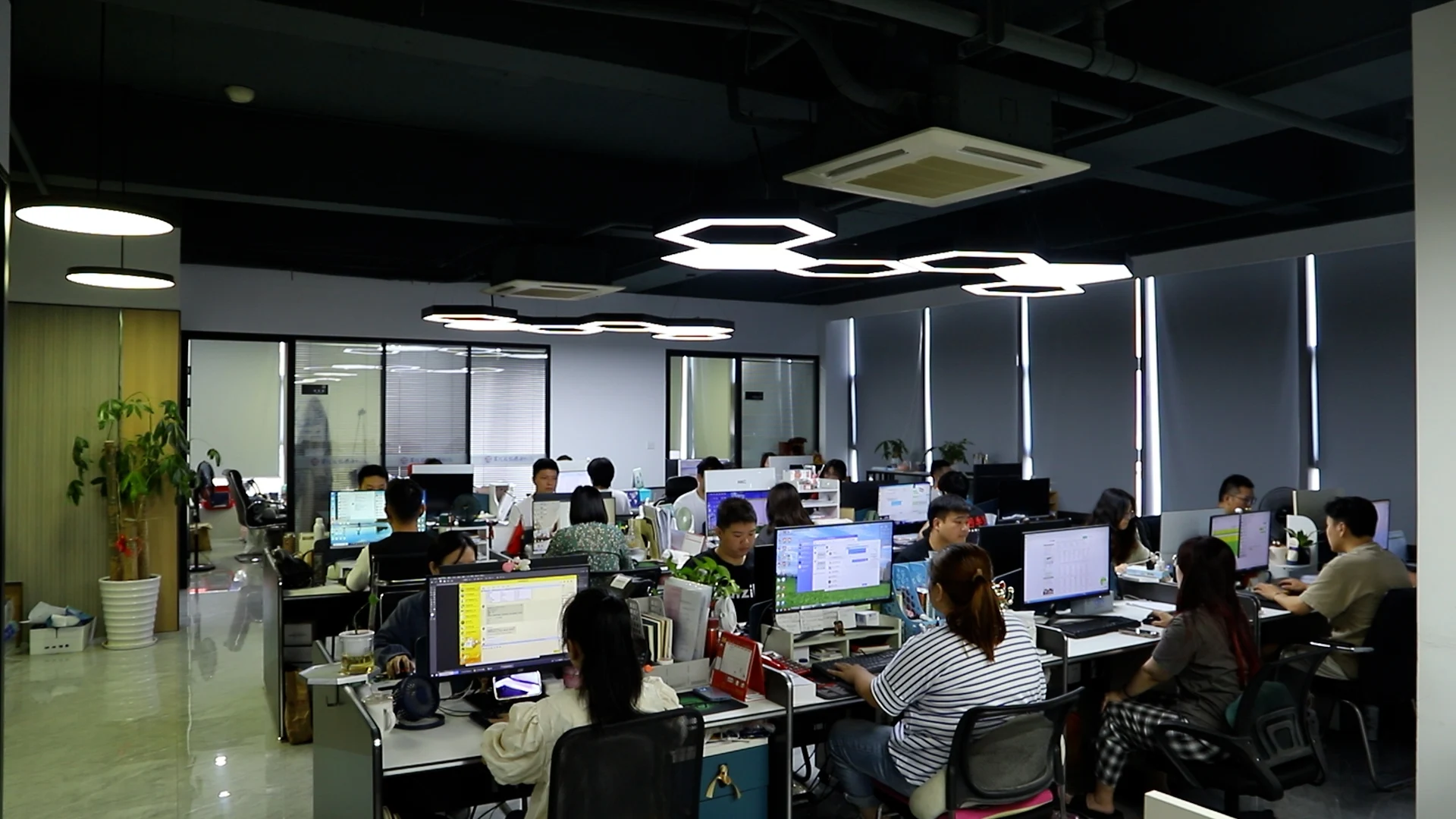
Ningbo Augee Import & Export Co., Ltd.
- Trading Company
- Zhejiang, China
- Lead time10 days
- Avg. response≤ 3h
Main productsAuto Switch, Auto Door Handle, Auto Engine Parts, Auto hose, Air Conditioning Compressor
Main marketsNorth America(30.00%), South America(30.00%), Western Europe(15.00%), Eastern Asia(5.00%), Eastern Europe(5.00%), Southeast Asia(4.00%), Central America(3.00%), Northern Europe(3.00%), Oceania(2.00%), Southern Europe(2.00%), Mid East(1.00%)

$100.00 - $120.00
MOQ: 10 Minimum


Zhejiang UTS Auto Parts Co., Ltd.
- Trading Company,Manufacturer/Factory
- China Zhejiang
- Lead time45 days
- Avg. response≤ 19h
Main productsBrake Caliper, Control Arm, Power Steering Pump, Aftermarket Brake Caliper, Brake Caliper Repair Parts, After Market Control Arm, Engine Mount, After Market Power Steering Pump, Ball Joint
Main marketsEastern Europe,North America,Southeast Asia,Western Europe

Guangzhou Fengcheng Accessories Co., Ltd.
- Verified by CTI
- Manufacturer/Factory
- China Guangdong
- Lead time23 days
- Avg. response≤ 6h
Main productsAuto Part, Steering Rack, Drive Shaft, CV Joint, Wheel Hub Bearing, Steering Gear, Power Steering Pump
Main marketsSoutheast Asia,Africa


Power Steering Pump OEM 8971295931 Hydraulic Pump
MOQ: 1 Pieces

Hydraulic Pump 8974666940 Power Steering Pump
MOQ: 1 Pieces

Auto Steering System Power Steering Pump Factory
MOQ: 1 Pieces

Yiwu Hi-Great Auto Parts Co.,Ltd.
- Verified by TUVRHEINLAND
- Trading Company
- China Zhejiang
- Lead time23 days
- Avg. response≤ 3h
Main productsTurbocharger System, Steering System, Chassis Suspension, Brake System, Cooling System, Transmission System, Engine System
Main marketsSouth America,Africa,Southeast Asia/ Mideast,East Asia(Japan/ South Korea),Europe,North America

Automobile Power Steering Pump 0064666301 for Mercedes-Benz C-Class C-Class (W204)
$36.10 - $43.30
MOQ: 10 Pieces


Automobile Power Steering Pump A9064660201 9064660201 for Mercedes-Benz Sprinter 3/4
$34.00 - $40.80
MOQ: 2 Pieces

Wenzhou Naqin Auto Parts Co., Ltd
- Verified by BV
- Trading Company,Manufacturer/Factory
- China Zhejiang
- Lead time45 days
- Avg. response≤ 3h
Main productsBrake Pad, Brake Shoes, Brake Disc, Clutch Plate, Radiator, Universal Joint, Release Bearing, Shock Absorber, Fuel Pump, Ball Joint
Main marketsSouth America,Mid East,Africa

CE Certification Hydraulic Power Steering Pump 0024662601 for Benz Sprinter
$2.00 - $49.00
MOQ: 300 Pieces

Good Quality Mercedes Car Csteering Power Pump 0064666601 for Benz Sprinter
$2.00 - $49.00
MOQ: 300 Pieces

Guangzhou Yuexiu District Wencheng Auto Parts Business Department
- Verified by BV
- Trading Company
- China Guangdong
- Lead time15 days
- Avg. response≤ 5h
Main productsChassis Parts, Oil Filters, Auto Parts
Main marketsSouth America,Africa,Southeast Asia/ Mideast,East Asia(Japan/ South Korea),Europe,Australia,North America

Stzt 0044668301 Hydraulic Power Steering Pump for Mercedes B Enz X164 Gl320 W251
$42.00 - $53.00
MOQ: 2 pieces

Stzt 0064664301 Hydraulic Power Steering Pump Perfect Fit for Mercedes-B Enz E-Class
$89.00 - $93.00
MOQ: 2 pieces


Comprehensive Sourcing Guide
Mercedes-Benz Hydraulic Power Steering Pump Supplier Concentration and Factory Types
The current supplier landscape for Mercedes-Benz Hydraulic Power Steering Pump components reveals a distinct geographic concentration within China, specifically highlighting manufacturing hubs in Zhejiang, Jiangsu, and Guangdong provinces. These regions serve as primary clusters for auto parts production, offering varying degrees of industrial specialization that buyers must navigate carefully. In Zhejiang, suppliers often operate as a hybrid of trading companies and manufacturing factories, providing a broad range of rubber products, silicone rubber, and stamped metal parts alongside the core steering systems. This dual capability allows for integrated supply chains where rubber bushings and metal components can be sourced simultaneously, potentially simplifying logistics for complex assemblies. The presence of ISO 9001 certification among these entities indicates a baseline commitment to quality management systems, which is critical for automotive components that undergo rigorous stress testing. Buyers should recognize that while these suppliers offer comprehensive product lines, the specific focus on hydraulic pumps may vary, requiring careful verification of production capabilities rather than relying solely on general catalog listings.
In contrast, suppliers located in Jiangsu and Guangdong present different operational models that influence sourcing strategies. Jiangsu-based entities are predominantly trading companies, which may offer faster response times and more flexible order structures but might lack direct factory oversight. These traders often specialize in a wide array of auto parts, including engine components, chassis parts, and suspension systems, positioning the power steering pump as one item in a larger portfolio. Meanwhile, Guangdong suppliers, identified as combined entities, emphasize specific steering racks and pumps with a focus on export-ready packaging and standardized processes. The diversity in company types—from pure manufacturers to trading firms and combined operations—means that buyers cannot assume uniform production standards across all listings. It is essential to distinguish between a factory that owns the tooling and a trader who aggregates products from multiple sources. This distinction directly impacts lead times, customization options, and the ability to resolve technical issues during production. Understanding these structural differences helps buyers align their procurement goals with the appropriate supplier type, whether they prioritize direct factory pricing or trading company flexibility.
How to Verify Mercedes-Benz Hydraulic Power Steering Pump Suppliers
Verification of Mercedes-Benz Hydraulic Power Steering Pump suppliers requires a multi-layered approach that goes beyond basic profile checks, focusing on third-party validations and technical documentation. The presence of verification badges such as BV, TÜV Rheinland, and SGS serves as an initial indicator of supplier legitimacy, but these must be cross-referenced with specific audit reports to ensure they cover the relevant manufacturing processes. For instance, a supplier claiming ISO certification should provide valid certificate numbers that can be checked against issuing bodies, ensuring the scope includes automotive steering systems rather than general trading activities. Buyers should also scrutinize the verification type, distinguishing between factory audits that assess production capacity and quality control measures versus trading company verifications that confirm business registration and export rights. This distinction is crucial because a trading company may have strong sales infrastructure but limited control over the actual manufacturing quality of the hydraulic pumps. Additionally, checking for specific product certifications like ISO 9001 or industry-specific standards such as SGS for material composition adds another layer of assurance, particularly for aluminum components and rubber seals that are critical for pump durability.
Beyond certifications, buyers must verify technical compliance and customization capabilities through direct engagement and sample evaluation. Suppliers listing OEM numbers such as 0054662201 or 0024668101 should demonstrate the ability to match original equipment specifications precisely, including pulley diameter, belt type, and mounting dimensions. Requesting detailed product attributes, such as material composition (e.g., aluminum housing) and condition (new vs. remanufactured), helps confirm that the supplier understands the technical requirements of the Mercedes-Benz Hydraulic Power Steering Pump. Buyers should also assess the supplier’s response time and willingness to provide detailed technical drawings or test reports, as these actions reveal their operational efficiency and transparency. A supplier with a rapid response time, such as under three hours, may indicate a dedicated sales team, but this should be balanced with evidence of engineering support for customization requests. Furthermore, verifying the origin of the product, whether it is explicitly stated as China or a specific province, helps in assessing supply chain risks and potential tariffs. By combining third-party verification badges with technical due diligence, buyers can build a robust profile of supplier reliability, reducing the risk of receiving non-compliant or substandard components.
What to Compare Across Mercedes-Benz Hydraulic Power Steering Pump Suppliers
When evaluating multiple sources for Mercedes-Benz Hydraulic Power Steering Pump components, buyers must systematically compare key operational metrics to identify the most suitable partner for their specific needs. Lead time is a critical differentiator, with some suppliers offering rapid turnaround times of 15 days, while others may require up to 45 days for production and delivery. This variance often correlates with the supplier’s inventory status and production model; trading companies may have stock ready for immediate shipment, whereas manufacturers might need time to produce custom orders. Buyers should also compare minimum order quantities (MOQ), which can range from as low as 8 units to 50 units or more, depending on whether the item is a standard stock part or requires custom tooling. A lower MOQ is advantageous for testing new suppliers or fulfilling small repair orders, while higher MOQs may offer better unit pricing for bulk procurement. Additionally, response time serves as an indicator of supplier responsiveness and customer service quality, with some entities responding within hours and others taking significantly longer. This metric is particularly important for resolving technical queries or addressing post-sale issues, making it a vital factor in long-term partnership decisions.
Price and customization options further distinguish suppliers in the Mercedes-Benz Hydraulic Power Steering Pump market, requiring careful analysis of total cost of ownership rather than just unit price. While some suppliers list prices as low as $19 per unit, others may charge up to $60, reflecting differences in material quality, certification levels, and included services like packaging or branding. Buyers should also evaluate the availability of customization, such as neutral packaging, branded boxes, or specific pulley configurations, which can impact retail readiness and brand consistency. The condition of the product, whether new or remanufactured, and the inclusion of accessories like V-ribbed belt pulleys, also affect the final value proposition. Furthermore, comparing the scope of main products offered by each supplier can reveal their specialization; a supplier focusing exclusively on steering systems may offer deeper technical expertise than a general auto parts trader. By systematically comparing lead times, MOQs, response speeds, pricing structures, and customization capabilities, buyers can create a weighted scoring model to objectively rank suppliers. This data-driven approach ensures that the selected partner aligns with the buyer’s operational requirements, balancing cost efficiency with reliability and service quality.
Common Mercedes-Benz Hydraulic Power Steering Pump Sourcing Risks
Sourcing Mercedes-Benz Hydraulic Power Steering Pump components involves several inherent risks that buyers must proactively manage to avoid supply chain disruptions and quality issues. One significant risk is the mismatch between supplier claims and actual production capabilities, particularly when dealing with trading companies that may not have direct control over manufacturing processes. This can lead to inconsistencies in product quality, such as variations in aluminum casting or rubber seal durability, which are critical for the performance of hydraulic pumps. Buyers may also encounter risks related to certification validity, where suppliers display ISO badges that do not cover the specific product line or have expired. Another common risk is the discrepancy in lead times, where suppliers promise rapid delivery but fail to meet deadlines due to production bottlenecks or inventory shortages. This can disrupt downstream operations, especially for repair shops or distributors with tight inventory turnover requirements. Additionally, the risk of receiving non-compliant parts, such as pumps with incorrect pulley diameters or mounting configurations, is heightened when buyers do not thoroughly verify technical specifications against OEM standards.
Intellectual property and customization risks also pose challenges in the Mercedes-Benz Hydraulic Power Steering Pump market, particularly when dealing with OEM-style parts. Suppliers may produce components that closely mimic original equipment designs, raising concerns about intellectual property infringement or legal compliance in certain markets. Buyers must ensure that their suppliers adhere to appropriate licensing agreements or produce generic alternatives that do not infringe on proprietary designs. Furthermore, the risk of poor communication and lack of technical support can lead to errors in order fulfillment, such as incorrect packaging or missing accessories. This is particularly relevant for suppliers with slower response times, where delays in addressing queries can result in misunderstandings about product specifications. Another risk is the variability in packaging quality, which can lead to damage during transit if suppliers do not use standard export cartons or protective materials. Buyers should also be aware of the risk of price fluctuations, as raw material costs for aluminum and rubber can impact final pricing. By identifying and mitigating these risks through thorough due diligence, clear contracts, and regular quality checks, buyers can protect their interests and ensure a stable supply of high-quality steering pumps.
Mercedes-Benz Hydraulic Power Steering Pump Regional Sourcing and Logistics
Regional sourcing strategies for Mercedes-Benz Hydraulic Power Steering Pump components are heavily influenced by the geographic distribution of suppliers within China, particularly in Zhejiang, Jiangsu, and Guangdong provinces. Each region offers distinct logistical advantages and challenges that buyers must consider when planning their supply chain. Zhejiang-based suppliers, often operating as combined manufacturing and trading entities, may benefit from established industrial clusters that facilitate efficient production and material sourcing. This concentration can lead to shorter internal logistics times and potentially lower production costs due to economies of scale. However, buyers should also consider the proximity to major ports, as Guangdong suppliers, located in Guangzhou, may have easier access to international shipping routes, reducing transit times for export orders. Jiangsu suppliers, while potentially further from coastal ports, may offer competitive pricing due to lower labor costs and strong domestic supply networks. Understanding these regional dynamics helps buyers optimize their logistics strategy, balancing cost efficiency with delivery speed and reliability.
Logistics planning also involves evaluating the supplier’s packaging and shipping capabilities, which vary across regions and company types. Suppliers in Guangdong often emphasize standard export cartons and neutral packaging, which are suitable for international shipping and retail distribution. In contrast, suppliers in other regions may offer customized packaging options, such as branded boxes, which can add value for specific market segments but may increase complexity and cost. Buyers should also assess the supplier’s experience with international shipping, including their ability to handle customs documentation and compliance requirements. The choice of shipping method, whether by sea or air, will impact lead times and costs, with sea freight being more economical for bulk orders and air freight suitable for urgent replenishments. Additionally, buyers should consider the risk of transit damage, particularly for hydraulic pumps that contain sensitive internal components. Ensuring that suppliers use robust packaging and provide adequate insurance coverage can mitigate these risks. By aligning regional sourcing decisions with logistical capabilities, buyers can create a resilient supply chain that minimizes disruptions and optimizes total landed costs.
Mercedes-Benz Hydraulic Power Steering Pump Commercial Terms and Order Planning
Commercial terms and order planning for Mercedes-Benz Hydraulic Power Steering Pump purchases require careful negotiation to ensure favorable conditions and risk mitigation. Buyers should prioritize clear payment terms, such as using escrow services or letters of credit, to protect against non-delivery or quality disputes. The minimum order quantity (MOQ) is a critical factor in order planning, with some suppliers requiring as few as 8 units for standard items and up to 50 units for custom or less common models. Understanding these thresholds helps buyers optimize inventory levels and reduce holding costs, particularly for slow-moving parts. Additionally, buyers should negotiate pricing structures that account for volume discounts, allowing for better margins on larger orders. The inclusion of warranties and return policies is also essential, providing recourse in case of defective products or non-compliance with specifications. Buyers should also consider the supplier’s flexibility in handling rush orders or changes
FAQs
What is the typical lead time for these pumps?
Manufacturers in China report lead times ranging from 15 to 45 days depending on the specific model and stock availability. Buyers should confirm the exact delivery schedule with the supplier before placing an order to ensure it aligns with their production or repair timelines.
What is the minimum order quantity for these parts?
Minimum order quantities vary by supplier, with some requiring as few as 8 units while others set the threshold at 50 pieces. Buyers must check the specific product listing to determine the exact MOQ, as some suppliers may offer lower quantities if items are in stock.
Are these pumps certified and what is the price range?
Many suppliers hold ISO certifications and offer products priced between $19 and $60 per unit. The final cost depends on the specific Mercedes-Benz model and part number. Buyers should verify the certification status and request a quote for their exact application to get accurate pricing.
Where are these steering pumps manufactured?
Suppliers are located in key Chinese manufacturing hubs including Zhejiang, Jiangsu, and Guangdong provinces. These regions are known for producing auto parts, and buyers can filter results by location to prioritize suppliers based on their preferred geographic sourcing strategy or logistics requirements.
How quickly do suppliers typically respond to inquiries?
Response times vary significantly, with some suppliers replying within a few hours while others may take up to 14 hours. Buyers should look for suppliers with faster response times to ensure efficient communication and quicker resolution of any technical questions or negotiation details during the sourcing process.
Can suppliers provide customization or OEM services?
Many manufacturers offer OEM and ODM capabilities, allowing for customization of parts to meet specific requirements. Buyers seeking branded or modified components should verify the customization options available with the supplier, as not all trading companies or factories may support these specific service levels.