Minimalist Non-Slip Kitchen Coaster Suppliers and Manufacturers
Source 16 verified suppliers for Minimalist Non-Slip Kitchen Coaster products from China. Compare key dimensions including lead times, MOQs, and response rates to identify suitable partners. Review product specifications and pricing details to streamline your procurement process; review the available evidence before requesting comparable quotations from suitable candidates.
Suppliers List

Wenzhou Cathylin International Trade Co., Ltd.
- Verified by TUVRHEINLAND
- Trading Company
- China Zhejiang
- Lead time15 days
- Avg. response≤ 13h
Main productsFlatware, Cutlery, Kitchen Tools, Tableware, Cookware, Bakeware, Drinkware
Main marketsNorth America
Guangdong Lanque Industrial Co., Ltd.
- Manufacturer, Distributor/Wholesaler
- Guangdong, China
- Lead time15 days
- Avg. response≤ 3h
Main productsPlastic shelving,Plastic cap screw,Drain basket,Plastic rice spoon,Glass cleaning brush
Main marketsSoutheast Asia(50.00%), South Asia(20.00%), Eastern Asia(20.00%), Oceania(5.00%), Africa(5.00%)
Hangzhou Jiusi Import And Export Co., Ltd.
- Verified by TüVRheinland
- Trading Company
- Lead time15 days
- Avg. response≤ 3h
Main productsLanyard, Coaster, Luggage Tag, Handfan, Business Gift
Main marketsNorth America(40%), Southern Europe(24%), Western Europe(20%)
Yangjiang Toallwin Trading Co., Ltd.
- Verified by SGS Group
- Manufacturer, Trading Company
- Lead time30 days
- Avg. response≤ 3h
Main productsKitchen Utensils/Wooden Bowl/Wooden Plate, Cutting Board/Cheese Board
Main marketsNorth America(65%), Western Europe(20%), Eastern Asia(5%)
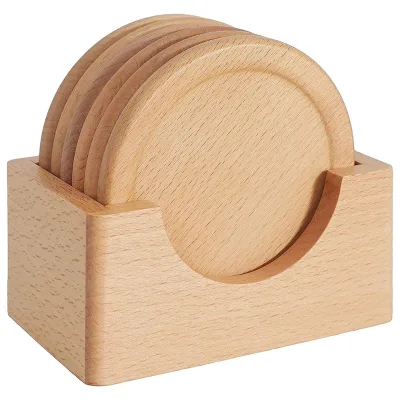
$1.53 - $3.06
MOQ: 500 pieces
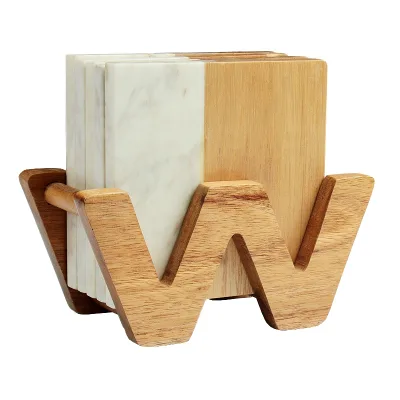
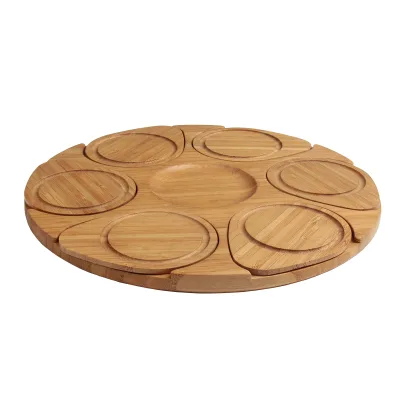
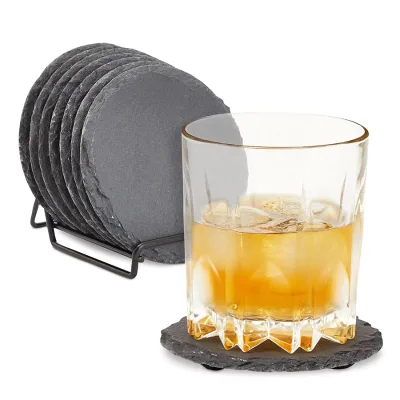
Luxury Sublimation coaster Blanks Wooden Premium coaster Marble Acacia Wooden Coasters Set
$1.33 - $1.43
MOQ: 1 pieces
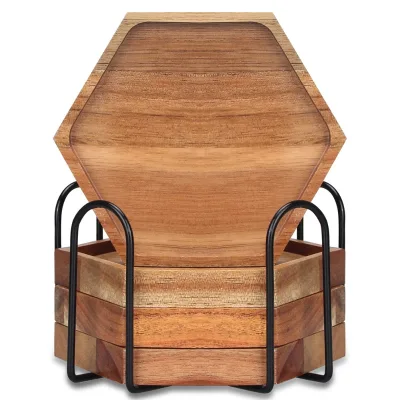
$2.08 - $2.61
MOQ: 1000 pieces
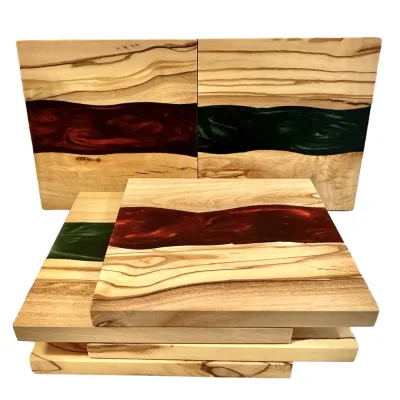
Luxury square Live Wood Resin Drink coaster Wooden Coster Premium Wood Resin coaster
$1.53 - $1.84
MOQ: 500 pieces

Zhongshan Xinyuan Silicone Rubber Co. Ltd
- Verified by TUVRHEINLAND
- Combined
- China Guangdong
- Lead time15 days
- Avg. response≤ 2h
Main productsSilicone Mold, Silicone Ice Cube Tray, Silicone Wristband, Silicone Tea Infuser, Silicone Bakeware, Silicone Keychain, Silicone Cup Coaster, Silicone Bag
Main marketsSouth America,Southeast Asia/ Mideast,Domestic,Europe,North America

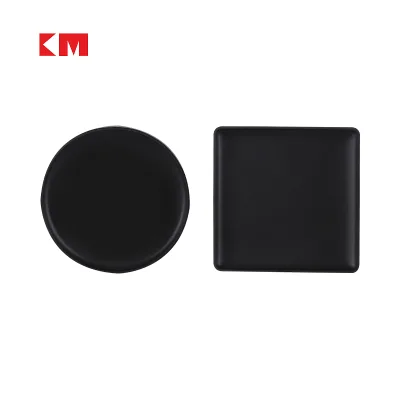
Black Modern Custom Silicone Coasters Drink Coaster Heat Resistant Non-Slip Cup Mat
$0.05 - $0.30
MOQ: 500 Pieces


Shenzhen Prima Housing Co., Ltd.
- Manufacturer/Factory
- China Guangdong
- Lead time0 days
- Avg. response≤ 4h
Main productsStaircase and Railing, Cabinets, Aluminum Windows and Doors, Wood Doors, Furniture
Zhejiang Hynawin E-Commerce Co., Ltd.
- Manufacturer, Trading Company
- Zhejiang, China
- Lead time15 days
- Avg. response≤ 7h
Main productsStorage Shelf,LED Light,Craft Items
Main marketsNorth America(40.00%), Eastern Asia(15.00%), Northern Europe(10.00%), Western Europe(6.00%), Domestic Market(5.00%), Southern Europe(5.00%), Central America(5.00%), Eastern Europe(5.00%), Oceania(3.00%), South Asia(2.00%), South America(1.00%), Mid East(1.00%), Africa(1.00%), Southeast Asia(1.00%)
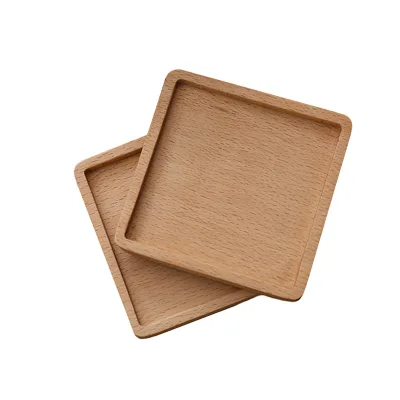
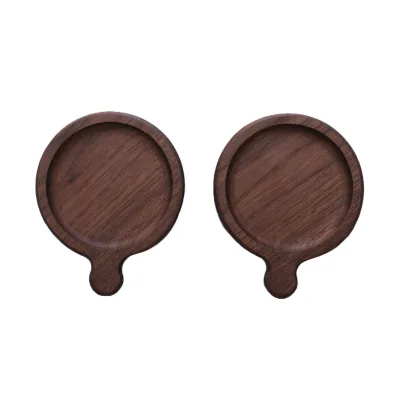
Coffee shops high quality stackable cup bamboo coasters handle drink wood coasters
$2.95 - $3.21
MOQ: 500
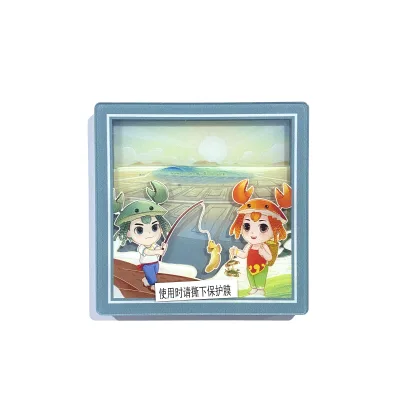

Quanzhou Changyi Crafts Gifts Limited
- Verified by TUVRHEINLAND
- Manufacturer/Factory
- China Fujian
- Lead time23 days
- Avg. response≤ 7h
Main productsBallpoint Pen, Silicone Bracelet, Name Card Holder, Luggage Tag, Gift Set, Mobile Phone Accessory, Passport Cover, Ceramic Coaster, Gift Bag, Gift Box
Main marketsSouth America,Mid East,North America,Southeast Asia,Eastern Asia,Oceania,Western Europe,Africa


Amazon Hot Selling Absorbent Ceramic Pan Coasters Soft Cork Back Stone Coaster
$0.35 - $0.46
MOQ: 100 Pieces
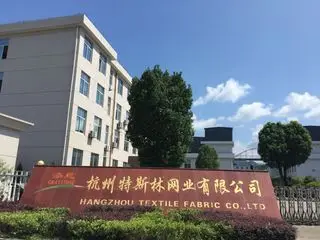
Hangzhou Textile Fabric Co., Ltd.
- Manufacturer
- Zhejiang, China
- Lead time45 days
- Avg. response≤ 1h
Main productswoven vinyl placemat,pvc rug,pvc curtains,textile fabrics,table runner
Main marketsDomestic Market(40.00%), North America(40.00%), Eastern Europe(20.00%)
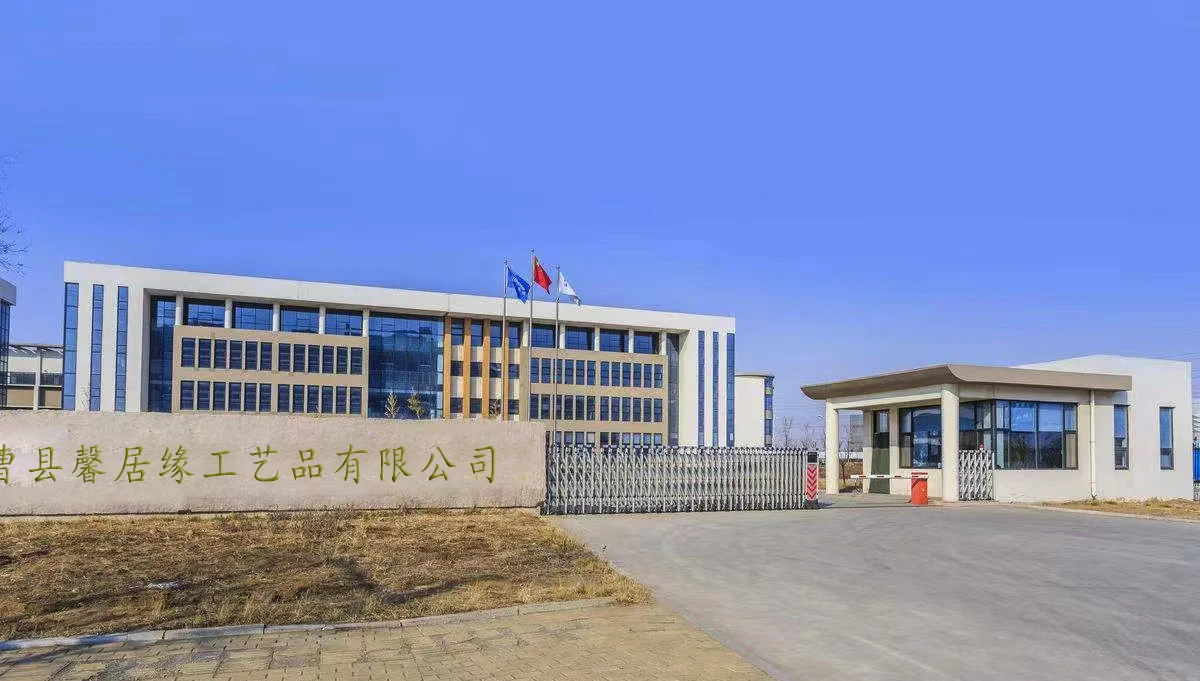
Caoxian Xinjuyuan Arts Crafts Co., Ltd.
- Manufacturer, Trading Company
- Shandong, China
- Lead time30 days
- Avg. response≤ 1h
Main productsWoodwork,weaving,bamboo,wood cork,arts and crafts
Main marketsNorth America(40.00%), Eastern Europe(20.00%), South America(20.00%), Domestic Market(10.00%), Eastern Asia(10.00%)
Zhejiang Yuanchao Home Technology Co., Ltd.
- Verified by TüVRheinland
- Manufacturer, Trading Company
- Lead time10 days
- Avg. response≤ 1h
Main productsSilicone Faucet Drain Pad, Bar Mat, Kitchen Drain Pad, Silicone Heat-insulation Pad, Silicone Spatulas
Main marketsDomestic Market(40%), North America(20%), South America(5%)
Caoxian Huashen Arts & Crafts Co., Ltd.
- Manufacturer, Trading Company
- Shandong, China
- Lead time25 days
- Avg. response≤ 2h
Main productsWooden box wine box,wooden pet product,wooden shelf,wooden garden plant box,Wooden toy
Main marketsNorth America(60.00%), Domestic Market(20.00%), Oceania(5.00%), Eastern Europe(3.00%), South America(3.00%), Southeast Asia(2.00%), Western Europe(2.00%), Eastern Asia(1.00%), Southern Europe(1.00%), Northern Europe(1.00%), Central America(1.00%), Mid East(1.00%)

Zhongshan Mingxin Silicone Manufactory
- Verified by SGS
- Combined
- China Guangdong
- Lead time15 days
- Avg. response≤ 6h
Main productsSilicone Kitchenware, Silicone Keypaid, Silicone Bracelet, Silicone Wristband, Silicone Ashtray, Silicone Tube, Silicone Watch, Silicone Rubber, Silicone Sex Doll, Silicone Mold
Main marketsEurope,North America


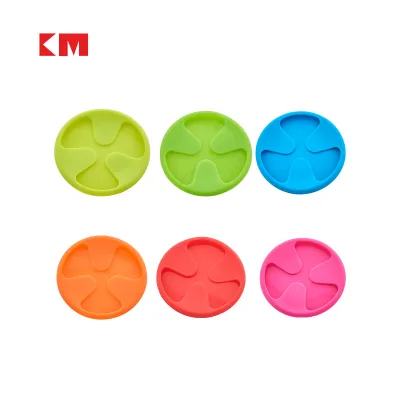
Customized Silicone Pot Cup Bowl Coaster Placemat Kitchenware Promotion Gift
$1.05 - $1.35
MOQ: 1000 Pieces

- Trading Company
- Shandong, China
- Lead time25 days
- Avg. response≤ 4h
Main productsBamboo and wood products,wood craft,wood tray,wall shelf,storage organizer
Main marketsNorth America(55.00%), Western Europe(20.00%), South America(8.00%), Southern Europe(5.00%), South Asia(5.00%), Mid East(5.00%), Eastern Europe(2.00%)

Xiamen Le Young Imp. & Exp. Co., Ltd
- Verified by BV
- Trading Company,Manufacturer/Factory
- China Fujian
- Lead time23 days
- Avg. response≤ 4h
Main productsLeather Folder, Trave Wallet, Leather Notebook, Leather Compendium, Leather Portfolio, Leather Diary, Leather Journal, Hotel Supply, Leather Card Holder, Leather Wallet
Main marketsSouth America,Eastern Europe,Mid East,North America,Southeast Asia,Eastern Asia,Oceania,Western Europe,Africa

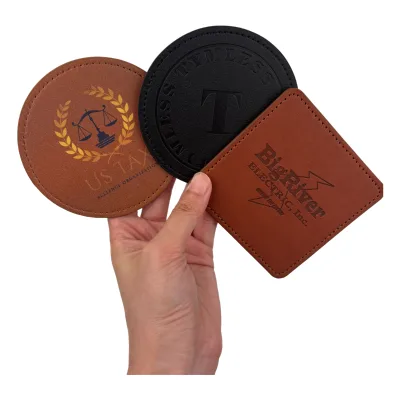
Black PU Leather Drink Coasters Round Cup Mat Pad for Home and Kitchen Use
$0.95 - $6.99
MOQ: 10 Pieces

$0.92 - $5.78
MOQ: 300 Pieces

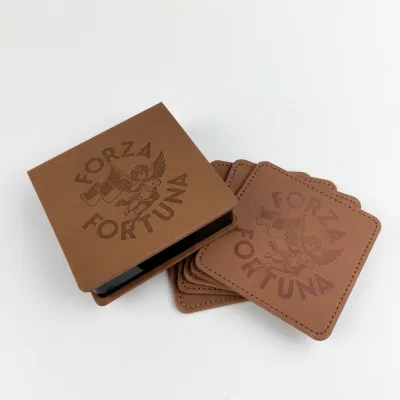
Custom Logo Sublimation Cup Coaster Mat Leather Round Black Coasters Set Wholesale
$3.45 - $3.99
MOQ: 300 Sets
Xiamen Yihang Industrial Co., Ltd.
- Verified by SGS Group
- Manufacturer, Trading Company
- Lead time45 days
- Avg. response≤ 3h
Main productsCeramic Ware, Drinkware, Resin Ware, Dinnerware, Bar & Wine
Main marketsNorth America(45%), Northern Europe(13%), Eastern Europe(10%)






Comprehensive Sourcing Guide
Minimalist Non-Slip Kitchen Coaster Supplier Concentration and Factory Types
Current data indicates a concentration of suppliers in China, specifically within the Zhejiang and Guangdong provinces. Fact records show Zhejiang-based entities operating as trading companies, while Guangdong-based entities function as manufacturers and distributors. This geographic split suggests distinct sourcing strategies where Zhejiang suppliers may offer broader product ranges including flatware and cookware, whereas Guangdong suppliers focus on specific plastic and silicone items. Buyers should verify if a supplier's primary location aligns with their specific material needs, such as ceramic or silicone, as the regional data points to these distinct manufacturing hubs.
Factory types vary significantly across the available results, with some entities identified strictly as trading companies and others as manufacturers or wholesalers. A trading company structure often implies a broader catalog of home and garden products, potentially including tableware and kitchen tools beyond just coasters. In contrast, manufacturer status suggests direct control over production processes for items like silicone mats or ceramic pieces. Buyers must confirm the actual company type to understand the supply chain depth, as a trading company might source from multiple factories while a manufacturer controls the entire production line from raw material to finished good.
How to Verify Minimalist Non-Slip Kitchen Coaster Suppliers
Verification processes should prioritize checking for third-party audit credentials, as some suppliers display TUVRHEINLAND verification status. This specific certification indicates a level of external scrutiny regarding business operations and product quality standards. Buyers should request proof of such verification rather than relying on platform badges alone, ensuring the supplier has undergone rigorous assessment. The presence of this credential serves as a tangible indicator of reliability, distinguishing verified entities from those without external validation in the current search results.
Response time is another critical metric for assessing supplier reliability and operational efficiency. Data shows response times ranging from approximately three hours to over twelve hours, with some suppliers demonstrating a three-hour turnaround. A faster response time often correlates with better communication channels and more active account management, which is vital for resolving issues during the sourcing process. Buyers should compare these response metrics to gauge the supplier's readiness to engage, noting that a three-hour response is significantly more efficient than a twelve-hour delay for urgent inquiries.
What to Compare Across Minimalist Non-Slip Kitchen Coaster Suppliers
When comparing suppliers, lead time is a primary differentiator that impacts inventory planning and delivery schedules. Available data indicates lead times can vary, with some suppliers offering immediate stock availability while others specify a fifteen-day production window. Buyers must align these timelines with their own demand cycles, as a fifteen-day lead time requires earlier ordering compared to suppliers with stock-ready items. Understanding these variations helps in selecting a partner that matches the urgency of the procurement need without causing supply chain bottlenecks.
Minimum Order Quantity (MOQ) and pricing structures also require careful comparison to ensure cost-effectiveness and feasibility. Results show MOQs ranging from as low as twenty units to as high as five hundred seventy-six units, with prices varying from roughly $0.14 to $2.60 per unit depending on the product specifications. A supplier with a low MOQ of twenty units may be suitable for testing new designs, while a higher MOQ of five hundred seventy-six units might be necessary for bulk pricing tiers. Buyers should calculate the total cost of ownership, including the impact of higher MOQs on storage and capital, rather than focusing solely on the per-unit price.
Common Minimalist Non-Slip Kitchen Coaster Sourcing Risks
One significant risk involves the discrepancy between product descriptions and actual material composition, particularly regarding heat resistance and non-slip properties. Some product attributes list materials as silicone or ceramic, while others mention antiskid characteristics without specifying the underlying compound. Buyers must verify that the material claims match the intended usage scenario, such as high-temperature kitchen environments, to prevent product failure. Relying solely on keywords like "heat resistant" without confirming the specific material standard can lead to receiving items that do not perform as expected under real-world conditions.
Another risk lies in the variability of customization options and branding capabilities across different suppliers. While some product attributes indicate that customized logos are acceptable, others explicitly state "without logo printing" or lack clear customization details. This inconsistency can lead to confusion regarding the ability to brand products for specific commercial buyers like restaurants or hotels. Buyers should explicitly confirm the scope of customization, including logo placement and printing methods, before placing an order to avoid receiving generic products that do not meet their branding requirements.
Minimalist Non-Slip Kitchen Coaster Regional Sourcing and Logistics
Logistics planning must account for the specific origins of the products, which are listed as Zhejiang or Guangdong in China. These regions have distinct port access and shipping infrastructure that can influence freight costs and transit times. Suppliers in Guangdong, for instance, may offer different shipping advantages compared to those in Zhejiang due to proximity to major manufacturing hubs and export ports. Buyers should request specific shipping terms based on the supplier's location to accurately estimate the total landed cost and delivery timeline for their specific destination.
Packaging standards also vary by region and supplier, affecting how products are protected during transit. Data shows packaging ranging from simple OPP bags to more complex sleeve packing or batch-specific plastic bags with defined gross weights. These differences impact the volume and weight calculations for shipping, which directly influence freight charges. Buyers should verify the exact packaging dimensions and weight per batch to ensure that their logistics partners can optimize container loading and prevent damage during the long-distance transport from China to the final destination.
Minimalist Non-Slip Kitchen Coaster Commercial Terms and Order Planning
Commercial terms regarding payment and delivery must be clearly defined to mitigate financial and operational risks. While specific payment terms are not detailed in the current facts, the presence of escrow services or verified supplier status often implies secure transaction mechanisms. Buyers should confirm the availability of escrow protection to ensure funds are only released upon satisfactory delivery. Additionally, understanding the delivery time, whether listed as "in stock" or a specific number of days, is crucial for aligning production schedules with sales forecasts and avoiding stockouts.
Order planning should also consider the specific product attributes that define the commercial buyer's needs, such as usage scenarios and design styles. Products are noted for usage in homes, offices, restaurants, and cafes, with styles ranging from classic to modern simplicity. Buyers must ensure the selected supplier can consistently meet the quality standards required for these diverse environments. Planning orders based on the specific attributes like shape, color, and material ensures that the final product aligns with the target market's expectations and maintains the minimalist aesthetic required for the category.
FAQs
What are the typical lead times for these coasters?
Lead times vary by supplier and order size. One supplier offers a 15-day lead time for standard orders. Another option lists delivery times as in stock or within three days. Buyers should confirm specific timelines with the vendor before placing an order to ensure timely delivery.
What is the minimum order quantity for these items?
Minimum order quantities differ across available products. Some listings require a minimum of 20 units, while others start at 50 units. A third option sets the threshold at 150 units, and a fourth requires orders in multiples of 288 or 576 items. Always check the specific product page for exact requirements.
Are these coasters available with custom logo printing?
Customization options vary by product listing. Some items explicitly state that customized logos are acceptable, while others list logo printing as unavailable. Buyers seeking branding should verify the specific customization settings on the product page to ensure the supplier can meet their branding needs before purchasing.
What materials are used for these non-slip coasters?
These coasters are available in several materials including ceramic, silicone, and marble. Ceramic options feature a round shape, while silicone versions offer heat resistance. Marble coasters often have a hexagon geometry. Buyers should select the material that best fits their specific usage requirements and aesthetic preferences.
Where are these suppliers located?
Suppliers offering these products are located in China, specifically in Zhejiang and Guangdong provinces. Zhejiang is noted for trading companies, while Guangdong hosts manufacturers and distributors. Buyers can filter results by these locations to find suppliers that match their logistical or sourcing preferences.
What is the price range for these coasters?
Prices vary significantly based on material and order volume. Ceramic coasters range from approximately 0.38 to 0.43 per unit. Silicone options start as low as 0.14 per unit, while marble styles range from 2.01 to 2.60 per unit. Buyers should compare specific listings to find the best value for their budget.
How quickly do suppliers typically respond to inquiries?
Response times vary among the listed suppliers. One supplier shows a response time of approximately 12 hours, while another responds within 3 hours. Faster response times can help streamline the sourcing process. Buyers should check individual supplier profiles to gauge communication speed before initiating contact.