Mirror Effect Nail Powder Suppliers and Manufacturers
Source 11 verified Mirror Effect Nail Powder suppliers from China Jiangsu and Zhejiang. Compare ISO9001:2015 certifications, 15-30 day lead times, and MOQs starting at 1 unit. Review SGS and FDA standards to select the right partner for your production needs.
Suppliers List

- Verified by SGS
- Combined
- China Jiangsu
- Lead time15 days
Main productsPearl Pigments, Pearlescent Pigments, Aluminium Pigments, Mica Powders, Chameleon Pigments, Glitters, Thermochromic Pigments, Fluorescent Pigments, Glow in Dark Powders, Photochromic Pigments
Main marketsEurope,Australia,North America


Non-Toxic Mirror Effect Nail Pigment, Hot Sale Mirror Nail Polish Pigment Powder
$180.50 - $550.50
MOQ: 1 kg


YIWU BEAUTYPLUS ART NAIL CO., LTD.
- Verified by BV
- Trading Company
- China Zhejiang
- Lead time30 days
Main productsNail Art, UV Lamp, Nail File, Nail Tips, Nail Care, Nail Tools, Acrylic Brush, Nail Drill, LED UV Lamp, Nail Decorations
Main marketsSouth America,Europe,Australia,North America
HANGZHOU TIANKAI NEW MATERIAL CO.,LTD
- Verified by SGS Group
- Trading Company
- Lead time15 days
- Avg. response≤ 6h
Main productsPigment/ Dye/ Resin/ Glitter/ Thermochromic Powder/ Photochromic Powder/ Chameleon Pigment/ Mica Powder/ Fluorescent Pigment
Main marketsNorth America(50%), Mid East(30%), South America(10%)
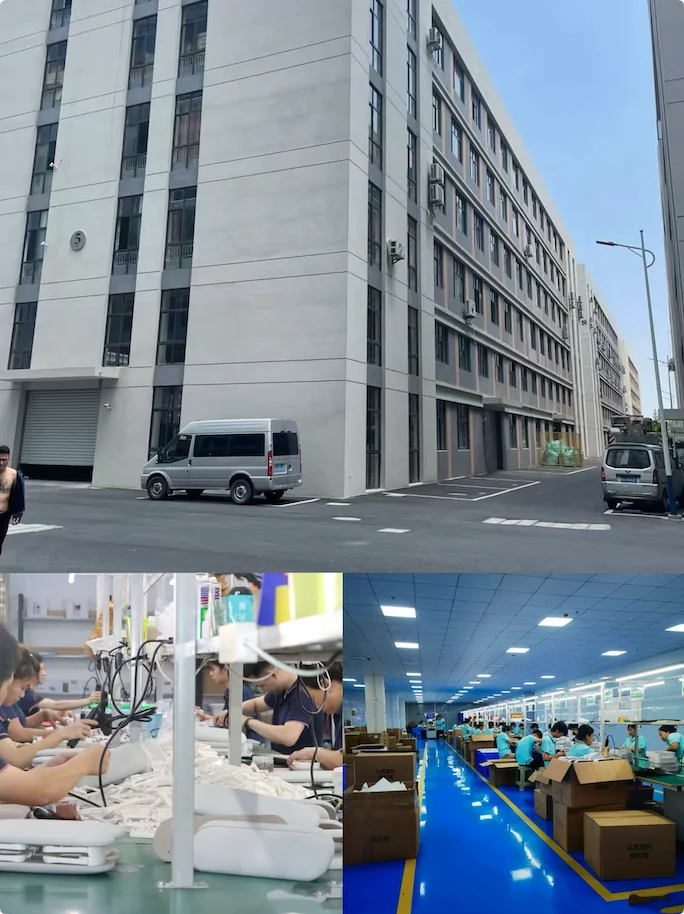
Yiwu Hangyu Handicraft Co., Ltd.
- Manufacturer, Trading Company
- Zhejiang, China
- Lead time15 days
- Avg. response≤ 2h
Main productsGel polish,Extension Gel,Nail tips,Nail devices,Nail art
Main marketsWestern Europe(15.00%), North America(15.00%), Southeast Asia(9.00%), Oceania(9.00%), Southern Europe(8.00%), Eastern Asia(7.00%), Eastern Europe(7.00%), South America(6.00%), Northern Europe(5.00%), Africa(5.00%), Domestic Market(5.00%), Central America(4.00%), Mid East(3.00%), South Asia(2.00%)
Yiwu Yizhi Trading Company Limited
- Trading Company
- Zhejiang, China
- Lead time0 days
- Avg. response≤ 2h
Main productsNail art,nail art decoration,nail art stickers,nail tips/color chat,nail art brush
Main marketsSouth America(20.00%), Eastern Europe(20.00%), North America(10.00%), Southern Europe(5.00%), Northern Europe(5.00%), Central America(5.00%), Western Europe(5.00%), Eastern Asia(5.00%), Mid East(5.00%), South Asia(5.00%), Africa(5.00%), Southeast Asia(5.00%), Oceania(3.00%), Domestic Market(2.00%)
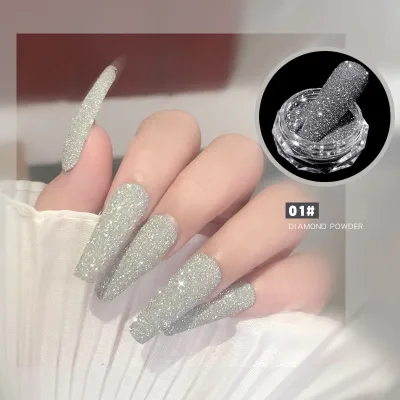
Nail Glitter Powder Colorful Chrome Nail Art Pigment Dust Uv Gel Polish Nails Diamond Powder
$0.52 - $0.90
MOQ: 50 bags
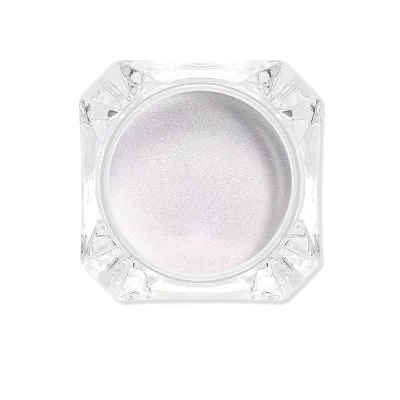
Hot Sale Beauty Cosmetic Glitter 12 Colors Powder Colors Pigment Nails Unicorns Powder for Nail Art
$0.72 - $1.64
MOQ: 40 bags
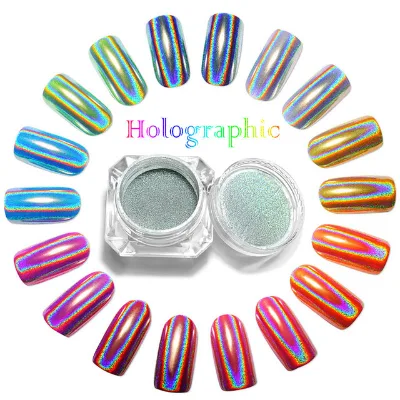
Holographic Nail Chrome Powder Art Solvent Resistance Glitter Decoration Colored Acrylic Nail Powder
$1.24 - $1.34
MOQ: 100 bags

Brilliant Ocean Trading (Yiwu) Co., Ltd.
- Trading Company
- China Zhejiang
- Lead time30 days
Main productsCloth Accessories, Glitter Powder, Hand Bag, Jewelry Accessories, Metallic Yarn, Hardware, Party Supplies, Extension Socket, Shopping Bag, Plush Toy
Main marketsSouth America,Southeast Asia/ Mideast

Guangzhou Isaland Cosmetics Co., Ltd.
- Trading Company, Buying Office, Agent, Distributor/Wholesaler
- Guangdong, China
- Lead time0 days
- Avg. response≤ 7h
Main productsNail Lamp,Nail Art Drill Machine,Nail Decoration,Nail Brush,Nail Art Tips
Main marketsEastern Europe(40.00%), South America(20.00%), North America(10.00%), Northern Europe(5.00%), Mid East(5.00%), Central America(5.00%), Southeast Asia(5.00%), South Asia(3.00%), Eastern Asia(3.00%), Africa(3.00%), Domestic Market(1.00%)

Hebei Jietou Chemical Technology Co., Ltd.
- Verified by SGS
- Trading Company
- China Hebei
- Lead time15 days
Main productsChemical Products
Main marketsSoutheast Asia/ Mideast

Holographic Color Changing Rubbing Dust Pearl Shell Mirror Pigment Nail Art Powder
$2.40 - $3.20
MOQ: 100 kg

Dongguan I-Believe Electronic Appliance Co., Ltd.
- Verified by SGS Group
- Manufacturer, Trading Company
- Lead time15 days
- Avg. response≤ 2h
Main productsNail Lamp, Nail Drill, Nail Dust Collector, Callus Remover, Nail Accessory
Main marketsNorth America(40%), South America(15%), Domestic Market(15%)
Guangzhou Hando Cosmetics Co., Ltd.
- Manufacturer, Trading Company, Distributor/Wholesaler
- Guangdong, China
- Lead time0 days
- Avg. response≤ 2h
Main productschrome powder,chameleon flakes,glitter powder,nail pigment,nail powder
Main marketsNorth America(30.00%), Eastern Asia(20.00%), Eastern Europe(20.00%), Oceania(10.00%), Western Europe(8.00%), Southern Europe(5.00%), Southeast Asia(5.00%), Northern Europe(2.00%)

Guangzhou Skyrann Electronic Tech Co., Ltd.
- Verified by TUVRHEINLAND
- Trading Company,Manufacturer/Factory
- China Guangdong
- Lead time15 days
Main productsNail Lamps&Nail Dryers, UV Gel&Gel Polish, Nail Drills, Nail Tools, Nail Art Decoration, Nail Brushes, Nail Files&Buffers
Main marketsSouth America,Eastern Europe,North America,Southeast Asia,Eastern Asia,Western Europe,Africa


Magic Mirror Powder Optical Chameleon Light Change Eye Shadow Diamond Light Change Eye Shadow
$0.46 - $0.52
MOQ: 20 Pieces




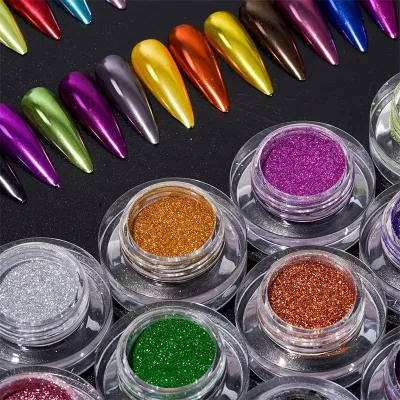
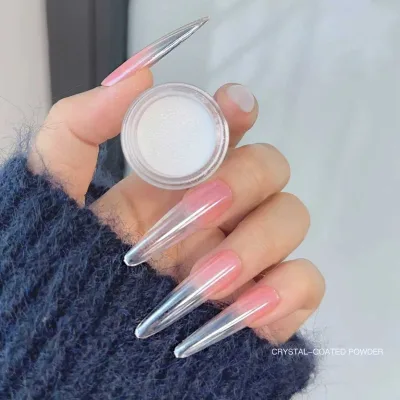
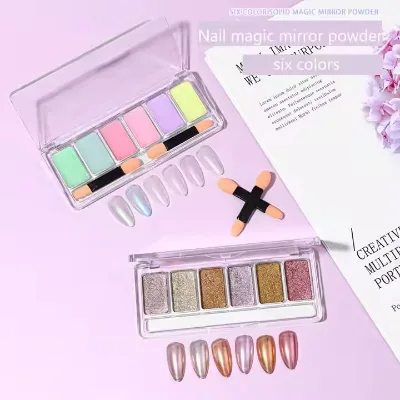
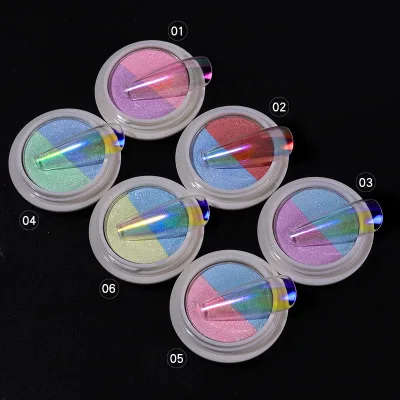
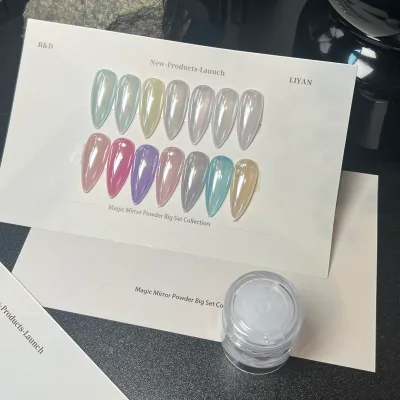
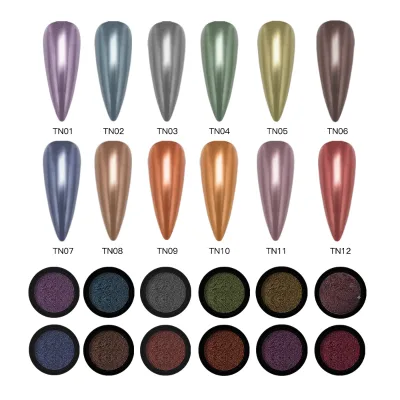
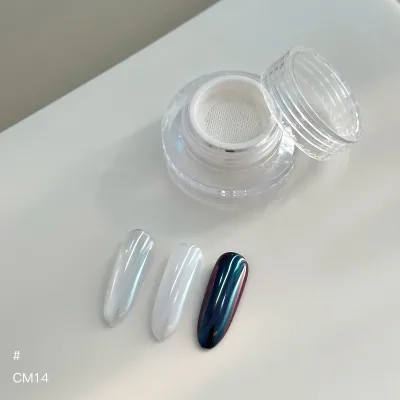
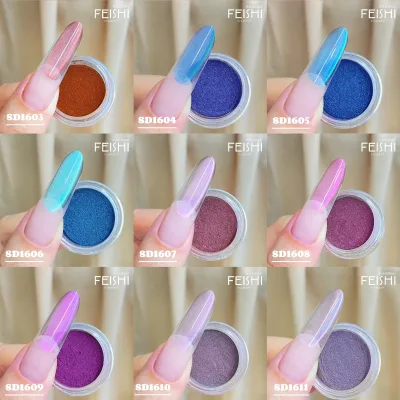
Comprehensive Sourcing Guide
Mirror Effect Nail Powder Supplier Concentration and Factory Types
Current data indicates that verified suppliers for Mirror Effect Nail Powder are concentrated in specific Chinese provinces, with Jiangsu emerging as a primary manufacturing hub. Fact records confirm locations in Huaian, Jiangsu, where facilities produce holographic and chrome pigments with specific particle sizes ranging from 10 to 60 microns. These Jiangsu-based entities often operate as combined entities, offering both Original Design Manufacturing and Original Equipment Manufacturing capabilities alongside their own branded lines. This concentration suggests a specialized cluster where raw material processing and pigment synthesis occur in close proximity, potentially streamlining the supply chain for complex color-shift effects.
In contrast, other regions like Zhejiang host trading companies that aggregate diverse nail art supplies rather than focusing solely on pigment synthesis. These trading entities typically list broader catalogs including UV lamps, files, and decorative tools alongside mirror powders. While they may not own the manufacturing facilities, they serve as critical nodes for buyers seeking consolidated orders. The distinction between a factory in Jiangsu and a trading company in Zhejiang is vital for buyers; factories often provide deeper customization for pigment chemistry, whereas trading companies offer speed in sourcing varied accessories. Buyers must verify the actual company type to align with their specific needs for either production control or logistical convenience.
How to Verify Mirror Effect Nail Powder Suppliers
Verification of supplier credibility relies heavily on third-party audit reports and specific certification claims found in product attributes. Several suppliers in the dataset have achieved SGS verification, a critical step for confirming that the entity exists and meets baseline operational standards. Beyond general verification, product-specific certifications such as FDA, EEC, and REACH are frequently cited for mirror effect powders intended for cosmetic use. These certifications are not merely marketing claims but are listed as product attributes, indicating that the specific pigment batches have undergone safety testing for skin contact and toxicity. Buyers should prioritize suppliers who explicitly list these standards in their product data rather than relying on general company descriptions.
System certifications like ISO9001:2015 provide an additional layer of assurance regarding the supplier's quality management processes. When a supplier displays an ISO9001 certificate, it suggests a structured approach to maintaining consistency in pigment color and particle size distribution. However, buyers must distinguish between a general company certification and product-specific compliance. For instance, some products list REACH certification specifically, while others reference ISO9001:2000, indicating different versions of quality standards. It is essential to cross-reference the certification listed against the specific product model, such as the KT-CH or Moonlight Mirror Series, to ensure the safety claims apply to the exact item being ordered.
What to Compare Across Mirror Effect Nail Powder Suppliers
When evaluating potential partners, lead time and minimum order quantity (MOQ) are primary differentiators that impact inventory planning and cash flow. The observed data reveals a significant variance in lead times, with some suppliers offering a 15-day turnaround while others require 30 days. Similarly, MOQs fluctuate widely, ranging from a single unit for sample orders to 200 units for standard commercial batches. A supplier with a 15-day lead time and a low MOQ might be ideal for testing new color formulations, whereas a supplier with a 30-day lead time and higher volume requirements may offer better economies of scale for established product lines. Buyers must align these metrics with their sales velocity and storage capacity.
Price and customization capabilities form the second critical comparison dimension. Unit prices for mirror effect powders vary from approximately $0.75 to over $550 depending on the product type, packaging, and order volume. Some suppliers offer extensive customization options, allowing for specific color shifts or particle sizes, while others provide fixed standard colors like silver or violet. The availability of samples is another key factor; many suppliers list samples as available, which is crucial for verifying the quality of the holographic or chrome effect before committing to a large order. Buyers should compare the cost per unit against the customization flexibility to determine the best value proposition for their specific market segment.
Common Mirror Effect Nail Powder Sourcing Risks
One significant risk involves the discrepancy between claimed product attributes and actual material composition. While some products are labeled as "Natural" or "Synthetic," others specify the chemical composition as Oxide, such as Cobalt Blue or Chrome Oxide Green. This variation can lead to confusion regarding the durability and safety of the pigment, especially if the buyer assumes a natural origin when the product is chemically synthesized. Furthermore, solubility claims of "Insolubility" are common, but buyers must verify if this applies to the specific solvent or medium they intend to use, such as nail polish or resin. Misunderstanding these chemical properties can result in product failure during application or customer complaints regarding fading and texture.
Another risk stems from inconsistent packaging standards and shipping logistics. Product attributes indicate various packing methods, including cartons, drums, and specialized bags, with weights ranging from 25 kilograms to 450 kilograms per pallet. If a buyer does not specify the required packaging format, they may receive goods in a configuration that is difficult to handle or store. Additionally, the origin location, such as Huaian, Jiangsu, or general China, affects shipping times and potential customs duties. Buyers must ensure that the supplier's packing standards match their logistical capabilities to avoid damage during transit or unexpected costs at the destination port.
Mirror Effect Nail Powder Regional Sourcing and Logistics
The geographic concentration of suppliers in Jiangsu and Zhejiang provinces dictates the logistics strategy for international buyers. Fact records confirm that many manufacturers are located in Huaian, Jiangsu, which is a known industrial hub for pigment production. Sourcing from this region often involves direct shipping from the factory, which can reduce intermediate handling costs. However, buyers must account for the specific port of departure and the distance to their destination. The 15-day lead time observed for some Jiangsu suppliers suggests efficient local production, but international freight times will add to the total delivery window. Understanding the specific origin city helps in estimating accurate arrival dates and selecting the most cost-effective shipping method.
For buyers sourcing from trading companies in Zhejiang, the logistics chain may involve additional consolidation steps. These trading entities often aggregate products from multiple factories, which can streamline the ordering process but may introduce variability in shipping times. The 30-day lead time associated with some trading companies reflects the time needed to coordinate goods from different sources. Buyers should verify if the supplier offers consolidated shipping to reduce freight costs or if they prefer to ship individual items separately. The choice between a direct factory source and a trading company hub will significantly impact the overall supply chain efficiency and the ability to meet tight delivery deadlines for seasonal nail art trends.
Mirror Effect Nail Powder Commercial Terms and Order Planning
Commercial terms regarding pricing and payment structures vary significantly across the supplier base, requiring careful negotiation. Price ranges observed span from $0.75 to $550.50, heavily influenced by the product model, such as the KT-CH or Moonlight Mirror Series, and the quantity ordered. Some suppliers offer flexible pricing tiers, while others maintain fixed rates based on standard packaging like 25 kilograms per carton. Buyers must clarify whether the quoted price includes packaging materials, such as drums or cartons, and if there are additional charges for custom labeling or specialized packing. Understanding the full cost structure is essential to avoid hidden fees that could erode profit margins on the final retail product.
Order planning must also account for the availability of samples and the customization process. Many suppliers list samples as available, which is a critical step before placing a bulk order. However, the lead time for samples may differ from the lead time for mass production. Buyers should plan their timeline to include sample testing, approval, and any necessary adjustments to the pigment formula or color shift effect. Additionally, the MOQ of 100 or 200 units for standard orders requires buyers to forecast demand accurately to avoid overstocking or stockouts. Aligning the sample approval process with the production lead time ensures a smooth transition from prototyping to full-scale manufacturing.
FAQs
What is the price range for Mirror Effect Nail Powder?
Prices typically range from $0.75 to $550.50 per unit depending on the specific product type and order volume. Basic chrome powders start at lower price points, while specialized holographic or moonlight mirror effects may cost more. Buyers should check the minimum order quantity to determine the exact unit cost for their needs.
What certifications are available for these pigments?
Suppliers offer various certifications including ISO9001:2015, SGS, FDA, EEC, and REACH. These ensure the pigments meet international safety and quality standards for cosmetic and industrial use. Buyers should verify specific product listings for the exact certification documents provided by the manufacturer to ensure compliance with local regulations.
What is the typical lead time for orders?
Lead times generally range from 15 to 30 days depending on the supplier and order size. Combined manufacturers in Jiangsu often have faster turnaround times compared to trading companies in Zhejiang. Buyers should confirm the exact delivery schedule with the supplier before placing an order to avoid production delays.
What is the minimum order quantity for samples?
Minimum order quantities vary significantly, with some suppliers accepting orders as low as 1 unit for samples or small batches. Others require a minimum of 100 or 200 units for standard production runs. Buyers should check the specific product page to see if samples are available and what the MOQ is for bulk purchases.
Where are these suppliers located?
Suppliers are primarily located in China, specifically in Jiangsu and Zhejiang provinces. Jiangsu is known for combined manufacturers producing pigments, while Zhejiang hosts trading companies offering nail art tools. Buyers can filter results by location to find suppliers closer to their shipping preferences or logistical requirements.
What customization options are available for pigments?
Customization is available for many products, including OEM, ODM, and own brand services. Buyers can request specific colors, particle sizes, or packaging options. Suppliers in Jiangsu often provide these services for bulk orders. Buyers should contact the supplier directly to discuss specific customization requirements and any associated costs or minimums.