Modern Durable Smoking Kiosk Suppliers and Manufacturers
Source 29 verified suppliers for Modern Durable Smoking Kiosk units. Compare grounded dimensions including China Guangdong location, ISO and CE certifications, OEM capabilities, and lead times of 23-30 days. Review product specifications and request quotes directly; review the available evidence before requesting comparable quotations from suitable candidates.
Suppliers List

Guangzhou Huasheng Metal Materials Co., Ltd.
- Verified by SGS
- Combined
- China Guangdong
- Lead time30 days
- Avg. response≤ 14h
Main productsKiosk, Kitchen Cabinet, Bus Stop Shelter, Light Box, Metal Products, Advertising Billboard, Metal Products Manufacturer, Water Heater, Outdoor Furniture, Mailbox
Main marketsEurope

Guangdong Dingling Intelligent Technology Co., Ltd.
- Verified by CTI
- Combined
- China Guangdong
- Lead time23 days
- Avg. response≤ 1h
Main productsSheet Metal, Network Cabinet, Sheet Metal Fabrication, Metal Enclosure
Main marketsDomestic

Shenzhen Grandtop Electronics Co., Ltd.
- Trading Company,Manufacturer/Factory
- China Guangdong
- Lead time30 days
- Avg. response≤ 17h
Main productsPCB Assembly, Robotic Control PCB Assembly, Industrial Control PCBA, Medical PCBA, Financial PCBA, Contract Manufacturer, Automatic Control PCB Assembly, OEM &ODM PCBA, Turnkey Service PCBA, One Stop PCB Assembly
Main marketsSouth America,Eastern Europe,Mid East,North America,Southeast Asia,Eastern Asia,Western Europe,Africa

Shenzhen Hongzhou Smart Technology Co., Ltd.
- Combined
- China Guangdong
- Lead time30 days
- Avg. response≤ 16h
Main productsSelf Service Kiosk, Embedded Industrial Motherboard, PCBA, Smart POS, Medical PCBA, EMS/Ecm, Sheet Metal Fabrication, Stainless Steel Cabinet, Cable and Wire Harness
Main marketsDomestic

Shenzhen Optim Technology Co., Ltd.
- Manufacturer/Factory
- China Guangdong
- Lead time23 days
- Avg. response≤ 2h
Main productsDigital Signage, Interactive Flat Panel, Kiosk, Monitor, Touch Screen, All in One PC, Industrial PC, LED Screen, 3D Holographic Display, Android Tablet
Main marketsSouth America,Eastern Europe,Mid East,North America,Southeast Asia,Eastern Asia,Oceania,Western Europe,Africa

Guangzhou Zhongda Smart Technology Co., Ltd.
- Verified by TUVRHEINLAND
- Combined
- China Guangdong
- Lead time15 days
- Avg. response≤ 2h
Main productsVending Machines, Vape Vending Machines, Snack and Drink Vending Machine, Eyelash Vending Machine, Hair Vending Machine, Fingernail Vending Machine, Snack Vending Machine, Food Vending Machine
Main marketsSouth America,Africa,Southeast Asia/ Mideast,East Asia(Japan/ South Korea),Domestic,Europe,Australia,North America


32-Inch Touchscreen Display with Age Verification Cigarette Dispenser Machine
$790.00 - $920.00
MOQ: 1 Pieces

Shanghai ZEMSO Urban Furniture Technology Co., Ltd.
- Verified by BV
- Combined
- China Shanghai
- Lead time60 days
- Avg. response≤ 3h
Main productsBus Shelter, Bus Stop Digital Signage, Outdoor LCD&LED Digital Signage, Container House, Smart Bench
Main marketsDomestic


Self-Service Vending Kiosk with Portable Air Conditioning and Lighting
$3000.00 - $3500.00
MOQ: 1 Pieces


Foshan Rui Guan Xing Electronic Co., Ltd.
- Verified by SGS
- Combined
- China Guangdong
- Lead time15 days
- Avg. response≤ 9h
Main productsAll in One PC, Monitor, All in One Computer, Tablet PC, Laptop, Desktop Computer, LCD Monitor, Touch Monitor, Touch PC, Touch Screen Panel
Main marketsDomestic

Dual-Customer Screen Business Kiosk with Keyboard and Mouse Accessories
$180.00 - $189.00
MOQ: 1 Pieces

Dual-Customer Screen Aio with NFC-Enabled Business Features and Accessories
$180.00 - $189.00
MOQ: 1 Pieces

- Combined
- China Guangdong
- Lead time15 days
- Avg. response≤ 17h
Main productsMetal Keyboard, Stainless Steel Keyboard, Industrial Keyboard, Silicone Keyboard, Medical Keyboard, Metal Keypad, Metal Trackball, Tablet Stand, Android Kiosk, Touchscreen Kiosk
Main marketsSouth America,Africa,Southeast Asia/ Mideast,East Asia(Japan/ South Korea),Europe,Australia,North America

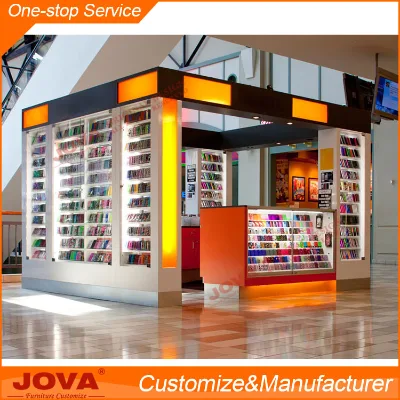
Guangzhou Jova Display Furniture Co., Ltd.
- Manufacturer, Trading Company
- Guangdong, China
- Lead time25 days
- Avg. response≤ 4h
Main productsCustom Shop Furniture,Store Displays,Jewelry Showcase,Mall Kiosk,Commercial Furniture
Main marketsDomestic Market(40.00%), North America(20.00%), Mid East(13.00%), Western Europe(5.00%), Oceania(5.00%), Northern Europe(3.00%), Southeast Asia(3.00%), South Asia(2.00%), Africa(2.00%), Southern Europe(2.00%), Eastern Europe(2.00%), South America(1.00%), Central America(1.00%), Eastern Asia(1.00%)

Guangzhou Sinsi Intelligent Manufacturing Technology Co., Ltd.
- Verified by SGS
- Combined
- China Guangdong
- Lead time15 days
- Avg. response≤ 4h
Main productsVending Machine, Snack and Drink Vending Machine, Wall Mounted Vending Machine, Vape Vending Machine, Small Vending Machine, Beauty Vending Machine
Main marketsSoutheast Asia/ Mideast,East Asia(Japan/ South Korea),Europe,Australia,North America

Smart Cigarette Vending Machine with 32-Inch Touch Screen Sdk Function
$1063.00 - $1205.00
MOQ: 1 Sets


Shenzhen Belicase Display Co., Ltd.
- Verified by TüVRheinland
- Trading Company
- Lead time20 days
Main productsShowcase
Main marketsNorth America(35%), Western Europe(30%), Oceania(20%)
Guangzhou Ouyee Industrial Co., Ltd.
- Manufacturer, Trading Company
- Lead time旺季: "1 - 30":30,"> 30":"To be negotiated", 淡季: "1 - 30":30,"> 30":"To be negotiated"
Main productsDisplay Racks
$200.00 - $499.00
MOQ: 5 Minimum
$226.32 - $237.58
MOQ: 5 sets
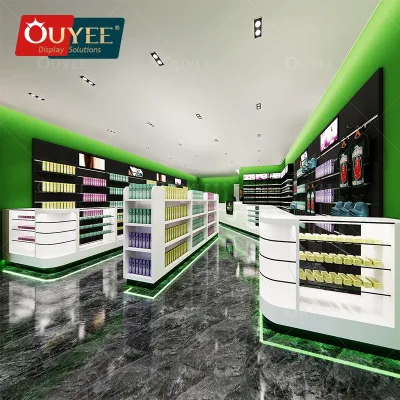
$264.62 - $488.52
MOQ: 5 sets
Anhui Angran Green Technology Co., Ltd.
- Verified by SGS Group
- Manufacturer, Trading Company
- Lead time7 days
Main productsPhotoluminescent Anti Slip Stair Nosing/, Fire Signs, Reflective Signs, Custom Signs, Photoluminescent Safety Warning Signs
Main marketsDomestic Market(40%), North America(30%), Western Europe(20%)

Zhongshan Dashunda Display Products Co., Ltd.
- Manufacturer, Trading Company
- Guangdong, China
- Lead time20 days
- Avg. response≤ 1h
Main productsAdvertising equipment,Warehousing and supermarket supplies,display case,display stand,Shop glass display cabinet
Main marketsDomestic Market(30.00%), Africa(30.00%), Southeast Asia(20.00%), South Asia(10.00%), Mid East(10.00%)

GUANGDONG YAODA HOUSE TECHNOLOGY CO., LTD.
- Manufacturer, Trading Company
- Guangdong, China
- Lead time20 days
- Avg. response≤ 4h
Main productsPrefabricated houseHouse (Metal Products),Container house,Module construction,Steel Structure,Villa
Main marketsSoutheast Asia(40.00%), Africa(20.00%), Mid East(20.00%), Domestic Market(15.00%), South America(5.00%)
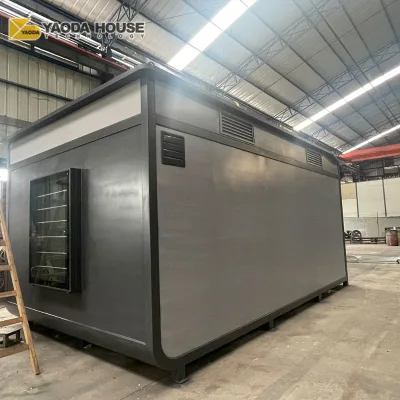
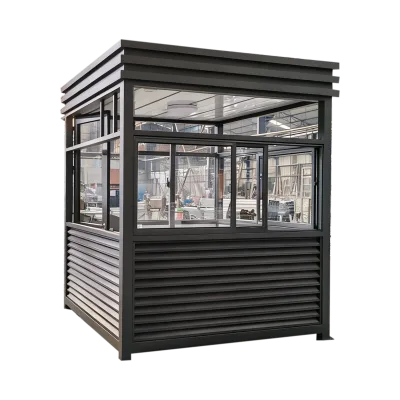
Smoking Booth Portable Kiosk Booths Security Guard Booth Ticket Outdoor Kiosk
$760.28 - $2794.50
MOQ: 1 Minimum
Shenzhen Dahe Display Company Limited
- Trading Company
- Guangdong, China
- Lead time10 days
- Avg. response≤ 3h
Main productsGlass Showcase, Dispaly Rack, Shop Furniture, Metal Display, Mall Kiosk
Main marketsNorth America(90.00%), South America(2.00%), Western Europe(2.00%), Southern Europe(2.00%), Northern Europe(2.00%), Eastern Europe(2.00%)
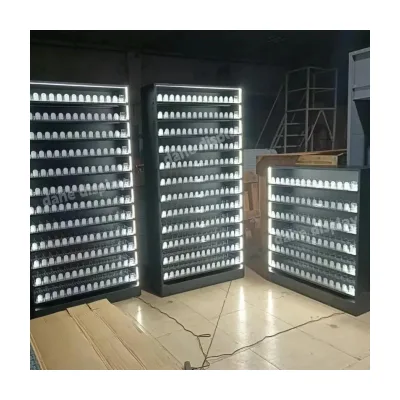
$200.00 - $500.00
MOQ: 5 Minimum
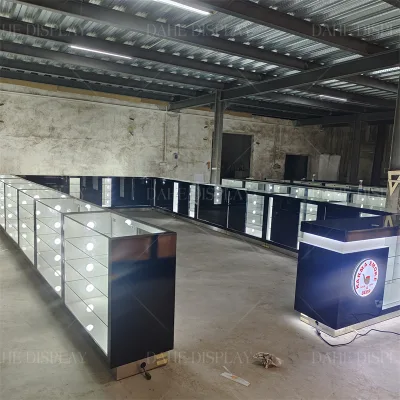
Tobacco Shop Smoke Shop Whole Custom All Style Showcases LED Stand with Lock Glass MDF Showcases
$300.00 - $730.00
MOQ: 1 Minimum
PRM Industrial Global Co., Limited
- Manufacturer/Factory
- China Guangdong
- Lead time23 days
- Avg. response≤ 25h
Main productsBelt Barriers, Crowd Control Stanchions, Retractable Belt Barriers
Main marketsSouth America,Eastern Europe,North America,Southeast Asia,Africa

Smoking Stand Side Openings for Ease of Use
MOQ: 50 Pieces

MOQ: 50 Pieces

Arrival Technology (Xiamen) Co., Ltd.
- Verified by SGS
- Combined
- China Fujian
- Lead time45 days
- Avg. response≤ 4h
Main marketsSouth America,Southeast Asia/ Mideast,East Asia(Japan/ South Korea),Domestic,Europe,Australia,North America


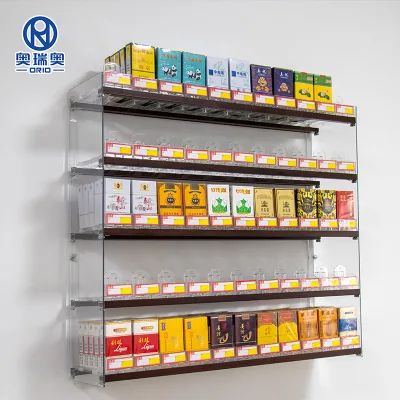
Acrylic Smoke Shop Display Shelf Tobacco Cigarette Display Rack for Sale
$42.21 - $48.51
MOQ: 100 Pieces
Guangdong Yaoda House Technology Co., Ltd.
- Manufacturer, Trading Company
- Guangdong, China
- Lead time14 days
- Avg. response≤ 6h
Main productsPrefabricated House/Container House, Warehouse, Villas, Steel Structure
Main marketsAfrica(30.00%), Domestic Market(28.00%), Southeast Asia(18.00%), Mid East(12.00%), South Asia(5.00%), South America(4.00%), Eastern Asia(3.00%)
Guangzhou Orio Technology Co., Ltd.
- Verified by SGS Group
- Manufacturer, Trading Company
- Lead time10 days
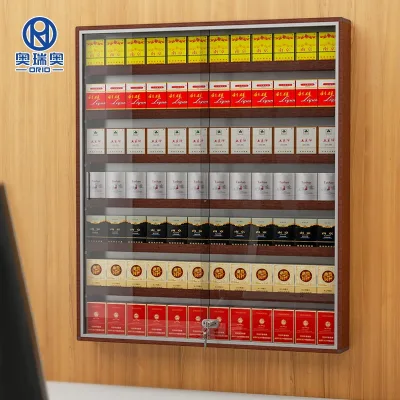
Main productsRoller Shelf, Shelf Pusher System, Cigarette Display, Display Rack, Wire Shelf
Main marketsDomestic Market(40%), North America(25%), Western Europe(10%)
Guangzhou Hongtai Display Products Co., Ltd.
- Verified by Intertek
- Trading Company
- Lead time7 days
Main productsGlass Display Cabinet, Smoke Shop, Store Fixtures, Shop Fitting, Jewelry Showcase
Main marketsNorth America(80%), South America(5%), Eastern Europe(5%)

Guangzhou Ouyee Industrial Co., Ltd
- Verified by SGS
- Combined
- China Guangdong
- Lead time30 days
- Avg. response≤ 1h
Main marketsSouth America,Africa,Southeast Asia/ Mideast,Domestic,Europe,Australia,North America

Modern Tobacco Display Case Smoke Store Display Showcase LED Light Cigar Shop
$180.00 - $280.00
MOQ: 5 Sets

Smoke Store Display Furniture Glass Counters Smoke Showcase Cabinets Tobacco Shop Display
$180.00 - $280.00
MOQ: 5 Sets

LED Showcase Rack Tobacco Display Showcase Retail Store Smoke Shop Display Hookah
$180.00 - $280.00
MOQ: 5 Sets

Smoke Shop Glass Display Cabinet Tobacco Display Cases Shop with Lights
$180.00 - $280.00
MOQ: 5 Rolls

High End Custom Smoke Cigar Shop Display Glass Cabinet Tobacco Display Counter
$180.00 - $280.00
MOQ: 5 Sets

3D Design Cigar Humidor Cabinets Display Shelf Smoke Shop Tobacco Glass Stand
$180.00 - $280.00
MOQ: 5 Sets

Skyvision Technology Co., Ltd.
- Verified by TUVRHEINLAND
- Combined
- China Guangdong
- Lead time15 days
- Avg. response≤ 10h
Main productsVideo Card, Digital Photo Frame, Ad Player, Acrylic Product, Educational Tablet
Main marketsEast Asia(Japan/ South Korea),Europe,North America

Lockable Acrylic Display Cabinet with Integrated Lighting for Tobacco Retail Counters
$0.88 - $6.88
MOQ: 50 Pieces


Acrylic Display Cabinet with Lock and Light at Retail Counter of Tobacco Shop
$0.88 - $6.88
MOQ: 50 Pieces

Lockable Acrylic Display Cabinets for Retail Counters in Tobacco Retail Outlets
$0.88 - $6.88
MOQ: 50 Pieces

GUANGDONG DONGJI INTELLIGENT DEVICE CO.,LTD.
- Verified by BV
- Combined
- China Guangdong
- Lead time15 days
- Avg. response≤ 4h
Main productsFresh Orange Juice Vending Mach, OEM ODM Jdm Smart Machine, Sheet Metal Fabrication, Metal Fabrication, Sheet Metal Machine Housing Assembly Fabrication, Stainless Steel Laser Cutting Service, Metal Display; Stand; Rack; Shelf, Sheet Metal Bending and Welding, Metal Enclosure, Vending Machine
Main marketsSoutheast Asia/ Mideast,East Asia(Japan/ South Korea),Europe,Australia,North America


Custom Stainless Steel Kiosk with Electronic Assembly for Retail Displays
$30.00 - $50.00
MOQ: 100 Pieces


Gondo Displays (Xiamen) Industry & Trade Co., Ltd.
- Verified by TUVRHEINLAND
- Trading Company
- China Fujian
- Lead time23 days
- Avg. response≤ 2h
Main productsAcrylic Display, Wood Display, Metal Display, Display Stand, Store Fixture, Jewelry Display, Cosmetic Display, Clothes Rack, Supermarket Rack, Furniture
Main marketsEurope,Australia,North America

$9.99 - $19.99
MOQ: 100 Pieces

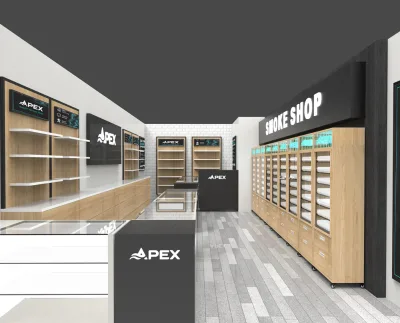
Shenzhen Apex Store Solutions CO., LTD.
- Verified by SGS Group
- Manufacturer, Trading Company
- Guangdong, China
- Lead time15 days
- Avg. response≤ 3h
Main productsCustom Display Rack, Acrylic Display Stand, Cosmetic Display Stand, Smoke Shop Display, Custom Acrylic Products
Main marketsWestern Europe(30%), North America(25%), Mid East(25%)
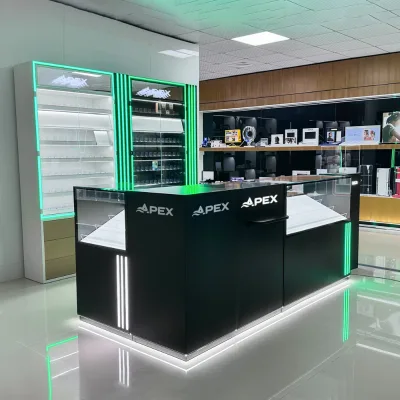
$299.00 - $699.00
MOQ: 30 Minimum
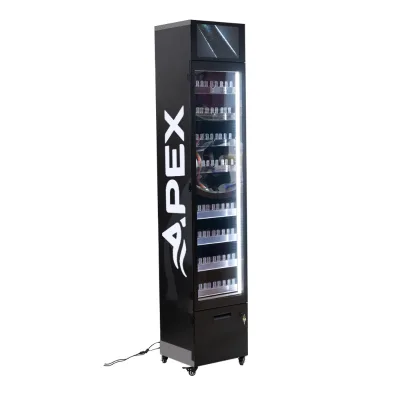
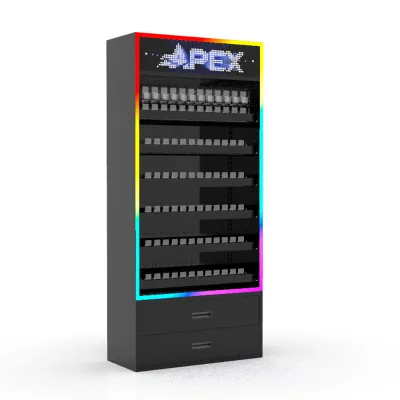
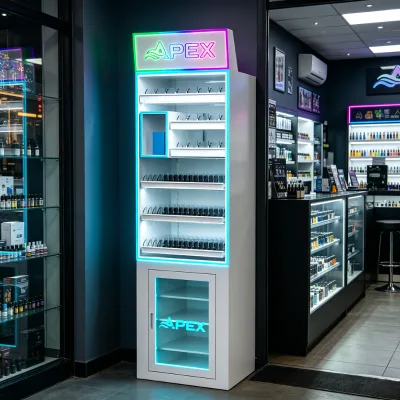
Shenzhen Jinjiahe Display Co., Ltd.
- Manufacturer, Trading Company
- Guangdong, China
- Lead time60 days
- Avg. response≤ 2h
Main productsShowcases
Main marketsNorth America(50.00%), Western Europe(10.00%), Eastern Europe(7.00%), South America(5.00%), Oceania(5.00%), Southern Europe(5.00%), Northern Europe(5.00%), Mid East(5.00%), Southeast Asia(5.00%), Eastern Asia(3.00%)

Shenzhen Letine Technology Co., Ltd.
- Verified by CTI
- Combined
- China Guangdong
- Lead time15 days
- Avg. response≤ 6h
Main productsPC Monitor, Advertising Player, Demo Server, Gaming Monitor, Rugged Tablet, Ai Solution, Graphics Card, Motherboard
Main marketsSouth America,Africa,Southeast Asia/ Mideast,Europe,Australia,North America


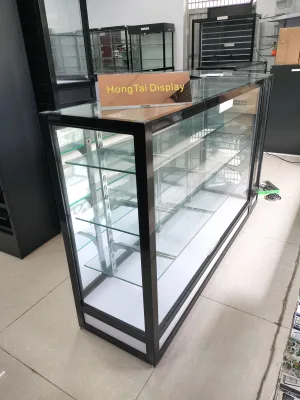
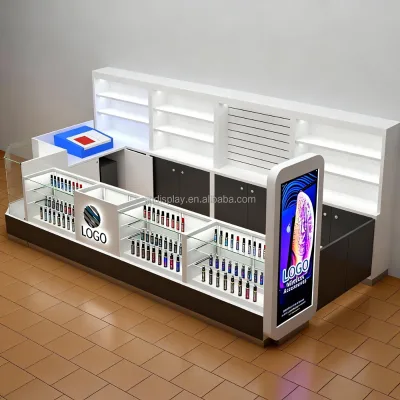
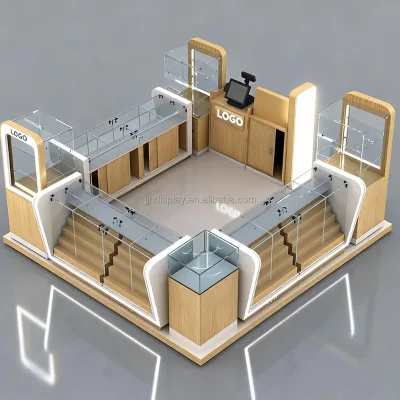
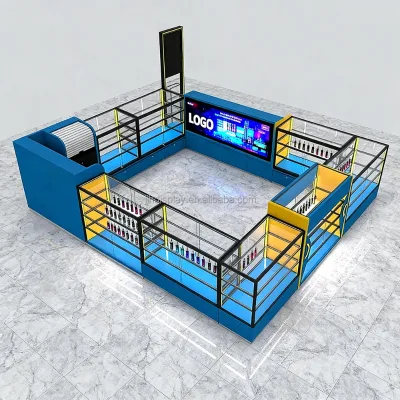


Comprehensive Sourcing Guide
Modern Durable Smoking Kiosk Supplier Concentration and Factory Types
The current supplier landscape for Modern Durable Smoking Kiosk products reveals a distinct concentration of manufacturing capabilities within specific industrial regions, particularly in China’s Guangdong province. This geographic clustering is significant because it indicates a mature supply chain ecosystem where specialized metal fabrication, sheet metal processing, and assembly services coexist in close proximity. Buyers evaluating these suppliers will often encounter combined company types that blend trading operations with direct manufacturing capacities, allowing for greater flexibility in order sizes and customization requests. The presence of verified entities, such as those authenticated by SGS or CTI, provides an additional layer of confidence regarding the operational legitimacy and quality control standards maintained by these factories. When assessing potential partners, it is crucial to distinguish between pure trading companies and those with actual production facilities, as the latter often offer more competitive pricing and better control over lead times for complex metal structures.
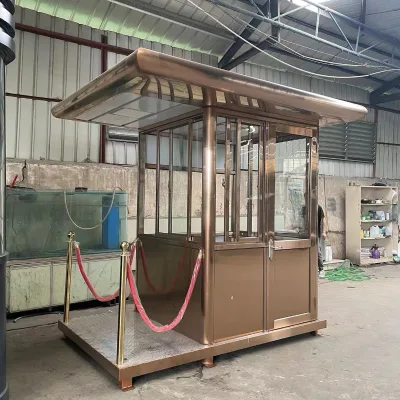
Within this concentrated region, the types of factories producing Modern Durable Smoking Kiosk units vary significantly in their core competencies and product portfolios. Some manufacturers specialize in broad categories like outdoor furniture, advertising billboards, and metal products, leveraging their existing infrastructure to produce robust kiosk structures that meet specific durability requirements. Others focus more narrowly on sheet metal fabrication, network cabinets, and metal enclosures, which suggests a high level of precision in welding, cutting, and surface treatment processes essential for long-lasting outdoor installations. The diversity in main products among these suppliers indicates that buyers can find partners who either offer comprehensive solutions including installation and design or those who provide raw fabrication services for custom projects. Understanding this variation helps buyers align their specific needs, whether they require a standardized unit or a highly customized structure, with the appropriate factory type that possesses the necessary machinery and expertise to deliver the desired outcome efficiently.
How to Verify Modern Durable Smoking Kiosk Suppliers
Verifying the legitimacy and capability of suppliers offering Modern Durable Smoking Kiosk solutions requires a multi-faceted approach that goes beyond simple profile reviews. Buyers should prioritize suppliers who have undergone third-party verification processes, such as those conducted by SGS or CTI, as these audits provide objective evidence of the company’s business scope, factory conditions, and operational history. The presence of such verification badges serves as a critical indicator that the supplier has been physically inspected and meets certain baseline standards for reliability and transparency. Additionally, examining the system certifications held by the supplier, such as ISO9001:2015, offers insight into their quality management systems and their commitment to standardized production processes. These certifications are particularly important for Modern Durable Smoking Kiosk manufacturers, as they ensure that the production of metal structures adheres to consistent quality benchmarks, reducing the risk of defects in materials or assembly that could compromise the longevity of the final product.
Beyond certifications and verification badges, buyers must actively assess the responsiveness and technical competence of the supplier’s communication team. A key metric to consider is the supplier’s average response time, which can vary significantly across different entities in the market. Suppliers with faster response times, often measured in hours rather than days, typically demonstrate a more agile and customer-centric operational model, which is crucial for resolving technical queries regarding custom dimensions, material specifications, or installation requirements. Furthermore, buyers should request detailed product evidence, including specific model numbers, material compositions, and surface treatment methods, to ensure that the supplier’s offerings align with the durability and aesthetic requirements of the project. By cross-referencing these technical details with the supplier’s stated capabilities and verification status, buyers can build a comprehensive profile of each potential partner, ensuring that they select a supplier who is not only legitimate but also capable of delivering high-quality, durable smoking kiosk structures that meet their specific project needs.
What to Compare Across Modern Durable Smoking Kiosk Suppliers
When evaluating multiple suppliers for Modern Durable Smoking Kiosk projects, buyers must systematically compare key operational metrics to identify the most suitable partner for their specific requirements. One of the most critical factors to analyze is the lead time, which indicates how quickly a supplier can deliver the finished product after order confirmation. Suppliers may offer varying lead times, ranging from approximately twenty-three days to thirty days or more, depending on the complexity of the customization and the current production load. Comparing these timelines helps buyers plan their project schedules effectively, ensuring that the kiosk units will be available when needed for installation. Additionally, the minimum order quantity (MOQ) is a significant differentiator among suppliers, with some accepting orders as low as one unit, which is ideal for small-scale or pilot projects, while others may require higher volumes, such as ten units or more, to initiate production. Understanding these MOQ variations allows buyers to align their procurement strategy with their budget and project scale.
Another essential dimension for comparison is the pricing structure and the flexibility of customization options offered by each supplier. Prices for Modern Durable Smoking Kiosk units can vary widely, with some models starting at lower price points for basic structures and increasing significantly for units with advanced features like LED displays, touch screens, or specialized materials such as stainless steel or aluminum. Buyers should carefully review the price ranges provided for different models to ensure they fit within their budget constraints while still meeting quality expectations. Furthermore, the extent of customization available, including size, color, material, and functional components, should be compared across suppliers. Some manufacturers may offer extensive OEM and ODM services, allowing for complete tailoring of the kiosk to specific branding or functional needs, while others may provide more limited customization options. By thoroughly comparing these factors, including lead times, MOQs, pricing, and customization capabilities, buyers can make informed decisions that balance cost, quality, and delivery speed to achieve the best overall value for their Modern Durable Smoking Kiosk procurement.
Common Modern Durable Smoking Kiosk Sourcing Risks
Sourcing Modern Durable Smoking Kiosk units from international suppliers introduces several potential risks that buyers must proactively manage to ensure project success. One significant risk is the discrepancy between the advertised product specifications and the actual delivered goods, particularly regarding material quality and durability. Suppliers may claim to use high-grade stainless steel or aluminum, but without rigorous quality control measures, the actual materials used might be inferior, leading to premature corrosion or structural failure in outdoor environments. This risk is exacerbated when buyers do not request detailed material certificates or conduct pre-shipment inspections, leaving them vulnerable to receiving products that do not meet the required standards for longevity and safety. Additionally, the complexity of customizing Modern Durable Smoking Kiosk units can lead to misunderstandings regarding dimensions, functional components, or aesthetic details, resulting in products that are not fit for their intended purpose. Clear and detailed communication of specifications is essential to mitigate this risk, but even then, discrepancies can occur if the supplier lacks the technical expertise to execute complex customizations accurately.
Another common risk involves logistical challenges and delays in delivery, which can disrupt project timelines and incur additional costs. Suppliers may face production bottlenecks, raw material shortages, or shipping disruptions that extend lead times beyond the initially quoted periods. This is particularly relevant for suppliers with longer lead times or those operating in regions prone to logistical constraints. Buyers must also be cautious of hidden costs associated with shipping, insurance, and customs clearance, which can significantly increase the total cost of ownership if not accounted for in the initial pricing comparison. Furthermore, the lack of standardized certifications or quality assurance processes among some suppliers can lead to inconsistent product quality, making it difficult to maintain uniformity across multiple kiosk installations. To mitigate these risks, buyers should establish clear contractual terms regarding delivery schedules, quality standards, and penalties for non-compliance, while also maintaining open lines of communication with the supplier to monitor production progress and address any issues promptly.
Modern Durable Smoking Kiosk Regional Sourcing and Logistics
The regional concentration of Modern Durable Smoking Kiosk manufacturers, particularly in China’s Guangdong province, offers distinct advantages for sourcing and logistics planning. This industrial hub is well-established for its expertise in metal fabrication, sheet metal processing, and assembly, providing buyers with access to a wide range of suppliers who possess the necessary infrastructure to produce high-quality kiosk structures. The proximity of these factories to major ports and logistics networks facilitates efficient shipping and reduces transit times, which is crucial for ensuring timely delivery of large or heavy metal structures. Buyers sourcing from this region can benefit from the mature supply chain ecosystem, which includes readily available raw materials, specialized labor, and supporting services such as surface treatment and packaging. This concentration also allows for easier coordination of factory audits and quality inspections, as buyers or their representatives can visit multiple suppliers in a single trip, streamlining the supplier selection and verification process.
However, buyers must also consider the logistical implications of shipping Modern Durable Smoking Kiosk units from international locations, including packaging requirements and freight costs. Due to the size and weight of these structures, proper packaging is essential to prevent damage during transit, with suppliers often using bubble film, wooden cases, and foil to protect the units. Buyers should verify that the supplier’s packaging methods meet international shipping standards to minimize the risk of damage upon arrival. Additionally, the choice of shipping method, whether by sea or air, will impact both the cost and the delivery timeline, with sea freight being more cost-effective for large orders but taking longer, while air freight offers faster delivery at a higher cost. Buyers should work closely with their suppliers to determine the most efficient shipping strategy based on their project timeline and budget constraints. Furthermore, understanding the import regulations and customs procedures in the destination country is crucial to avoid delays or additional fees, ensuring a smooth and efficient logistics process for the successful delivery of Modern Durable Smoking Kiosk units.
Modern Durable Smoking Kiosk Commercial Terms and Order Planning
Effective commercial terms and strategic order planning are vital for securing the best value and ensuring the successful delivery of Modern Durable Smoking Kiosk units. Buyers should carefully negotiate payment terms that balance risk and cash flow, such as utilizing escrow services or partial payment structures that release funds upon verification of production milestones or shipment. This approach protects the buyer from financial loss in case of non-delivery or significant quality issues, while also providing the supplier with the necessary capital to procure materials and commence production. Additionally, buyers should clarify the Incoterms used in the contract, such as FOB, CIF, or DDP, to determine who is responsible for shipping, insurance, and customs clearance costs. Understanding these terms helps in accurately calculating the total landed cost of the kiosk units, preventing unexpected expenses that could impact the project budget. Clear communication regarding these commercial terms ensures that both parties have a shared understanding of their responsibilities and obligations throughout the procurement process.
Order planning for Modern Durable Smoking Kiosk projects requires careful consideration of lead times, production capacity, and customization requirements to avoid delays and ensure timely delivery. Buyers should provide detailed specifications and design files as early as possible to allow the supplier to assess feasibility and provide accurate quotes and lead times. It is also important to account for potential variations in production schedules due to factors such as raw material availability or seasonal demand fluctuations. By establishing a realistic timeline and maintaining regular communication with the supplier, buyers can monitor production progress and address any issues promptly. Furthermore, buyers should plan for post-delivery activities, such as installation, testing, and maintenance, ensuring that all necessary resources and expertise are in place to deploy the kiosk units effectively. By integrating these commercial and planning considerations into their sourcing strategy, buyers can mitigate risks, optimize costs, and achieve a successful outcome for their Modern Durable Smoking Kiosk procurement projects.
FAQs
What is the price range for modern durable smoking kiosks?
Prices for these units typically range from $1,000 to $6,000 depending on customization and materials. Specific models like the HS-019 start at $1,000, while others like the HS-090 are priced around $3,500. Buyers should verify exact costs based on their required size and material specifications.
What materials are used to construct these durable kiosks?
Manufacturers primarily use metal, including stainless steel, aluminum, and iron, to ensure durability. Some units also incorporate glass windows and flat roofs. The materials are selected to withstand outdoor conditions, providing a sturdy structure for retail or public use applications.
What certifications do these kiosks typically hold?
Many suppliers provide products with ISO and CE certifications to ensure quality and safety standards. Additionally, some manufacturers hold ISO9001:2015 system certifications. Buyers should request specific certification documents to verify compliance with international standards before placing orders.
What is the typical lead time for manufacturing these kiosks?
Lead times generally range from 23 to 30 days for production. This duration allows for the fabrication of custom metal structures and assembly. Buyers should confirm specific timelines with suppliers, as complex customizations may affect the final delivery schedule.
Can these kiosks be customized for specific branding needs?
Yes, customization is widely available for size, color, and materials. Suppliers accept OEM orders and can tailor designs according to buyer requirements. Features like LED displays and specific surface treatments can also be adjusted to meet unique branding and functional needs.
What is the minimum order quantity for these kiosks?
Minimum order quantities vary by supplier, with some accepting orders as low as one unit. Other manufacturers may require a minimum of ten units. Buyers should check specific product listings to determine the MOQ applicable to their desired model and customization level.