Modern Eco Friendly Bar Stool Suppliers and Manufacturers
Source 17 verified manufacturers in China for Modern Eco Friendly Bar Stool options. Compare lead times, MOQs, and certifications to find the right partner. Request samples to verify quality before placing bulk orders; review the available evidence before requesting comparable quotations from suitable candidates.
Suppliers List

Tianjin Kingnod Furniture Co., Ltd.
- Verified by BV
- Manufacturer/Factory
- China Tianjin
- Lead time23 days
- Avg. response≤ 3h
Main productsDining Chair, Restaurant Chair, Office Chair, Bar Stool, Game Chair, Plastic Chair, Metal Chair, Dining Table, Gaming Table, Barstool
Main marketsSouth America,Eastern Europe,Mid East,North America,Southeast Asia,Eastern Asia,Oceania,Western Europe,Africa


Modern Bar Furniture Stackable Cushioned Metal Wire Outdoor Counter Bar Stool
$20.48 - $22.42
Moq: 200


- Verified by TUVRHEINLAND
- Trading Company,Manufacturer/Factory
- China Shandong
- Lead time23 days
- Avg. response≤ 10h
Main productsFolding Table, Chiavari Chair, Beer Table, Louis Chair, Bentwood Chair, Cross Back Chair, Stainless Steel Chair, Bamboo Folding Table and Chair
Main marketsSouth America,Eastern Europe,Mid East,North America,Southeast Asia,Eastern Asia,Oceania,Western Europe,Africa

Langfang Airun Imp. & Exp. Co., Ltd.
- Verified by BV
- Trading Company
- China Hebei
- Lead time15 days
- Avg. response≤ 11h
Main productsDining Table, Coffee Table, Dining Chair, Hotel Chair, Leisure Chair, Plastic Chair, Metal Chair, Fabric Covered Chair, TV Stand, Sideboard
Main marketsSouth America,Africa,Southeast Asia/ Mideast,Europe,North America


Luxury Modern Metal Bar Furniture Bar Chair Metal High Bar Stool Pure Metal Chairs
$18.70 - $30.00
Moq: 100


Guangzhou Mega Import and Export Co., Ltd.
- Verified by TUVRHEINLAND
- Trading Company
- China Guangdong
- Lead time30 days
- Avg. response≤ 4h
Main productsOffice Chair, Office Table, Office Cubicle, Restaurant Furniture, Conference Table, Office Sofa, Executive Desk, Restaurant Sofa, Hotel Furniture, Executive Furniture
Main marketsEurope,North America


Premium American Backrest Solid Wood Traditional Bar Stool
Contact supplier

TIANJIN CHRCASE FURNITURE TECHNOLOGY DEVELOPMENT CO., LTD.
- Verified by SGS
- Trading Company
- China Tianjin
- Lead time15 days
- Avg. response≤ 7h
Main productsOffice Chair, Gaming Chairs, Chair Accessories, Dining Chair, Coffee Chair, Plastic Chair, Bar Chair, Hardware Products, Furniture Spare Parts
Main marketsAfrica,Europe

- Verified by TUVRHEINLAND
- Combined
- China Guangdong
- Lead time30 days
- Avg. response≤ 1h
Main productsDesigner Replica Chairs, Designer Tables, Fiberglass Chairs, Lounge Chairs, Leisure Chairs, Metal Wire Chairs, Office Sofas, Living Room Sofas, Commercial Furniture, Furniture
Main marketsEurope

Modern Restaurant Club Velvet Fabric Leather Counter Height Stool Bar Chair Barstool
$90.00 - $100.00
Moq: 10

Modern Lobby Restaurant Club Fabric Leather Counter Height Stool Bar Chair Barstool
$125.00 - $140.00
Moq: 10


Hebei ChangXin Import and Export Trade Co., Ltd.
- Verified by SGS
- Trading Company
- China Hebei
- Lead time15 days
- Avg. response≤ 17h
Main productsTV Stand, Dining Chair, Office Chair, Dining Table, Bar Chair, Coffee Table
Main marketsEurope

FOSHAN TOP GLORY FURNITURE TECHNOLOGY CO., LTD.
- Verified by TUVRHEINLAND
- Manufacturer/Factory
- China Guangdong
- Lead time45 days
- Avg. response≤ 4h
Main productsOutdoor Furniture, Garden Furniture, Rattan Furniture, Patio Furniture, Furniture, Fabric Sofa, Outdoor Sofa, Wicker Furniture, Rattan Chair
Main marketsSouth America,Eastern Europe,Mid East,North America,Southeast Asia,Eastern Asia,Oceania,Western Europe,Africa

Modern Leisure Simple Outdoor Bar Stool for Hotel Restaurant and Coffee Shop Bar Stool
$196.20 - $225.70
Moq: 5


Fujian Dongyi Shenghui International Trade Co., Ltd.
- Verified by SGS
- Combined
- China Fujian
- Lead time15 days
- Avg. response≤ 1h
Main productsHotel Furniture, Apartment Furniture, Dining Restaurant Banuqet Furniture, Church Furniture, Movie Theater Furniture, Opera House Furniture, KTV Furniture, Office School Stadium Furniture
Main marketsEurope

Langfang Ruiyi Furniture Co., Ltd.
- Verified by TUVRHEINLAND
- Trading Company,Manufacturer/Factory
- China Hebei
- Lead time60 days
- Avg. response≤ 2h
Main productsDining Chair, Dining Table, Accent Chair, Sofa Chair, Coffee Table, Lounge Chair, Cabinet, Glass TV Stand, Side Table, Tea Table
Main marketsSouth America,Eastern Europe,Mid East,North America,Southeast Asia,Eastern Asia,Oceania,Western Europe,Africa

Zhongshan Uptop Furnishings Co., Ltd.
- Verified by BV
- Combined
- China Guangdong
- Lead time15 days
- Avg. response≤ 3h
Main productsRestaurant Furniture, Restaurant Table and Chair, Hotel Table and Chair, Cafeteria Table and Chair, Bar Table and Chair, Canteen Furniture, Plastic Chair, Cafe Furniture, Contract Furniture, Commercial Furniture
Main marketsSouth America,Africa,Southeast Asia/ Mideast,East Asia(Japan/ South Korea),Europe,Australia,North America

- Verified by SGS
- Trading Company
- China Guangdong
- Lead time60 days
- Avg. response≤ 17h
Main productsSofa Dining Table Bed Chair Coffee Table, Living Room Furniture, Dining Room Furniture, Bedroom Furniture, Hotel Furniture, Office Furniture, Outdoor Furniture, Mattress
Main marketsSouth America,Eastern Europe,Mid East,North America,Southeast Asia,Eastern Asia,Oceania,Western Europe,Africa


High-Fabric Bar Stool with Backrest and Sturdy Metal Legs - Modern Comfort for Your Bar Area
$500.00 - $1500.00
Moq: 1


Metal Frame Bar Stool with Genuine Leather Seat - Sleek Style and Exceptional Comfort
$500.00 - $1500.00
Moq: 1

Modern Padded Bar Stool Comfortable Design with Elegant Armrests and Metal Legs
$300.00 - $1000.00
Moq: 1
Foshan Meishi Meike Home Furnishings Co., Ltd.
- Manufacturer, Trading Company
- Guangdong, China
- Lead time0 days
- Avg. response≤ 6h
Main productsSofa,bed,dining table and chairs,coffee table,TV cabinet
Main marketsSouth America(30.0%), Mid East(20.0%), Northern Europe(10.0%)

Guangdong Hongye Furniture Group Co., Ltd.
- Combined
- China Guangdong
- Lead time30 days
- Avg. response≤ 7h
Main productsOffice Furniture, Office Table, Office Chair, Meeting Table, Meeting Chair, Executive Table, Executive Chair, File Cabinet, Executive Desk, Staff Chair
Main marketsDomestic,Europe,Australia,North America
Foshan Orient Industry Co., Ltd.
- Verified by BV
- Combined
- China Guangdong
- Lead time30 days
- Avg. response≤ 5h
Main productsStairs, Railing, Cabinets, Windows and Doors, Wooden Door, Furniture
Main marketsDomestic
Guangdong Kodi Furniture Co., Ltd
- Verified by TUVRHEINLAND
- Trading Company
- China Guangdong
- Lead time15 days
- Avg. response≤ 2h
Main marketsDomestic
Foshan Kingmake Industry Co., Ltd.
- Verified by SGS
- Manufacturer/Factory
- China Guangdong
- Lead time23 days
- Avg. response≤ 5h
Main productsOutdoor Furniture, Rattan Furniture, Aluminum Furniture, Rope Furniture, Teak Wood Furniture, Outdoor Umbrella, Outdoor Flower Pot, Outdoor Pergola, Outdoor Artificial Plants
Main marketsSouth America,Eastern Europe,Mid East,North America,Southeast Asia,Eastern Asia,Oceania,Western Europe,Africa


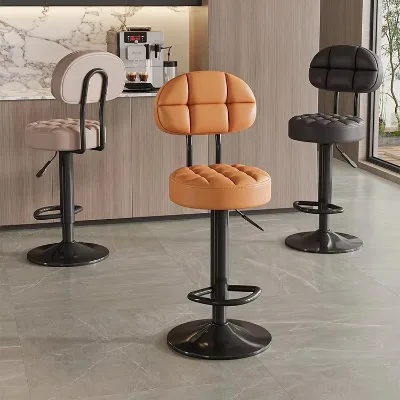
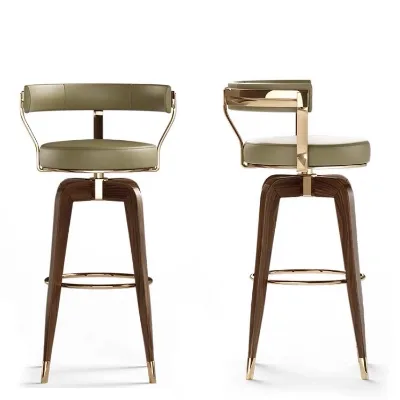


Comprehensive Sourcing Guide
Modern Eco Friendly Bar Stool Supplier Concentration and Factory Types
The current supplier landscape for Modern Eco Friendly Bar Stool reveals a concentration of manufacturing activity in specific regions, with Tianjin, China, identified as a primary hub for production. This location hosts a mix of manufacturer and factory entities that specialize in diverse furniture categories, including dining chairs, office chairs, and bar stools. These facilities often operate with significant capacity for both OEM and ODM services, allowing them to adapt designs for various commercial and residential applications. Buyers should recognize that while some suppliers focus on plastic materials, others utilize metal or synthetic leather, indicating a broad range of material sourcing capabilities within this cluster.
When evaluating factory types, it is essential to distinguish between pure manufacturers and trading companies, though the current data points primarily toward direct factory operations. These entities typically manage the entire production cycle from raw material procurement to final packaging, which can influence lead times and quality control consistency. The presence of verified status from third-party agencies like BV suggests a baseline level of operational transparency, but buyers must verify if the specific factory handles the eco-friendly aspects of the stool directly. Understanding the specific product lines, such as stackable metal wire stools or adjustable swivel models, helps in identifying factories that align with sustainability goals rather than those focused solely on high-volume generic production.
How to Verify Modern Eco Friendly Bar Stool Suppliers
Verification of suppliers for Modern Eco Friendly Bar Stool requires a rigorous examination of their credentials and operational history. The current results indicate that some suppliers hold BV verification status, which serves as a foundational check for business legitimacy. However, buyers must go beyond this single metric to confirm specific environmental claims, as the term "eco friendly" is not explicitly detailed in the provided product attributes. It is crucial to request documentation regarding material sourcing, such as the origin of the plastic, metal, or synthetic leather used, to ensure these components meet recognized environmental standards. Without explicit certification data in the current results, buyers should treat general claims with caution and demand third-party test reports.
Response time and communication efficiency are also critical indicators of supplier reliability during the verification process. The observed response time of approximately 2.14 hours suggests a level of operational readiness, but this metric should be validated through direct inquiry about specific eco-friendly inquiries. Buyers should assess whether the supplier can provide detailed answers regarding the durability and recyclability of their products, as these are key components of an eco-friendly proposition. Additionally, checking for established years of operation and the scope of their main products can reveal if the supplier has a long-term commitment to the furniture sector. A supplier that consistently handles complex orders, such as mixing models for full containers, often demonstrates the logistical maturity required for sustainable sourcing.
What to Compare Across Modern Eco Friendly Bar Stool Suppliers
Comparing suppliers for Modern Eco Friendly Bar Stool involves analyzing several key operational dimensions, including lead times, minimum order quantities, and pricing structures. The data shows lead times ranging from 15 to 30 days after deposit, with some suppliers offering faster turnaround for specific models. Minimum order quantities are frequently set at 200 pieces, often with the flexibility to mix models to fill a full container, which can be advantageous for buyers seeking variety without excessive inventory. Pricing varies significantly based on material and design, with ranges observed from approximately $9.20 to $22.42 per unit, reflecting differences in construction complexity and material costs.
Beyond basic metrics, buyers should compare customization capabilities and product specifications to ensure alignment with sustainability goals. Some suppliers offer full customization for materials and colors, while others provide non-customized standard models. The availability of features like stackability, adjustable heights, and specific armrest configurations can impact the functional utility and space efficiency of the stools. Additionally, comparing packaging standards, such as five-layer export cartons versus nude packing, is vital for assessing the potential for damage during transit and the overall environmental footprint of the shipping process. Evaluating warranty terms, such as the three-year warranty offered on certain metal models, provides insight into the manufacturer's confidence in their product longevity and quality.
Common Modern Eco Friendly Bar Stool Sourcing Risks
One significant risk in sourcing Modern Eco Friendly Bar Stool is the potential discrepancy between marketing claims and actual material composition. The current product data lists materials like plastic, metal, and synthetic leather but does not explicitly confirm the eco-friendly nature of these inputs. Buyers face the risk of receiving products that do not meet their environmental standards if they rely solely on product titles or keywords without verifying material certifications. This gap necessitates a proactive approach where buyers explicitly request proof of sustainable sourcing, such as recycled content percentages or compliance with specific environmental regulations, before finalizing any orders.
Another critical risk involves the variability in lead times and the potential for delays in production or shipping. While some suppliers indicate delivery times of 20 to 30 days, others suggest 15 to 25 days, and these estimates can fluctuate based on order volume and raw material availability. Inconsistent communication or failure to meet agreed-upon deadlines can disrupt supply chains, particularly for buyers with tight inventory requirements. Furthermore, the lack of standardized payment terms across suppliers, with options ranging from T/T to L/C, introduces financial risk if not carefully managed. Buyers must ensure that payment terms are clearly defined and that escrow services are utilized to protect funds until the goods are verified as meeting all quality and sustainability criteria.
Modern Eco Friendly Bar Stool Regional Sourcing and Logistics
Regional sourcing for Modern Eco Friendly Bar Stool is heavily influenced by the location of manufacturing hubs, with Tianjin, China, emerging as a central point for production. This region offers logistical advantages due to its proximity to major ports, facilitating efficient export of furniture goods to global markets. However, buyers must consider the specific shipping requirements for different product types, as metal stools and plastic chairs may have distinct packaging and handling needs. The observed packaging details, such as 2 pieces per carton or 4 pieces per carton, directly impact the volume efficiency of shipping and the overall cost per unit when factoring in freight charges.
Logistics planning also requires attention to the specific dimensions and weight of the products to optimize container loading. For instance, stackable metal wire stools can be packed more densely than non-stackable models, potentially reducing shipping costs per unit. Buyers should verify the shipping marks and packing standards provided by suppliers to ensure that the goods are protected during transit and that the packaging aligns with their sustainability goals. Additionally, understanding the origin of the products, confirmed as China in the current data, helps in assessing potential tariffs or trade barriers that might affect the final landed cost. Strategic planning of logistics can mitigate risks associated with delays and ensure that the eco-friendly attributes of the product are preserved throughout the supply chain.
Modern Eco Friendly Bar Stool Commercial Terms and Order Planning
Commercial terms for Modern Eco Friendly Bar Stool typically involve specific payment structures and delivery conditions that must be clearly understood before placing an order. The current data indicates that payment terms often include a 30% deposit followed by 70% before shipment, or letters of credit at sight, which are standard practices in international trade. Buyers should carefully review these terms to ensure they align with their cash flow management and risk tolerance. Additionally, the availability of sample support allows buyers to verify product quality and eco-friendly claims before committing to a full order, which is a crucial step in mitigating the risk of receiving substandard goods.
Order planning must account for the minimum order quantities and the flexibility of mixing models to meet container loading requirements. Many suppliers require a minimum of 200 pieces, often allowing for a mix of different models to reach a full container load, which can help buyers manage inventory diversity. Delivery times, ranging from 15 to 30 days after deposit, should be factored into the overall supply chain timeline to prevent stockouts. Buyers should also consider the customization options available, such as color and material choices, and ensure that these requests are clearly communicated to avoid production errors. Proper planning of these commercial terms and logistical details is essential for a successful sourcing experience that meets both quality and sustainability objectives.
FAQs
What is the minimum order quantity for modern bar stools?
The minimum order quantity is typically 200 pieces. Buyers can mix different models to fill a full container. This approach allows for flexible ordering while meeting the supplier's production requirements. It is ideal for testing market demand without committing to a single design.
How long does delivery take for these bar stools?
Delivery times generally range from 15 to 30 days after receiving the deposit. Specific models may have slightly different lead times, such as 20 to 25 days. Buyers should confirm the exact timeline with the supplier before placing the order to ensure timely arrival.
What materials are used in modern bar stools?
Common materials include plastic, metal, and synthetic leather. Some models feature ABS plastic with chrome bases, while others use metal wire frames. Synthetic leather options provide a comfortable seating experience. Buyers can choose based on durability needs and aesthetic preferences for their specific venue.
Are these bar stools suitable for outdoor use?
Yes, certain models are designed for outdoor environments. They often feature UV-resistant options and durable metal or plastic construction. These stools are stackable and easy to clean, making them practical for patios or commercial outdoor spaces. Verify the specific UV resistance features with the supplier.
What payment terms are accepted for these orders?
Standard payment terms include T/T with 30% deposit and 70% balance before shipment. Letters of Credit at sight are also accepted. These terms ensure security for both parties. Buyers should discuss specific payment arrangements with the supplier to align with their financial processes and order size.
Can I customize the design of the bar stools?
Customization is available for many modern bar stool models. Buyers can often choose colors, materials, and specific dimensions. OEM services are supported, allowing for branded products. However, some basic models may have non-customized options. Confirm customization details and any additional costs with the supplier.