Modern Durable Ceramic Vase Suppliers and Manufacturers
Compare 12 verified suppliers offering modern durable ceramic vases with details on location, lead times, and certifications. Review response times and MOQs to select the right partner for your order; review the available evidence before requesting comparable quotations from suitable candidates.
Suppliers List

- Verified by BV
- Trading Company
- China Shandong
- Lead time30 days
- Avg. response≤ 2h
Main productsCeramic Mugs, Ceramic Dinnerware, Ceramic Tea Set, Ceramic Kitchen Ware, Custom Drum Shape Ceramic Coffee Mug, 24oz Large Capacity 3D Embossed Mug, Porcelain Cappuccino Cup and Saucer, 14oz Custom Souvenirs Ceramic Mug, 12 Sets Vintage Reactive Glazed Tableware, Custom Royal White Ceramic Milk Jar
Main marketsNorth America

Modern Ceramic Art Vase Ceramic Hand Flower Vase Unique Gift Porcelain Vase
$1.00 - $3.00
MOQ: 3000 Pieces

High Quality Modern Ceramic Vase Custom Decorative Ceramic Vase Minimalist Ceramic Flower Vase
$1.50 - $3.00
MOQ: 3000 Pieces

Round Ceramic Decorative Vase Custom Gift Flower Vase Modern Ceramic Vase
$1.00 - $3.00
MOQ: 3000 Pieces

Black Decorative Vase Custom Color Ceramic Tall Vase Modern Flower Vase
$1.00 - $3.00
MOQ: 3000 Pieces


Minimalist Modern Large Ceramic Vase Flower Vase Decoration Pink Ceramic Flower Vase
$1.50 - $3.00
MOQ: 3000 Pieces

Golden Ace Industrial Co., Ltd.
- Verified by BV
- Combined
- China Shandong
- Lead time60 days
- Avg. response≤ 8h
Main productsGlassware, Kitchenware, Houseware, Glass Vase, Giftware
Main marketsAfrica,Southeast Asia/ Mideast,Europe,Australia,North America


Ceramic Flower Vase for Interior Modern Decorative Vase for Home Living Room
Contact supplier
MOQ: 1000 Pieces


Ningbo H&G Home Decoration Limited
- Combined
- China Zhejiang
- Lead time60 days
- Avg. response≤ 9h
Main productsMetal Candle Lantern, Wood Candle Lantern, LED Candle Lantern, LED String Light Lantern, Metal Candle Holder, Candlestick, Wall Sconce Candle Holder, Flower Pot Stand, Metal Planter, Metal Plant Stand
Main marketsAfrica,Europe,Australia,North America

Ningbo General Union Co., Ltd.
- Verified by SGS
- Trading Company
- China Zhejiang
- Lead time45 days
- Avg. response≤ 9h
Main productsChristmas Tree, Party Supply, Christmas Ball, LED Light Strip, Halloween Product, Holiday Decoration, Santa Claus, Valentine's Day Product, Balloon Decoration, Birthday Decoration
Main marketsSouth America,Europe,North America

Dried Flower Vase Creative Home Mini Ceramic Vase for Storage Flower White Porcelain Vase
$0.49 - $0.55
MOQ: 100 Pieces


Ceramic Vase Set Simple White Unglazed Ceramic Vase Crafts Decoration Ornaments
$2.70 - $2.80
MOQ: 100 Pieces
Chaozhou Jizhi Ceramics Co., Ltd
- Manufacturer, Trading Company
- Guangdong, China
- Lead time40 days
- Avg. response≤ 7h
Main productsFlower vase,ceramic pot,ceramic animal,table lamp,ceramic fruit plate
Main marketsNorthern Europe(30.00%), South America(20.00%), South Asia(10.00%), North America(10.00%), Eastern Asia(10.00%), Southeast Asia(10.00%), Eastern Europe(10.00%)

Jinan Glass International Trade Co., Ltd.
- Manufacturer/Factory
- China Shandong
- Lead time15 days
- Avg. response≤ 7h
Main productsGlass Smoking Pipe, Glass Pipe, Printing and Package, Laboratory Glassware, Home Glassware, Machine, Sticker, Wall Decal
Main marketsSouth America,Eastern Europe,North America,Southeast Asia,Eastern Asia,Oceania,Western Europe,Africa

- Trading Company
- China Zhejiang
- Lead time30 days
- Avg. response≤ 11h
Main productsHome Appliance, Cookware Set, Thermos, Home Storage, Furniture, Pet Supplies, Garden Tools, Outdoor Supplies, Baby Supplies, Houesehold Items
Main marketsSouth America,Africa,Southeast Asia/ Mideast,East Asia(Japan/ South Korea),Domestic,Europe,Australia,North America


Living Room Interior Home Decor Simple Decor Circular Modern Ceramic Flower Pot Vase
$2.13 - $3.54
MOQ: 1000 Pieces



- Trading Company
- Fujian, China
- Lead time120 days
- Avg. response≤ 2h
Main productsA wide range of Ceramic/Porcelain/Stoneware items,such as Spring/Valentine/Easter/Summer/Autumn/Halloween/Christmas/Bathroom wares/Tableware/ Home Decor,Etc...
Main marketsEastern Europe(35.00%), Northern Europe(30.00%), Western Europe(20.00%), Southern Europe(10.00%), North America(5.00%)
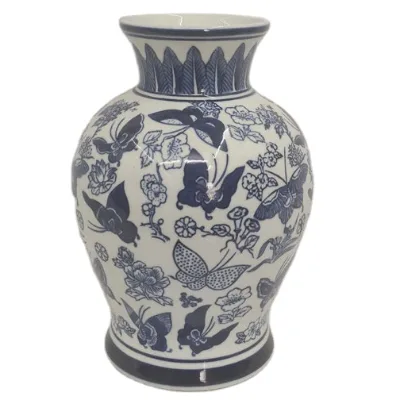
Flower Vase Blue and White Ceramic, New, Vintage, Chinese, Decorative Home
$9.00 - $33.41
MOQ: 300 Minimum

Dongguan Mingyu E-Commerce Co., Ltd
- Verified by CTI
- Trading Company
- China Guangdong
- Lead time30 days
- Avg. response≤ 5h
Main productsHousehold Decorations, Home Accessories, Ornaments, Craftworks, Candle Stick, Gifts & Crafts
Main marketsSouth America,Southeast Asia/ Mideast,East Asia(Japan/ South Korea),Europe,Australia,North America

Fuzhou Deco-Route Import & Export Co., Ltd.
- Verified by SGS
- Trading Company
- China Fujian
- Lead time15 days
- Avg. response≤ 3h
Main productsPolyresin
Main marketsEurope

SHANGLI LIGHTING CRAFTS CO.,LTD
- Verified by BV
- Manufacturer/Factory
- China Guangdong
- Lead time30 days
- Avg. response≤ 10h
Main productsPortable Table and Floor Lamp, LED Lamp, Hotel Lamp, Chandelier Lamp, Pendant Lamp, Ceiling Lamp, Wall Lamp, Lampshade, Accessory, Mirror
Main marketsSouth America,Eastern Europe,Mid East,North America,Southeast Asia,Eastern Asia,Oceania,Western Europe,Africa

Ningbo Paiaopai Display Co., Ltd
- Verified by TUVRHEINLAND
- Combined
- China Zhejiang
- Lead time30 days
- Avg. response≤ 3h
Main productsMakeup Cosmetic Display Organizer Beauty, Jewelry Display Stand for Necklace Breclet Tray, Counter Display for Retial Store Sunglass, Buffet Display for Cake Dessert Party Stand, Funko Pop Acrylic Box Pokemon Etb Booster Pack, Acrylic Sign Label Price Tag Display Holder Fram, Juice Wine Display Racking Shelf Showcase, Acrylic Floor Display Pop up Display Side Table, House Decoration Display Stand Desktop Vase, Store Display Rack Supermarket Metal Acrylic PVC
Main marketsDomestic,North America




Comprehensive Sourcing Guide
Modern Durable Ceramic Vase Supplier Concentration and Factory Types
Current data indicates a concentration of suppliers in China Shandong and China Zhejiang, regions known for ceramic and glassware manufacturing capabilities. In Shandong, the primary output includes ceramic mugs, dinnerware, and custom drum-shaped coffee mugs, alongside specific ceramic vase products. These facilities often operate as trading companies, facilitating the movement of goods from various production sources. The presence of these entities suggests a hub where finished ceramic goods are aggregated for export, though the specific factory origins within the province may vary. Buyers should verify if the listed trading companies maintain direct relationships with kilns or if they source from multiple smaller workshops to ensure consistent quality control.
In contrast, suppliers located in China Zhejiang demonstrate a broader product range that includes metal candle lanterns, wood lanterns, and LED string lights, in addition to ceramic and glass vases. Some entities in this region are classified as combined companies, offering both OEM and ODM capabilities, which allows for greater flexibility in customizing designs and materials. The main products here span from glassware and kitchenware to houseware and giftware, indicating a versatile manufacturing ecosystem. When evaluating these suppliers, it is crucial to distinguish between pure ceramic manufacturers and those with mixed portfolios, as the latter may prioritize volume over specialized ceramic durability. Buyers must confirm the specific production lines dedicated to ceramic vases to ensure the "modern durable" aspect of the product is not compromised by a focus on other item types.
How to Verify Modern Durable Ceramic Vase Suppliers
Verification processes should prioritize third-party audit results and company classification data to establish credibility. Several suppliers in the current dataset hold BV verification status, which serves as a baseline indicator of operational legitimacy. Additionally, some entities possess ISO9001:2015 and ISO14001:2015 certificates, signaling adherence to international quality and environmental management standards. These certifications are particularly relevant for ceramic production, where consistent firing temperatures and glaze safety are critical. Buyers should request copies of these certificates and cross-reference them with the supplier's claimed capabilities, ensuring that the specific product line of ceramic vases falls under the certified scope rather than just general company operations.
Beyond certifications, response times and company types provide insight into operational reliability. Response times in the observed data range from approximately 1.21 to 8.33 hours, with faster responses often correlating with more active trading companies. A response time under two hours may indicate a dedicated sales team, whereas longer intervals could suggest a larger, less agile organization. Furthermore, distinguishing between trading companies and combined manufacturers is essential. Trading companies may offer a wider variety of styles but might have less control over the manufacturing process. Combined companies, which often list ODM and OEM capacities, typically offer more direct oversight. Buyers should verify the specific nature of the supplier's engagement with the factory floor to ensure that the durability claims for the ceramic vases are backed by direct production knowledge rather than secondary sourcing.
What to Compare Across Modern Durable Ceramic Vase Suppliers
When comparing suppliers, lead times and minimum order quantities (MOQ) are primary differentiators that impact inventory planning and cash flow. The observed data shows lead times ranging from 30 days to 75 days, with some specific product listings indicating a 60-day window. A 30-day lead time suggests a more streamlined production process or existing stock, while a 75-day lead time may indicate complex customization or a longer production queue. Similarly, MOQs vary significantly, with some suppliers requiring 300 pieces while others demand 3,000 pieces. Buyers must align these thresholds with their order volume; a high MOQ of 3,000 units may be prohibitive for small businesses, whereas a 300-unit threshold offers greater flexibility for testing new designs.
Product attributes and customization options also require careful comparison to ensure the final goods meet specific design requirements. Available data highlights variations in shape, ranging from round to irregular forms, and customization availability for logos and patterns. Some products offer solid patterns with multicolor options, while others specify custom shapes or specific dimensions like a top diameter of 6.5cm and a height of 23cm. The ability to customize the logo and packaging is a standard feature across many listings, but the extent of this customization varies. Buyers should compare the specific product attributes, such as the "a-B Grade" quality standard or specific glaze types like color glazed, to determine which supplier can deliver the exact aesthetic and functional durability required. Comparing these granular details prevents mismatches between the ordered specifications and the delivered product.
Common Modern Durable Ceramic Vase Sourcing Risks
One significant risk involves the variability in quality standards and material composition across different suppliers. The data indicates that quality standards can range from "a-B Grade" to "According to Your Requirements," which introduces ambiguity. Without a clearly defined, universally accepted standard, buyers risk receiving products that do not meet their durability expectations. Ceramic vases are prone to chipping and cracking during transit, and the internal quality control measures of the supplier directly influence the final product's resilience. Buyers must explicitly define the acceptable defect rate and material thickness in their contracts, rather than relying on generic grade descriptions that may vary between factories.
Another risk stems from the complexity of logistics and packaging, particularly for fragile items like ceramic vases. While some suppliers list "Safe Export Packaging" as a standard, others simply state "Can Be Customized." The lack of a standardized, robust packaging protocol increases the likelihood of damage during shipping. Additionally, the application scenarios listed, such as kitchen, restaurant, or market use, imply different durability requirements. A vase intended for a high-traffic restaurant environment requires different structural integrity than one for home decoration. If the supplier does not explicitly confirm that their packaging and product design meet the specific stress tests for the intended application scenario, the buyer faces a high risk of returns and financial loss. Verifying the specific packaging method and testing results for the intended use case is essential to mitigate these risks.
Modern Durable Ceramic Vase Regional Sourcing and Logistics
Sourcing from China Shandong and China Zhejiang offers distinct logistical advantages and challenges that buyers must navigate. Suppliers in Shandong are often associated with ceramic production clusters, which can streamline the manufacturing process for ceramic-specific items. However, the distance from major ports and the specific export infrastructure of the region can impact shipping costs and transit times. Buyers should verify the Fob Port details, as some listings mention Xiamen, which may indicate a different shipping origin than the manufacturing location. This discrepancy can lead to confusion regarding freight costs and delivery schedules, requiring clear communication about the actual point of origin for the goods.
In the Zhejiang region, the presence of combined companies and a diverse product mix, including glass and metal items, suggests a more integrated logistics network. These suppliers often have experience handling mixed container loads, which can optimize shipping costs for buyers ordering multiple product types. However, the lead times in this region can be longer, with some listings indicating up to 75 days. This extended timeline requires buyers to plan their inventory orders well in advance to avoid stockouts. Additionally, the specific dimensions of the vases, such as large floor vases or small tabletop models, affect the volume efficiency of shipping. Buyers must calculate the cubic meter usage based on the specific product dimensions provided to ensure they are not paying for excess air space in their containers, which can significantly inflate the landed cost of the ceramic vases.
Modern Durable Ceramic Vase Commercial Terms and Order Planning
Commercial terms regarding pricing and payment structures are critical for successful order planning in the ceramic vase market. The observed price ranges vary from $0.75 to $3.00 per unit, depending on the complexity of the design, size, and customization level. Lower prices often correlate with standard, non-customized items, while higher prices reflect custom shapes, hand-painted details, or specific glaze types. Buyers must understand that the minimum price point may not include customization costs, which can significantly alter the final unit price. It is essential to request a detailed breakdown of costs, including the base price, customization fees, and packaging charges, to avoid unexpected expenses that could erode profit margins.
Order planning must also account for the specific production models and standard specifications provided by the supplier. Product models such as VG-K1047 or JOL21S080-2 come with defined dimensions and material requirements that dictate the production timeline and cost. For instance, a vase with a specific height of 23cm and a top diameter of 6.5cm may require a different firing process than a standard round vase, affecting the lead time. Buyers should align their order quantities with the supplier's MOQ, which can range from 300 to 3,000 units, to ensure cost efficiency. Furthermore, understanding the production standard, whether it is "Customized" or follows a specific model number, helps in setting realistic delivery expectations. Clear communication of these commercial terms and specifications at the outset prevents disputes and ensures that the final delivery meets the buyer's durability and design requirements.
FAQs
What is the typical lead time for modern ceramic vases?
Manufacturers generally require 30 to 75 days to produce orders. Specific timelines depend on customization complexity and order volume. Some suppliers offer faster turnaround for standard items, while others need up to two months for intricate designs or large batches.
What is the minimum order quantity for ceramic vases?
Minimum order quantities typically range from 300 to 3000 pieces. Lower MOQs are available for certain decorative styles, while bulk pricing often requires higher volumes. Buyers should verify specific thresholds with suppliers to ensure alignment with their inventory needs.
Are custom logos and designs available for ceramic vases?
Yes, customization is widely available for logos, shapes, and colors. Suppliers offer options for solid patterns, multicolor finishes, and specific dimensions. Buyers can request tailored packaging and quality standards to meet their brand requirements and market expectations effectively.
What certifications do ceramic vase suppliers hold?
Many suppliers hold ISO9001:2015 and ISO14001:2015 certifications. Some also possess BSCI certification for social compliance. These credentials ensure adherence to quality management and environmental standards, providing buyers with confidence in the manufacturing processes and product reliability.
Where are modern ceramic vase manufacturers located?
Manufacturers are primarily located in China, specifically in Shandong and Zhejiang provinces. These regions are known for their ceramic production capabilities. Buyers can source from trading companies or combined suppliers offering diverse product ranges and competitive pricing structures.
What is the price range for wholesale ceramic vases?
Prices typically range from $0.75 to $3.00 per unit. Costs vary based on material, size, and customization requirements. Bulk orders often benefit from lower unit prices, making it cost-effective for retailers and distributors to source large quantities.