Modern Eco-Friendly Glass Serving Bowl Suppliers and Manufacturers
Explore 21 verified options for Modern Eco-Friendly Glass Serving Bowl from Trading Companies and Factories. Compare lead times, certifications like FDA and BSCI, and MOQs to find the right partner. Contact suppliers directly to request samples and customized designs.
Suppliers List
Dalian Crystal Coast Glass Co., Ltd.
- Verified by TüVRheinland
- Trading Company
- Lead time45 days
Main productsGlassware
Main marketsNorth America(20%), Mid East(20%), Western Europe(15%)

Wuhan Xinhuahang Household Goods Co., Ltd.
- Verified by BV
- Combined
- China Hubei
- Lead time15 days
- Avg. response≤ 4h
Main productsWine Glasses, Beer Glass, Drinking Glass, Decanter, Shot Glass, Coffee Glass, Cocktail Glass, Champagne Glass, Wine Accessories
Main marketsEurope,Australia,North America

Guangzhou Garbo International Trading Co., Ltd.
- Verified by TUVRHEINLAND
- Trading Company,Manufacturer/Factory
- China Guangdong
- Lead time45 days
- Avg. response≤ 7h
Main productsGlassware, Glass Cup, Glass Mug, Glass Bowl, Glass Candy Jar, Glass Pitcher, Glass Ice Cream Cup and Ice Bucket, Opal Glassware, Stainless Steel Cutlery, Ceramic Dinnerware
Main marketsSouth America,Eastern Europe,Mid East,North America,Southeast Asia,Eastern Asia,Oceania,Western Europe,Africa

Shuifu Huiyang Agricultural Technology Co., Ltd.
- Verified by SGS
- Trading Company
- China Yunnan
- Lead time23 days
- Avg. response≤ 2h
Main productsBamboo Products, Bamboo Crafts, Bamboo Chopsticks, Bamboo Skewers, Bamboo Weaving, Bamboo Tray, Bamboo Box, Bamboo Placemat, Bamboo Fruit Bowl, Lamp Shades
Main marketsDomestic

- Verified by TUVRHEINLAND
- Trading Company
- China Hunan
- Lead time45 days
- Avg. response≤ 2h
Main productsCeramic Mug, Vacuum Flask, Dinner Set, Cup, Mug, Thermal Bottle, Ceramic Dinner Set, Glass Jar, Glass Cup, Wine Cup
Main marketsSoutheast Asia/ Mideast
Guangzhou Garbo International Trading Co., Ltd.
- Verified by SGS Group
- Trading Company
- Lead time35 days
- Avg. response≤ 2h
Main productsGlassware, Opal Glassware, High Borosilicate Glassware, Stainless Steel Flatware, Kitchenware
Main marketsMid East(20%), South America(18%), Eastern Europe(13%)

- Verified by SGS
- Trading Company
- China Yunnan
- Lead time15 days
- Avg. response≤ 3h
Main marketsSoutheast Asia/ Mideast

Jinjiang Jiaxing Import and Export Co., Ltd.
- Verified by CTI
- Manufacturer/Factory
- China Fujian
- Lead time120 days
- Avg. response≤ 1h
Main productsShoes, Slipper, Clothes, Promotion Gifts, Silicone Products, Outdoor Sports Products, Bags, Fashion Accessories, Consumer Electronics
Main marketsSouth America,Eastern Europe,Mid East,North America,Southeast Asia,Eastern Asia,Oceania,Western Europe,Africa

Zibo Timestone International Co., Ltd.
- Manufacturer/Factory
- China Shandong
- Lead time45 days
- Avg. response≤ 14h
Main productsCeramic Dinnerware, Ceramic Mugs, Stainless Steel Bottles Mugs and Tumblers, Glass Bottles Mugs and Tumblers, Dinnerware, Tableware, Glassware, Kitchenware, Household Items, Ceramic Granding Balls and Filters
Main marketsSouth America,Eastern Europe,Mid East,North America,Southeast Asia,Eastern Asia,Oceania,Western Europe,Africa

Xiamen Chengfengxin Industry & Trade Co., Ltd.
- Verified by BV
- Trading Company
- China Fujian
- Lead time23 days
- Avg. response≤ 13h
Main productsBamboo Cutting Board, Bamboo Bathtub Rack Caddy, Bamboo Tablet Computer Desk, Bamboo Kitchenwares Holder Organization, Bamboo Home Storage, Home Office Collection, Eco-Friendly Kitchen Products, Bamboo Kitchen Tools, Bamboo Diffuser, Eco-Friendly Green Products
Main marketsSoutheast Asia/ Mideast,Europe,Australia,North America

Chaozhou Jiayuehui Tableware Co., Ltd.
- Verified by SGS
- Manufacturer
- China Guangdong
- Lead time45 days
- Avg. response≤ 25h

Hemera (Tianjin) Technology Development Limited
- Verified by TUVRHEINLAND
- Manufacturer/Factory
- China Tianjin
- Lead time38 days
- Avg. response≤ 5h
Main productsGlass Cup, Glass Teapot, Glass Jar&Container, Glass Pitcher&Carafe, Water Jug, Coffee Set, Wine Set, Glass Cooking Ware
Main marketsSouth America,Eastern Europe,Mid East,North America,Southeast Asia,Eastern Asia,Oceania,Western Europe,Africa
Guangzhou Senno Import And Export Co., Ltd.
- Trading Company
- Lead time旺季: "1 - 1000":31,"> 1000":"To be negotiated", 淡季: "1 - 1000":31,"> 1000":"To be negotiated"
- Avg. response≤ 4h
Main productsBarware, Restaurantware, Glassware

Xuzhou Xulang Glass Manufacturing Company., Ltd
- Verified by BV
- Trading Company,Manufacturer/Factory
- China Jiangsu
- Lead time30 days
- Avg. response≤ 3h
Main productsGlass Bottle, Glass Jar, Spice Grinder, Cup, Milk Bottle
Main marketsSouth America,Eastern Europe,Mid East,North America,Southeast Asia,Eastern Asia,Oceania,Western Europe,Africa

Shandong Consing Material Technology Co., Ltd.
- Verified by SGS
- Manufacturer
- China Shandong
- Lead time23 days
- Avg. response≤ 5h
Main productsGlass Container, Glass Baking Dish, Glass Mixing Bowl, Glass Measuring Cup, Glass Casserole, Glass Canister, Double Wall Glass Cup, Glass Drinkware
Main marketsSoutheast Asia/ Mideast,North America

Rollin Porcelain Industrial Co., Ltd.
- Verified by BV
- Manufacturer/Factory
- China Guangdong
- Lead time45 days
- Avg. response≤ 6h
Main productsPorcelain Dinnerware, Tableware, Dinner Set, Dinner Plate, Hotel and Restaurant Tableware, Bone China, Cutlery, Glassware, Ceramic Plate, Porcelain
Main marketsEastern Europe,Mid East,North America,Southeast Asia,Eastern Asia,Oceania,Western Europe

Restaurant Unique Design Porcelain Bowls Customized Color Salad Bowls Serving Bowls
$2.30 - $6.28
Moq: 200


Guangzhou Nantian Sources Co., Ltd.
- Manufacturer/Factory
- China Guangdong
- Lead time15 days
- Avg. response≤ 5h
Main productsKitchen Equipment, Kitchenware, Food Machine, Kitchen Appliance, Glassware, Food Machinery, Bakery Equipment, Dinnerware, Kitchen Utensils, Food Processor
Main marketsSouth America,Mid East,Southeast Asia,Eastern Asia,Oceania,Africa
- Manufacturer, Trading Company
- Anhui, China
- Lead time45 days
- Avg. response≤ 2h
Main productsContainer Jar,Glass Teapot Pitcher,Glass Oil Pot,Glass water cup,Fresh-keeping bowl
Main marketsDomestic Market(20.0%), Northern Europe(15.0%), North America(11.0%), Central America(10.0%), Mid East(10.0%), Oceania(8.0%), Western Europe(5.0%), Eastern Asia(5.0%), South Asia(5.0%), Southern Europe(5.0%), Eastern Europe(3.0%), South America(1.0%), Africa(1.0%), Southeast Asia(1.0%)
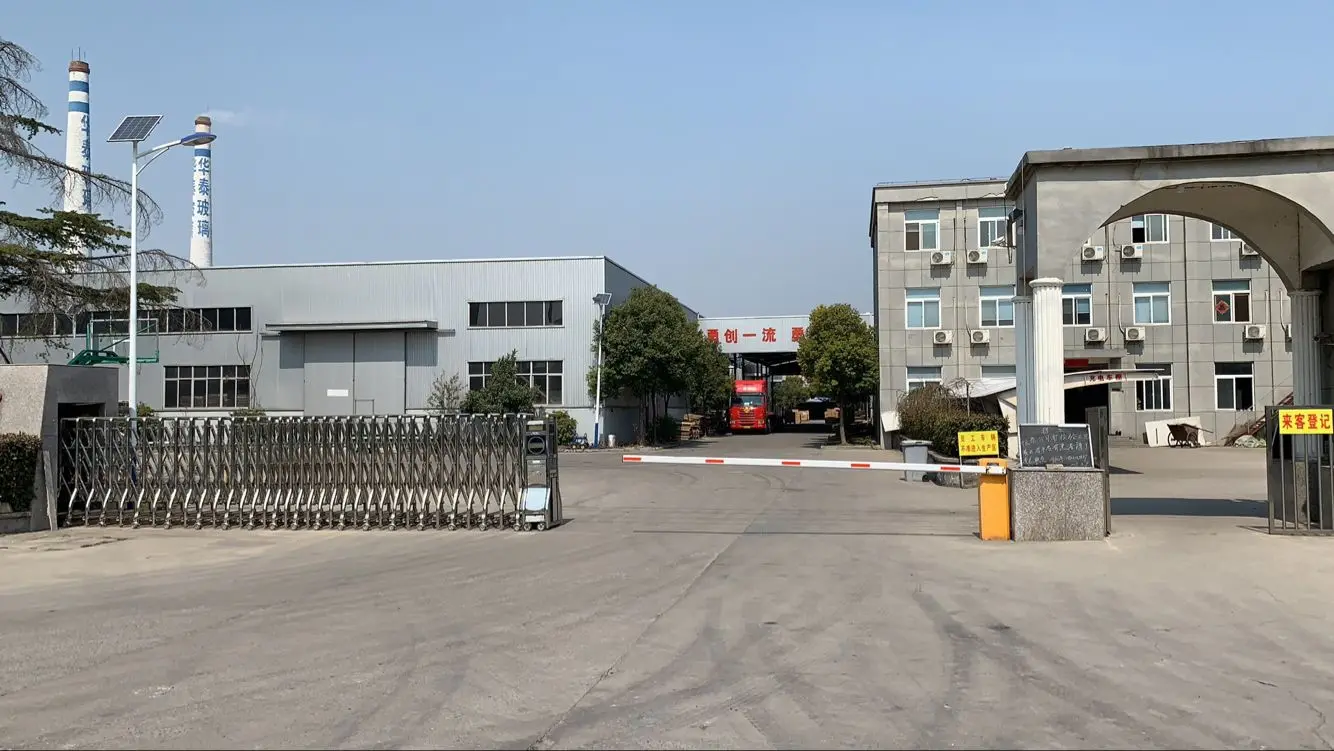
Bengbu Cattelan Glassware Co., Ltd.
- Manufacturer, Trading Company
- Anhui, China
- Lead time35 days
- Avg. response≤ 4h
Main productsWater Glass,Glass Bowl,Beer Glass,Shot Glass,Candle Glass
Main marketsNorth America(32.0%), South America(10.0%), Domestic Market(10.0%), Western Europe(9.0%), Eastern Europe(8.0%), Southern Europe(8.0%), Eastern Asia(6.0%), Southeast Asia(6.0%), Northern Europe(5.0%), Mid East(4.0%), South Asia(2.0%)
Guangzhou Jiujiuju Homeware Supplies Co., Ltd.
- Verified by SGS Group
- Trading Company
- Lead time0 days
- Avg. response≤ 2h
Main productsDinnerware, Cutlery, Wine Glass
Main marketsNorth America(30%), Mid East(20%), South America(10%)
Guangzhou Garbo International Trading Co., Ltd.
- Trading Company
- Lead time旺季: "1 - 30000":45,"30001 - 65000":60,"> 65000":"To be negotiated", 淡季: "1 - 30000":45,"30001 - 65000":60,"> 65000":"To be negotiated"
- Avg. response≤ 6h
Main productsOpal Glassware, High Borosilicate Glassware, Stainless Steel Flatware, Kitchenware, Glassware, Ceramic Tableware
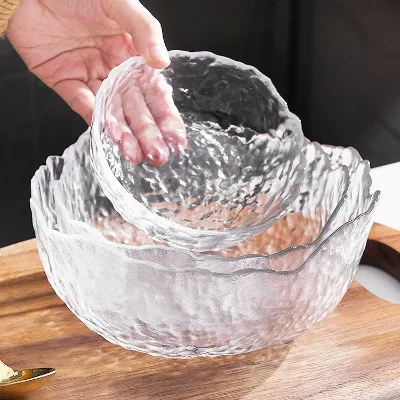
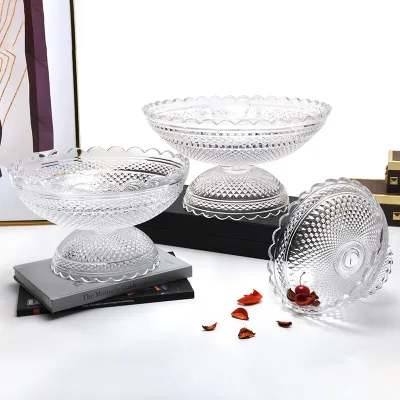


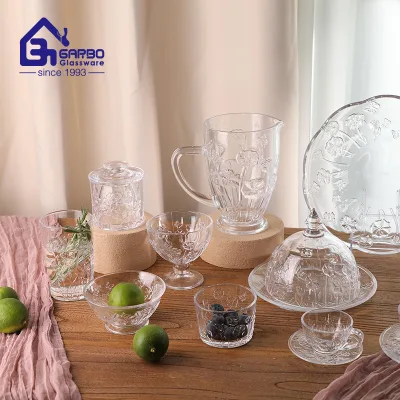
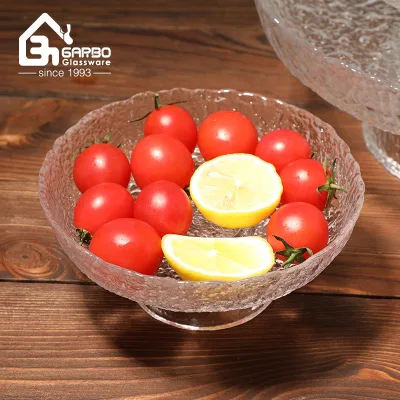
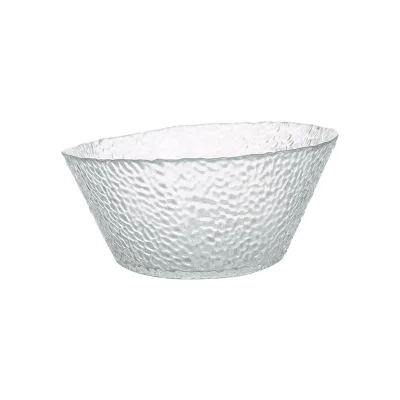
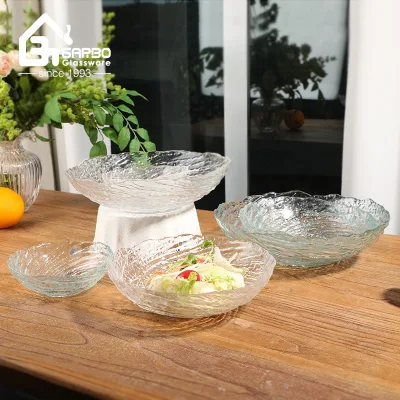
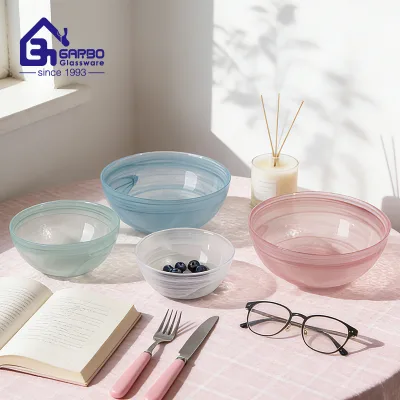
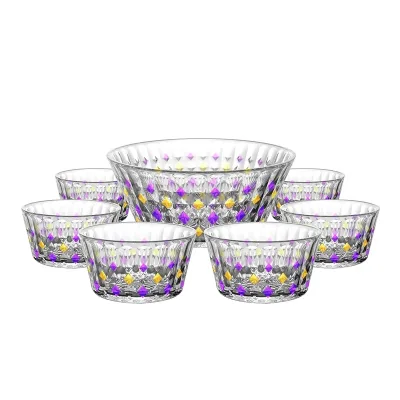


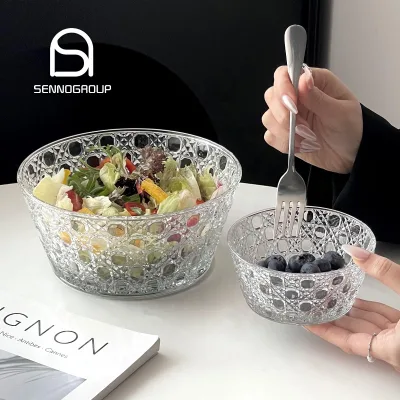
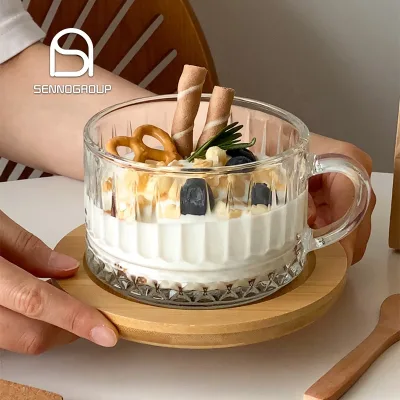


Comprehensive Sourcing Guide
Modern Eco-Friendly Glass Serving Bowl Supplier Concentration and Factory Types
The current supplier landscape for modern eco-friendly glass serving bowls reveals a mix of trading companies and combined entities that integrate manufacturing capabilities. Some suppliers operate as pure trading firms, while others function as combined entities with direct factory access, offering both OEM and ODM services. This structural diversity means buyers must distinguish between intermediaries and actual production houses to ensure quality control and pricing transparency. The presence of suppliers with "Combined" company types suggests a capacity for custom branding and design adaptation, which is critical for buyers seeking unique product specifications.
Geographic concentration of these suppliers is evident in specific Chinese provinces, with verified data pointing to operations in Liaoning, Hubei, and Guangdong. These regions serve as key manufacturing clusters where glass processing, graphic processing, and customized on-demand capabilities are concentrated. Buyers should prioritize suppliers located in these areas when seeking established production ecosystems, as the local infrastructure supports the specific techniques required for carved and molded glassware. However, without a specific supplier name, the exact density of factories in each province remains a variable that requires direct verification during the sourcing process.
How to Verify Modern Eco-Friendly Glass Serving Bowl Suppliers
Verification of supplier credibility relies heavily on third-party audit reports and specific certification standards rather than self-declared claims. In the current results, some suppliers hold TüVRheinland or BV verification status, indicating a baseline level of operational integrity and financial stability. These external validations are essential for confirming that the supplier's business practices align with international standards. Buyers should explicitly request these verification documents to ensure the supplier is not merely a reseller without the necessary oversight or quality assurance protocols in place.
Beyond general verification, specific product certifications like FDA, CIQ, and SGS provide concrete evidence of material safety and compliance. Several observed product listings explicitly mention FDA and SGS certifications, which are crucial for glassware intended for food contact in home, hotel, and restaurant settings. The presence of BSCI and ISO 9001 system certifications further validates the supplier's commitment to social responsibility and quality management systems. Buyers must cross-reference these claims against the actual product specifications to ensure the certifications apply to the specific glass serving bowls being sourced, rather than being generic company-wide claims that may not cover the specific item.
What to Compare Across Modern Eco-Friendly Glass Serving Bowl Suppliers
When evaluating potential partners, lead time and minimum order quantity (MOQ) are primary differentiators that impact inventory planning and cash flow. Current data shows lead times ranging from 15 days to 45 days, with some suppliers offering sample processing and graphic processing capabilities. The MOQ varies significantly, with some listings requiring 2000 pieces while others accept orders as low as 100 pieces. This variance allows buyers to select suppliers that match their specific volume requirements, whether they are testing the market with small batches or committing to large-scale distribution.
Response time and customization capabilities also serve as critical comparison metrics for operational efficiency. Response times observed in the data range from approximately 3.88 hours to nearly 7 hours, indicating the speed at which a supplier can address inquiries and resolve issues. Furthermore, the ability to accept customized designs, logos, and colors is a key differentiator. Some suppliers offer "Customized Logo Acceptable" and "Design: Accept Customized Designs," while others focus on stocked items. Buyers should prioritize suppliers who demonstrate flexibility in design and rapid communication to ensure a smoother procurement process and better alignment with brand requirements.
Common Modern Eco-Friendly Glass Serving Bowl Sourcing Risks
One significant risk involves the discrepancy between claimed product attributes and actual manufacturing capabilities, particularly regarding material quality and finish. While some listings specify "Eco-Friendly" and "Stocked" features, others describe products with "Irregular Shape" or specific carving techniques that may introduce variability in the final output. Buyers must verify that the "Carved" technique and "Glass" material claims are consistent across the entire production run to avoid receiving inconsistent or substandard goods. The risk of receiving non-compliant items is heightened if the supplier relies solely on stock availability without a robust quality control process for custom orders.
Another risk stems from the ambiguity in packaging and shipping specifications, which can lead to unexpected costs or product damage. Product attributes indicate varying single package sizes, such as 40x40x30 cm, and different packing methods like "Color Box" or "Carton Box." Without clear standardization, the gross weight and volume calculations for shipping may be inaccurate, leading to logistical bottlenecks. Additionally, the distinction between "Non-Disposable" and "Disposable" usage, though less common for glass, highlights the need for precise specification matching. Buyers should demand detailed packing lists and weight confirmations to mitigate the risk of shipping errors and ensure the product arrives in perfect condition.
Modern Eco-Friendly Glass Serving Bowl Regional Sourcing and Logistics
Regional sourcing strategies must account for the specific logistical advantages offered by suppliers in Liaoning, Hubei, and Guangdong. These provinces host the majority of the verified glassware manufacturers, providing access to a concentrated supply chain for raw materials and finished goods. The proximity of these clusters to major ports facilitates efficient export logistics, reducing transit times and potential shipping costs. Buyers should leverage this geographic concentration to negotiate better freight rates and ensure faster delivery schedules, as the local infrastructure is already optimized for glassware export.
However, the variation in single package sizes and gross weights across different suppliers necessitates careful logistics planning. For instance, a single package size of 40x40x30 cm with a gross weight of 5.000 kg requires different handling than smaller, lighter units. Buyers must calculate the total volume and weight based on the specific supplier's packing standards to avoid unexpected surcharges. Furthermore, the "Sample: Samples Offered" or "Provided Freely" attributes indicate that initial logistics costs may be absorbed by the supplier, but subsequent bulk shipments will require precise coordination. Understanding these regional and logistical nuances is essential for maintaining a cost-effective supply chain.
Modern Eco-Friendly Glass Serving Bowl Commercial Terms and Order Planning
Commercial terms regarding pricing and payment structures vary significantly based on the supplier's capacity and product type. Current data indicates price points ranging from $0.70 to $95.00 per unit, depending on the complexity of the design and the quantity ordered. The presence of "Customized Color" and "OEM" capabilities often commands a higher price point compared to standard stocked items. Buyers should carefully analyze the price-to-MOQ ratio to determine the most cost-effective supplier for their specific volume needs, ensuring that the unit price aligns with their budget constraints and profit margins.
Order planning must also consider the availability of samples and the timeline for production. With lead times ranging from 15 to 45 days, buyers need to factor in sufficient buffer time for production, quality checks, and shipping. The option to request samples, whether offered freely or at a cost, is a critical step in validating the product before committing to a large order. Additionally, the "Design: Accept Customized Designs" feature allows for brand differentiation but may extend the lead time. Buyers should establish a clear timeline that accounts for sample approval, production scheduling, and delivery to ensure a seamless launch of their product line.
FAQs
What is the typical lead time for glass serving bowls?
The typical lead time for glass serving bowls is 45 days based on current supplier data. Some suppliers offer faster options with a 15-day turnaround for specific orders. Buyers should confirm exact delivery schedules with the manufacturer before placing bulk orders to ensure timely arrival.
What is the minimum order quantity for these glass bowls?
Minimum order quantities vary significantly among suppliers, ranging from 100 pieces to 2000 pieces. Some listings indicate a low MOQ of 100 units for specific designs, while others require 2000 units for custom or branded items. Always verify the specific MOQ for the desired product style.
Are these glass bowls certified for food safety?
Yes, many suppliers provide glass bowls with FDA and CIQ certifications for food safety. Some products also carry SGS certification to ensure compliance with international standards. Buyers should request specific certification documents for the exact product model to confirm safety compliance before purchasing.
Can suppliers customize the design of glass serving bowls?
Suppliers offer customization options including customized logos, designs, and colors for glass serving bowls. Some manufacturers support OEM and ODM services to create unique products. Buyers can request samples to verify the quality of customized designs before committing to a large production run.
What is the price range for wholesale glass serving bowls?
The price range for wholesale glass serving bowls varies from 0.70 to 95.00 per unit depending on the design and quantity. Basic models start around 1.10, while specialized decorative items may cost significantly more. Bulk orders often influence the final unit price offered by the supplier.
Where are these glass serving bowls manufactured?
These glass serving bowls are manufactured in various locations including Liaoning, Hubei, and Guangdong in China. The place of origin affects shipping logistics and potential tariffs. Buyers should specify their preferred manufacturing region when requesting quotes to ensure the best shipping terms.
Do suppliers offer samples for glass serving bowls?
Yes, most suppliers offer samples for glass serving bowls to help buyers evaluate quality. Some providers provide samples freely, while others may charge a fee. Buyers should confirm sample availability and costs before placing a bulk order to ensure the product meets their specific requirements.