Modern Eco Friendly Home Vase Suppliers and Manufacturers
Compare 29 verified suppliers offering Modern Eco Friendly Home Vase options with varying lead times, certifications, and response speeds. Review product attributes like material and customization availability before contacting vendors directly; review the available evidence before requesting comparable quotations from suitable candidates.
Updated
Suppliers List

Golden Ace Industrial Co., Ltd.
- Verified by BV
- Combined
- China Shandong
- Lead time60 days
- Avg. response≤ 15h
Main productsGlassware, Kitchenware, Houseware, Glass Vase, Giftware
Main marketsAfrica,Southeast Asia/ Mideast,Europe,Australia,North America


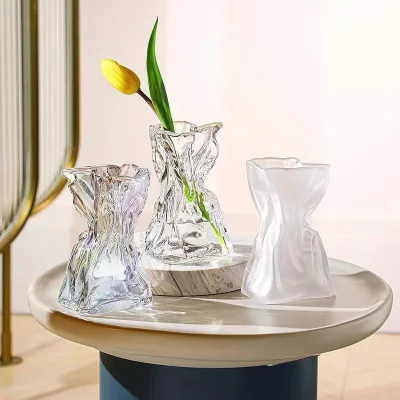
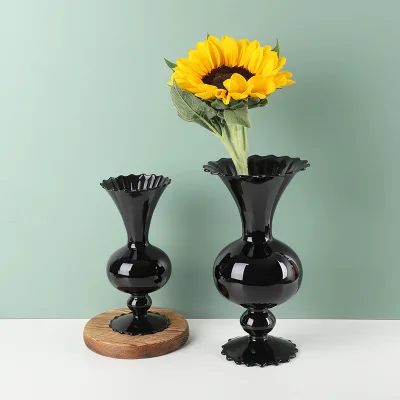
Modern Home Colored Design Decorate Glass Flower Vase for Home Decoration
$2.00 - $5.00
MOQ: 300 Pieces


Tianjin Jiaming Technology Co., Ltd.
- Verified by SGS
- Trading Company
- China Tianjin
- Lead time15 days
- Avg. response≤ 11h
Main productsGlass Jar, Glass Cup, Kitchen Utensils, Teapot, Glass Pitcher
Main marketsOthers(foreignTradeCapacity.exportBusinessCapacityMarketOther)
Shenzhen Lanborui Technology Co., Ltd.
- Manufacturer, Trading Company, Buying Office
- Guangdong, China
- Lead time15 days
- Avg. response≤ 5h
Main productsPooja Essentials,Decoration items,Giftware,Zinc alloy craft,Wedding decor
Main marketsNorth America(40.00%), Mid East(10.00%), Oceania(10.00%), Southern Europe(9.00%), Western Europe(8.00%), Southeast Asia(5.00%), Northern Europe(5.00%), Africa(5.00%), Eastern Europe(5.00%), South America(2.00%), Eastern Asia(1.00%)
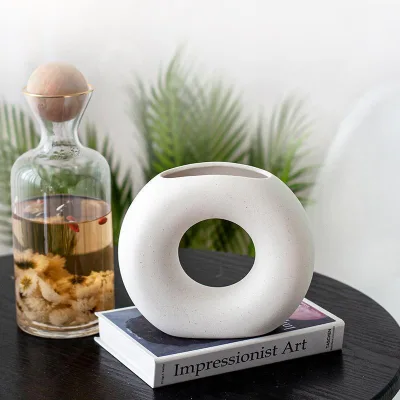
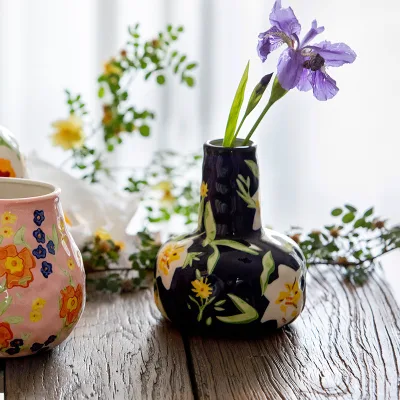
Japanese Ins Modern Decoration Home Hand-painted Flower Vase Mini Ceramic Vase Customization
$3.50 - $4.50
MOQ: 300 pieces
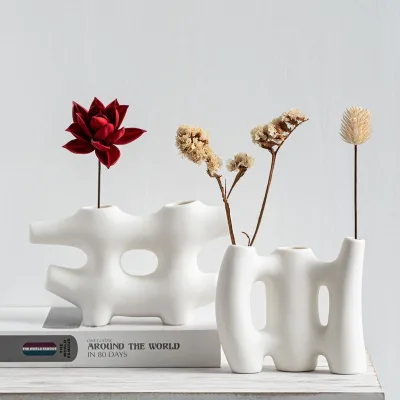
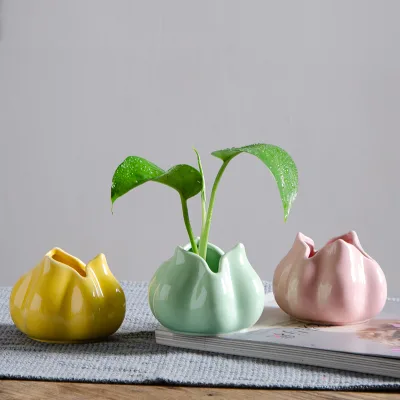
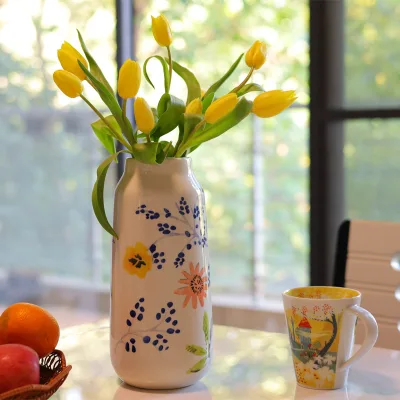
$3.50 - $4.50
MOQ: 300 pieces

Guangzhou Garbo International Trading Co., Ltd.
- Verified by TUVRHEINLAND
- Trading Company,Manufacturer/Factory
- China Guangdong
- Lead time45 days
- Avg. response≤ 6h
Main productsGlassware, Glass Cup, Glass Mug, Glass Bowl, Glass Candy Jar, Glass Pitcher, Glass Ice Cream Cup and Ice Bucket, Opal Glassware, Stainless Steel Cutlery, Ceramic Dinnerware
Main marketsSouth America,Eastern Europe,Mid East,North America,Southeast Asia,Eastern Asia,Oceania,Western Europe,Africa


$1.528 - $2.038
MOQ: 1200 Pieces

Chaozhou Chaoan Yazhi Polyresin Craft Factory
- Manufacturer, Trading Company
- Guangdong, China
- Lead time45 days
- Avg. response≤ 6h
Main productsPolyresin Vase, Polyresin Craft
Main marketsWestern Europe(20.00%), North America(12.00%), Northern Europe(10.00%), Mid East(10.00%), South America(8.00%), Eastern Europe(8.00%), Southern Europe(7.00%), Oceania(5.00%), Domestic Market(5.00%), Southeast Asia(5.00%), Central America(3.00%), Africa(3.00%), South Asia(2.00%), Eastern Asia(2.00%)
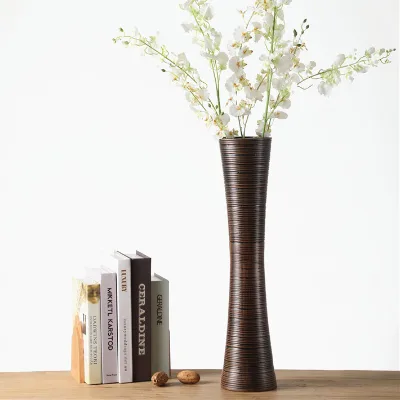
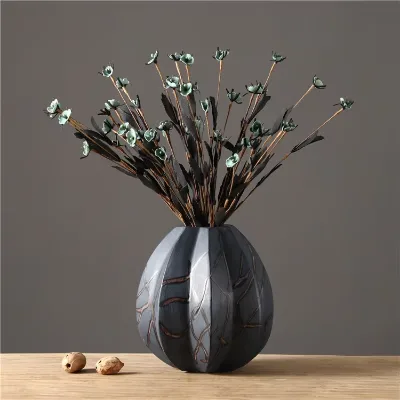
Eco-friendly Home Living Room Art Decor Polyresin Vase Handmade Craft Flower Vase
$6.26 - $8.14
MOQ: 96 pieces
Fujian Dehua Dingshengxiang Ceramic Co., Ltd.
- Manufacturer, Trading Company
- Fujian, China
- Lead time60 days
- Avg. response≤ 3h
Main productsCeramic Christmas Craft, Ceramic Easter Craft, Resin Craft, Ceramic Garden Pot, Ceramic Mug
Main marketsSouth America(30.00%), Northern Europe(25.00%), North America(20.00%), Western Europe(15.00%), Africa(5.00%), Eastern Europe(5.00%)

Ningbo Paiaopai Display Co., Ltd
- Verified by TUVRHEINLAND
- Combined
- China Zhejiang
- Lead time30 days
- Avg. response≤ 2h
Main productsMakeup Cosmetic Display Organizer Beauty, Jewelry Display Stand for Necklace Breclet Tray, Counter Display for Retial Store Sunglass, Buffet Display for Cake Dessert Party Stand, Funko Pop Acrylic Box Pokemon Etb Booster Pack, Acrylic Sign Label Price Tag Display Holder Fram, Juice Wine Display Racking Shelf Showcase, Acrylic Floor Display Pop up Display Side Table, House Decoration Display Stand Desktop Vase, Store Display Rack Supermarket Metal Acrylic PVC
Main marketsDomestic,North America
Quanzhou Deerli Arts & Crafts Co., Ltd.
- Manufacturer, Trading Company
- Fujian, China
- Lead time15 days
- Avg. response≤ 7h
Main productsresin craft gift,ceramic product,home decoration,outdoor garden decoration,ceramic craft
Main marketsCentral America(20.00%), North America(15.00%), Domestic Market(12.00%), Northern Europe(11.00%), Southern Europe(10.00%), South America(10.00%), Eastern Europe(5.00%), Mid East(5.00%), Eastern Asia(5.00%), South Asia(4.00%), Western Europe(3.00%)
Chaozhou Jizhi Ceramics Co., Ltd
- Manufacturer, Trading Company
- Guangdong, China
- Lead time40 days
- Avg. response≤ 5h
Main productsFlower vase,ceramic pot,ceramic animal,table lamp,ceramic fruit plate
Main marketsNorthern Europe(30.00%), South America(20.00%), South Asia(10.00%), North America(10.00%), Eastern Asia(10.00%), Southeast Asia(10.00%), Eastern Europe(10.00%)
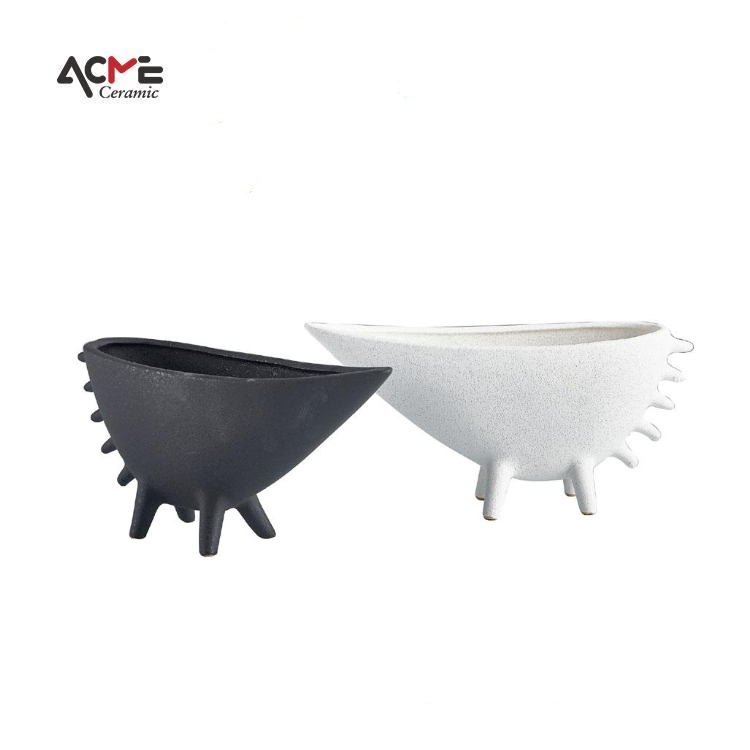
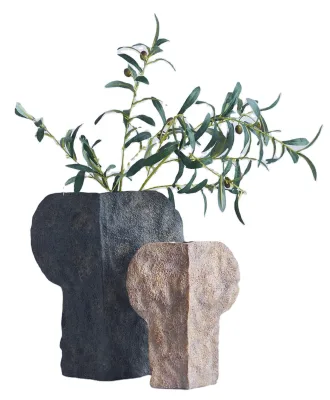
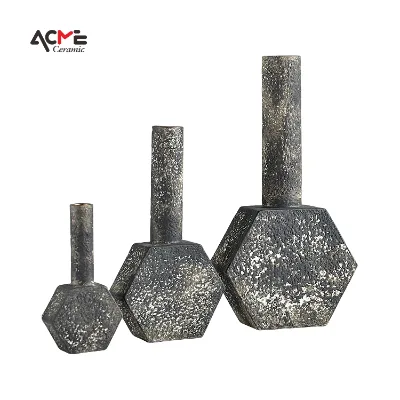
$1.7425 - $6.9985
MOQ: 1000 pieces
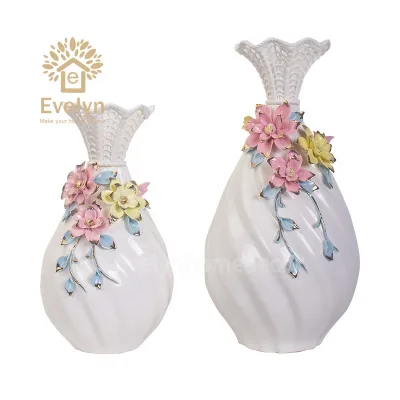
Evelyn Home Decor (Guangzhou) Co., Ltd.
- Distributor/Wholesaler
- Guangdong, China
- Lead time旺季: "1 - 2":14,"3 - 10":25,"> 10":"To be negotiated", 淡季: "1 - 2":14,"3 - 10":25,"> 10":"To be negotiated"
- Avg. response≤ 4h
Main productshome decor,furniture,sofa,table,customized order
Main marketsDomestic Market(30.00%), North America(10.00%), Central America(10.00%), South America(10.00%), Southeast Asia(8.00%), Mid East(8.00%), Northern Europe(4.00%), Western Europe(4.00%), Oceania(3.00%), Eastern Asia(3.00%), Eastern Europe(3.00%), South Asia(3.00%), Southern Europe(2.00%), Africa(2.00%)

Yancheng Xinboyuan Glass Co., Ltd.
- Verified by BV
- Trading Company,Manufacturer/Factory
- China Jiangsu
- Lead time23 days
- Avg. response≤ 8h
Main productsGlass Table Lamp, Glass Perfume Bottles, Glass Lampshade, Glass Labware, Glass Bottles & Jars, Glass Candlesticks, Borosilicate Mug & Cups, Glass Vases & Terrariums, Glass Beakers, Glass Reagent Bottles
Main marketsEastern Europe,Mid East,North America,Western Europe


Creative Glass Vase Modern Nordic Style Vase Living Room Decoration Flower
$1.00 - $3.50
MOQ: 50 Pieces

- Trading Company
- China Zhejiang
- Lead time30 days
- Avg. response≤ 13h
Main productsHome Appliance, Cookware Set, Thermos, Home Storage, Furniture, Pet Supplies, Garden Tools, Outdoor Supplies, Baby Supplies, Houesehold Items
Main marketsSouth America,Africa,Southeast Asia/ Mideast,East Asia(Japan/ South Korea),Domestic,Europe,Australia,North America

Jinjiang Enrong Crafts Co., Ltd.
- Trading Company
- Fujian, China
- Lead time60 days
- Avg. response≤ 2h
Main productsceramic flower pot,cement crafts,ceramic decors,polyresin decors,ceramic burners
Main marketsCentral America(20.00%), North America(10.00%), Domestic Market(10.00%), Mid East(10.00%), Southeast Asia(10.00%), South Asia(10.00%), South America(10.00%), Western Europe(5.00%), Eastern Europe(5.00%), Southern Europe(5.00%), Northern Europe(5.00%)
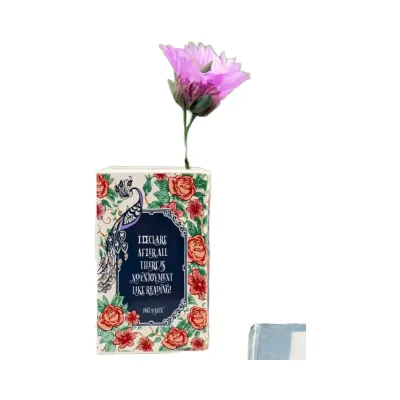
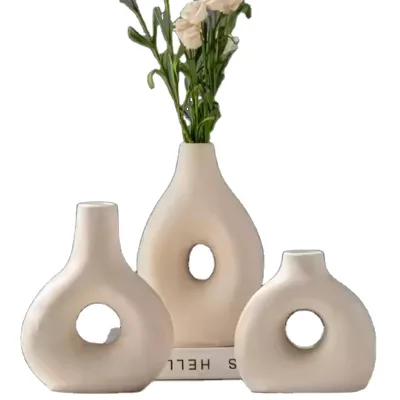
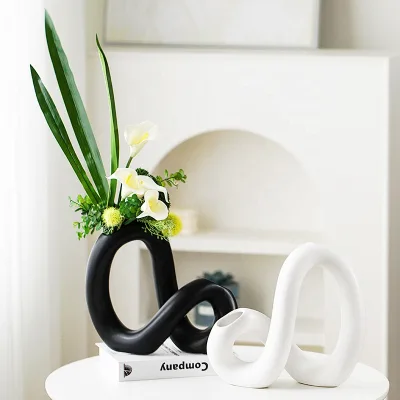
Modern Nordic White Flower Arrangement Ceramic Vase Wholesale Classic Design Style
$1.00 - $3.00
MOQ: 500 pieces
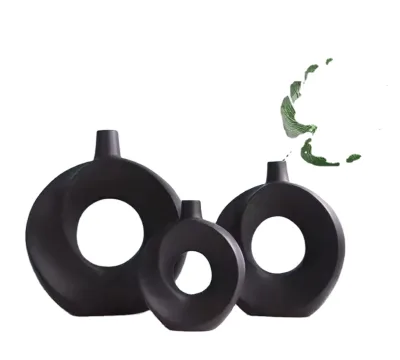
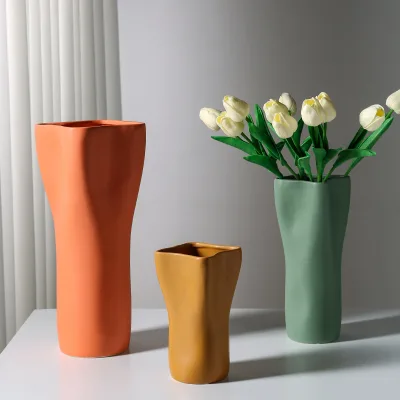
Handmade Modern Living Ceramic Vase Classic Style Flower Pots & Planters
$1.00 - $3.00
MOQ: 500 pieces

Jinjiang Jiayi Supply Chain Management Co., Ltd.
- Verified by BV
- Trading Company
- China Fujian
- Lead time30 days
- Avg. response≤ 1h
Main productsGift, Shoe, Garment, Machine
Main marketsDomestic
Shanxi Delight Houseware Co., Ltd.
- Verified by Intertek
- Trading Company
- Lead time30 days
- Avg. response≤ 4h
Main productsGlass Drinkware, Glass Plate and Bowl, Glass Candle Holder, Glass Decanter
Main marketsNorth America(20%), Mid East(15%), South America(10%)

Quanzhou Xiaoye Trading Co., Ltd.
- Verified by CTI
- Trading Company
- China Fujian
- Lead time15 days
- Avg. response≤ 3h
Main productsShoe Charm, Custom Shoe Charm, Straw Topper, Custom Straw Topper, Refrigerator Magnet, Shoe Decorations, Key Chain, Custom Keychain, Crocs Charms, Jibitz Charms
Main marketsSouth America,Africa,Southeast Asia/ Mideast,East Asia(Japan/ South Korea),Domestic,Europe,Australia,North America
Jingdezhen High-Tech Zone Xituwa Ceramic Factory (individual Business)
- Trading Company
- Jiangxi, China
- Lead time15 days
- Avg. response≤ 1h
Main productsHigh-temperature Daily Ceramic Products,High-temperature Art & Display Ceramics,Special High-temperature Funeral Ceramics,Customized High-temperature Ceramic Products,Special Industrial High-temperature Ceramics
Main marketsDomestic Market(50.00%), North America(10.00%), Southeast Asia(10.00%), Eastern Europe(5.00%), Southern Europe(5.00%), Western Europe(5.00%), South America(5.00%), South Asia(4.00%), Eastern Asia(1.00%), Mid East(1.00%), Oceania(1.00%), Northern Europe(1.00%), Central America(1.00%), Africa(1.00%)

Fujian Dehua Ciwenyuan Ceramics Co., Ltd.
- Manufacturer
- Fujian, China
- Lead time15 days
- Avg. response≤ 3h
Main productsCeramic Flower Vase,Ceramic Home Decoration,Ceramic Candle Cup,Ceramic Candlestick Holder,Ceramic Incense Burner
Main marketsNorth America(70.00%), Western Europe(15.00%), Mid East(15.00%)
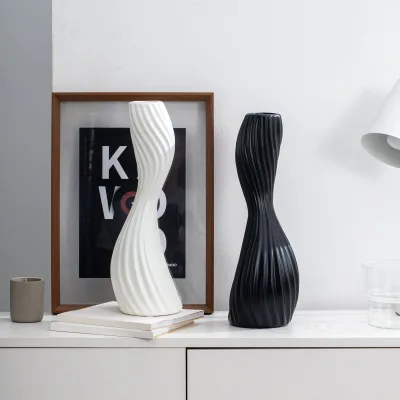
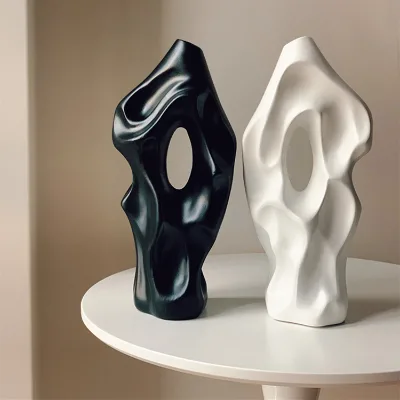
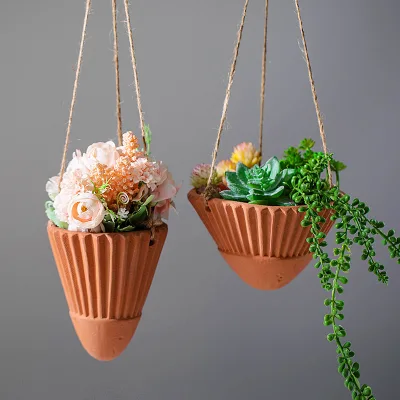
$1.8787 - $3.4566
MOQ: 20 Minimum
Meizhou Jhr Industrial And Trading Co., Ltd.
- Verified by TüVRheinland
- Trading Company
- Lead time50 days
- Avg. response≤ 13h
Main productsFiber Glass Planter, Fiber Clay Planter, Cement Flower Pot, Resin Home Decor, Resin Vase
Main marketsSouth America(22%), North America(18%), Mid East(15%)
Guangzhou Art-Top Home Culture Co., Ltd.
- Manufacturer, Trading Company
- Lead time旺季: "1 - 20":30,"> 20":"To be negotiated", 淡季: "1 - 20":30,"> 20":"To be negotiated"
- Avg. response≤ 2h
Main productsCeramic Vases/Glass Vases/Dinnerware Set/Home Accessories/Other Home Decor
Baoying County Xuzhiguang Glass Crafts Co., Ltd.
- Verified by SGS Group
- Manufacturer, Trading Company
- Lead time7 days
- Avg. response≤ 1h
Main productsGlass Vases, Glass Candle Holders, Glass Tea Sets, Glass Wind Chimes, Glass Wine Glasses
Main marketsDomestic Market(66%), North America(12%), Western Europe(5%)
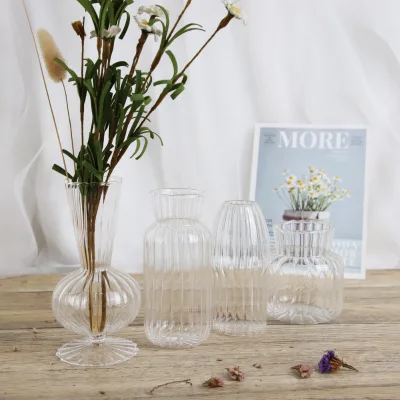
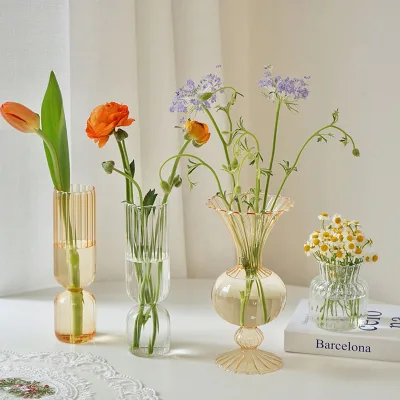
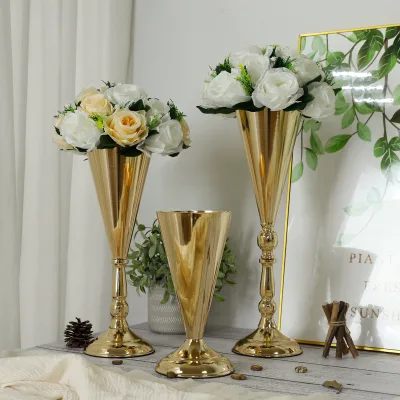
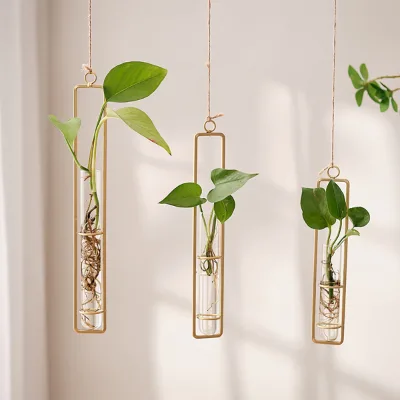
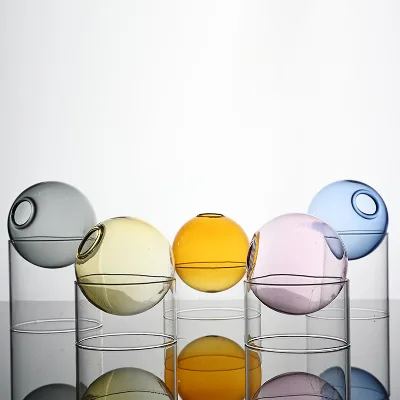
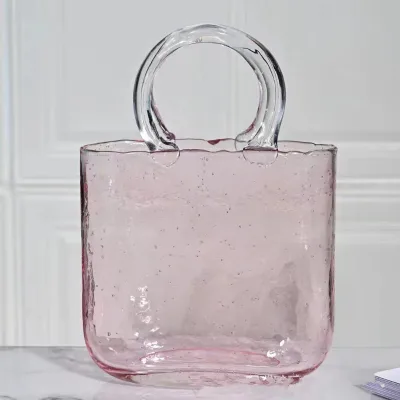
Cheap Price Creative Handblown Glass Tabletop Vases
$1.20 - $2.00

- Trading Company
- China Guangdong
- Lead time15 days
- Avg. response≤ 5h
Main productsHouseware, Bathroom Set, Bathroom Accessory, Kitchenware, Tableware, Wine Accessory, Bath Set, Home Decoration, Soap Dispenser, Bath Ensembles
Main marketsDomestic,North America

$12.96 - $13.93
MOQ: 2 Pieces

Living Room Decor Nordic Vase Decoration Home Vases Resin Crafts Flower Vase
$3.43 - $3.72
MOQ: 100 Pieces

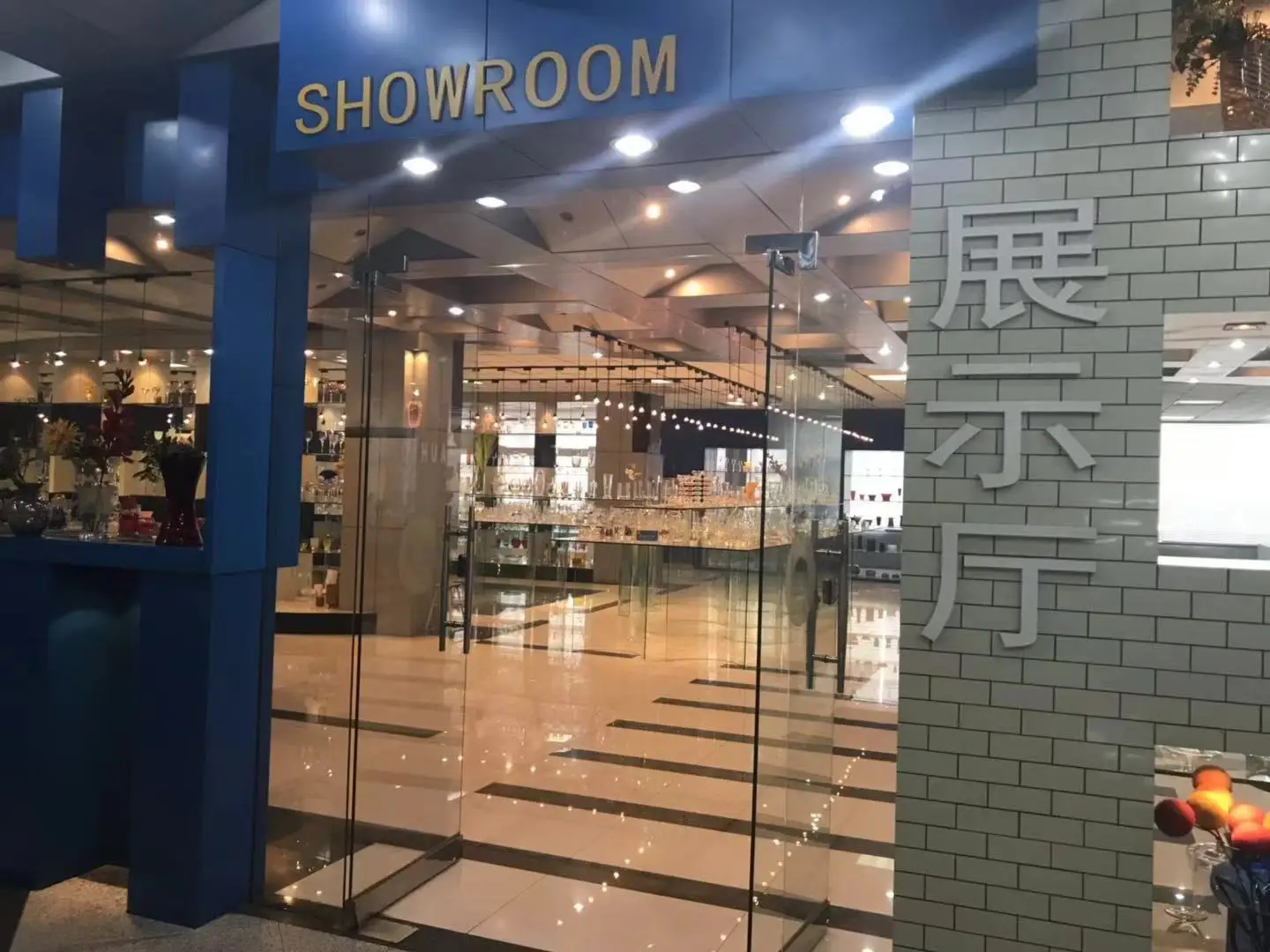
Changsha Aikeyi Homeware Co., Ltd.
- Trading Company
- Hunan, China
- Lead time25 days
- Avg. response≤ 2h
Main productsCustomized Glassware,Glass Tableware,Wine Glass,Glass Bottle,Glass Jar
Main marketsNorth America(33.00%), Oceania(15.00%), South America(12.00%), Western Europe(9.00%), Mid East(8.00%), Central America(4.00%), Northern Europe(4.00%), Africa(3.00%), Eastern Europe(3.00%), Southern Europe(3.00%), South Asia(2.00%), Southeast Asia(2.00%), Eastern Asia(2.00%)

Qingdao Qiteng Yongxin Glass Products Co., Ltd
- Verified by SGS
- Trading Company
- China Shandong
- Lead time30 days
- Avg. response≤ 6h
Main productsScented Oil Bottle, Wine Bottle, Beverage Bottle, Perfume Bottles, Reed Diffuser Bottles, Rum Bottle, Wax Holder, Essential Oil Glass Bottle, Nail Polish Glass Bottle, Roll on Glass Bottle
Main marketsEurope
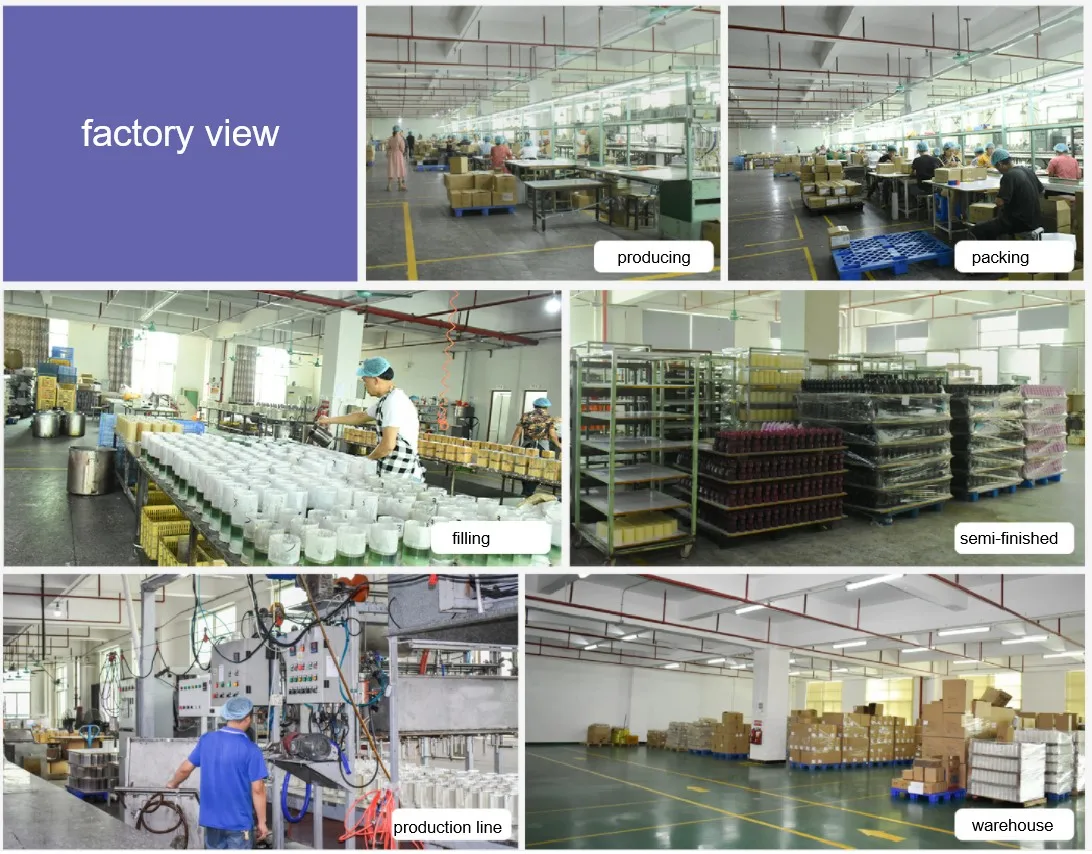
Chengdu HZ Dream Import & Export Co.,Ltd.
- Trading Company
- Sichuan, China
- Lead time15 days
- Avg. response≤ 2h
Main productsshape candle,candle holder,vase,cup,artificial flower
Main marketsNorth America(40.00%), Western Europe(20.00%), Domestic Market(10.00%), South Asia(10.00%), Northern Europe(10.00%), Oceania(10.00%)
Fujian Dehua Dome Arts&crafts Co., Ltd.
- Verified by TüVRheinland
- Manufacturer, Trading Company
- Fujian, China
- Lead time60 days
- Avg. response≤ 7h
Main productsCeramic Crafts, Resin Crafts
Main marketsWestern Europe(45.00%), North America(35.00%), Mid East(10.00%), Oceania(5.00%), Domestic Market(5.00%)
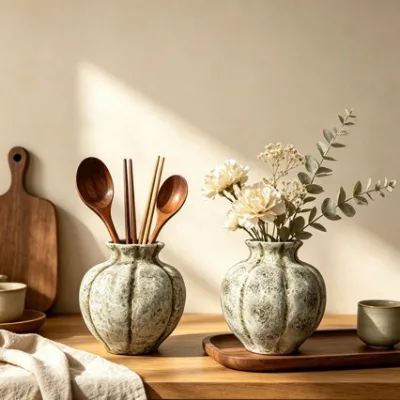
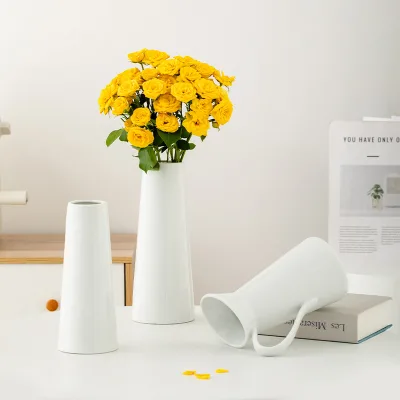
$2.5599 - $3.7814
MOQ: 2 Minimum
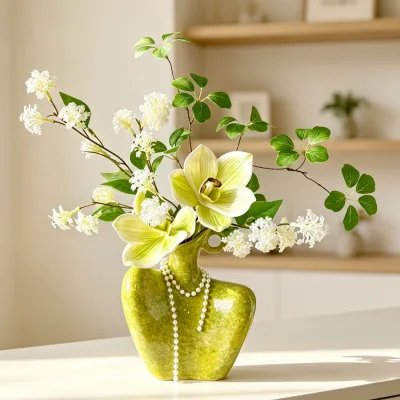
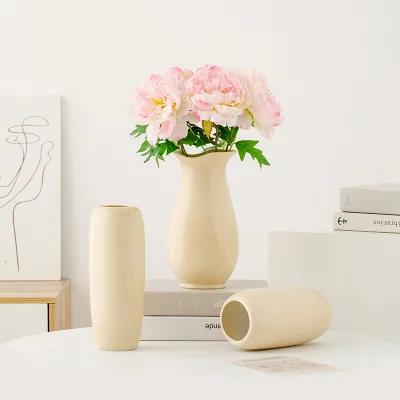
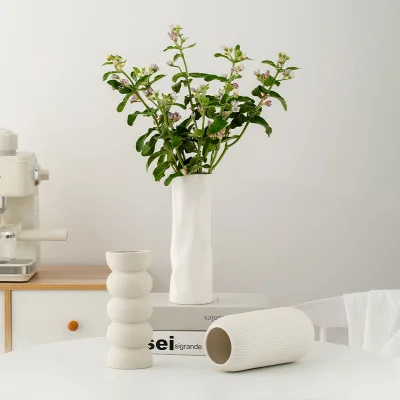
Ins Style Cream Colored Vase, Designed with Simplicity and Sophistication, Supports Customization
$1.4506 - $3.1093
MOQ: 2 Minimum
Linyi Jingjiu Glass Products Co., Ltd.
- Manufacturer, Trading Company
- Shandong, China
- Lead time0 days
- Avg. response≤ 6h
Main productsGlass bottle,Glass jar,1 to 20 liter glass bottles with plastic handles,Glass crystal vase,Glass vase
Main marketsMid East(11.00%), Southeast Asia(11.00%), Central America(11.00%), South Asia(11.00%), North America(11.00%), Domestic Market(8.00%), Eastern Asia(8.00%), Africa(8.00%), South America(8.00%), Northern Europe(6.00%), Eastern Europe(3.00%), Southern Europe(2.00%), Western Europe(1.00%), Oceania(1.00%)
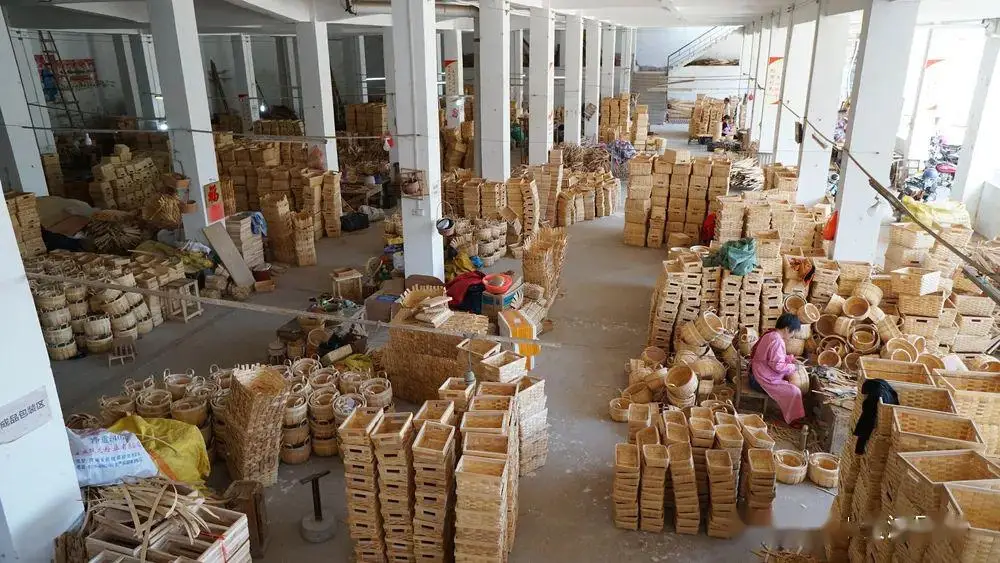
Nanning Lanshige Home Furnishing Technology Co., Ltd.
- Trading Company
- Guangxi, China
- Lead time7 days
- Avg. response≤ 4h
Main productsStorage Box,seaweed basket,woodchip basket,bamboo basket,storage basket
Main marketsNorth America(35.00%), Western Europe(30.00%), Eastern Europe(20.00%), Domestic Market(5.00%), Mid East(5.00%), South America(2.00%), Southeast Asia(2.00%), Africa(1.00%)
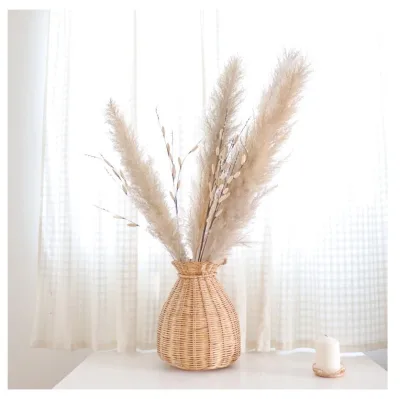
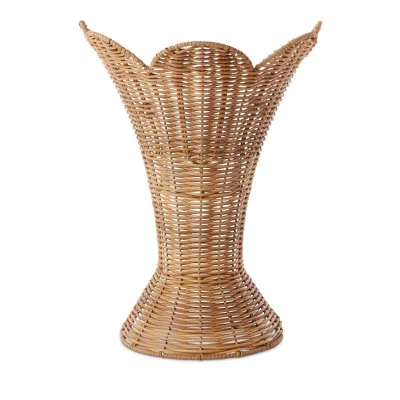
Rattan Vase Natural Handmade Woven Large Rattan Vase New Unique Style Home Decor Flower Vases
$7.99 - $8.99
MOQ: 300 pieces
Hefei Amixn E-Commerce Co., Ltd.
- Trading Company
- Anhui, China
- Lead time25 days
- Avg. response≤ 2h
Main productsParty Decor,Garden,Metal Raised Garden Beds,Hydroponic Planters,Macrame Planters
Main marketsNorth America(60.00%), Eastern Europe(30.00%), South America(5.00%)










Comprehensive Sourcing Guide
Modern Eco Friendly Home Vase Supplier Concentration and Factory Types
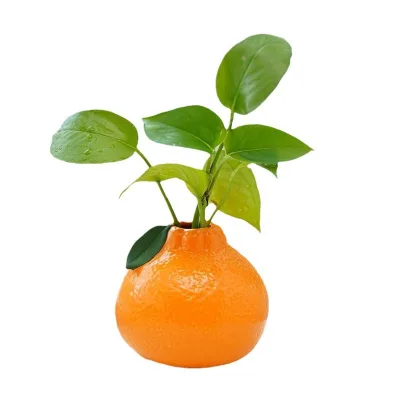
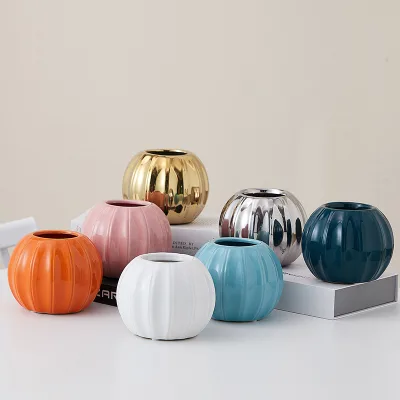
The supplier results for modern eco friendly home vases show a clear split between glass specialists and ceramic decor producers, spread across several Chinese provinces rather than one single cluster. One verified glassware source in Shandong lists main products spanning glassware, kitchenware, houseware, glass vases and giftware, and operates as a combined manufacturer and trading operation with ODM and OEM capability. A second verified source in Tianjin concentrates on functional glass items such as glass jars, cups, teapots and pitchers, and also supplies clear glass jar vases positioned as eco-friendly home decor. A third source in Guangdong works in pooja essentials, decoration items, giftware and wedding decor, offering minimalist ceramic vases alongside hand-painted options. Because no single location dominates, buyers should treat this category as multi-cluster.
Before shortlisting, identify clusters yourself: filter candidate suppliers by product category (glass and crystal vases versus ceramic and porcelain vases), then group them by stated province, company type and main-product overlap. A supplier whose main products are glass jars and kitchenware will approach vase production with different tooling and quality habits than a dedicated glassware or ceramic decor maker. Also note the factory-type label matters: combined manufacturer-traders can quote flexibly but may outsource part of production, while pure trading companies rely on partner factories. Ask each candidate which stage they actually control—forming, glazing, decoration, packing—so you know where quality responsibility sits before you compare quotations.
How to Verify Modern Eco Friendly Home Vase Suppliers
Verification should start with third-party audit status. In the current results, one Shandong glassware supplier carries Bureau Veritas verification and lists ISO 9001:2015 and ISO 14001:2015 system certifications, which speak to quality management and environmental management systems rather than product-level eco claims. A Tianjin trading company is verified by SGS but shows no system certification in its listing, so an eco-friendly claim from that source must be substantiated by material declarations instead. Do not assume that a verified profile equals a certified product: verification confirms the business identity, while product environmental claims need separate evidence such as material composition statements for glass or glaze test reports for ceramics.
Beyond credentials, verify capability through product evidence and responsiveness. The Shandong source advertises ODM and OEM capacity and describes mouth-blown, hand-made glass vases in transparent and color-glazed finishes—claims you can test by requesting a sample of a specific model such as a 14.5 x 30 cm blown vase. The Tianjin source documents dimensional tolerance under ±1 mm, weight tolerance under ±1%, and foam-box packing for fragile glass, which indicates disciplined specification practice. The Guangdong source shows a fast five-hour average response time, useful for iterative custom work on ceramic finishes. For any supplier, confirm the actual legal entity behind the profile, request photos of the forming or kiln workshop, and ask whether eco-friendly claims relate to recyclable material content, low-lead glazes, or packaging—then obtain that in writing.
What to Compare Across Modern Eco Friendly Home Vase Suppliers
Compare suppliers on the attributes actually displayed, since coverage varies. Lead time is a sharp differentiator here: the Shandong glassware maker lists a 60-day lead time while the Tianjin trading company lists 15 days, a fourfold gap that will shape your replenishment calendar. Response times also differ—roughly 5, 10, and 14 hours across the three examples—so weight communication speed if your project involves frequent design revisions. MOQs published on specific products range from 300 pieces on the Shandong glass vases to 1,000 and 2,000 pieces on Tianjin listings, and one Tianjin product description separately states a 100-piece minimum, so always reconcile the listing MOQ with the quoted MOQ in writing.
Price bands and product breadth complete the comparison. Published unit prices run from about $1–3 on a twine-handle glass vase, $2–5 on modern decorative glass vases, and roughly $0.38–8.27 across the Tianjin jar-vase range, so compare quotes within matched specifications, sizes and finishes rather than headline numbers. Company type matters too: the Guangdong supplier operates as manufacturer, trading company and buying office combined, which can widen sourcing options but blur accountability. Also weigh main-product focus—dedicated glassware or ceramic decor specialists against mixed kitchenware or giftware catalogs—plus establishment year where shown, escrow or payment protection availability, and ODM versus OEM depth. Build a simple matrix so differences are visible across all candidates instead of buried in email threads.
Common Modern Eco Friendly Home Vase Sourcing Risks
The most common risk is conflating business verification with product compliance. A supplier verified by BV or SGS has passed an identity and capability check of some kind, but that says nothing about whether a "color glazed" ceramic vase meets lead and cadmium limits in your market, or whether an "eco-friendly" glass jar vase has any documented recycled content. Buyers who skip product-level documentation often discover gaps only at customs or retail audit. A second risk is fragile-goods logistics: blown glass with wide diameter tolerances, thin walls and decorative finishes damages easily, and packing choices like cartons versus foam boxes directly affect breakage claims on arrival.
Other risks are commercial. Lead-time volatility is real when one supplier quotes 60 days and another 15; long leads amplify forecast error on seasonal decor, and any eco-friendly material substitution can add approval time mid-cycle. MOQ mismatches are another trap—listings in this category show 100, 300, 1,000 and 2,000-piece minimums for similar-looking items, and the effective MOQ may rise once glaze color or size variants split the order. Ambiguity between ODM and OEM scope can leave you without exclusive rights to a custom mold or decoration. Finally, mixed manufacturer-trader identities can mean your "factory" subcontracts glazing or packing. Mitigate each risk contractually: specify tolerances, packing method, sample approval, and who owns tooling before deposit.
Modern Eco Friendly Home Vase Regional Sourcing and Logistics
The observed supplier footprint—Shandong, Tianjin and Guangdong—maps onto practical logistics choices. Shandong is a recognized glass-production region, consistent with a supplier there listing ISO-certified glassware manufacturing with ODM/OEM capacity and a 60-day lead time suited to planned, volume-driven programs. Tianjin sits on a major northern port corridor, and the trading company there lists a 15-day lead time on in-range glass items, which favors faster replenishment or trial orders if stock exists. Guangdong anchors southern export infrastructure and suits buyers combining ceramic vases with wedding or gift decor from the same region. These are the only location claims supported by the current results; anything beyond them should be verified directly.
For logistics planning, fragility drives decisions more than distance. Glass vases listed from Tianjin specify foam-box packing and individual-item weights around 0.36 kg with package sizes near 107 x 107 x 145 mm—details that let you estimate carton cube, container fill and freight class before quoting. Request the same packing dimensions and unit weights from ceramic suppliers, since glaze finishes chip more readily than clear glass scratches. Decide between full-container loads for cost efficiency on 300–2,000-piece MOQs and less-than-container shipments for testing multiple suppliers at once. Confirm Incoterms, inland haulage from each province, and whether seasonal decor peaks will extend the 15–60 day production windows already visible in this category.
Modern Eco Friendly Home Vase Commercial Terms and Order Planning
Structure commercial terms around the published variables. With MOQs spanning 100 to 2,000 pieces and price bands from under $1 to above $8, negotiate pricing at matched specifications and confirm whether quoted prices hold at your actual order quantity, finish and size mix. The 60-day versus 15-day lead-time gap should anchor your order calendar: plan Shandong-style blown-glass programs one full season ahead, and use faster Tianjin-style suppliers for top-ups or first test orders. Ask about payment protection such as escrow or trade assurance before wiring deposits, since the Guangdong listing shows response capability but no displayed escrow status—treat absence of a displayed term as a question to ask, not a negative.
Order planning should sequence samples, pilots and scale. Start with a paid sample of the exact model—for example, a 14.5 x 30 cm transparent blown vase or a color-glazed 12 x 30 cm piece—then approve packing method, tolerances and finish against photos and measurements. Place a pilot at the lowest confirmed MOQ to test breakage rates, glaze consistency and eco-claim documentation before committing to container volumes. For ongoing programs, secure capacity during peak decor season by booking production slots early, given 60-day leads. Finally, put customization scope, mold ownership, replacement policy for transit breakage, and any environmental material declarations into the contract. Revisit terms annually as volumes and supplier performance evolve.
Word count check: each section ≈228–232 words; total ≈1,385 words. All headings copied exactly, no supplier names, no invented facts.
FAQs
What is the price range for modern glass vases?
Prices for modern glass vases typically range from $0.38 to $8.27 per unit depending on the specific model and customization options. Some standard decorative items start as low as $1.00, while premium hand-blown designs can reach higher price points. Buyers should verify exact costs based on quantity and material specifications.
What are the minimum order quantities for glass vases?
Minimum order quantities vary significantly by supplier and product type. Some manufacturers require a minimum of 100 units for specific eco-friendly models, while others set the threshold at 300 or even 2000 pieces. Buyers must check individual product listings to confirm the exact MOQ applicable to their desired order volume.
How long does production take for custom vases?
Lead times for manufacturing modern vases generally range from 15 to 60 days. Suppliers with faster turnaround times often have established production lines, while those offering extensive customization or complex designs may require longer periods. Buyers should confirm specific delivery schedules with their chosen supplier before placing orders.
Are these vases suitable for home decoration?
Yes, these vases are explicitly designed for home decoration and suitable for indoor use. They feature modern styles, fashionable finishes, and decorative purposes tailored for living rooms and tabletops. Many products are crafted from glass or ceramic materials to enhance interior aesthetics while maintaining functional utility for flowers or hydroponic plants.
What certifications do these suppliers hold?
Verified suppliers often hold ISO9001:2015 and ISO14001:2015 certificates, ensuring quality and environmental management standards. Some suppliers also undergo third-party verifications such as BV or SGS. Buyers should request current certification documents to confirm compliance with international standards and specific product requirements before finalizing procurement agreements.
Where are these vase manufacturers located?
Manufacturers are primarily located in China, specifically in regions like Shandong, Tianjin, and Guangdong. These areas are known for their glassware and home decor production capabilities. Buyers can filter suppliers by these locations to align with logistics preferences and regional manufacturing strengths for efficient sourcing operations.