Modern Eco Friendly Glass Mug Suppliers and Manufacturers
Compare 25 verified suppliers offering Modern Eco Friendly Glass Mug options with LFGB and ROHS certifications. Review response times, lead times, and pricing to source High Borosilicate Glass products from Tianjin and Fujian factories; review the available evidence before requesting comparable quotations from suitable candidates.
Suppliers List

Hemera (Tianjin) Technology Development Limited
- Verified by TUVRHEINLAND
- Manufacturer/Factory
- China Tianjin
- Lead time38 days
- Avg. response≤ 5h
Main productsGlass Cup, Glass Teapot, Glass Jar&Container, Glass Pitcher&Carafe, Water Jug, Coffee Set, Wine Set, Glass Cooking Ware
Main marketsSouth America,Eastern Europe,Mid East,North America,Southeast Asia,Eastern Asia,Oceania,Western Europe,Africa


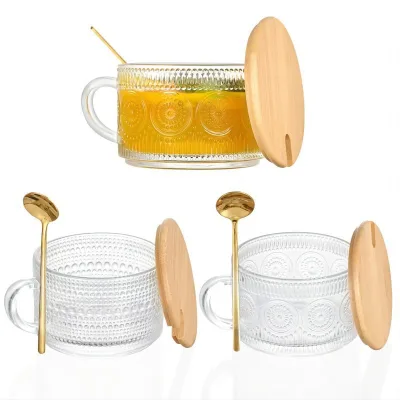
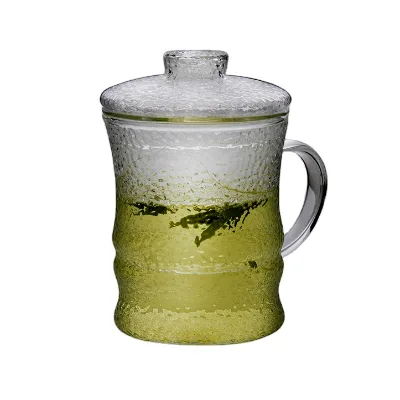
Morning Glass Water Cups Drinking Milk Mugs Simple Designs Water Coffee Drinking Cups
$1.10 - $1.50
Moq: 1000

Jinjiang Jiaxing Supply Management Co., Ltd.
- Verified by TUVRHEINLAND
- Trading Company
- China Fujian
- Lead time30 days
- Avg. response≤ 1h
Main productsEVA Clogs, Flip Flop, Shoe Charms, Shopping Bags, Wristbands, Gifts, Promotional Gifts, Slipper, Sport Cap, Ball
Main marketsNorth America

Jinan Glass International Trade Co., Ltd.
- Manufacturer/Factory
- China Shandong
- Lead time15 days
- Avg. response≤ 7h
Main productsGlass Smoking Pipe, Glass Pipe, Printing and Package, Laboratory Glassware, Home Glassware, Machine, Sticker, Wall Decal
Main marketsSouth America,Eastern Europe,North America,Southeast Asia,Eastern Asia,Oceania,Western Europe,Africa

Qingdao Simpassic Import and Export Co., Ltd.
- Trading Company,Manufacturer/Factory
- China Shandong
- Lead time0 days
- Avg. response≤ 25h
Main productsGlass Cup, Glass Jar, Borosilicate Glass Food Containers, Glass Mug, Tableare, Glass Tumbler, Glassware, Glass Jug, Glass
Main marketsSouth America,Eastern Europe,Mid East,North America,Southeast Asia,Eastern Asia,Oceania,Western Europe,Africa

- Verified by BV
- Manufacturer/Factory
- China Fujian
- Lead time15 days
- Avg. response≤ 25h
Main productsWater Bottle, Kitchen Ware, Shoes, Plastic Product, Bag, Toy
Main marketsSouth America,Eastern Europe,Mid East,North America,Southeast Asia,Eastern Asia,Oceania,Western Europe,Africa

Jinjiang Jiaxing Import and Export Co., Ltd.
- Verified by CTI
- Manufacturer/Factory
- China Fujian
- Lead time120 days
- Avg. response≤ 1h
Main productsShoes, Slipper, Clothes, Promotion Gifts, Silicone Products, Outdoor Sports Products, Bags, Fashion Accessories, Consumer Electronics
Main marketsSouth America,Eastern Europe,Mid East,North America,Southeast Asia,Eastern Asia,Oceania,Western Europe,Africa

Guangzhou Garbo International Trading Co., Ltd.
- Verified by TUVRHEINLAND
- Trading Company,Manufacturer/Factory
- China Guangdong
- Lead time45 days
- Avg. response≤ 7h
Main productsGlassware, Glass Cup, Glass Mug, Glass Bowl, Glass Candy Jar, Glass Pitcher, Glass Ice Cream Cup and Ice Bucket, Opal Glassware, Stainless Steel Cutlery, Ceramic Dinnerware
Main marketsSouth America,Eastern Europe,Mid East,North America,Southeast Asia,Eastern Asia,Oceania,Western Europe,Africa

- Verified by SGS
- Trading Company
- China Anhui
- Lead time30 days
- Avg. response≤ 3h
Main productsPeper Cup, Plastic Cup, Paper Bowl, Biodegrable Cup, Straw, Paper Bag, Cup Carry Tray, Cup Sleeves
Main marketsSoutheast Asia/ Mideast,Europe,Australia,North America
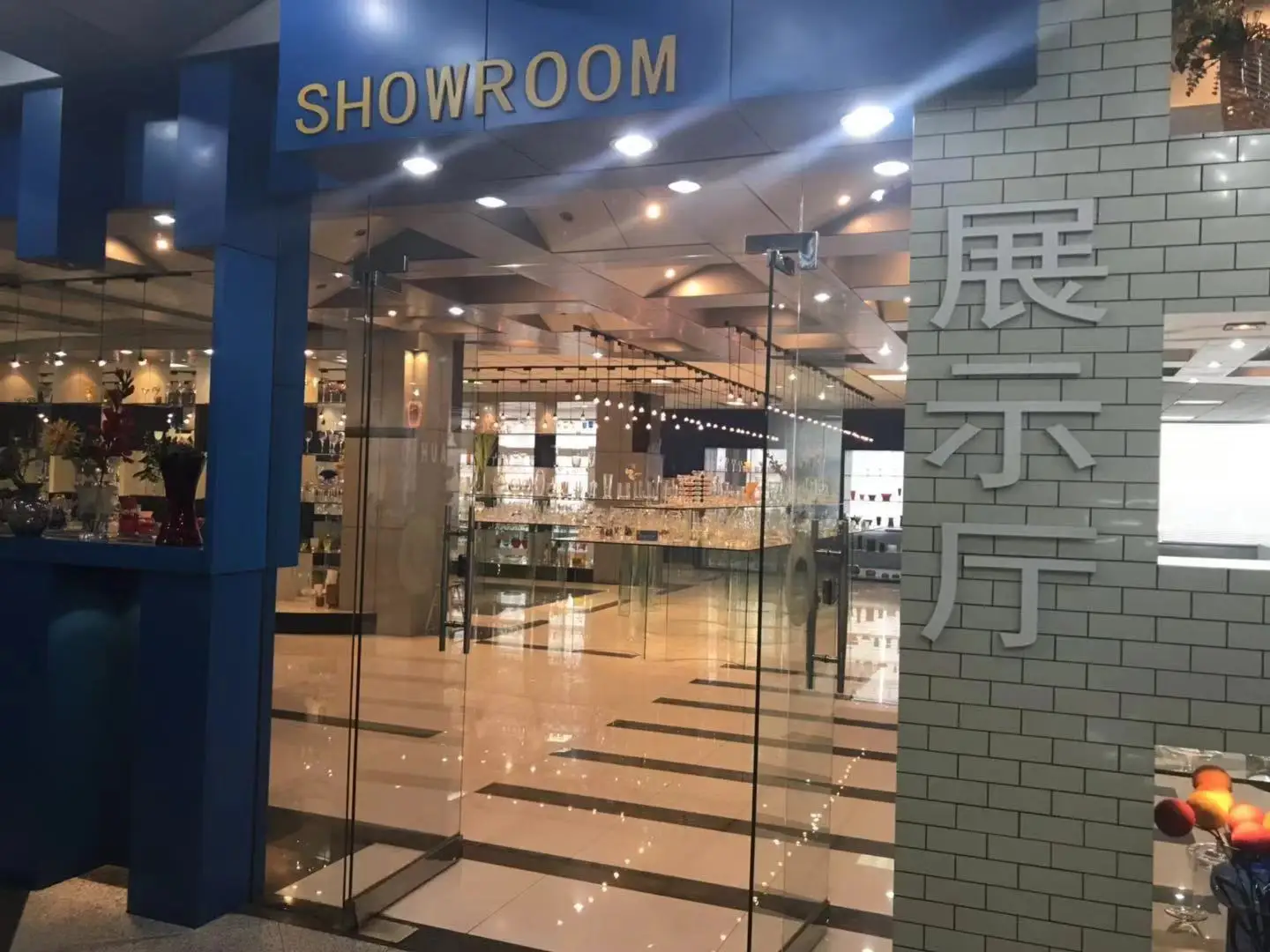
Changsha Aikeyi Homeware Co., Ltd.
- Trading Company
- Hunan, China
- Lead time25 days
- Avg. response≤ 2h
Main productsCustomized Glassware,Glass Tableware,Wine Glass,Glass Bottle,Glass Jar
Main marketsNorth America(33.0%), Oceania(15.0%), South America(12.0%), Western Europe(9.0%), Mid East(8.0%), Central America(4.0%), Northern Europe(4.0%), Africa(3.0%), Eastern Europe(3.0%), Southern Europe(3.0%), South Asia(2.0%), Southeast Asia(2.0%), Eastern Asia(2.0%)
JINAN FLAME GLASSWARE COMPANY LIMITED
- Verified by SGS
- Trading Company
- China Shandong
- Lead time23 days
- Avg. response≤ 17h
Main marketsDomestic
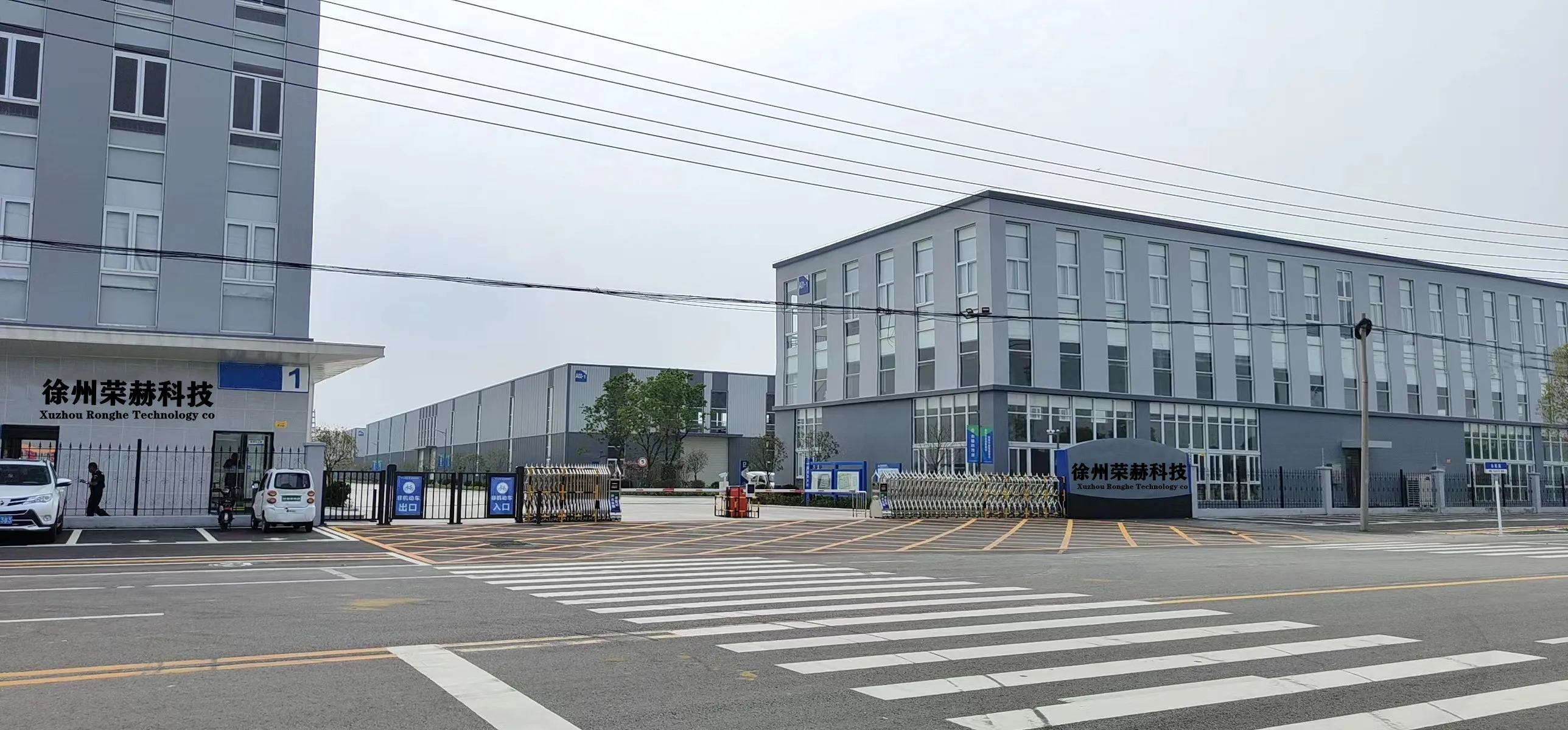
Xuzhou Ronghe Glass Technology Co., Ltd.
- Manufacturer, Trading Company
- Jiangsu, China
- Lead time30 days
- Avg. response≤ 2h
Main productsProduction and sales of glass products,Aromatherapy glass bottle,Glass storage tank,Carafe,Sealed glass bottle
Main marketsSouthern Europe(15.0%), Northern Europe(15.0%), Central America(15.0%), Western Europe(15.0%), Southeast Asia(15.0%), Eastern Europe(15.0%), South America(15.0%), North America(15.0%), Domestic Market(10.0%), South Asia(10.0%), Eastern Asia(10.0%), Mid East(10.0%), Oceania(10.0%), Africa(10.0%)

ANHUI IDEA TECHNOLOGY CO., LTD
- Verified by TUVRHEINLAND
- Trading Company
- China Anhui
- Lead time23 days
- Avg. response≤ 4h
Main productsGlass Jar, Glass Bottle, Pet Preform, Aluminum Cans, Glass Cup, Bottle Caps Jar Lids, Candle Jars, Perfume Bottle, Cosmetic Bottle
Main marketsSouth America,Africa,Southeast Asia/ Mideast,East Asia(Japan/ South Korea),Europe,Australia,North America
Qingdao D&o Houseware Co., Ltd.
- Trading Company
- Shandong, China
- Lead time40 days
- Avg. response≤ 1h
Main productsDouble Wall Glass,Glass Teapot,Glass Vase,Single Wall Glass Cup,Storage Jars
Main marketsWestern Europe(50.0%), North America(10.0%), Southern Europe(5.0%), Eastern Asia(5.0%), Northern Europe(5.0%), Southeast Asia(5.0%), Eastern Europe(5.0%), Mid East(3.0%), Oceania(3.0%), South Asia(2.0%), South America(2.0%), Central America(2.0%), Africa(2.0%), Domestic Market(1.0%)

Hebei Zhuozhongxi Glass Products Co., Ltd.
- Verified by BV
- Manufacturer/Factory
- China Hebei
- Lead time15 days
- Avg. response≤ 5h
Main productsGlass Cup, Glass Teapot, Coffee Appliance, Tea Set, Glass Crafts, Glass Jug, Glass Food Storage Jar, Wine Glass, Candle Holders, Double Wall Glass
Main marketsSouth America,Eastern Europe,Mid East,North America,Southeast Asia,Eastern Asia,Oceania,Western Europe,Africa
Hebei Zhonglong Glassware Co., Ltd.
- Verified by SGS Group
- Manufacturer, Trading Company
- Lead time25 days
Main productsDecanter, Liquor Glassware, Coffee Glassware, Tea Glassware, Glass Cup
Main marketsDomestic Market(60%), North America(20%), Western Europe(20%)

Yancheng Xinboyuan Glass Co., Ltd.
- Verified by BV
- Trading Company,Manufacturer/Factory
- China Jiangsu
- Lead time23 days
- Avg. response≤ 13h
Main productsGlass Table Lamp, Glass Perfume Bottles, Glass Lampshade, Glass Labware, Glass Bottles & Jars, Glass Candlesticks, Borosilicate Mug & Cups, Glass Vases & Terrariums, Glass Beakers, Glass Reagent Bottles
Main marketsEastern Europe,Mid East,North America,Western Europe

- Trading Company
- China Zhejiang
- Lead time30 days
- Avg. response≤ 10h
Main productsHome Appliance, Cookware Set, Thermos, Home Storage, Furniture, Pet Supplies, Garden Tools, Outdoor Supplies, Baby Supplies, Houesehold Items
Main marketsSouth America,Africa,Southeast Asia/ Mideast,East Asia(Japan/ South Korea),Domestic,Europe,Australia,North America

Tianjin Jiaming Technology Co., Ltd.
- Verified by SGS
- Trading Company
- China Tianjin
- Lead time15 days
- Avg. response≤ 10h
Main productsGlass Jar, Glass Cup, Kitchen Utensils, Teapot, Glass Pitcher
Main marketsOthers(foreignTradeCapacity.exportBusinessCapacityMarketOther)
Xuzhou Zhengda Glass Products Co., Ltd.
- Verified by SGS
- Trading Company
- China Jiangsu
- Lead time15 days
- Avg. response≤ 12h
Main marketsDomestic

Hebei Xingchen Glass Technology Co., Ltd.
- Verified by CTI
- Combined
- China Hebei
- Lead time30 days
- Avg. response≤ 9h
Main productsGlass Cup, French Press, Coffee Pot, Glass Jar, Teapot, Syphon Coffee Maker, Glass Cooking Pot, Glass Pitcher, Glass Straw, Glass Teacup
Main marketsSouth America,Africa,Others(foreignTradeCapacity.exportBusinessCapacityMarketOther),Southeast Asia/ Mideast,East Asia(Japan/ South Korea),Europe,Australia,North America
Shandong Jingyuan Glass Co., Ltd.
- Verified by SGS
- Trading Company
- China Shandong
- Lead time30 days
- Avg. response≤ 8h
Main productsGlass Bottle, Glass Jar, Glass Perfume Bottle, Glass Wine Bottle, Glass Beverage Bottles, Glass Dropper Bottle
Main marketsDomestic,Europe


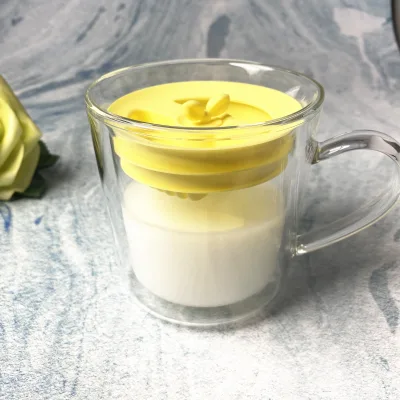
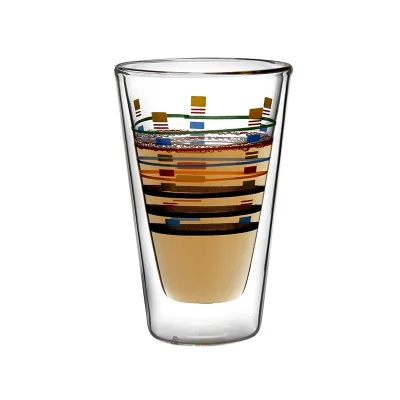
Clear High Borosilicate Double Wall Glass Coffee Mug with Customizable Pattern
$0.39 - $0.43
Moq: 3000


Foshan Ron Hospitality Supplies Co., Ltd.
- Verified by BV
- Manufacturer/Factory,Group Corporation
- China Guangdong
- Lead time45 days
- Avg. response≤ 2h
Main productsRestaurant Furniture, Restaurant Booth, Restaurant Chair, Restaurant Table, Bar Stools, Wedding Chairs, Flatware Sets, Dinnerware Sets, Garden Chairs, Disposable Dinnerware & Tableware
Main marketsSouth America,Eastern Europe,Mid East,North America,Southeast Asia,Eastern Asia,Oceania,Western Europe,Africa

Yancheng Leading Homeware Corporation Ltd.
- Verified by CTI
- Manufacturer/Factory
- China Jiangsu
- Lead time30 days
- Avg. response≤ 13h
Main productsGlass Teapot, Double Wall Glass Cup, Borosilicate Glass Jug, Glass Coffee Dripper, Borosilicate Glass Cup, Glass Sealed Jars
Main marketsEastern Europe,Mid East,North America,Western Europe,Africa
Foshan Greafor Import and Export Co., Ltd.
- Verified by BV
- Trading Company
- China Guangdong
- Lead time30 days
- Avg. response≤ 4h
Main productsBlender Glass Jar, Blender Blade, Glass Lampshade, Blender Lid and Base, Blender Spare Parts, Plastic Jar, Stainless Steel Blade, Blender Lip, Blender Machine, Blender Motor
Main marketsSouth America,Africa,Australia,North America
Hejian Hongyi Glass Products Co., Ltd.
- Verified by SGS Group
- Manufacturer, Trading Company
- Lead time15 days
- Avg. response≤ 2h
Main productsGlass Decanter, Glass Cup, Glass Bottle, Glass Tea Pots
Main marketsNorth America(50%), Southeast Asia(20%), South America(5%)






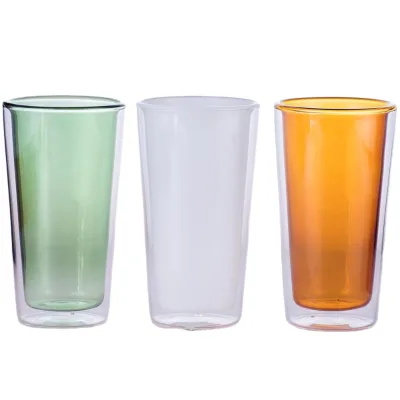
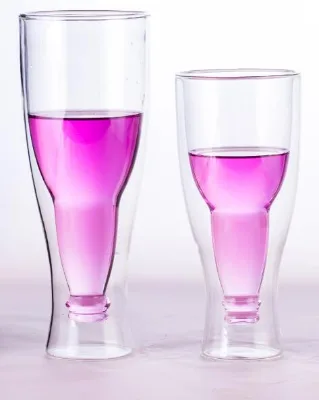


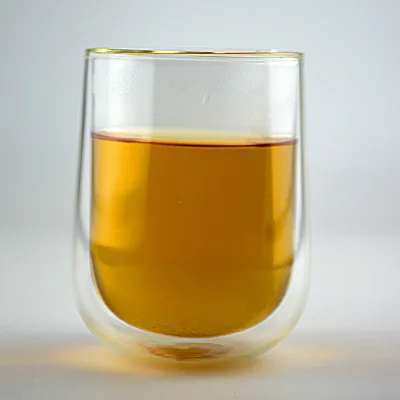
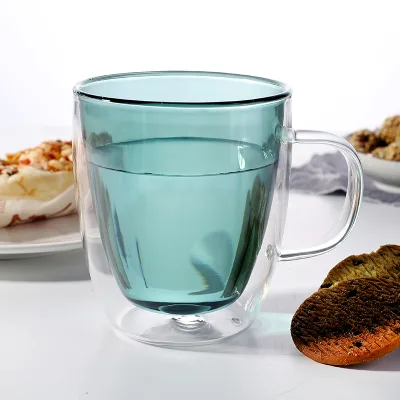


Comprehensive Sourcing Guide
Modern Eco Friendly Glass Mug Supplier Concentration and Factory Types
Current data indicates a concentration of manufacturers in Tianjin, China, specializing in high borosilicate glass products like coffee cups and tea infusers. These facilities often operate as manufacturers or factories capable of handling OEM and ODM orders, suggesting a robust local supply chain for glassware. Buyers should verify if a supplier's primary product list includes glass cups, teapots, or cooking ware to confirm they are a dedicated glass producer rather than a generalist trading company. The presence of specific glass types, such as clear high borosilicate glass, in product attributes is a strong indicator of specialized manufacturing capability in this region.
In contrast, other sourcing hubs like Fujian may feature trading companies that aggregate diverse goods, including EVA clogs and promotional gifts alongside drinkware. These entities often list main products that span multiple categories, which can dilute their focus on glass manufacturing quality. When evaluating a potential partner, buyers must distinguish between a factory with its own production lines and a trading company that sources from various vendors. A supplier listing "Manufacturer/Factory" as their company type in Tianjin offers a different value proposition than a "Trading Company" in Fujian, particularly regarding direct control over the glass blowing and tempering processes.
How to Verify Modern Eco Friendly Glass Mug Suppliers
Verification of supplier credentials is critical when sourcing modern eco-friendly glass mugs, as product safety and material integrity are paramount. Some suppliers in the current results display TUVRHEINLAND verification, which serves as a concrete indicator of third-party assessment. Buyers should prioritize suppliers who explicitly list this or similar certifications in their profile rather than relying on unverified claims. Additionally, checking for LFGB certification on specific product attributes ensures the glassware meets strict food safety standards for European markets. This verification step helps confirm that the high borosilicate glass used is free from harmful substances and safe for repeated use.
Beyond certifications, response time and lead time data provide tangible metrics for assessing supplier reliability and operational efficiency. A response time of 4.12 hours suggests a moderate level of engagement, while a lead time of 38 days indicates the production cycle duration for standard orders. Buyers should compare these figures against their own project timelines to ensure feasibility. It is also essential to verify the customization capabilities listed, such as OEM/ODM logo crafts, to ensure the supplier can meet specific branding requirements. Confirming that a supplier has the capacity for screen printing or mouth-blown techniques directly from their product attributes prevents misunderstandings regarding production methods and quality control.
What to Compare Across Modern Eco Friendly Glass Mug Suppliers
When comparing suppliers, buyers must analyze the specific product attributes and pricing structures to find the best fit for their needs. Prices for glass mugs vary significantly, with some listings showing a range from 1.10 to 3.55 per unit depending on the model and customization level. A supplier offering a price of 2.99 for a high borosilicate coffee cup with a lid differs substantially from one offering 1.25 for a simple rectangular design. Buyers should scrutinize the minimum order quantity (MOQ) requirements, which can range from 500 to 1000 pieces, to determine if the order volume aligns with their inventory strategy. Comparing these financial and volume constraints is essential for accurate budgeting and supply chain planning.
Capacity and customization options are equally vital comparison points that define the flexibility of the supply chain. Some suppliers offer customization for shape, size, and logo application, while others provide fixed standard models like the 380ml or 450ml capacities. The ability to customize packing, such as white or color boxes, and the availability of accessories like handles or lids can differentiate suppliers. Buyers should also compare the safe temperature ranges, with some products rated for -20 to 150 degrees, ensuring the mugs can withstand the intended use cases like microwaving or freezing. Evaluating these technical specifications side-by-side allows for a precise selection based on functional requirements rather than just price.
Common Modern Eco Friendly Glass Mug Sourcing Risks
One significant risk in sourcing glass mugs is the potential mismatch between the claimed material and the actual product quality. While many listings specify high borosilicate glass, buyers must verify this through product evidence to avoid receiving standard soda-lime glass that may shatter under thermal stress. The safe temperature range provided in product attributes, such as -20 to 150 degrees, is a critical safety metric that must be validated. If a supplier claims eco-friendly status but lacks specific certifications like LFGB or ROHS, the buyer faces the risk of non-compliance with international safety regulations. This discrepancy can lead to rejected shipments and potential liability issues in the destination market.
Another risk involves the reliability of lead times and the consistency of production capacity. A lead time of 38 days may be standard for one supplier, but a trading company might have different timelines due to their reliance on external factories. Inconsistent response times, such as the 0.73 hours seen in some trading companies versus 4.12 hours in others, can indicate varying levels of operational maturity. Buyers must also be wary of suppliers with vague product standards or customized dimensions that lack clear specifications. Without a defined standard like 380ml or 450ml, the final product may not meet the buyer's expectations, leading to costly returns or rework.
Modern Eco Friendly Glass Mug Regional Sourcing and Logistics
Regional sourcing decisions heavily influence logistics costs and delivery speed, with China being a primary hub for glassware manufacturing. Suppliers in Tianjin and Fujian offer distinct logistical advantages, with ocean freight being the standard shipping method for bulk orders. The packing specifications, such as 48 pieces per carton or 24 pieces per carton, directly impact container utilization and shipping efficiency. Buyers should calculate the total volume based on these packing details to optimize freight costs. Understanding the origin of the product, confirmed as China in the provided data, helps in estimating customs duties and import regulations for the destination country.
Logistics planning must also account for the specific handling requirements of glass products to prevent breakage during transit. The use of protective packaging, such as white or color boxes, is a standard practice, but the buyer should verify the carton strength and internal cushioning. Some suppliers offer customized packing solutions, which can be beneficial for fragile items but may increase costs. Buyers should inquire about the shipping terms and whether the supplier handles the ocean freight logistics or if the buyer is responsible for arranging it. Ensuring that the packing method aligns with the fragility of the glass mugs is crucial for maintaining product integrity from the factory floor to the final destination.
Modern Eco Friendly Glass Mug Commercial Terms and Order Planning
Commercial terms regarding customization and branding are central to the order planning process for modern eco-friendly glass mugs. Many suppliers offer OEM and ODM services, allowing for logo application via screen printing or other crafts. Buyers must confirm the specific logo craft options and the minimum order quantities required for customization, which can be as high as 1000 pieces for certain models. The availability of customization for shape, size, and color, such as colored or colorless options, adds complexity to the order. Clear communication of these requirements in the initial inquiry prevents delays and ensures the final product matches the brand identity.
Order planning must also consider the payment terms and the specific product models available for immediate production. With models like HM-GC544 or HM-GC676, buyers can select from existing designs to reduce lead times. However, if a custom design is required, the lead time may extend beyond the standard 30 to 38 days observed in the data. Buyers should plan their inventory cycles around these production windows to avoid stockouts. Additionally, verifying the certification status of each specific model, such as LFGB or ROHS, ensures that the ordered goods meet all regulatory requirements before the order is finalized and payment is released.
FAQs
What certifications do the glass mugs have?
Many listed glass mugs carry LFGB certification, ensuring safety for food contact. Some products also meet ROHS standards for restricted hazardous substances. Buyers should verify specific certification documents for each item before placing large orders to confirm compliance with local regulations.
What is the typical lead time for these glass mugs?
Lead times for glass mugs vary between 30 and 38 days depending on the supplier and order volume. Manufacturers in Tianjin often report a 38-day window, while trading companies in Fujian may offer a faster 30-day turnaround. Confirm exact dates with the supplier before finalizing contracts.
What is the minimum order quantity for glass mugs?
Minimum order quantities typically range from 500 to 1000 pieces for standard glass mug models. Some suppliers require 500 units for specific designs, while others set the threshold at 1000 units for custom branding. Always check the specific MOQ listed for the product model you intend to purchase.
Are these glass mugs suitable for microwave and dishwasher use?
Yes, many high borosilicate glass mugs are safe for microwave, dishwasher, oven, and freezer use. This durability makes them suitable for daily commercial and home applications. Verify the specific safe temperature range, which often spans from -20 to 150 degrees, to ensure compatibility with your intended usage.
What is the price range for eco-friendly glass mugs?
Prices for glass mugs generally range from 1.10 to 3.55 USD per unit based on design and features. Simple single-wall mugs often start near 1.10 USD, while double-wall or custom-branded options can reach up to 3.55 USD. Final pricing depends on order volume and customization requirements.
Can suppliers provide OEM and ODM services for glass mugs?
Yes, most manufacturers offer both OEM and ODM services for custom glass mug designs. Buyers can request logo printing, specific shapes, and custom packaging options. Ensure the supplier confirms their capacity for your specific branding needs and check if customization is available for the selected product model.
Where are the glass mug manufacturers located?
Glass mug manufacturers are primarily located in Tianjin and Fujian, China. Tianjin suppliers often focus on manufacturing with specific certifications, while Fujian suppliers may operate as trading companies. Verify the exact location of the supplier to assess logistics costs and shipping times for your specific order.