Modern Electric Milk Frother Suppliers and Manufacturers
Explore 29 verified options for Modern Electric Milk Frother from factories in China. Compare response times, lead times, certifications, and pricing to find the right partner. Contact suppliers directly to request samples or custom quotes; review the available evidence before requesting comparable quotations from suitable candidates.
Suppliers List

Sunbird Technology Development Co., Limited
- Manufacturer/Factory
- China Guangdong
- Lead time45 days
- Avg. response≤ 11h
Main productsBBQ Grill, Free Standing Oven, Coffee Maker, Rice Cookers, Induction Cookers, Gas Cookers, Electric Oven, Pizza Oven, Deep Fryer, Bread Maker
Main marketsSouth America,Eastern Europe,Mid East,North America,Southeast Asia,Eastern Asia,Oceania,Western Europe,Africa
Ningbo Haoshiji Plastic Industry Co., Ltd.
- Verified by SGS Group
- Manufacturer, Trading Company
- Lead time20 days
- Avg. response≤ 8h
Main productsFilter
Main marketsNorth America(69%), Africa(6%), Oceania(6%)
Ningbo Haishu Garron Houseware Co., Ltd.
- Verified by SGS Group
- Manufacturer, Trading Company
- Lead time30 days
- Avg. response≤ 2h
Main productsKitchen Tools, Home Houseware
Main marketsNorth America(40%), Eastern Europe(20%), Southeast Asia(20%)
Henan Zlovy Enterprise Co., Ltd.
- Trading Company
- Henan, China
- Lead time1 days
- Avg. response≤ 8h
Main productsCoffee Pot,Coffee Tools,Water Bottle,Home Appliances,Baking Tools
Main marketsNorth America(35.00%), Western Europe(20.00%), Mid East(20.00%), Southeast Asia(15.00%), South America(10.00%)
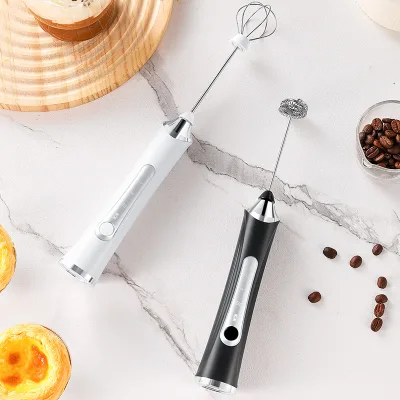
$1.45 - $3.21
MOQ: 30 pieces
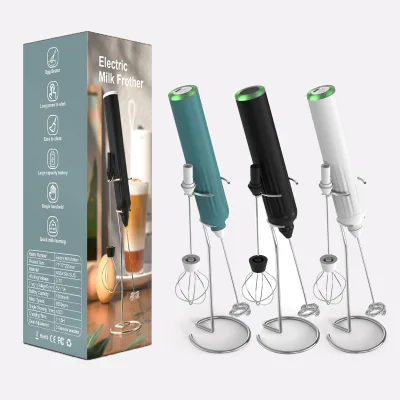
$3.20 - $5.10
MOQ: 10 pieces

Zhongshan Xinyuan Silicone Rubber Co. Ltd
- Verified by TUVRHEINLAND
- Combined
- China Guangdong
- Lead time15 days
- Avg. response≤ 2h
Main productsSilicone Mold, Silicone Ice Cube Tray, Silicone Wristband, Silicone Tea Infuser, Silicone Bakeware, Silicone Keychain, Silicone Cup Coaster, Silicone Bag
Main marketsSouth America,Southeast Asia/ Mideast,Domestic,Europe,North America

High Quality Electric Automatic Milk Frother Custom Electric Milk Frother
$1.60 - $2.50
MOQ: 80 Pieces


Automatic Handheld Milk Frother Maker Small Household Milk Frother Maker Blender
$1.60 - $2.50
MOQ: 80 Pieces


Shenzhen Chinyi Trading Co., Ltd.
- Manufacturer, Trading Company
- Guangdong, China
- Lead time0 days
- Avg. response≤ 3h
Main productsherb spice grinder,storage jar,milk frother,water bottle,smart waste bin
Main marketsNorth America(68.00%), Western Europe(16.00%), Southeast Asia(4.00%), Eastern Asia(2.00%), Eastern Europe(2.00%), South Asia(1.00%), Southern Europe(1.00%), Northern Europe(1.00%), Central America(1.00%), South America(1.00%), Africa(1.00%), Mid East(1.00%), Oceania(1.00%)

Jinjiang Jiaxing Supply Management Co., Ltd.
- Verified by TUVRHEINLAND
- Trading Company
- China Fujian
- Lead time30 days
- Avg. response≤ 1h
Main productsEVA Clogs, Flip Flop, Shoe Charms, Shopping Bags, Wristbands, Gifts, Promotional Gifts, Slipper, Sport Cap, Ball
Main marketsNorth America

Changsha Chengtong Technology Co., Ltd.
- Verified by SGS
- Trading Company
- China Hunan
- Lead time15 days
- Avg. response≤ 6h
Main productsCutting Board, Vegetable Chopper, Measuring Cup, Milk Frother, Measuring Spoon, Vegetable Peeler, Kitchen Scissors, Knife Sharpener
Main marketsSoutheast Asia/ Mideast


New Arrival Milk Electric Frother Electric Handheld Milk Frother Milk Frother Electric
$0.99 - $1.40
MOQ: 500 Pieces

$0.99 - $1.40
MOQ: 500 Pieces


Ningbo Aaa Group Electric Appliance Co., Ltd.
- Manufacturer, Trading Company
- Zhejiang, China
- Lead time35 days
- Avg. response≤ 6h
Main productsEspresso Coffee Machine, Milk Frother, Water Dispenser, Semi Pro Coffee Machine, Coffee Grinder
Main marketsDomestic Market(39.00%), Western Europe(15.00%), North America(10.00%), Eastern Asia(5.00%), South America(5.00%), Southern Europe(5.00%), Northern Europe(5.00%), Eastern Europe(5.00%), Mid East(3.00%), Southeast Asia(3.00%), Oceania(2.00%), South Asia(1.00%), Central America(1.00%), Africa(1.00%)
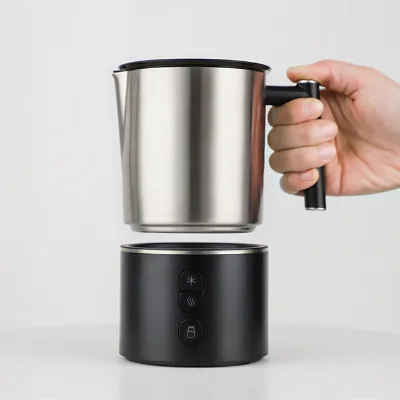
Household Easy Operation Portable Stainless Steel Automatic Electric Milk Frother
$22.00 - $33.80
MOQ: 1000
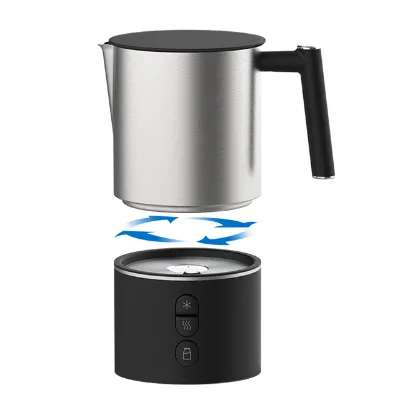
Hot Selling Compact Stainless Steel Electric Milk Frother for Cappuccino 220V
$26.00 - $34.00
MOQ: 1 pieces
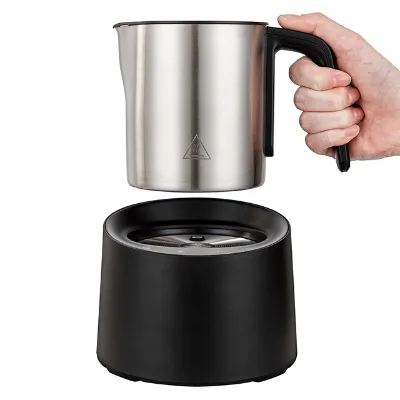
Zhongshan Always Appliance Co.,ltd
- Manufacturer, Trading Company
- Guangdong, China
- Lead time30 days
- Avg. response≤ 3h
Main productsMilk Frother,Electric Kettle,Juice Extractor,Food Chopper,Coffee Grinder
Main marketsNorthern Europe(10.00%), Western Europe(10.00%), South Asia(10.00%), Mid East(10.00%), Southern Europe(10.00%), Southeast Asia(10.00%), Eastern Europe(10.00%), South America(10.00%), North America(10.00%), Eastern Asia(5.00%), Africa(5.00%)
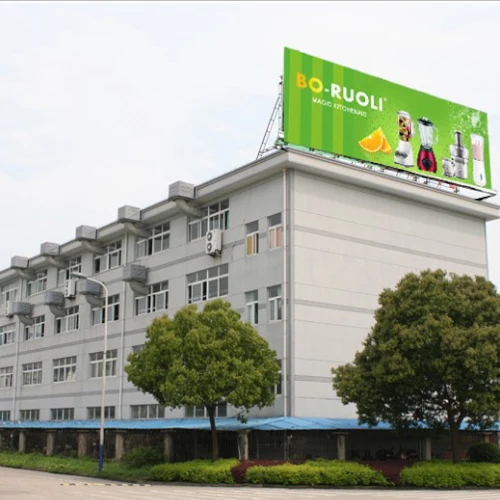
Ningbo Boruoli Electric Appliance Co., Ltd.
- Trading Company
- Zhejiang, China
- Lead time25 days
- Avg. response≤ 9h
Main productsCoffee Grinder,Mini Chopper,Personal Blender
Main marketsNorth America(60.00%), Western Europe(10.00%), Southeast Asia(10.00%), Northern Europe(10.00%), Southern Europe(5.00%), Eastern Europe(5.00%)

Huangshan Auliz Industrial Co., Ltd.
- Verified by TUVRHEINLAND
- Trading Company
- China Anhui
- Lead time30 days
- Avg. response≤ 14h
Main productsSalt and Pepper Grinder, Coffee Mill, Wine Opener, Cutting Board, Oil Sprayer, Defrosting Tray, Cleaning Brush, French Press, Measuring Scoop, Plastic Funnel
Main marketsSoutheast Asia/ Mideast,East Asia(Japan/ South Korea),Domestic,Europe,Australia,North America

New Design Electric Stainless Steel Handheld Milk Foamers Commercial Battery Operated Milk Frother
$1.88 - $2.38
MOQ: 200 pieces

Battery Operated Automatic Milk Frother Stainless Steel Whisk Electric Coffee Frother with Stand
$2.65 - $2.85
MOQ: 999 pieces

Milk Frother Handheld Mixer, Electric Foam Maker Coffee Frother with Stand Egg Beater
$2.65 - $2.85
MOQ: 100 pieces

$2.35 - $2.55
MOQ: 100 pieces

$2.65 - $2.85
MOQ: 100 pieces

Hot Sale Electric Milk Foam Maker Battery Operated Powerful Coffee Automatic Frother
$2.65 - $2.85
MOQ: 100 pieces
- Verified by SGS
- Trading Company
- China Zhejiang
- Lead time30 days
- Avg. response≤ 5h
Main productsHousehold
Main marketsNorth America

Professional Eco-Friendly Electric Milk Frother with Automatic Heating Function
$14.90
MOQ: 500 Pieces

Changsha Cebelk Technology Co., Ltd.
- Trading Company
- Hunan, China
- Lead time9 days
- Avg. response≤ 7h
Main productsMilk Frother,Coffee Mug,Kitchen Tools,Garden Tools,Coffee & Tea Tools
Main marketsNorth America(50.00%), Eastern Europe(30.00%), South America(20.00%)
Cixi Hometaste Electrical Appliance Co., Ltd
- Trading Company
- Zhejiang, China
- Lead time0 days
- Avg. response≤ 8h
Main productsHome Appliance,Kitchen Appliance,Deep Fryer,Milk Frother,Candy Floss Maker
Main marketsNorth America(50.00%), Western Europe(20.00%), Southern Europe(10.00%), South America(10.00%), Northern Europe(10.00%)
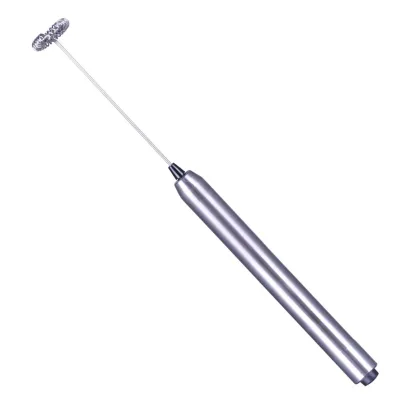
Stainless steel and Aluminum housing electric milk frother for coffee milk foamer
$2.20 - $2.30
MOQ: 3000
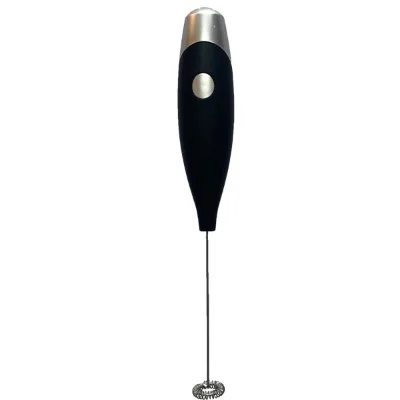
Yuyao Flying Tiger Plastic Mold Factory
- Manufacturer
- Zhejiang, China
- Lead time30 days
- Avg. response≤ 4h
Main productsMilk Frother
Main marketsNorth America(46.00%), Domestic Market(17.00%), Western Europe(12.00%), Northern Europe(4.00%), Eastern Europe(4.00%), Eastern Asia(3.00%), Oceania(3.00%), Southeast Asia(3.00%), South America(2.00%), Southern Europe(2.00%), Africa(2.00%), Mid East(2.00%)
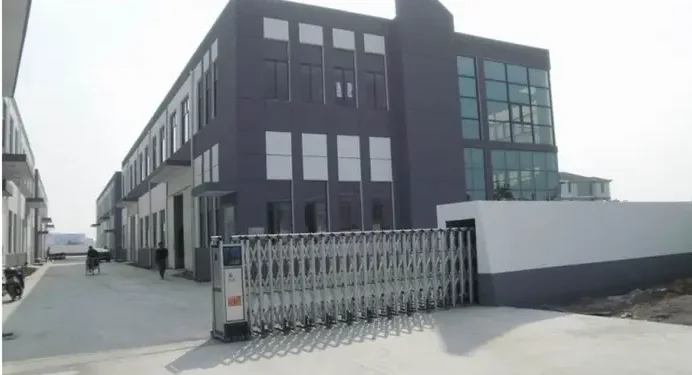
Ningbo Culi Electronics Co., Ltd.
- Manufacturer, Trading Company
- Zhejiang, China
- Lead time15 days
- Avg. response≤ 6h
Main productsmilk frother,soap dispenser,jet hand dryer,vegetable chopper,bubble gun
Main marketsNorth America(50.00%), Eastern Europe(40.00%), Southeast Asia(10.00%)
Zhongshan Askoy Electrical Appliance Co., Ltd.
- Manufacturer, Trading Company
- Guangdong, China
- Lead time0 days
- Avg. response≤ 3h
Main productsflave ware oven turbo,sour maker,electrical lunch box,halogen oven,convection oven
Main marketsSouth Asia(9.09%), Southern Europe(9.09%), Northern Europe(9.09%), Central America(9.09%), Western Europe(9.09%), Eastern Asia(9.09%), Mid East(9.09%), Africa(9.09%), Southeast Asia(9.09%), Eastern Europe(9.09%), South America(9.09%)
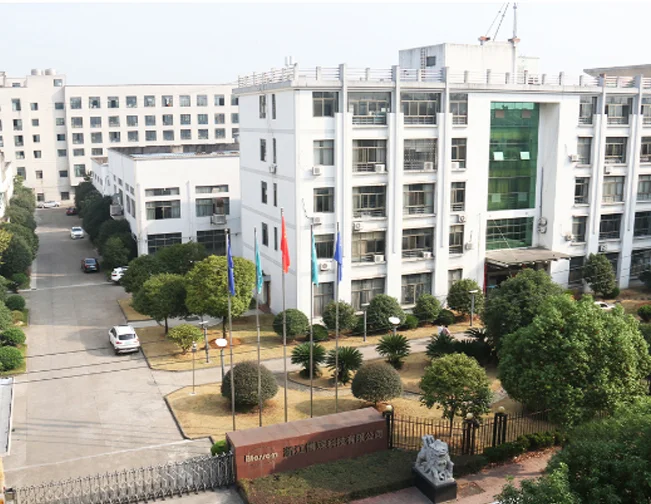
Ningbo Hoomee Daily Necessities Co., Ltd.
- Trading Company
- Zhejiang, China
- Lead time15 days
- Avg. response≤ 3h
Main productskitchen tools,bar tools,led flashlight,eco friendly products,home tools
Main marketsNorth America(32.00%), Eastern Europe(22.00%), South America(12.00%), Southeast Asia(10.00%), Western Europe(5.00%), Africa(5.00%), Northern Europe(4.00%), South Asia(3.00%), Southern Europe(3.00%), Oceania(1.00%), Eastern Asia(1.00%), Mid East(1.00%), Central America(1.00%)

Ultron Technology (Foshan) Co., Ltd.
- Verified by TUVRHEINLAND
- Manufacturer/Factory
- China Guangdong
- Lead time30 days
- Avg. response≤ 3h
Main productsFood Blender, Bread Toaster, Electric Kettle, Air Fryer & Air Fryer Oven, Window Cleaning Robot, Coffee Maker, Meat Grinder
Main marketsEastern Europe,Mid East,Eastern Asia,Western Europe

High Quality Household Easy Using Electric Handheld Stainless Steel Milk Frother
$28.00 - $36.00
MOQ: 500 Pieces

Custom Electric Milk Frother for Household Use Kitchen Detachable Cappuccino Machine
$19.00 - $23.00
MOQ: 1000 Pieces
Guangdong Superb International Technology Co., Ltd.
- Verified by SGS Group
- Manufacturer, Trading Company
- Lead time20 days
- Avg. response≤ 2h
Main productsWater Bottle, Video Booklet, Gift Sets, Film Camera, Promotion Gifts
Main marketsNorth America(40%), South America(15%), Eastern Europe(10%)
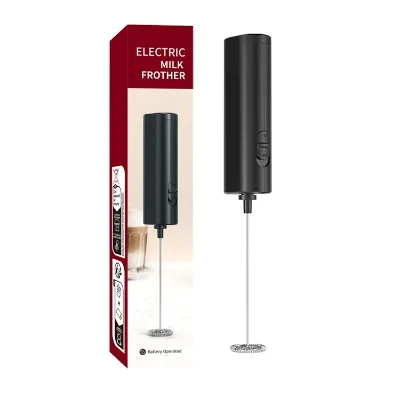
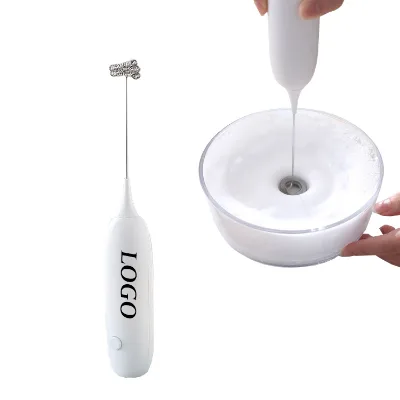
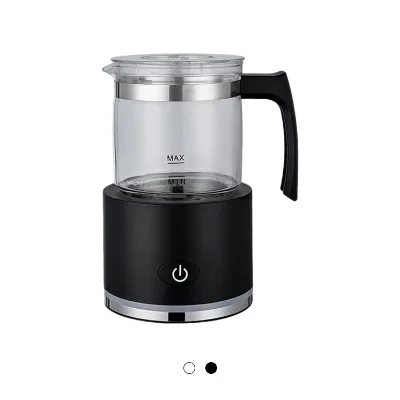
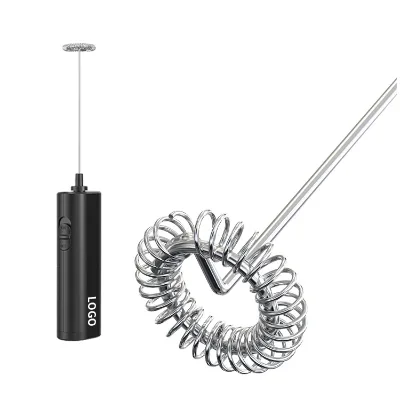
Handheld Electric Milk Frother Small Portable Black Color Milk Frother for Coffee
$0.84
MOQ: 100 Minimum
CBW BLISS ELECTRONIC (DONGGUAN) CO., LTD.
- Verified by SGS Group
- Manufacturer, Trading Company
- Lead time15 days
- Avg. response≤ 1h
Main productsElectric Matcha Whisk, Electronic Coffee Scale, Electronic Kitchen Scale, Food Thermometer, Milk Frother
Main marketsNorth America(30%), Western Europe(20%), Eastern Asia(18%)
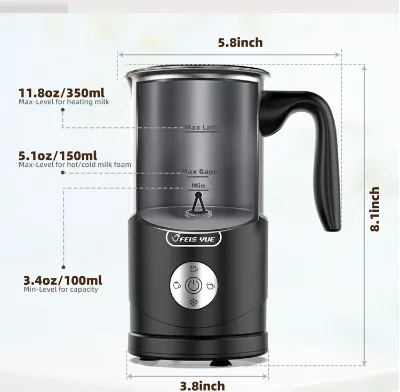
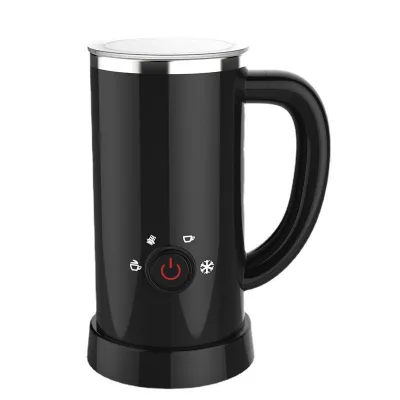
Hot Selling Electric Stainless Steel Milk Frother for Home Hot/Cold Espresso Making
$20.08 - $23.50
MOQ: 500 sets
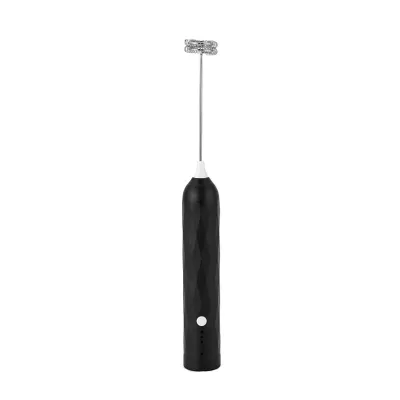
Egg Milk Frother Manual Spiral Whisk Stainless Milk Frother Electric Milk Steamer Handheld
$20.28 - $21.30
MOQ: 1 sets
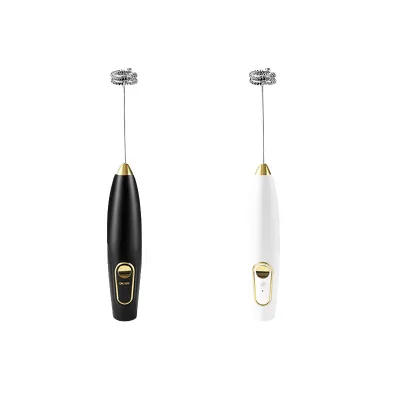
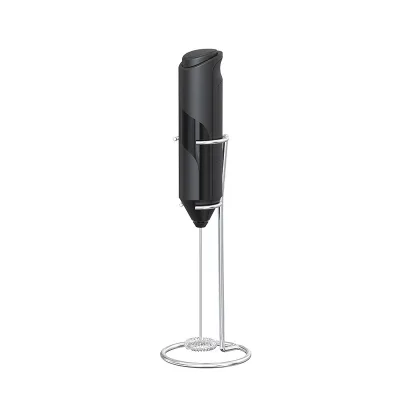
$2.05 - $2.36
MOQ: 3000 sets

JIANGMEN LONG TERM TRADING CO.,LTD
- Trading Company,Manufacturer/Factory
- China Guangdong
- Lead time45 days
- Avg. response≤ 8h
Main productsBlender, Ceiling Fan, Juicer, Food Processor, Food Chopper, Hand Mixer and Stand Mixer, Meat Grinder, Coffee Maker, Ice Crusher Blender, Hand Blender
Main marketsSouth America,Eastern Europe,Mid East,North America,Southeast Asia,Eastern Asia,Oceania,Western Europe,Africa

$10.10 - $11.00
MOQ: 3000 Pieces

Kitchen Appliance 500W 4-in-1 Electric Milk Frother with Hot/Cold Foam Maker for Coffee Latte
$10.10 - $11.00
MOQ: 3000 Pieces

Home Use High-Quality Electric Milk Frother Automatic Hot Cold Foam Maker
$10.10 - $11.00
MOQ: 3000 Pieces

500W Commercial & Home Milk Frother Machine with 4 Functions: Solid/Airy Foam/Hot Milk/Mix Drinks
$10.10 - $11.00
MOQ: 3000 Pieces

New Automatic Milk Frother - Stainless Steel Non-Stick Foam Maker with Temperature Control
$10.10 - $11.00
MOQ: 3000 Pieces

4-in-1 Milk Frother Machine Air Milk Foaming with Hot Milk Function Portable Coffee Appliances
$10.10 - $10.80
MOQ: 3000 Pieces

- Verified by BV
- Trading Company,Manufacturer/Factory
- China Zhejiang
- Lead time15 days
- Avg. response≤ 8h
Main productsCeramic Mug, Kitchen Storage, Water Bottle, Cookware Set, Charger Plates, Shaker Set, Storage Rack, Food Container, Kitchen Accessories, Yiwu Agent
Main marketsSouth America,Eastern Europe,Mid East,North America,Southeast Asia,Eastern Asia,Oceania,Western Europe,Africa


New Arrival Food Grade Portable Stainless Steel Rechargeable Electric Milk Frother with Whisk Head
$3.00 - $5.00
MOQ: 500 Pieces

$3.00 - $5.00
MOQ: 500 Pieces
Zhongshan Eastar Electrical Appliance Co., Ltd.
- Verified by TüVRheinland
- Manufacturer, Trading Company
- Lead time35 days
- Avg. response≤ 5h
Main productsMilk Frother, Vacuum Sealer, Food Warming Plate, Hot Plate, Toaster
Main marketsWestern Europe(40%), North America(15%), Oceania(10%)
- Manufacturer, Trading Company, Distributor/Wholesaler
- Lead time旺季: "1 - 100":31,"> 100":"To be negotiated", 淡季: "1 - 100":31,"> 100":"To be negotiated"
- Avg. response≤ 2h
Main productscoffee product,coffee mug,coffee cup,coffee maker,nespresso

Xinxiang LN Special Equipment Co., Ltd.
- Verified by TUVRHEINLAND
- Trading Company
- China Henan
- Lead time30 days
- Avg. response≤ 1h
Main productsLiquid Nitrogen Cryogenic Container, Low Temperature Protective Clothing, Artificial Insemination Equipment, Vaccine Refrigerated Storage Box, Refrigeration Equipment, Laboratory Instrument, Marking Machine, Fitness Equipment
Main marketsAfrica

Electric Milk Frother for Latte & Cappuccino-4 Modes, Heating & Frothing, Easy Clean, 220-240V
$25.00 - $28.00
MOQ: 12 Boxes

Professional Milk Frother for Coffee-4 Functions, Automatic Frothing & Heating, Large Capacity
$25.00 - $28.00
MOQ: 12 Boxes

$25.00 - $28.00
MOQ: 12 Boxes

Multifunctional Automatic Milk Frother - OEM/ODM Supported, BPA-Free & Certified
$25.00 - $28.00
MOQ: 12 Boxes

Fast Heating Milk Frother 350ml - One-Button Operation for Cafe-Style Drinks
$25.00 - $28.00
MOQ: 12 Boxes

4-in-1 Electric Milk Frother and Heater, 350ml, Hot & Cold Frothing, Automatic, Stainless Steel
$25.00 - $28.00
MOQ: 12 Boxes
Zhengzhou Estarlink coffee Co., Ltd
- Trading Company
- Henan, China
- Lead time0 days
- Avg. response≤ 5h
Main productsCoffee Grinder,Coffee Pot,Coffee Machine,Coffee Makers,Coffee Tools
Main marketsNorth America(21.00%), Mid East(17.00%), Western Europe(15.00%), Oceania(10.00%), Southeast Asia(10.00%), Domestic Market(7.00%), Northern Europe(5.00%), Eastern Asia(5.00%), South America(4.00%), Eastern Europe(3.00%), Southern Europe(3.00%)
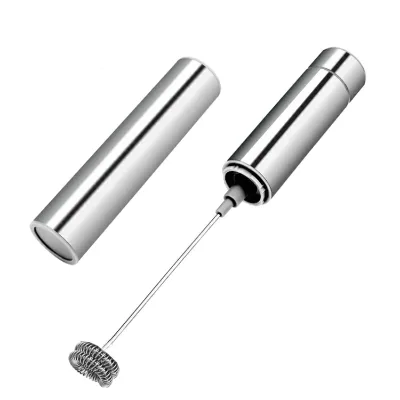
Double Spring Whisk Head Milk Frother Electronic Coffee Electric Milk Frother with Base Brush
$2.90 - $3.90
MOQ: 1 sets
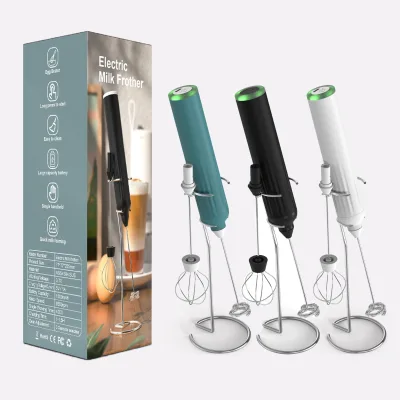
$3.20 - $5.10
MOQ: 10 pieces
- Verified by BV
- Trading Company
- China Zhejiang
- Lead time30 days
- Avg. response≤ 9h
Main productsElectric Kettle, Massager, Hair Dryer, Heater, Electric Grill, Humidifier, Hair Straightener, Mixer, Beauty Instrument, Electronics
Main marketsAfrica,Southeast Asia/ Mideast,Europe,North America


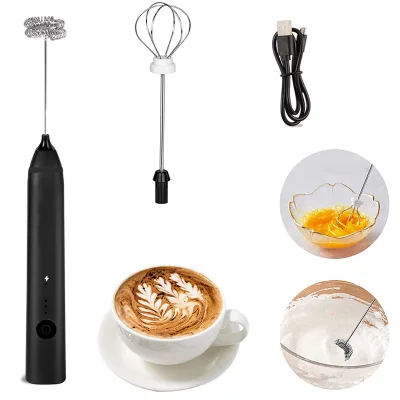
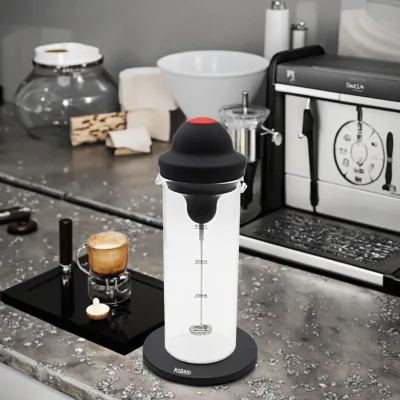
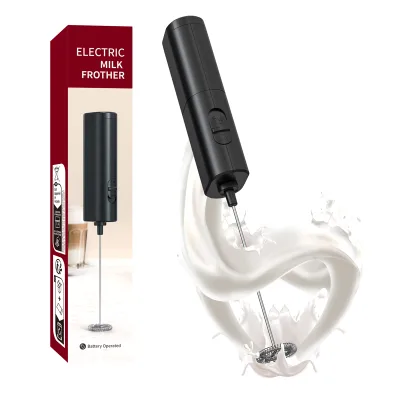


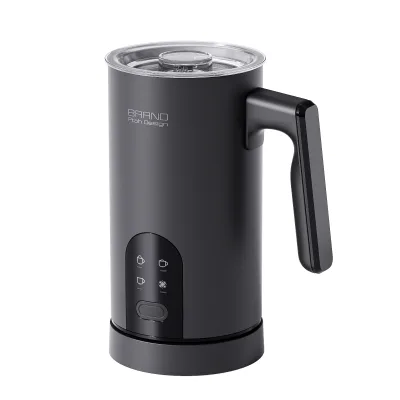
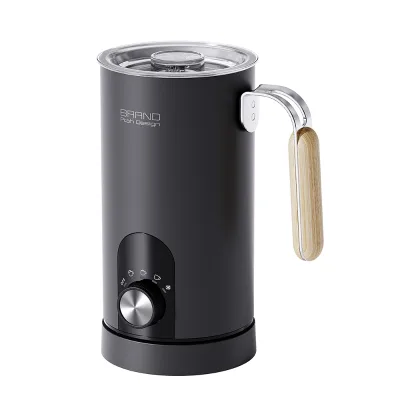
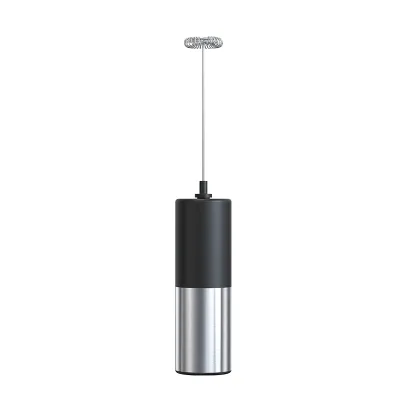
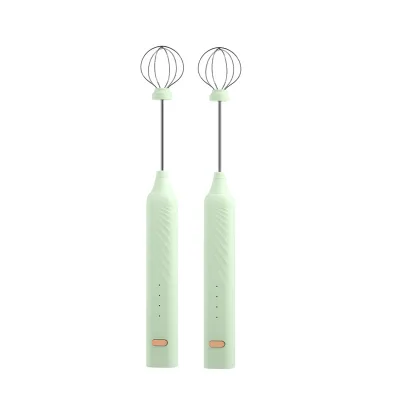
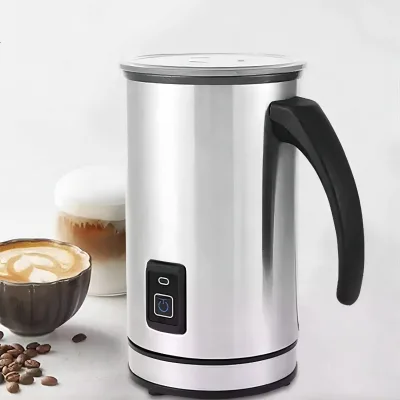
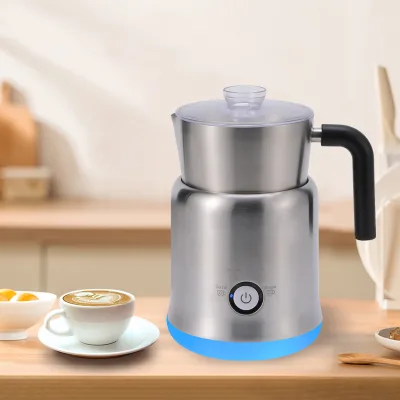
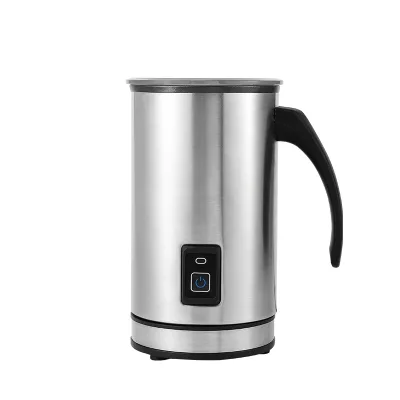
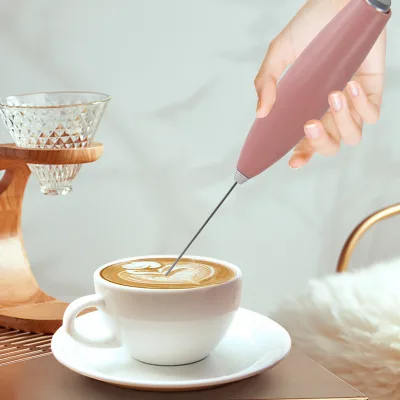
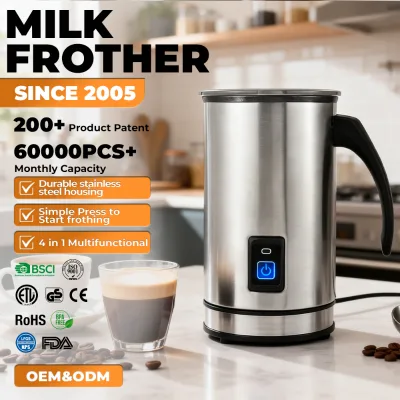
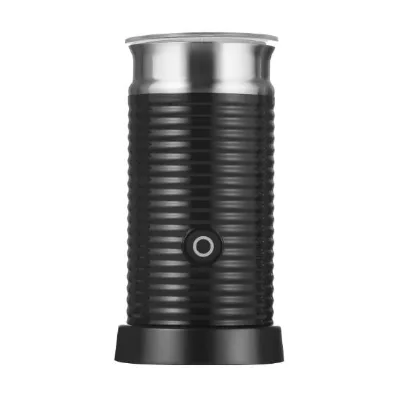
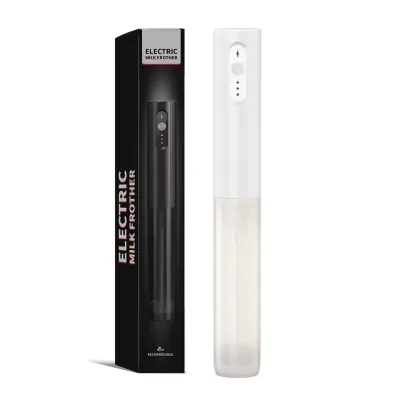


Comprehensive Sourcing Guide
Modern Electric Milk Frother Supplier Concentration and Factory Types
The available data indicates a concentration of manufacturing capabilities in China, specifically within the Guangdong province, where factories produce a wide range of small kitchen appliances including coffee makers and electric ovens. These facilities often operate as manufacturers or factories, offering capabilities for own-brand development, OEM, and ODM services to meet diverse market demands. Some suppliers in the results also list themselves as a combination of manufacturer and trading company, suggesting a hybrid model that may provide both production control and broader sourcing flexibility. This structural diversity allows buyers to find partners who can handle complex customization requests while maintaining direct oversight of the production line.
When evaluating the factory type, it is essential to distinguish between pure manufacturers and those acting as trading entities, as this impacts the depth of technical support and supply chain transparency. The observed supplier profiles show a mix of company types, with some specializing in specific product lines like filters or kitchen tools while others focus on a broader array of home appliances. Buyers should verify the specific operational model of each potential partner to ensure alignment with their quality control needs and customization requirements. Understanding whether a supplier is a dedicated factory or a trading company helps in setting realistic expectations regarding communication speed, technical expertise, and the ability to scale production during peak demand periods.
How to Verify Modern Electric Milk Frother Suppliers
Verification of supplier credentials requires a close examination of system certifications and third-party audit reports to ensure compliance with international safety and quality standards. The current results show suppliers holding certifications such as BSCI, ISO 9000, ISO 14001, and ISO 9001, which indicate a commitment to quality management and environmental standards. Additionally, specific product certifications like CE and Declaration of Conformity are visible, confirming that certain models meet European safety requirements. Buyers must request current certificates and verify their validity through the issuing bodies, as these documents are critical for market access and consumer trust in the final product.
Beyond documentation, the verification process should include checking the supplier's response time and their history of verified transactions. Data indicates response times ranging from two to ten hours, which can serve as a proxy for operational efficiency and customer service readiness. Some suppliers are verified by recognized groups like SGS, providing an additional layer of confidence regarding their business legitimacy and product quality. Buyers should prioritize suppliers with shorter response times and verified status, as these factors often correlate with better communication and fewer misunderstandings during the order fulfillment process. It is also prudent to ask for references or case studies that demonstrate the supplier's ability to deliver on time and meet specific product specifications.
What to Compare Across Modern Electric Milk Frother Suppliers
Comparing suppliers requires a systematic analysis of key operational metrics such as lead time, minimum order quantity, and pricing structures to determine the best fit for specific business needs. The observed data reveals lead times varying from twenty to forty-five days, with some suppliers offering faster turnaround capabilities. Minimum order quantities also differ significantly, ranging from one hundred units to one thousand units, which directly impacts inventory planning and cash flow for buyers. Pricing is another critical variable, with unit costs observed between three and thirty dollars depending on the model, material, and customization level. Buyers must weigh these factors against their volume requirements and budget constraints to select a partner that offers the optimal balance of cost and speed.
In addition to logistical metrics, the comparison should extend to product attributes and customization capabilities to ensure the final product aligns with brand identity. Suppliers offer various materials, including plastic, ABS, and 304 stainless steel, with options for color customization and branding. Some models feature specific attributes like touchpad controls, steam working principles, or battery operation, which may be essential for different market segments. The ability to customize packaging, such as gift boxes or color boxes, and the availability of OEM services are also vital differentiators. Buyers should create a scoring matrix that weighs these product features alongside the operational metrics to make a data-driven decision that supports their long-term strategic goals.
Common Modern Electric Milk Frother Sourcing Risks
One significant risk in sourcing electric milk frothers is the potential mismatch between claimed specifications and actual product performance, particularly regarding material quality and safety compliance. While some suppliers list certifications like CE and FDA 21 CFR 177, there is a risk that these may not cover all components or that the manufacturing process may deviate from the certified standards. Buyers must be vigilant about verifying that the specific materials used, such as ABS or stainless steel, meet the required durability and food safety standards for the intended market. Failure to conduct rigorous pre-shipment inspections can lead to product failures, recalls, or damage to the buyer's brand reputation in the competitive home appliance sector.
Another critical risk involves supply chain disruptions and inconsistent lead times, which can delay product launches and affect market availability. The observed lead times vary from twenty to forty-five days, and external factors such as raw material shortages or logistical bottlenecks can further extend these timelines. Buyers should assess the supplier's capacity to handle fluctuations in demand and their contingency plans for unexpected delays. Additionally, the reliance on third-party logistics and the complexity of international shipping introduce risks related to damage during transit and customs clearance issues. Establishing clear communication channels and setting realistic expectations for delivery dates can help mitigate these risks and ensure a smoother procurement process.
Modern Electric Milk Frother Regional Sourcing and Logistics
Regional sourcing strategies should focus on identifying manufacturing clusters that offer logistical advantages and cost efficiencies for the specific product category. The available data points to Guangdong and Zhejiang as key regions in China where suppliers are concentrated, offering access to a robust supply chain and specialized manufacturing expertise. Buyers should investigate the proximity of these clusters to major ports to minimize shipping costs and transit times. Understanding the regional infrastructure and logistics networks is crucial for optimizing the supply chain and ensuring timely delivery of goods to international markets.
Logistics planning must also account for the specific packaging requirements and dimensions of the products to maximize container utilization and reduce shipping expenses. The observed product data includes details on single package sizes and gross weights, which are essential for calculating freight costs and determining the optimal shipping method. Buyers should work closely with their suppliers to standardize packaging where possible and to negotiate favorable freight terms. Additionally, understanding the customs regulations and import duties of the destination country is vital to avoid unexpected costs and delays. A well-planned logistics strategy can significantly impact the overall profitability and competitiveness of the sourced products in the global market.
Modern Electric Milk Frother Commercial Terms and Order Planning
Commercial terms and order planning are foundational to a successful sourcing relationship, requiring clear agreements on payment methods, delivery schedules, and quality assurance protocols. The observed data indicates varying minimum order quantities and price points, which necessitate careful financial planning to ensure that the order volume aligns with the buyer's budget and sales projections. Buyers should negotiate favorable payment terms, such as letters of credit or escrow services, to protect their financial interests and ensure that the supplier fulfills their obligations before payment is released. Establishing a detailed purchase order with specific product specifications, delivery dates, and quality standards is essential to avoid disputes and ensure mutual understanding.
Order planning should also include a robust quality control strategy that covers pre-production samples, in-process inspections, and final pre-shipment audits. Given the technical nature of electric milk frothers, verifying that the products meet all functional and safety requirements before shipment is critical. Buyers should allocate sufficient time for these quality checks within the overall lead time to prevent delays. Furthermore, planning for after-sales support, including warranty terms and spare parts availability, is important for maintaining customer satisfaction and managing potential returns. A comprehensive approach to commercial terms and order planning ensures a smooth transaction and builds a strong foundation for a long-term partnership with the supplier.
FAQs
What is the price range for modern electric milk frothers?
Prices for modern electric milk frothers typically range from $3.00 to $30.00 per unit depending on specifications. Basic battery-operated models start around $3.00, while fully automatic countertop units with steam functions can reach up to $30.00. Buyers should verify specific pricing tiers based on order volume and customization requirements.
What is the minimum order quantity for electric milk frothers?
Minimum order quantities vary significantly by supplier and product type. Some manufacturers require a minimum of 100 units for customized battery-operated frothers, while others set the threshold at 500 or 1000 units for standard electric models. Buyers must check individual product listings to confirm the exact MOQ applicable to their specific order.
How long does production take for electric milk frothers?
Production lead times generally range from 20 to 45 days after order confirmation. Suppliers with faster response times may offer shorter turnaround periods for standard items, while complex OEM or ODM orders often require the full 45-day window. Buyers should confirm specific delivery schedules directly with the supplier before finalizing agreements.
Are electric milk frothers available with custom branding?
Yes, many manufacturers offer customization services including logo printing and packaging design. Suppliers support OEM and ODM models, allowing buyers to add their brand to the product housing or gift box. Customization is typically available for orders meeting the specified minimum quantity requirements, ensuring brand identity is maintained across bulk purchases.
What certifications do electric milk frothers usually have?
Common certifications include CE, BSCI, ISO 9001, and ISO 14001. Some products also carry EMC, REACH, or FDA compliance marks depending on the target market. Buyers should verify that the specific model holds the necessary safety and quality certifications required for importation into their region before placing large orders.
Where are electric milk frother manufacturers located?
Manufacturers are primarily located in China, specifically in Guangdong and Zhejiang provinces. These regions host numerous factories specializing in small kitchen appliances and coffee accessories. Buyers can source from verified suppliers in these areas to ensure access to established supply chains and competitive manufacturing capabilities for electric frother production.