Modern Gold Plated Jewelry Tray Suppliers and Manufacturers
Source Modern Gold Plated Jewelry Tray options from 26 verified suppliers. Compare key dimensions including lead times, MOQs, and response speeds to find the right partner. Contact suppliers directly to request quotes and samples for your specific display needs; review the available evidence before requesting comparable quotations from suitable candidates.
Updated
Suppliers List

ASTRID DISPLAY & DECOR CO., LTD.
- Trading Company
- Taiwan, China
- Lead time30 days
- Avg. response≤ 6h
Main productsCosmetic Organizer,makeup organizer,Acrylic box,decor and fitting,cable systems
Main marketsWestern Europe(30.00%), Mid East(20.00%), North America(10.00%), Eastern Europe(10.00%), Southern Europe(10.00%), Northern Europe(10.00%), Oceania(5.00%), Africa(5.00%)
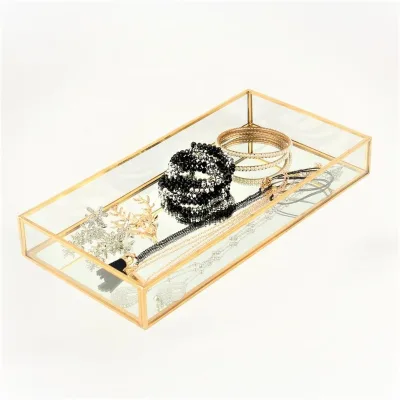
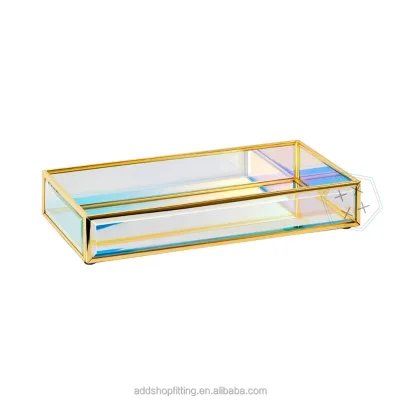
Luxury Gold Rainbow Mirror Jewelry Tray Elegant Decorative Container
$8.7709 - $11.3293
MOQ: 12 pieces
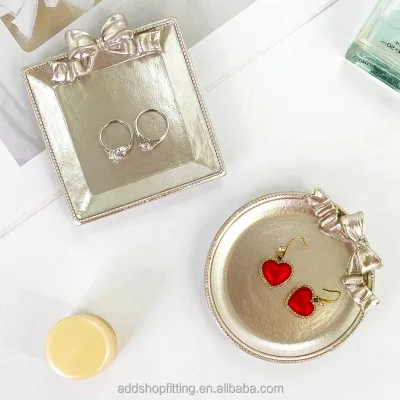
Gum Resin Square Gold/Silver Modern Necklace Earring Ring Jewelry Tray for Shop Display
$1.2874
MOQ: 20 Minimum
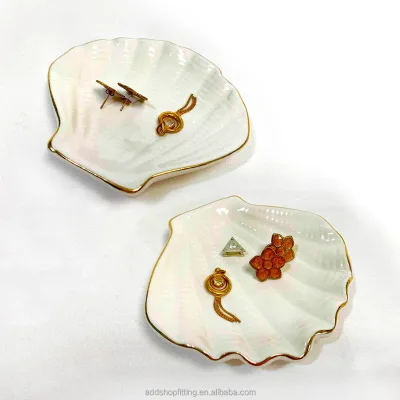
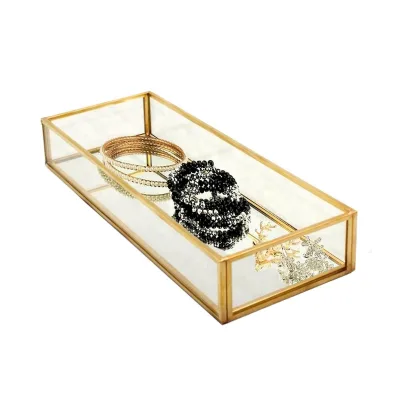
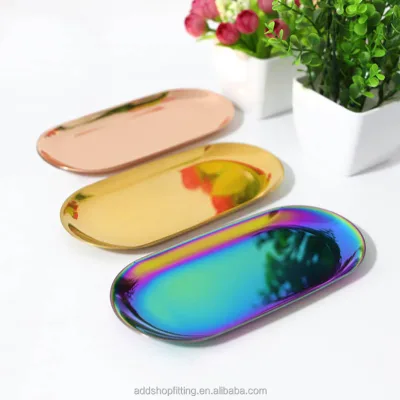
23 cm 30 cm Custom logo Rose Gold Silver Black Trinket Stainless Steel Jewelry Tray
$0.8578 - $4.009
MOQ: 100 Minimum

NINGBO BOHONGCHUANGYI INTERNATIONAL CO., LTD.
- Trading Company,Manufacturer/Factory
- China Zhejiang
- Lead time30 days
- Avg. response≤ 9h
Main productsWooden Photo Frame, Photo Frame, Wooden Box, PVC Photo Frame, Baby Toy, Plastic Photo Frame, Glass Photo Frame, Polyresin Photo Frame, Wooden Toy, Leather Frame
Main marketsSouth America,Eastern Europe,Mid East,North America,Southeast Asia,Eastern Asia,Oceania,Western Europe,Africa

Metal Round Gold Mirror Tray Dresser Tray Metal Decorative Jewelry Organizer Tray
$2.30 - $3.50
MOQ: 1000 Pieces


Hot Sale Gold Metal Mirror Tray Dresser Tray Metal Decorative Jewelry Organizer Tray
$1.89 - $2.99
MOQ: 1000 Pieces

Metal Rectangle Gold Mirror Tray Dresser Tray Metal Decorative Jewelry Organizer Tray
$1.99 - $2.99
MOQ: 1000 Pieces

Metal Round Pink Mirror Tray Dresser Tray Metal Decorative Jewelry Organizer Tray
$1.90 - $3.50
MOQ: 1000 Pieces

$0.99 - $2.20
MOQ: 1000 Pieces

Foshan Longyi Packaging Co., Ltd.
- Trading Company
- Guangdong, China
- Lead time0 days
- Avg. response≤ 1h
Main productsJewelry display stand,Jewelry box,Paper bag,Packaging box,Watch box
Main marketsNorth America(20.00%), Eastern Asia(10.00%), Eastern Europe(10.00%), South America(10.00%), Domestic Market(5.00%), South Asia(5.00%), Southern Europe(5.00%), Northern Europe(5.00%), Central America(5.00%), Western Europe(5.00%), Southeast Asia(5.00%), Mid East(5.00%), Oceania(5.00%), Africa(5.00%)
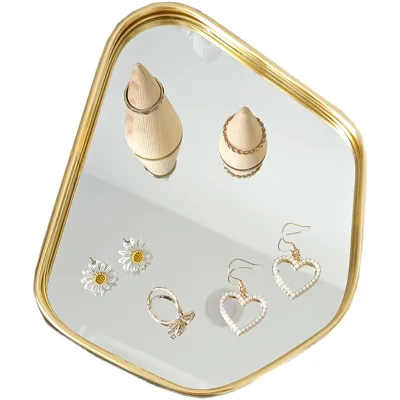
Gold Mirror Jewelry Plate Ring Tray Jewelry Storage Retro Display Tray
$10.2994 - $15.6047
MOQ: 5 Minimum
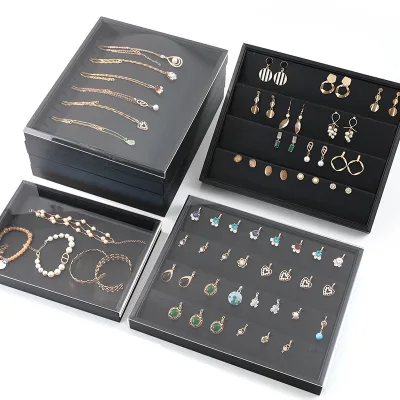
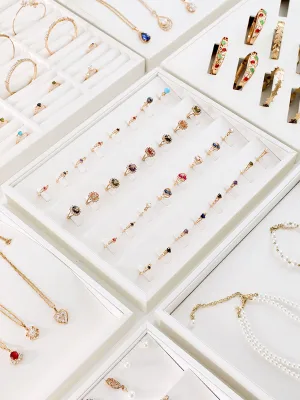
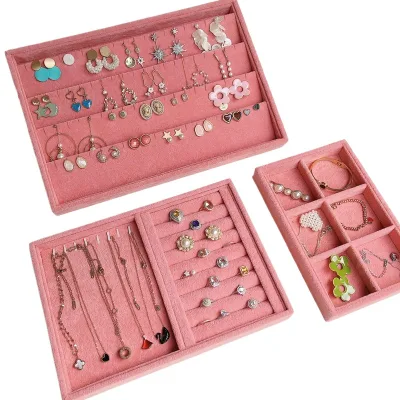
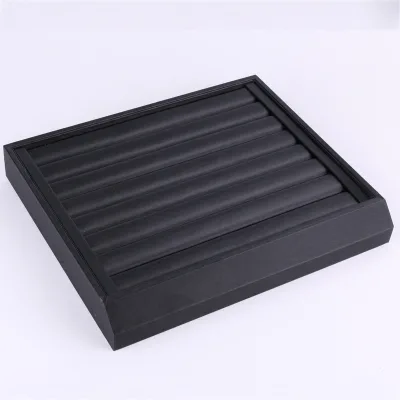
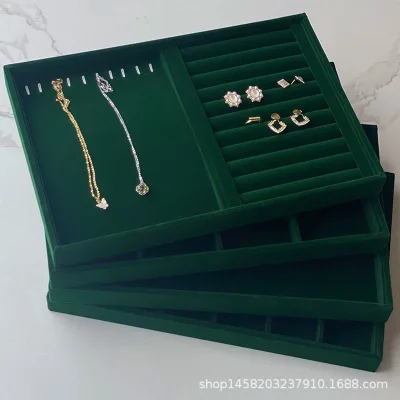
Wholesale Green Wood Velvet Jewelry Display Tray
$1.99 - $5.90
Yangjiang Yangdong Creative Trade Co., Ltd.
- Trading Company
- Guangdong, China
- Lead time3 days
- Avg. response≤ 5h
Main productsAluminum Name Card Case,Travel Chess Game,Manicure Set,Promotion Gift,Luggage Tags
Main marketsAfrica(10.00%), South America(10.00%), North America(10.00%), South Asia(5.00%), Northern Europe(5.00%), Central America(5.00%), Western Europe(5.00%), Eastern Asia(5.00%), Mid East(5.00%), Oceania(5.00%), Eastern Europe(5.00%), Southeast Asia(5.00%), Southern Europe(3.00%), Domestic Market(1.00%)

Huizhou Beauty One Home Decor Co., Ltd.
- Manufacturer, Trading Company
- Guangdong, China
- Lead time15 days
- Avg. response≤ 7h
Main productsJewelry Box,Jewelry dispaly,Decor Tray,Makeup Organizer,Photo Frame
Main marketsNorth America(50.00%), Western Europe(20.00%), Mid East(12.00%), Northern Europe(10.00%), Eastern Asia(8.00%)
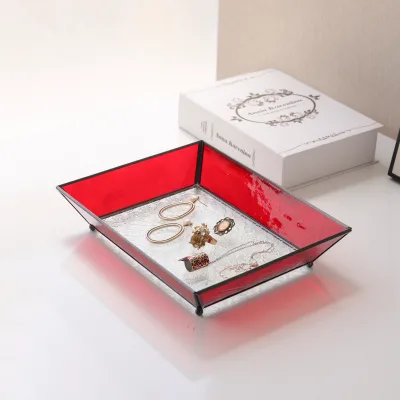
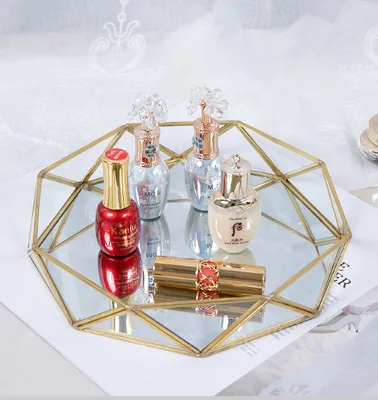
Best Selling Modern Design Glass Gold Mirror Round Tray Decorative Jewelry Trays
$7.80 - $9.80
MOQ: 100
Kindest Xiamen Trading Co., Ltd.
- Verified by SGS Group
- Trading Company
- Lead time35 days
- Avg. response≤ 9h
Main productsCeramic Tableware, Ceramic Kitchen Ware, Ceramic Home Decoration
Main marketsNorth America(60%), Oceania(20%), Southeast Asia(10%)

- Verified by SGS
- Combined
- China Jiangsu
- Lead time23 days
- Avg. response≤ 4h
Main productsGlass Smoking Pipe
Main marketsSouth America,Domestic,Europe,Australia,North America

Gold Mirror Tray Perfume Tray Cosmetics Tray Jewelry Storage Decor Mirror
$2.19 - $2.79
MOQ: 200 Pieces


Mirror Tray Perfume Tray Jewelry Storage Coffee Tray Bathroom Home Decor Tray
$1.99 - $2.99
MOQ: 200 Pieces

Glass Mirror Cosmetics Tray Perfume Tray Jewelry Organizer Tray Decor Tray
$1.89 - $2.99
MOQ: 200 Pieces


Mirror Tray Jewelry Storage Wall-Mounted Mirrors Perfume Tray Coffee Table Tray
$1.69 - $2.29
MOQ: 200 Pieces
Chuzhou Jincheng Home Decoration Manufactory
- Verified by SGS Group
- Manufacturer, Trading Company
- Lead time45 days
- Avg. response≤ 5h
Main productsStorage Tray, Metal Trunk, Jewelry Box, Desktop Organizer, Decorative Mirror
Main marketsNorth America(40%), Eastern Europe(15%), Oceania(10%)
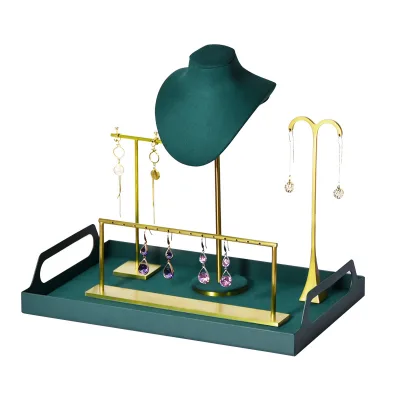
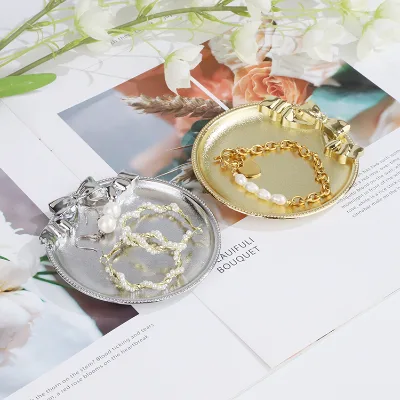
Luxury Custom Gold and Silver Small Metal Jewelry Dish Tray Necklace Rings Display Tray
$3.30 - $3.90
MOQ: 1000

- Manufacturer/Factory
- China Guangdong
- Lead time23 days
- Avg. response≤ 15h
Main productsJewelry Box, Perfume Box, Watch Box, Paper Bag, Pouch, Jewelry Display&Tray, Gift Box, Cosmetic Box, Paper Packaging, Printing
Main marketsSouth America,Eastern Europe,Mid East,North America,Southeast Asia,Eastern Asia,Oceania,Western Europe,Africa

Delicate Brown Jewelry Display Tray Stackable Velvet Jewelry Tray Ring Jewelry Tray
$0.20 - $200.00
MOQ: 30 Pieces

Vintage Brown 9grid Wooden Jewelry Display Tray Jewelry Necklace Display Tray Jewelry Tray with Lid
$0.20 - $200.00
MOQ: 30 Pieces

$0.20 - $200.00
MOQ: 30 Pieces

Factory Customization Stackable Jewelry Trays Necklace Jewelry Tray Velvet Tray for Jewelry
$0.20 - $200.00
MOQ: 30 Pieces

Simple New Design Wooden Jewelry Display Tray Jewelry Display Tray Box Suede Jewelry Tray
$0.20 - $200.00
MOQ: 30 Pieces

Shenzhen Yadao Packaging Co., Ltd.
- Verified by TüVRheinland
- Trading Company
- Lead time30 days
- Avg. response≤ 3h
Main productsJewelry Display, Jewelry Boxes, Jewelry Bags, Jewelry Cases, Jewelry Showcase
Main marketsNorth America(30%), Eastern Europe(10%), Mid East(10%)
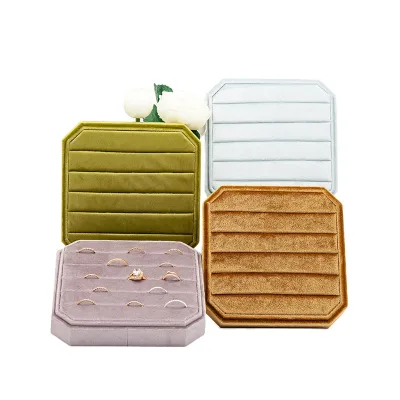
Oval Tray Jewelry Tray for Ring Customized Display Earrings Bracelet Necklace
$12.09 - $12.99
MOQ: 1000
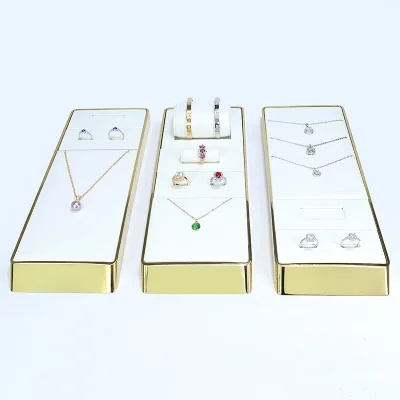
Luxury Jewelry Tray Leather Electroplated Gold Color Jewelry Display Tray Custom for Your Shop
$29.50 - $31.00
MOQ: 30 pieces
Heze Longyipan Crafts Co., Ltd.
- Verified by SGS Group
- Manufacturer, Trading Company
- Shandong, China
- Lead time45 days
- Avg. response≤ 2h
Main productsKitchenware, Pet Supplies, Storage Box, Wooden Storage Shelf
Main marketsNorth America(40.00%), Northern Europe(25.00%), South America(15.00%), Southeast Asia(10.00%), South Asia(5.00%), Oceania(5.00%)
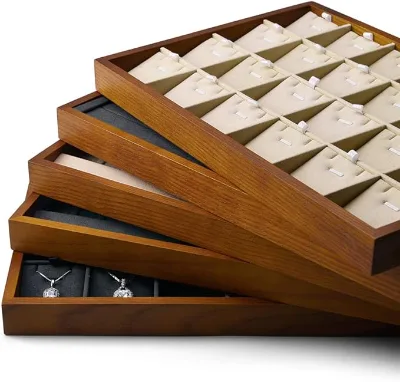
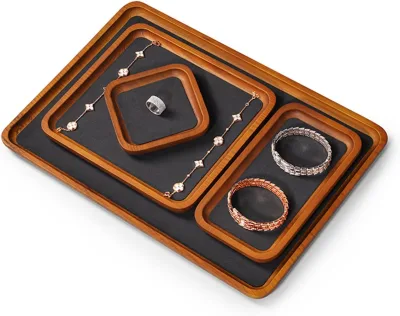
Modern Creative Wooden Jewelry Display Tray and Necklace Bracelet Sorting and Storage Drawer Tray
$3.80 - $4.50
MOQ: 300 pieces
Henan Dongying Workshop Crafts Co., Ltd.
- Verified by SGS Group
- Manufacturer, Trading Company
- Lead time0 days
- Avg. response≤ 3h
Main productsJewelry Display, Jewelry Boxes, Jewelry Tray, Jewelry Rack
Main marketsWestern Europe(30%), South America(22%), North America(21%)
Xianju Yijia Arts & Crafts Co., Ltd.
- Verified by SGS Group
- Manufacturer, Trading Company
- Lead time60 days
- Avg. response≤ 12h
Main productsJewelry Display, Crystal products, Storage Boxes, Furniture, Jewelry Box
Main marketsNorth America(47%), South America(13%), Eastern Europe(10%)

- Manufacturer, Trading Company
- Fujian, China
- Lead time45 days
- Avg. response≤ 7h
Main productsCeramic And Porcelain Home Decoration,Dinnerware,Bathroom Set,Dolomite Bathroom Set,Garden Flower Planter
Main marketsEastern Europe(25.00%), North America(25.00%), Western Europe(20.00%), South America(10.00%), Eastern Asia(10.00%), Mid East(5.00%), Oceania(5.00%)

Shantou Kaicheng Craft Co., Ltd.
- Verified by BV
- Combined
- China Guangdong
- Lead time15 days
- Avg. response≤ 6h
Main productsJewelry Box, Jewelry Organizer, Cosmetic Bags, Watch Box, Jewelry Packaging Box, Jewelry Storage Pouch, Wooden Jewelry Box, Velvet Jewelry Box, Musical Jewelry Box, Make up Bags
Main marketsSouth America,Africa,Southeast Asia/ Mideast,East Asia(Japan/ South Korea),Europe,Australia,North America

Wholesale Wedding Velvet Jewelry Boxes Display Tray for Ring Necklace Bracelet
$0.69 - $1.09
MOQ: 100 pieces


$3.09 - $3.79
MOQ: 100 pieces
Shenzhen Baoxinran Jeweylr Packaging Co., Ltd.
- Manufacturer
- Guangdong Province, China
- Lead time30 days
- Avg. response≤ 3h
Main productsJewelry Eyewea,Watches & Accessories,Jewelry Packaging & Display,Jewelry Packaging,jewelry gift
Main marketsDomestic Market(20.00%), Southeast Asia(15.00%), Oceania(9.00%), Mid East(8.00%), Western Europe(8.00%), Southern Europe(8.00%), Eastern Europe(6.00%), South America(6.00%), Eastern Asia(5.00%), Northern Europe(5.00%), North America(5.00%), South Asia(3.00%), Central America(2.00%)
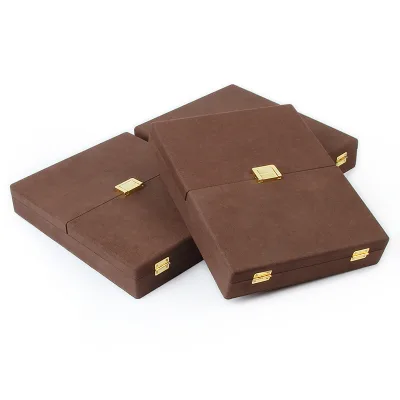
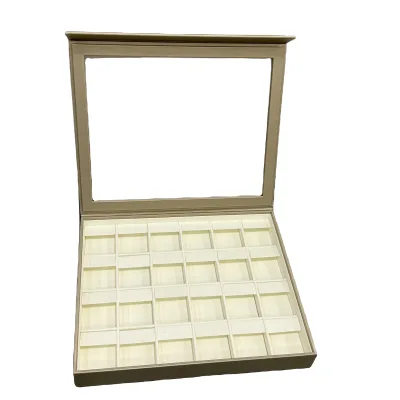
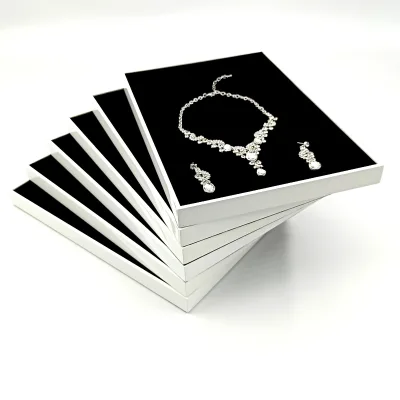
Double Storage Display Tray for Jewelry Necklace Ring Bracelet Pendant-Elegant Jewelry Boxes
$13.3068 - $13.3368
MOQ: 10 pieces

Yiwu Choose Trade Company Limited
- Trading Company
- Zhejiang, China
- Lead time15 days
- Avg. response≤ 6h
Main productsJewelry packaging,Gift packaging,Bare stone box storage,Jewelry accessories,Cosmetic packaging
Main marketsNorth America(40.00%), Mid East(25.00%), Eastern Europe(15.00%), Western Europe(10.00%), South America(5.00%), Southeast Asia(3.00%), Oceania(2.00%)
Shenzhen Extend International Packaging Co., Ltd.
- Verified by Intertek
- Manufacturer, Trading Company
- Lead time10 days
- Avg. response≤ 4h
Main productsJewelry Box, Magnetic Box, Gift Box, Paper Box, Rigid Box
Main marketsNorth America(30%), Western Europe(22%), South America(12%)

Foshan Hlb Jewelry Packaging Co., Ltd.
- Manufacturer, Trading Company
- Guangdong Province, China
- Lead time12 days
- Avg. response≤ 2h
Main productsLeather Jewelry Box, Jewelry Tray, Jewelry Display Stand, Wooden Box, Jewelry Storage Box
Main marketsDomestic Market(40.00%), Western Europe(20.00%), North America(10.00%), South America(10.00%), Mid East(10.00%), Eastern Europe(5.00%), Southeast Asia(5.00%)
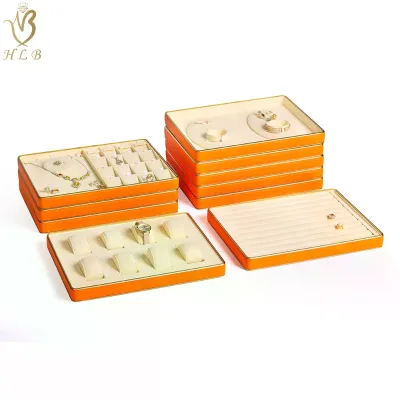
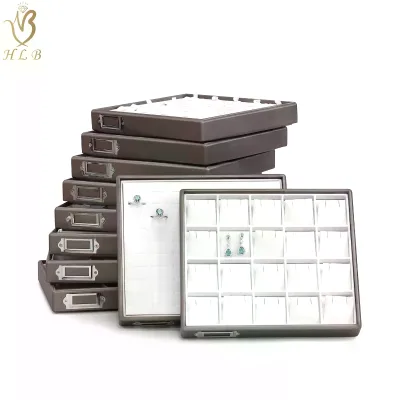
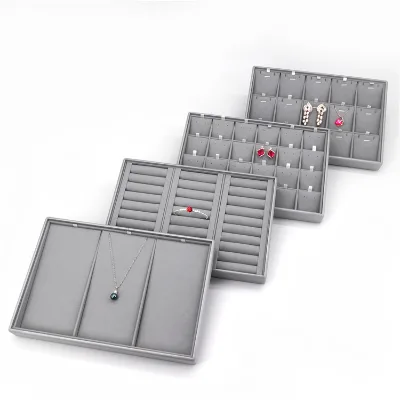
HLB Metallic Necklace Display Trays Stackable Jewelry Trays Velvet Jewelry Display showcase Tray
$9.90 - $32.90
MOQ: 5 Minimum
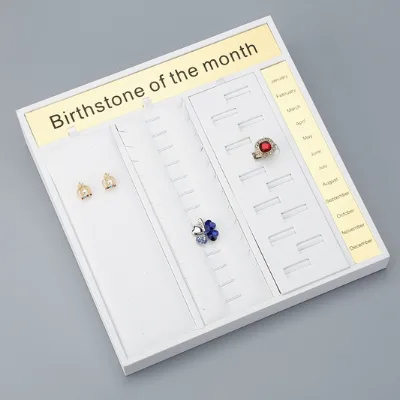
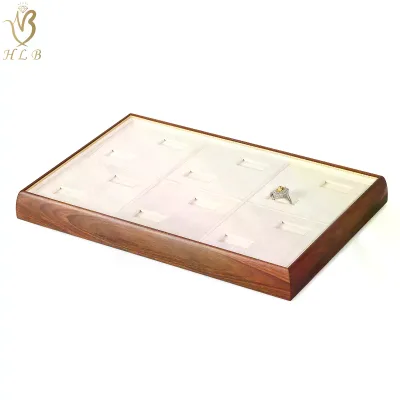
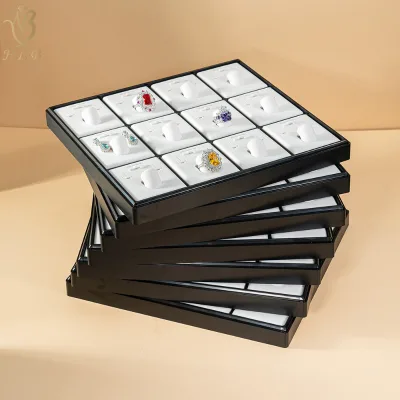
Eco-friendly Wooden Ring Display Trays Jewelry showcase Jewellery Display Props Ring Trays
$11.1317 - $15.1137
MOQ: 5 Minimum

Shenzhen Lionstar Technology Co., Ltd.
- Verified by SGS
- Combined
- China Guangdong
- Lead time15 days
- Avg. response≤ 4h
Main productsFace Mask, KN95, 3ply Disposable Face Mask, Protective Face Cover, FFP2 KN95 CE FDA Face Mask, Protective Goggle, Face Shield, Gloves, Gowns, Thermometer
Main marketsAfrica,Europe,North America

Factory Directly Supply Custom Logo Luxury Function Jewelry Folding Storage Tray
$0.772 - $0.83
MOQ: 500 Pieces


DONGGUAN CHAU YUE TRADE CO.,LTD
- Verified by SGS
- Trading Company
- China Guangdong
- Lead time15 days
- Avg. response≤ 2h
Main productsFurniture Hardware, PVC Edge Banding, Minifix Fittings, PVC Sticker, Plastic Adjustable Leg, Plastic Cutlery Tray Insert, EVA Anti Slip Mat, Wardrobe Jewelry Tray, Cabinet Fittings, Kitchen Fittings
Main marketsSoutheast Asia/ Mideast,Australia,North America

Crafted Jewelry Tray with Timepiece Compartment for Vanity Drawer Organization
$10.00 - $30.00
MOQ: 100 Pieces

Customized Jewelry Organizer Tray for Females - Perfect for Closet Drawers
$4.00 - $30.00
MOQ: 300 pcs

Elegant Wooden Jewelry Storage Tray for Home Decor for Bedroom Closet Organization
$4.00 - $30.00
MOQ: 300 pcs


Xiamen Ebei Import & Export Co., Ltd.
- Verified by CTI
- Trading Company,Manufacturer/Factory
- China Fujian
- Lead time45 days
- Avg. response≤ 2h
Main productsEco-Friendly Products, Bamboo Tableware, Bamboo Furniture, Bamboo Kitchenware, Bamboo Office Supply, Bamboo Fibre Products, Biodegradable Products, Bamboo Towel, Solar Energy Products, Bamboo Garden Products
Main marketsSouth America,Eastern Europe,Mid East,North America,Southeast Asia,Eastern Asia,Oceania,Western Europe,Africa

Stackable Bamboo Jewelry Display Tray for Rings/Earrings/Bracelet/Pendant Organizer Storage
$12.50 - $13.00
MOQ: 100 Pieces


Shenzhen Daohua Industrial Co., Ltd.
- Verified by TUVRHEINLAND
- Manufacturer/Factory
- China Guangdong
- Lead time15 days
- Avg. response≤ 5h
Main productsPackaging Material, Gift Box, Paper Box, Wooden Box, Watch Box, Jewelry Box, Carton, Packing Box
Main marketsEastern Europe,North America,Southeast Asia,Eastern Asia,Oceania,Western Europe

Dongguan Nodiman Packing Co., Ltd.
- Combined
- China Guangdong
- Lead time30 days
- Avg. response≤ 1h
Main productsWatch Box, Jewelry Box, Gift Box, Perfume Box, Paper Box, Wooden Box, Jewellry Box, Box, Pen Box, Coffee Box
Main marketsSouth America,Southeast Asia/ Mideast,East Asia(Japan/ South Korea),Europe,North America

Haifeng Juexin Packaging Co., Ltd.
- Manufacturer, Trading Company
- Guangdong Province, China
- Lead time5 days
- Avg. response≤ 1h
Main productsPaper Box,Plastic Box,Velvet Box,Paper Bag,Gift Box
Main marketsMid East(22.00%), South America(16.00%), Southeast Asia(15.00%), North America(14.00%), Eastern Asia(8.00%), Central America(5.00%), Northern Europe(4.00%), Oceania(3.00%), South Asia(3.00%), Southern Europe(3.00%), Western Europe(2.00%), Africa(2.00%), Eastern Europe(2.00%), Domestic Market(1.00%)
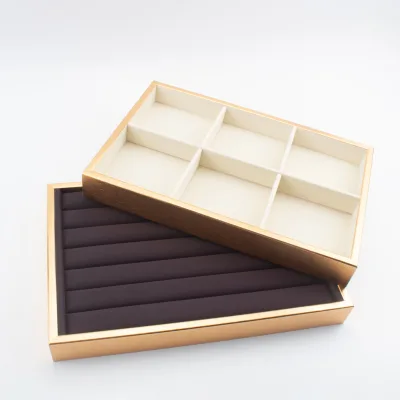
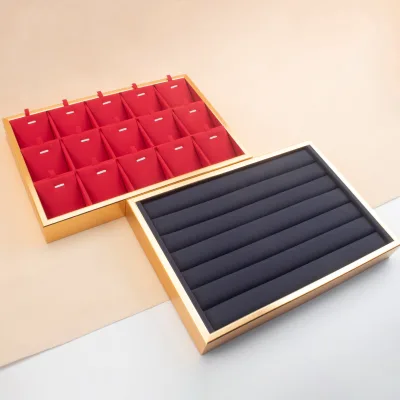
$4.1018 - $8.2036
MOQ: 1 Minimum
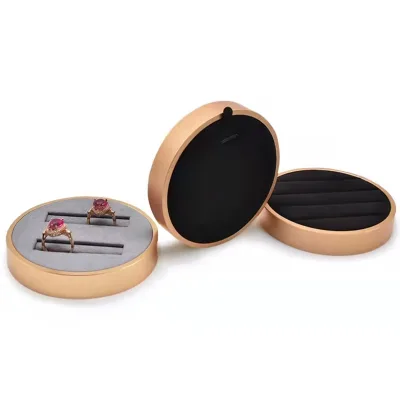

- Trading Company,Manufacturer/Factory
- China Guangdong
- Lead time23 days
- Avg. response≤ 2h
Main productsAcrylic Display Stand, Acrylic Box, Acrylic Photo Frame, Acrylic Tray, Acrylic Makeup Organizer, Acrylic Menu Holder, Acrylic Award, Acrylic Case, Plexiglass Display, Plexiglass Shelf
Main marketsSouth America,Eastern Europe,Mid East,North America,Southeast Asia,Eastern Asia,Oceania,Western Europe,Africa


Comprehensive Sourcing Guide
Modern Gold Plated Jewelry Tray Supplier Concentration and Factory Types
The current supplier landscape for modern gold plated jewelry trays shows a concentration of manufacturers and trading companies primarily located in Taiwan and China. These regions serve as the primary hubs for producing acrylic boxes, cosmetic organizers, and various decorative fitting items that often include jewelry display solutions. While specific factory clusters are not explicitly detailed in the available data, the presence of these locations indicates a mature supply chain for glass, metal, and resin-based display products. Buyers should expect to find a mix of direct manufacturers and trading companies within these geographic areas, each offering different levels of customization and volume capacity.
Company types in this sector vary significantly, with many entities operating as trading companies that aggregate products from multiple factories. These trading firms often specialize in cosmetic organizers, cable systems, and decorative trays, providing a broader catalog than a single factory might offer. When evaluating potential partners, it is crucial to distinguish between a direct manufacturer and a trading intermediary, as this distinction impacts lead times, pricing structures, and communication efficiency. The available data suggests that suppliers in these regions are equipped to handle orders for glass mirror trays, gum resin plates, and ceramic display items, though the specific factory type must be verified through direct inquiry rather than assumed from general location data.
How to Verify Modern Gold Plated Jewelry Tray Suppliers
Verification of suppliers requires a rigorous check of their response times, product attributes, and stated capabilities against the actual order requirements. The data indicates that some suppliers have a response time of six hours, which serves as a baseline metric for communication efficiency, though this may vary across the broader market. Buyers must confirm whether a supplier can provide detailed product specifications, such as the material composition of glass, gum resin, or ceramic, and verify the accuracy of dimensions like 300 x 152 x 42 mm or 25 cm by 12 cm. Relying solely on marketing keywords is insufficient; concrete evidence of product attributes, including special features like scratch resistance or portability, must be cross-referenced with physical samples or detailed technical sheets.
Establishment years and specific certifications are critical verification points that are often missing from initial search results. Since the provided facts do not list specific establishment dates or certification bodies for the suppliers, buyers must explicitly request this information to assess long-term stability and compliance with international standards. It is essential to ask for proof of quality control processes, especially for products involving gold plating or mirror finishes where durability and aesthetic consistency are paramount. Without verified data on certifications or years in operation, the buyer should treat all claims with caution and prioritize suppliers who can immediately provide tangible proof of their manufacturing capabilities and quality assurance protocols.
What to Compare Across Modern Gold Plated Jewelry Tray Suppliers
When comparing suppliers, the primary focus should be on lead times, minimum order quantities (MOQ), and pricing structures, as these factors directly impact procurement planning and cash flow. The observed data reveals a wide range of lead times, with some suppliers indicating a 30-day production window, while others may offer faster turnaround depending on stock availability. MOQs also vary significantly, ranging from as low as 12 pieces for certain glass trays to 100 pieces for specific acrylic or metal display units. Buyers must calculate the total cost of ownership, including shipping and potential customs duties, rather than focusing solely on the unit price, which can fluctuate between $1.28 and $15.32 depending on the material and design complexity.
Response speed and product specialization are equally important comparison metrics that define the supplier's suitability for specific project needs. A supplier with a six-hour response time may be more reliable for urgent orders than one with slower communication, even if their base price is slightly higher. Additionally, the range of main products offered, such as cosmetic organizers, cable systems, or specific jewelry trays, indicates the supplier's breadth of expertise. Buyers should compare whether a supplier can handle custom logo applications, specific color finishes like rose gold or black, and unique shapes such as shell or rectangle designs. These comparative factors help identify the most efficient partner for a specific order volume and timeline requirement.
Common Modern Gold Plated Jewelry Tray Sourcing Risks
One of the primary risks in sourcing modern gold plated jewelry trays is the discrepancy between advertised product features and actual material quality. The available data lists materials such as glass, gum resin, and ceramic, but does not confirm the thickness, plating quality, or durability of the gold finish. Buyers face the risk of receiving products that are not scratch-resistant or durable as claimed, particularly for items marketed as luxury or high-end decorative pieces. Without independent testing or verified material certifications, there is a significant chance that the "gold" plating may be thin or prone to peeling, leading to customer dissatisfaction and potential returns.
Another critical risk involves the reliability of lead times and the consistency of production capacity. While some suppliers list a 30-day lead time, this figure may not account for delays caused by raw material shortages, quality control bottlenecks, or logistical issues. The variation in MOQs, from 12 to 100 units, suggests that smaller orders might face longer wait times or higher per-unit costs due to setup fees. Furthermore, the lack of explicit information regarding escrow services or payment protection in the provided facts means buyers must independently verify the security of their financial transactions. Relying on unverified claims about production speed or material integrity can result in significant financial loss and supply chain disruptions.
Modern Gold Plated Jewelry Tray Regional Sourcing and Logistics
Sourcing from Taiwan and China offers distinct logistical advantages and challenges that buyers must navigate carefully. These regions are known for their robust manufacturing infrastructure and efficient export capabilities, particularly for glass, metal, and resin-based products. However, the specific shipping times and freight costs are not detailed in the current data, meaning buyers must calculate these variables based on their destination and the weight of the products, which can range from 0.177 kg to 0.630 kg per unit. Understanding the packaging dimensions, such as 34.5 x 20 x 9 cm or 32.5 x 18.5 x 10 cm, is essential for optimizing container space and reducing shipping expenses.
Logistics planning also requires attention to the specific packaging requirements and handling instructions for fragile items like glass mirror trays. The data indicates that products are often packed in cartons, but the level of protection against breakage during transit is not specified. Buyers should verify if the supplier uses reinforced packaging or if additional protective materials are available at an extra cost. Additionally, the origin of the goods, whether from Taiwan or mainland China, may influence customs clearance procedures and import duties in the buyer's country. Establishing a clear understanding of the shipping terms, such as FOB or CIF, is crucial to avoid unexpected costs and delays in the delivery of modern gold plated jewelry trays.
Modern Gold Plated Jewelry Tray Commercial Terms and Order Planning
Commercial terms for modern gold plated jewelry trays must be clearly defined to ensure a smooth transaction and avoid misunderstandings regarding payment and delivery. The observed price ranges, from approximately $1.28 to $15.32, suggest that unit costs are highly dependent on the specific model, material, and order volume. Buyers should negotiate payment terms that align with their cash flow, potentially utilizing escrow services if available, to mitigate the risk of non-delivery or substandard quality. It is also vital to confirm whether the quoted prices include packaging, labeling, and any customization fees for logos or specific designs, as these can significantly alter the final cost.
Order planning requires a strategic approach to managing MOQs and lead times to maintain inventory levels without overstocking. With MOQs ranging from 12 to 100 units, buyers must balance the need for variety with the efficiency of bulk ordering. For smaller orders, the higher per-unit cost may be acceptable, but for larger volumes, negotiating a lower price point becomes essential. Buyers should also plan for potential delays by ordering well in advance of peak seasons or product launches. Establishing a clear timeline that accounts for production, quality checks, and shipping is necessary to ensure that the modern gold plated jewelry trays arrive on time and meet the expected market demand.
FAQs
What materials are modern gold plated jewelry trays usually made from?
Listed products in this category are commonly made from glass, ceramic, gum resin, or stainless steel, with gold, rose gold, silver, black, or rainbow mirror finishes. Glass mirror-base trays give a reflective luxury look, while resin and ceramic options are lighter and lower cost. Buyers should confirm plating thickness and finish durability with each supplier before ordering.
What is the typical minimum order quantity for these trays?
Minimum order quantities vary widely by material and design. Examples on this page range from 12 pieces for a rainbow glass mirror tray, 20 pieces for gum resin square trays, up to 100 pieces for a gold mirror decorative tray. Smaller MOQs usually apply to standard designs, while custom logo or custom finish orders may require higher quantities, so confirm before quoting.
How much do gold jewelry display trays cost per unit?
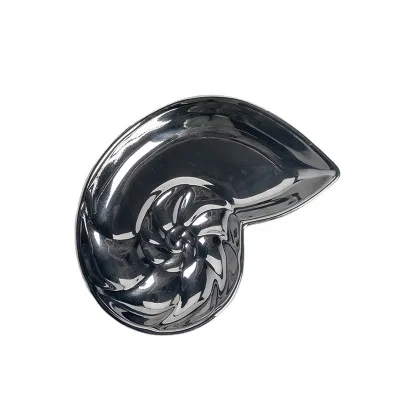
Unit prices depend mainly on material, size, and finish. On this page, small resin square trays list around 1.29 dollars, ceramic shell trays around 1.34 to 1.45 dollars, glass mirror-bottom trays around 8.54 to 10.21 dollars, and larger gold mirror trays around 11.75 to 15.32 dollars. Request quotations for your specific size, logo, and finish requirements.
What sizes are commonly available for jewelry display trays?
Common sizes range from small square plates around 9 by 9.5 centimeters to longer display trays of 23, 25, or 30 centimeters. Example dimensions on this page include 25 by 12 by 4 centimeters, 30 by 15.2 by 4.2 centimeters, and an 11.5 centimeter ceramic shell tray. Rectangular shapes dominate, but round and shell shapes are also offered in gold and silver finishes.
Do suppliers offer custom logos on jewelry trays?
Yes, custom logo options appear in this category, for example stainless steel trays in 23 and 30 centimeter sizes advertised with custom logo support in rose gold, silver, and black. Custom branding typically affects unit price, minimum order quantity, and production time. Before ordering, confirm which printing or engraving methods the supplier uses and request a pre-production sample.
How long is the typical production lead time for these trays?
A supplier in this category lists a lead time of 30 days, which is a reasonable planning benchmark for standard jewelry tray orders. Actual lead time depends on order quantity, material, and whether custom logos or special finishes are required. Ask each supplier to confirm production time separately from shipping time, and factor in sample approval before mass production begins.
Are gold plated trays suitable for retail store displays?
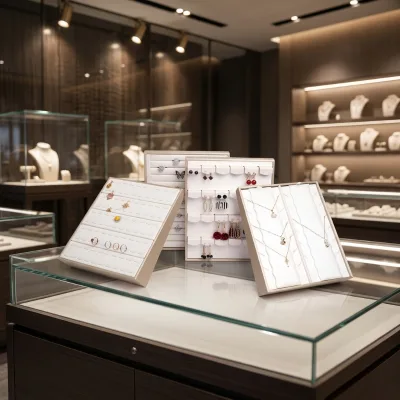
Yes, several products in this category are explicitly marketed for shop, store, and retail display use, including resin square trays, ceramic trays for stores, and metal mirror-bottom trays for shops. For retail environments, prioritize scratch-resistant and durable finishes, as listed on some rainbow glass models. Consider mixing tray sizes to display rings, earrings, necklaces, and watches together at the counter.
Where are these jewelry tray suppliers located?
Supplier results on this page show products originating from China and Taiwan, China, and one trading company lists Taiwan, China as its location. Both regions are established sources for jewelry packaging and display products, including acrylic, glass, resin, ceramic, and metal trays. Verify each supplier's registered address, company type, and export experience directly before placing a first order.