Modern Jewelry Display Stand Suppliers and Manufacturers
Compare 22 verified suppliers offering modern jewelry display stands with varying lead times, response speeds, and certifications. Review product specifications like material and customization options to select the right vendor for your needs; review the available evidence before requesting comparable quotations from suitable candidates.
Suppliers List

Adidea (Xiamen) Industry And Trade Co., Ltd.
- Trading Company
- China Fujian
- Lead time30 days
- Avg. response≤ 19h
Main productsMetal Display Shelf, Display Stand, Metal Display Rack, MDF Display Showcase, Solid Wood Display Stand, Acrylic Display Stand, Supermarket Display Shelves, Wine Beverage Food Display Rack, Garment Bag Shoe Jewelry Display Stand, Tile Stone Granite Quartz Mosaic Display Stand
Main marketsSoutheast Asia/ Mideast,Europe,North America


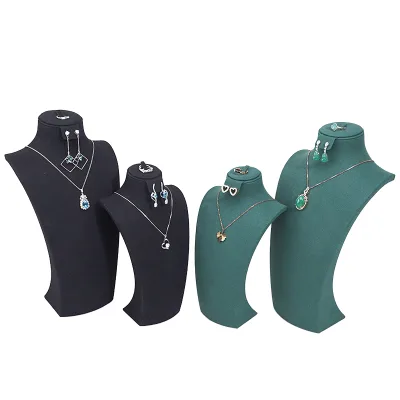
Customized Jewelry Display Stand Earrings Necklaces Rings Store Display Stand Jewelry Storage
$10.00 - $20.00
MOQ: 200 Pieces

Guangzhou Lome Display Products Co. , Ltd
- Manufacturer/Factory
- China Guangdong
- Lead time23 days
- Avg. response≤ 3h
Main productsShowcase, Cabinet, Cosmetics Display Cabinet, Display Case, Jewelry Display Case, Watch Showcase, Makeup Showcase, Supermarket Rack, Interior Design, Jewelry Showcase
Main marketsSouth America,Eastern Europe,Mid East,North America,Southeast Asia,Eastern Asia,Oceania,Western Europe,Africa


Jewelry Display Rack Jewellery Shop Counter Design Watch Display Showcase
$1098.00 - $2999.00
MOQ: 1 Pieces

Shenzhen Baoxinran Jeweylr Packaging Co., Ltd.
- Manufacturer
- Guangdong, China
- Lead time30 days
- Avg. response≤ 2h
Main productsJewelry Eyewea,Watches & Accessories,Jewelry Packaging & Display,Jewelry Packaging,jewelry gift
Main marketsDomestic Market(20.0%), Southeast Asia(15.0%), Oceania(9.0%), Mid East(8.0%), Western Europe(8.0%), Southern Europe(8.0%), Eastern Europe(6.0%), South America(6.0%), Eastern Asia(5.0%), North America(5.0%), Northern Europe(5.0%), South Asia(3.0%), Central America(2.0%)
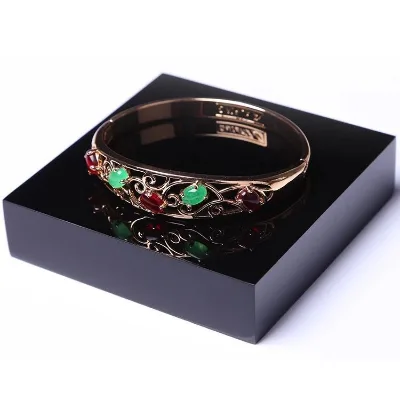
$4.37 - $4.39
MOQ: 10 pieces


- Verified by BV
- Manufacturer/Factory
- China Zhejiang
- Lead time15 days
- Avg. response≤ 2h
Main productsJewelry Bag, Jewelry Card, Box, Promotion Gifts
Main marketsSouth America,Eastern Europe,Mid East,North America,Southeast Asia,Eastern Asia,Oceania,Western Europe,Africa

Guangzhou Ouyee Industrial Co., Ltd
- Verified by SGS
- Combined
- China Guangdong
- Lead time30 days
- Avg. response≤ 1h
Main marketsSouth America,Africa,Southeast Asia/ Mideast,Domestic,Europe,Australia,North America

Contemporary Spacious LED Illuminated Showcase Display Freestanding Jewelry Display Stand
$180.00 - $280.00
MOQ: 5 Sets

Elegant Jewellery Showroom Designs Piercing Jewelry Pegboard Jewelry Display Stand
$180.00 - $280.00
MOQ: 5 Sets

Modern Glass Display Compact Wide Modular Spacious Jewelry Display Stand
$180.00 - $280.00
MOQ: 5 Sets
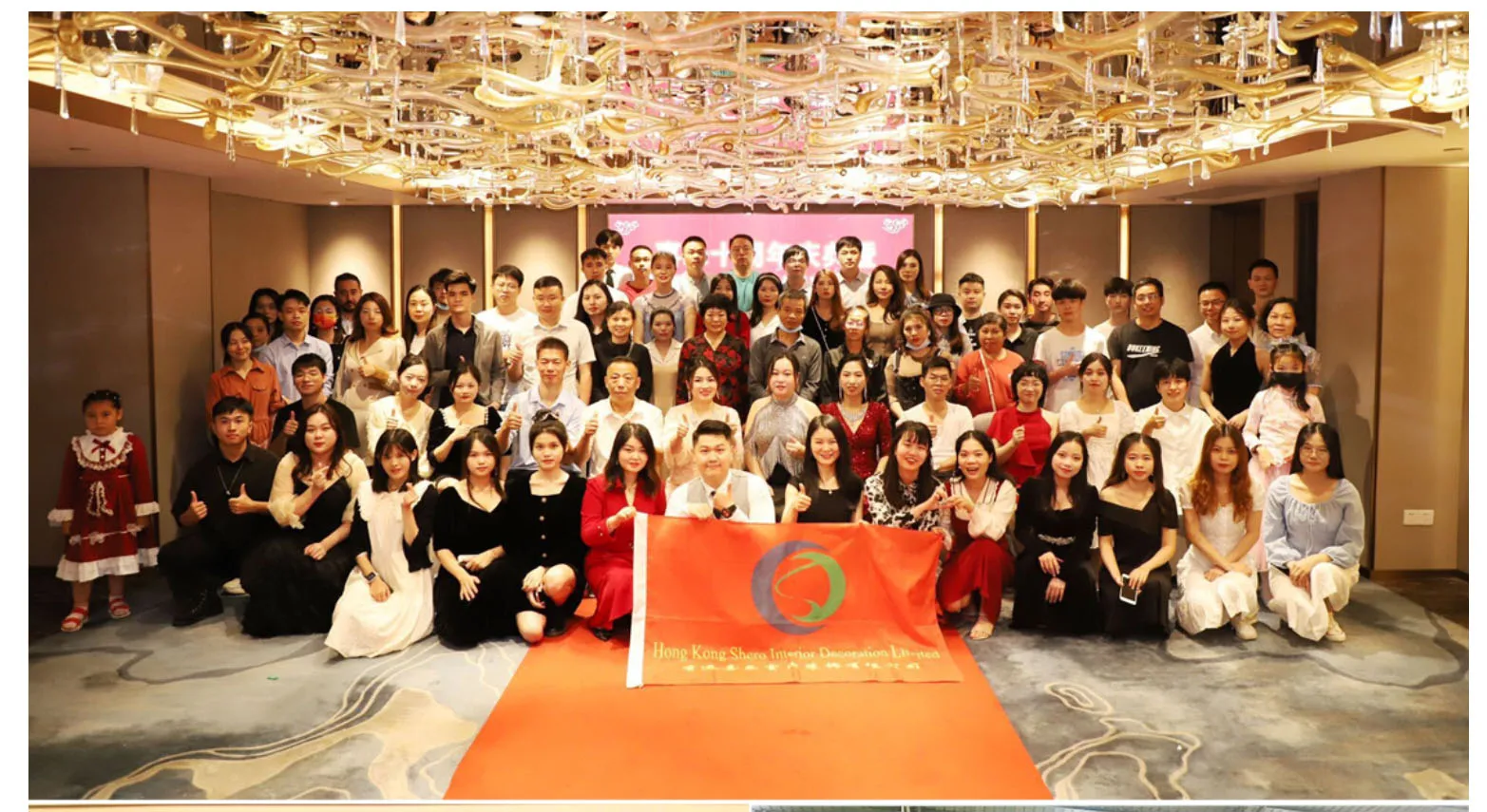
Hong Kong Shero Interior Decoration Limited
- Trading Company
- Hong Kong S.A.R.
- Lead time15 days
- Avg. response≤ 1h
Main productsShowcase, Jewelry Showcase, Store Fixture, Display Cabinet, Kiosk
Main marketsNorth America(40.0%), South America(15.0%), Eastern Europe(10.0%), Mid East(10.0%), Africa(5.0%), Southeast Asia(5.0%), Northern Europe(4.0%), Eastern Asia(3.0%), Oceania(2.0%), Central America(2.0%), South Asia(1.0%), Western Europe(1.0%), Southern Europe(1.0%), Domestic Market(1.0%)
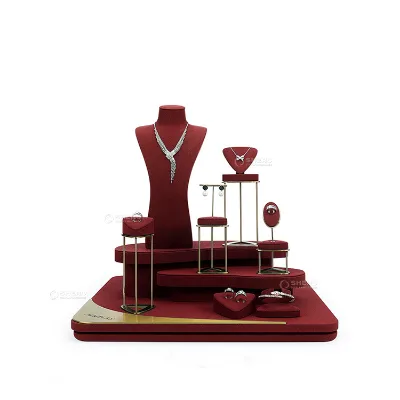
Customized Jewelry Stand Display Set Display Stand for Jewelry Gold Jewelry Stand
$185.00 - $210.00
MOQ: 5 sets

- Trading Company,Manufacturer/Factory
- China Fujian
- Lead time30 days
- Avg. response≤ 12h
Main productsDisplay Rack, Shop Fitting, Store Fixture, Furniture, Wood Millwork, Gondola Shelving, Metal Rack
Main marketsEastern Europe,North America

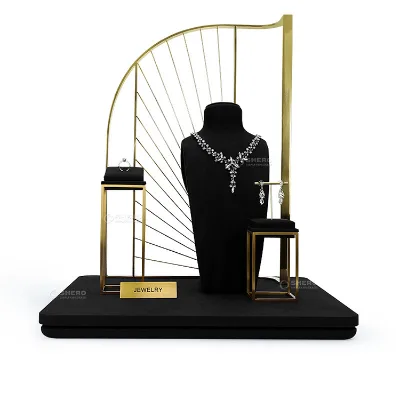
Boutique Watch Display Showcase Cabinet Display Jewelry Rack Classical Wood Jewelry Display Stand
$99.60 - $129.70
MOQ: 20 Pieces

Wrist Watch Display Showcase Cabinet Display Jewelry Rack Classical Wood Jewelry Display Stand
$99.60 - $129.70
MOQ: 20 Pieces

Jewelry Display Stand Showcase Display Rack Customize Size Watch Classical Jewelry Display Cabinet
$118.20 - $139.70
MOQ: 20 Pieces

Hot Selling Wrist Watch Display Showcase Cabinet Jewelry Wood Stand Classical Jewelry Display Rack
$95.60 - $129.70
MOQ: 20 Pieces

Hot Selling Classical Style Jewelry Ring Display Rack Jewelry Wood Stand Display Showcase Cabinet
$109.50 - $168.70
MOQ: 20 Pieces

$95.60 - $129.70
MOQ: 20 Pieces

Shenzhen Leshi Display Products Limited
- Verified by BV
- Manufacturer/Factory
- China Guangdong
- Lead time23 days
- Avg. response≤ 7h
Main productsAcrylic Display Stand, Cardboard Display Stand, Wooden Display, Acrylic Cosmetic Display, Acrylic Display Cabinet, Display Stand, Cardboard Floor Display, Wooden Display Rack
Main marketsSouth America,Eastern Europe,Mid East,North America,Southeast Asia,Eastern Asia,Oceania,Western Europe,Africa


Modern Customized Acrylic Watch Jewelry Cosmetic Display Stand Rack Holder Factory Price
$29.99 - $49.99
MOQ: 50 Pieces

Foshan Longyi Packaging Co., Ltd.
- Trading Company
- Guangdong, China
- Lead time0 days
- Avg. response≤ 2h
Main productsJewelry display stand,Jewelry box,Paper bag,Packaging box,Watch box
Main marketsNorth America(20.0%), Eastern Asia(10.0%), Eastern Europe(10.0%), South America(10.0%), Domestic Market(5.0%), South Asia(5.0%), Southern Europe(5.0%), Northern Europe(5.0%), Central America(5.0%), Western Europe(5.0%), Southeast Asia(5.0%), Mid East(5.0%), Oceania(5.0%), Africa(5.0%)
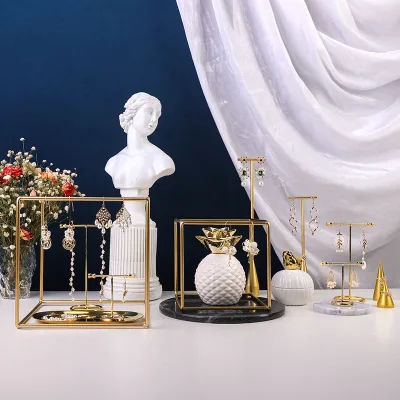
Modern Simple Golden Geometric Metal Frame Jewelry Display Stand Earrings Ring Necklace Storage Set
$5.70 - $176.30
MOQ: 10 Minimum

- Manufacturer/Factory
- China Guangdong
- Lead time23 days
- Avg. response≤ 7h
Main productsJewelry Box, Perfume Box, Watch Box, Paper Bag, Pouch, Jewelry Display&Tray, Gift Box, Cosmetic Box, Paper Packaging, Printing
Main marketsSouth America,Eastern Europe,Mid East,North America,Southeast Asia,Eastern Asia,Oceania,Western Europe,Africa

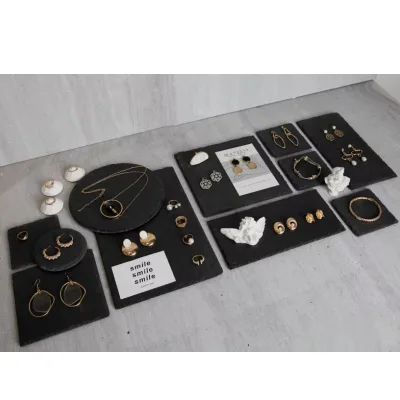
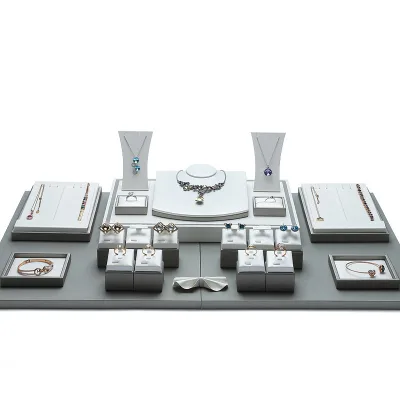
Noble and Retro Jewelry Display Stand Design Earring Display Stand Jewelry Stand for Shop
$0.20 - $20.00
MOQ: 30 Pieces

$0.20 - $20.00
MOQ: 30 Pieces

$0.20 - $50.00
MOQ: 500 Pieces

Foshan Digu Packaging Co., Ltd.
- Verified by Intertek
- Manufacturer, Trading Company
- Guangdong, China
- Lead time0 days
- Avg. response≤ 4h
Main productsJewelry Box, Jewelry Display, Jewelry Display Tray, Necklace Display Stand, Watch Box
Main marketsNorth America(48%), Southeast Asia(20%), Central America(20%)

Xiamen F-Orchid Technology Co., Ltd.
- Verified by TUVRHEINLAND
- Trading Company
- China Fujian
- Lead time30 days
- Avg. response≤ 5h
Main productsStore Fixtures & Display Racks, Fitness Equipment & Sports Goods, Handicrafts, LED Boxes & Logo Signs, Treadmill, Retail Display, Furniture, Recumbent Bike, Elliptical Bike, Fitness Bike
Main marketsNorth America


Hot Round Cylinder Plinth Metal Jewelry Display Stand Cake Bracelets Display Stand
$2.86 - $9.89
MOQ: 1 Pieces

Metal Jewelry Display Stand with 360° Rotating Shelves Earring Ring Necklace Organizer
$5.30 - $8.80
MOQ: 50 Pieces
Dongguan Dingjia Display Props Products Co., Ltd.
- Manufacturer
- Guangdong, China
- Lead time25 days
- Avg. response≤ 4h
Main productsAcrylic And Wooden Watch Display,Acrylic And Wooden Glasses Display,Acrylic And Wooden Jewellery Display,Display Showcase,Wooden Box Packing
Main marketsEastern Europe(20.0%), Eastern Asia(10.0%), Mid East(10.0%), Oceania(10.0%), Southeast Asia(10.0%), North America(10.0%), South Asia(10.0%), Domestic Market(5.0%), South America(5.0%)

Dongguan Xinfuying Decoration Display Technology Co., Ltd.
- Verified by CTI
- Combined
- China Guangdong
- Lead time30 days
- Avg. response≤ 2h
Main productsbuilding decoration materials
Main marketsEast Asia(Japan/ South Korea),Domestic,Europe,Australia,North America

Gondo Displays (Xiamen) Industry & Trade Co., Ltd.
- Verified by TUVRHEINLAND
- Trading Company
- China Fujian
- Lead time23 days
- Avg. response≤ 2h
Main productsAcrylic Display, Wood Display, Metal Display, Display Stand, Store Fixture, Jewelry Display, Cosmetic Display, Clothes Rack, Supermarket Rack, Furniture
Main marketsEurope,Australia,North America


$3.99 - $5.99
MOQ: 100 Pieces

Custom Exhibition Supermarket Storage Double Sided Laminate Jewellery Display Stand
$99.99 - $199.99
MOQ: 100 Pieces


Kunshan Caamatech Displays Co., Ltd.
- Verified by TUVRHEINLAND
- Combined
- China Jiangsu
- Lead time15 days
- Avg. response≤ 1h
Main productsOptical Shop Display, Cosmetic Display, Sign, Window Display, Interactive Display, Paper Display, Wood Display, Metal Display, Acrylic Display
Main marketsSoutheast Asia/ Mideast,Europe,Australia,North America

Shenzhen Tianlang Advertising Media Co., Ltd.
- Verified by BV
- Combined
- China Guangdong
- Lead time15 days
- Avg. response≤ 6h
Main productsSeg Light Box, Exhibition Light Box, Exhibition Standing, Folding Light Box, Folding Cloth Frame Booth
Main marketsSouth America,Africa,Southeast Asia/ Mideast,East Asia(Japan/ South Korea),Europe,Australia,North America

Ningbo Paiaopai Display Co., Ltd
- Verified by TUVRHEINLAND
- Combined
- China Zhejiang
- Lead time30 days
- Avg. response≤ 2h
Main productsMakeup Cosmetic Display Organizer Beauty, Jewelry Display Stand for Necklace Breclet Tray, Counter Display for Retial Store Sunglass, Buffet Display for Cake Dessert Party Stand, Funko Pop Acrylic Box Pokemon Etb Booster Pack, Acrylic Sign Label Price Tag Display Holder Fram, Juice Wine Display Racking Shelf Showcase, Acrylic Floor Display Pop up Display Side Table, House Decoration Display Stand Desktop Vase, Store Display Rack Supermarket Metal Acrylic PVC
Main marketsDomestic,North America

Modern Acrylic Jewelry Display Stand with Storage Drawer for Retail Use
$12.88 - $14.88
MOQ: 100 Pieces


Elegant Acrylic Jewelry Display Stand with Storage Drawer for Cosmetics
$12.88 - $14.88
MOQ: 100 Pieces


Dongguan Nodiman Packing Co., Ltd.
- Combined
- China Guangdong
- Lead time30 days
- Avg. response≤ 1h
Main productsWatch Box, Jewelry Box, Gift Box, Perfume Box, Paper Box, Wooden Box, Jewellry Box, Box, Pen Box, Coffee Box
Main marketsSouth America,Southeast Asia/ Mideast,East Asia(Japan/ South Korea),Europe,North America

- Trading Company,Manufacturer/Factory
- China Guangdong
- Lead time23 days
- Avg. response≤ 2h
Main productsAcrylic Display Stand, Acrylic Box, Acrylic Photo Frame, Acrylic Tray, Acrylic Makeup Organizer, Acrylic Menu Holder, Acrylic Award, Acrylic Case, Plexiglass Display, Plexiglass Shelf
Main marketsSouth America,Eastern Europe,Mid East,North America,Southeast Asia,Eastern Asia,Oceania,Western Europe,Africa


Classical Acrylic Jewelry Display Stand White Plastic Jade Displays with Lace
$1.55 - $2.24
MOQ: 50 Pieces


Custom Jewelry Set Display Stand Acrylic Necklace Rack for Jewellery Store
$1.23 - $2.11
MOQ: 100 Pieces


Shenzhen Hongda Rong Technology Co., Ltd.
- Manufacturer, Trading Company
- Guangdong, China
- Lead time20 days
- Avg. response≤ 3h
Main productsAcrylic display case,acrylic display,acrylic rack,acrylic case,acrylic showcase
Main marketsSoutheast Asia(30.0%), Northern Europe(30.0%), North America(20.0%), Eastern Asia(20.0%)

Xiamen Ebei Import & Export Co., Ltd.
- Verified by CTI
- Trading Company,Manufacturer/Factory
- China Fujian
- Lead time45 days
- Avg. response≤ 2h
Main productsEco-Friendly Products, Bamboo Tableware, Bamboo Furniture, Bamboo Kitchenware, Bamboo Office Supply, Bamboo Fibre Products, Biodegradable Products, Bamboo Towel, Solar Energy Products, Bamboo Garden Products
Main marketsSouth America,Eastern Europe,Mid East,North America,Southeast Asia,Eastern Asia,Oceania,Western Europe,Africa






Comprehensive Sourcing Guide
Modern Jewelry Display Stand Supplier Concentration and Factory Types
Suppliers of modern jewelry display stands on B2B platforms cluster in a small number of Chinese provinces, and the location data shown in supplier results is the most reliable starting point for understanding that concentration. In the current results, suppliers are concentrated in Fujian, with several listing origins in Xiamen, and in Guangdong. Fujian-based companies in this set tend to be trading companies whose main products span metal display racks, MDF showcases, acrylic stands, and store fixtures for jewelry, cosmetics, and wine. Guangdong-based companies are more often manufacturers or factories focused on showcases, cabinets, and jewelry display cases, and they frequently advertise OEM and ODM capability. This split matters because trading companies typically aggregate production from multiple workshops, while factories control tooling, glass bending, LED integration, and finishing in-house.
When you evaluate this category, note that a factory listing jewelry display cabinets with tempered glass, LED lighting, and antitheft features has different production logic from a trading company offering folded acrylic or composite jewelry stands. The former sells high-value counter units with wooden-case packing; the latter sells modular, customizable floor or countertop fixtures at lower unit prices with higher minimum order quantities. Before shortlisting, read each profile's company type, location, and main products together, and verify whether the specific jewelry display model you want is actually produced by that company rather than resourced on demand from a neighboring workshop.
How to Verify Modern Jewelry Display Stand Suppliers
Verification begins with the attributes a supplier already discloses, then moves to what must be confirmed independently. Start with location: several suppliers in the current results list Fujian or Guangdong origins, and some products specify Xiamen, Fujian as the point of origin. Cross-check that the origin on the product listing matches the company's registered location, since mismatches can indicate resourcing. Next, review company type. A manufacturer listing OEM and ODM services can be asked for factory photographs, equipment lists, and a production audit report; a trading company should be asked directly which workshop produces the jewelry stands and whether you can audit that workshop. Response time is a useful early signal: some suppliers in this set respond within a couple of hours, while others take a day or more, and slow pre-sale responses usually worsen after deposit payment.
Product-level evidence also verifies capability. Listings that include certificates such as SGS or ISO9001, defined processing methods like polishing, brushing, welding, and stamping, and structured packing details such as bubble bags, foam pads, and five-layer master cartons suggest an organized production process. Ask whether the certification applies to the jewelry display product itself or only to the factory generally. Request drawings for any custom unit, confirm who owns the design files, and ask for a video call during production of your sample run. For showcases with LED lighting and adjustable voltages, request lighting photos and electrical component specifications before committing.
What to Compare Across Modern Jewelry Display Stand Suppliers
Comparing suppliers works best when you normalize the dimensions shown on their profiles. Lead time in this category ranges noticeably: one supplier in the results lists around 23 days, another around 30 days, so quote both with the same customization level to make the comparison fair. Minimum order quantities also differ sharply by product type: a factory listing glass jewelry display cabinets may quote a minimum of just one unit at several hundred dollars per unit, while trading-company listings for wooden or composite jewelry stands show minimums around 200 units at roughly 10 to 30 dollars. That difference shapes your whole sourcing strategy: low-MOQ cabinet makers suit boutique rollouts, while high-MOQ stand suppliers suit chain-wide refits.
Response speed is a second practical dimension, since display projects are usually deadline-driven by store opening dates; a supplier answering in under three hours can iterate drawings far faster than one answering after a business day. Compare main products for category focus: a supplier whose core business is showcases, cabinets, and jewelry display cases will handle LED integration and tempered glass better than a generalist listing supermarket racks and garment fixtures. Also compare customization depth, from logo printing on a standard stand to fully engineered cabinets with custom colors, plugs, and voltages. Finally, weigh location against shipping costs, since Guangdong and Fujian origins differ in port access and freight consolidation options for bulky display fixtures.
Common Modern Jewelry Display Stand Sourcing Risks
The most common risk in this category is a mismatch between the listed product and the delivered unit. Jewelry display listings often mix attributes: one product in the results is categorized under display racks yet described as an L stand for displaying clothes and used in supermarkets, which signals a listing template rather than a jewelry-specific build. If a jewelry stand listing shows display products, usage, or antitheft attributes inconsistent with jewelry retail, request photos of actual completed jewelry projects and clarify which factory produces the metalwork, acrylic, or wood components. Another risk is specification drift on lighting and electrical parts: several listings offer customized plugs, adjustable voltages, and LED lighting, so confirm the exact lamp type, color temperature, and certification of electrical components for your destination market.
Structural and finishing risks follow. Listings advertise polishing, brushing, welding, and stamping processes, but sample-level finishing quality does not always transfer to volume runs, so approve a golden sample and reference it in your contract. Packing is a frequent failure point for glass cabinets; some suppliers specify wooden cases, others bubble bags and five-layer cartons, and the wrong choice for your freight mode leads to breakage claims. Customization terms create disputes when drawing ownership, color approval, and revision counts are unwritten. Finally, response-time degradation after deposit is a recurring complaint pattern, so agree on milestone updates, photo check-ins, and a defined escalation contact before you pay.
Modern Jewelry Display Stand Regional Sourcing and Logistics
Regional sourcing for modern jewelry display stands currently points to two Chinese provinces in the supplied results. Fujian suppliers, several operating from Xiamen, are trading companies offering folded, recycled, connect-build stands in composite materials, acrylic, MDF, and solid wood, with product origins explicitly marked as Xiamen, Fujian Province. Guangdong suppliers are manufacturers of tempered-glass and glass showcase cabinets, including LED-lit jewelry counters and wall display racks, shipped in wooden cases. The two regions therefore serve different logistics profiles: flat-packed or knocked-down stands from Fujian consolidate easily into cartons, while assembled glass cabinets from Guangdong require wooden-case crating and freight-forwarder handling of oversized pieces.
Plan logistics around the assembly requirements listed on each product. Some listings state that units ship as a set, meaning substantial pre-assembly at the factory and higher dimensional weight; others use connect-type builds designed for on-site assembly, which lowers freight cost but adds installation labor at the store. Ask each supplier for packed dimensions and gross weight per unit before comparing freight quotes, and confirm whether wooden cases are heat-treated to meet your country's import requirements. For mixed orders, consolidating cabinets and stands from both provinces into one shipment may be possible through your forwarder, but verify origin documentation per supplier. Also confirm inland trucking from factory to port, since display fixtures often exceed standard carton limits and need tail-lift delivery at destination.
Modern Jewelry Display Stand Commercial Terms and Order Planning
Commercial terms in this category vary widely enough that you should model total landed cost, not unit price. In the supplied results, glass jewelry display cabinets list unit prices from roughly 389 to 689 dollars, higher-end counters from about 774 to 1909 dollars, and premium showcases up to nearly 3000 dollars, all with a minimum of one unit; meanwhile trading-company jewelry stands list 10 to 30 dollar units at 200-piece minimums. Because prices on these platforms are indicative, request quotes against your exact specification sheet, including materials, lighting, colors, logo, and packing, and ask what volume breaks apply above the listed minimum. Clarify which warranty support is included: at least one supplier in the results offers remote video assistance, which is valuable for LED and electrical issues after installation.
Order planning should reverse-schedule from your store opening date. With lead times of roughly 23 to 30 days listed by suppliers in this set, plus sampling, drawing approval, and freight, a realistic procurement window is considerably longer, so start sourcing early and lock in a production slot with a deposit. Split large rollouts into a pilot batch to validate finishing, lighting color temperature, and packing before mass production. Confirm payment structure in writing, including deposit percentage, balance terms, and whether the platform's escrow-style protection applies to your transaction, since payment method determines your recourse if quality deviates from the approved sample.
FAQs
What is the typical minimum order quantity for modern jewelry display stands?
Minimum order quantities vary widely by product type. Some listings on this page show MOQs as low as 1 piece for larger display cabinets, while smaller acrylic or wooden stands start at 200 pieces. Always confirm the exact MOQ with the supplier before requesting a quote, as requirements can change with customization level.
How much does a Modern Jewelry Display Stand cost?
Prices on this page range from about 10 to 30 US dollars for simpler acrylic and wooden stands, while glass display cabinets with LED lighting run roughly 389 to 2,999 US dollars. Final pricing depends on materials, size, lighting, and customization, so request itemized quotations for the specific configurations you need.
Can jewelry display stands be customized with my store's branding?
Yes, customization is listed as available on multiple stands shown here, including customized colours, logos, sizes, and designs. Some suppliers offer design and drawing artwork support, and factories list OEM and ODM capability. Share your brand guidelines, store layout, and lighting requirements early so the supplier can quote accurately and produce drawings for approval.
What lead time should I expect when ordering jewelry display stands from China?
Listed lead times on this page range from about 23 to 30 days, which covers production but not necessarily shipping. Lead time may extend if you request custom colours, logos, LED lighting, or bespoke sizes. Confirm the production schedule in writing and factor in transit time to your destination when planning a store opening.
Which materials are commonly used for modern jewelry display stands?
Common materials on this page include acrylic, composite material, solid wood, MDF, tempered glass, and metal, often combined in one unit. Glass cabinets with LED lighting suit high-value pieces, while acrylic and wood work well for countertop displays. Ask about finishing methods such as polishing and brushing, and verify recycled or safety claims with documentation.
Do suppliers provide certifications for jewelry display stands?
Some products on this page list certificates including SGS and ISO9001, but coverage differs by supplier and product. Certificates listed in a listing should be verified directly, so ask the supplier for copies of the actual documents and check they match the model you are buying. Do not assume every product line carries the same certification.
How quickly do jewelry display stand suppliers respond to inquiries?
Response times recorded for suppliers on this page range from under 3 hours to nearly 19 hours on average. Faster responders can shorten your quotation and sampling stage, especially when iterating on custom designs. Send detailed specifications in your first message, including size, material, lighting, and quantity, to get a usable reply faster.
Should I buy from a factory or a trading company for display stands?
Both types appear among the suppliers on this page. Factories typically offer OEM and ODM production and may suit large custom projects, while trading companies consolidate different display products and materials in one order. Compare quotes from both types on price, customization depth, and lead time before deciding which model fits your purchasing volume.