Modern Japanese Leather Footstool Suppliers and Manufacturers
Find 34 verified suppliers offering Modern Japanese Leather Footstool with options for OEM, ODM, and custom branding. Compare key dimensions including lead times, certifications, and response rates to select the right partner for your sourcing needs; review the available evidence before requesting comparable quotations from suitable candidates.
Suppliers List
- Verified by SGS
- Trading Company
- China Guangdong
- Lead time60 days
- Avg. response≤ 17h
Main productsSofa Dining Table Bed Chair Coffee Table, Living Room Furniture, Dining Room Furniture, Bedroom Furniture, Hotel Furniture, Office Furniture, Outdoor Furniture, Mattress
Main marketsSouth America,Eastern Europe,Mid East,North America,Southeast Asia,Eastern Asia,Oceania,Western Europe,Africa


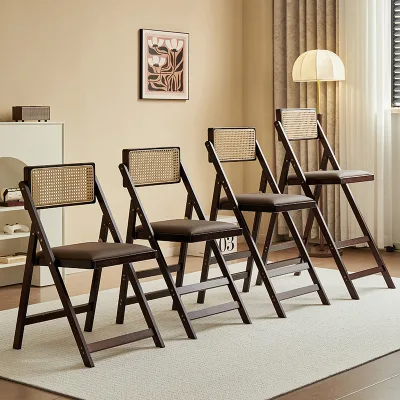
Classic Wooden Backrest Stool for Traditional Living Rooms and Seating Areas
$500.00 - $1000.00
Moq: 1


Guangdong Bossay Medical Appliance Co., Ltd.
- Combined
- China Guangdong
- Lead time30 days
- Avg. response≤ 18h
Main productsHospital Bed, Children Bed, Operation Bed, Hospital Trolley, Beside Cabinet, Hospital Cabinet, Nursing Cart Series, Medical Cabinet, Washing Basin, Wheelchair
Main marketsAfrica,East Asia(Japan/ South Korea),Europe,Australia,North America
Ninghai County Bohong Crafts Co., Ltd.
- Verified by SGS Group
- Manufacturer, Trading Company
- Lead time25 days
Main productsWooden Toy, Bamboo Craft;Wooden Crafts, Wooden Furniture, Wooden Sports Product, Bamboo Shelf
Main marketsNorth America(20%), South America(10%), Northern Europe(10%)
Foshan Angkelei Furniture Com., Ltd
- Verified by SGS
- Trading Company
- China Guangdong
- Lead time30 days
- Avg. response≤ 3h
Main productsSofa, Chair, Coffee Table, Trunk Case, Desk, Bed, Dining Chair, Dining Table, Ottoman, Bar Chair
Main marketsOthers(foreignTradeCapacity.exportBusinessCapacityMarketOther),Europe,North America
Fuzhou Yaohua Zhuojian Import And Export Co., Ltd.
- Trading Company
- Fujian, China
- Lead time0 days
- Avg. response≤ 4h
Main productsKitchen cabinet,bedside table,wardrobe,bedside table,Sound insulation material
Main marketsDomestic Market(60.0%), Southeast Asia(20.0%), Northern Europe(10.0%), North America(10.0%)

Guangdong Aijiaju Furniture Co., Ltd.
- Trading Company
- Guangdong, China
- Lead time30 days
- Avg. response≤ 8h
Main productsProject Furniture Center,Hotel Furniture Villa Furniture B&B,Resort Furniture Club Furniture Real Estate,Apartment furniture,Website: www.myajj.com
Main marketsDomestic Market(86.96%), Southern Europe(4.35%), Mid East(3.47%), Western Europe(2.61%), South Asia(2.61%)
Chuzhou Jincheng Home Decoration Manufactory
- Verified by SGS Group
- Manufacturer, Trading Company
- Lead time45 days
- Avg. response≤ 4h
Main productsStorage Tray, Metal Trunk, Jewelry Box, Desktop Organizer, Decorative Mirror
Main marketsNorth America(40%), Eastern Europe(15%), Oceania(10%)

Shouguang Yamazon Home Materials Co., Ltd.
- Verified by BV
- Manufacturer/Factory
- China Shandong
- Lead time23 days
- Avg. response≤ 7h
Main productsWooden Furniture, Wood Beam, Glulam Beam, Wardrobe, Wooden Plywood Beams, Aluminum Alloy, Wooden Column, Log Cabins, Equestrian Jump Poles, Aluminum Car Pedals
Main marketsSouth America,Eastern Europe,Mid East,North America,Southeast Asia,Eastern Asia,Oceania,Western Europe,Africa
Langfang AnpoRui International Trade Co., Ltd.
- Verified by TüVRheinland
- Trading Company
- Hebei, China
- Lead time28 days
- Avg. response≤ 1h
Main productsMattress, Compression Sofa, Leather Goods, Furniture Foam
Main marketsDomestic Market(100%)
Hangzhou Realsun Industrial Co., Ltd
- Verified by SGS
- Trading Company,Manufacturer/Factory
- China Zhejiang
- Lead time60 days
- Avg. response≤ 7h
Main productsHotel Furniture, Hotel Lightings, Hotel Chairs, Hospitality Furniture
Main marketsSouth America,Eastern Europe,Mid East,North America,Africa

Kingkonree International China Surface Industrial Co., Ltd.
- Verified by TUVRHEINLAND
- Combined
- China Guangdong
- Lead time15 days
- Avg. response≤ 3h
Main productsSolid Surface Sheet, Solid Surface Wash Basin, Solid Surface Bathroom Sink, Solid Surface Bathtub, Solid Surface Countertop, Solid Surface Table, Corian, Bathroom Vanity Top, Sanitary Ware, Marble Table
Main marketsSouth America,Africa,Southeast Asia/ Mideast,East Asia(Japan/ South Korea),Europe,Australia,North America
Shenzhen Guang Disen Furniture Co., Ltd.
- Verified by TüVRheinland
- Manufacturer, Trading Company
- Lead time35 days
- Avg. response≤ 2h
Main productsLounge Chair, Dining Chair, Living Room Sofa, Dining Table, Bed
Main marketsNorth America(25%), South America(13%), Oceania(10%)

- Verified by TUVRHEINLAND
- Combined
- China Guangdong
- Lead time30 days
- Avg. response≤ 1h
Main productsDesigner Replica Chairs, Designer Tables, Fiberglass Chairs, Lounge Chairs, Leisure Chairs, Metal Wire Chairs, Office Sofas, Living Room Sofas, Commercial Furniture, Furniture
Main marketsEurope
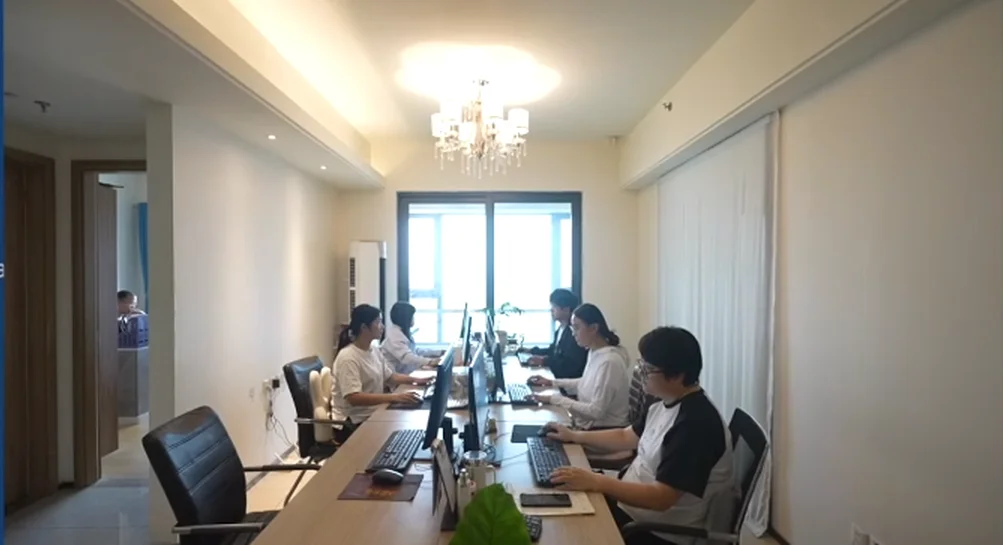
Hengshui Lihao Import And Export Trading Co., Ltd.
- Trading Company
- Hebei, China
- Lead time15 days
- Avg. response≤ 4h
Main productssocks,custom socks,yoga sock,football socks,Silver ion socks
Main marketsNorth America(50.0%), Eastern Europe(10.0%), Southeast Asia(9.0%), Western Europe(5.0%), South America(5.0%), Africa(4.0%), Eastern Asia(4.0%), Mid East(4.0%), Oceania(4.0%), Domestic Market(1.0%), South Asia(1.0%), Southern Europe(1.0%), Northern Europe(1.0%), Central America(1.0%)
Baidi (changzhou) International Trade Co., Ltd.
- Trading Company
- Jiangsu, China
- Lead time30 days
- Avg. response≤ 5h
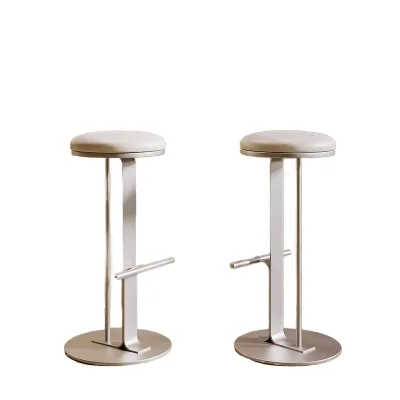
Main productsBar Stool, Vanity Stool, Office Chair, E-Sports Gaming Chair, Stool Accessories
Main marketsNorth America(100.0%)
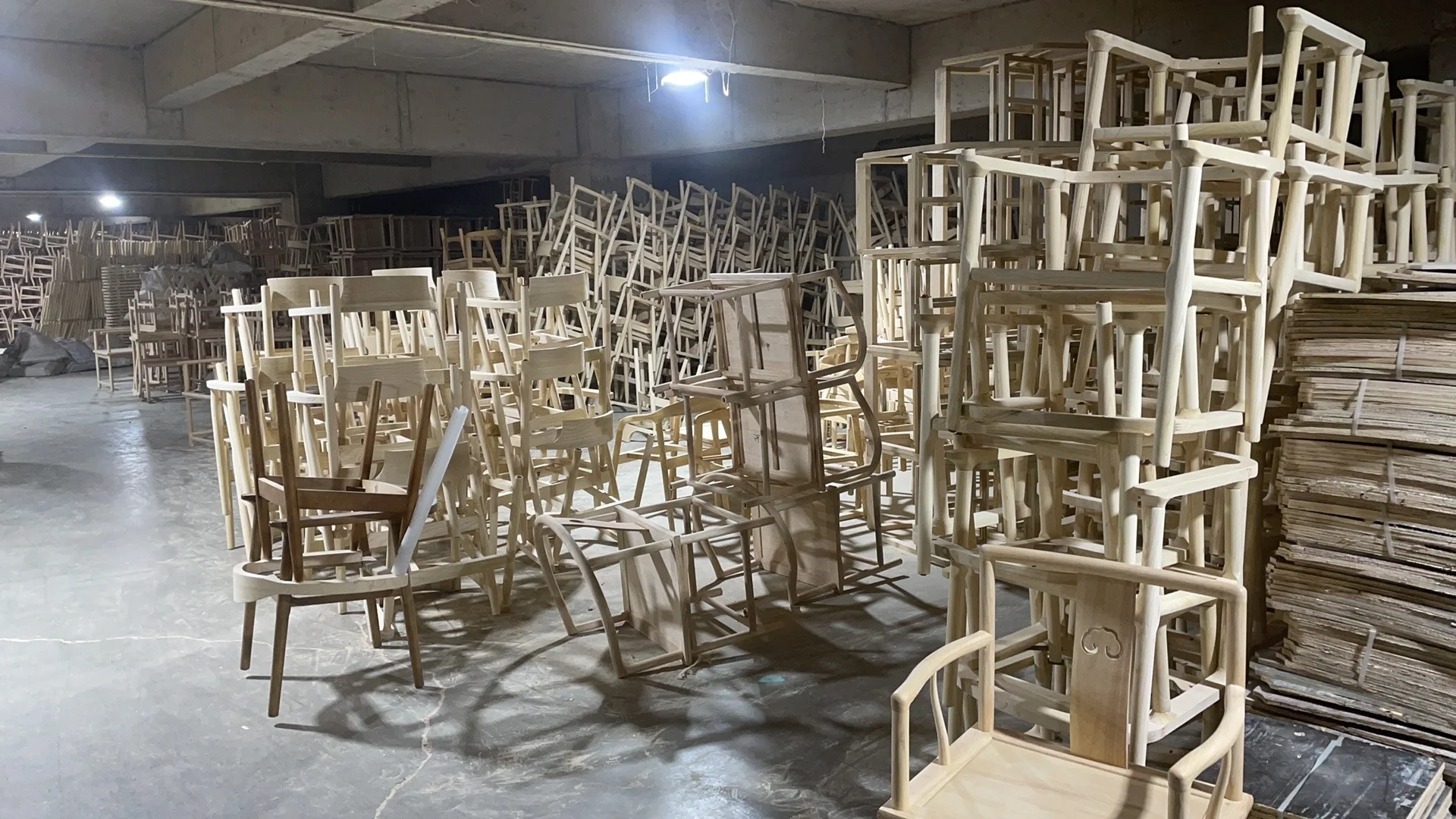
Quanzhou Hanyu Furniture Co., Ltd.
- Manufacturer, Trading Company
- Fujian, China
- Lead time0 days
- Avg. response≤ 1h
Main productsLiving room furniture,Dining room furniture,Bedroom furniture,Office furniture,Hotel furniture
Main marketsDomestic Market(50.0%), Western Europe(5.0%), Eastern Asia(5.0%), Southern Europe(5.0%), Oceania(5.0%), Africa(5.0%), Northern Europe(5.0%), Eastern Europe(5.0%), South America(5.0%), North America(2.0%), South Asia(2.0%), Mid East(2.0%), Southeast Asia(2.0%), Central America(2.0%)

Fuzhou ADF International CO., LTD.
- Verified by BV
- Trading Company,Manufacturer/Factory
- China Fujian
- Lead time45 days
- Avg. response≤ 4h
Main productsBags, Suitcase, Backpack, Travel Bags, School Bags, Storage Ottoman, Luggage, Cooler Bag, Household Products
Main marketsSouth America,Eastern Europe,Mid East,North America,Southeast Asia,Eastern Asia,Oceania,Western Europe,Africa


Ottoman Long Chair Footstool Bench Wooden Stool Storage Stool for Living Room
$18.90 - $26.90
Moq: 100

Fujian Dongyi Shenghui International Trade Co., Ltd.
- Verified by SGS
- Combined
- China Fujian
- Lead time15 days
- Avg. response≤ 1h
Main productsHotel Furniture, Apartment Furniture, Dining Restaurant Banuqet Furniture, Church Furniture, Movie Theater Furniture, Opera House Furniture, KTV Furniture, Office School Stadium Furniture
Main marketsEurope
Chongqing JXT Trading Co., Ltd.
- Trading Company
- Chongqing, China
- Lead time0 days
- Avg. response≤ 5h
Main productsDining table,sofa,dining chair,cabinet,decorations
Main marketsNorth America(25.0%), Mid East(15.0%), Southeast Asia(15.0%), Eastern Asia(10.0%), Western Europe(10.0%), Africa(8.0%), Oceania(8.0%), Southern Europe(3.0%), Eastern Europe(2.0%), Central America(2.0%), South America(2.0%)
Foshan Shuaige Furniture Co., Ltd.
- Verified by TUVRHEINLAND
- Combined
- China Guangdong
- Lead time23 days
- Avg. response≤ 5h
Main productsWedding Chair, Wedding Table, Dining Furniture, Dining Chair, Dining Table Set, Stainless Steel Chair, Wedding Furniture, Wedding Backdrop, Banquet Furniture, Hotel Chair and Table
Main marketsDomestic

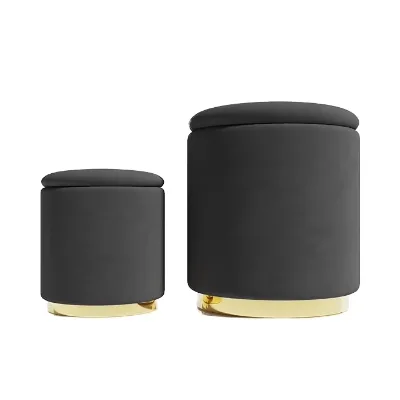
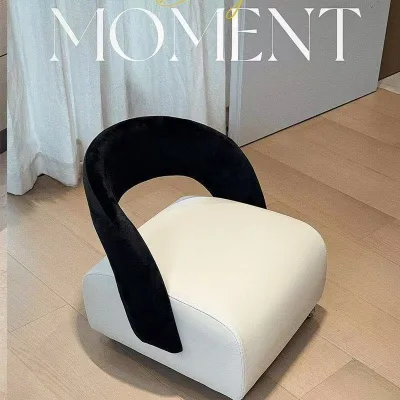
Popular Hotel Bedroom Footstool Gold Stainless Steel Legs Black Velvet Ottoman Stool
$12.00 - $27.00
Moq: 2

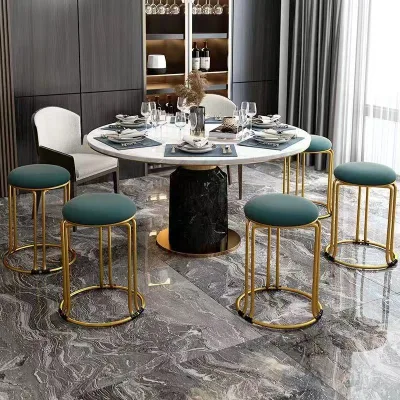
Living Room Footstool Gold Stainless Steel Legs White Velvet Round Ottoman Stool
$9.00 - $25.00
Moq: 2


Qingdao Inurda Furniture Co., Ltd.
- Verified by CTI
- Trading Company,Manufacturer/Factory
- China Shandong
- Lead time30 days
- Avg. response≤ 10h
Main productsSingle Bed, Double Bed, Half Tall Bed, High Foot Bed, Coffee Table, Bunk Bed, Bookshelf, Dining Table, Baby Crib, Cabin Bed
Main marketsSouth America,Eastern Europe,Mid East,North America,Southeast Asia,Eastern Asia,Oceania,Western Europe,Africa
Hebei Mingshuai Furniture Sales Co., Ltd.
- Verified by Intertek
- Trading Company
- Lead time20 days
- Avg. response≤ 2h
Main productsDining Chair, Dining Table, Office Chair, Wedding Chair, Bar Chair
Main marketsEastern Europe(27%), North America(21%), Western Europe(20%)
Jingdezhen Suolide Ceramic Co., Ltd.
- Manufacturer, Trading Company
- Jiangxi, China
- Lead time30 days
- Avg. response≤ 2h
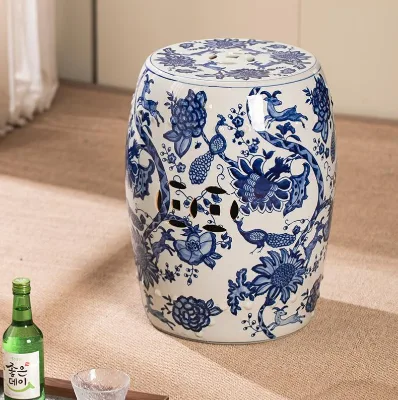
Main productsCeramic Vase/Ceramic Jar/Ceramic Table Lamp/Ceramic Stool/Ceramic Floor Vase,ceramic lamp,ceramic dinnerware,ceramic jar
Main marketsDomestic Market(15.0%), Southern Europe(15.0%), Africa(10.0%), Northern Europe(10.0%), South America(10.0%), Central America(6.0%), North America(6.0%), Mid East(5.0%), Oceania(5.0%), Southeast Asia(5.0%), Eastern Europe(5.0%), Western Europe(5.0%), Eastern Asia(3.0%)
Xuzhou Risen Industry and Supply Co., Ltd
- Verified by TUVRHEINLAND
- Trading Company
- China Jiangsu
- Lead time30 days
- Avg. response≤ 3h
Main productsHousehold Adornment, Household Supplies, Home Decoration, Compressed Sofa, Dining Furniture, Bothroom Organizer, Kitchen Storage, Glass Ornaments, Ceramic Tableware, Home Fragrance
Main marketsSouth America

Foshan Geyun Furniture Co., Ltd.
- Manufacturer
- China Guangdong
- Lead time30 days
- Avg. response≤ 6h
Main productsCasino Chair, Classic Designer Chair, Lounge Chair, Pedicure SPA Massage Chair, Salon Chair, Office Chair
Main marketsEurope,North America
TAIAN TOPPOUND INTERNATIONAL TRADING CO., LTD.
- Verified by TUVRHEINLAND
- Combined
- China Shandong
- Lead time45 days
- Avg. response≤ 6h
Main productsChair, Side Table, Flower Planter Stand, Home Decoration, Candle Holders and Lantern, Shelves, Mirror, Planter Pot, Christmas Decoration, Natural Baskets and Storage
Main marketsSouth America,Europe,North America
- Verified by SGS Group
- Trading Company
- Lead time0 days
- Avg. response≤ 7h
Main productsFacial Bed, Barber Chair, Salon Mirror, Salon Trolley, Manicure Table
Main marketsNorth America(30%), Africa(30%), South Asia(20%)
- Verified by TüVRheinland
- Manufacturer, Trading Company
- Lead time65 days
- Avg. response≤ 7h
Main productsCoffee Talble And Cabinet, Chopping Blocks, Storage Holders And Racks, Wall Hangings, Serving Tray
Main marketsNorth America(65%), Western Europe(15%), South America(10%)

Tianjin Kingnod Furniture Co., Ltd.
- Verified by BV
- Manufacturer/Factory
- China Tianjin
- Lead time23 days
- Avg. response≤ 3h
Main productsDining Chair, Restaurant Chair, Office Chair, Bar Stool, Game Chair, Plastic Chair, Metal Chair, Dining Table, Gaming Table, Barstool
Main marketsSouth America,Eastern Europe,Mid East,North America,Southeast Asia,Eastern Asia,Oceania,Western Europe,Africa


2022 Hot Sale Modern Swivel Adjustable High Chairs PU Leather Bar Stool with Footrest
$13.90 - $17.90
Moq: 200

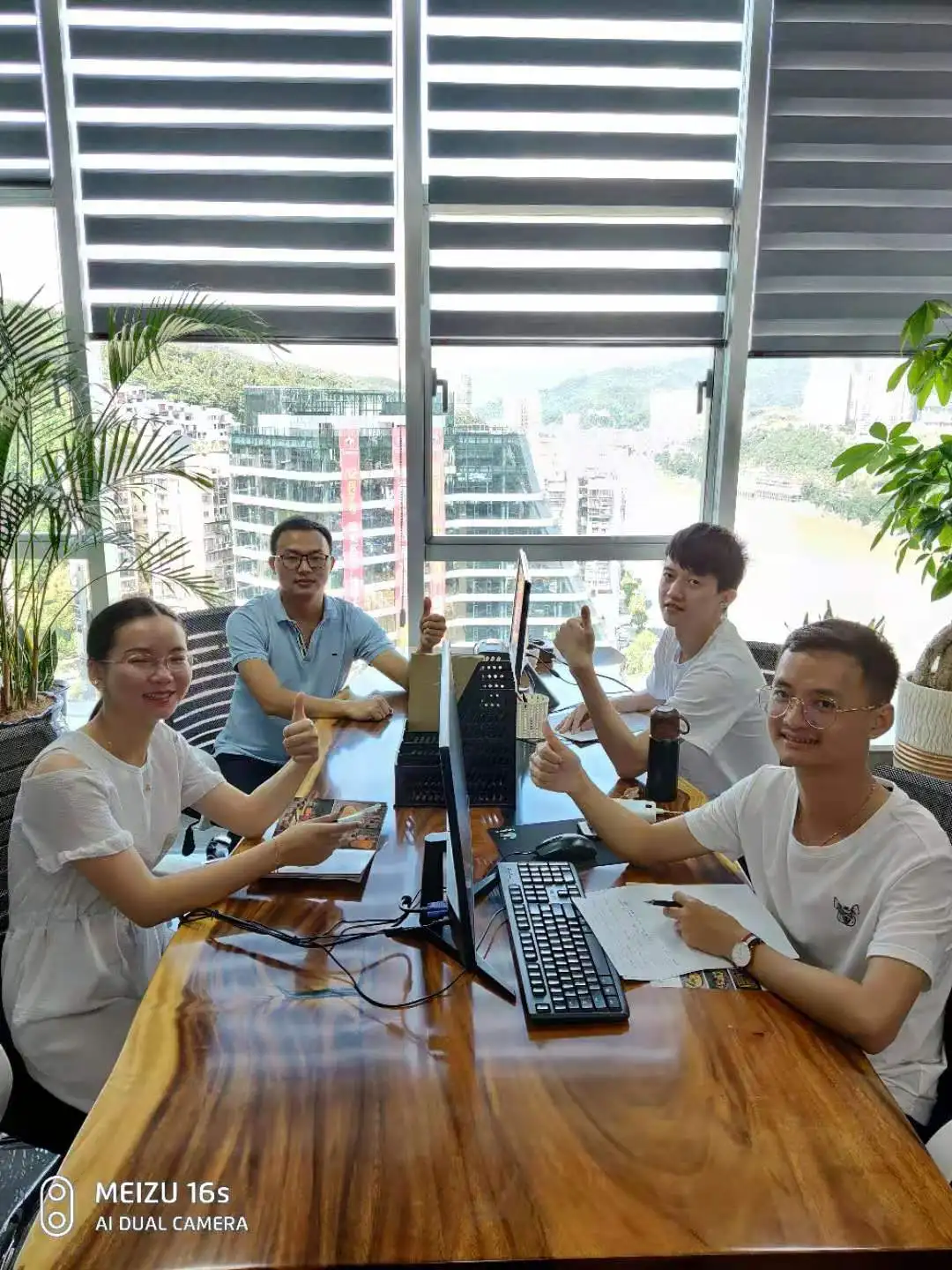
Fujian Hoyee Household Items Co., Ltd.
- Manufacturer, Trading Company
- Fujian, China
- Lead time30 days
- Avg. response≤ 3h
Main productsWood & Bamboo Products
Main marketsWestern Europe(30.0%), North America(30.0%), Northern Europe(15.0%), Southeast Asia(15.0%), South Asia(5.0%), South America(5.0%)

Guangzhou Mega Import and Export Co., Ltd.
- Verified by TUVRHEINLAND
- Trading Company
- China Guangdong
- Lead time30 days
- Avg. response≤ 4h
Main productsOffice Chair, Office Table, Office Cubicle, Restaurant Furniture, Conference Table, Office Sofa, Executive Desk, Restaurant Sofa, Hotel Furniture, Executive Furniture
Main marketsEurope,North America
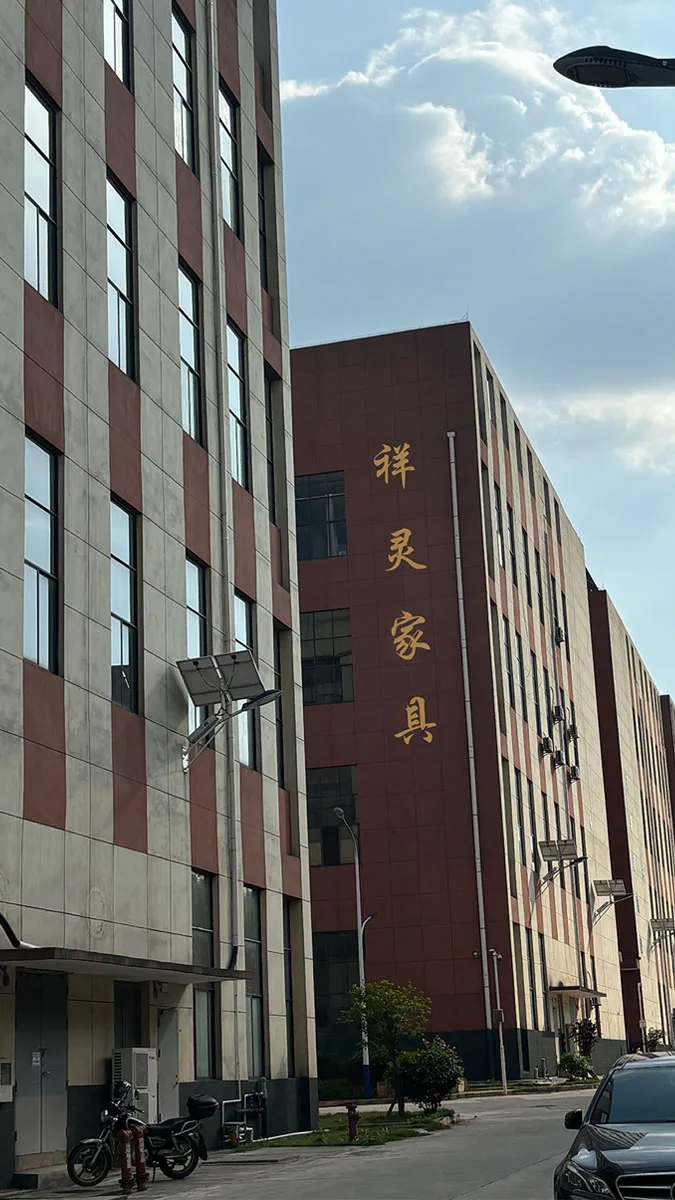
Ganzhou Xiangling Furniture Co., Ltd.
- Manufacturer, Trading Company
- Jiangxi, China
- Lead time30 days
- Avg. response≤ 3h
Main productsLiving Room,Bedroom Furniture,Office furniture,bedside table,sofa
Main marketsNorth America(30.0%), Africa(15.0%)

Shanghai Miaolian Industry Co., Ltd.
- Verified by TUVRHEINLAND
- Manufacturer/Factory
- China Shanghai
- Lead time45 days
- Avg. response≤ 4h
Main productsFurniture, Restaurant Furniture, Hotel Furniture, Chair, Table, Sofa, Bed, Cabinet, Restaurant, Hotel
Main marketsSouth America,Eastern Europe,Mid East,North America,Southeast Asia,Eastern Asia,Oceania,Western Europe,Africa
Quanzhou Bochuang Furniture Co., Ltd.
- Verified by Intertek
- Trading Company
- Lead time20 days
- Avg. response≤ 2h
Main productsHome Furniture, Commercial Furniture
Main marketsDomestic Market(50%), North America(30%), Oceania(10%)


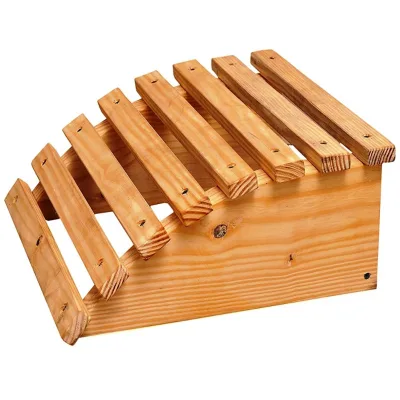
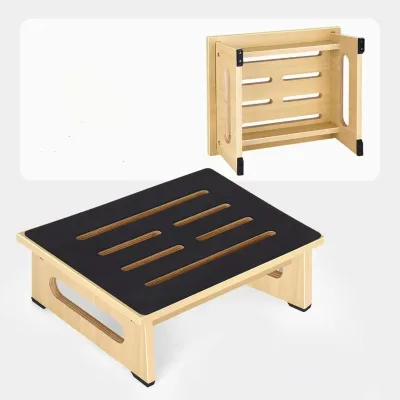


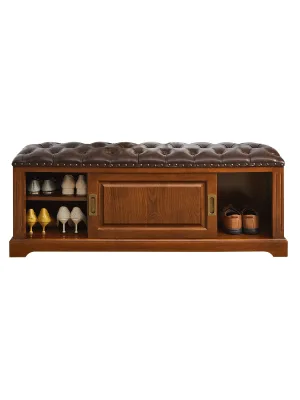




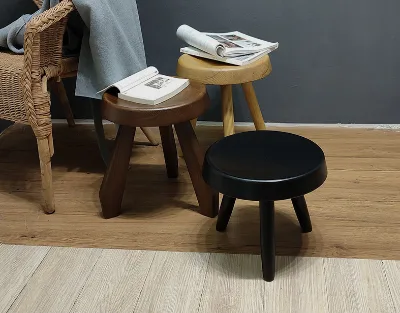
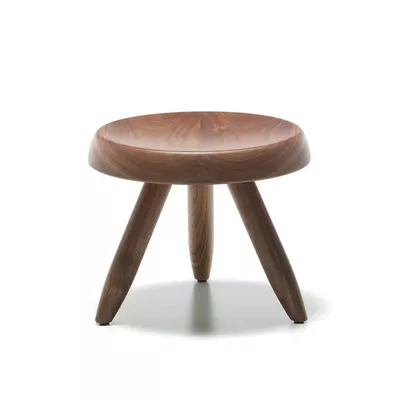


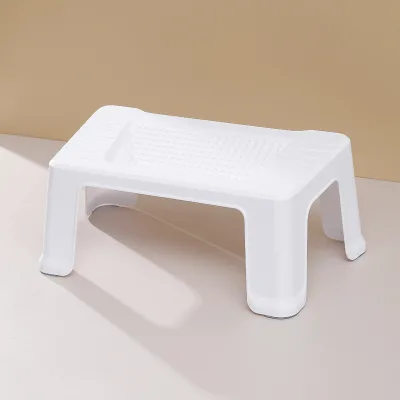
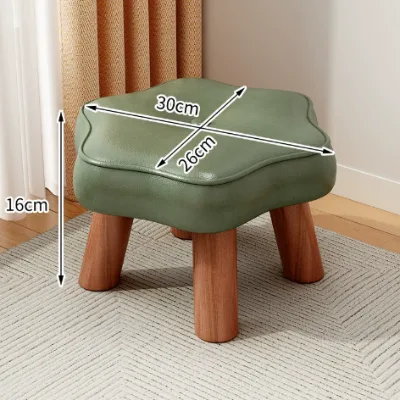
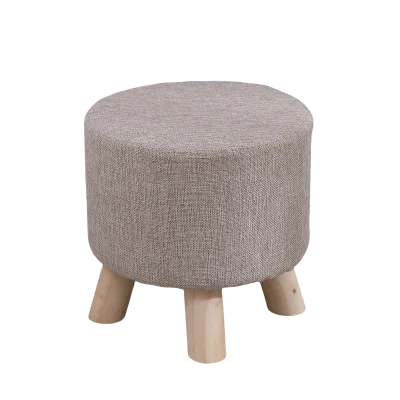
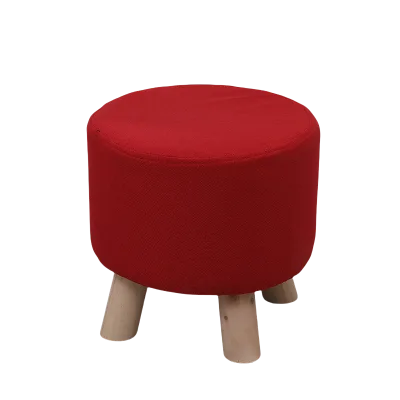
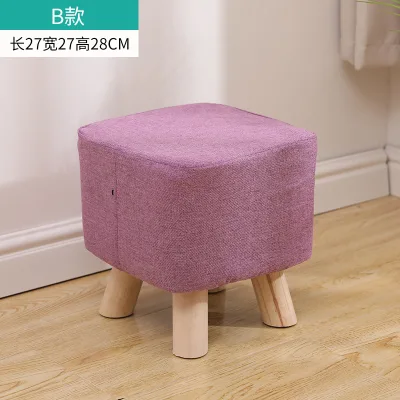
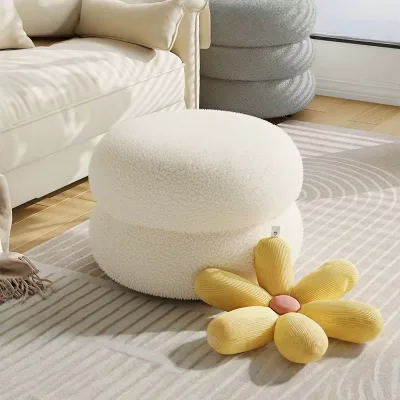
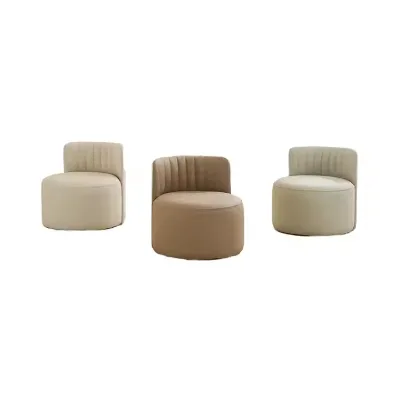
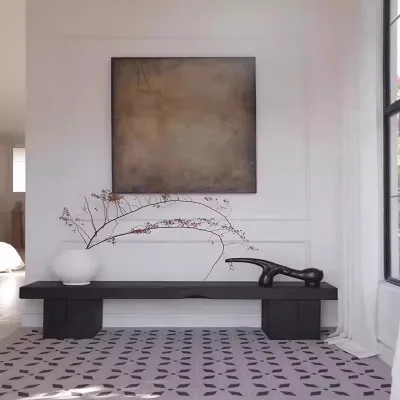
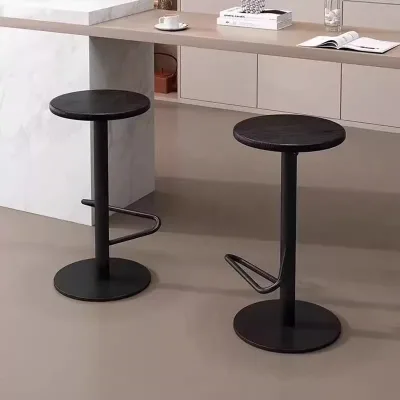




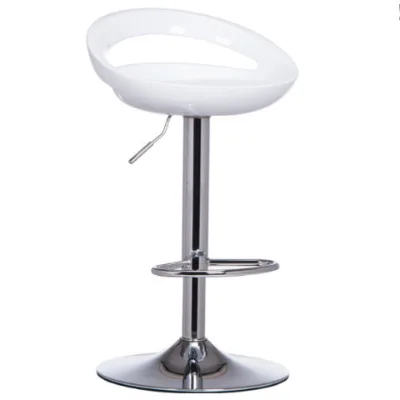
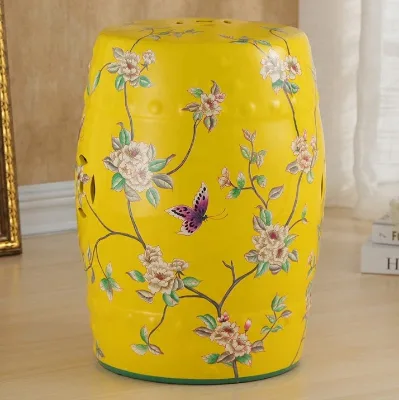
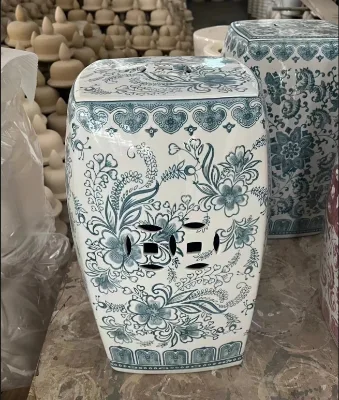
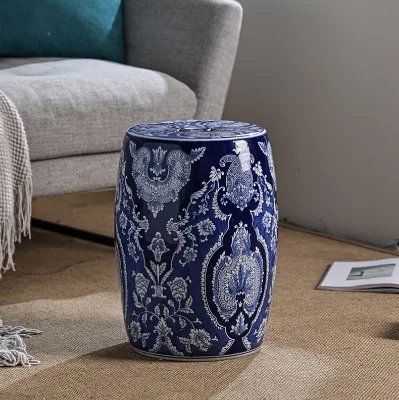


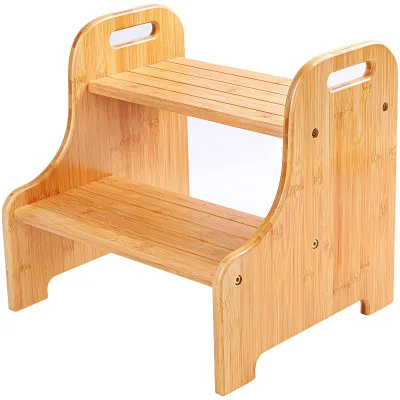
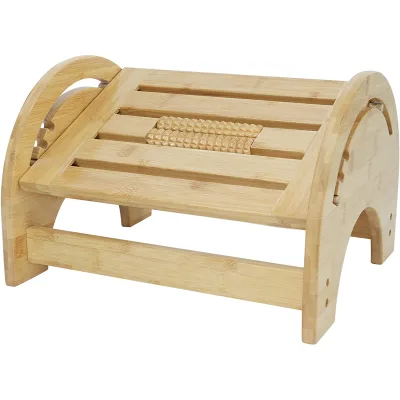


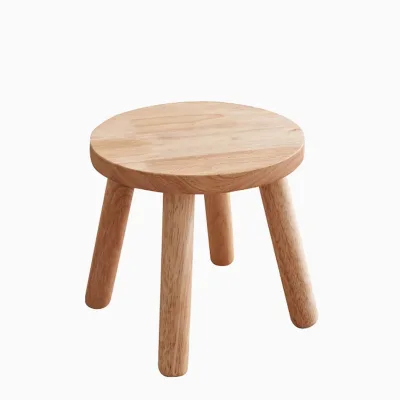
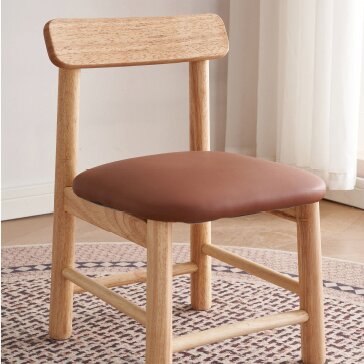


Comprehensive Sourcing Guide
Modern Japanese Leather Footstool Supplier Concentration and Factory Types
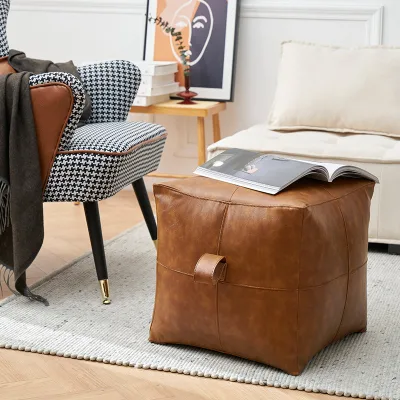
When searching for a Modern Japanese Leather Footstool, buyers should begin by understanding where the supply base actually sits. Current supplier results point to Guangdong, China as a documented location for furniture exporters covering living room, dining room, bedroom, hotel, office and outdoor furniture categories. This matters because a Japanese-inspired aesthetic does not mean the goods originate in Japan; most listings in this niche describe China-made products with Japanese or minimalist styling applied to upholstered stools, ottomans and footstools. Buyers should therefore treat "Japanese" as a design language rather than a country-of-origin claim, and verify origin markings, model documentation and export paperwork for every quotation.
Supplier types in the results are not uniform. One documented profile is a trading company holding ISO 9001 and ISO 20000 system certifications with SGS verification, listing OEM and ODM capability alongside its own brands. Another documented profile is a combined manufacturer-trader focused on hospital beds and medical furniture, which also lists a stainless steel one-step footstool for patient use. This split shows why buyers must distinguish design-led furniture traders from medical-equipment producers: both can appear under a footstool keyword, but only one matches an upholstered living-room product. Before shortlisting, filter by main-product alignment, company type, and whether the listed stool is fabric- or wood-based rather than stainless steel clinical equipment.
How to Verify Modern Japanese Leather Footstool Suppliers
Verification should start with the credentials a supplier can actually evidence. In the current results, one furniture supplier shows ISO 9001 and ISO 20000 system certifications and SGS verification status, which signals third-party audit activity rather than self-declared claims. Buyers should still request the certificate numbers and scope documents directly, because a system certification covers management processes, not necessarily leather quality or frame durability. Product-level certification also appears in the data: one stool listing displays TUV certification, while others list no product certification at all. Ask each supplier to state which standard their specific footstool model has been tested against, and request test reports naming the model code.
Beyond certificates, verify operational behavior. Response time is a measurable signal: documented averages in the results fall around 16 to 17 hours, so a supplier that repeatedly takes several days to answer sampling or pricing questions is underperforming its own category baseline. Confirm trading scope by cross-checking the main-product list against the footstool keyword; a supplier whose catalog centers on sofas, dining tables, beds and coffee tables is plausibly a living-room furniture source, while a hospital-bed specialist is likely a keyword mismatch. Finally, validate customization claims in writing. Several listings state customization is available and colors can be customized, so request a swatch-based confirmation of leather grade, stitching and frame wood before any deposit changes hands.
What to Compare Across Modern Japanese Leather Footstool Suppliers
Build a comparison grid from the attributes actually displayed, without assuming every supplier publishes the same fields. Useful dimensions in the current data include lead time, MOQ, response time, company type, location, main products, verification status and system certifications. Lead times differ visibly: one supplier profile lists a 60-day lead time, another lists 30 days, while individual stool listings state delivery of 30–45 days for modern fabric and wooden models and 45–60 days for an antique-style wooden backrest stool. Since these figures come from different levels of the listing, always reconcile the profile-level lead time with the model-specific delivery time in writing.
MOQ is another differentiator. Multiple stool listings state an MOQ of one piece, which is unusually permissive for furniture and enables sample-first buying; other suppliers may impose higher minimums that are not displayed. Price bands also vary sharply by model: one upholstered stool lists a range from roughly 500 to 1,000 dollars, a wooden footstool spans 300 to 3,000 dollars, and other stools show only a maximum price, so request itemized quotations per model code such as FX-2501 or W006SF12. Compare warranty terms too, since listings state either three-year or five-year warranties, and note material differences—fabric, wooden, metal, or stainless steel—because a medical footstool with a one-year warranty serves a completely different use case than an upholstered living-room piece.
Common Modern Japanese Leather Footstool Sourcing Risks
The first risk cluster is specification drift. Because "Japanese style" is a design description rather than a standard, a sample approved as minimalist low-profile seating may arrive with different stitching density, foam hardness or leg finish unless drawings fix every parameter. The documented listings help here: they disclose padding types such as high-density or medium-density foam, fixed (non-swivel) rotation, folded or unfolded construction, and dimensions like 580×500×450 mm or 480×360×485 mm. Insist that the purchase contract carries the model code, exact dimensions, material and packaging spec, since listings show carton-with-wood-frame packing that can vary in protection level.
The second risk cluster is mismatched suppliers and hidden lead-time pressure. Footstool keywords can surface medical-equipment sellers whose stainless steel one-step stools are easy-clean patient furniture, not leather upholstered décor; ordering from the wrong category wastes a sampling cycle. Lead-time risk also compounds: a profile listing 60 days plus a model listing 45–60 days for antique-style wooden work means a delay can push delivery past a retail season. Warranty ambiguity is another trap—three-year and five-year claims appear on different models while a medical stool lists only one year—so define warranty coverage, spare parts and aftersale responsibility in the contract. Finally, never assume a displayed certification applies to every model in the catalog; scope it per item.
Modern Japanese Leather Footstool Regional Sourcing and Logistics
Regional sourcing for this category is currently anchored in Guangdong, China, which the supplier results document as the location of furniture exporters whose catalogs span living room, dining room, bedroom, hotel, office and outdoor furniture. Guangdong's role as an export hub means buyers can typically consolidate a footstool order with other furniture lines from the same or nearby suppliers, reducing freight fragmentation. However, proximity does not replace due diligence: a trading company in the region may source from multiple workshops, so ask which factory physically produces the footstool and whether factory audits or video inspections are permitted.
Logistics planning should follow from documented packing and lead-time facts. Stool listings describe carton packing reinforced with wood frames, which suits containerized sea freight but adds volume; confirm carton dimensions and stackability so container utilization can be calculated before booking. Delivery windows in the data range from 30–45 days for several modern models to 45–60 days for antique-style wooden stools, and company-level lead times of 30 or 60 days appear on supplier profiles, so build your shipment calendar around the longer of the two figures given. Origin is listed as China on product attributes, so ensure export declarations, country-of-origin marking and any destination-market labeling match that fact. If air freight is considered for samples, the wood-frame packing may need to be replaced with lighter cartons to control cost.
Modern Japanese Leather Footstool Commercial Terms and Order Planning
Commercial terms in this category are unusually sample-friendly. Multiple stool listings state an MOQ of one piece and payment terms of T/T or PayPal, and one supplier profile is SGS-verified with OEM, ODM and own-brand capacity. That combination lets buyers commission a single paid sample, evaluate leather hand-feel and frame stability, then scale into bulk with customized colors. Confirm in writing whether the sample fee is credited against the bulk order, and whether PayPal's buyer protections or an escrow-style arrangement apply to the first transaction; the listings show PayPal acceptance but do not document escrow coverage, so treat that as a question to resolve, not an assumption.
Order planning should sequence around documented timeframes and warranties. Working backward: allow 45–60 days of production for antique-style wooden models or 30–45 days for modern upholstered ones, add sea transit, and place seasonal orders at least one full production cycle plus freight ahead of the shelf date. Put the three-year or five-year warranty, the aftersale-service commitment (listed as available on several models) and the carton-with-wood-frame packing spec into the contract annex. For payment structure, a modest deposit with balance after inspection is standard practice for this category, and the one-piece MOQ makes a pre-shipment inspection of the bulk lot affordable. Finally, reconcile the supplier-profile lead time of 30 or 60 days with model-level delivery claims before signing, since discrepancies are the earliest warning of capacity constraints.
FAQs
What is a typical MOQ for a Modern Japanese Leather Footstool order?
Many furniture suppliers on this page list a minimum order of just one piece, which makes sampling and small trial orders practical. Before committing, confirm whether the one-piece MOQ applies to customized leather colors and stitching, since some factories apply higher minimums for bespoke finishes and special material combinations.
How long does production usually take for a leather footstool order?
Listed lead times on this page range from 30 to 60 days, and individual product listings commonly quote 30 to 45 days for footstools. Antique-style or carved designs can extend to 45 or 60 days. Always confirm the delivery window in writing before placing a deposit, especially for customized upholstery.
Can leather footstools be customized in color, size, and stitching?
Yes, customization is marked as available on the footstool listings shown here, including custom colors and made-to-order specifications. Provide drawings or reference samples so the supplier can confirm feasibility and pricing. Expect customized orders to follow the same 30 to 45 day production window, but verify any longer timeline before paying.
What payment terms do suppliers typically accept for footstool orders?
The product listings on this page show T/T and PayPal as accepted payment methods for footstool orders. T/T is standard for bulk production, often with a deposit balance structure, while PayPal may suit samples. Confirm the exact deposit percentage and balance terms directly with the supplier before confirming your purchase order.
What packaging is used to protect footstools during international shipping?
The footstool listings on this page specify carton packaging with a wooden frame, which protects against compression and impact in container shipments. Stainless steel footstools in medical categories use plain carton packing. For ocean freight to humid destinations, ask the supplier to add moisture barriers or reinforced corners to reduce transit damage risk.
Do these footstools come with any warranty or quality certification?
Product listings on this page state warranties ranging from one to five years depending on the model, with some upholstery items marked with a TUV certification attribute. The suppliers themselves show ISO 9001 system certification and SGS verification. Verify the specific warranty scope and certificate validity for the exact model you intend to order.
Which footstool styles and materials are available from suppliers here?
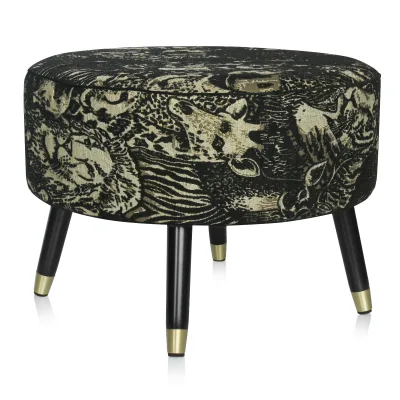
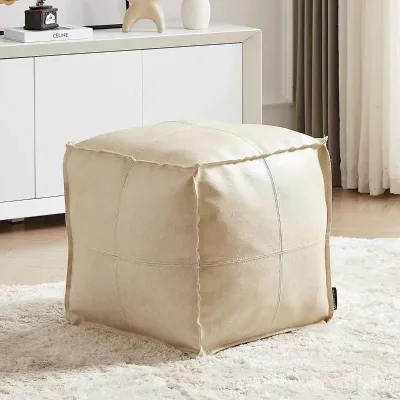
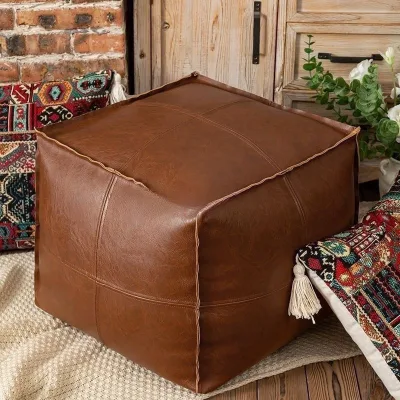
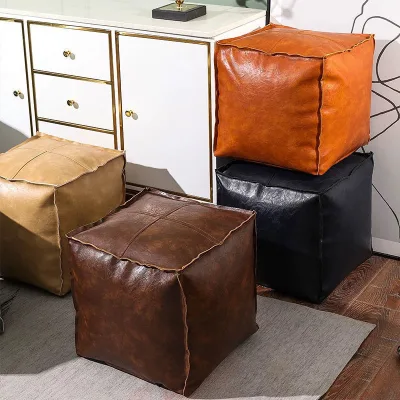
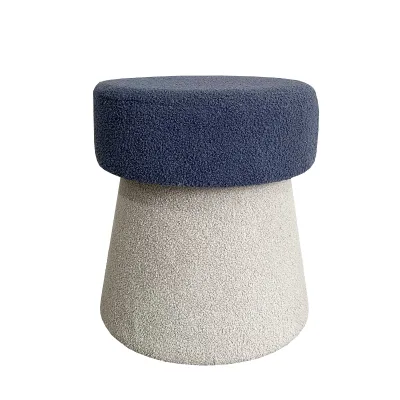
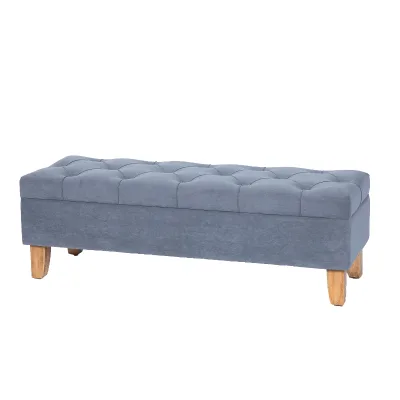
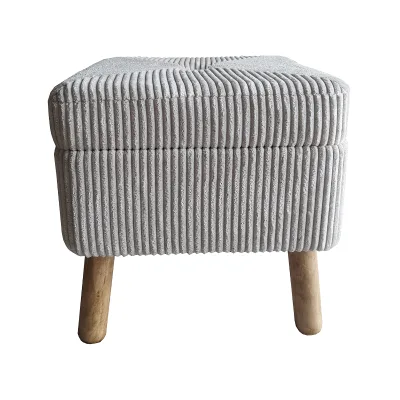
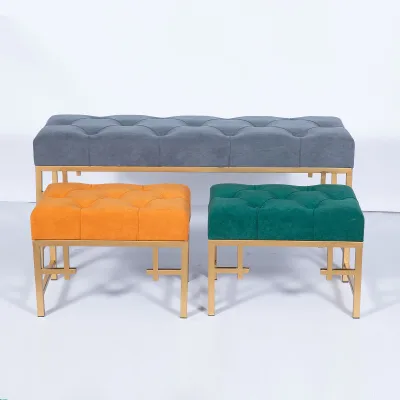
Listings on this page cover fabric and wooden upholstered footstools, modern round stools with wooden legs, carved French classic designs, antique backrest stools, bar stools, and stainless steel medical footstools. Styles span modern, antique, and classic. If you specifically need Japanese-style leather upholstery, request material specifications and sample swatches before ordering.
How quickly do suppliers respond to sourcing inquiries?
Average response times recorded for suppliers on this page are around 16.9 to 17.4 hours, so expect a reply within roughly one day. Response speed can vary with time zones and inquiry complexity. Include quantities, customization details, and target dates in your first message to receive an accurate quotation faster.