Modern Indoor Floor Lamp Suppliers and Manufacturers
Explore 20 verified suppliers offering modern indoor floor lamps with diverse certifications like GS, VDE, and CE. Buyers can compare response times, lead times, and product specifications to source the right lighting solutions for residential or hotel projects today; review the available evidence before requesting comparable quotations from suitable candidates.
Suppliers List
- Manufacturer, Trading Company
- Guangdong, China
- Lead time15 days
- Avg. response≤ 3h
Main productsPendant Light,Chandelier,Wall Lamp,Table Lamp,Floor Lamp
Main marketsNorth America(18.00%), Western Europe(15.00%), Mid East(14.00%), Southeast Asia(11.00%), Oceania(10.00%), Northern Europe(10.00%), South America(5.00%), Southern Europe(5.00%), Eastern Asia(3.00%), Central America(3.00%), Eastern Europe(3.00%), Domestic Market(1.00%), Africa(1.00%), South Asia(1.00%)

SHANGLI LIGHTING CRAFTS CO.,LTD
- Verified by BV
- Manufacturer/Factory
- China Guangdong
- Lead time30 days
- Avg. response≤ 8h
Main productsPortable Table and Floor Lamp, LED Lamp, Hotel Lamp, Chandelier Lamp, Pendant Lamp, Ceiling Lamp, Wall Lamp, Lampshade, Accessory, Mirror
Main marketsSouth America,Eastern Europe,Mid East,North America,Southeast Asia,Eastern Asia,Oceania,Western Europe,Africa

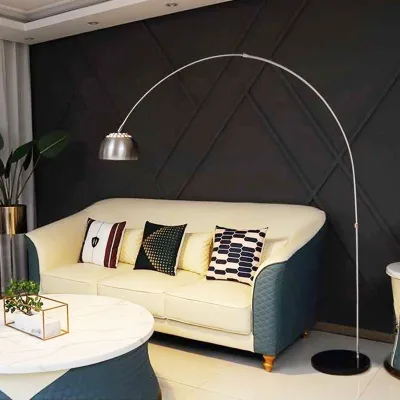
Italian Modern Living Room Sofa Floor Lamp Bedroom Study Room Floor Lamp
$200.00 - $300.00
MOQ: 1 Pieces


$15.00 - $50.00
MOQ: 1 Pieces


Zhongshan Kamable Lighting Co., Ltd.
- Verified by SGS
- Trading Company
- China Guangdong
- Lead time30 days
- Avg. response≤ 8h
Main productsChandelier, Custom Made Lighting, LED Lighting Fixtures, Pendant Lamp, Table Lamp, Wall Lamp, Floor Lamp, Decorative Lighting, Light, Crystal Chandelier
Main marketsSoutheast Asia/ Mideast


Nordic Indoor Floor Lamp Standing Lamp for Hotel Bedroom and Living Room
$20.00 - $300.00
MOQ: 1 Pieces


Topenergys Electronic Co., Ltd.
- Manufacturer/Factory
- China Guangdong
- Lead time15 days
- Avg. response≤ 11h
Main productsLED Strip Light, LED Corn Light, LED Street Light, LED Tube Light, LED Higbay Light, LED Downlight, LED Panel Light, Solar LED Light, LED Cabinet Light, LED Spotlight
Main marketsSouth America,Eastern Europe,Mid East,North America,Southeast Asia,Eastern Asia,Oceania,Western Europe,Africa

Zhong Shan Rima Lighting Co., Ltd.
- Verified by CTI
- Combined
- China Guangdong
- Lead time23 days
- Avg. response≤ 2h
Main marketsSoutheast Asia/ Mideast,Domestic,Europe,North America


Fashion Style Standing Floor Lamp Floor Lamp LED Decor Modern Corner Floor Light
$10.00 - $80.00
MOQ: 10 Pieces

Zhongshan Qiming lighting Technology Co., LTD
- Manufacturer, Trading Company
- Guangdong, China
- Lead time10 days
- Avg. response≤ 1h
Main productsChandelier,Ceiling lights,Wall lights,Floor lamp,Table lamp
Main marketsNorth America(25.00%), Oceania(20.00%), Western Europe(15.00%), Southeast Asia(10.00%), Africa(6.00%), Southern Europe(5.00%), Eastern Europe(5.00%), Mid East(5.00%), Northern Europe(3.00%), South Asia(2.00%), Domestic Market(1.00%), Central America(1.00%), Eastern Asia(1.00%), South America(1.00%)

Huizhou Homelighting Technology Co., Ltd.
- Verified by BV
- Trading Company,Manufacturer/Factory
- China Guangdong
- Lead time0 days
- Avg. response≤ 8h
Main productsTable Lamp, Wall Lamp, Floor Lamp, Hotel Lamp, Tiffany Lamp, Lampshade, Chandelier Lamp
Main marketsSouth America,Eastern Europe,Mid East,North America,Southeast Asia,Eastern Asia,Oceania,Western Europe,Africa

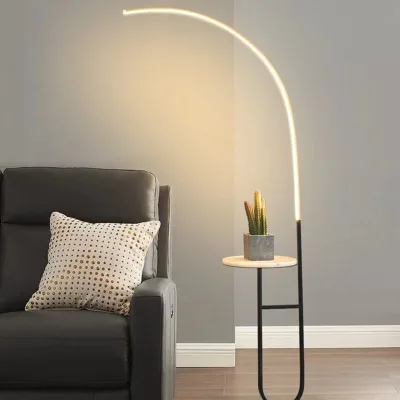
Modern Nordic Feather Floor Standing Lamp with Marble Base Pendant Floor Lamp
$20.00 - $25.00
MOQ: 300 Pieces

Traditional Floor Lamps 3-Light Uplight Floor Standing Lamp for Home Living Room
$9.90 - $12.90
MOQ: 300 Pieces

$55.00 - $70.00
MOQ: 100 Pieces

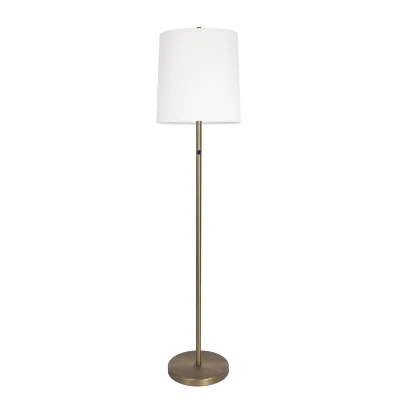
Simple Brushed Nickel Drum Shade Floor Lamp Floor Lamps Bulk Customize Any Types of Hotel Floor Lamp
$18.00 - $25.00
MOQ: 100 Pieces

$128.00 - $138.00
MOQ: 100 Pieces

Zhongshan DLSS Lighting CO., LTD.
- Verified by TUVRHEINLAND
- Combined
- China Guangdong
- Lead time15 days
- Avg. response≤ 4h
Main productsModern Lighting, Modern Pendant Lamp, Modern Pendant Light, Decoration Lighting, Replica Lighting, Modern Ceiling Lamp, Modern Chandelier, Modern Table Lamp, Modern Lamp, Hotel Lighting
Main marketsDomestic

Fuzhou Keruida Electric Porcelain And Appliance Co., Ltd.
- Verified by SGS
- Combined
- China Fujian
- Lead time15 days
- Avg. response≤ 5h
Main productsRetro Switch
Main marketsEurope
Huizhou City Huiyang District Zhenglong Huajun Crafts Products Factory
- Verified by SGS Group
- Manufacturer, Trading Company
- Lead time5 days
- Avg. response≤ 2h
Main productsLED Decoration Lights, LED Furniture, LED Outdoor Lights, LED Kids Product, LED Traffic Lights
Main marketsNorth America(18%), Western Europe(15%), Mid East(13%)
Dongguan Ruisen lighting technology Ltd
- Trading Company
- China Guangdong
- Lead time0 days
- Avg. response≤ 4h
Main productsTable Lamp, Floor Lamp, Wall Lamp


Glass Shade Home Decoration Modern Floor Lamp for Living Room with Foot Switch
$18.80 - $21.80
MOQ: 100 Pieces
Guangzhou Beacon Peace Home Decor Co., Limited
- Trading Company
- Lead time旺季: "1 - 100":15,"101 - 1000":45,"1001 - 10000":60,"> 10000":"To be negotiated", 淡季: "1 - 100":15,"101 - 1000":45,"1001 - 10000":60,"> 10000":"To be negotiated"
- Avg. response≤ 3h
Main productsChandelier, Table Lamps, Floor Lamps, Wall Lamps, Ceiling Lamps

Guangzhou Zhongyue Trading Co., Ltd
- Verified by SGS
- Trading Company
- China Guangdong
- Lead time23 days
- Avg. response≤ 4h
Main productsPendant Lights, Pendant Fans Lights, Table & Floor Lamps, Wall Lights, Ceiling Lights, Customized Hotel ceiling Lights, Outdoor Lights, Outdoor Furniture, Commercial Furniture, Artificial Plants
Main marketsSoutheast Asia/ Mideast,Europe,Australia,North America

Custom Modern Colorful Feather Floor Lamp for Home Living Room Hotel Restaurant
$89.90 - $109.90
MOQ: 2 Pieces

Zy Custom Modern Marble LED Floor Lamp Fixture for Living Room Bedroom Hotel
$175.90 - $179.90
MOQ: 2 Pieces

Zy Custom Adjustable Vintage-Inspired Custom Floor Lamp for Bedroom and Living Room
$182.90 - $189.90
MOQ: 2

Zy Custom Stylish LED Floor Lamp for Modern Living Room Bedroom Hotel Restaurant
$86.90 - $89.90
MOQ: 2

- Manufacturer
- China Guangdong
- Lead time15 days
- Avg. response≤ 4h
Main productsChandelier, Crystal Chandelier, Ceiling Light, Pendant Light, Wall Light, Table Light, Floor Light, Modern Chandelier, LED Chandelier, Pendant Lamp
Main marketsEurope,North America

- Verified by BV
- Manufacturer/Factory
- China Guangdong
- Lead time0 days
- Avg. response≤ 11h
Main productsCrystal Chandelier, Modern Chandelier, Crystal Pendant Light, LED Hanging Lamp, LED Ceiling Lamp, LED Ceiling Light, LED Table Light, Reading Light, LED Stand Floor Lamp, Wall Light

Guangzhou Futu Intelligent Technology Co., Ltd
- Verified by SGS
- Combined
- China Guangdong
- Lead time15 days
- Avg. response≤ 6h
Main productsPhotographic Lighting, Camera Bag, Camera Tripod, Nail Lamp, Half Moon Light, Lash Light, Beauty Lamp, Eyelash Lamp, Lashes Lamp, Selfie Ring Light
Main marketsDomestic
Zhongshan Jinshidun Lighting Electric Appliance Co., Ltd.
- Verified by TUVRHEINLAND
- Combined
- China Guangdong
- Lead time30 days
- Avg. response≤ 15h
Main productsTable Lamp, Rechargeable Table Lamp, Floor Lamp, Wall Lamp, Pendant Light, Step Light, Under Cabinet Light, Ceiling Lamp, Custom-Designed Fixture
Main marketsDomestic
Zhongshan Kawell Lighting Ltd.
- Verified by Intertek
- Manufacturer, Trading Company
- Lead time30 days
- Avg. response≤ 2h
Main productsPendant Light , Table Lamp, Floor Lamp, Wall Lamp, Ceiling Lights
Main marketsNorth America(70%), South America(5%), Eastern Europe(5%)
Foshan Ron Hospitality Supplies Co., Ltd.
- Verified by BV
- Manufacturer/Factory,Group Corporation
- China Guangdong
- Lead time45 days
- Avg. response≤ 3h
Main productsRestaurant Furniture, Restaurant Booth, Restaurant Chair, Restaurant Table, Bar Stools, Wedding Chairs, Flatware Sets, Dinnerware Sets, Garden Chairs, Disposable Dinnerware & Tableware
Main marketsSouth America,Eastern Europe,Mid East,North America,Southeast Asia,Eastern Asia,Oceania,Western Europe,Africa

Shanghai Colorbo Industrial Co., Ltd.
- Verified by TUVRHEINLAND
- Combined
- China Shanghai
- Lead time15 days
- Avg. response≤ 1h
Main productsAcoustic Panel, Wall Panel, Office Partition, Lampshade, Desk Screen, Meeting Space, Pet Supplies, Props Supplies, Storage, Phone Booth
Main marketsSoutheast Asia/ Mideast,Europe,North America


High performance Modern Design Style Hot Sale Interior Decoration LED Light
$376.00 - $380.00
MOQ: 20 Pieces









Comprehensive Sourcing Guide
Modern Indoor Floor Lamp Supplier Concentration and Factory Types
The available data indicates a significant concentration of manufacturers and trading companies operating within Guangdong, China, specifically for modern indoor floor lamps. This region serves as a primary hub for lighting production, where suppliers often list their main products to include pendant lights, chandeliers, wall lamps, and various floor lamp configurations. Buyers observing this geographic clustering should recognize that the density of facilities in this area facilitates specialized supply chains for lighting components, from metal casting to fabric shade assembly. The presence of both manufacturers and trading companies suggests a market structure where some entities handle direct production while others manage distribution and logistics for multiple brands.
When evaluating the factory types, it is essential to distinguish between entities that list themselves as manufacturers and those operating as trading companies. Some suppliers in the results explicitly state a company type of Manufacturer, Factory, or a combination of both, which can influence the depth of customization available. For instance, certain profiles mention capabilities for OEM and ODM services, indicating a capacity for design modification and private labeling. However, not every supplier will display these specific attributes, and the absence of such a label does not confirm a lack of capability. Buyers must verify the actual operational model by reviewing the specific product evidence and company profile details provided in the search results to ensure the supplier matches their sourcing strategy.
How to Verify Modern Indoor Floor Lamp Suppliers
Verification of suppliers requires a careful examination of the specific certifications and verification badges displayed in the search results. The data shows that some suppliers hold system certifications such as BSCI, TS 16949, and ISO 9001, while others may only provide a Declaration of Conformity. Additionally, certain profiles indicate third-party verification status, such as BV verification, which serves as a tangible indicator of a supplier's operational legitimacy. Buyers should prioritize suppliers who display these specific credentials, as they provide a baseline assurance of quality management systems and ethical labor practices. It is critical to note that not all suppliers will have every certification listed, and the absence of a specific badge should prompt a direct inquiry rather than an immediate dismissal.
Beyond certifications, buyers must assess the response time and the depth of product evidence provided by each potential partner. The observed data includes response times ranging from approximately three hours to nearly eight hours, which can be a proxy for operational efficiency and customer service readiness. A faster response time often correlates with a more active sales team capable of addressing technical queries regarding voltage, light sources, or custom design requirements. Furthermore, detailed product attributes such as specific model numbers, material compositions like iron or metal, and warranty periods provide concrete evidence of product maturity. Buyers should cross-reference these technical details with their own specifications to ensure the supplier can meet the rigorous demands of modern indoor lighting projects without relying on generic descriptions.
What to Compare Across Modern Indoor Floor Lamp Suppliers
Comparing suppliers effectively involves analyzing key operational metrics such as lead time, minimum order quantity, and pricing structures found in the search results. The data reveals lead times that can vary significantly, with some suppliers indicating a fifteen-day window while others suggest a thirty-day production cycle. This variance is crucial for buyers planning inventory or project timelines, as a shorter lead time may be necessary for urgent orders, whereas a longer lead time might accommodate more complex customization requests. Additionally, the minimum order quantity (MOQ) is a critical factor, with some listings showing an MOQ of just one unit, allowing for small-scale testing, while others may have higher thresholds that require larger capital commitment.
Pricing and product specifications also form a vital part of the comparison matrix. The observed price ranges for modern indoor floor lamps span from approximately eighteen dollars to nearly three hundred dollars, reflecting differences in materials, design complexity, and brand positioning. Buyers should compare these figures against the specific attributes listed, such as the inclusion of light sources, voltage compatibility, and finish types like electroplating or fabric shades. Some products are listed with specific wattage limits or illumination areas, which directly impact the value proposition. By aligning these technical and commercial data points, buyers can identify which suppliers offer the best balance of cost, quality, and service for their specific procurement needs without making assumptions about unlisted attributes.
Common Modern Indoor Floor Lamp Sourcing Risks
One significant risk in sourcing modern indoor floor lamps involves the variability of product specifications and the potential for mismatched expectations regarding light sources and voltage. The data indicates that some products are sold without included bulbs, while others come with integrated energy-saving light sources, and voltage requirements can range from 110V to 240V. If a buyer fails to verify these specific details before placing an order, they may receive products that are incompatible with their local electrical standards or require additional purchases to function correctly. This discrepancy can lead to delays, increased costs, and customer dissatisfaction, particularly when the product is intended for residential or commercial applications with strict electrical codes.
Another risk pertains to the reliability of the supply chain and the consistency of quality control measures across different suppliers. While some suppliers list extensive certifications like UL, ETL, CE, and RoHS, others may only provide a Declaration of Conformity, which might not cover all regional safety requirements. The variation in response times and lead times also introduces uncertainty; a supplier with a longer lead time might struggle to meet urgent deadlines, while a fast responder might lack the capacity for large-scale production. Buyers must be vigilant in confirming that the supplier's stated capabilities, such as lighting solutions services or design support, are actually available and can be delivered within the agreed timeframe to mitigate these operational risks.
Modern Indoor Floor Lamp Regional Sourcing and Logistics
The geographic concentration of suppliers in Guangdong, China, presents specific logistical considerations for international buyers. This region is a well-established manufacturing cluster for lighting products, offering access to a dense network of component suppliers and specialized labor. However, the distance from this hub to global markets necessitates careful planning regarding shipping routes, customs clearance, and freight costs. Buyers should be aware that the location of the factory directly impacts the transit time and the overall cost structure of the order. Understanding the specific port of loading and the typical shipping duration from Guangdong is essential for accurate delivery forecasting and inventory management.
Logistics planning also involves evaluating the packaging standards and export readiness of the suppliers. The product evidence shows that items are often packed in standard export packaging, polyfoam, or paper cartons, which are designed to protect the lighting fixtures during transit. Buyers should verify that the packaging is robust enough to prevent damage, especially for delicate components like glass shades or intricate metal finishes. Additionally, the supplier's experience with international shipping can be inferred from their response to logistics queries and their ability to provide detailed packing lists. Ensuring that the supplier has a proven track record of handling exports from this specific region helps minimize the risk of damage or loss during the shipping process.
Modern Indoor Floor Lamp Commercial Terms and Order Planning
Commercial terms for modern indoor floor lamps often include specific details about warranty, customization, and payment structures that must be clearly defined before order placement. The data indicates that some suppliers offer a one-year warranty, while others may have different terms that are not explicitly stated in the initial search results. Buyers should confirm the warranty duration and coverage to ensure protection against manufacturing defects. Furthermore, the availability of customization services, such as design modifications or private labeling, varies among suppliers. Understanding the scope of these services and any associated costs is vital for buyers seeking unique products that align with their brand identity or specific project requirements.
Order planning must also account for the specific attributes of the products, such as the selling units and the nature of the transaction. Some listings indicate a selling unit of a single item, which allows for flexible ordering, while others may have different minimums. Buyers should plan their orders based on the confirmed MOQ and the lead time provided by the supplier to ensure timely delivery. Additionally, the inclusion of services like lighting and circuitry design or Auto CAD layout support can add value to the procurement process. By carefully reviewing these commercial terms and aligning them with the project timeline, buyers can establish a clear roadmap for successful procurement and avoid potential bottlenecks in the supply chain.
FAQs
Where are modern indoor floor lamps manufactured?
Most listed modern indoor floor lamps originate from Guangdong, China. This region hosts both manufacturers and trading companies specializing in lighting solutions. Buyers should verify specific factory locations during negotiations to ensure supply chain transparency and quality control standards are met.
What certifications do these floor lamps hold?
Products often carry certifications such as GS, VDE, CE, RoHS, UL, and ETL. Some suppliers also provide Declaration of Conformity or ISO 9001 standards. Buyers must confirm which specific certifications apply to their target market before placing orders to ensure regulatory compliance.
How long does it take to receive these lamps?
Lead times typically range from 15 to 30 days depending on the supplier and order volume. Some manufacturers offer faster turnaround for standard models, while custom designs may require additional time. Always confirm the exact delivery schedule with the supplier before finalizing payment terms.
What is the minimum order quantity for these lamps?
Minimum order quantities vary, with some suppliers accepting single items while others require larger batches. Specific MOQs depend on the product model and customization level. Buyers should check individual product listings to determine the exact threshold required for their specific sourcing needs.
What voltage options are available for these lamps?
Most modern indoor floor lamps support a wide voltage range of 110V to 240V. This ensures compatibility with various global electrical standards. Buyers should verify the specific voltage rating for each model to guarantee safe operation in their intended location without needing adapters.
Do suppliers offer design services for custom lamps?
Many manufacturers provide lighting and circuitry design services along with Auto Cad layout support. Customization options are available for specific models, allowing buyers to tailor designs to their requirements. Buyers should discuss their specific design needs directly with the supplier to confirm feasibility.
What is the typical response time for suppliers?
Supplier response times generally range from 3 to 8 hours based on the platform data. Faster responses often indicate higher availability and readiness to handle inquiries. Buyers should expect prompt communication but should also verify current response rates during their specific interaction with the supplier.