Modern Large Capacity Nightstand Suppliers and Manufacturers
Compare 26 verified suppliers offering Modern Large Capacity Nightstand options with varying lead times, MOQs, and certifications. Review product attributes like material, color, and customization availability before contacting factories in Fujian and Shandong for quotes; review the available evidence before requesting comparable quotations from suitable candidates.
Updated
Suppliers List

Zhangzhou Yijiaxing Furniture Co., Ltd.
- Verified by BV
- Combined
- China Fujian
- Lead time45 days
- Avg. response≤ 2h
Main marketsAfrica,Europe,North America

Qingdao Inurda Furniture Co., Ltd.
- Verified by CTI
- Trading Company,Manufacturer/Factory
- China Shandong
- Lead time30 days
- Avg. response≤ 7h
Main productsSingle Bed, Double Bed, Half Tall Bed, High Foot Bed, Coffee Table, Bunk Bed, Bookshelf, Dining Table, Baby Crib, Cabin Bed
Main marketsSouth America,Eastern Europe,Mid East,North America,Southeast Asia,Eastern Asia,Oceania,Western Europe,Africa

Foshan Ulink Furniture Limited
- Manufacturer/Factory
- China Guangdong
- Lead time23 days
- Avg. response≤ 8h
Main productsBedroom Furniture, Coffee Table and TV Stand, Bathroom Furniture, Kitchen Furniture, Dining Furniture, Bathroom Vanity
Main marketsSouth America,Eastern Europe,Mid East,North America,Southeast Asia,Eastern Asia,Oceania,Western Europe,Africa

Wholesale New Modern Design Melamine Large Capacity Bedside Cabinet Nightstand
$20.00 - $48.00
MOQ: 10 Pieces


Hot Selling Light Luxury Style Wooden Storage Sideboard Cabinet Nightstand
$13.00 - $25.00
MOQ: 10 Pieces

Shenzhen Prima Industry Co., Ltd.
- Verified by TUVRHEINLAND
- Trading Company
- China Guangdong
- Lead time30 days
- Avg. response≤ 10h
Main marketsNorth America
FORTUNEWELL (XIAMEN) GLOBAL FURNISHINGS LTD
- Manufacturer, Trading Company
- FUJIAN, China
- Lead time50 days
- Avg. response≤ 4h
Main productsChildren's Furniture, Indoor Furniture, Outdoor Furniture, Bathroom Household Products, Pet Products
Main marketsNorth America(80.00%), Western Europe(5.00%), Southern Europe(5.00%), Northern Europe(5.00%), Eastern Europe(5.00%)
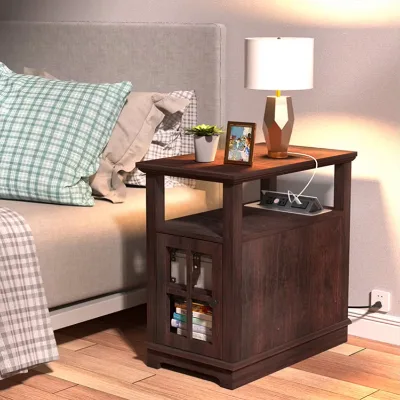
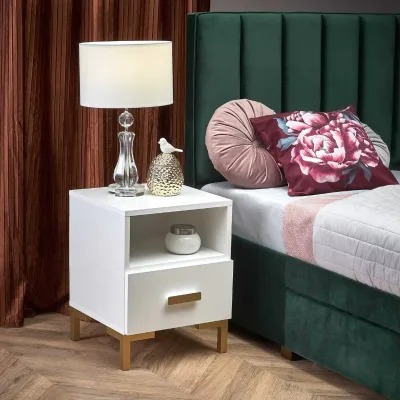
$17.5023 - $25.7393
MOQ: 100 pieces
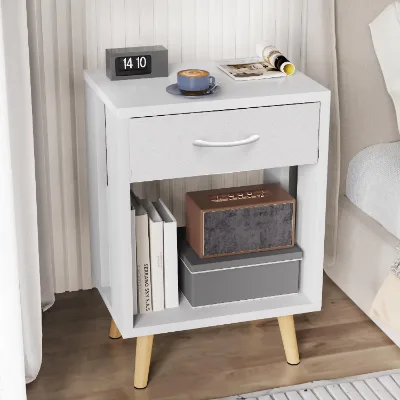
$26.7497 - $29.8361
MOQ: 100 pieces
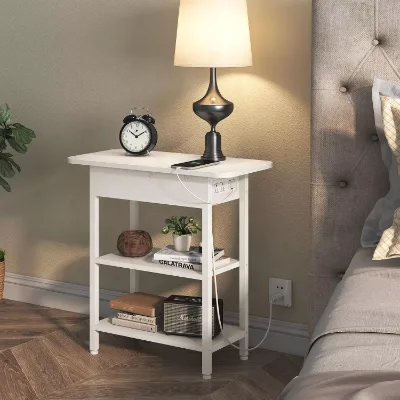
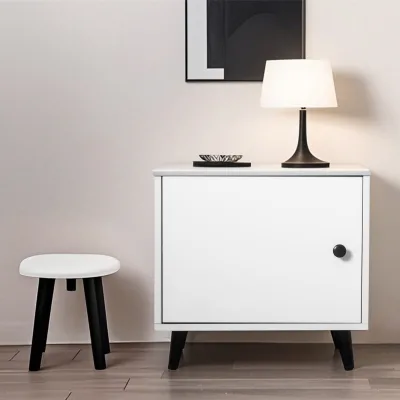
Living Room Bedroom Narrow Nightstand Storage Shelves End Table With Charging Station
$22.00 - $25.00
MOQ: 100


Hangzhou Realsun Industrial Co., Ltd
- Verified by SGS
- Trading Company,Manufacturer/Factory
- China Zhejiang
- Lead time60 days
- Avg. response≤ 1h
Main productsHotel Furniture, Hotel Lightings, Hotel Chairs, Hospitality Furniture
Main marketsSouth America,Eastern Europe,Mid East,North America,Africa


Modern Design Nightstand with a Drawer and Power Outlet for Hotel Furniture
$350.00 - $400.00
MOQ: 20 Sets


Modern design Square Nightstand with Vinyl and a Drawer for Hotel Furniture
$350.00 - $400.00
MOQ: 20 Sets

- Verified by CTI
- Trading Company
- China Anhui
- Lead time23 days
- Avg. response≤ 2h
Main productsFurniture, Home Furniture
Main marketsSoutheast Asia/ Mideast

- Verified by BV
- Manufacturer/Factory
- China Zhejiang
- Lead time30 days
- Avg. response≤ 3h
Main productsBrush Cutter, Tiller, Garden Equipment, Chain Saw, Bike Rack, Motorcycle Lift, Furniture, Hooks, Garage Rack, Storage Bin
Main marketsSouth America,Eastern Europe,Mid East,North America,Southeast Asia,Eastern Asia,Oceania,Western Europe,Africa
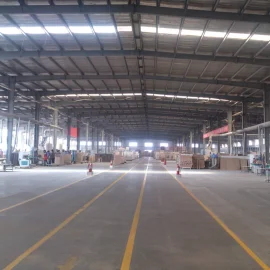
Shouguang Sino Source Home Building Materials Co., Ltd.
- Manufacturer, Trading Company
- Shandong, China
- Lead time15 days
- Avg. response≤ 3h
Main productsKitchen Cabinet,Shoe Cabinet,TV Stand,Wardrobe,Dressing Table
Main marketsWestern Europe(20.00%), Eastern Europe(20.00%), North America(15.00%), Northern Europe(10.00%), Mid East(10.00%), Southern Europe(5.00%), Central America(5.00%), Oceania(5.00%), South America(5.00%), Africa(5.00%)

- Verified by SGS
- Trading Company
- China Guangdong
- Lead time60 days
- Avg. response≤ 13h
Main productsSofa Dining Table Bed Chair Coffee Table, Living Room Furniture, Dining Room Furniture, Bedroom Furniture, Hotel Furniture, Office Furniture, Outdoor Furniture, Mattress
Main marketsSouth America,Eastern Europe,Mid East,North America,Southeast Asia,Eastern Asia,Oceania,Western Europe,Africa


Modern Design Luxury Elegant Quality High End Leather Wooden Nightstand
$300.00 - $3000.00
MOQ: 1 Pieces

Fuzhou Homefield Furniture Co., Ltd.
- Verified by Intertek
- Trading Company
- Lead time60 days
- Avg. response≤ 6h
Main productsLiving Room Furniture, Bedroom Furniture, Bathroom Cabinet, Office Furniture
Main marketsNorth America(50%), Western Europe(30%), Oceania(20%)
Chongqing JXT Trading Co., Ltd.
- Trading Company
- Chongqing, China
- Lead time0 days
- Avg. response≤ 3h
Main productsDining table,sofa,dining chair,cabinet,decorations
Main marketsNorth America(25.00%), Mid East(15.00%), Southeast Asia(15.00%), Eastern Asia(10.00%), Western Europe(10.00%), Africa(8.00%), Oceania(8.00%), Southern Europe(3.00%), Eastern Europe(2.00%), Central America(2.00%), South America(2.00%)
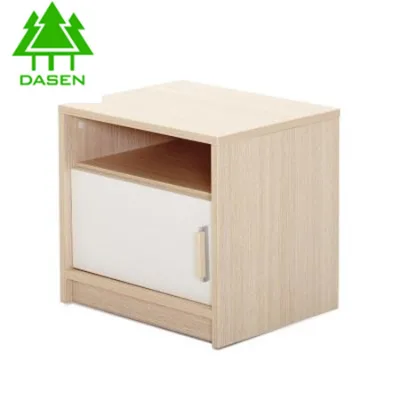
Shouguang Dasen Wood Co., Ltd.
- Verified by TüVRheinland
- Manufacturer, Trading Company
- Lead time15 days
- Avg. response≤ 12h
Main productsFurniture
Main marketsNorth America(20%), Africa(20%), Mid East(20%)
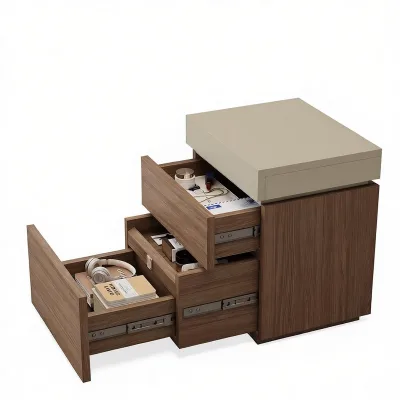
Modern Minimalist Nightstand with Hidden Drawers
$28.00 - $35.00


LINYI YUCHAO INTERNATIONAL TRADE CO.,LTD.
- Trading Company,Manufacturer/Factory
- China Shandong
- Lead time23 days
- Avg. response≤ 5h
Main productsFSC/Eudr Plywood, Kitchen Cabinet Customized, Panel Furniture, Pine Plywood, Fancy Plywood, MDF, PVC Edge Banding, Partical Board, Furniture Set Hotel, Furniture Living Rooms
Main marketsSouth America,Eastern Europe,Mid East,North America,Southeast Asia,Eastern Asia,Oceania,Western Europe,Africa

Hengshui Lihao Import And Export Trading Co., Ltd.
- Trading Company
- Hebei, China
- Lead time15 days
- Avg. response≤ 4h
Main productsMen's clothing,Women's clothing,Underwear,watch,socks
Main marketsNorth America(50.00%), Eastern Europe(10.00%), Southeast Asia(9.00%), Western Europe(5.00%), South America(5.00%), Africa(4.00%), Eastern Asia(4.00%), Mid East(4.00%), Oceania(4.00%), Domestic Market(1.00%), South Asia(1.00%), Southern Europe(1.00%), Northern Europe(1.00%), Central America(1.00%)
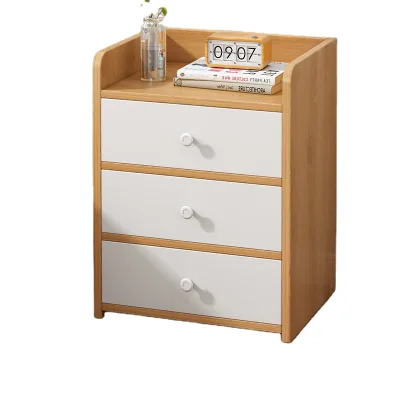
$8.88 - $14.34
MOQ: 2 Minimum
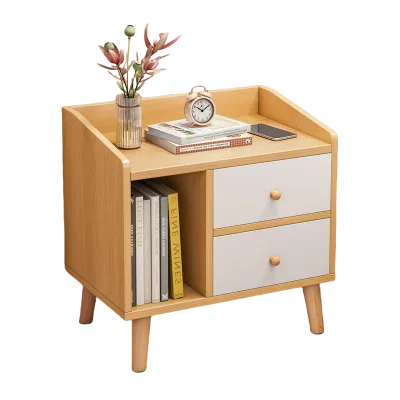
Bedroom Hotel Furniture Modern Nnightstand Bedside Table with Drawers Night Table Bedside
$8.88 - $14.34
MOQ: 2 Minimum

Beijing Tianyuan Rongli Technology Co., Ltd.
- Verified by SGS
- Trading Company,Manufacturer/Factory
- China Beijing
- Lead time15 days
- Avg. response≤ 2h
Main productsMelamine Board, Chipboard, MDF, Solid Wood Pellet Board, Custom-Made Furniture, Dining Room Furniture, Living Room Furniture, Steel-Wood Furniture
Main marketsSouth America,Eastern Europe,Mid East,North America,Southeast Asia,Eastern Asia,Oceania,Western Europe,Africa

Jinan Unic Industry Trade Co., Ltd
- Verified by SGS
- Trading Company
- China Shandong
- Lead time30 days
- Avg. response≤ 1h
Main productsSide Table, Coffee Table, Dressing Tabloe, Storage Basket, Storage Cart, Ottoman, Stool, Plant Stand
Main marketsEurope
Fujian Shunchang Shengsheng Wood Industry Limited Company
- Verified by SGS Group
- Manufacturer, Trading Company
- Lead time30 days
- Avg. response≤ 2h
Main productsBamboo Kitchen Utensil, Bamboo Furniture, Wooden Children Slide, Flower Box
Main marketsNorth America(53%), Domestic Market(47%)
Ganzhou Laiwu Furniture Co., Ltd.
- Verified by Intertek
- Manufacturer, Trading Company
- Lead time30 days
- Avg. response≤ 2h
Main productsDining Table, Chair, Bedside Table, Coffee Table, TV Stand
Main marketsNorth America(40%), Oceania(30%), Western Europe(20%)
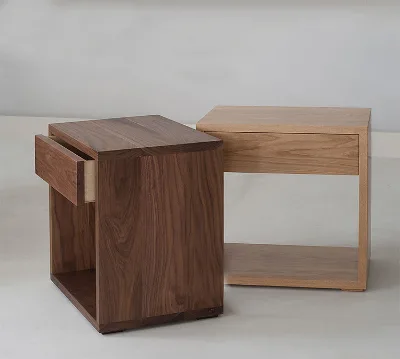
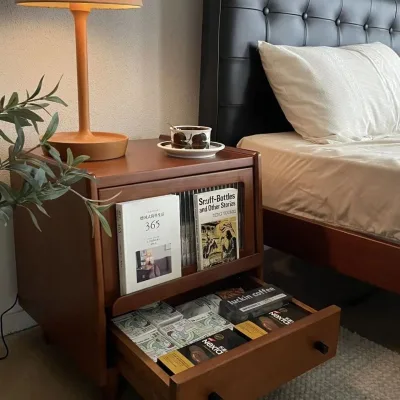
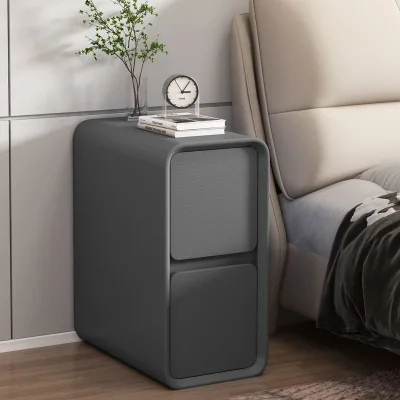
Compact Cream Nightstand with Smooth Gliding Drawers and Minimalist Design for Modern Bedrooms
$35.7886 - $46.0133
MOQ: 2 pieces
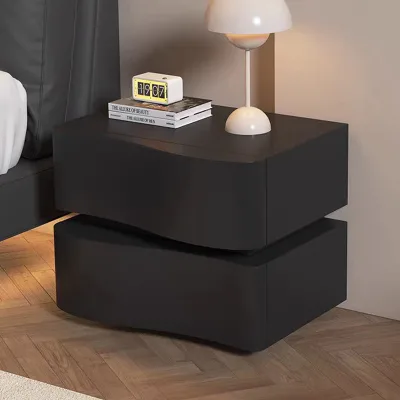
Modern White Lighting Round Night Stand With Two or Three Drawers Bedside Table
$47.205 - $58.7443
MOQ: 2 pieces
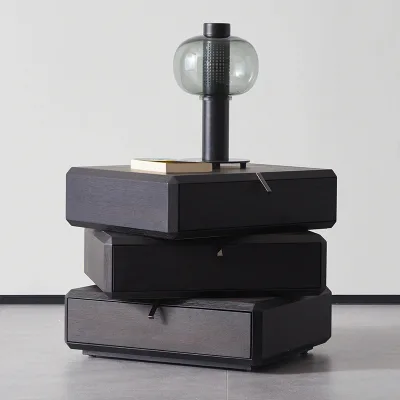
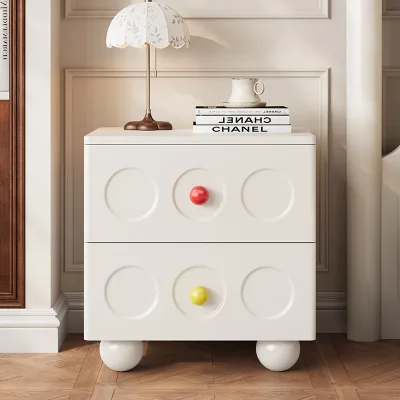
$61.6029 - $67.7638
MOQ: 2 pieces
Quanzhou Bochuang Furniture Co., Ltd.
- Verified by Intertek
- Trading Company
- Lead time20 days
- Avg. response≤ 1h
Main productsHome Furniture, Commercial Furniture
Main marketsDomestic Market(50%), North America(30%), Oceania(10%)

Shenzhen Prima Industry Co., Ltd.
- Manufacturer/Factory
- China Guangdong
- Lead time45 days
- Avg. response≤ 11h
Main productsStaircase, Railing, Kitchen, Wardrobe, Building Glass, Movable Partition, Shower, Window&Door, Tiles&Flooring, Bathroom Accessories
Main marketsSouth America,Eastern Europe,Mid East,North America,Southeast Asia,Eastern Asia,Oceania,Western Europe,Africa

- Verified by SGS
- Combined
- China Guangdong
- Lead time30 days
- Avg. response≤ 5h
Main productsOffice Chair, Computer Desk, Sofa
Main marketsSouth America,Southeast Asia/ Mideast
Foshan Guoge Hardware Co., Ltd.
- Verified by SGS Group
- Manufacturer, Trading Company
- Lead time30 days
- Avg. response≤ 2h
Main productsConsole Table, Cocktail Cabinet, TV Table/Rack, Rack/Kitchen Lockers, Coffee Table/Dining Table Set
Main marketsNorth America(30%), Southeast Asia(30%), Western Europe(15%)
Ganzhou Hengxin Smart Home Co., Ltd.
- Manufacturer, Trading Company
- Jiangxi, China
- Lead time0 days
- Avg. response≤ 2h
Main productsSmart bedside table,Nightstand,Chair,Coffee table,Sofa Bed
Main marketsNorth America(10.00%), Southeast Asia(5.00%)
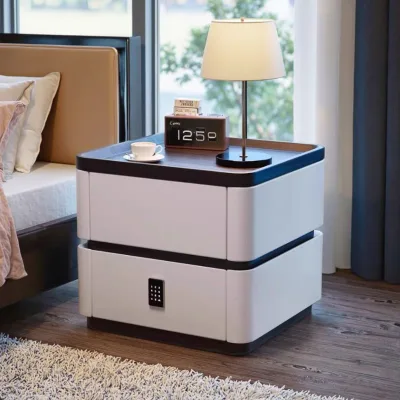
High End Smart Nightstand With Password Lock Secure Storage Modern Design for Bedroom
$47.0356 - $51.1264
MOQ: 2 pieces

Ningbo General Union Co., Ltd.
- Verified by BV
- Trading Company
- China Zhejiang
- Lead time30 days
- Avg. response≤ 9h
Main productsCleaning Brush, Bottle, Kitchenware, Storage Box, Outdoor, Pet, Fitness Equipment, Digital Devices, Camping, Pet Bottle
Main marketsSouth America,Africa,Southeast Asia/ Mideast,East Asia(Japan/ South Korea),Europe,Australia,North America

TAIAN TOPPOUND INTERNATIONAL TRADING CO., LTD.
- Verified by TUVRHEINLAND
- Combined
- China Shandong
- Lead time45 days
- Avg. response≤ 3h
Main productsChair, Side Table, Flower Planter Stand, Home Decoration, Candle Holders and Lantern, Shelves, Mirror, Planter Pot, Christmas Decoration, Natural Baskets and Storage
Main marketsSouth America,Europe,North America


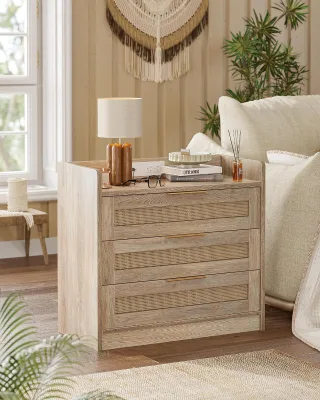
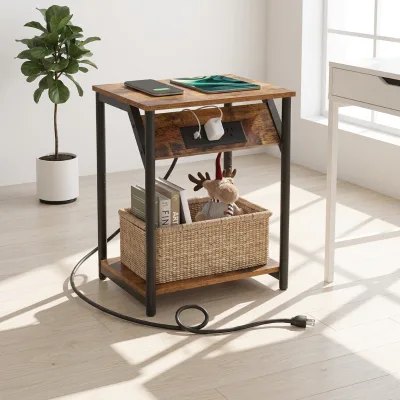
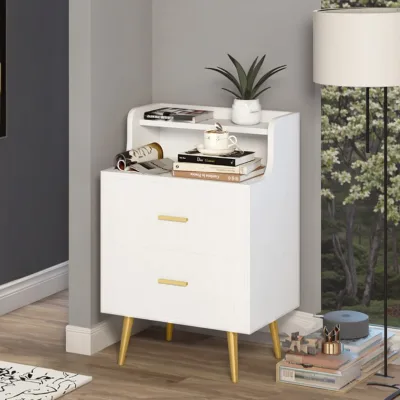
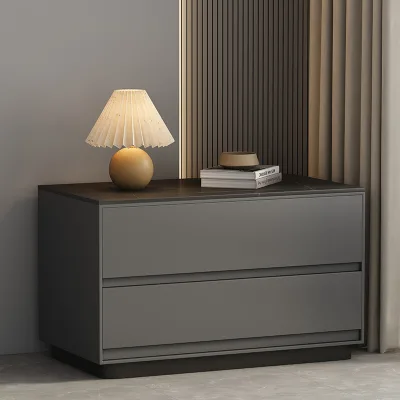
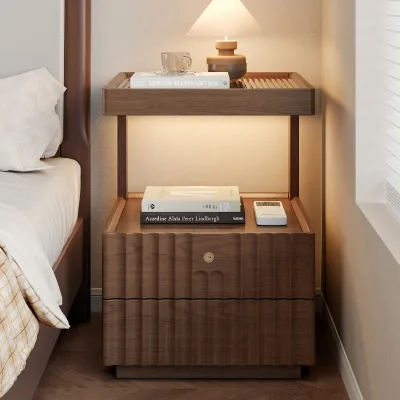
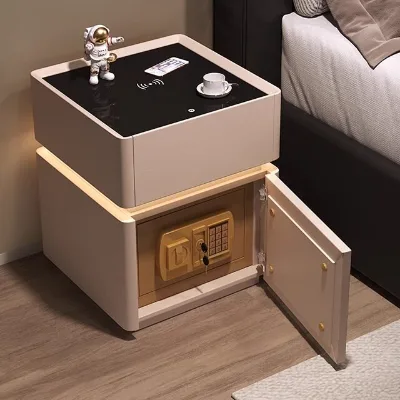


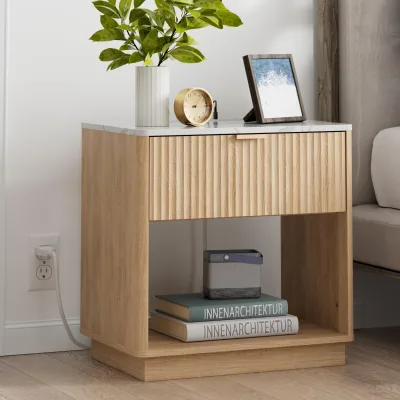
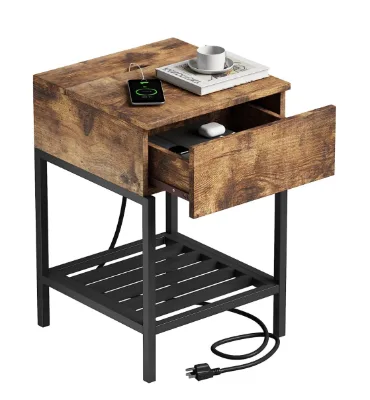


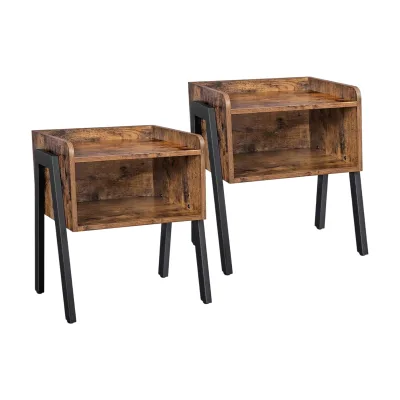
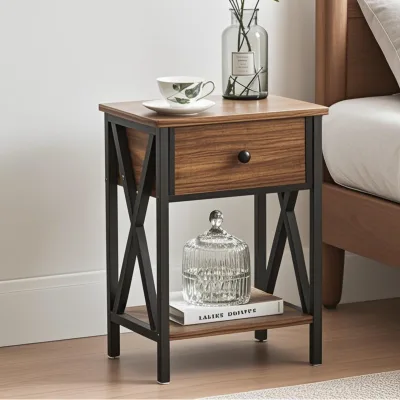
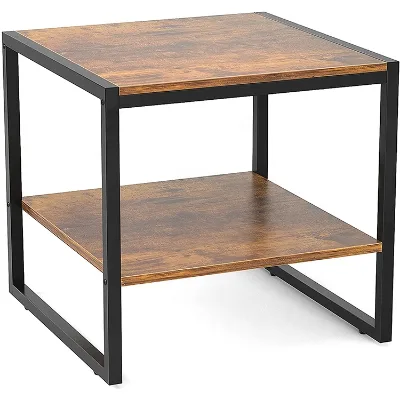


Comprehensive Sourcing Guide
Modern Large Capacity Nightstand Supplier Concentration and Factory Types
The current supplier landscape for modern large capacity nightstands reveals a distinct geographic concentration in China, with specific manufacturing hubs identified in regions such as Fujian and Shandong. Suppliers located in Fujian often specialize in combined company types, offering a blend of trading and manufacturing capabilities that can streamline communication for international buyers. These entities frequently list product attributes such as OEM customization, specific design styles like modern or antique, and materials ranging from metal to wood composites. The presence of verified badges, such as BV or CTI, indicates that these suppliers have undergone third-party inspections, providing a baseline level of trust regarding their operational legitimacy. Buyers should note that while some suppliers are labeled as trading companies, others are explicitly identified as manufacturers or factories, which can significantly impact pricing structures and production flexibility. Understanding this distinction is crucial for determining whether a supplier can accommodate custom design requests or if they are limited to catalog items. The concentration in these specific provinces suggests established supply chains for raw materials and finished goods, potentially offering competitive advantages in terms of production speed and cost efficiency. However, the diversity in company types means that buyers must carefully review the supplier’s profile to ensure their specific needs for large capacity storage solutions are met by a partner with the appropriate manufacturing infrastructure.
In addition to geographic clustering, the variety of factory types available influences the range of products offered, from elegant vintage designs to contemporary metal frames. Some suppliers focus on specific features like USB charging ports, adjustable heights, or extendable designs, catering to the modern consumer’s demand for multifunctional furniture. The availability of OEM and ODM services indicates that many factories are equipped to handle custom branding and design modifications, which is essential for buyers looking to create unique product lines. It is important to recognize that not all suppliers in these regions offer the same level of customization or quality control. While some may provide extensive product evidence including detailed specifications and high-resolution images, others might have limited information available. Buyers should prioritize suppliers who clearly articulate their production capabilities and provide transparent information about their manufacturing processes. The presence of main products lists, such as single beds, double beds, and dining tables, alongside nightstands, suggests that these factories often have diversified production lines, which can be beneficial for buyers seeking a comprehensive furniture solution. However, this diversification may also mean that nightstands are not their sole specialty, so buyers should verify the depth of expertise in this specific category to ensure quality and reliability.
How to Verify Modern Large Capacity Nightstand Suppliers
Verifying the credibility of Modern Large Capacity Nightstand suppliers requires a multi-layered approach that goes beyond simple profile reviews. Buyers should prioritize suppliers who display third-party verification badges, such as BV or CTI, as these indicate that an independent agency has inspected the company’s facilities and business practices. These verifications provide a layer of assurance regarding the supplier’s legal status and operational capacity. Additionally, examining the supplier’s response time is a practical indicator of their customer service quality and operational efficiency. A faster response time, such as under two hours, often correlates with a more responsive and organized team, which is crucial for resolving issues during the sourcing process. Buyers should also look for detailed product evidence, including specific attributes like material composition, customization options, and origin details. Suppliers who provide comprehensive information about their products, such as specific models, colors, and application scenarios, are generally more transparent and reliable. It is also advisable to check for any system certifications, such as BSCI, which can indicate adherence to social compliance standards, although the absence of such certifications does not necessarily imply non-compliance. Buyers should use these verification markers as a starting point for due diligence, rather than relying on them as the sole determinant of supplier quality.
Beyond verification badges, buyers should assess the depth of product knowledge and the clarity of communication provided by the supplier. Suppliers who offer detailed product descriptions, including dimensions, weight, and packaging information, demonstrate a higher level of professionalism and attention to detail. Buyers should also inquire about the supplier’s ability to provide samples, which is a critical step in verifying product quality before committing to a large order. The availability of customization options, such as logo printing or specific design modifications, can also indicate the supplier’s flexibility and willingness to work with buyers to meet their specific requirements. It is important to note that while some suppliers may have impressive profiles, their actual performance may vary, so buyers should seek references or case studies if available. Additionally, buyers should be cautious of suppliers who are vague about their manufacturing processes or unwilling to provide detailed information about their supply chain. By combining verification badges, response times, and product evidence, buyers can build a more comprehensive picture of a supplier’s reliability and suitability for their needs. This holistic approach helps mitigate the risk of engaging with unreliable partners and ensures a smoother sourcing experience.
What to Compare Across Modern Large Capacity Nightstand Suppliers
When evaluating multiple suppliers for modern large capacity nightstands, buyers should systematically compare key operational metrics to identify the most suitable partner. Lead time is a critical factor, as it directly impacts inventory management and customer satisfaction. Suppliers with shorter lead times, such as those offering production within 15-25 days, can provide greater flexibility for rush orders or seasonal demand. In contrast, suppliers with longer lead times, such as 30 or 45 days, may be better suited for planned, large-scale orders where timing is less critical. Minimum Order Quantity (MOQ) is another essential comparison point, as it affects the initial investment and risk exposure for buyers. Some suppliers may have low MOQs, such as 100 units, making them accessible for smaller businesses or test orders, while others may require higher volumes, such as 200 units, which can be more cost-effective for established brands. Buyers should also compare pricing structures, keeping in mind that lower prices may come with trade-offs in quality or service. It is important to request detailed quotes that include all costs, such as shipping and taxes, to ensure accurate comparisons. Additionally, buyers should assess the supplier’s customization capabilities, including their ability to handle OEM and ODM requests, as this can significantly impact the final product’s uniqueness and market appeal.
Response time is another vital metric that reflects the supplier’s efficiency and customer service quality. Suppliers with faster response times, such as under two hours, are generally more responsive to inquiries and issues, which can facilitate smoother communication throughout the sourcing process. Buyers should also compare the range of products offered, as some suppliers may specialize in specific styles or materials, while others offer a broader selection. The availability of additional services, such as logo customization or packaging options, can also be a differentiating factor. Buyers should consider the supplier’s location and its impact on logistics costs and delivery times. Suppliers located in major manufacturing hubs may offer competitive shipping rates due to established logistics networks. Furthermore, buyers should evaluate the supplier’s track record in terms of product quality and consistency, which can often be inferred from the level of detail provided in product descriptions and the presence of third-party verifications. By systematically comparing these factors, buyers can make informed decisions that align with their specific business needs and strategic goals. This comparative approach helps identify suppliers who offer the best balance of cost, quality, and service, ensuring a successful sourcing outcome.
Common Modern Large Capacity Nightstand Sourcing Risks
Sourcing modern large capacity nightstands from international suppliers involves several inherent risks that buyers must proactively manage to ensure a successful outcome. One significant risk is the potential discrepancy between product samples and bulk production, which can lead to quality issues and customer dissatisfaction. Buyers should mitigate this risk by requesting detailed samples and conducting thorough inspections before approving mass production. Another common risk is the miscommunication regarding customization requirements, which can result in products that do not meet the buyer’s specifications. To avoid this, buyers should provide clear and detailed design briefs and maintain open communication with the supplier throughout the production process. Additionally, there is a risk of delays in production or shipping, which can disrupt inventory planning and customer deliveries. Buyers should establish clear timelines and include penalty clauses in contracts for late deliveries to incentivize timely performance. The variability in supplier reliability is another concern, as some suppliers may not have the capacity or expertise to handle large orders consistently. Buyers should assess the supplier’s production capacity and past performance to ensure they can meet demand. Furthermore, there is a risk of hidden costs, such as unexpected shipping fees or customs duties, which can impact the overall profitability of the order. Buyers should request comprehensive quotes that include all potential costs to avoid surprises.
Another critical risk is the lack of transparency in the supply chain, which can make it difficult to verify the origin of materials or the ethical standards of production. Buyers should prioritize suppliers who provide detailed information about their sourcing practices and are willing to undergo third-party audits. The risk of intellectual property infringement is also a concern, especially when working with suppliers who offer OEM services. Buyers should ensure that their designs are protected and that the supplier agrees to confidentiality agreements. Additionally, there is a risk of currency fluctuation, which can affect pricing and profitability. Buyers should consider hedging strategies or fixed-price contracts to mitigate this risk. The potential for poor after-sales support is another issue, as suppliers may be less responsive to warranty claims or product issues after the sale is completed. Buyers should establish clear communication channels and expectations for post-sale support. By identifying and addressing these risks early in the sourcing process, buyers can minimize potential disruptions and ensure a more reliable and profitable partnership. Proactive risk management is essential for navigating the complexities of international furniture sourcing and achieving long-term success.
Modern Large Capacity Nightstand Regional Sourcing and Logistics
The regional sourcing of modern large capacity nightstands is heavily influenced by the geographic concentration of manufacturing hubs, particularly in China. Suppliers located in provinces like Fujian and Shandong offer distinct advantages in terms of logistics and supply chain efficiency. Fujian, with its major port in Xiamen, provides convenient access to international shipping routes, which can reduce transit times and costs for buyers. This strategic location is beneficial for suppliers who need to export large volumes of furniture, as it facilitates efficient loading and shipping processes. Buyers should consider the proximity of the supplier to major ports when evaluating logistics options, as this can impact the overall cost and speed of delivery. Additionally, suppliers in these regions often have established relationships with freight forwarders and logistics providers, which can streamline the shipping process and reduce the risk of delays. The availability of local infrastructure, such as warehousing and packaging facilities, can also enhance the efficiency of the supply chain. Buyers should leverage these regional advantages by working with suppliers who have robust logistics networks and can provide reliable shipping solutions. Understanding the logistical landscape of these regions can help buyers optimize their supply chain and reduce overall costs.
Logistics planning is a critical component of sourcing modern large capacity nightstands, as these items are often bulky and require careful handling to prevent damage during transit. Buyers should work with suppliers who offer appropriate packaging solutions, such as KD (Knock-Down) packages or carton packaging, to minimize shipping volume and protect the products. The choice of packaging can significantly impact shipping costs and the risk of damage, so buyers should prioritize suppliers who use high-quality materials and secure packing methods. Additionally, buyers should consider the impact of customs regulations and duties in their destination country, as these can affect the final cost and delivery time. Working with suppliers who are experienced in international shipping can help navigate these complexities and ensure compliance with local regulations. Buyers should also plan for potential delays due to weather, port congestion, or other logistical challenges, and build buffer time into their inventory planning. By understanding the regional logistics landscape and working closely with suppliers, buyers can optimize their supply chain and ensure timely delivery of products. Effective logistics management is essential for maintaining customer satisfaction and achieving operational efficiency in the furniture sourcing process
FAQs
What is the price range for modern large capacity nightstands?
Prices typically range from $14.00 to $30.60 per unit depending on material and customization. Metal models with storage features often fall between $14.00 and $20.70, while wooden or complex designs may cost up to $30.60. Buyers should verify specific quotes based on order volume and custom requirements.
What is the minimum order quantity for these nightstands?
The minimum order quantity is generally 100 units for standard items, though some suppliers require 200 units for specific models. Customization options may influence these thresholds. Buyers should confirm the exact MOQ with the supplier before placing an order to ensure compliance with their production capabilities.
How long does production take for these nightstands?
Lead times vary between 15 and 45 days depending on the supplier and order complexity. Some manufacturers offer faster delivery within 15-25 days, while others may require up to 45 days. Buyers should confirm the specific lead time with the supplier to plan their inventory and shipping schedules effectively.
Where are these nightstands manufactured?
These nightstands are primarily manufactured in China, with specific production hubs in Fujian and Shandong provinces. Fujian suppliers often specialize in metal and modern designs, while Shandong manufacturers may offer a broader range of furniture types. Buyers can verify the exact place of origin for each product listing.
What certifications do these nightstands have?
Certifications vary by supplier, with some holding BSCI certification for social compliance. System certifications may not be listed for all products, so buyers should verify specific credentials. It is advisable to request certification documents directly from the supplier to ensure they meet your market's regulatory requirements.
Can I customize the logo and design?
Customization is available for many nightstand models, including logo printing and design adjustments. Suppliers often support OEM and ODM services to meet specific brand requirements. Buyers should discuss customization options and any associated costs with the supplier before finalizing the order to ensure alignment with their brand identity.