Kitchen Storage Trolley Suppliers and Manufacturers - 32 Factories
Compare 32 verified Kitchen Storage Trolley suppliers in China Guangdong with response times, lead times, and MOQs. Review product specs like material, layers, and certifications to source the right unit for your needs; review the available evidence before requesting comparable quotations from suitable candidates.
Updated
Suppliers List

Guangzhou Aemaxx Household Products Co., Ltd.
- Verified by BV
- Trading Company
- China Guangdong
- Lead time30 days
- Avg. response≤ 4h
Main productsWaste Bin, Trash Bin, Garbage Bin, Scale, Toilet Brush, Kitchen Trolley, Timer, Food Dehydrator, Storage, Mirror
Main marketsSouth America,Others(foreignTradeCapacity.exportBusinessCapacityMarketOther),Southeast Asia/ Mideast,East Asia(Japan/ South Korea),Europe,Australia,North America


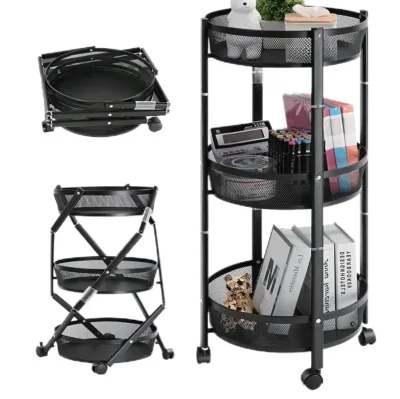
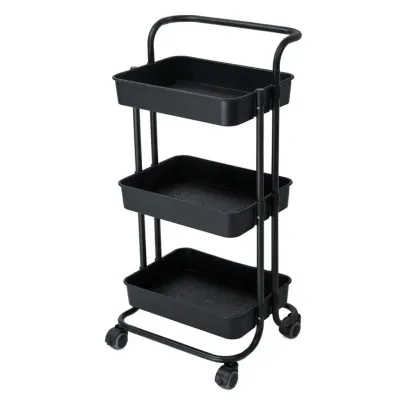
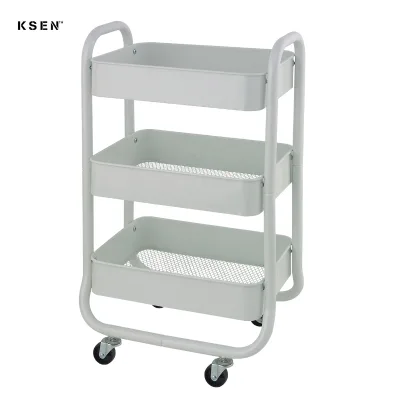
Northern European Style Kitchen Storage Trolley 3 Layers Movable Wheels
$16.60 - $16.80
MOQ: 200 Pieces

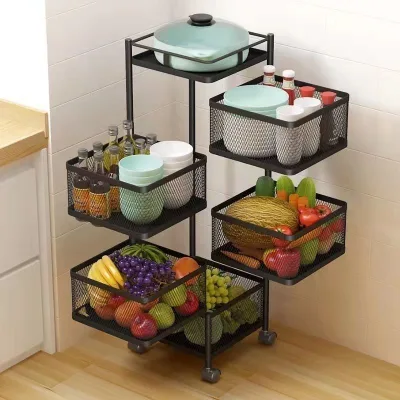
Multi-Layer Rotatable Storage Cart Vegetable Shelf Kitchen Rotating Storage Rack
$12.90 - $18.90
MOQ: 500 Pieces


Tongling Dingyan Import and Export Trading Co., Ltd.
- Trading Company
- China Anhui
- Lead time0 days
- Avg. response≤ 1h
Main productsOutdoor Fryer & Burners, Turkey Fryer, Seafood Pot Kit, Burners
Luoyang Shield Office Furniture Co., Ltd.
- Verified by Intertek
- Manufacturer, Trading Company
- Lead time20 days
- Avg. response≤ 2h
Main productsSafe Box, File Cabinet, Secure Locker, Gun Safe Cabinet, Vault Door
Main marketsNorth America(30%), Southeast Asia(20%), South America(15%)
Changchun Walter Storage Equipment Co., Ltd.
- Verified by Intertek
- Trading Company
- Lead time15 days
- Avg. response≤ 2h
Main productsTool Cabinet, Tool Cart, Racking, Plastic Box, Container House

Jiashan Vega Display Co., Ltd.
- Verified by SGS
- Trading Company
- China Zhejiang
- Lead time15 days
- Avg. response≤ 2h
Main productsData Strip, Plastic Divider, Candy Box, Plastic Pusher, Gravity Bin, Acrylic Table Holder, Sign Holder, Shelf Pusher, Label Tag, Food Dispenser
Main marketsSoutheast Asia/ Mideast

Dongguan Simply Metal Products Co., Ltd.
- Trading Company
- China Guangdong
- Lead time23 days
- Avg. response≤ 7h
Main productsWire Shelving, Wire Shelving Units, Shelving, Shelf, Wire Wall Shelf, Wire Rack Shelving, Wire Storage Racks, Wire Racks, Metal Wire Shelving, Wire Storage Shelves
Main marketsSouth America,Africa,Southeast Asia/ Mideast,Europe,Australia,North America


Multifunctional Trolley, Food Kitchen Service Trolley, Suitable for Restaurant 3-Tier, Gray
$35.00 - $36.00
MOQ: 50 Pieces
Fujian Newmark Industrial Co., Ltd.
- Verified by TüVRheinland
- Manufacturer, Trading Company
- Lead time60 days
- Avg. response≤ 2h
Main productsBathroom Cabinet, Living Room Cabinet, Wooden Garden Shed
Main marketsWestern Europe(55%), North America(34%), Domestic Market(11%)

Xuzhou Risen Industry and Supply Co., Ltd
- Verified by TUVRHEINLAND
- Trading Company
- China Jiangsu
- Lead time30 days
- Avg. response≤ 3h
Main productsHousehold Adornment, Household Supplies, Home Decoration, Compressed Sofa, Dining Furniture, Bothroom Organizer, Kitchen Storage, Glass Ornaments, Ceramic Tableware, Home Fragrance
Main marketsSouth America
Meizhou Meta San Metal Product Industries Co., Ltd.
- Verified by SGS Group
- Trading Company
- Lead time20 days
- Avg. response≤ 3h
Main productsKitchen Storage Rack, Bathroom Accessories, Metal Bracket, Buffet Stove, Garden Bicycle Shed
Main marketsNorth America(20%), Southeast Asia(15%), Eastern Europe(10%)

WELSHINE COMMERCIAL EQUIPMENT CO. LTD
- Verified by TUVRHEINLAND
- Combined
- China Guangdong
- Lead time60 days
- Avg. response≤ 2h
Main productsGn Pans, Storage Boxes, Storage Containers, Trays, Trolley, Glass Rack, Barrel, Tote Boxes, Bin, Jug
Main marketsDomestic


Kitchen Movable Storage Rolling Racks Storage Trolley Hand Push Shelf Trolley
$30.00 - $105.00
MOQ: 1 Pieces

Henan Welly Machinery Equipment Co., Ltd.
- Verified by SGS
- Trading Company,Manufacturer/Factory
- China Henan
- Lead time15 days
- Avg. response≤ 3h
Main productsFood Processing Machinery, Meat Processing Machinery, Vegetable and Fruits Processing Machinery, Snack Machinery, French Fries Production Line, Frying Machine, Meat Tumbler Machine, Potato Chips Machine, Patty Maker Hamburger Patty Machine, Vegetable Washing Machine
Main marketsSouth America,Eastern Europe,Mid East,North America,Southeast Asia,Eastern Asia,Oceania,Western Europe,Africa

Convenience Steel Kitchen Cart Steel Kitchen Trolley with Wheels Steel Kitchen Bin
$290.00 - $320.00
MOQ: 10 Pieces

$290.00 - $320.00
MOQ: 10 Pieces

$290.00 - $320.00
MOQ: 10 Pieces
Huachuang Wisdom Household Co., Ltd.
- Trading Company
- Lead time旺季: "1 - 500":25,"501 - 1000":30,"1001 - 3000":35,"> 3000":"To be negotiated", 淡季: "1 - 500":25,"501 - 1000":30,"1001 - 3000":35,"> 3000":"To be negotiated"
- Avg. response≤ 5h
Main productsBathroom rack,bathroom organizer,towel rack,coat rack
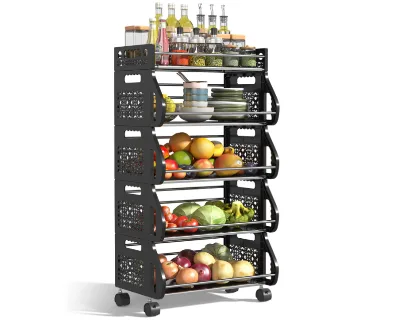
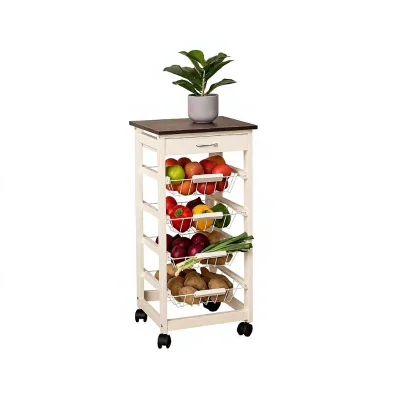
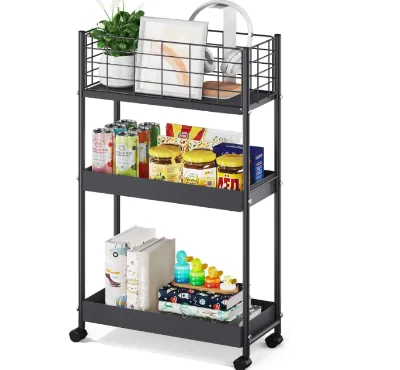
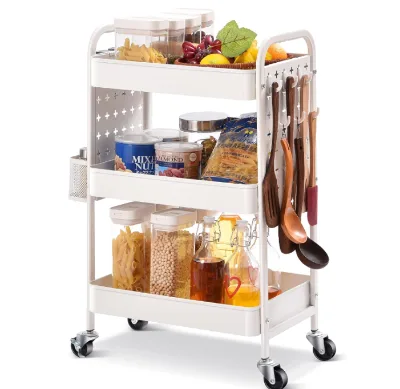
3-Tier Rolling Cart, Metal Utility Storage Cart
$3.20 - $3.90
Jiangmen AiYao Household Products Co.,Ltd
- Manufacturer, Trading Company
- Guangdong Province, China
- Lead time40 days
- Avg. response≤ 4h
Main productsDish Rack,Storage Rack,Metal Basket,Toilet Paper Holder,Shower Caddy
Main marketsNorth America(55.00%), Domestic Market(20.00%), Northern Europe(10.00%), Eastern Europe(5.00%), Southeast Asia(5.00%), Mid East(5.00%)
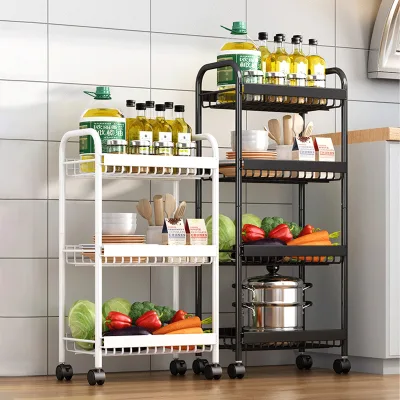
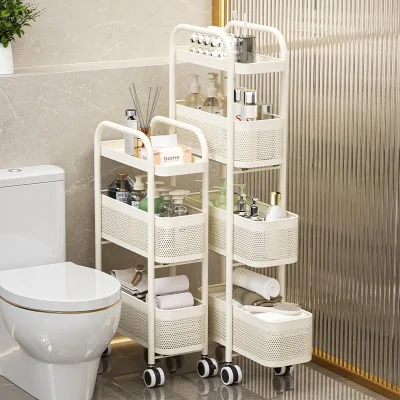
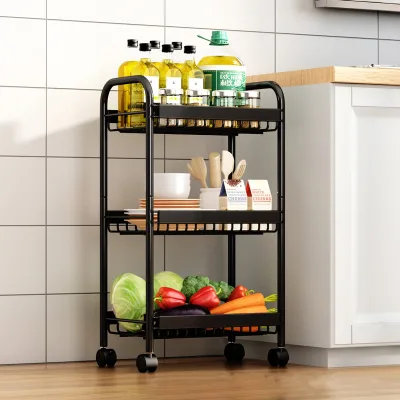
Kitchen Vegetable Trolley 3 Tiers Utility Rolling Cart Multi-purpose Steel Movable Storage Organizer
$6.1564 - $6.7725
MOQ: 20 pieces

Shangdong Boxing Changtai Environmental Protection Technology Co., Ltd.
- Verified by CTI
- Combined
- China Shandong
- Lead time15 days
- Avg. response≤ 3h
Main marketsSouth America,Southeast Asia/ Mideast,Domestic,Europe,North America

New 201/304 Changtai Kitchen Storage Rack Foldable Stainless Steel Trolley
$35.30 - $200.60
MOQ: 1 Pieces

with Armrest Unfolded Kitchen Organizer Industrial Transport and Storage Trolley
$61.20 - $125.30
MOQ: 1 Pieces

Low Price Stainless Steel Foldable Rack Cart Utility Baking Service Kitchen Trolley
$40.00 - $55.00
MOQ: 2 Pieces

Superior Trolley Stainless Steel Trolley, Excellent for Kitchen and Restaurant Use
$40.00 - $55.00
MOQ: 2 Pieces

Guangxi Huajiu Home Furnishing Co., Ltd.
- Manufacturer, Trading Company
- Guangxi, China
- Lead time15 days
- Avg. response≤ 4h
Main productsPortable Wardrobes,Shoe Racks,MDF Furniture,Storage Shelves,Flower Stands
Main marketsWestern Europe(25.00%), Southeast Asia(25.00%), North America(25.00%), Eastern Europe(5.00%), Eastern Asia(5.00%), South America(5.00%), Mid East(5.00%), Oceania(5.00%)
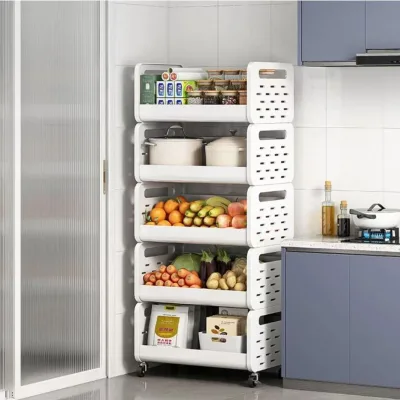
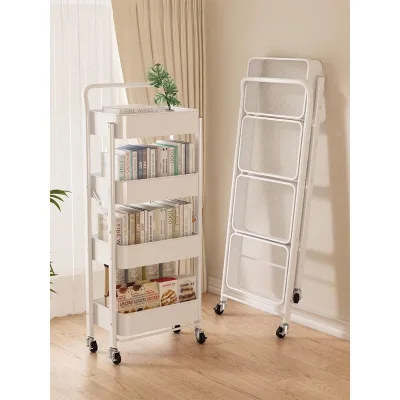
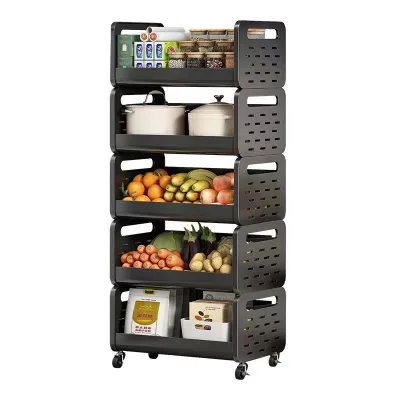
$12.9124 - $47.2755
MOQ: 500 Minimum
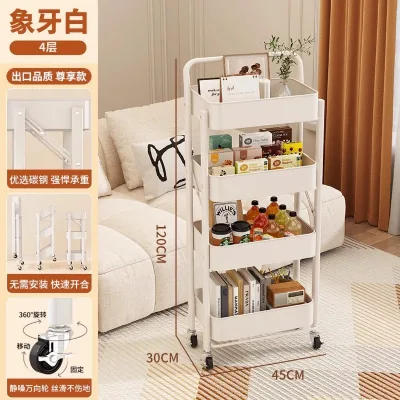

TAIAN TOPPOUND INTERNATIONAL TRADING CO., LTD.
- Verified by TUVRHEINLAND
- Combined
- China Shandong
- Lead time45 days
- Avg. response≤ 3h
Main productsChair, Side Table, Flower Planter Stand, Home Decoration, Candle Holders and Lantern, Shelves, Mirror, Planter Pot, Christmas Decoration, Natural Baskets and Storage
Main marketsSouth America,Europe,North America

Tianjin Shining International Trade Co., Ltd.
- Verified by SGS
- Trading Company,Manufacturer/Factory
- China Tianjin
- Lead time30 days
- Avg. response≤ 5h
Main productsStorage Rack&Shelving, Drying Rack, Utility Cart, Dish Rack, Coffee Table, Hotel Chairs&Tables, Church Chairs, Office Chairs
Main marketsSouth America,Eastern Europe,Mid East,Southeast Asia,Eastern Asia,Oceania,Western Europe,Africa


Metal Wire Organizer Kitchen Trolley Rack Storage Rack on Wheels Holders Cart
$8.90 - $9.90
MOQ: 200 pieces
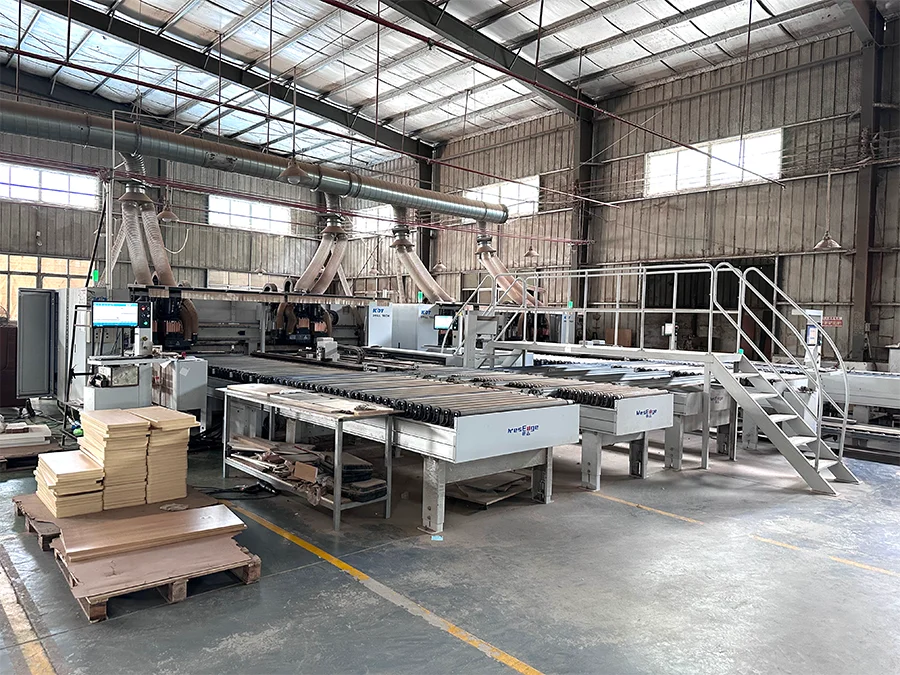
Jiangmen Guoli Smart Home Co., Ltd.
- Trading Company
- Guangdong, China
- Lead time45 days
- Avg. response≤ 1h
Main productsTissue holder,Living rack,Multifunctional Storage,Kitchen rack,Drying rack
Main marketsDomestic Market(50.00%), North America(30.00%), Western Europe(15.00%), Eastern Europe(3.00%), Southeast Asia(1.00%), Mid East(1.00%)

Zhongshan Changsheng Metal Products Co., Ltd.
- Verified by TUVRHEINLAND
- Combined
- China Guangdong
- Lead time30 days
- Avg. response≤ 5h
Main productsWire Shelving, Kitchen Trolley, Metal Rack, Display Shelf, Storage Rack, Garment Rack, Kitchen Rack, Dish Rack, Utility Cart, Bathroom Shelf
Main marketsSouth America,Africa,Southeast Asia/ Mideast,East Asia(Japan/ South Korea),Domestic,Europe,Australia,North America

Popular 3 Tier Adjustable Slide Shelves Chrome Steel Kitchen Storage Trolley
$25.00 - $30.00
MOQ: 50 Sets


Adjustable 3 Tiers Chrome Metal Kitchen Storage Cart Snack Rack Trolley with Wheels
$26.00 - $35.00
MOQ: 50 Sets

Mobile 4 Shelf DIY Chrome Metal Kitchen Pantry Pan and Pot Lid Storage Organizer Rack Trolley
$9.00 - $15.00
MOQ: 50 Sets

Multifunctional Kitchen Vegetable Storage Rack Multi-Layer Mobile Wire Basket Shelf Trolley
$25.00 - $30.00
MOQ: 50 Sets

Black Coated 3 Shelf Kitchen Vegetable Fruit Basket Storage Rack Trolley Cart
$30.00 - $40.00
MOQ: 100 Sets

Jinan Unic Industry Trade Co., Ltd
- Verified by SGS
- Trading Company
- China Shandong
- Lead time30 days
- Avg. response≤ 1h
Main productsSide Table, Coffee Table, Dressing Tabloe, Storage Basket, Storage Cart, Ottoman, Stool, Plant Stand
Main marketsEurope


$17.90 - $18.50
MOQ: 500 Pieces


Movable Storage Racks Multi-Tier Kitchen Trolley with Wheels for Bathroom Bedroom Snacks
$11.20 - $11.50
MOQ: 500 Pieces

Qingyuan Xingxiang Hardware Products Co., Ltd
- Verified by SGS
- Combined
- China Guangdong
- Lead time30 days
- Avg. response≤ 5h
Main productsShower Caddy Shelves, Hanging Hook, Coffee Pod Holder, Tissue Paper Towel Holder, Wire Storage Basket, Mutifunction Storage Rack, Cup Holder, Dish Drying Rack, Office Accessories, Watering Can
Main marketsEurope,North America

Chinese Supplier Metal Multifunctional Racks Rolling Cart Folding Utility Kitchen Storage Trolley
$7.85 - $8.50
MOQ: 200 Pieces

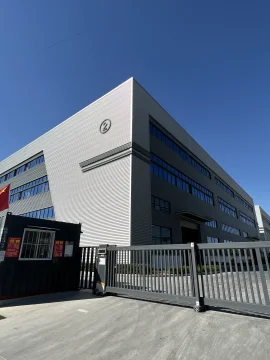
Luoyang Fukaixiang Furniture Co., Ltd.
- Manufacturer, Trading Company
- Henan, China
- Lead time20 days
- Avg. response≤ 1h
Main productsSteel Office Furniture,home furniture,File cabinet,Steel locker,Storage cabinet
Main marketsDomestic Market(80.00%), Africa(15.00%), Southeast Asia(3.00%), Mid East(2.00%)
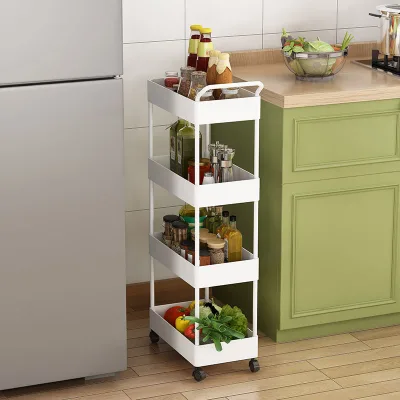
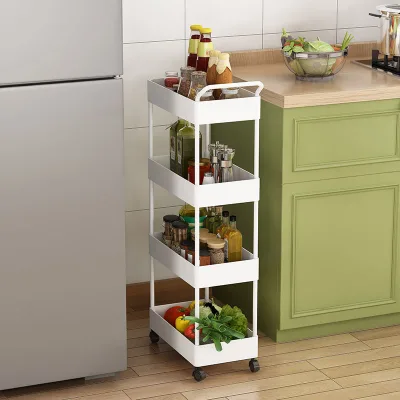
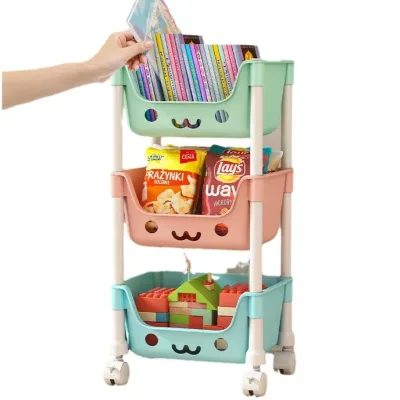
Multi-Layer Kitchen Organizer Trolley with Wheels Plastic for Storing Vegetables and Tableware
$4.3981 - $6.1249
MOQ: 20 pieces
Bazhou Yiyang Household Products Co., Ltd.
- Manufacturer, Trading Company
- Hebei, China
- Lead time15 days
- Avg. response≤ 2h
Main productsFlat Mop,Mop With Bucket,360 Spin Mop,Hands-free Mop,Spray Mop
Main marketsEastern Europe(30.00%), Southeast Asia(15.00%), Mid East(15.00%), South America(15.00%), Domestic Market(10.00%), Western Europe(10.00%), North America(5.00%)
Luoyang Fuluoshi Import And Export Co., Ltd.
- Verified by SGS Group
- Manufacturer, Trading Company
- Lead time15 days
- Avg. response≤ 3h
Main productsWheelie Bin Storage, Garden storage box, Parcel box/ mailbox, Bike shed, Raised garden bed
Main marketsWestern Europe(40%), North America(20%), Africa(10%)
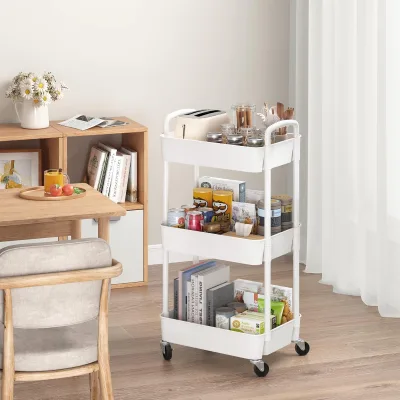
$14.0022 - $26.7691
MOQ: 100 pieces

Beijing Tianyuan Rongli Technology Co., Ltd.
- Verified by SGS
- Trading Company,Manufacturer/Factory
- China Beijing
- Lead time15 days
- Avg. response≤ 2h
Main productsMelamine Board, Chipboard, MDF, Solid Wood Pellet Board, Custom-Made Furniture, Dining Room Furniture, Living Room Furniture, Steel-Wood Furniture
Main marketsSouth America,Eastern Europe,Mid East,North America,Southeast Asia,Eastern Asia,Oceania,Western Europe,Africa

Versatile Stainless Steel Storage Rack Trolley for Kitchen and Living Room
$18.50 - $19.29
MOQ: 500 Pieces

Lu'an Huanrui Import & Export Co., Ltd.
- Trading Company
- Anhui, China
- Lead time5 days
- Avg. response≤ 1h
Main productsElectronic Signs,Advertising Light,Signage System,Metal illuminated letters,Acrylic illuminated signboard
Main marketsNorth America(25.00%), Domestic Market(20.00%), Western Europe(15.00%), Southeast Asia(15.00%), Mid East(10.00%), Northern Europe(10.00%), South America(5.00%)
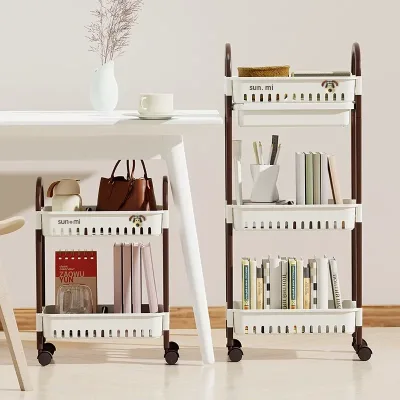
$20.6997 - $20.7417
MOQ: 1 Minimum
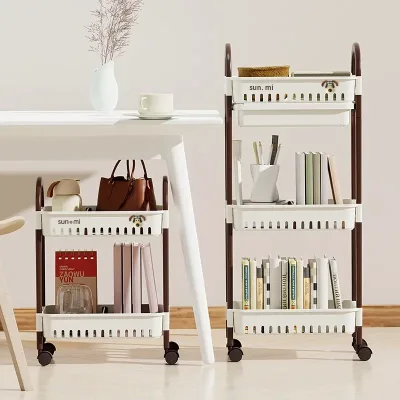
Mobile Storage Trolley With Wheels Multi-layer Rack for Kitchen Bathroom and Beauty Modern Design
$20.6427 - $20.6847
MOQ: 1 Minimum

Bazhou Meijia Household Products Technology Co., Ltd.
- Manufacturer, Trading Company
- Hebei, China
- Lead time30 days
- Avg. response≤ 12h
Main productsMulti-layer storage rack,Home furnishings,Outdoor goods,Hardware products,Plastic products
Main marketsSoutheast Asia(50.00%), North America(20.00%), Northern Europe(10.00%), Mid East(10.00%), Africa(10.00%)

Eagle Catering Equipment Co., Ltd.
- Manufacturer/Factory
- China Guangdong
- Lead time30 days
- Avg. response≤ 12h
Main productsTrolleys, Gastronorm Containers, Table, Shelves, Sink, Barrier Post, Cookware, Buffetware, Barware, Kitchen Utensils
Main marketsSouth America,Eastern Europe,Mid East,North America,Southeast Asia,Eastern Asia,Oceania,Western Europe,Africa
Jiangmen City Xinhui District Berlee Furniture Co., Limited
- Manufacturer
- Guangdong, China
- Lead time30 days
- Avg. response≤ 5h
Main productsShoes Rack, Metal Shelf, Garment Rack
Main marketsWestern Europe(20.00%), Southeast Asia(20.00%), North America(15.00%), Northern Europe(15.00%), Eastern Europe(15.00%), Southern Europe(7.00%), Mid East(3.00%), South America(1.00%), Oceania(1.00%), Eastern Asia(1.00%), Central America(1.00%), Africa(1.00%)
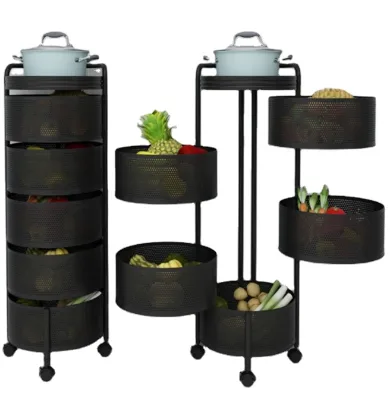
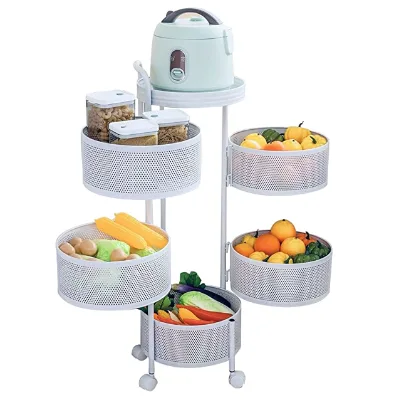
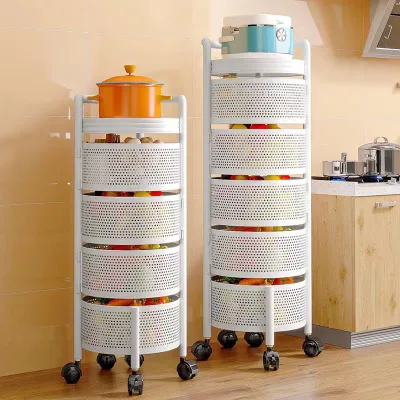
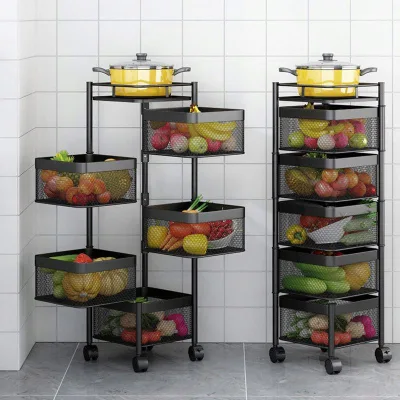
5 Layers Kitchen Multi-Layer Rotating Trolleys Living Fruit Vegetable Storage Rack
$29.00 - $30.00
MOQ: 500

- Trading Company,Manufacturer/Factory
- China Guangdong
- Lead time45 days
- Avg. response≤ 7h
Main productsStainless Steel Trolley, Mobile Trolley, Flatform Trolley, Bakery Trolley, Trash Bag Holder, Insulated Container, Stock Pot, Worktable, Kitchen Sink, Buffet
Main marketsSouth America,Eastern Europe,Mid East,North America,Southeast Asia,Eastern Asia,Oceania,Western Europe,Africa

- Verified by BV
- Trading Company,Manufacturer/Factory
- China Zhejiang
- Lead time23 days
- Avg. response≤ 5h
Main productsYoga Wear, Sports, Outdoor, Travel Gear, Kitchenwares, Homewares
Main marketsSouth America,Eastern Europe,Mid East,North America,Southeast Asia,Eastern Asia,Oceania,Western Europe,Africa
Xiamen Ksen Im& Ex Trading Co., Ltd.
- Verified by SGS Group
- Manufacturer, Trading Company
- Lead time30 days
- Avg. response≤ 3h
Main productsStep Ladder, Folding Table, Table and Chair Sets, Folding Chair, Shelves
Main marketsEastern Asia(46%), North America(25%), Southeast Asia(5%)


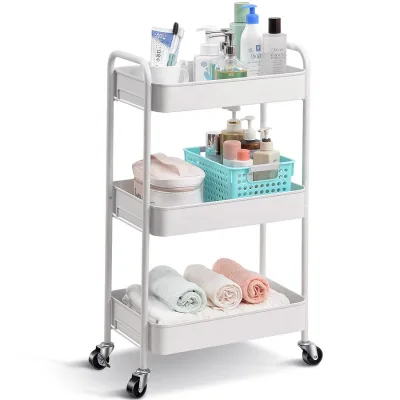
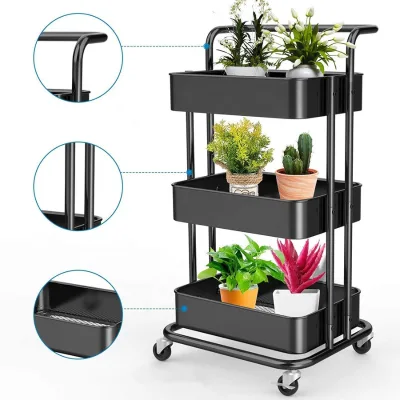
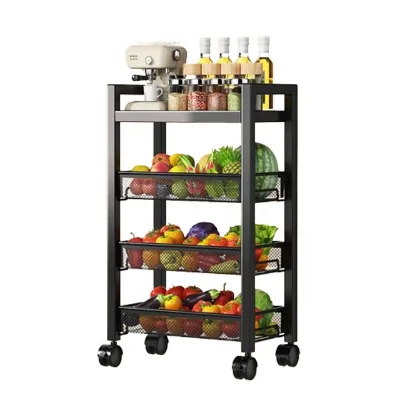




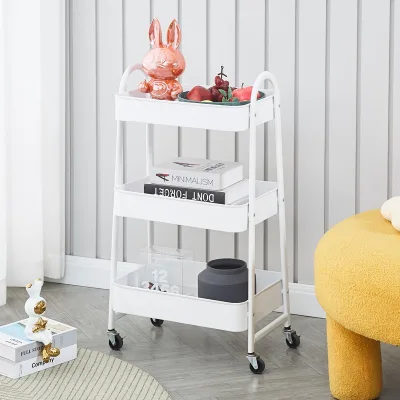
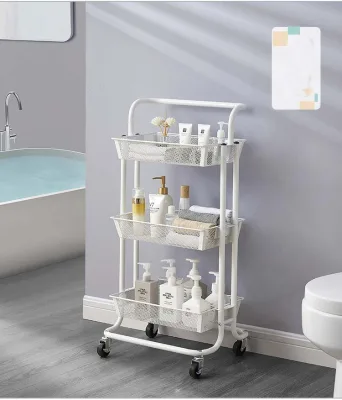


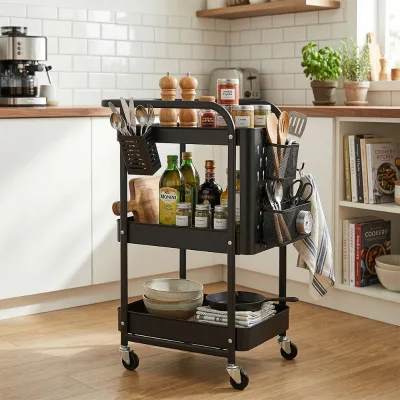
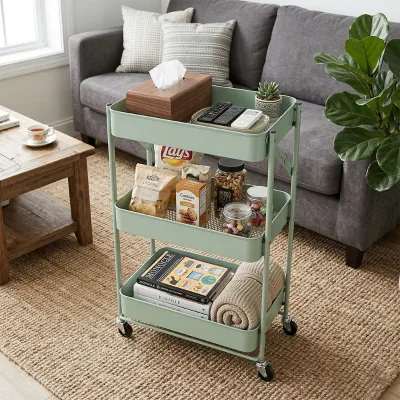


Comprehensive Sourcing Guide
Kitchen Storage Trolley Supplier Concentration and Factory Types
The current supplier landscape for kitchen storage trolleys is heavily concentrated in Guangdong, China, a region known for its robust manufacturing infrastructure and supply chain efficiency. This geographic clustering allows for rapid prototyping and scalable production, which is particularly beneficial for buyers seeking quick turnaround times on custom orders. When evaluating potential partners, it is crucial to distinguish between trading companies and actual factories, as this distinction significantly impacts pricing flexibility, communication speed, and quality control capabilities. Trading companies often serve as intermediaries that aggregate products from multiple smaller workshops, offering a wider variety of designs but potentially adding layers of cost and communication delay. In contrast, direct manufacturers typically have more control over the production process, ensuring consistent quality and potentially lower unit prices for larger volume orders. Buyers should carefully review the company type listed in supplier profiles to understand the nature of the business relationship they are entering.
Understanding the specific product focus of each supplier is equally important when assessing their suitability for your sourcing needs. Many suppliers in this category specialize in a broad range of home organization products, including waste bins, toilet brushes, and food dehydrators, alongside kitchen storage trolleys. This diversification can be advantageous if you are looking for a one-stop shop for multiple home goods, as it simplifies logistics and consolidates shipping costs. However, it may also indicate that the supplier is primarily a trading entity rather than a specialized manufacturer of storage solutions. For buyers requiring highly specialized engineering or unique material compositions, such as specific stainless steel grades or advanced plastic formulations, verifying the supplier’s core competencies is essential. Suppliers with a strong focus on storage racks and shelving units may offer deeper expertise in structural integrity and durability, which are critical factors for trolleys that must support significant weight and withstand frequent movement.
How to Verify Kitchen Storage Trolley Suppliers
Verification is a critical step in mitigating risk when sourcing from international suppliers, particularly when dealing with trading companies that may not have direct oversight of the manufacturing process. One of the primary indicators of supplier reliability is the presence of third-party verification badges, such as BV (Bureau Veritas) certification. These badges indicate that an independent agency has audited the supplier’s business operations, providing a layer of assurance regarding their legitimacy and operational capacity. Buyers should prioritize suppliers who display such verification marks, as they have undergone rigorous checks that reduce the likelihood of fraud or misrepresentation. Additionally, examining the supplier’s response time can offer insights into their operational efficiency and customer service quality. A response time of approximately 3.75 hours suggests a responsive team that is likely to address inquiries and resolve issues promptly, which is vital for maintaining smooth communication throughout the sourcing process.
Beyond verification badges and response metrics, buyers should scrutinize the certifications and standards claimed by the supplier for their products. Product-level certifications, such as BSCI, ISO, and SGS, indicate compliance with international social, environmental, and quality standards. These certifications are particularly important for buyers in regulated markets where product safety and ethical manufacturing practices are mandatory. For instance, BSCI certification ensures that the supplier adheres to strict labor standards, while ISO certification reflects a commitment to quality management systems. Buyers should request copies of these certificates to verify their validity and expiration dates. Furthermore, checking the supplier’s establishment year can provide context regarding their experience and stability in the market. While specific establishment years may not always be prominently displayed, older suppliers often have more refined processes and a track record of reliability. Combining these verification methods helps buyers build a comprehensive profile of each potential partner, ensuring they select suppliers who meet their quality and compliance requirements.
What to Compare Across Kitchen Storage Trolley Suppliers
When comparing suppliers, lead time and minimum order quantity (MOQ) are two of the most significant operational factors that can impact your supply chain efficiency and cash flow. Current data indicates that lead times for kitchen storage trolleys can range up to 30 days, which is a standard timeframe for manufacturing and shipping from China. However, buyers should also consider sample times, which can vary from 7 to 14 days, depending on the complexity of the product and the supplier’s current workload. A shorter sample time can accelerate the product development cycle, allowing for quicker iterations and faster time-to-market. Similarly, MOQs can vary significantly, with some suppliers requiring as few as 200 units while others demand 1000 or more. Lower MOQs are beneficial for startups or buyers testing new markets, as they reduce initial inventory risk. In contrast, higher MOQs often correlate with lower unit prices, offering economies of scale for established businesses with consistent demand.
Price and customization options are also key differentiators when evaluating suppliers. The price range for kitchen storage trolleys can vary based on materials, design complexity, and order volume. For example, basic plastic models may start at lower price points, while stainless steel or multi-tier metal trolleys command higher prices due to material costs and manufacturing intricacies. Buyers should compare not just the unit price but also the total landed cost, including shipping and tariffs. Customization availability is another critical factor, as many suppliers offer options for custom colors, logos, or structural modifications. This flexibility can help buyers differentiate their products in a competitive market. However, customization often comes with higher MOQs and longer lead times, so buyers must balance their desire for unique products with their operational constraints. By carefully comparing these dimensions, buyers can identify suppliers that offer the best value proposition for their specific business needs.
Common Kitchen Storage Trolley Sourcing Risks
One of the primary risks in sourcing kitchen storage trolleys is the discrepancy between product samples and bulk production quality. Suppliers may provide high-quality samples that do not reflect the standards of the final mass-produced items, leading to customer dissatisfaction and potential returns. This risk is particularly prevalent when dealing with trading companies that may source from multiple factories with varying quality control standards. To mitigate this, buyers should implement strict quality assurance protocols, including third-party inspections before shipment. Additionally, clear communication of specifications and expectations is essential to ensure that the supplier understands the required quality levels. Buyers should also be wary of suppliers who offer prices that seem too good to be true, as this may indicate the use of inferior materials or substandard manufacturing processes.
Another significant risk is the potential for delays in production and shipping, which can disrupt supply chains and lead to stockouts. Factors such as raw material shortages, labor issues, or logistical bottlenecks can contribute to these delays. Buyers should maintain open communication with their suppliers to stay informed about production progress and potential issues. It is also advisable to build buffer time into your inventory planning to account for unexpected delays. Furthermore, buyers should be cautious of suppliers who do not provide clear information about their production capacity or lead times. Lack of transparency can be a red flag indicating potential operational inefficiencies or hidden costs. By proactively identifying and addressing these risks, buyers can protect their business interests and ensure a smoother sourcing experience.
Kitchen Storage Trolley Regional Sourcing and Logistics
Sourcing kitchen storage trolleys from Guangdong, China, offers logistical advantages due to the region’s well-developed infrastructure and proximity to major shipping ports. This geographic location facilitates efficient transportation of goods to international markets, reducing transit times and shipping costs. Buyers should consider the impact of regional logistics on their overall supply chain strategy, including the availability of freight forwarders and customs brokerage services. Efficient logistics can help minimize lead times and ensure timely delivery of products to customers. Additionally, buyers should be aware of the specific packaging requirements for kitchen storage trolleys, as improper packaging can lead to damage during transit. Suppliers often provide detailed packaging specifications, such as using brown boxes or white boxes, to protect the products during shipping.
Shipping methods and costs are also critical considerations when sourcing from this region. Buyers can choose from various shipping options, including sea freight, air freight, and express courier services, each with different cost and time implications. Sea freight is typically the most cost-effective option for large volume orders, while air freight is faster but more expensive. Express courier services are suitable for small samples or urgent orders. Buyers should work with their suppliers to determine the most appropriate shipping method based on their budget and timeline requirements. Additionally, buyers should be aware of any import duties and taxes that may apply in their destination country, as these costs can impact the total landed cost of the products. By carefully planning logistics and shipping strategies, buyers can optimize their supply chain and reduce overall costs.
Kitchen Storage Trolley Commercial Terms and Order Planning
Understanding the commercial terms and order planning processes is essential for successful sourcing of kitchen storage trolleys. Buyers should clearly define their order quantities, delivery schedules, and payment terms before finalizing agreements with suppliers. Common payment terms include a deposit followed by the balance upon shipment, or letters of credit for larger transactions. Buyers should negotiate terms that protect their interests while remaining fair to the supplier. Additionally, buyers should consider the warranty and after-sales support provided by the supplier, as this can impact customer satisfaction and brand reputation. A warranty of one year, for example, provides assurance regarding product durability and quality. Buyers should also plan for potential returns or exchanges, establishing clear procedures for handling defective products.
Order planning should also account for seasonal demand fluctuations and market trends. Kitchen storage trolleys may experience increased demand during specific periods, such as holiday seasons or home renovation trends. Buyers should forecast demand accurately to avoid stockouts or excess inventory. Working closely with suppliers to align production schedules with demand forecasts can help optimize inventory levels and reduce holding costs. Additionally, buyers should consider the potential for product variations and updates, as suppliers may introduce new designs or features over time. Staying informed about these changes can help buyers remain competitive and meet evolving customer preferences. By carefully managing commercial terms and order planning, buyers can build a resilient and efficient supply chain that supports their business growth.
FAQs
What is the price range for kitchen storage trolleys?
Prices typically range from $8.20 to $18.90 per unit. The final cost depends on material, such as plastic or stainless steel, and the number of tiers. Buyers should check specific product listings for exact pricing based on their chosen model and customization requirements.
What is the minimum order quantity for these trolleys?
MOQs vary by supplier, generally ranging from 200 to 1000 units. Some suppliers require a minimum of 300 or 500 pieces. Buyers must verify the specific MOQ for each product listing to ensure it aligns with their procurement volume and budget constraints.
Where are these kitchen storage trolleys manufactured?
These products are primarily manufactured in Guangdong, China. Suppliers in this region offer various materials including metal, plastic, and stainless steel. Buyers should confirm the specific origin and production capabilities of the supplier to ensure quality standards and logistical efficiency for their orders.
What certifications do these storage trolleys have?
Products may carry BSCI, ISO, or SGS certifications. Some listings indicate BSCI/SGS compliance for specific models. Buyers should verify the exact certification status for each product, as system certifications for the company itself may not be listed, requiring direct confirmation from the supplier.
How long does production take for these trolleys?
Standard lead times are approximately 30 days. Sample times can range from 7 to 14 days. Buyers should confirm the exact production schedule with the supplier, as lead times may vary based on order volume, customization needs, and current factory capacity.
What materials are used for kitchen storage trolleys?
Common materials include metal, stainless steel, and plastic. Options range from simple plastic designs to European-style stainless steel units. Buyers should select materials based on durability needs, aesthetic preferences, and intended usage, such as kitchen or bathroom storage, to ensure suitability.