Modern Iron Storage Bed Frame Suppliers and Manufacturers
Compare 28 verified Modern Iron Storage Bed Frame suppliers by lead time, response time, and certifications like BS 7177 and FSC. Review MOQs starting at 50 sets and prices from $30 to $60 before requesting quotes; review the available evidence before requesting comparable quotations from suitable candidates.
Updated
Suppliers List
Langfang Liu Tai Furniture Co., Ltd.
- Verified by TüVRheinland
- Manufacturer, Trading Company
- Lead time30 days
- Avg. response≤ 6h
Main productsMetal Bed, Fabric Bed, Mattress, Nightstands, Sofa Bed
Main marketsWestern Europe(71%), South America(5%), Eastern Europe(5%)
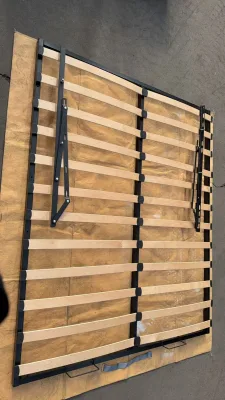
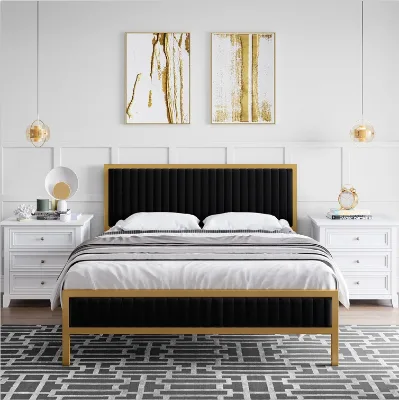
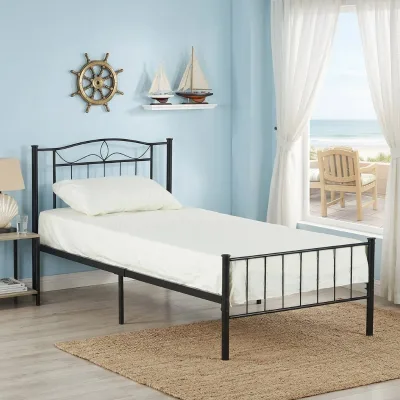
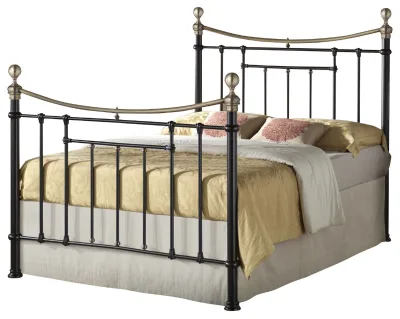
Black Modern Design Wrought Iron Single Metal Bed Frame
$59.00 - $60.00
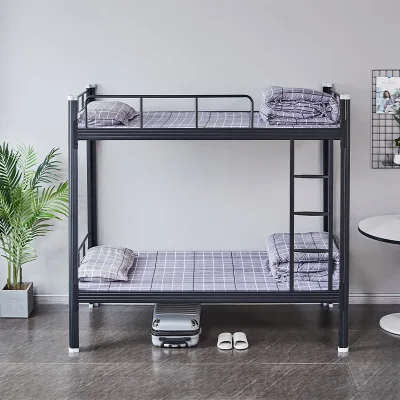
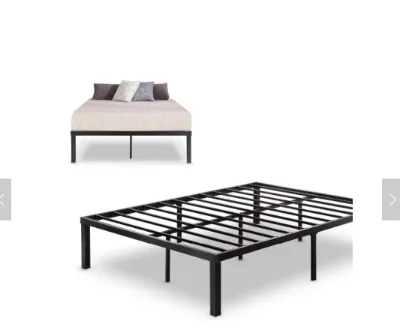

Zhangzhou Yijiaxing Furniture Co., Ltd.
- Verified by BV
- Combined
- China Fujian
- Lead time45 days
- Avg. response≤ 2h
Main marketsAfrica,Europe,North America
Ganzhou Olive King Furniture Co., Ltd.
- Manufacturer, Trading Company
- jiangxi, China
- Lead time30 days
- Avg. response≤ 2h
Main productsBed, Sofa, Coffee Table And TV Stand, Dining Table And Chair, Custom Furniture
Main marketsDomestic Market(100.00%)

Xiamen Guangfuxin Industrial Co., Ltd.
- Verified by TUVRHEINLAND
- Combined
- China Fujian
- Lead time30 days
- Avg. response≤ 17h
Main productsDisplay Rack, Metal Bed Frame, Coffee Desk, TV Stand, Drawer Cabinet, Office Desk
Main marketsDomestic

Classic Design Simple Iron Metal Bed Bedroom Furniture Hotel Bed Frame
$106.15 - $111.45
MOQ: 100 Pieces


Xiamen Haoxiang furniture MFG. Co.Ltd
- Verified by TüVRheinland
- Manufacturer, Trading Company
- Lead time40 days
- Avg. response≤ 9h
Main productsMetal Bed, Up Holstered Bed, Adjustable Bed, Headboard
Main marketsNorth America(20%), Oceania(20%), Western Europe(20%)
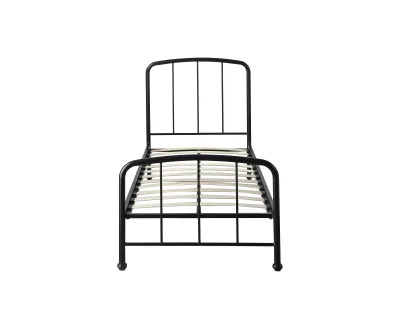
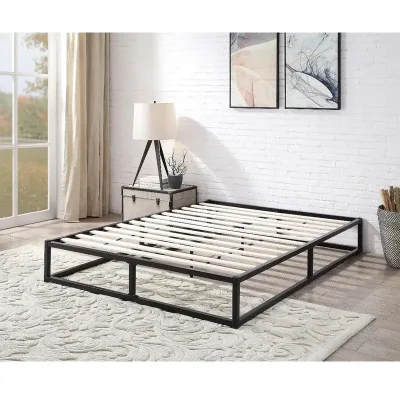
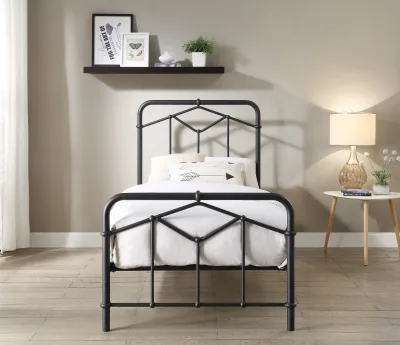
Modern Style Simple Metal Bed Frame for Bedroom Hotel School Home Apartment
$56.4314 - $66.6905
MOQ: 50 sets

Suzhou Xinyue Furniture Accessories Co., Ltd.
- Verified by TUVRHEINLAND
- Combined
- China Anhui
- Lead time23 days
- Avg. response≤ 2h
Main productsBed Frame, Metal Bed Frame, Storage Bed
Main marketsDomestic,Europe,North America


Queen Size Metal Bed Frame with Vintage Headboard Bedroom Iron Bed Base
$17.90 - $19.50
MOQ: 100 pieces

Durable Simple Design Storage Space Iron Bed Frame with Solid Wood Bedside
$20.80 - $28.57
MOQ: 10 piece


Vintage Iron Bed Sturdy Steel Frame for Stable Support in Bedroom Furniture Use
$50.80 - $58.80
MOQ: 200 Pieces
Xiamen Erda Metal Products Co., Ltd.
- Verified by TüVRheinland
- Manufacturer, Trading Company
- Lead time35 days
- Avg. response≤ 5h
Main productsDisplay Rack, Bunk Bed, Laundry Cart, Shepherd Hook, Flower Shelf
Main marketsWestern Europe(40%), North America(30%), Northern Europe(20%)
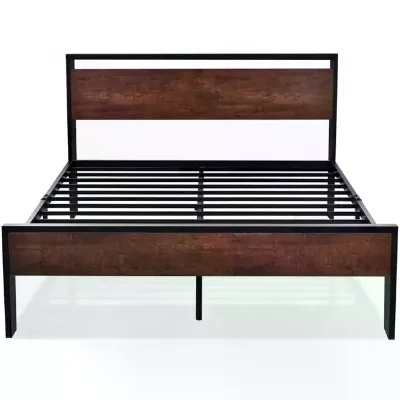
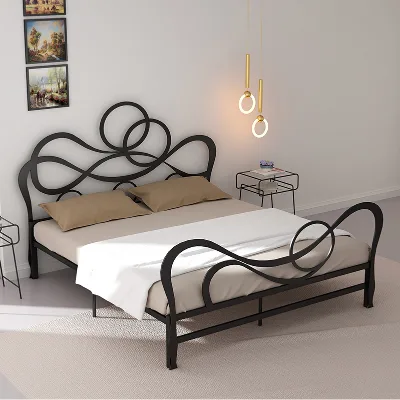
Modern Bedroom Furniture Gold Frame Soft Bed
$166.00 - $170.00
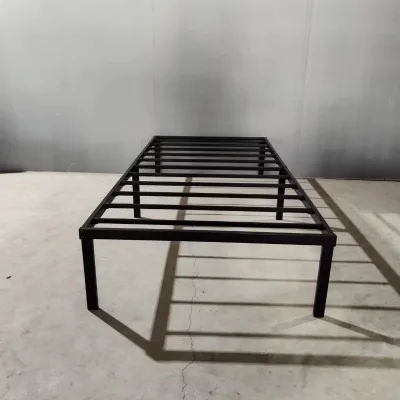
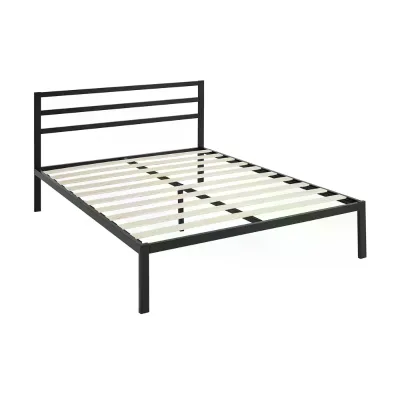
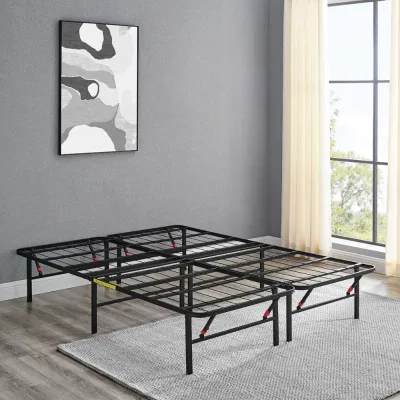
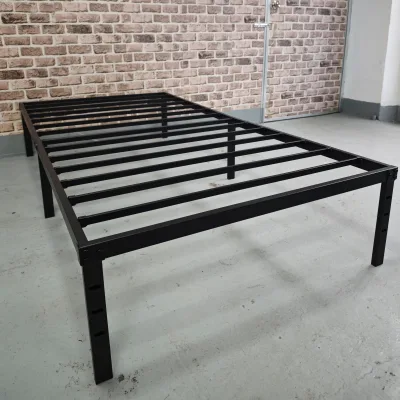
$30.8015 - $35.9355
MOQ: 500 pieces
Liuzhou Leken Furniture Co., Ltd.
- Trading Company
- Guangxi, China
- Lead time45 days
- Avg. response≤ 4h
Main productsCustom Hotel Furniture,Office chair,Conference tables,Conference chair,sofa
Main marketsMid East(15.00%), Southeast Asia(15.00%), Central America(15.00%), South Asia(15.00%), North America(15.00%), Eastern Asia(5.00%), Africa(5.00%), South America(5.00%), Domestic Market(3.00%), Northern Europe(3.00%), Eastern Europe(1.00%), Oceania(1.00%), Southern Europe(1.00%), Western Europe(1.00%)
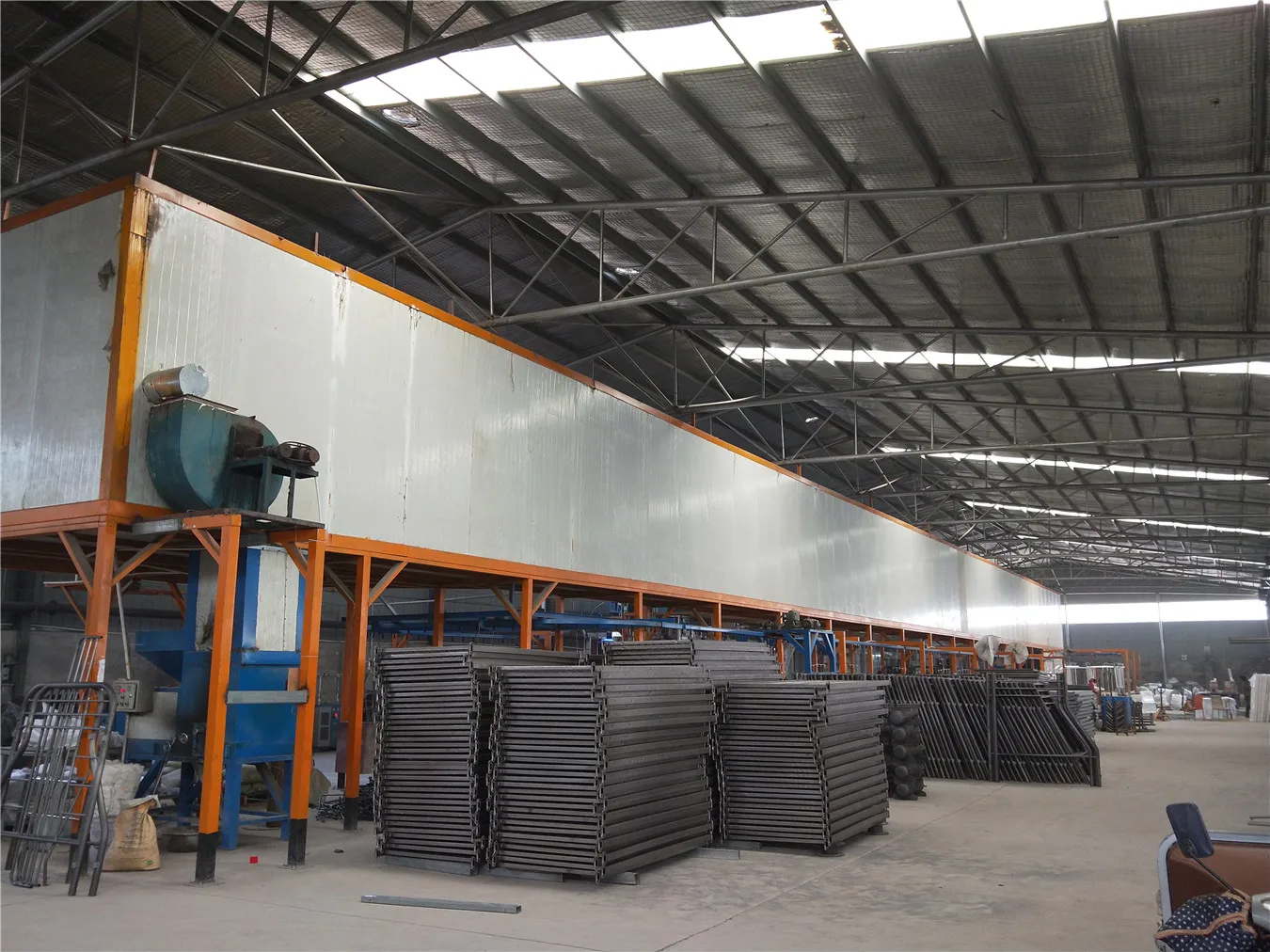
Bazhou Hongkunmeisi Furniture Co., Ltd.
- Manufacturer, Trading Company
- Hebei, China
- Lead time35 days
- Avg. response≤ 4h
Main productsBunk Bed/Wall Bed/Upholstered Bed
Main marketsWestern Europe(20.00%), Eastern Europe(15.00%), Mid East(10.00%), Southern Europe(10.00%), North America(10.00%), Northern Europe(10.00%), South America(10.00%), Eastern Asia(5.00%), Oceania(5.00%), Southeast Asia(5.00%)
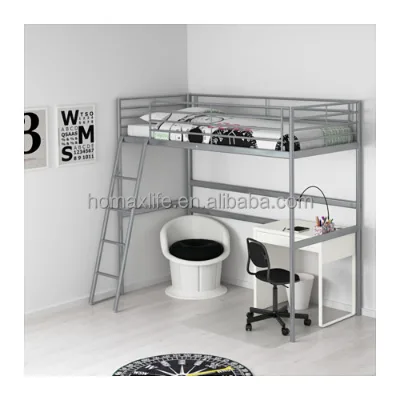
Modern Design Loft Bed Frame for Bedroom Application
$35.00 - $85.00
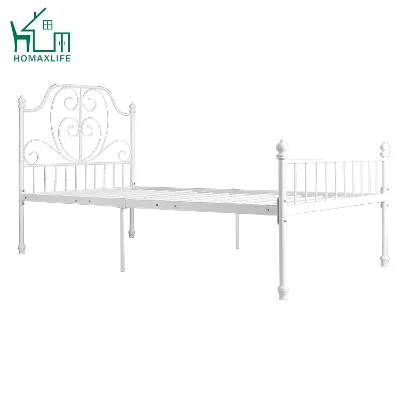
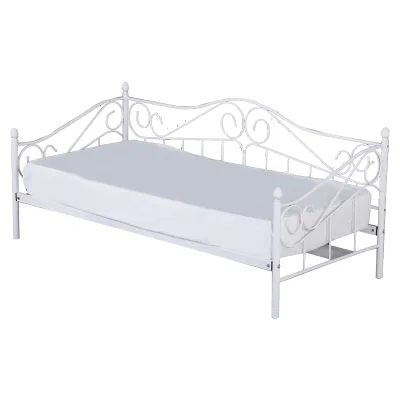
Metal Platform Bed Frame With Storage Space Full Size Bed Frame New Simple Iron Bed
$37.50 - $72.40
MOQ: 100 pieces
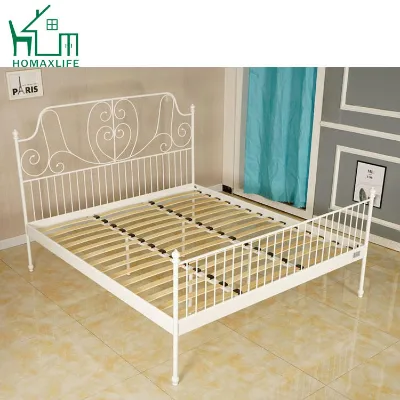
$41.5238 - $67.476
MOQ: 100 pieces
Langfang Dijin Trading Co., Ltd.
- Trading Company
- Hebei, China
- Lead time45 days
- Avg. response≤ 5h
Main productsbed,table,chair,sofa,dresser
Main marketsWestern Europe(41.00%), North America(29.00%), Eastern Europe(14.00%), Oceania(7.00%), Southeast Asia(5.00%), Northern Europe(2.00%), South America(2.00%)

Foshan Anjia Furniture Co., Ltd
- Verified by CTI
- Combined
- China Guangdong
- Lead time15 days
- Avg. response≤ 3h
Main productsSofa, Bed, Lounge Chair, Dining Set, Mattress, Table, Cabinet
Main marketsAfrica,Southeast Asia/ Mideast,Domestic,Europe,Australia,North America
Zhangzhou Haiyang Furniture Co., Ltd.
- Manufacturer, Trading Company
- Lead time旺季: "1 - 100":30,"> 100":"To be negotiated", 淡季: "1 - 100":30,"> 100":"To be negotiated"
- Avg. response≤ 5h
Main productsCoffee Table, Dining Table and Chairs Set, Bed, Bed Side Table, Kitchen Trolley
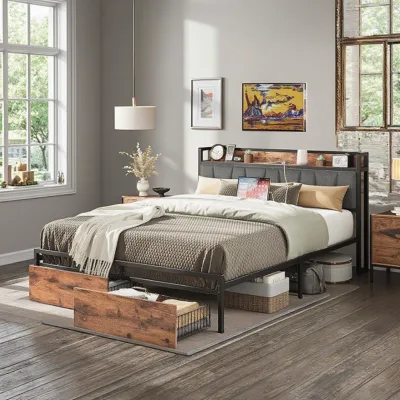
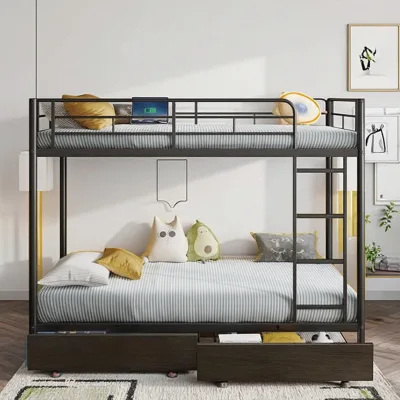
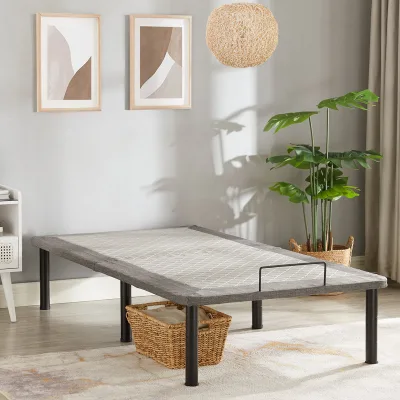
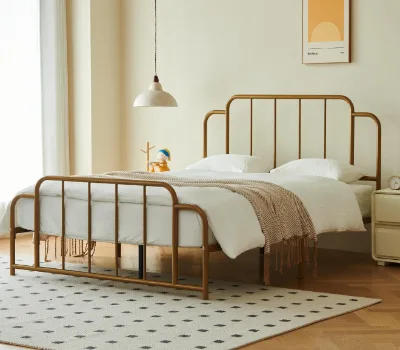
Hot Sale Gray Upholstered Mesh Folding Steel Platform Bed Frame
$35.8861 - $56.3924
Foshan Luotu Furniture Co., Ltd.
- Manufacturer, Trading Company
- Guangdong, China
- Lead time20 days
- Avg. response≤ 5h
Main productsDining Room Furniture, Living Room Furniture, Bedroom Furniture, Hotel Furniture, Salon Furniture
Main marketsNorth America(40.00%), Oceania(10.00%), Mid East(10.00%), Southeast Asia(10.00%), Western Europe(8.00%), Eastern Asia(8.00%), Eastern Europe(6.00%), Southern Europe(3.00%), Northern Europe(3.00%), Africa(2.00%)
Changsha Dengdu E-commerce Co., Ltd.
- Trading Company
- Hunan, China
- Lead time0 days
- Avg. response≤ 2h
Main productslighting
Main marketsNorth America(51.00%), Northern Europe(49.00%)
Foshan Nanhai Xiqiao Aoxuan Hardware Products Factory
- Manufacturer
- Guangdong, China
- Lead time25 days
- Avg. response≤ 16h
Main productsBed frame,Furniture Hardware,electric adjustable bed,pneumatic frame
Main marketsWestern Europe(50.00%), Domestic Market(40.00%), North America(4.00%), Southeast Asia(3.00%), Mid East(2.00%), South America(1.00%)

FOSHAN RUI XUN SHENG FURNITURE CO., LTD
- Verified by TUVRHEINLAND
- Combined
- China Guangdong
- Lead time30 days
- Avg. response≤ 12h
Main productsBedroom Furniture, Bed, Home Furniture, Project Furniture, OEM Furniture, Hotel Apartment Furniture, Living Room Furniture, Sofa Set, Dining Room Furniture, TV Cabinet TV Wall Units TV Stand
Main marketsAfrica,Southeast Asia/ Mideast,North America
Xiamen Home-Smart Imp&Exp Co., Ltd.
- Manufacturer, Trading Company
- Fujian, China
- Lead time35 days
- Avg. response≤ 4h
Main productsBeds,Dining table and chair
Main marketsNorth America(26.00%), South America(25.00%), Oceania(13.00%), Central America(10.00%), Southern Europe(6.00%), Western Europe(6.00%), Northern Europe(6.00%), Domestic Market(2.00%), South Asia(2.00%), Southeast Asia(2.00%), Mid East(2.00%)
Jiangxi Meida Education Equipment Group Co., Ltd.
- Verified by Intertek
- Manufacturer, Trading Company
- Jiangxi Province, China
- Lead time0 days
- Avg. response≤ 2h
Main productsSchool Furniture, Office Furniture, Custom Furniture
Main marketsDomestic Market(100%)
Caoxian Dianshang Furniture Co., Ltd.
- Verified by SGS Group
- Manufacturer, Trading Company
- Lead time30 days
- Avg. response≤ 2h
Main productsBed Frame, Bunk Bed, Bed Slat, Wooden Shelf, Kid's Bed
Main marketsEastern Asia(30%), Domestic Market(20%), Oceania(15%)
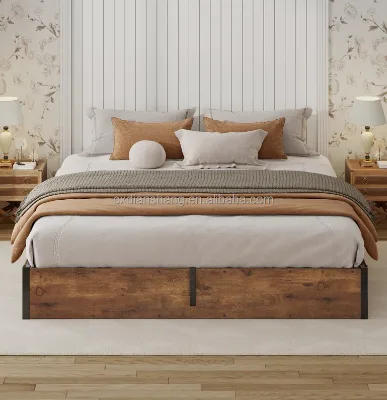
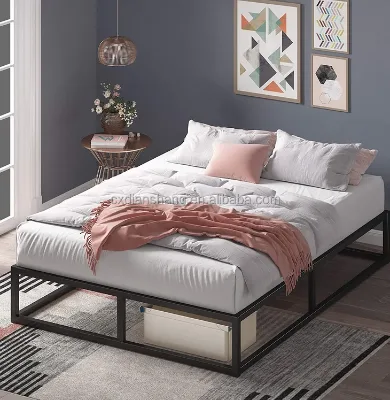
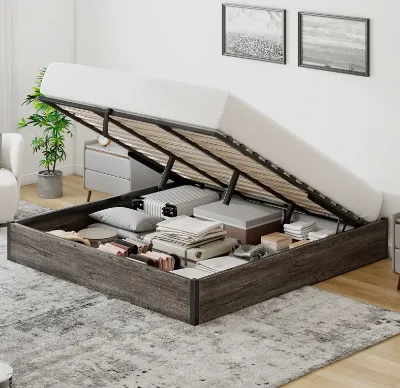
$81.4227 - $86.6422
MOQ: 100 pieces
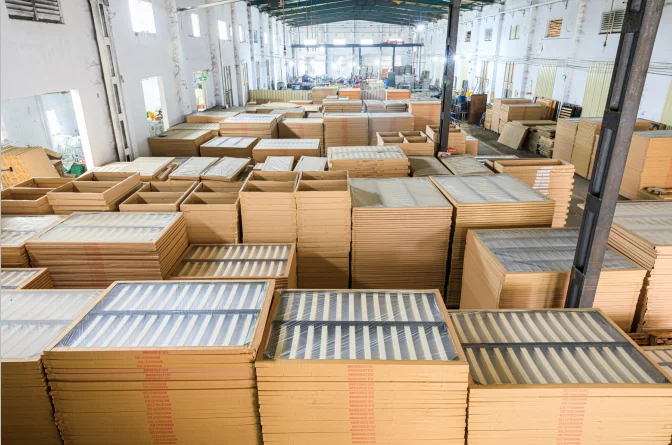
Foshan Nanhai Xiqiao Juao Hardware Products Factory
- Manufacturer
- Guangdong, China
- Lead time30 days
- Avg. response≤ 6h
Main productsbed frame,folding bed frame,hardware products,wall bed mechanism,murphy bed mechanism
Main marketsWestern Europe(43.00%), Southeast Asia(24.00%), Domestic Market(10.00%), South America(5.00%), North America(5.00%), Mid East(5.00%), South Asia(1.00%), Oceania(1.00%), Africa(1.00%), Southern Europe(1.00%), Northern Europe(1.00%), Central America(1.00%), Eastern Asia(1.00%), Eastern Europe(1.00%)

Suzhou Xinyue Furniture Accessories Co., Ltd.
- Manufacturer, Trading Company
- Anhui, China
- Lead time20 days
- Avg. response≤ 1h
Main productsMetal Bed Frame, Furniture Accessories, Furniture Bracket
Main marketsSouthern Europe(30.00%), Northern Europe(10.00%), Southeast Asia(10.00%), South Asia(10.00%), Eastern Europe(10.00%), North America(10.00%), South America(10.00%), Central America(5.00%), Eastern Asia(5.00%)
Foshan Metalway Hardware Co., Ltd.
- Manufacturer, Trading Company
- Guangdong, China
- Lead time30 days
- Avg. response≤ 3h
Main productsHome Metal Bed/Hotel Bed Base/Kids Metal Bed/Military Bunk Bed/School Bunk Bed,hotel metal bed,metal furniture,school metal furniture,other OEM/ODM metal furniture
Main marketsNorth America(55.00%), Northern Europe(15.00%), Oceania(10.00%), Eastern Asia(10.00%), Mid East(10.00%)
Guangzhou City Dongcheng Furniture Co., Ltd.
- Manufacturer, Trading Company
- Guangdong, China
- Lead time15 days
- Avg. response≤ 3h
Main productsComputer Desks, Coffee Tables, Nightstands, Kitchen Cabinets, Laptop Stands
Main marketsNorth America(75.00%), Western Europe(10.00%), Southeast Asia(10.00%), Mid East(5.00%)
Dongguan Chenxin Sports Equipment Co., Ltd.
- Manufacturer, Trading Company
- Guangdong, China
- Lead time14 days
- Avg. response≤ 14h
Main productsStorage Rack,Table,Chair,Pushcart,Bed frame
Main marketsNorth America(32.00%), Western Europe(21.00%), Eastern Asia(8.00%), Mid East(8.00%), Oceania(6.00%), Northern Europe(6.00%), Eastern Europe(5.00%), South Asia(4.00%), Southern Europe(3.00%), South America(3.00%), Southeast Asia(2.00%), Africa(1.00%), Central America(1.00%)

LUOYANG EASTERN SUNRISE CO., LTD.
- Trading Company,Manufacturer/Factory
- China Henan
- Lead time23 days
- Avg. response≤ 4h
Main productsSteel Bed, Steel Locker, Filing Cabinet, Leather Bed, Office Cabinet, Storage Rack, Cupboards, Wardrobe
Main marketsSouth America,Eastern Europe,Mid East,North America,Southeast Asia,Eastern Asia,Oceania,Western Europe,Africa
Shandong Joysource Wood Co., Ltd.
- Manufacturer, Trading Company
- Lead time旺季: "1 - 300":25,"301 - 1000":35,"> 1000":"To be negotiated", 淡季: "1 - 300":25,"301 - 1000":35,"> 1000":"To be negotiated"
- Avg. response≤ 4h
Main productsKitchen Cabinets, Bathroom Vanities, Wardrobes, Bedroom Sets, TV Wall Units
Foshan Youheng Furniture Co., Ltd.
- Verified by Intertek
- Trading Company
- Guangdong, China
- Lead time10 days
- Avg. response≤ 8h
Main productsSofa, Chairs, Tables, Beds, Sofa Beds
Main marketsNorth America(30%), Eastern Europe(12%), South America(11%)

- Verified by SGS
- Trading Company
- China Henan
- Lead time15 days
- Avg. response≤ 2h
Main productsFiling Cabinet, Steel Locker, Metal Bed, Mobile Cabinet, School Furniture, Storage Shelves, Home Furniture, Chemical Cabinet, Tool Cabinet
Main marketsSouth America,Africa,Southeast Asia/ Mideast,Europe,Australia,North America












Comprehensive Sourcing Guide
Modern Iron Storage Bed Frame Supplier Concentration and Factory Types
The sourcing landscape for modern iron storage bed frames is characterized by a diverse mix of manufacturing entities, primarily categorized as manufacturers and trading companies. Buyers will encounter suppliers who operate as direct factories, offering the advantage of direct control over production processes and material sourcing. These entities often specialize in specific product lines, such as metal beds, fabric beds, or mattress systems, allowing for deeper expertise in structural integrity and finish quality. The presence of trading companies in the results indicates a layer of intermediaries who may aggregate products from multiple smaller workshops. These traders often provide a broader catalog, including nightstands and sofa beds, which can be beneficial for buyers seeking comprehensive bedroom furniture solutions. However, the distinction between a pure manufacturer and a combined entity is crucial for understanding supply chain transparency. Some suppliers are listed as "Combined" types, suggesting they may blend trading activities with limited manufacturing capabilities or act as consolidated sourcing agents. This hybrid model can offer flexibility in order sizes and product variety but may introduce additional layers in communication and quality assurance. Understanding whether a supplier is a direct factory or a trading company helps buyers assess the potential for customization, cost structure, and direct accountability for production defects. The variety in company types means that buyers must carefully evaluate the supplier's actual operational capacity rather than relying solely on their stated business model.
In addition to the primary company types, the results indicate the presence of specialized capabilities such as sample processing, graphic processing, and customized on-demand services. These capabilities are particularly relevant for buyers looking for unique designs or specific branding requirements for their modern iron storage bed frames. Suppliers offering ODM (Original Design Manufacturing) and OEM (Original Equipment Manufacturing) services provide opportunities for brand differentiation, allowing buyers to create proprietary products rather than sourcing generic items. The availability of these services suggests that many suppliers are equipped to handle complex design requests, including specific color finishes, storage configurations, and structural modifications. For instance, some products are described with specific design styles like "Modern" or "French," indicating a range of aesthetic options available through customization. The ability to process samples quickly is a significant indicator of a supplier's responsiveness and technical proficiency. Buyers should prioritize suppliers who demonstrate robust R&D capacities, as this often correlates with better problem-solving abilities during the production phase. The presence of these specialized services across different supplier types highlights the importance of aligning supplier capabilities with specific project needs, whether that involves rapid prototyping, large-scale production, or highly customized design elements. This diversity in operational focus allows buyers to select partners that best fit their strategic goals, from cost-effective standard production to innovative, branded product development.
How to Verify Modern Iron Storage Bed Frame Suppliers
Verification is a critical step in mitigating risk when sourcing modern iron storage bed frames, as the market includes a wide range of supplier reliability levels. Buyers should prioritize suppliers who have undergone third-party verification processes, as these provide an external validation of the supplier's business legitimacy and operational capabilities. In the current results, verification badges from recognized entities such as TüVRheinland and BV are present, indicating that these suppliers have met specific standards for business audits and factory inspections. These verifications often cover aspects such as legal registration, financial stability, and production facility conditions, offering a layer of confidence that is difficult to assess through self-reported information alone. The presence of these badges serves as a preliminary filter, helping buyers distinguish between established entities and potentially less reliable operators. However, verification is not a guarantee of product quality or delivery performance, so it should be viewed as one component of a broader due diligence strategy. Buyers should also look for suppliers who are transparent about their verification status and willing to provide detailed reports or allow for further audits if necessary. This transparency is often a strong indicator of a supplier's confidence in their operations and their commitment to long-term business relationships.
Beyond third-party verification, buyers should assess the supplier's responsiveness and communication efficiency as key indicators of reliability. The response time metric provides a quantitative measure of how quickly a supplier engages with potential buyers, which can be a proxy for their operational efficiency and customer service quality. In the observed data, response times vary, with some suppliers demonstrating rapid engagement within a few hours, while others may take longer. A quick response time often suggests that the supplier has dedicated sales teams and streamlined internal processes, which can be beneficial for resolving issues quickly during the sourcing and production phases. Buyers should also evaluate the quality of the initial communication, looking for detailed, accurate, and professional responses that address specific questions about the modern iron storage bed frames. Suppliers who provide comprehensive information about their products, certifications, and production capabilities in their initial replies are likely to be more organized and reliable throughout the procurement process. Additionally, buyers should verify the supplier's claims about certifications and standards, such as BS 7177, BS 5852, FSC, CE, and RoHS, by requesting valid certificates and checking their authenticity with the issuing bodies. This step ensures that the products meet the required safety and environmental standards for the target market, reducing the risk of compliance issues upon import.
What to Compare Across Modern Iron Storage Bed Frame Suppliers
When evaluating multiple suppliers for modern iron storage bed frames, buyers must systematically compare key operational metrics to identify the most suitable partner for their specific needs. One of the most critical factors is the Minimum Order Quantity (MOQ), which directly impacts inventory management and cash flow. The results show a range of MOQs, with some suppliers requiring as few as 50 sets, while others may have higher thresholds, such as 200 sets. Lower MOQs are advantageous for buyers who are testing the market or have limited storage capacity, allowing for more flexible ordering strategies. Conversely, higher MOQs may offer better unit economics but require a greater commitment of capital and storage space. Buyers should align their MOQ requirements with their sales forecasts and logistical capabilities to avoid overstocking or stockouts. Additionally, the lead time is a crucial factor that affects supply chain responsiveness and customer satisfaction. Lead times can vary significantly, with some suppliers offering production completion in 30 days, while others may require up to 45 days or more. Shorter lead times are beneficial for buyers who need to respond quickly to market trends or have urgent delivery requirements. However, buyers should also consider the reliability of the stated lead times, as delays can occur due to material shortages or production bottlenecks. Comparing these metrics across suppliers helps buyers balance cost, speed, and flexibility to find the optimal sourcing strategy.
Another important dimension for comparison is the supplier's capacity for customization and product variety. Buyers should assess whether the supplier can accommodate specific design requirements, such as unique storage configurations, color finishes, or structural modifications. The results indicate that some suppliers offer customization options, including OEM and ODM services, which can be valuable for creating differentiated products. Buyers should also compare the range of main products offered by each supplier, as those with a broader catalog may provide better opportunities for bundling orders and simplifying logistics. For example, suppliers offering metal beds, fabric beds, and nightstands may be able to provide a complete bedroom solution, reducing the complexity of managing multiple vendors. Additionally, buyers should evaluate the supplier's pricing structure, noting that prices can vary based on order volume, customization level, and material specifications. The observed price ranges for modern iron storage bed frames provide a benchmark for negotiation, but buyers should request detailed quotes that include all costs, such as packaging, shipping, and taxes. By comparing these factors holistically, buyers can make informed decisions that align with their strategic objectives, whether that involves cost leadership, product differentiation, or supply chain efficiency. This systematic comparison ensures that buyers select suppliers who not only meet their immediate needs but also support their long-term growth and operational goals.
Common Modern Iron Storage Bed Frame Sourcing Risks
Sourcing modern iron storage bed frames involves several inherent risks that buyers must proactively manage to ensure a smooth procurement process. One significant risk is the potential for quality inconsistencies, particularly when dealing with metal furniture that requires precise welding and finishing. Variations in material thickness, coating durability, and structural stability can lead to product failures or customer dissatisfaction. Buyers should mitigate this risk by requesting detailed product specifications and conducting thorough quality inspections before shipment. The presence of certifications such as CE and RoHS indicates a commitment to safety and environmental standards, but buyers should verify that these certifications are current and applicable to the specific products being ordered. Additionally, the risk of delivery delays is a common challenge in international trade, often caused by logistical bottlenecks, customs clearance issues, or production disruptions. Buyers should establish clear communication channels with suppliers and request regular updates on production progress to identify and address potential delays early. Setting realistic lead times and including penalty clauses for late delivery in contracts can also help manage this risk. Furthermore, buyers should be aware of the risks associated with intellectual property infringement, especially when working with suppliers who offer OEM services. Ensuring that design rights are protected and that suppliers adhere to confidentiality agreements is essential to prevent unauthorized replication of proprietary products.
Another critical risk is the financial exposure associated with large orders, particularly when dealing with new or unverified suppliers. Buyers should utilize secure payment methods, such as escrow services, to protect their funds until the goods are received and inspected. The results indicate that some suppliers are verified by reputable third-party agencies, which can provide an additional layer of financial security. However, buyers should not rely solely on verification badges and should conduct their own due diligence, including checking the supplier's financial health and reputation in the market. The risk of miscommunication is also prevalent, especially when dealing with suppliers from different cultural and linguistic backgrounds. Clear and detailed product specifications, including dimensions, materials, and packaging requirements, are essential to avoid misunderstandings that can lead to costly errors. Buyers should also be cautious of suppliers who offer prices that seem too good to be true, as this may indicate the use of inferior materials or hidden costs. By identifying and addressing these risks through proactive measures, buyers can minimize disruptions and ensure a successful sourcing experience. This includes establishing strong relationships with suppliers, maintaining open communication, and implementing robust quality control processes. Ultimately, a comprehensive risk management strategy is key to navigating the complexities of sourcing modern iron storage bed frames and achieving desired business outcomes.
Modern Iron Storage Bed Frame Regional Sourcing and Logistics
The geographic location of suppliers plays a pivotal role in determining logistics costs, lead times, and overall supply chain efficiency for modern iron storage bed frames. In the current results, suppliers are identified as being located in regions such as Hebei and Fujian in China. These regions are known for their manufacturing clusters, which can offer advantages in terms of material availability, skilled labor, and established logistics networks. Hebei, for instance, is a significant hub for metal furniture production, providing buyers with access to a wide range of suppliers specializing in metal beds and frames. Fujian, on the other hand, may offer different logistical advantages, potentially related to port access and export infrastructure. Buyers should consider the proximity of the supplier to major shipping ports, as this can impact transit times and freight costs. The results indicate that some suppliers list their port of dispatch as "xin gang," which is a specific port in China. Understanding the logistics infrastructure of the supplier's region helps buyers estimate delivery timelines and plan their inventory accordingly. Additionally, buyers should be aware of regional trade regulations and tariffs that may affect the cost of importing modern iron storage bed frames. Different regions may have varying compliance requirements, which can add complexity to the sourcing process. By selecting suppliers in regions with robust logistics networks and favorable trade conditions, buyers can optimize their supply chain and reduce overall costs.
Logistics planning also involves considerations for packaging and handling, which are critical for protecting metal furniture during transit. The results show that suppliers use various packaging methods, such
FAQs
What is the typical lead time for modern iron storage bed frames?
Manufacturers generally require 30 to 45 days to produce and ship orders. This timeframe accounts for sample processing, graphic customization, and final assembly. Buyers should confirm specific delivery windows with suppliers, as capacity and order volume may affect production schedules.
What is the minimum order quantity for metal bed frames?
Most suppliers set the minimum order quantity at 50 sets for standard models. Some manufacturers may require higher volumes, such as 200 sets, for specific designs or custom branding. Buyers should verify the exact MOQ with the supplier before placing an order.
Are modern iron bed frames available with storage features?
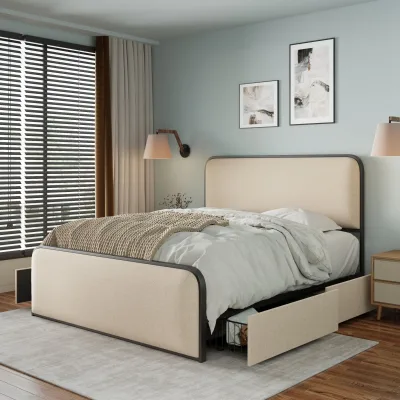
Yes, many modern iron bed frames include under-bed storage solutions. These designs often feature sturdy steel slats and noise-free assembly for practical use. Buyers can find options suitable for apartments, schools, and hotels that maximize space efficiency while maintaining a sleek aesthetic.
What certifications do metal bed frame suppliers hold?
Reputable suppliers often hold certifications such as BS 7177, BS 5852, CE, and RoHS. These standards ensure product safety and compliance with international regulations. Buyers should request valid certification documents to verify that the metal bed frames meet specific quality and safety requirements.
Where are modern iron bed frames typically manufactured?
Most modern iron bed frames are manufactured in China, specifically in regions like Hebei and Fujian. These areas are known for their robust furniture production capabilities. Buyers can source directly from these locations to benefit from established supply chains and competitive pricing structures.
What is the price range for iron storage bed frames?
Prices for modern iron storage bed frames typically range from $30 to $60 per unit. The final cost depends on factors such as size, material thickness, and customization options. Buyers should request detailed quotes to understand the total cost, including packaging and shipping fees.