Modern Glass Dining Table Suppliers and Manufacturers
Find 30 verified suppliers offering modern glass dining tables with varying lead times, MOQs, and certifications. Compare dimensions, materials, and response times to select the right partner for your project; review the available evidence before requesting comparable quotations from suitable candidates.
Updated
Suppliers List

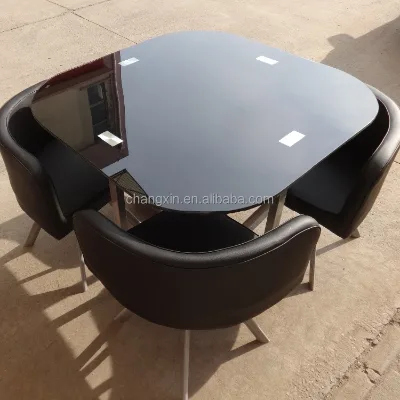
Hebei ChangXin Import and Export Trade Co., Ltd.
- Verified by SGS
- Trading Company
- China Hebei
- Lead time15 days
- Avg. response≤ 19h
Main productsTV Stand, Dining Chair, Office Chair, Dining Table, Bar Chair, Coffee Table
Main marketsEurope

Foshan Qiancheng Furniture CO.,LTD.
- Verified by BV
- Manufacturer/Factory
- China Guangdong
- Lead time60 days
- Avg. response≤ 4h
Main productsDining Table, Dining Chair, Coffee Table, Console Table, TV Stand, Leisure Chair, Bar Table, Bar Chair, Mirror, Sofa
Main marketsSouth America,Eastern Europe,Mid East,North America,Southeast Asia,Eastern Asia,Oceania,Western Europe,Africa


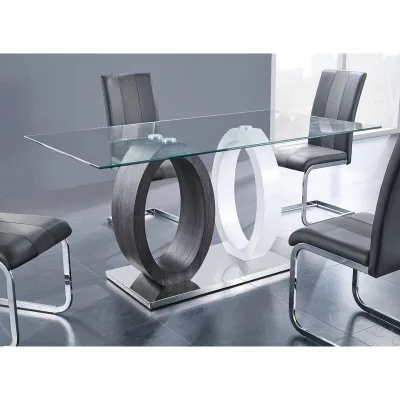
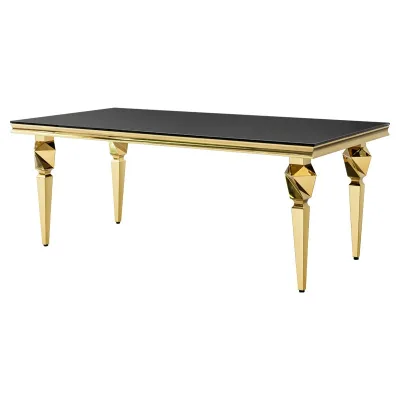
Modern Dining Room Furniture Stainless Steel Black Glass Dining Tables
$445.00 - $452.00
MOQ: 5 Pieces


TIANJIN OKAY INTERNATIONAL TRADING CO., LTD.
- Verified by BV
- Combined
- China Tianjin
- Lead time30 days
- Avg. response≤ 7h
Main productsDining Table
Main marketsSoutheast Asia/ Mideast,East Asia(Japan/ South Korea),Europe,North America
Hebei Mingshuai Furniture Sales Co., Ltd.
- Verified by Intertek
- Trading Company
- Lead time20 days
- Avg. response≤ 2h
Main productsDining Chair, Dining Table, Office Chair, Wedding Chair, Bar Chair
Main marketsEastern Europe(27%), North America(21%), Western Europe(20%)
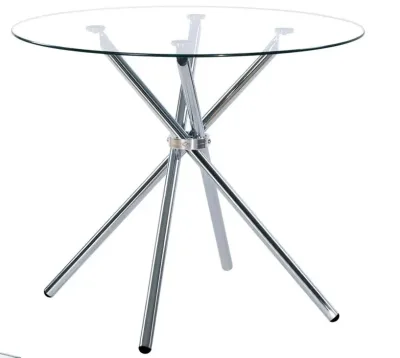
Glass Side Table Modern Dining Room Round Glass Dining Table Glass Top Coffee Table
$15.60 - $21.00
MOQ: 100 pieces
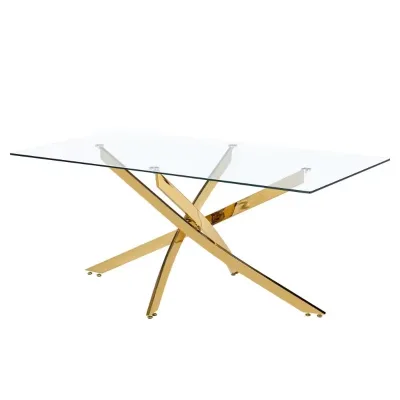
Guangzhou Suixing Furniture Manufacturing Co., Ltd.
- Verified by SGS Group
- Manufacturer, Trading Company
- Lead time45 days
- Avg. response≤ 6h
Main productsExtendable Dining Table, Extendable Console, Height Adjustable Coffee Table, Transformable Cabinet, Dining Chair
Main marketsNorth America(30%), Northern Europe(20%), Eastern Asia(12%)

Foshan Comfort Home Furniture Co., Ltd
- Verified by BV
- Manufacturer/Factory
- China Guangdong
- Lead time30 days
- Avg. response≤ 3h
Main productsDining Table, Dining Chair, Dining Furniture, Compressed Sofa, Compressed Mattress
Main marketsSouth America,Eastern Europe,Mid East,North America,Southeast Asia,Eastern Asia,Oceania,Western Europe,Africa

Home Dining Room Furniture Classic Design Simple Modern Glass Dining Tables
$82.00 - $103.00
MOQ: 1 Pieces

Modern Home Furniture Dining Restaurant Glass Dining Table Simple Design
$96.00 - $120.00
MOQ: 1 Pieces


Premium Quality Living Room Nordic Cheap Dining Table Glass Modern Dining Table
$113.00 - $141.00
MOQ: 1 Pieces


Foshan Nanhai Siweiya Glass Co., Ltd.
- Verified by CTI
- Combined
- China Guangdong
- Lead time60 days
- Avg. response≤ 25h
Main productsCoffee Table, TV Stand, Glass Furniture, Dining Table, Hot Bending Glass, Furniture, Bend Glass Table, Tempered Glass Table, Table, TV Table
Main marketsAfrica,Europe,North America
Langfang Dijin Trading Co., Ltd.
- Trading Company
- Hebei, China
- Lead time45 days
- Avg. response≤ 5h
Main productsbed,table,chair,sofa,dresser
Main marketsWestern Europe(41.00%), North America(29.00%), Eastern Europe(14.00%), Oceania(7.00%), Southeast Asia(5.00%), Northern Europe(2.00%), South America(2.00%)

Bazhou Yuehui Metal Products Co., Ltd.
- Verified by SGS
- Trading Company
- China Hebei
- Lead time30 days
- Avg. response≤ 11h
Main productsDining Chair, Dining Table, Chair, Furniture
Main marketsSouth America,Europe,North America

Modern Home Restaurant Dining Room Furniture Glass Dining Table for Kitchen
$26.50 - $35.50
MOQ: 50 Pieces

Popular Glass Dining Tables Dining Room Furniture Chinese Rectangular Dining Tables
$45.40 - $47.40
MOQ: 30 Pieces


Elementz Furniture Langfang Co., Ltd.
- Verified by SGS
- Manufacturer/Factory
- China Hebei
- Lead time45 days
- Avg. response≤ 2h
Main productsDining Chair, Dining Table, Dining Set, Coffee Table, Plastic Chair, Office Furniture
Main marketsSouth America,Eastern Europe,Mid East,North America,Southeast Asia,Eastern Asia,Oceania,Western Europe,Africa

Guangzhou Maidu Furniture Co., Ltd.
- Trading Company
- Guangdong, China
- Lead time20 days
- Avg. response≤ 1h
Main productsOffice Desks, Office Chairs, Office Cabinet, Workbench Desks, Sofa
Main marketsDomestic Market(60.00%), Mid East(20.00%), Western Europe(10.00%), Eastern Europe(5.00%), Southeast Asia(5.00%)
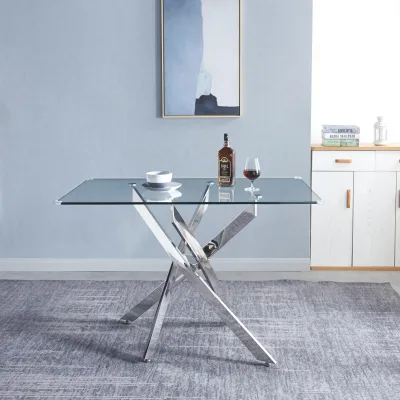
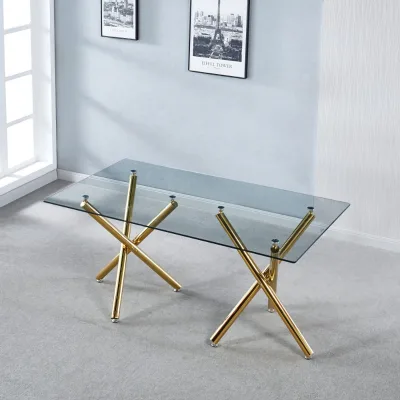
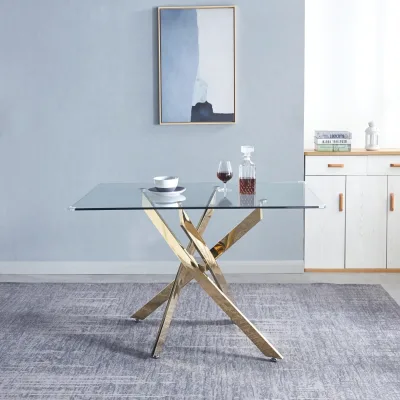
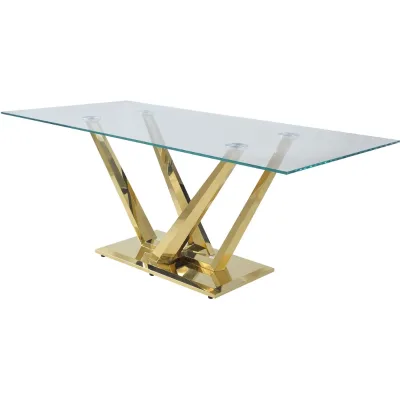
Elegant and Clean Look of Rectangular Tempered Glass Dining Table With Gold Stainless Legs
$225.00 - $240.00
MOQ: 2 pieces

Hebei Changxin Import And Export Trade Co., Ltd.
- Trading Company
- Hebei, China
- Lead time0 days
- Avg. response≤ 16h
Main productsOffice chair,Dining Table,Dining Chair,Coffee Table,Round Steel
Main marketsWestern Europe(11.11%), Eastern Asia(11.11%), Mid East(11.11%), Oceania(11.11%), Southeast Asia(11.11%), Eastern Europe(11.11%), South America(11.11%), North America(11.11%)
BAZHOU DOWELL FURNITURE CO., LTD.
- Verified by Intertek
- Manufacturer, Trading Company
- Lead time35 days
- Avg. response≤ 1h
Main productsDining Table, Dining Chairs, Coffee Tables, Bar Chairs
Main marketsWestern Europe(50%), North America(30%), Southeast Asia(18%)
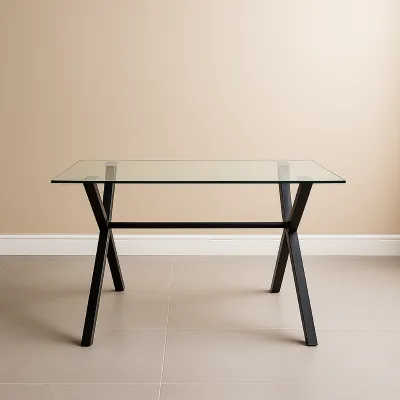
Luxury Modern Rectangular Glass Dining Table for Restaurant Hotel Wholesale
$32.80 - $39.90
MOQ: 200 pieces
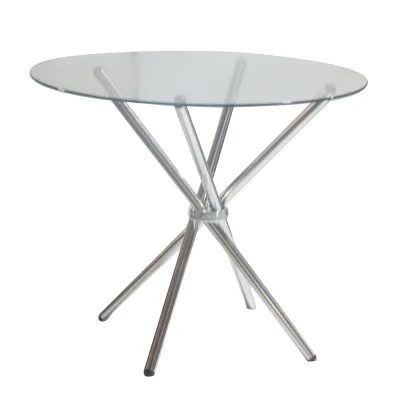
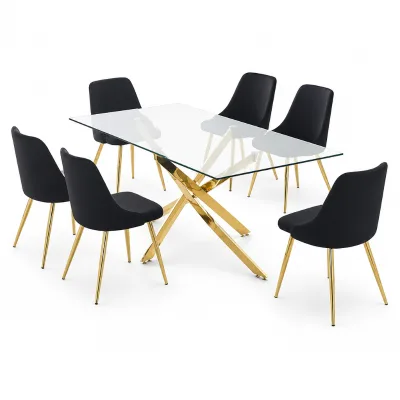
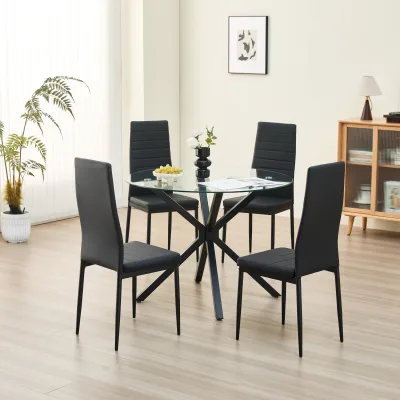
Wholesale Modern Square Round Glass Dining Table Chrome Legs with 4 Chairs Glass Dining Table Set
$70.7468 - $116.8845
MOQ: 50 Minimum
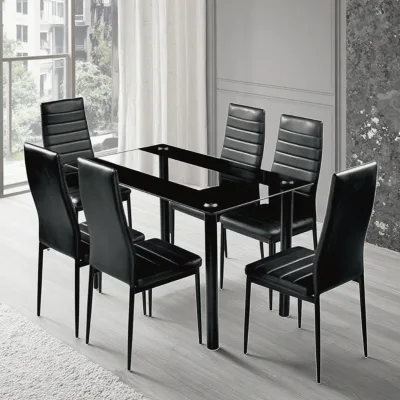
BAZHOU DOWELL FURNITURE CO., LTD.
- Manufacturer, Trading Company
- Lead time旺季: "1 - 500":35,"> 500":"To be negotiated", 淡季: "1 - 500":35,"> 500":"To be negotiated"
- Avg. response≤ 3h
Main productsDining Table/Dining Chair/Coffee table/Bar chair/ TV stand etc.
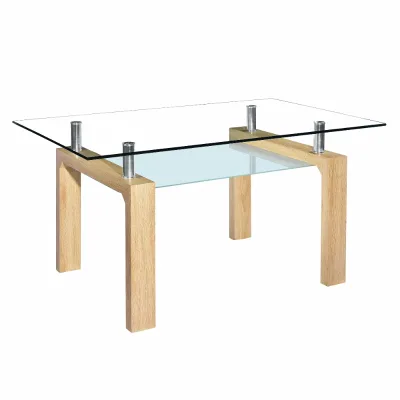
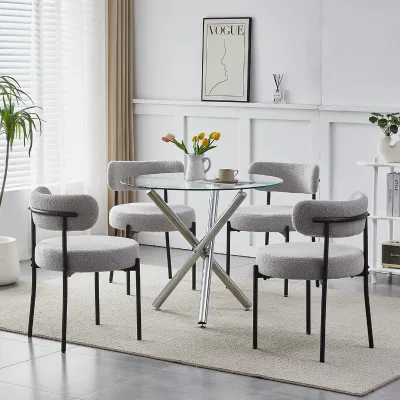
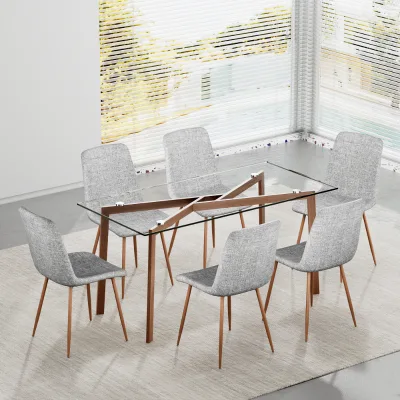
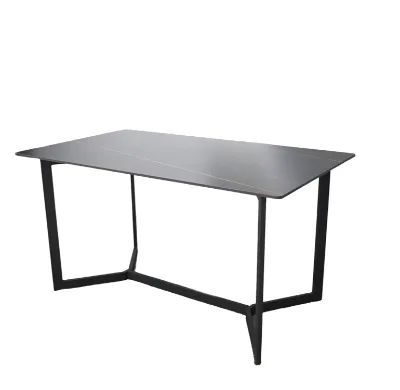
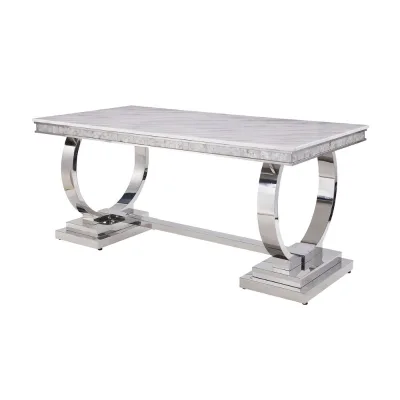
Modern Home Furniture Dinning Room Table Sets Stainless Steel Marble Dining Table
$61.20 - $65.20
MOQ: 50
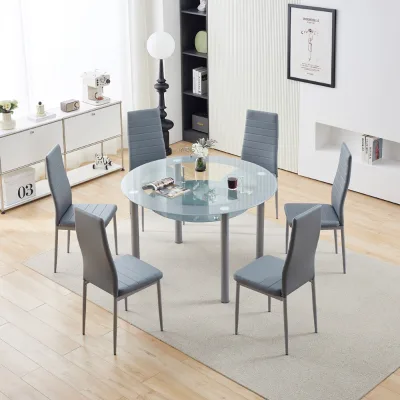
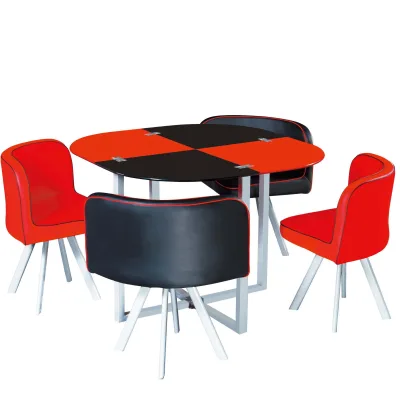
Hebei Chuxuan Furniture Co., Ltd.
- Manufacturer, Trading Company
- Hebei Province, China
- Lead time10 days
- Avg. response≤ 2h
Main productsDining chair,Office chair,Bar chair,Dining table,Outdoor chair
Main marketsWestern Europe(15.00%), South America(11.00%), North America(10.00%), Northern Europe(10.00%), Southeast Asia(10.00%), Southern Europe(9.00%), Eastern Europe(9.00%), Central America(9.00%), Eastern Asia(5.00%), South Asia(3.00%), Africa(3.00%), Mid East(3.00%), Oceania(3.00%)
Hebei Dining Furniture Co., Ltd.
- Verified by TüVRheinland
- Manufacturer, Trading Company
- Lead time30 days
- Avg. response≤ 2h
Main productsDining Chair, Office Chair, Plastic Chair, Bar Stool, Coffee Table
Main marketsEastern Europe(50%), Western Europe(20%), South America(15%)
Starway International Home-Living Co., Ltd.
- Verified by Intertek
- Manufacturer, Trading Company
- Lead time35 days
- Avg. response≤ 2h
Main productsPlastic Chair, Wooden Chair, Upholstered Chair, Sofa, Table
Main marketsWestern Europe(30%), North America(25%), Oceania(20%)
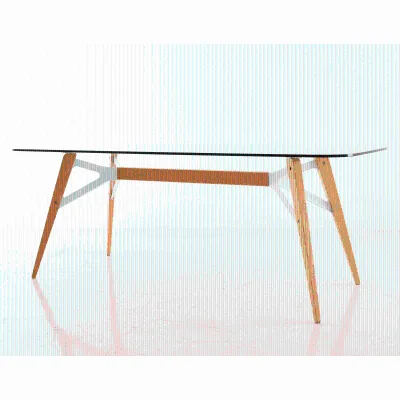
Modern Rectangle Wood and Square Glass Dining Table for Dining Room Furniture Wholesale
$179.00 - $189.00
MOQ: 10
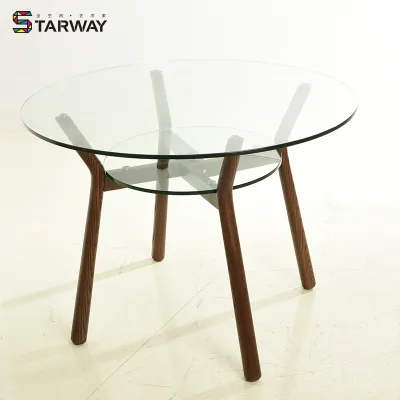
Wholesale Modern Round Glass Dining Table Laminated Glass Dining Table with Wood Legs RT-S142
$130.00 - $145.00
MOQ: 30

FOSHAN ORIENT HARDWARE PRODUCTS CO.,LTD
- Verified by TUVRHEINLAND
- Combined
- China Guangdong
- Lead time23 days
- Avg. response≤ 7h
Main productsFurniture, Hotel Furniture, Office Furniture, Home Furniture, Outdoor Furniture
Main marketsDomestic

Tianjin Kingnod Furniture Co., Ltd.
- Verified by BV
- Manufacturer/Factory
- China Tianjin
- Lead time23 days
- Avg. response≤ 4h
Main productsDining Chair, Restaurant Chair, Office Chair, Bar Stool, Game Chair, Plastic Chair, Metal Chair, Dining Table, Gaming Table, Barstool
Main marketsSouth America,Eastern Europe,Mid East,North America,Southeast Asia,Eastern Asia,Oceania,Western Europe,Africa


High Quality Dinner Table Restaurant Furniture Tempered Glass Dining Table
$43.00 - $46.00
MOQ: 100 Pieces


Hebei Ximu Furniture Sales Co., Ltd.
- Verified by TUVRHEINLAND
- Trading Company,Manufacturer/Factory
- China Guangdong
- Lead time45 days
- Avg. response≤ 3h
Main productsFurniture, Home Furniture, Living Room Furniture., Ding Room Furniture, Bed Room Furniture, Coffee Table, TV Stand, Dining Table, Chairs, Bath Room Furniture
Main marketsSouth America,Eastern Europe,North America,Southeast Asia,Western Europe
Foshan Youheng Furniture Co., Ltd.
- Verified by Intertek
- Trading Company
- Guangdong, China
- Lead time10 days
- Avg. response≤ 8h
Main productsSofa, Chairs, Tables, Beds, Sofa Beds
Main marketsNorth America(30%), Eastern Europe(12%), South America(11%)
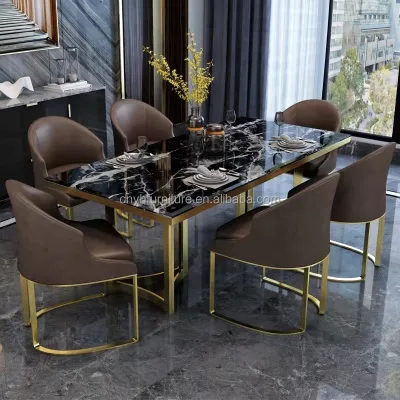
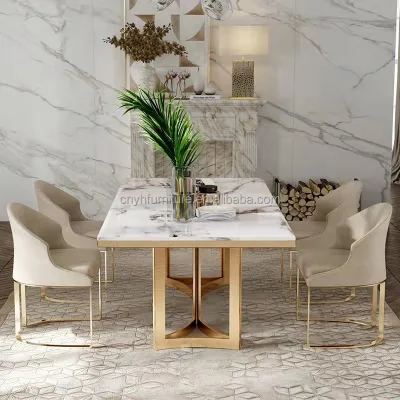
Minimalist Restaurant Italian Dining Table Set Glass Dining Table and Chairs 12 Seat Dining Table
$184.5554 - $430.6267
MOQ: 2 pieces
BAZHOU DOWELL FURNITURE CO., LTD.
- Manufacturer, Trading Company
- Lead time旺季: "1 - 50":60,"> 50":"To be negotiated", 淡季: "1 - 50":60,"> 50":"To be negotiated"
- Avg. response≤ 1h
Main productsDining Chairs, Dining Table, Cofffee Tables, Bar Chairs
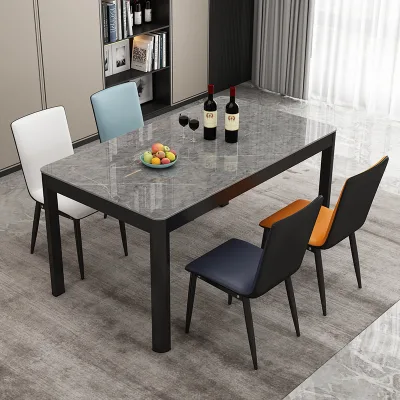
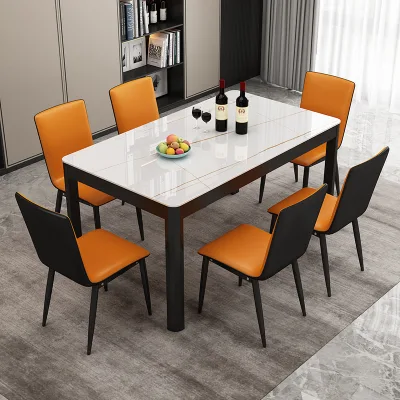
Glass Modern Dining Furniture with Artificial Stone Top and Chairs
$115.00 - $136.00
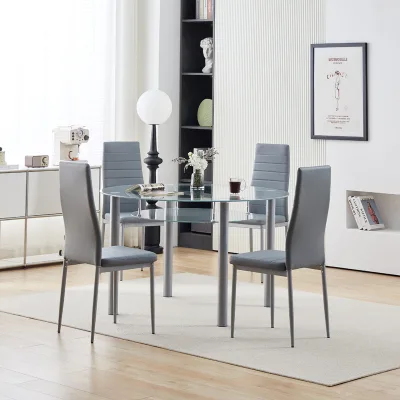
Compact Glass Dining Table | Space - Saving, Easy Clean | B2B Wholesale for Distributors
$6.99 - $9.35
MOQ: 200 pieces
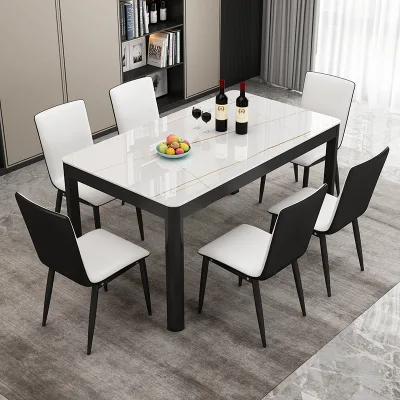
Minimalist Dining Table Chair Set with Glossy Marble Glass Tabletop
$115.00 - $136.00
Hebei Booming Furnishings Co., Ltd.
- Verified by TüVRheinland
- Trading Company
- Lead time35 days
- Avg. response≤ 5h
Main productsOffice Chairs, Dining Chairs, Hotel Chairs, Dining Tables, Gaming Chairs
Main marketsSouth America(38%), North America(15%), Eastern Europe(8%)
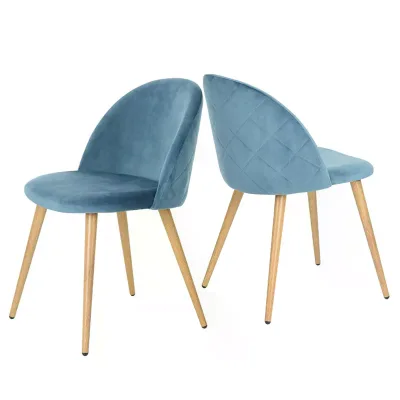
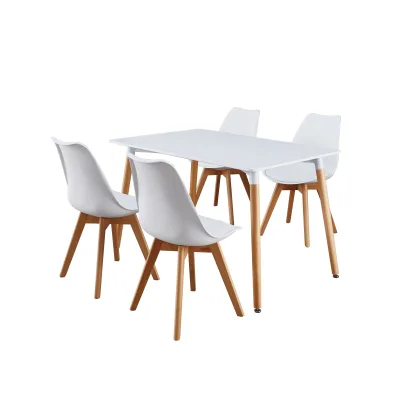
$29.90 - $73.00
MOQ: 50 pieces
Guangdong Guanlong Glass Intelligent Technology Co., Ltd.
- Verified by SGS Group
- Manufacturer, Trading Company
- Lead time45 days
Main productsWall Mirror, Mirrored Furniture, Fireplace, Wooden TV Stand, Clock
Main marketsWestern Europe(30%), North America(30%), Domestic Market(10%)
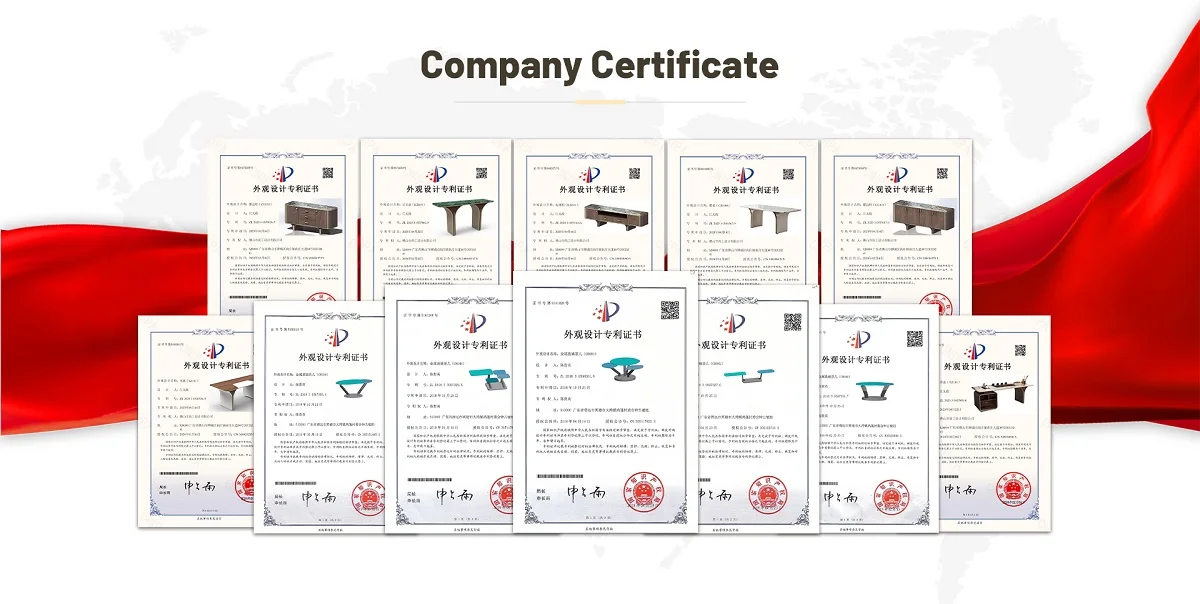
Foshan Movvon Furniture Co.,ltd.
- Manufacturer, Trading Company
- Guangdong, China
- Lead time45 days
- Avg. response≤ 4h
Main productsCoffee Table Set, Dining Table Set, Console, Bed Room Set, Home Office Table
Main marketsWestern Europe(37.00%), North America(20.00%), South America(15.00%), Domestic Market(5.00%), Mid East(5.00%), Southeast Asia(5.00%), Central America(3.00%), South Asia(2.00%), Oceania(2.00%), Southern Europe(2.00%), Northern Europe(2.00%), Eastern Europe(2.00%)
Dongguan Liaobu Guanding Furniture Craft Products Factory (individual Business)
- Manufacturer
- Guandong, China
- Lead time45 days
- Avg. response≤ 14h
Main productsMakeup Vanities, Living Room Cabinets, Coffee Tables, Dining Tables, Console Tables
Main marketsNorth America(40.00%), Northern Europe(20.00%), Mid East(20.00%), Western Europe(10.00%), Domestic Market(5.00%), Southeast Asia(5.00%)
Fujian Quanzhou Runwan Crafts Co., Ltd.
- Trading Company
- Fujian, China
- Lead time0 days
- Avg. response≤ 7h
Main productsfurniture
Main marketsNorth America(50.00%)

Beijing Tianyuan Rongli Technology Co., Ltd.
- Verified by SGS
- Trading Company,Manufacturer/Factory
- China Beijing
- Lead time15 days
- Avg. response≤ 2h
Main productsMelamine Board, Chipboard, MDF, Solid Wood Pellet Board, Custom-Made Furniture, Dining Room Furniture, Living Room Furniture, Steel-Wood Furniture
Main marketsSouth America,Eastern Europe,Mid East,North America,Southeast Asia,Eastern Asia,Oceania,Western Europe,Africa

Foshan Shuaige Furniture Co., Ltd.
- Verified by TUVRHEINLAND
- Combined
- China Guangdong
- Lead time23 days
- Avg. response≤ 4h
Main productsWedding Chair, Wedding Table, Dining Furniture, Dining Chair, Dining Table Set, Stainless Steel Chair, Wedding Furniture, Wedding Backdrop, Banquet Furniture, Hotel Chair and Table
Main marketsDomestic
Dongguan Castle Furniture Co., Ltd.
- Manufacturer, Trading Company
- Guangdong, China
- Lead time30 days
- Avg. response≤ 3h
Main productsHotel Furniture,Villa furniture,Apartment furniture,Custom furniture,Metal furniture
Main marketsNorthern Europe(50.00%), Central America(30.00%), Southeast Asia(10.00%), Mid East(10.00%)
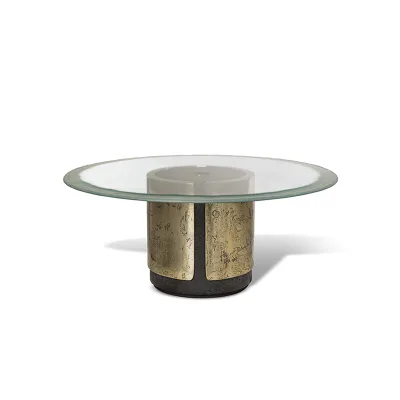
$1827.5448 - $2032.8868
MOQ: 1 pieces
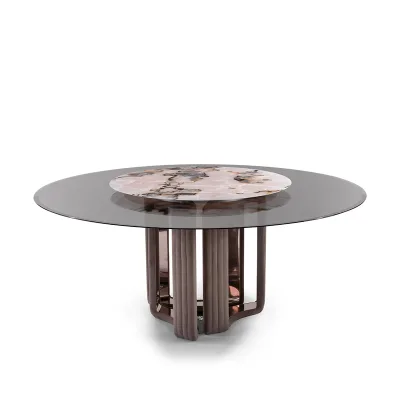
Italy Modern Luxury Round Tempered Glass Table Set, Swivel Marble Dining Table
$1980.00 - $2180.00
MOQ: 1


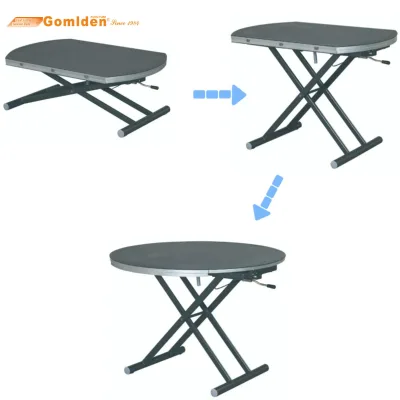




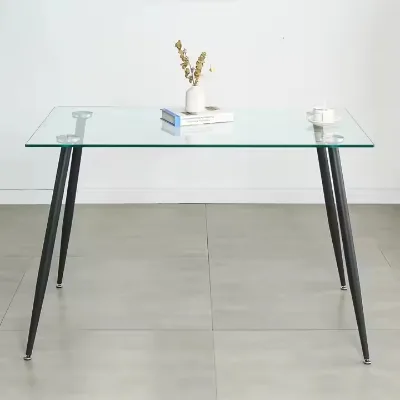
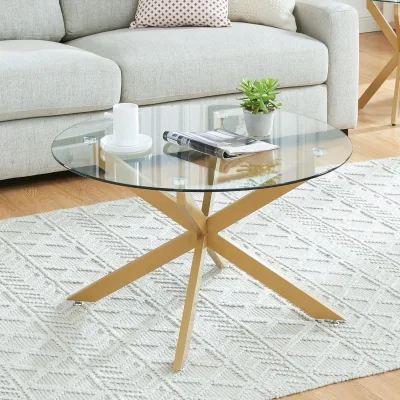
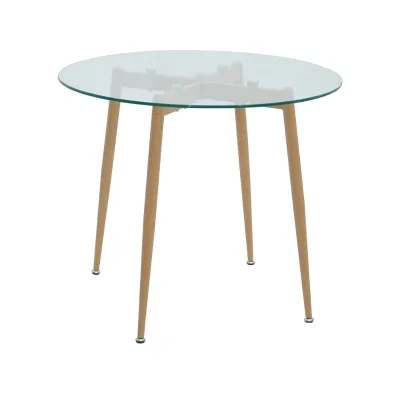
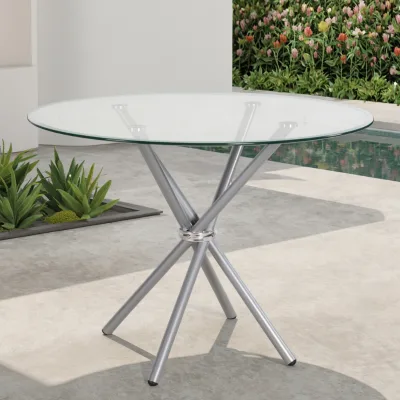
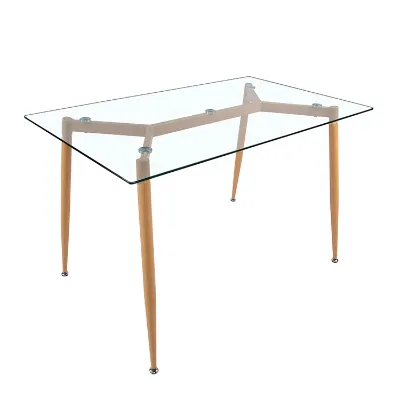


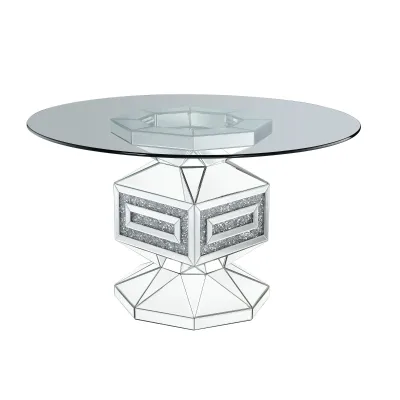
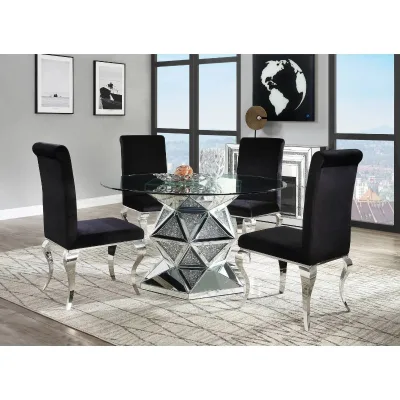
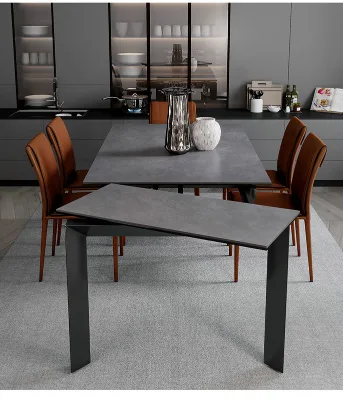


Comprehensive Sourcing Guide
Modern Glass Dining Table Supplier Concentration and Factory Types
The current supplier landscape for modern glass dining tables reveals a distinct split between trading companies and direct manufacturers, each offering different advantages for procurement teams. Evidence indicates that suppliers located in China Hebei are primarily structured as trading companies, which often serve as intermediaries connecting buyers with local manufacturing capabilities. These entities typically aggregate products from various workshops, allowing for a broader catalog that includes TV stands, office chairs, and dining sets alongside glass tables. In contrast, suppliers based in China Guangdong present themselves as manufacturer factories, possessing direct control over production lines and quality assurance processes. This structural difference is critical because it influences pricing flexibility, customization speed, and the ability to handle complex OEM or ODM requests. Buyers must carefully distinguish between these entity types to align their sourcing strategy with their specific operational needs, whether they prioritize variety and convenience or direct factory engagement and brand control.
Understanding the company type also sheds light on the range of main products offered by each supplier category. Trading companies in Hebei often list diverse furniture categories such as bar chairs, coffee tables, and mirrors, suggesting a one-stop-shop approach for buyers looking to consolidate orders across multiple furniture types. This breadth can simplify logistics but may dilute the depth of expertise in any single product line. Conversely, Guangdong-based manufacturers focus heavily on core furniture items like dining tables, console tables, and leisure chairs, indicating a specialized production environment. These factories often highlight capabilities in own-brand development and custom design, catering to buyers seeking unique product differentiation. The presence of specific certifications like ISO 9001 and SHE Audits among Guangdong suppliers further underscores the operational maturity of direct manufacturers. Buyers should evaluate whether their project requires the logistical convenience of a trading company or the technical precision and certification backing of a dedicated factory to ensure long-term supply chain stability.
How to Verify Modern Glass Dining Table Suppliers
Verification is a critical step in mitigating risk when sourcing modern glass dining tables, particularly given the variance in supplier credentials and operational maturity. Buyers should prioritize suppliers who have undergone third-party verification processes, as these provide an external validation of business legitimacy and operational capabilities. For instance, some suppliers in the current results display SGS verification, which confirms that the company has met specific standards for business operations and product quality. Similarly, other suppliers may hold BV verification, indicating a rigorous assessment of their manufacturing facilities and management systems. These verification badges serve as a foundational layer of trust, allowing buyers to quickly filter out unverified entities that may pose higher risks regarding delivery reliability or product consistency. It is essential to review the scope of these verifications to ensure they cover the specific product categories and manufacturing processes relevant to your order, rather than accepting generic business licenses as sufficient proof of capability.
Beyond basic verification badges, buyers must scrutinize the specific certifications and audit reports provided by suppliers to assess their compliance with international standards. Suppliers in Guangdong, for example, may display system certifications such as ISO 9001 for quality management and SHE Audits for safety and environmental compliance, which are crucial for large-scale commercial projects. These certifications indicate a structured approach to production control and risk management, reducing the likelihood of defects or delays. Buyers should request copies of these certificates and verify their validity through the issuing bodies, ensuring they are current and applicable to the specific factory location. Additionally, examining the supplier’s response time can offer indirect insights into their operational efficiency; faster response times often correlate with better internal communication and project management. By combining verification badges, certification audits, and performance metrics like response speed, buyers can construct a comprehensive profile of supplier reliability, ensuring that their chosen partners meet the stringent requirements of modern furniture procurement.
What to Compare Across Modern Glass Dining Table Suppliers
When evaluating multiple suppliers for modern glass dining tables, buyers must systematically compare key operational metrics to identify the most suitable partner for their specific requirements. One of the most significant differentiators is the lead time, which varies considerably across the supplier base. Some suppliers offer a lead time of just 15 days, enabling rapid restocking and quick response to market demands, while others may require up to 60 days due to more complex manufacturing processes or higher production volumes. This disparity directly impacts inventory planning and cash flow, making it essential for buyers to align lead times with their sales forecasts and storage capabilities. Additionally, the minimum order quantity (MOQ) is a critical factor, with some suppliers requiring as few as 10 units, which is ideal for testing new markets or small boutique orders, while others may have higher thresholds that suit large-scale retail distribution. Comparing these metrics allows buyers to balance cost efficiency with operational flexibility, ensuring they select a supplier whose production capacity matches their order volume and timeline expectations.
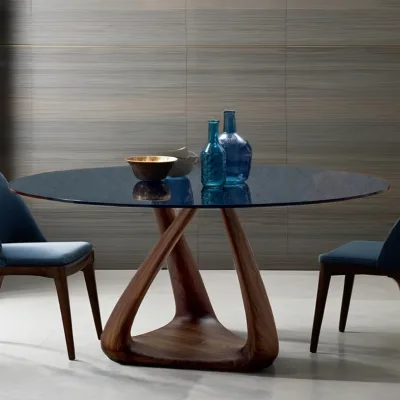
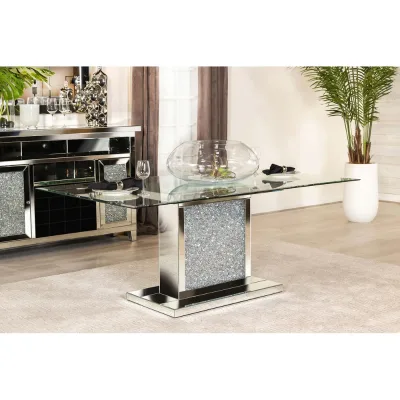
Beyond lead times and MOQs, buyers should also compare product specifications, pricing structures, and customization options to ensure alignment with their brand identity. Product attributes such as material composition, shape, and finish vary widely, with options ranging from rectangular to round tables and from clear to black glass tops. Some suppliers offer fully customized designs, allowing for unique branding, while others provide standardized models with limited color choices. Pricing also fluctuates based on these variables, with some models priced between $10 and $100 per unit, depending on the complexity of the design and the quality of materials used. Buyers should request detailed quotations that break down costs for materials, labor, and packaging to understand the true value proposition of each supplier. Furthermore, comparing the packing details and container load capacities, such as the number of units that fit in a 20gp or 40hq container, helps in calculating landed costs accurately. By meticulously comparing these dimensions, buyers can make informed decisions that optimize both product quality and total cost of ownership.
Common Modern Glass Dining Table Sourcing Risks
Sourcing modern glass dining tables involves several inherent risks that buyers must proactively manage to ensure a smooth procurement process. One of the primary concerns is the fragility of glass products, which are susceptible to damage during transit if not packed correctly. Suppliers may use different packing standards, such as carton packing or specialized foam inserts, but the effectiveness of these methods can vary significantly. Buyers must verify that the packing specifications meet international shipping standards to prevent breakage, which can lead to significant financial losses and customer dissatisfaction. Additionally, the risk of quality inconsistency is heightened when dealing with trading companies that may source from multiple factories. Without direct oversight, buyers may receive batches with varying levels of finish or structural integrity, making it crucial to establish clear quality control protocols and request pre-shipment inspections. This is particularly important for customized orders, where deviations from the initial sample can result in rejected shipments and delayed launches.
Another significant risk is the potential for miscommunication regarding product specifications and compliance standards. Glass dining tables often require specific certifications for safety, such as tempered glass standards, which may not be explicitly stated in initial product listings. Buyers must ensure that all products meet the regulatory requirements of their target market, including weight limits and stability tests. Failure to verify these standards can result in customs delays or product recalls. Furthermore, the risk of supply chain disruptions is ever-present, especially when relying on suppliers with longer lead times or those located in regions prone to logistical bottlenecks. Buyers should diversify their supplier base and maintain open communication channels to mitigate the impact of unexpected delays. By identifying these risks early and implementing robust mitigation strategies, such as detailed contract terms and regular quality audits, buyers can protect their interests and ensure a reliable supply of high-quality modern glass dining tables.
Modern Glass Dining Table Regional Sourcing and Logistics
The geographic location of suppliers plays a pivotal role in determining logistics costs, transit times, and overall supply chain efficiency for modern glass dining tables. Suppliers located in China Hebei and China Guangdong represent two distinct manufacturing hubs, each with its own logistical advantages and challenges. Hebei-based suppliers, often structured as trading companies, may benefit from proximity to major inland transportation networks, potentially reducing inland freight costs. However, buyers must consider the additional time required for goods to reach coastal ports for export. In contrast, Guangdong-based manufacturers are situated in a region with well-developed port infrastructure, facilitating faster and more efficient sea freight operations. This proximity to major shipping lanes can significantly reduce transit times to international markets, making Guangdong a preferred choice for buyers prioritizing speed and reliability. Understanding these regional differences allows buyers to optimize their logistics strategy, balancing cost savings with delivery speed to meet their specific market demands.
Logistics planning must also account for the specific dimensions and weight of modern glass dining tables, which can impact container utilization and shipping costs. Suppliers often provide detailed packing information, such as the number of units per carton and the total volume per container, which is essential for calculating accurate freight expenses. For example, some rectangular glass tables may pack efficiently in 40hq containers, allowing for higher volumes per shipment, while round or larger tables may require more space, increasing the cost per unit. Buyers should work closely with their suppliers to optimize packing configurations and select the most cost-effective shipping methods. Additionally, considering the destination market’s import regulations and duties is crucial for accurate cost estimation. By leveraging regional logistics advantages and carefully planning container loads, buyers can minimize shipping costs and ensure timely delivery of their Modern Glass Dining Table orders, enhancing their competitiveness in the global market.
Modern Glass Dining Table Commercial Terms and Order Planning
Effective order planning for modern glass dining tables requires a thorough understanding of commercial terms, including payment structures, warranty policies, and after-sales support. Suppliers may offer different payment terms, such as partial upfront payments or full payment upon shipment, which can impact cash flow management. Buyers should negotiate terms that align with their financial capabilities and risk tolerance, ensuring that they have sufficient leverage to enforce quality standards and delivery schedules. Additionally, warranty policies vary among suppliers, with some offering two-year warranties on their products, providing peace of mind and protection against defects. Buyers must clearly define warranty coverage and claim procedures in their contracts to avoid disputes in the event of product failures. Understanding these commercial terms is essential for building a sustainable partnership with suppliers, ensuring that both parties are aligned on expectations and responsibilities throughout the order lifecycle.
Beyond immediate transactional terms, buyers should consider the long-term implications of their sourcing decisions, including the potential for future collaborations and product development. Suppliers that offer OEM and ODM services can be valuable partners for buyers looking to expand their product lines or introduce unique designs. By establishing a strong relationship with a reliable supplier, buyers can benefit from priority production slots, exclusive designs, and improved pricing over time. Furthermore, maintaining open communication and providing feedback on product performance can help suppliers improve their offerings and better meet market needs. Buyers should also plan for inventory management, considering factors such as seasonality and market trends to optimize stock levels and reduce holding costs. By integrating commercial terms with strategic order planning, buyers can create a resilient supply chain that supports their growth objectives and enhances their competitive position in the furniture market.
FAQs
What is the price range for modern glass dining tables?
Prices typically range from $10 to $100 per unit depending on specifications. Some models start at $30 while others reach $65. Buyers should check specific product listings for exact pricing tiers based on size and material choices.
What is the minimum order quantity for these tables?
Minimum order quantities vary by supplier and model. Some manufacturers require a minimum of 10 pieces, while others set the threshold at 50 units. Buyers must verify the specific MOQ for their chosen table style before placing an order.
How long does production take for these orders?
Lead times generally range from 15 to 60 days depending on the supplier. Some factories offer faster turnaround times of around 15 days, while others may require up to 60 days for production. Buyers should confirm timelines with their selected vendor.
Are these tables suitable for both home and hotel use?
Yes, many modern glass dining tables are designed for both residential and commercial settings. Products often specify usage for hotels and homes. Buyers should check product attributes to ensure the table meets their specific environment requirements and durability standards.
What certifications do these suppliers hold?
Certifications vary by supplier location and type. Some manufacturers hold ISO 9001 and SHE Audits, while others may have different system certifications. Buyers should verify specific supplier credentials to ensure compliance with their quality and safety standards.
Where are these modern glass dining tables manufactured?
Manufacturing locations include China Hebei and China Guangdong. Suppliers in these regions offer various styles and materials. Buyers should check product origins to understand shipping logistics and potential tariffs associated with sourcing from these specific Chinese provinces.
What materials are used in these dining tables?
Common materials include tempered glass, stainless steel frames, and artificial marble tops. Glass thickness ranges from 12-15mm, while marble tops can be 20-40mm. Buyers should review product specifications to confirm material quality and structural integrity for their needs.