Modern Metal Sofa Chair Leg Suppliers and Manufacturers
Source Modern Metal Sofa Chair Leg options from 31 verified suppliers in China. Compare lead times, MOQs, response speeds, and pricing to find the right partner. Request quotes today; review the available evidence before requesting comparable quotations from suitable candidates.
Updated
Suppliers List

GUANGZHOU LICHUAN HARDWARE ENTERPRISE CO.,LTD.
- Verified by CTI
- Combined
- China Guangdong
- Lead time23 days
- Avg. response≤ 3h
Main productsSofa Nails, Legs, Table Legs, Round Socket Castors, Adjustive Ending Feet, Sofa Leg, Sofa Nails Strims, Wooden Leg, Brass Castor, Sofa Fitting
Main marketsSouth America,Africa,Southeast Asia/ Mideast,East Asia(Japan/ South Korea),Domestic,Europe,Australia,North America


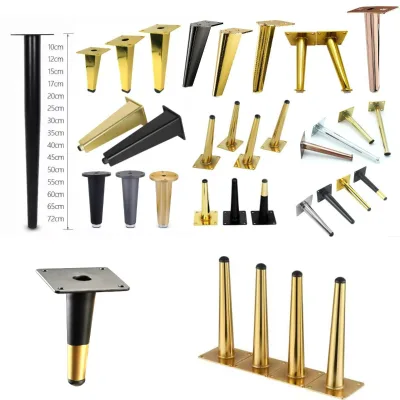
Modern Furniture Legs Metal Furniture Leg Table Chair Furniture Sofa Legs
$1.00 - $3.00
MOQ: 100 pieces


- Verified by TUVRHEINLAND
- Trading Company
- China Guangdong
- Lead time23 days
- Avg. response≤ 7h
Main productsFurniture Hardware, Furniture Legs, Furniture Handle, Door Hardware, Sliding Door System, Aluminum Framed Glass Doors, Wardrobe Accessories
Main marketsEurope

- Verified by SGS
- Manufacturer/Factory
- China Guangdong
- Lead time45 days
- Avg. response≤ 6h
Main productsTable Leg, Handle, Bolt, Screw, Shelf Support, Knob, Connectors, Castor, Furniture Hardware Fitting, Furniture Hardware
Main marketsSouth America,Eastern Europe,Mid East,North America,Eastern Asia,Oceania,Western Europe
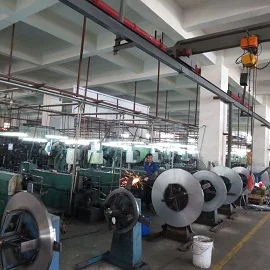
Jiangmen Tianhao Hardware And Electric Appliance Co., Ltd.
- Manufacturer, Trading Company
- Guangdong, China
- Lead time30 days
- Avg. response≤ 7h
Main productsDrawer Slide,Cabinet Hinge,Baskets,Minifix Cam Lock and Bolt,Castor Wheels
Main marketsSouth America(54.00%), Western Europe(31.00%), North America(6.00%), Mid East(5.00%), Eastern Europe(1.00%), Southeast Asia(1.00%), Oceania(1.00%), Africa(1.00%)
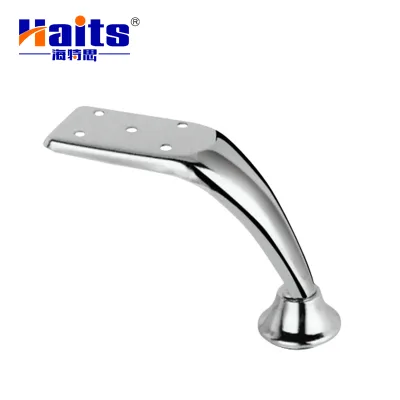
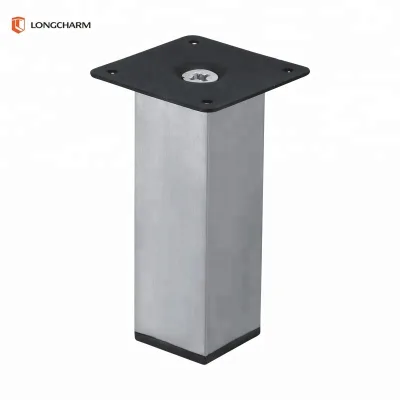
Non Adjustable Metal Satin Chrome Sofa Leg Modern Sofa Legs Furniture Leg
$0.38 - $0.4413
MOQ: 30 units
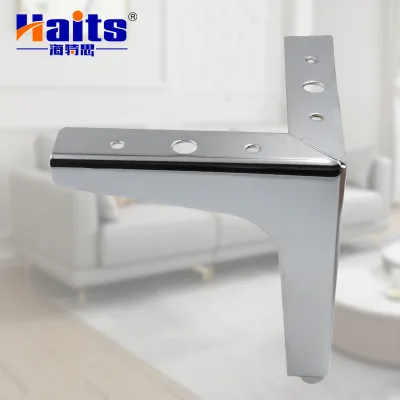

- Verified by TUVRHEINLAND
- Combined
- China Guangdong
- Lead time30 days
- Avg. response≤ 5h
Main productsCabinet Handle, Door Handle, Door Lock, Furniture Knob, Cabinet Hinge, Drawer Slide, Door Hinge, Mortise Lock, Cylinder Lock, Door Stopper
Main marketsSouth America,Southeast Asia/ Mideast,Europe
Dongguan Jinpai Hardware Products Co., Ltd.
- Verified by TüVRheinland
- Manufacturer
- Lead time25 days
- Avg. response≤ 1h
Main productsFurniture Accessories
Main marketsNorth America(35%), Southeast Asia(20%), Mid East(10%)
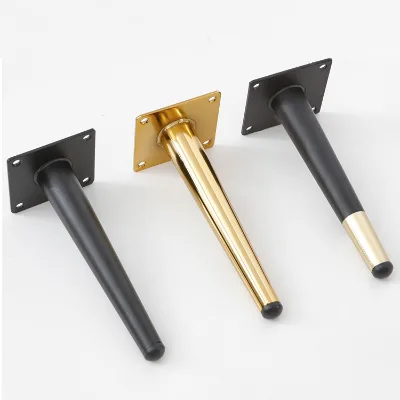
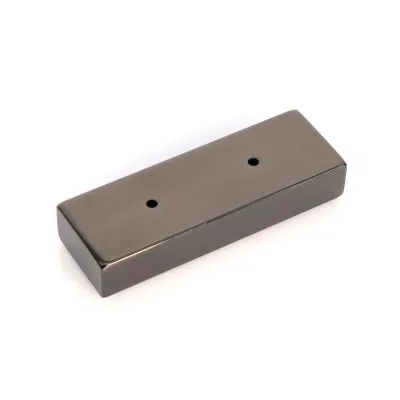
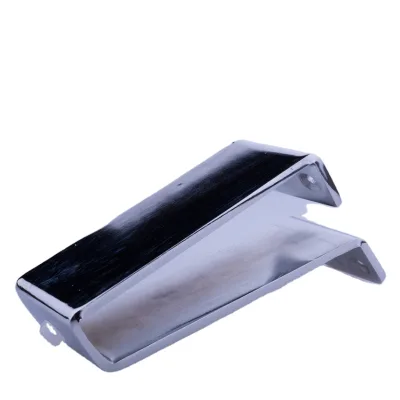
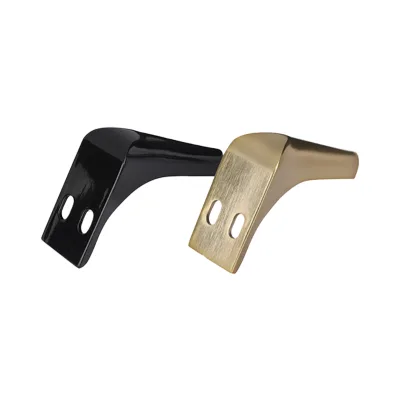
High Quality and Inexpensive U Shape Metal Sofa Legs for Home Hardware Furniture Legs
$2.70 - $2.80
MOQ: 10 pieces
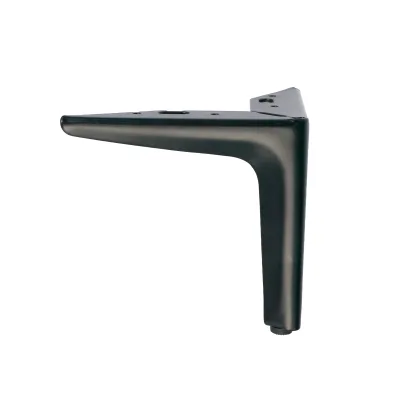
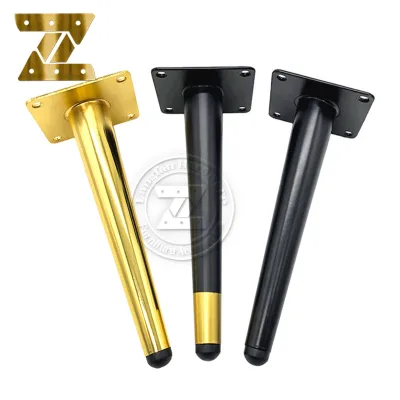
Furniture Legs Gold Sofa Legs Stainless Steel Table Legs Hardware Cabinet
$2.50 - $2.90
MOQ: 10 pieces
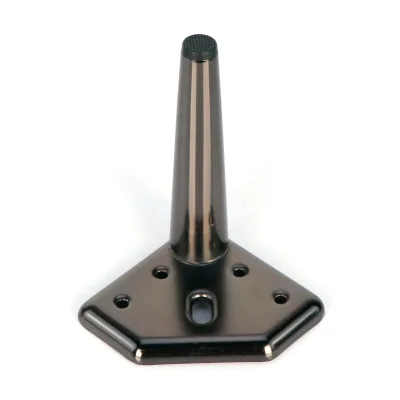

Guangdong Yijun Precision Technology Co., Ltd.
- Verified by TUVRHEINLAND
- Trading Company,Manufacturer/Factory
- China Guangdong
- Lead time30 days
- Avg. response≤ 12h
Main productsHardware Accessories, Precision Electronic Products, Sofa Leg, Furniture Fitting, Pipe, Cabinet Leg, Sliding, Gas Spring, Table Leg, Drawer Lock
Main marketsSouth America,Eastern Europe,Mid East,North America,Southeast Asia,Eastern Asia,Oceania,Western Europe,Africa


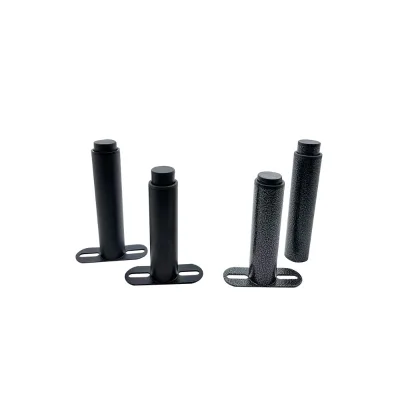
Contemporary Sofa Leg Replacement Metal Sofa Legs Adjustable Furniture Legs
$0.26 - $0.37
MOQ: 1000 Pieces


Foshan Langfan Furniture Accessories Co., Ltd.
- Manufacturer, Trading Company
- Guangdong, China
- Lead time12 days
- Avg. response≤ 5h
Main productssofa accessories,bed accessories,chair accessories,table accessories,furniture hardware
Main marketsMid East(20.00%), Central America(18.00%), Southeast Asia(15.00%), Domestic Market(15.00%), South America(5.00%), North America(5.00%), Eastern Europe(5.00%), Africa(5.00%), Western Europe(3.00%), South Asia(2.00%), Southern Europe(2.00%), Northern Europe(2.00%), Eastern Asia(2.00%), Oceania(1.00%)
Foshan Win Star Furniture Accessory Co., Ltd.
- Verified by SGS Group
- Manufacturer, Trading Company
- Lead time20 days
- Avg. response≤ 3h
Main productsSofa Hinge, Sofa Leg, Sofa Decorative Button, Bed Lifting Mechanism, Sofa Headrest Hinges
Main marketsEastern Europe(30%), South America(20%), North America(10%)
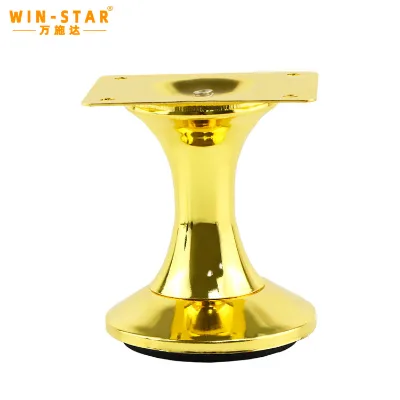
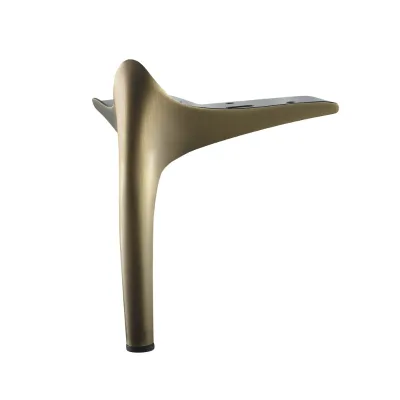
New Color Retro Style Sofa Leg Metal Gold Chrome Contemporary Metal Furniture Legs
$0.90 - $0.95
MOQ: 5000
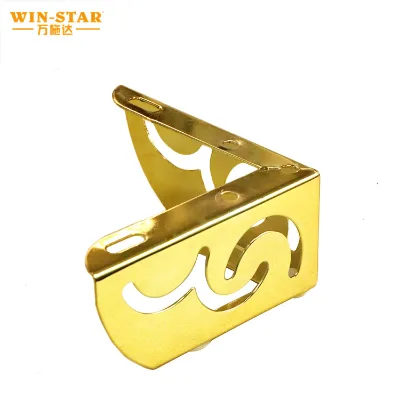
55MM Furniture Living Room Design Sofa Legs Modern Design Golden Metal Coffee Table Legs
$0.52 - $0.55
MOQ: 1000

FOSHAN JINRUI PLASTIC HARDWARE PRODUCT CO., LTD.
- Verified by SGS
- Combined
- China Guangdong
- Lead time30 days
- Avg. response≤ 8h
Main productsSofa Leg, Furniture Accessories, Webbing, Staple, Furniture Leg, Hardware Accessories, Metal Leg, Zig Zag Spring, Mechanism for Sofa, Sofa Hinge
Main marketsSouth America,Southeast Asia/ Mideast,Europe

Guangzhou city Anguli Import and Export Co., Ltd.
- Trading Company
- Guangdong, China
- Lead time30 days
- Avg. response≤ 6h
Main productsFurniture Handle, Furniture Slide, Shower Hinge, Kitchen Basket, Gas Spring
Main marketsSouth America(30.00%), Eastern Europe(30.00%), South Asia(10.00%), North America(10.00%), Central America(10.00%), Africa(10.00%)
Guangzhou Lichuan Hardware Enterprise Co., Ltd.
- Verified by Intertek
- Manufacturer, Trading Company
- Lead time20 days
- Avg. response≤ 2h
Main productsSofa Leg , Hinges , Sofa Nail, Table Leg, Furniture Parts
Main marketsNorth America(30%), Northern Europe(25%), South America(20%)
Hengshui Lihao Import And Export Trading Co., Ltd.
- Trading Company
- Hebei, China
- Lead time15 days
- Avg. response≤ 4h
Main productsMen's clothing,Women's clothing,Underwear,watch,socks
Main marketsNorth America(50.00%), Eastern Europe(10.00%), Southeast Asia(9.00%), Western Europe(5.00%), South America(5.00%), Africa(4.00%), Eastern Asia(4.00%), Mid East(4.00%), Oceania(4.00%), Domestic Market(1.00%), South Asia(1.00%), Southern Europe(1.00%), Northern Europe(1.00%), Central America(1.00%)
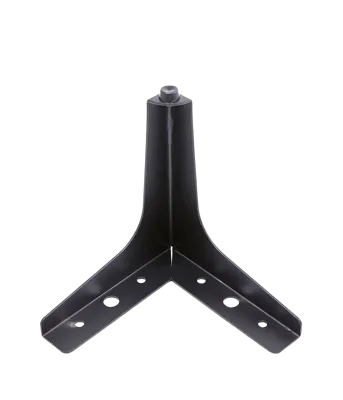
$0.54 - $0.97
MOQ: 2 Minimum
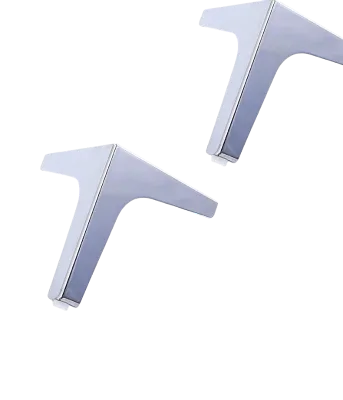
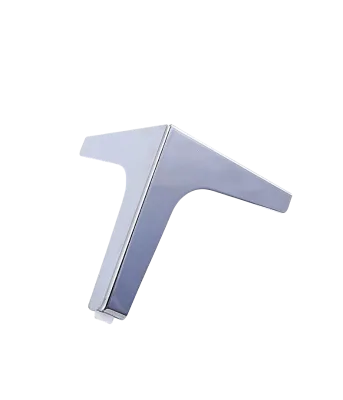
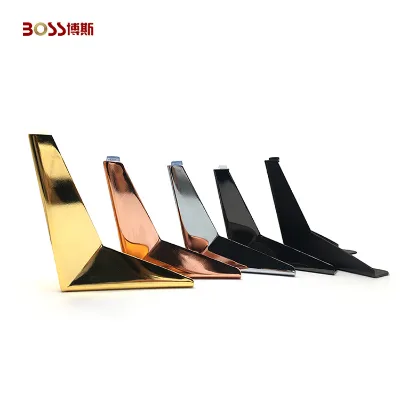
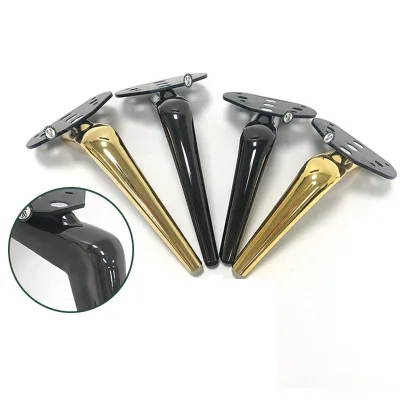
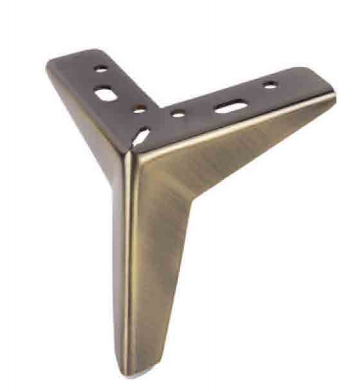
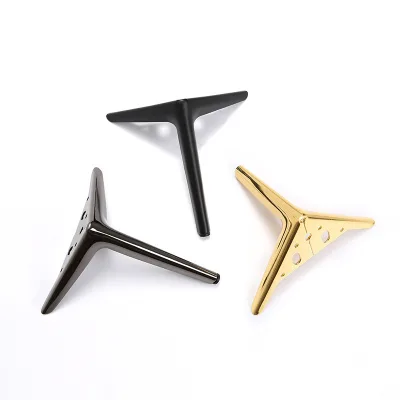
Modern Metal Feet for Sofa & Bed Golden Silver & Black Triangle Iron Legs for Living Room Furniture
$0.54 - $0.97
MOQ: 2 Minimum
$0.54 - $0.97
MOQ: 2 Minimum

Foshan Win Star Furniture Accessory Co., Limited
- Manufacturer
- China Guangdong
- Lead time23 days
- Avg. response≤ 5h
Main productsSofa Leg Sofa Hinge
Main marketsSouth America,Southeast Asia/ Mideast,Domestic,Europe

Furniture Legs Metal Chrome Furniture Legs Metal Modern Sofa Leg for Sofa
$0.16 - $0.17
MOQ: 200 Pieces


Foshan Nanhai Xiqiao Aoxuan Hardware Products Factory
- Manufacturer
- Guangdong, China
- Lead time25 days
- Avg. response≤ 18h
Main productsBed frame,Furniture Hardware,electric adjustable bed,pneumatic frame
Main marketsWestern Europe(50.00%), Domestic Market(40.00%), North America(4.00%), Southeast Asia(3.00%), Mid East(2.00%), South America(1.00%)
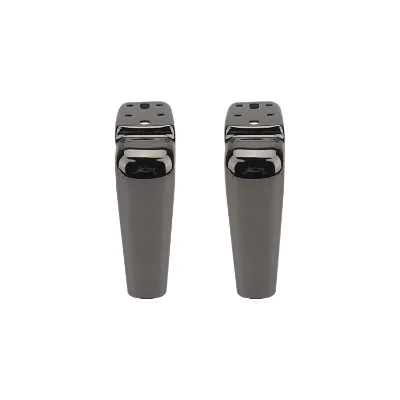
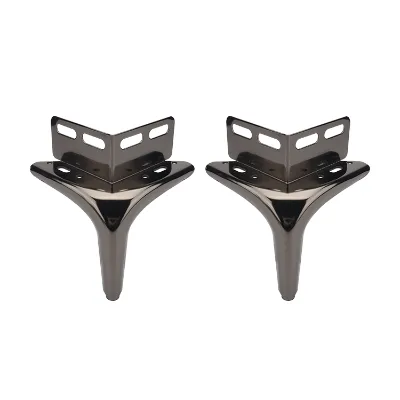
Factory Direct Apartment Hardware Dining Table Leg Popular Metal Sofa Leg
$2.045 - $3.4872
MOQ: 100 pieces
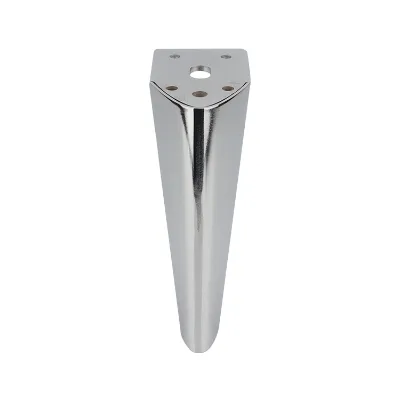
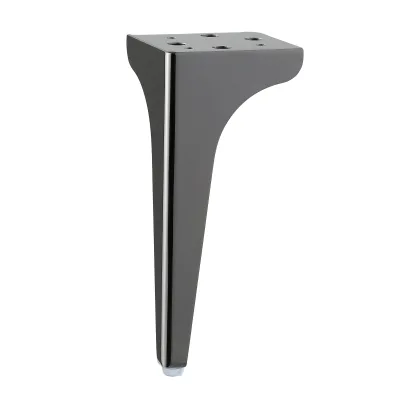
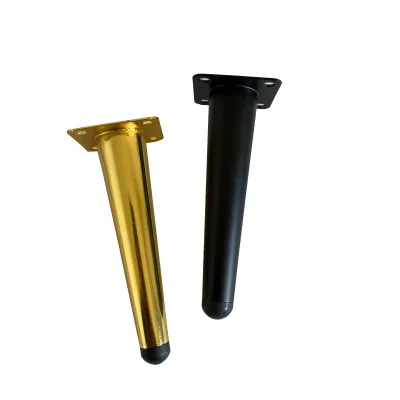
Modern Living Room Oblique Metal Furniture Leg Midcentury Furniture Steel Sofa Leg
$0.53 - $0.80
MOQ: 100 pieces

Shanghai Addith Hardware Co., Ltd.
- Verified by CTI
- Trading Company
- China Shanghai
- Lead time23 days
- Avg. response≤ 8h
Main productsHinge, Drawer Slide, Handle, Furniture Leg, Screws, Gas Support, LED Light, Faucet, Cabinet Accessories, PVC Edge Banding
Main marketsSouth America,Africa,East Asia(Japan/ South Korea),North America
Guangzhou Longcharm Hardware Co., Ltd.
- Manufacturer, Trading Company
- Guangdong, China
- Lead time25 days
- Avg. response≤ 7h
Main productsDoor Catch,Sliding Door Buffers,Glass Clamp,Concealed Hinge,Support
Main marketsMid East(40.00%), North America(10.00%), Southeast Asia(10.00%), South Asia(5.00%), Southern Europe(5.00%), Northern Europe(5.00%), Central America(5.00%), Eastern Asia(5.00%), Eastern Europe(5.00%), Oceania(5.00%), South America(5.00%)

HangZhou Aspiring Textile and Accessories Co., Ltd.
- Verified by BV
- Trading Company,Manufacturer/Factory
- China Zhejiang
- Lead time23 days
- Avg. response≤ 5h
Main productsT/C Fabric, Denim Fabric, Non-Woven Fabric, Cotton Fabric, Accessories, Polyester Fabric, Printing Fabric, Flannel Fabric, Home Textile, Grey Fabric
Main marketsSouth America,Eastern Europe,Mid East,North America,Southeast Asia,Eastern Asia,Oceania,Western Europe,Africa

Modern Furniture Legs Steel Metal Furniture Leg Table Chair Sofa Legs Furniture
$0.50 - $0.80
MOQ: 5000 Pieces

Foshan Pinlong Furniture Material Co., Ltd.
- Verified by Intertek
- Trading Company
- Lead time10 days
- Avg. response≤ 5h
Main productsMetal Sofa Leg, Wooden Sofa Leg, Crystal Button, Hardware Decorative Buttons, Functional Hardware
Main marketsDomestic Market(45%), Southeast Asia(25%), Mid East(20%)
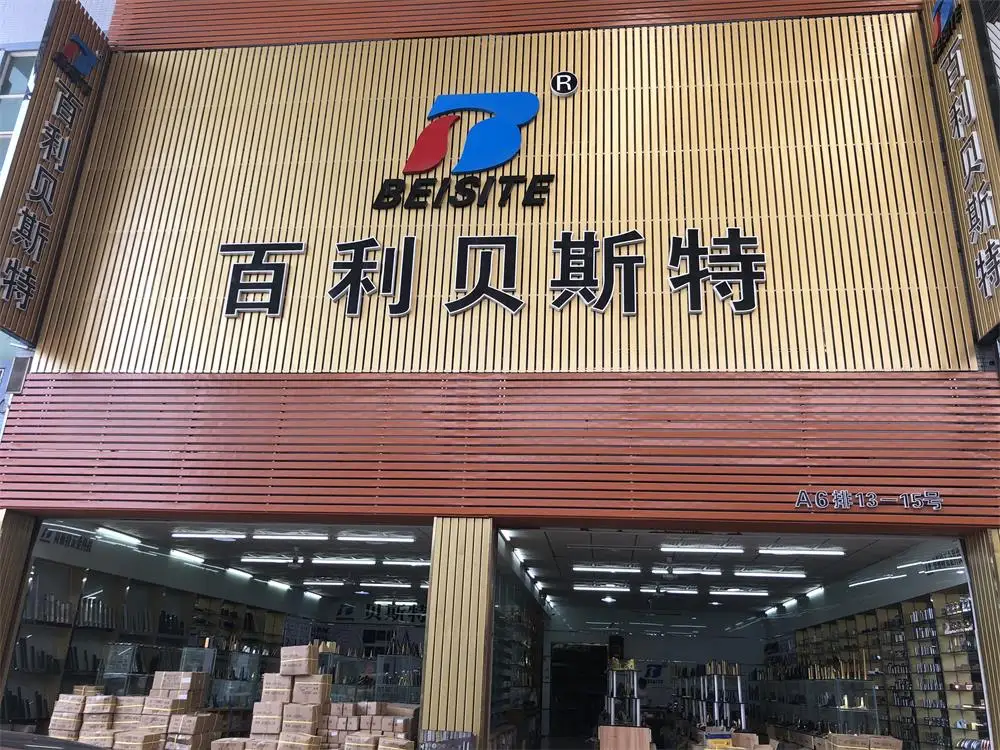
Foshan Bailebest Hardware Co., Ltd.
- Trading Company
- Guangdong, China
- Lead time20 days
- Avg. response≤ 2h
Main productsFurniture Hardware Sofa Legs,Furniture Hardware Soft Bed Legs,Furniture Hardware TV Cabinet Legs,Furniture Hardware Bathroom Cabinet Legs,Furniture Hardware Coffee Table Legs
Main marketsMid East(20.00%), Africa(15.00%), Southeast Asia(12.00%), South Asia(8.00%), South America(8.00%), Central America(5.00%), Domestic Market(5.00%), Northern Europe(5.00%), Eastern Asia(5.00%), Eastern Europe(5.00%), Southern Europe(3.00%), Western Europe(3.00%), Oceania(3.00%), North America(3.00%)
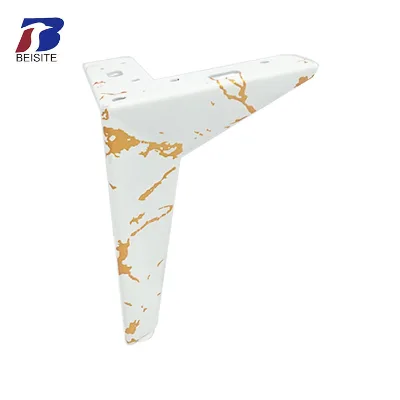
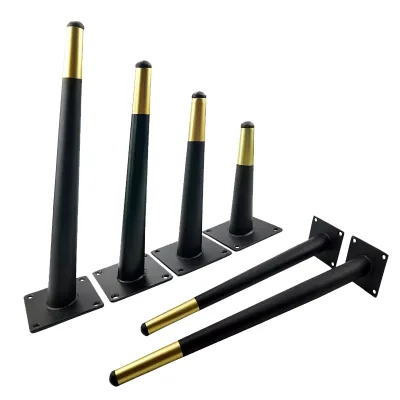
$0.8512 - $3.384
MOQ: 200 Minimum
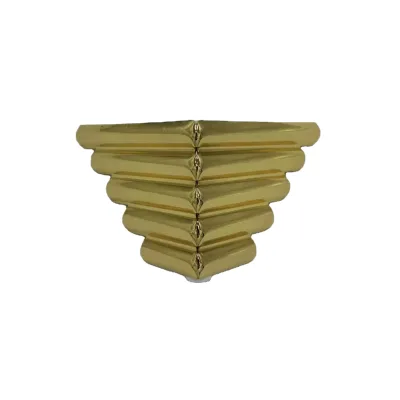
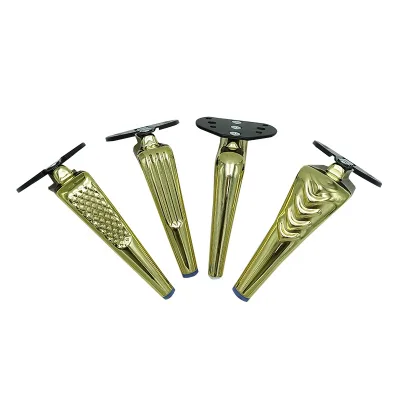
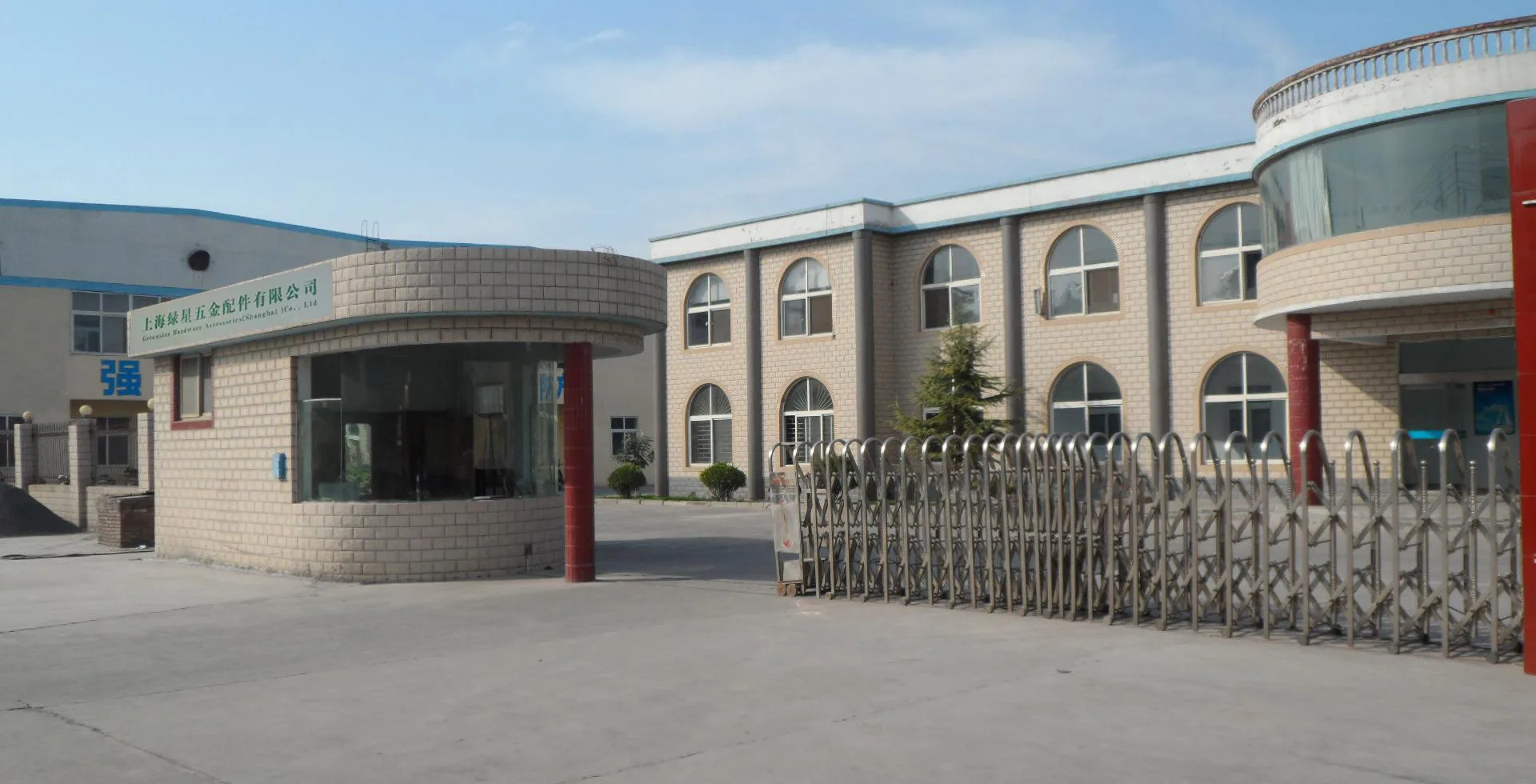
Greenstar Hardware Accessories (shanghai) Co., Ltd.
- Trading Company
- Shanghai, China
- Lead time30 days
- Avg. response≤ 4h
Main productsfurniture Legs,furniture handles and pulls,sofa meta parts,furniture hinges,sofa hardware
Main marketsMid East(30.00%), North America(12.00%), Africa(10.00%), Northern Europe(10.00%), Central America(10.00%), Southeast Asia(5.00%), Eastern Europe(5.00%), Western Europe(5.00%), Eastern Asia(5.00%), South America(5.00%), Southern Europe(2.00%), South Asia(1.00%)
- Manufacturer, Trading Company
- Hong Kong S.A.R.
- Lead time45 days
- Avg. response≤ 4h
Main productsTable legs,Hairpin Leg,Table Frame,Sofa Legs,Barn Door Hardware
Main marketsNorth America(35.00%), Oceania(22.00%), Western Europe(20.00%), Southeast Asia(7.00%), South Asia(3.00%), Central America(3.00%), South America(2.00%), Mid East(2.00%), Domestic Market(1.00%), Eastern Asia(1.00%), Southern Europe(1.00%), Northern Europe(1.00%), Africa(1.00%), Eastern Europe(1.00%)
$0.9305 - $1.5499
MOQ: 100 pieces
Cangzhou Ling Ang Hardware Manufacturing Co., Ltd.
- Verified by SGS Group
- Manufacturer, Trading Company
- Lead time15 days
- Avg. response≤ 5h
Main productsMetal Stamping Parts, Metal Legs, Auto Parts, Metal Stamping Mould, Sheet Metal Parts
Main marketsDomestic Market(70%), North America(15%), Western Europe(10%)
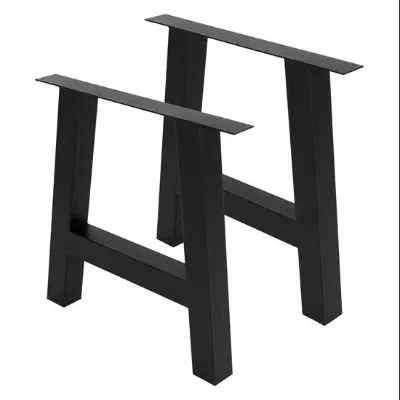
$7.2481 - $41.4123
MOQ: 30 Minimum
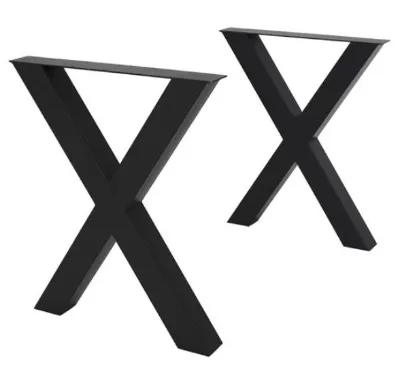
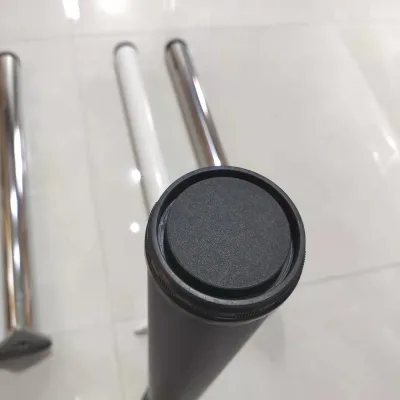
$7.1733 - $41.9987
MOQ: 30 Minimum
Guangzhou Lichuan Hardware Enterprise Co., Ltd.
- Manufacturer, Trading Company
- Lead time旺季: "1 - 100":31,"101 - 1000":31,"> 1000":"To be negotiated", 淡季: "1 - 100":31,"101 - 1000":31,"> 1000":"To be negotiated"
- Avg. response≤ 3h
Main productsFlight Case Accessories, Locks, Handle, Ball Corner, Hinge
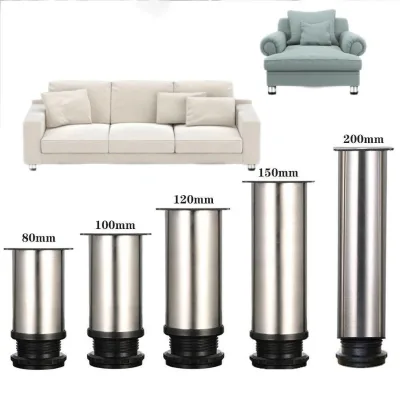
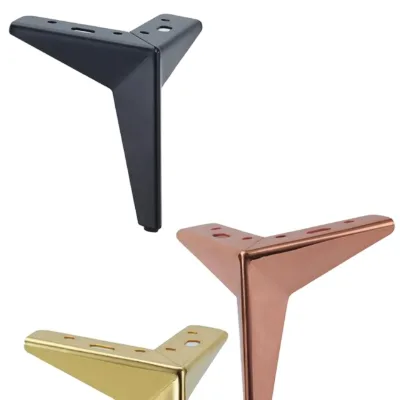
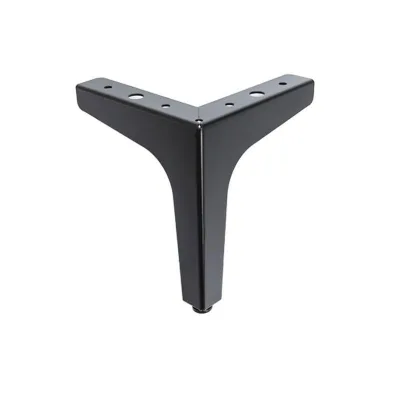
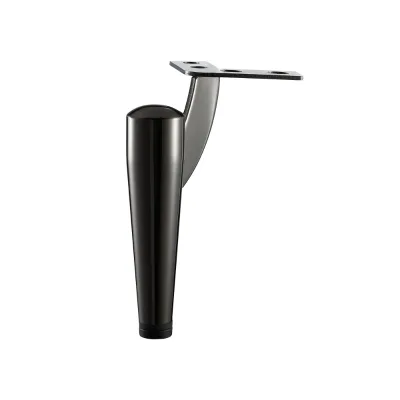
High Quality Modern Sofa Legs Metal Black Titanium Chair Cabinet Sofa Legs Black Trident Legs
$0.29 - $1.45
MOQ: 100 pieces
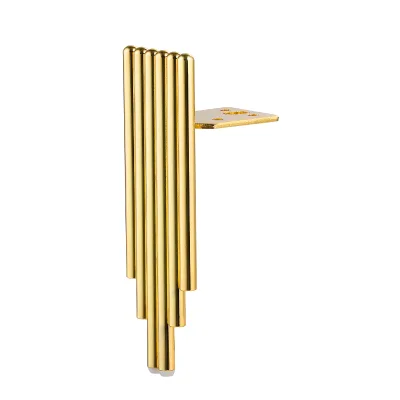
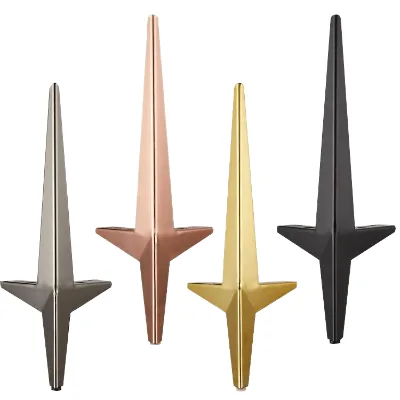

Foshan Toco Decorative Material Co., Ltd.
- Verified by TUVRHEINLAND
- Trading Company
- China Guangdong
- Lead time23 days
- Avg. response≤ 3h
Main productsFurniutre Accessories, Decorative Trim
Main marketsSouth America,Africa,Southeast Asia/ Mideast,Europe,Australia,North America

Excellent Living Room Chair Table Legs Furniture Hardware Metal Sofa Legs
$0.14 - $0.46
MOQ: 100 Pieces

Wenzhou Jision Hardware & Tool Corp.
- Verified by TüVRheinland
- Manufacturer, Trading Company
- Lead time50 days
- Avg. response≤ 5h
Main productsFurniture Handle, Door Handle, Hardware
Main marketsWestern Europe(30%), Mid East(25%), Eastern Europe(20%)
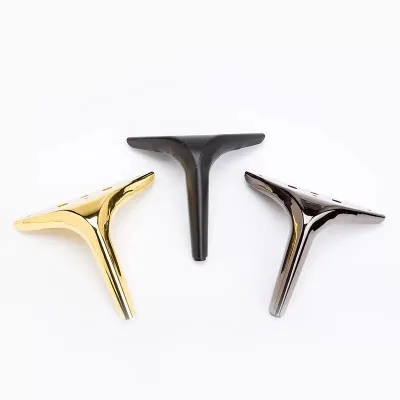
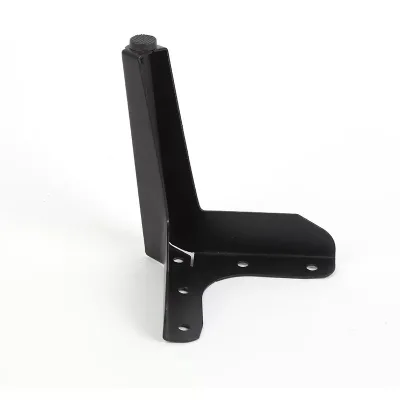
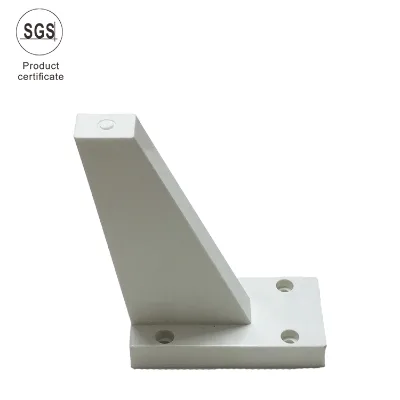
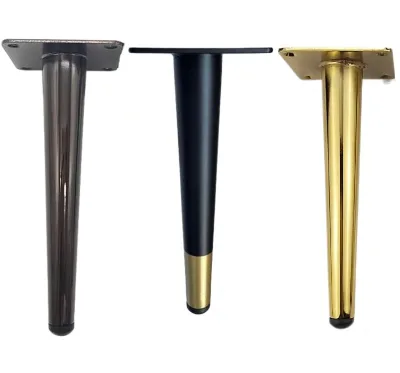
Modern Sofa Legs 15cm 18cm Black Gold Iron Furniture Hardware Metal Sofa Leg with Easy Installation
$0.5116 - $0.6134
MOQ: 500 pairs
$0.5131 - $0.6164
MOQ: 500 pairs
$0.80 - $1.00
MOQ: 500 pairs
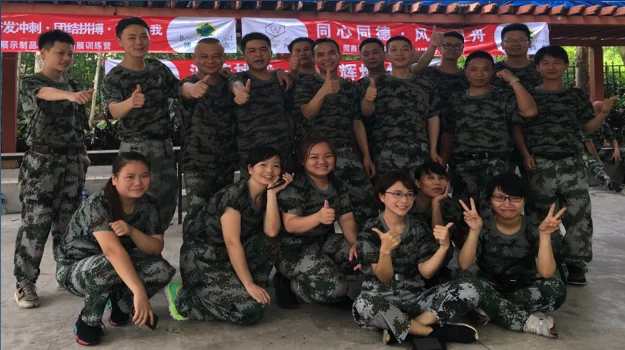
Foshan City Dadang Hardware Co., Ltd.
- Manufacturer, Trading Company
- Guangdong, China
- Lead time0 days
- Avg. response≤ 2h
Main productsSS mirror decorative strip,Furniture legs,Cabinet hardware,Wardrobe hardware,Office hardware
Main marketsDomestic Market(20.00%), Eastern Asia(20.00%), Southeast Asia(15.00%), Mid East(15.00%), South Asia(10.00%), Africa(10.00%), South America(5.00%), North America(3.00%), Eastern Europe(2.00%)
Zhongshan Perfect Metal Products Co., Ltd.
- Manufacturer, Trading Company
- Guangdong, China
- Lead time0 days
- Avg. response≤ 2h
Main productsCustomized finished hardware products,Precision machining,Sheet-metal working,Metal pipe processing,Metal profile processing and customization
Main marketsDomestic Market(25.00%), North America(20.00%), Eastern Europe(15.00%), South America(10.00%), Central America(6.70%), South Asia(5.00%), Southeast Asia(4.50%), Eastern Asia(3.40%), Mid East(2.80%), Northern Europe(2.00%), Western Europe(1.80%), Oceania(1.50%), Africa(1.30%), Southern Europe(1.00%)
Zhaoqing Gaoyao District Bosss Hardware Products Co., Ltd.
- Manufacturer, Trading Company
- guangdong, China
- Lead time0 days
- Avg. response≤ 6h
Main productsMetal Sofa Legs,Sofa Hardware Parts,Furniture Leg Hardware,Sofa Headrest Mechanism,Sofa Mechanism Factory
Main marketsSouth Asia(37.00%), Southeast Asia(20.00%), Northern Europe(10.00%), Mid East(8.00%), North America(8.00%), Eastern Europe(5.00%), Central America(5.00%), Africa(5.00%), South America(2.00%)
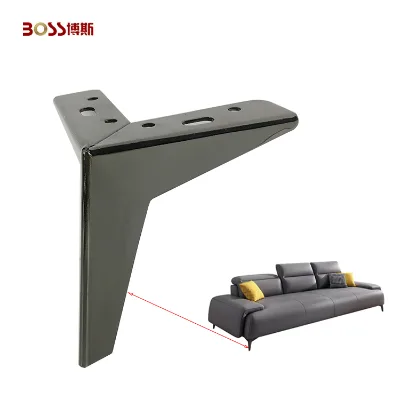
Furniture Legs Metal Sofa Support Foot Metal Hardware TV Stand Desk Cabinet Legs
$0.50 - $0.58
MOQ: 1 pieces
Foshan Nanhai Yuejingyi Hardware Products Co., Ltd.
- Manufacturer, Trading Company
- Guangdong, China
- Lead time0 days
- Avg. response≤ 21h
Main productsSofa Accessories
Main marketsEastern Europe(15.00%), Mid East(15.00%), Southeast Asia(15.00%), South Asia(10.00%), Western Europe(10.00%), Africa(10.00%), Eastern Asia(5.00%), South America(5.00%), North America(3.00%), Oceania(3.00%), Southern Europe(3.00%), Central America(3.00%), Northern Europe(3.00%), Domestic Market(0.00%)
Guangzhou Shang Qi Trading Co., Ltd.
- Trading Company
- Guangdong, China
- Lead time30 days
- Avg. response≤ 4h
Main productsFurniture Handle,Furniture Leg,Table Leg,Steel Tube,Furniture Hook
Main marketsEastern Europe(20.00%), South America(15.00%), Western Europe(10.00%), North America(10.00%), South Asia(5.00%), Southern Europe(5.00%), Northern Europe(5.00%), Central America(5.00%), Southeast Asia(5.00%), Eastern Asia(5.00%), Mid East(5.00%), Oceania(5.00%), Africa(5.00%)


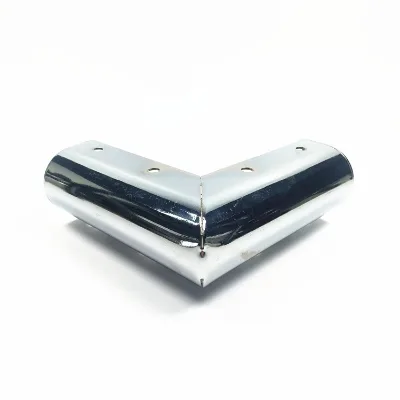




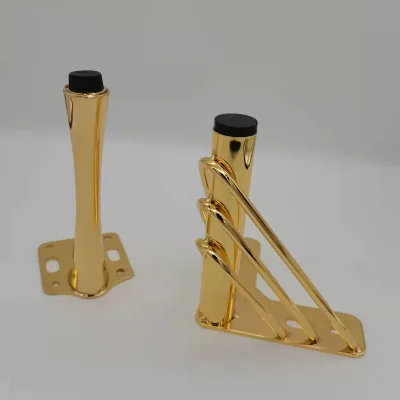
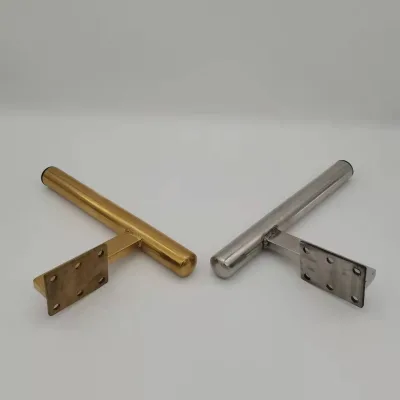
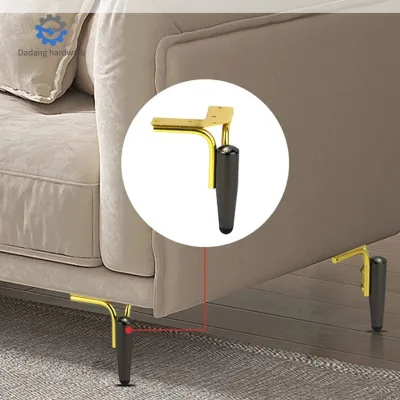
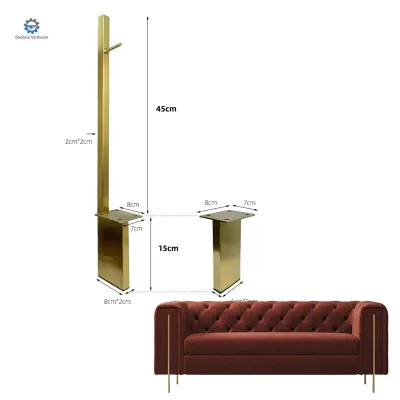
Comprehensive Sourcing Guide
Modern Metal Sofa Chair Leg Supplier Concentration and Factory Types
The current supplier landscape for modern metal sofa chair legs reveals a distinct concentration of manufacturing and trading entities within specific industrial regions. Evidence indicates that a significant portion of these suppliers are located in China, with Guangdong province emerging as a primary hub for this specific hardware category. This geographic clustering is not accidental; it reflects the mature supply chain infrastructure for metal fabrication, electroplating, and surface finishing that supports the production of contemporary furniture components. Buyers evaluating these suppliers will often encounter a mix of combined companies and pure trading companies, each offering different value propositions. The presence of combined entities suggests that some suppliers may handle both the manufacturing process and the commercial transaction, potentially streamlining communication for complex custom orders. In contrast, trading companies may offer a broader portfolio of hardware accessories, such as door systems or wardrobe fittings, allowing buyers to consolidate shipments for multiple furniture parts. Understanding this structural diversity is crucial for determining whether a supplier’s primary strength lies in production capacity or in supply chain management and product variety.
Factory types also vary in their operational focus, which directly impacts the buyer’s sourcing strategy. Some suppliers are identified as having OEM and ODM capabilities, indicating they can produce goods based on client-provided designs or develop new products from scratch. This is particularly relevant for modern metal sofa legs, where aesthetic customization and structural integrity are paramount. The availability of customization options, such as specific lengths, colors, and materials like iron, brass, or stainless steel, is a key differentiator among these factory types. Buyers should note that while some suppliers list main products broadly, including sofa nails and castors, others specialize more narrowly in furniture legs and handles. This specialization often correlates with deeper technical expertise in metalworking processes, such as electroplating, which is essential for achieving the durable, stylish finishes required for modern furniture. By assessing the company type alongside their stated main products, buyers can better predict the supplier’s ability to meet specific design requirements and scale production volumes effectively.
How to Verify Modern Metal Sofa Chair Leg Suppliers
Verifying the credibility and operational capacity of Modern Metal Sofa Chair Leg suppliers requires a multi-layered approach that goes beyond surface-level product listings. One critical step is to examine the verification status provided by third-party inspection agencies. In the current results, suppliers are shown with verifications from entities such as CTI and TÜV Rheinland. These certifications serve as independent validations of the supplier’s business legitimacy and quality management systems. Buyers should prioritize suppliers who have undergone such rigorous audits, as these checks often include assessments of factory conditions, production capabilities, and compliance with international standards. Additionally, the response time metric offers a tangible indicator of a supplier’s operational efficiency and customer service readiness. A lower response time, such as the 2.94 hours observed in some results, suggests a more agile and responsive team, which is vital for resolving technical queries or negotiating custom specifications quickly. Conversely, higher response times may indicate potential bottlenecks in communication that could delay project timelines.
Beyond verification badges and response metrics, buyers must scrutinize the detailed product attributes and company profiles for consistency and depth. The presence of specific product evidence, such as detailed material compositions, customization availability, and standard packaging methods, provides insight into the supplier’s technical proficiency. For instance, suppliers listing specific raw materials like iron, brass, or stainless steel, along with processes like electroplating, demonstrate a clear understanding of the manufacturing requirements for durable metal legs. Buyers should also look for evidence of OEM and ODM services, which indicate the supplier’s flexibility in adapting to unique design needs. It is equally important to verify the supplier’s main products and company type to ensure alignment with the buyer’s sourcing goals. A trading company might offer greater variety but less direct control over production, while a combined entity might provide more integrated service. By cross-referencing these data points, buyers can build a comprehensive profile of each supplier’s reliability and suitability for their specific procurement needs.
What to Compare Across Modern Metal Sofa Chair Leg Suppliers
When evaluating multiple suppliers for modern metal sofa chair legs, buyers must systematically compare key operational and commercial dimensions to identify the most suitable partner. Lead time is a critical factor, as it directly impacts inventory management and project scheduling. The observed lead times vary, with some suppliers indicating a 23-day turnaround, which buyers should weigh against their production deadlines. Alongside lead time, the Minimum Order Quantity (MOQ) serves as a significant barrier or enabler for entry. MOQs in this category range widely, from as low as 100 pieces to 1000 pieces or more. Buyers with smaller initial orders or those testing new designs may find suppliers with lower MOQs more attractive, while those planning large-scale production runs might leverage higher volumes for better pricing. Response speed is another comparative metric; suppliers with faster response times can facilitate quicker negotiations and problem-solving, which is essential for maintaining momentum in fast-paced furniture manufacturing cycles.
Price and customization capabilities are equally vital comparison points. The price range for metal sofa legs can vary significantly, with some products listed between $0.50 and $1.00 per unit, while others may cost up to $7.00 depending on complexity, material, and finish. Buyers should analyze these prices in the context of the supplier’s MOQ and lead time to determine the true cost of ownership. Customization options, such as available sizes, colors, and design styles, should be compared to ensure the supplier can meet specific aesthetic and functional requirements. Some suppliers offer free samples, which is a valuable service for verifying quality before committing to a large order. Additionally, the supplier’s capacity for OEM and ODM services should be assessed, as this determines their ability to innovate and adapt to changing market trends. By creating a comparison matrix that includes lead time, MOQ, price, response speed, and customization options, buyers can make data-driven decisions that align with their strategic sourcing objectives.
Common Modern Metal Sofa Chair Leg Sourcing Risks
Sourcing modern metal sofa chair legs from international suppliers introduces several inherent risks that buyers must proactively manage to ensure supply chain stability. One significant risk is the variability in product quality, particularly concerning the durability and finish of metal components. Processes such as electroplating are critical for preventing corrosion and maintaining aesthetic appeal, but inconsistencies in these processes can lead to premature failure or cosmetic defects. Buyers must ensure that suppliers adhere to strict quality control standards, as evidenced by third-party verifications and detailed product specifications. Another risk is the potential for miscommunication regarding customization requirements. Since many suppliers offer OEM and ODM services, vague specifications can result in products that do not meet the buyer’s design expectations. Clear and detailed technical drawings, material specifications, and finish requirements are essential to mitigate this risk. Buyers should also be cautious of suppliers who do not provide comprehensive product evidence, as this may indicate a lack of transparency or operational maturity.
Logistical and commercial risks also pose challenges in this sourcing category. Lead time variability can disrupt production schedules, especially if suppliers face capacity constraints or raw material shortages. Buyers should establish clear agreements on lead times and penalties for delays to protect their interests. Additionally, the MOQ requirements can create inventory risks for buyers who underestimate demand or overestimate their production needs. High MOQs may tie up capital in stock that does not sell as quickly as anticipated. Buyers should negotiate flexible MOQ terms or explore suppliers with lower minimums for initial orders. Payment terms and financial security are also critical considerations. Buyers should verify the supplier’s payment methods and consider using secure payment platforms or escrow services to protect their funds. Finally, buyers must be aware of potential changes in trade regulations or tariffs that could impact the cost and feasibility of importing metal furniture components. Staying informed about these external factors and maintaining open communication with suppliers can help mitigate these risks effectively.
Modern Metal Sofa Chair Leg Regional Sourcing and Logistics
The geographic location of suppliers plays a pivotal role in determining logistics costs, lead times, and overall supply chain efficiency for modern metal sofa chair legs. Evidence indicates that a substantial number of suppliers are concentrated in Guangdong, China, a region renowned for its robust manufacturing infrastructure and proximity to major shipping ports. This concentration offers buyers access to a dense network of specialized factories and service providers, which can facilitate faster production cycles and more competitive pricing. However, buyers must also consider the logistical implications of sourcing from this region, including transit times to their destination markets and the associated freight costs. Metal furniture legs are relatively heavy and bulky, which can increase shipping expenses if not packed efficiently. Suppliers who provide detailed packing information, such as pieces per carton, can help buyers optimize container space and reduce per-unit shipping costs.
Beyond Guangdong, buyers may encounter suppliers from other regions, each with its own logistical advantages and challenges. For instance, suppliers located closer to raw material sources may offer better pricing on certain metals, while those near major transportation hubs may provide faster shipping options. Buyers should evaluate the supplier’s location in the context of their own distribution network to determine the most cost-effective sourcing strategy. Additionally, buyers must account for customs clearance procedures and import duties, which can vary significantly depending on the country of origin and the specific product classification. Working with suppliers who have experience in international shipping and can provide accurate documentation can streamline the customs process and reduce delays. Buyers should also consider the environmental and social implications of their sourcing decisions, as increasing consumer awareness drives demand for ethically produced and sustainably sourced furniture components. By carefully assessing regional logistics and supplier locations, buyers can optimize their supply chain for efficiency, cost, and compliance.
Modern Metal Sofa Chair Leg Commercial Terms and Order Planning
Effective order planning and negotiation of commercial terms are essential for securing favorable outcomes when sourcing modern metal sofa chair legs. Buyers should begin by clearly defining their volume requirements and delivery schedules to negotiate competitive pricing and lead times. Suppliers often offer tiered pricing structures based on order quantity, so buyers can leverage their projected volumes to secure better rates. It is also crucial to establish clear payment terms that align with the buyer’s cash flow and risk tolerance. Common payment methods include Telegraphic Transfer (T/T), Western Union, and PayPal, with some suppliers offering more secure options like escrow services for larger orders. Buyers should verify the supplier’s payment flexibility and ensure that the terms protect their interests throughout the production and shipping process. Additionally, buyers should discuss sample policies, as many suppliers offer free samples to help verify quality before committing to a full order. Understanding the cost and lead time for samples can help buyers plan their product development timeline more accurately.
Beyond pricing and payment, buyers must address post-order support and warranty terms to ensure long-term satisfaction. Suppliers should provide clear guidelines on handling defects, returns, and replacements, as these issues can arise during production or transit. Buyers should also consider the supplier’s capacity for ongoing support, such as providing technical assistance or updating designs based on market feedback. For buyers planning long-term partnerships, establishing a framework for regular communication and performance reviews can help maintain quality and service levels. Additionally, buyers should be aware of any additional costs, such as tooling fees for custom designs or expedited shipping charges, and incorporate these into their budget planning. By carefully negotiating commercial terms and planning orders with a focus on flexibility and support, buyers can build a resilient and efficient supply chain for modern metal sofa chair legs. This proactive approach minimizes risks and maximizes the value derived from supplier relationships.
FAQs
What is the price range for modern metal sofa legs?
Prices typically range from $0.30 to $7.00 per unit depending on material and customization. Basic metal legs start around $0.30, while electroplated or chrome-finished options can reach $7.00. Buyers should verify specific costs for their chosen size and finish.
What is the minimum order quantity for these legs?
MOQs vary by supplier, commonly set at 100, 500, or 1000 pieces. Some listings require 1000 units for standard models, while others accept orders as low as 100 pieces. Always confirm the exact MOQ with the supplier before placing an order.
Are customization options available for metal sofa legs?
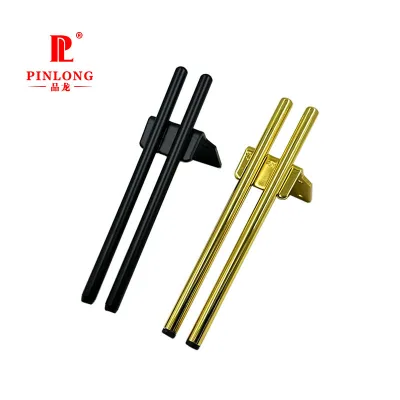
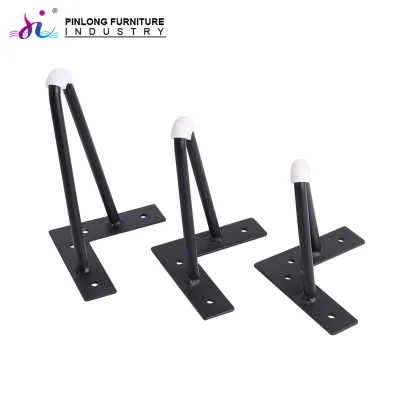
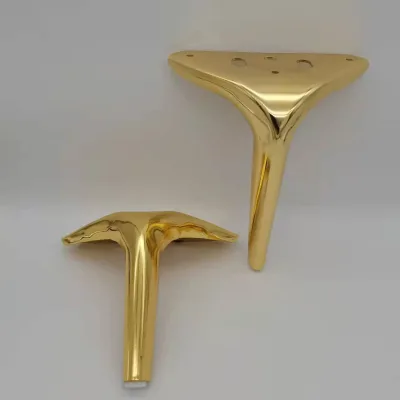
Yes, customization is widely available for size, color, and design. Suppliers offer options in gold, black, or chrome finishes with lengths like 10, 12, or 15 cm. Many providers support OEM and ODM services to meet specific furniture design requirements.
Where are these metal furniture legs manufactured?
Most suppliers are located in Guangdong, China. This region is a major hub for furniture hardware and metal leg production. Buyers can expect products originating from this area, ensuring access to established manufacturing infrastructure and supply chains.
What is the typical lead time for production?
Lead times are generally around 23 days for standard orders. This duration allows for material sourcing, manufacturing, and quality control. Buyers should confirm specific timelines with suppliers, as rush orders or complex customizations may affect the final delivery schedule.
What materials are used for these sofa legs?
Common materials include metal, iron, brass, and stainless steel. These materials ensure durability and strength for various furniture types. Suppliers often provide options for different finishes and coatings to match specific aesthetic and functional requirements for sofas and chairs.