Moisturizing Brightening Body Butter Suppliers and Manufacturers
Compare 15 suppliers of Moisturizing Brightening Body Butter across verified manufacturing type, location, OEM and ODM capabilities, response times, lead times, MOQ, and certifications such as GMP, CE, FDA, and MSDS. Review listed product specifications and pricing, then request samples to confirm formulation quality before committing to an order.
Suppliers List

Guangzhou Guocui Biological Technology Co., Ltd.
- Verified by TUVRHEINLAND
- Combined
- China Guangdong
- Lead time15 days
- Avg. response≤ 5h
Main productsSkin Care, Face Care, Body Care, Hair Care, Makeup, Essential Oil, Beard Care, Lipstick, Neck Care, Facial Essence
Main marketsDomestic


100% Natural Organic Smoothing Skin Whitening Daily Hydrating Shea Butter Body Cream
$1.57 - $2.47
MOQ: 500 Pieces

Deep Hydrating Body Cream for Smooth Skin Moisturizing Dry Skin Body Lotion
$0.81 - $1.32
MOQ: 500 Pieces

Guangzhou Mebamy Cosmetics Co., Ltd.
- Verified by TUVRHEINLAND
- Manufacturer/Factory
- China Guangdong
- Lead time15 days
- Avg. response≤ 5h
Main productsFace Serum, Soap, Face Cream, Sunscreen, Eyelash Growth Serum, Teeth Whitening, Face Mask, Facial Cleanser, Essential Oil, Hair Care Series
Main marketsNorth America,Western Europe


Best Body Cream for Skin Moisturize Anti-Aging & Anti-Wrinkle Body Butter
$1.50 - $7.50
MOQ: 3000 Pieces

OEM Wholesale Private Brand High-Quality Moisturizing Body Butter for Normal Skin
$3.82 - $3.98
MOQ: 3000 Pieces


Tianjin Zhuofeng Biotechnology Co., Ltd.
- Verified by BV
- Trading Company
- China Tianjin
- Lead time15 days
- Avg. response≤ 10h
Main productsFood Additives, Plant Extract, Amino Acid, Nutrient Supplements, Feed Additives, Vitamin, Water Treatment, Coffee Bean/Cacao Beans, Cocoa Butter Cocoa Powder, Plastic Particle
Main marketsSoutheast Asia/ Mideast

Moisturizing Whipped Body Butter Skin Smoothing Whitening Body Cream Mango Body Butter
$19.00 - $25.00
MOQ: 100 kg


Huizhou Yajiali Industrial Co., Ltd.
- Verified by SGS
- Combined
- China Guangdong
- Lead time30 days
- Avg. response≤ 3h
Main productsBath Bomb, Body Butter, Shower Steamers, Body Scrubs, Soap, Bath Salt, Bath Set
Main marketsEurope,North America

Private Label Body Butter Lotion Nourishing Face & Body Cream Organic Vitamin E Body Butter
$0.56 - $0.99
MOQ: 1000 pieces

Organic Body Butter Cream Skin Moisturizing Rich Vitamin E Lotion Butter Struuberry Body Lotion
$0.68 - $1.23
MOQ: 500 pieces


Guangzhou Shiruoni Cosmetics Co., Ltd.
- Trading Company,Manufacturer/Factory,Group Corporation
- China Guangdong
- Lead time15 days
- Avg. response≤ 6h
Main productsSkin Care, Jelly Mask, Face Serum, Face Toner, Face Cream, Facial Mask, Sunscreen, Face Cleanser, Soap, Skin Care Set
Main marketsSouth America,Eastern Europe,Mid East,North America,Southeast Asia,Eastern Asia,Oceania,Western Europe,Africa


Private Label Natural Organic Nourishing Body Lotion Shea Butter Body Lotion
$1.00 - $3.50
MOQ: 1000 Pieces


Private Label Brightening Moisturizer Nourishing Skin Whitening Body Lotion
$1.50 - $2.60
MOQ: 1000 Pieces

Private Label Milk Brightening Moisturizer Nourishing Skin Whitening Body Lotion
$1.50 - $2.60
MOQ: 1000 Pieces


Suzhou Darpool Import and Export Co., Ltd.
- Verified by BV
- Trading Company
- China Jiangsu
- Lead time15 days
- Avg. response≤ 2h
Main productsShampoo, Body Lotion
Main marketsSoutheast Asia/ Mideast


Refreshing Non Greasy Body Cream Fast Absorbing Bring Comfortable Skin Feeling for Daily Body Care
$0.55 - $0.65
MOQ: 5000 Pieces

Deep Conditioning Body Lotion Long Term Use Improve Overall Skin Quality and Skin Condition Steadily
$0.55 - $0.65
MOQ: 5000 Pieces

Guangzhou Beaver Cosmetic Co., Ltd.
- Verified by BV
- Combined
- China Guangdong
- Lead time30 days
- Avg. response≤ 4h
Main productsHair Care, Hair Styling, Hair Building Fiber, Hair Smoothing Treatment, Body Care, Hand Care, Pet Care
Main marketsAfrica,Others(foreignTradeCapacity.exportBusinessCapacityMarketOther),Southeast Asia/ Mideast,East Asia(Japan/ South Korea),Europe,Australia,North America

Private Label Skin Care Moisturizing Brightening Body Butter Body Lotion
$1.58 - $1.90
MOQ: 3000 Pieces

Moisturizing Body Care Private Label Shea Butter and Oatmeal Body Cream
$1.37 - $1.58
MOQ: 3000 Pieces


Private Label Skin Care Products Moisturize Dry Skin Shea Butter Body Lotion
$0.59 - $0.99
MOQ: 500 Pieces

100ml Moisturizing Body Shea Butter Skin Care Body Lotion Cream Private Label
$0.59 - $0.99
MOQ: 3000 Pieces

Guangzhou Tinsun Biotechnology Company Limited
- Combined
- China Guangdong
- Lead time15 days
- Avg. response≤ 7h
Main productsSkin Care
Main marketsEast Asia(Japan/ South Korea),Australia,North America

Organic Whitening Shea Body Butter Lotion 20% Extra Rich Body Shea Butter
$2.94 - $5.34
MOQ: 100 Pieces


Hangzhou Huiji Biotechnology Co., Ltd.
- Verified by BV
- Combined
- China Zhejiang
- Lead time30 days
- Avg. response≤ 7h
Main productsShampoo, Detergent, Dish Washing, Hand Liquid Soap, Air Freshener, Conditioner, Urinal Block, Shower Gel, Glass Cleaner, Floor Cleaner
Main marketsSouth America,Africa,Southeast Asia/ Mideast,East Asia(Japan/ South Korea),Domestic,Europe,Australia,North America

SUZHOU LONGLIFU IMP. & EXP. CO., LTD.
- Verified by TUVRHEINLAND
- Manufacturer/Factory
- China Jiangsu
- Lead time23 days
- Avg. response≤ 7h
Main productsDaily Chemicals, Skin Care Products, Hair Care Products, Oral Care, Household Cleaning Products, Cosmetics, Animal Care, Perfume, Pet Care Products
Main marketsSouth America,Mid East,Southeast Asia,Eastern Asia,Western Europe,Africa

Zhejiang Qianfei Enterprise Co., Ltd.
- Combined
- China Zhejiang
- Lead time45 days
- Avg. response≤ 16h
Main productsBody Mist, Body Lotion, Body Cream, Perfume, Body Spray, Body Splash, Fragrance Mist, Hand Sanitizer, Fragrance, Hand Cream
Main marketsSouth America,Southeast Asia/ Mideast,Europe
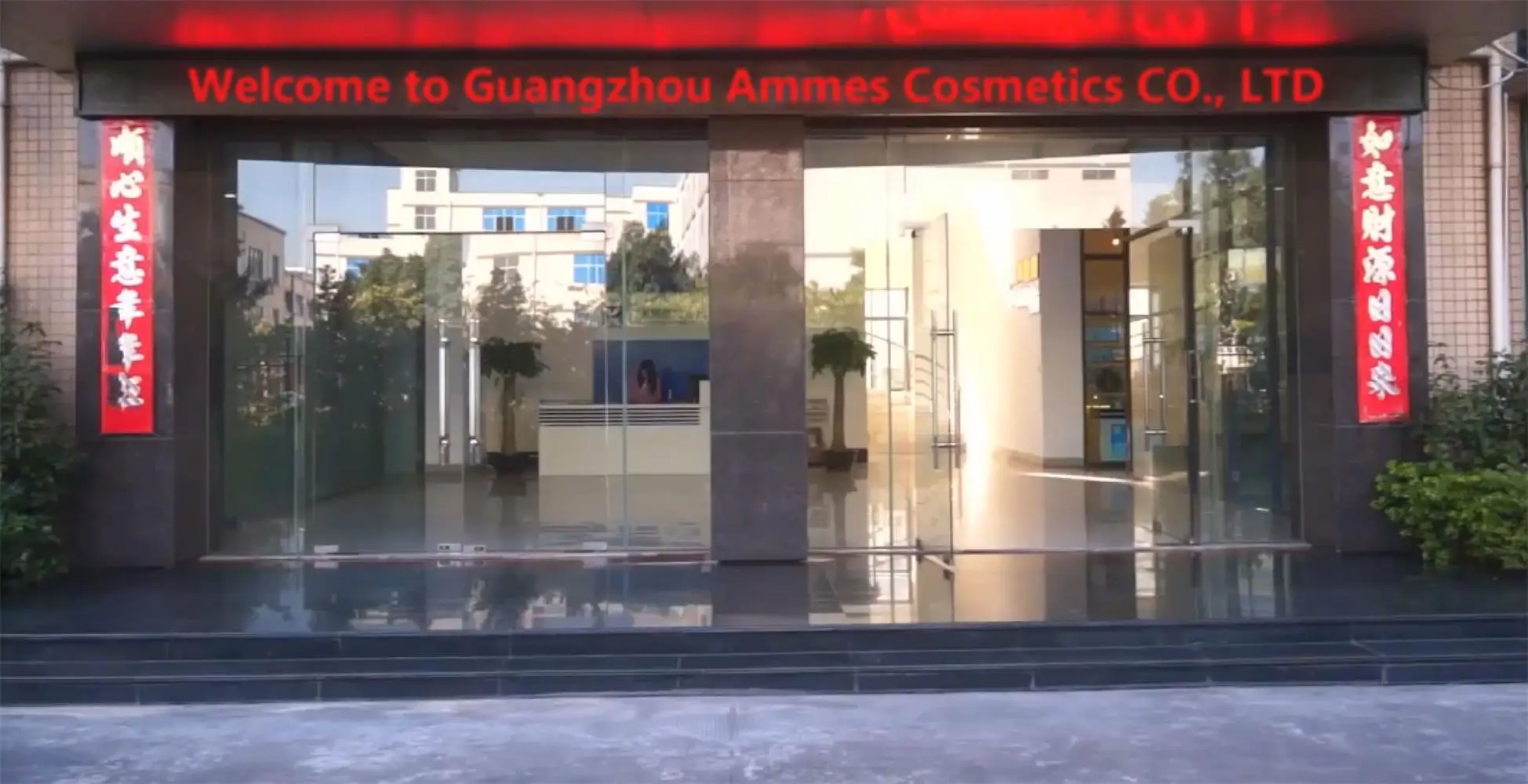
Guangzhou Ammes Cosmetics Co., Ltd.
- Manufacturer, Trading Company
- Guangdong, China
- Lead time15 days
- Avg. response≤ 3h
Main productsFace Serum,Face Cream,Beauty /Nail Salon Spa,Manicure Pedicure Preparation,Body Scrub/ Lotion
Main marketsNorth America(24.00%), Domestic Market(10.00%), Western Europe(10.00%), Mid East(9.00%), South Asia(8.00%), Southeast Asia(8.00%), Eastern Europe(5.00%), Central America(5.00%), South America(5.00%), Oceania(5.00%), Africa(5.00%), Northern Europe(2.00%), Eastern Asia(2.00%), Southern Europe(2.00%)
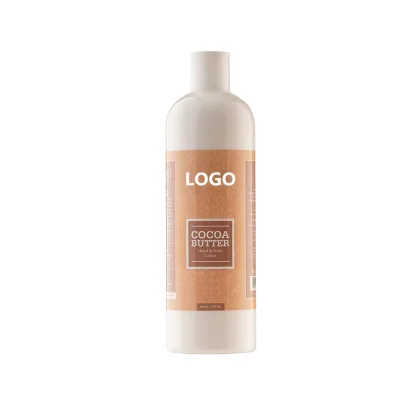
Private Label Skin Whitening Lightening Organic Cocoa Butter Body Lotion for Sensitive Skin
$1.00 - $1.91
MOQ: 1 pieces

Guangzhou Aifujia Biotechnology Co., Ltd.
- Trading Company
- China Guangdong
- Lead time15 days
- Avg. response≤ 5h
Main productsFace Cream, Face Serum, 24K Serum, Rose Spray, Vitamin C Serum, Skin Care Set, Essential Oil, Facial Mask, Face Lotion, Anti Aging Whitening Face Cream
Main marketsSoutheast Asia/ Mideast,Europe,North America


Whitening Body Lotion and White Brightening Milk Body Lotion Body Milk Lotion
$1.00 - $2.90
MOQ: 1000 Pieces

Guangzhou Danjia Cosmetics Co., Ltd.
- Verified by BV
- Manufacturer/Factory
- China Guangdong
- Lead time0 days
- Avg. response≤ 19h
Main productsDizao Facial Masks, Breast Enlarging Cream Slimming Cream, Dizao Foot Mask, Bb Cream, Breast Enlarging/ Hip up /Slimming Cream, Facial Cleanser, Body Lotion, Razor Shaving Cream, Facial Cream, Hand Cream
Main marketsSouth America,Eastern Europe,Mid East,North America,Southeast Asia,Eastern Asia,Oceania,Western Europe,Africa
Shanxi Ashley Bio-Tech Co., Ltd.
- Trading Company
- Shanxi, China
- Lead time0 days
- Avg. response≤ 8h
Main productsUnderwear
Main marketsNorth America(70.00%), South Asia(15.00%), Mid East(15.00%)
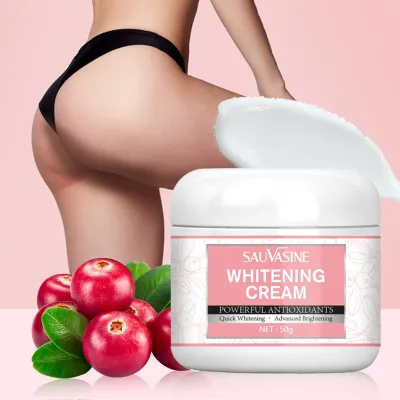
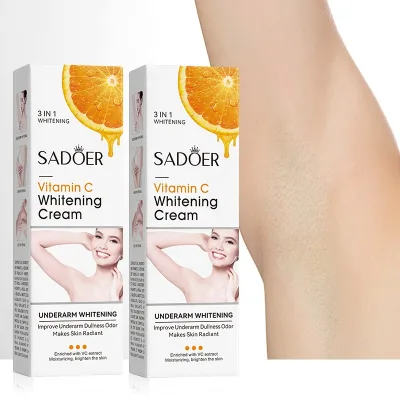
High Quality Deep Moisturizing Nourishing Brightening and Sensitive Body Whitening Cream
$0.92 - $1.26
MOQ: 10 pieces


Comprehensive Sourcing Guide
Moisturizing Brightening Body Butter Supplier Concentration and Factory Types
Sourcing for Moisturizing Brightening Body Butter is shaped by where cosmetic manufacturing capacity actually sits. One region supplied in the current results is Guangdong, China, which appears as the location for suppliers in this category and as the place of origin on listed body butter products. Buyers should treat such a confirmed cluster as a starting point for shortlisting, because suppliers based in an established cosmetics region typically sit close to packaging vendors, raw material distributors, and contract filling lines. That proximity can shorten development cycles for private label body butter, since a single industrial area may cover formulation, jars, cartons, and labeling within a short radius.
Factory types in this category vary more than buyers sometimes expect. The current results show both a combined company type and a manufacturer/factory type, and the listed main product ranges include broad personal care catalogs spanning skin care, face care, body care, hair care, makeup, and essential oils, as well as more serum- and treatment-focused catalogs. A combined supplier may blend trading and manufacturing roles, which is not inherently negative but does change who controls the production schedule. A factory-type supplier with OEM and ODM capability, as shown in the results, may handle custom formulations directly. When the region is not displayed for a given supplier, verify it independently rather than assuming membership in a known cluster, because location affects freight cost, audit logistics, and lead time reliability.
How to Verify Moisturizing Brightening Body Butter Suppliers
Verification should begin with the credentials a platform displays and end with documents the supplier provides directly. In the current results, at least one supplier carries a TUV Rheinland verification badge, which is an independent inspection-style credential rather than a self-declared claim. Another supplier shows a GMP system certification, relevant because good manufacturing practice discipline matters for leave-on body products applied to large skin areas. Some listed products also declare CE, FDA, MSDS, or GMP marks at the product level. Do not assume these apply uniformly across a catalog or across all suppliers on the page; check each listing, then request the underlying certificates for the specific product and batch you intend to buy.
Beyond badges, verification means confirming the operational facts behind the listing. Ask for a business license and check that the registered scope covers cosmetics manufacturing or trade, confirm whether the entity is a factory or a combined trading company, and reconcile that answer with what the platform shows. For brightening claims specifically, request ingredient documentation and safety data sheets, since whitening and lightening features appear throughout the listed products and are regulated differently in many destination markets. Order samples from every shortlisted supplier and compare texture, absorption, scent, and packaging quality against the specification. Finally, test responsiveness during verification: the listed response times in this set range around four to five hours, so a supplier that answers slowly before you have paid is unlikely to improve after payment.
What to Compare Across Moisturizing Brightening Body Butter Suppliers
Comparison should run across the dimensions actually displayed in supplier results, without assuming every supplier shows every attribute. Lead time is one such dimension: the current results show a listed lead time of 15 days for at least one supplier, which gives a useful benchmark when other suppliers quote longer or shorter windows. Response time is another; the displayed values here sit in the low-to-mid four-hour range, so a supplier averaging well above that may slow down every iteration of artwork, formula revision, and shipment booking. Location, company type, main product mix, and research capacity labels such as OEM, ODM, or own brand round out the structural comparison.
Product-level data adds a second layer. Listed body butter products in this set vary widely: one shea butter cream is priced between roughly 0.99 and 1.78 USD per unit at a 500-unit minimum, another organic shea butter cream runs about 1.57 to 2.47 USD, a hydrating body lotion lists at 0.81 to 1.32 USD, while whipped body butter products on the factory side start near 2.88 USD with a 3,000-unit minimum. Compare standard sizes, main ingredients such as shea butter or aloe vera, declared features like moisturizing, lightening, and nourishing, and customization availability side by side. Build a spreadsheet with these columns so differences in MOQ, unit price, and formulation positioning become visible rather than anecdotal, and weight suppliers that disclose more verifiable detail more heavily.
Common Moisturizing Brightening Body Butter Sourcing Risks
The most common risk in this category is a mismatch between marketing claims and regulatory reality. Brightening, whitening, and lightening appear as declared features across many of the listed products, yet several jurisdictions restrict or prohibit certain whitening actives in cosmetics. A supplier's willingness to print a claim on the label is not evidence that the formulation is compliant in your market. Request the full ingredient list and any supporting safety documentation before committing, and have your own regulatory check performed, because liability for non-compliant claims typically lands on the importer, not the factory.
A second cluster of risks involves scale and consistency. Minimum order quantities differ sharply across this category's results, from a 500-unit listing to 3,000-unit factory listings, so a buyer who validates samples from a low-MOQ supplier may later discover that commercial volumes require a different, untested producer. Quality drift between the golden sample and bulk production is a persistent hazard in creams and butters, where texture, melting point, and color can shift with raw material lots. Mitigate this with a written specification covering fill weight, packaging dimensions — listed products here range from 100 g jars to 350 g and 500 ml formats — retention samples, and pre-shipment inspection rights. Also confirm that certifications shown on a listing, such as CE, FDA, GMP, or MSDS references, are current, scope-limited to the product ordered, and issued by a verifiable body rather than merely quoted in a product attribute table.
Moisturizing Brightening Body Butter Regional Sourcing and Logistics
Guangdong, China is the confirmed sourcing region in the current supplier results, appearing both as the supplier location and as the place of origin on listed body butter products. For buyers, this concentration has practical logistics consequences. Production in a dense cosmetics cluster supports consolidated procurement of jars, pumps, cartons, and shrink film from nearby vendors, which can compress the timeline between approved artwork and finished goods. Guangdong also offers mature export infrastructure, with established freight forwarders accustomed to handling cosmetics, which matters because creams and butters are classified and documented differently from general merchandise in some destinations.
When a supplier's region is not displayed, buyers should establish it before comparing quotes, because freight class, port access, inspection travel, and even formulation lead times vary by region. Ask directly for the manufacturing address, not just the registered office, and confirm it matches what appears on the business license and on product origin declarations such as the Guangzhou origin shown on one listed organic shea butter cream. For logistics planning, use the disclosed lead time of 15 days from the current results as a reference point when requesting production schedules from other suppliers, then add realistic buffers for raw material sourcing, filling queue time, and holiday shutdowns common in Chinese manufacturing regions. Confirm incoterms early, since the gap between EXW and CIF pricing on heavy cream-filled glass or plastic packaging can materially change landed cost per unit.
Moisturizing Brightening Body Butter Commercial Terms and Order Planning
Order planning should reconcile three displayed variables: MOQ, unit price, and lead time. The current results illustrate the trade-off clearly. A shea butter body butter listing at 0.99–1.78 USD requires 500 units, making it accessible for a first commercial run, while whipped body butter formats from a factory-type supplier list near 2.88 USD at 3,000 units, and other body cream listings spread between roughly 0.81 and 7.50 USD depending on size and formulation. Higher MOQs often buy better per-unit pricing and dedicated production attention, but they also concentrate risk in an untested supplier, so many buyers deliberately run a smaller first order even at a worse unit price.
Commercial terms deserve explicit written agreement. One listed product states payment via T/T and credit cards; confirm deposit percentages, balance timing, and whether any platform escrow or trade protection applies to your specific order, since these arrangements vary by supplier and are not guaranteed across the results. Tie the balance payment to inspection approval, and specify the declared certifications, packaging standard, fill weight, and customization scope — logo, color, and packaging are listed as customizable on several products — in the purchase contract. Plan a 15-day production window as a floor, not a promise, and calendar sample approval, artwork sign-off, and shipment booking backward from your launch date so a two-week slip does not cascade into a missed season.
FAQs
What is the typical MOQ for private label Moisturizing Brightening Body Butter?
Minimum order quantities on this page range from 500 units for a 100g shea butter cream to 3,000 units for a 170ml whipped body butter. Lower MOQs usually apply to smaller formats and simpler packaging. Confirm the exact MOQ for your chosen size, jar material, and custom logo before requesting samples or quotations.
How long does production take after an order is confirmed?
One listed supplier reports a 15-day lead time, which is fast for custom body butter production. Lead times vary with order size, customization depth, and packaging complexity. Ask each supplier to confirm the production timeline in writing for your specific formulation, private label design, and quantity before paying any deposit.
Which certifications should Moisturizing Brightening Body Butter have for export?
Products on this page list CE, FDA, MSDS, and in some cases GMP certification. Requirements depend on your destination market, so verify which certificates your customs authority actually requires. Always request current certificate copies directly from the supplier and check that they cover the exact formulation you intend to import.
What ingredients are commonly used in these body butters?
Shea butter is the main ingredient across most listings, often combined with aloe vera, glycerin, and green tea. Some formulations add brightening and lightening features alongside moisturizing and nourishing claims. Review the full ingredient list for your target formulation and confirm compliance with cosmetic ingredient regulations in your selling region.
Can suppliers provide samples before bulk production?
Yes, at least one listed product explicitly states samples are available, and customization is offered across the listings. Sample policies, costs, and shipping fees differ by supplier. Request a sample of your exact formulation and packaging, test the texture, scent, and stability, and negotiate whether sample fees are credited against a later bulk order.
What price range should I expect per unit?
Listed unit prices range from about 0.81 USD for a 130g hydrating lotion to 7.50 USD for a 500ml anti-aging body butter. Most private label options fall between roughly 1.00 and 4.00 USD per unit. Final pricing depends on order quantity, formulation, packaging, and any customization, so request itemized quotations.
Do these suppliers support OEM and ODM customization?
Yes, the suppliers here offer OEM and ODM services, with some also operating their own brands. Options include custom colors, logos, packaging, and formulation adjustments. Discuss whether you need a fully custom formula or a base formula with private label branding, since this affects cost, lead time, and minimum order quantities.
How fast do these suppliers typically respond to inquiries?
Average response times listed on this page are around 4.15 to 4.40 hours, indicating reasonably quick communication. Response speed can vary by time zone and inquiry complexity. Send detailed first inquiries covering quantity, customization, and target price to get faster, more accurate quotes, and note response behavior as a reliability signal.