Portable Magnetic Lumbar Support Belt Suppliers and Manufacturers
Source 17 verified suppliers for Portable Magnetic Lumbar Support Belt products. Compare dimensions including location, lead time, MOQ, response time, and certifications. Review product specifications and pricing to identify suitable manufacturing partners for your procurement needs; review the available evidence before requesting comparable quotations from suitable candidates.
Suppliers List

Hebei Denovo Medical Device Co., Ltd.
- Verified by BV
- Trading Company,Manufacturer/Factory
- China Hebei
- Lead time23 days
- Avg. response≤ 3h
Main productsBack Support, Knee Support, Posture Corrector, Foot Night Splint, Arm Slings, Hernia Belts, Cervical Collars, Abduction Orthosis
Main marketsSouth America,Eastern Europe,Mid East,North America,Southeast Asia,Eastern Asia,Oceania,Western Europe,Africa
Glamoroux International Co., Ltd.
- Trading Company
- Taiwan, China
- Lead time30 days
- Avg. response≤ 6h
Main productsGarment & Footwear,Sports & Outdoor,Household & Lifestyle,Pets Products,Healthcare
Main marketsWestern Europe(70.00%), North America(30.00%)
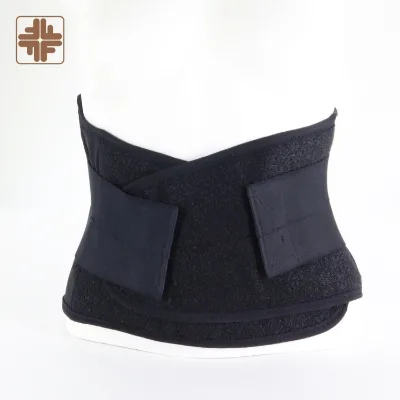
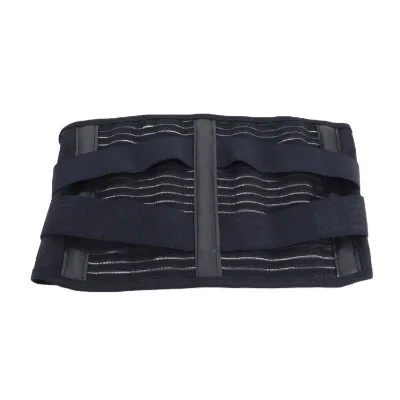
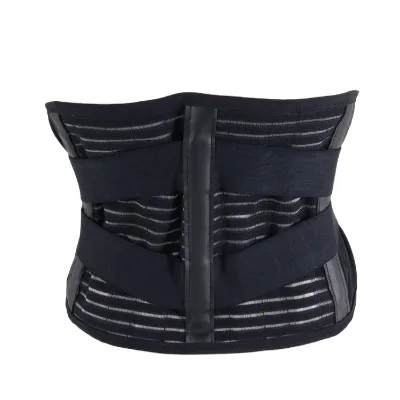
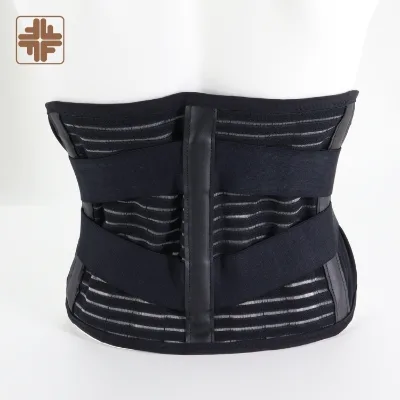
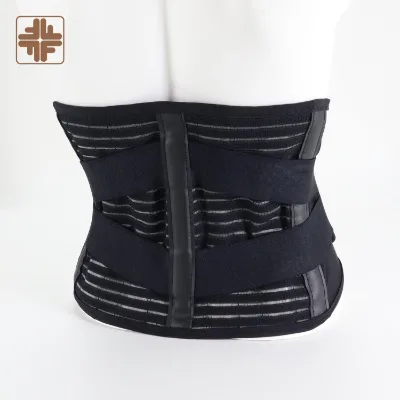
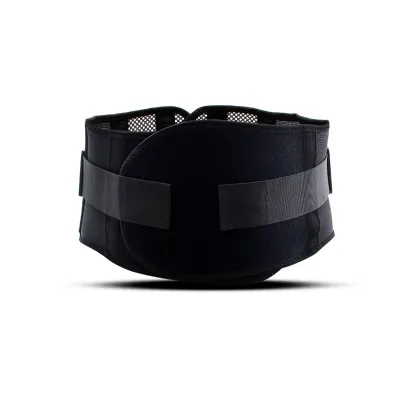
OEM ODM magnetic basic lumbar black back support brace
$9.99 - $19.99
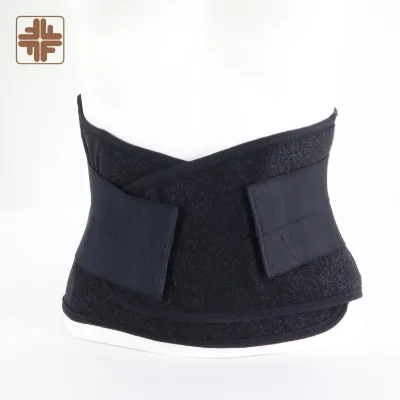

Hangzhou Kebo Orthopedic Rehabilitation Equipment Co.,Ltd
- Verified by SGS
- Combined
- China Zhejiang
- Lead time30 days
- Avg. response≤ 5h
Main productsSpine Orthosis, Orthosis Accessories, Upper Limb Orthosis, Lower Limbs Orthosis
Main marketsSoutheast Asia/ Mideast,Europe

Huiling (xiamen) Medical Technology Co., Ltd.
- Manufacturer, Trading Company
- Fujian, China
- Lead time5 days
- Avg. response≤ 2h
Main productshearing aid,OTC rechargeable hearing aid,Programmable hear aid,Orthopedic brace & support,Walking Boots
Main marketsNorth America(40.00%), South America(15.00%), Central America(10.00%), Mid East(10.00%), Southeast Asia(8.00%), Northern Europe(8.00%), Eastern Asia(3.00%), Africa(2.00%), South Asia(1.00%), Oceania(1.00%), Eastern Europe(1.00%), Western Europe(1.00%)

Dongguan Prosperity Sports Goods Co., Ltd.
- Verified by SGS
- Trading Company,Manufacturer/Factory
- China Guangdong
- Lead time23 days
- Avg. response≤ 3h
Main productsEVA Case, EVA Tool Bag, EVA Pouch, Neoprene Can Cooler, Knee Support, Laptop Bag, Neoprene Lunch Bag, Neoprene Beer Cooler, Ankle Support, Waterproof Dry Bag
Main marketsSouth America,Eastern Europe,Mid East,North America,Southeast Asia,Eastern Asia,Oceania,Western Europe,Africa


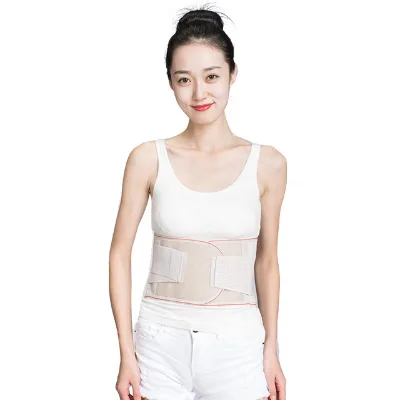
Wholesale Pain Relief Breathable Adjustable Lumbar Back Support Belt for Work
$2.50 - $5.50
MOQ: 500 Pieces
Hengshui Zhouxun Sports Goods Co., Ltd.
- Verified by TUVRHEINLAND
- Combined
- China Hebei
- Lead time30 days
- Avg. response≤ 1h
Main marketsDomestic


Adjustable Lumbar Support Belt for Active Sports Enthusiasts Adjustable Waist Brace
$3.70 - $4.80
MOQ: 50 Pieces

$3.70 - $4.80
MOQ: 50 Pieces

XIAMEN DORRELLA HEALTH TECHNOLOGY CO.,LTD
- Verified by SGS
- Trading Company,Manufacturer/Factory,Group Corporation
- China Fujian
- Lead time23 days
- Avg. response≤ 8h
Main productsOrthotic Brace, Ankle Brace, Arm Brace, Back Brace, Cervical Collar, Finger Splint, Hip Abduction Braces, Hand and Wrist Brace, Post-Op Shoes, Orthopedic Waiking Boot
Main marketsSouth America,Eastern Europe,Mid East,North America,Southeast Asia,Eastern Asia,Oceania,Western Europe,Africa

Support Medical Waist Belt Lumbar Lower Back Brace Waist Support Lumbar Belt
$6.90 - $13.80
MOQ: 10 Sets

Pain Relief Waist Lumbar Support Brace Back Support Belt Lumbar Back Support
$6.90 - $8.90
MOQ: 10 Pieces


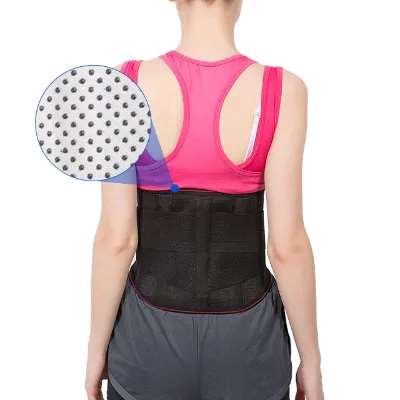
Adjustable Self-Heating Waist Belt Magnetic Therapy Lumbar Support Back Waist Support
$3.00 - $3.60
MOQ: 10 Pieces

Adjustable Waist Protection Lumbar Support Brace Waist Support Belt Lumbar
$6.90 - $8.90
MOQ: 10 Pieces


Shijiazhuang Wonderfu Rehabilitation Device Technology Co., Ltd.
- Verified by CTI
- Combined
- China Hebei
- Lead time15 days
- Avg. response≤ 5h
Main productsKnee Joint
Main marketsSouth America,Africa,Southeast Asia/ Mideast,East Asia(Japan/ South Korea),Europe,Australia,North America

Hebei Jiewo Medical Instrument Co., Ltd.
- Trading Company
- Hebei, China
- Lead time5 days
- Avg. response≤ 2h
Main productsmaternity support,lumbar support,tourmaline magnetic,crutch,arm sling
Main marketsNorth America(40.00%), South America(20.00%), Eastern Europe(15.00%), Domestic Market(5.00%)
Huiyuan Lantian Medical System Co., Ltd.
- Verified by SGS
- Trading Company
- China Sichuan
- Lead time23 days
- Avg. response≤ 4h
Main productsInfusion Set Portable Ultrasound
Main marketsDomestic

Jinjiang Naike Eco Technology Co., Ltd.
- Verified by SGS
- Trading Company
- China Fujian
- Lead time30 days
- Avg. response≤ 1h
Main productsKeychain, Promotional Gifts, Shoes Charm, Straw Toppers, Pencil Toppers, Christmas Decoration, Party Decoration, Toy, Metal Craft, Silicone Products
Main marketsEurope,North America

Back Support Belt Elastic Lumbar Support Belt Adjustable High Elastic Waist Strap
$6.65 - $6.75
MOQ: 100 Pieces

Hot Sale Slimming Lumbar Support Belt Breathable Waist Lumbar Back Support Belt
$2.98 - $3.52
MOQ: 200 Pieces


New Wholesale Adjustable Pain Relief Back Waist Support Lumbar Brace Belt
$1.01 - $1.21
MOQ: 500 Pieces


Customized Adjustable Neoprene Lower Back Brace Breathable Waist Lumbar Support Belt
$2.21 - $2.30
MOQ: 300 Pieces

Ningbo Beiduoen Health Tech. Co., Ltd.
- Verified by CTI
- Combined
- China Zhejiang
- Lead time23 days
- Avg. response≤ 9h
Main productsKnee Support, Ankle Brace, Compression Arthritis Glove, Wrist Support, Waist Belt, Foot Care, Insoles, Toe Separator, Compresson Sock Glove Knee Brace, Copper Supports
Main marketsSouth America,Southeast Asia/ Mideast,Europe,Australia,North America


Adjustable Magnetic Therapy Back Shoulder Support Posture Corrector Belt, Blue
$2.69 - $3.50
MOQ: 10 Pieces

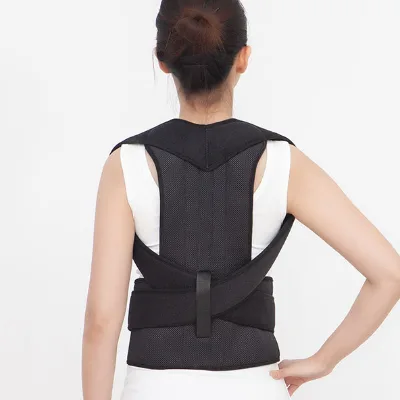
Magnetic Posture Correction Belt/Shoulders Back Posture Support/Back Brace Posture Support
$2.75 - $2.95
MOQ: 300 Pieces

New Hot Magnetic Posture Correction Belt/Shoulders Back Posture Support/Back Brace Posture Support
$2.75 - $2.95
MOQ: 300 Pieces


GUANGDONG HONGYANG MEDICAL EQUIPMENT LIMITED
- Verified by BV
- Trading Company,Manufacturer/Factory
- China Guangdong
- Lead time38 days
- Avg. response≤ 7h
Main productsDialysis Center Solution, Operating Room Equipment Solution, Ophthalmology Department Solution, Medical Ventilator Machine, Medical Anesthesia Machine, Medical Furniture, Physical Therapy Products Series, Wheelchair, Robotic Rehabilitation, Rehabilitation Equipments
Main marketsSouth America,Eastern Europe,Mid East,North America,Southeast Asia,Eastern Asia,Oceania,Western Europe,Africa


Magnetic Therapy Posture Corrector Brace Supporter Shoulder Back Support Belt
$0.80 - $1.00
MOQ: 1 Pieces

Customized Adjustable Breathable Lower Back Pain Relief Waist Belt Lumbar Support
$1.00 - $3.00
MOQ: 1 Pieces

Handan Wuxin Medical Devices Co., Ltd.
- Verified by TUVRHEINLAND
- Trading Company
- China Fujian
- Lead time15 days
- Avg. response≤ 2h
Main productsKnee Brace, Back Brace, Neck Brace, Waist Trainer, Body Shaper, Sportswear, Posture Corrector, Sexy Lingerie, Orthopedic Products, Gym Equipment
Main marketsEurope

$4.59 - $5.29
MOQ: 50 Pieces

Magnets Back Support Belt for Posture Correction and Back Pain Support - Unisex
$2.90 - $3.80
MOQ: 50 Pieces
Beijing Jinwei Kangda Medical Instrument Ltd.
- Verified by TüVRheinland
- Manufacturer, Trading Company
- Lead time20 days
- Avg. response≤ 3h
Main productsOrthopedic Casting Tape, Orthopedic Knee Brace, Orthopedic Lumbar Brace, Walker Boots, Sport Support
Main marketsNorth America(50%), Domestic Market(10%), Mid East(6%)

Anhui Kangfu Industrial Foreign Trade Co.,Ltd
- Verified by BV
- Combined
- China Anhui
- Lead time30 days
- Avg. response≤ 2h
Main productsmedical supplies
Main marketsAfrica,East Asia(Japan/ South Korea),Domestic,Europe,North America

Qingdao Medmount Medical Technology Co., Ltd
- Verified by TUVRHEINLAND
- Trading Company,Manufacturer/Factory
- China Shandong
- Lead time30 days
- Avg. response≤ 3h
Main productsMedical Dressings & Bandages, Medical Protection Products, Injection & Needle Products, Breathing & Anaesthesia Products, Interventional Products, Drainage & Irrigation Products, Laboratory Products, in Vitro Diagnostic Products, First Aid Products, Veterinary & Pet Products
Main marketsEastern Europe,Mid East,North America,Western Europe,Africa

Medmount Adjustable Orthopedic Working Waist/ Lumbar Brace Back Support After Surgery
$3.00 - $7.00
MOQ: 100 Pieces

Medmount Flexible Elastic Comfortable Adjustable Back Posture Support for Spine Painv
$3.00 - $7.00
MOQ: 100 Pieces








Comprehensive Sourcing Guide
Portable Magnetic Lumbar Support Belt Supplier Concentration and Factory Types
Current data indicates a concentration of manufacturing activity in China Hebei, where specific facilities produce items like breathable lumbar back support belts and magnetic lower back waist supports. These suppliers often operate as a hybrid of trading companies and manufacturers, offering both OEM and ODM services under their own brands such as DR. YAN. The product evidence confirms that materials like polyester, nylon, elastic bands, and steel stays are standard in this region, with some units incorporating magnets for therapeutic claims. This clustering suggests a specialized supply chain for orthopedic and rehabilitation gear, though buyers must verify if the specific factory handles the magnetic components or if they are sourced separately.
In contrast, other results point to suppliers based in Taiwan, China, which focus on trading activities for garment, footwear, and healthcare products. These entities may not possess the same direct manufacturing depth as the Hebei factories but offer a broader range of lifestyle and sports safety items. The distinction between a pure trading company and a manufacturer with an in-house factory is critical for quality control and customization capabilities. Buyers should examine the company type field to determine if the supplier can directly manage production changes or if they act as an intermediary. Understanding this structural difference helps in predicting lead times and the flexibility of the supply chain for custom magnetic lumbar support belt orders.
How to Verify Portable Magnetic Lumbar Support Belt Suppliers
Verification processes should prioritize checking for recognized system certifications like ISO 13485, ISO 9001, and GMP, which are explicitly listed for some suppliers in the current results. These certifications indicate adherence to medical device quality management systems, which is essential for products claiming to correct deformities or provide fracture fixation support. Additionally, buyers should look for third-party verification badges such as BV, which serve as an external validation of the supplier's business legitimacy and operational stability. The presence of CE certification on specific product listings further supports the claim that the items meet European safety standards, a crucial factor for international distribution.
Beyond certifications, response time and verification status provide immediate insights into supplier reliability. Data shows response times varying significantly, with some suppliers responding in approximately 2.19 hours while others take up to six hours. A faster response time often correlates with a more active sales team and better communication channels, which is vital when discussing custom specifications for magnetic belts. Buyers must also confirm the "is_verified" status directly on the platform to ensure the company has passed a rigorous identity check. Relying solely on product descriptions without cross-referencing these verification metrics can lead to engaging with unvetted entities that may not fulfill orders as promised.
What to Compare Across Portable Magnetic Lumbar Support Belt Suppliers
When evaluating potential partners, buyers should compare lead times, which currently range from 23 days to 30 days depending on the supplier's location and capacity. The Hebei-based manufacturers appear to offer slightly faster turnaround times compared to some trading entities, but this can vary based on order volume and customization requirements. Minimum Order Quantities (MOQ) also differ significantly, with some listings requiring 500 units while others accept orders as low as 100 units. This variance allows buyers to select suppliers that align with their inventory strategy, whether they are testing the market with smaller batches or planning large-scale distribution.
Price and material composition are equally critical comparison points, as costs can range from approximately $2.68 to $7.90 per unit based on features like the number of magnets or the type of steel stays used. Some products utilize 24 magnets and specific nylon blends, while others rely on basic polyester and elastic bands. Buyers must scrutinize the product attributes to ensure the materials match their quality expectations, noting that some listings specify "Non-Customized" options while others explicitly offer full customization services. Comparing these technical specifications alongside the price per unit helps in identifying the true value proposition and avoiding suppliers who may cut corners on material quality to offer lower prices.
Common Portable Magnetic Lumbar Support Belt Sourcing Risks
One significant risk involves the discrepancy between claimed therapeutic functions and actual product capabilities, particularly regarding magnetic therapy claims. While some product attributes list features like "Health Care" and "Support," buyers must verify if these claims are backed by clinical evidence or regulatory approvals beyond basic CE marking. The variation in product types, ranging from simple external fixators to complex splint fixations, means that a supplier might market a belt as a medical device when it is intended only for general comfort. This ambiguity can lead to compliance issues in target markets where medical device regulations are strict, potentially resulting in product seizures or legal penalties.
Another risk stems from inconsistent customization capabilities and service levels across different supplier types. Some listings explicitly state that customization is available, while others note that items are non-customized, which can cause confusion during the negotiation phase. If a buyer requires specific branding or unique magnetic configurations, engaging with a supplier that lists "Non-Customized" as a primary attribute will lead to delays or failed orders. Furthermore, the reliance on third-party logistics and varying packing standards, such as plastic bags versus OPP bags, introduces risks of product damage during transit. Buyers must clearly define their packaging and branding requirements early to avoid these logistical pitfalls.
Portable Magnetic Lumbar Support Belt Regional Sourcing and Logistics
Sourcing from China Hebei offers access to a dense manufacturing ecosystem specialized in orthopedic supports, but it requires careful logistics planning to manage the 23-day lead times observed in the data. The proximity of raw material suppliers for polyester, nylon, and steel stays in this region can streamline production, yet international shipping times must be factored into the total delivery window. Buyers should anticipate that while the factory lead time might be efficient, customs clearance and freight forwarding can add significant time to the overall process. Understanding the specific shipping terms and the supplier's experience with international freight is essential to ensure timely arrival of goods.
In contrast, sourcing from Taiwan, China, introduces different logistical dynamics, with lead times potentially extending to 30 days due to the trading company model. These suppliers often handle a wider variety of product categories, which might dilute their focus on specific orthopedic items compared to specialized Hebei factories. The shipping routes from Taiwan may differ in cost and transit time depending on the destination market, requiring buyers to calculate total landed costs accurately. Additionally, the packaging standards observed, such as PE bags or plastic bags with cartons, vary by region and must be evaluated for their ability to protect the magnetic components during long-haul transport.
Portable Magnetic Lumbar Support Belt Commercial Terms and Order Planning
Order planning must account for the varying shelf life and product conditions listed in supplier data, which typically indicate a five-year shelf life for new items. This longevity allows for flexible inventory management, but buyers should still plan for production cycles that align with their sales forecasts to avoid overstocking. The availability of OEM and ODM services means that buyers can plan for branded products, but this requires early engagement to finalize design specifications and secure tooling or molds. Understanding the specific service terms, such as whether the supplier handles the entire branding process or just the manufacturing, is crucial for effective supply chain planning.
Commercial terms should be negotiated with a clear understanding of the price ranges and MOQs to ensure profitability. With prices ranging from $2.68 to $7.90, the margin potential varies significantly based on the complexity of the design and the number of magnets included. Buyers should verify if the quoted prices include packaging costs, as some listings specify plastic bag packaging while others use more robust carton options. Additionally, confirming the payment terms and the availability of escrow services can mitigate financial risks. It is advisable to request a detailed proforma invoice that breaks down costs for materials, labor, and packaging to ensure transparency and avoid hidden fees that could erode profit margins.
FAQs
What certifications do these lumbar support belts hold?
Many products listed carry CE certification, while the manufacturing facility holds ISO 13485, ISO 9001, and GMP system certifications. Some specific models also display ISO marks on their product attributes. Buyers should verify individual product labels for the exact certification status before placing orders.
What is the minimum order quantity for these belts?
Minimum order quantities vary by product model, with some items requiring 100 units while others start at 500 units. The specific MOQ depends on the selected model and customization options. Buyers must check the product details page for the exact minimum quantity required for each listing.
How long does it take to receive these orders?
Lead times for these products typically range from 23 to 30 days depending on the supplier and order volume. Some suppliers located in Hebei, China, report a lead time of 23 days, while others in Taiwan, China, may require up to 30 days for production and shipping.
Are these belts available for custom branding or design?
Customization is available for many models, including OEM and ODM services with options for own branding. Specific attributes indicate that customization is available for certain products, while others are listed as non-customized. Buyers should confirm customization capabilities directly with the supplier for their specific needs.
What materials are used to construct these support belts?
Common materials include polyester, nylon, elastic bands, and steel stays, with some models featuring ABS plates or magnets. Specific products list materials such as mesh fabric, steel stays, and elastic bands. The exact composition varies by model, so buyers should review the product attributes for precise material details.
What is the typical price range for these belts?
Prices for these belts generally range from 2.68 to 7.90 USD per unit depending on the model and features. Specific listings show prices between 2.68 and 3.00 USD, while others range from 4.43 to 7.60 USD. The final price depends on the selected model, quantity, and customization requirements.
How quickly do suppliers typically respond to inquiries?
Response times vary among suppliers, with some reporting an average response time of 2.19 hours and others taking up to 6 hours. Buyers should expect a response within this timeframe but should note that actual response speed may vary based on the specific supplier and current workload.