Monitor Riser Stand Suppliers and Manufacturers in China
Explore 16 verified options for Monitor Riser Stand products from factories in Hebei and Zhejiang. Compare lead times, certifications, and pricing to find the right fit. Contact suppliers directly to request quotes and verify specifications; review the available evidence before requesting comparable quotations from suitable candidates.
Suppliers List

Hebei Yunpeng Machinery Export & Import Trading Co., Ltd.
- Verified by TUVRHEINLAND
- Trading Company,Manufacturer/Factory
- China Hebei
- Lead time45 days
- Avg. response≤ 10h
Main productsDuct Clamp, TV Bracket, Folding Shelf Bracket, Metal Stamping Part, Metal Sheet Fabrication, CNC Machining Parts, Laser Cutting Service
Main marketsSouth America,Eastern Europe,Mid East,North America,Southeast Asia,Eastern Asia,Oceania,Western Europe,Africa

OEM Monitor Mount Riser Laptop Holder Desktop Stand 10-30'' Computer Monitor Stand
$5.90 - $12.80
MOQ: 50


Adjustable Monitor Arm Single Monitor Mount Stand with Adjustable Height Options
$6.90 - $12.80
MOQ: 50


Ningbo Charm-Tech Import and Export Corporation Ltd.
- Trading Company,Manufacturer/Factory
- China Zhejiang
- Lead time30 days
- Avg. response≤ 5h
Main productsTV Stand, TV Mount, Wall Mount, TV Bracket, LCD TV Bracket, LED TV Bracket Mount, Projection Screen, DVD Wall Bracket, Speaker Stand, Speaker Bracket
Main marketsSouth America,Eastern Europe,Mid East,North America,Southeast Asia,Eastern Asia,Oceania,Western Europe

Dual Monitor Riser Wood Computer Portable Vertical Monitor Stand Other Computer Accessories
$10.00 - $10.90
MOQ: 100 Pieces


Charmount Hot Selling Dual Monitor Stand Monitor Mount Stand Competitive Price
$19.90 - $23.00
MOQ: 2 pieces


- Trading Company,Manufacturer/Factory
- China Guangdong
- Lead time23 days
- Avg. response≤ 2h
Main productsAcrylic Display Stand, Acrylic Box, Acrylic Photo Frame, Acrylic Tray, Acrylic Makeup Organizer, Acrylic Menu Holder, Acrylic Award, Acrylic Case, Plexiglass Display, Plexiglass Shelf
Main marketsSouth America,Eastern Europe,Mid East,North America,Southeast Asia,Eastern Asia,Oceania,Western Europe,Africa


Desktop Acrylic Riser Shelf Computer Monitor Raised Base for Neck Protection
$5.32 - $9.76
MOQ: 100 Pieces

Beijing Kesino Engineering Technology Co., Ltd.
- Manufacturer/Factory
- China Guangdong
- Lead time30 days
- Avg. response≤ 6h
Main productsControl Room Console, Office Desk, Gaming Table, Ergonomic Chair
Main marketsSouth America,Eastern Europe,Mid East,North America,Southeast Asia,Eastern Asia,Oceania,Western Europe,Africa


Vertical Desktop Monitor Stand Desktop Triple Monitor Arm Monitor Stand
$80.00 - $300.00
MOQ: 1 Pieces

Standing Desktop Monitor Stand Computer Monitor Arm Desktop Stand Monitor Stand
$80.00 - $300.00
MOQ: 1 Pieces

Dual Monitor Stand - Vertically Stacked Screen Standalone Monitor Console Accessory Stand
$80.00 - $300.00
MOQ: 1 Pieces

Height Adjustable Standing Monitor Desk Computer Monitor Arm Desktop Stand Monitor Stand
$80.00 - $300.00
MOQ: 1 Pieces

Adjustable Rotating Monitor Dual Arm Monitor Stand for Desktop Stand Computer Accessory Stand
$50.00 - $123.00
MOQ: 1 Pieces
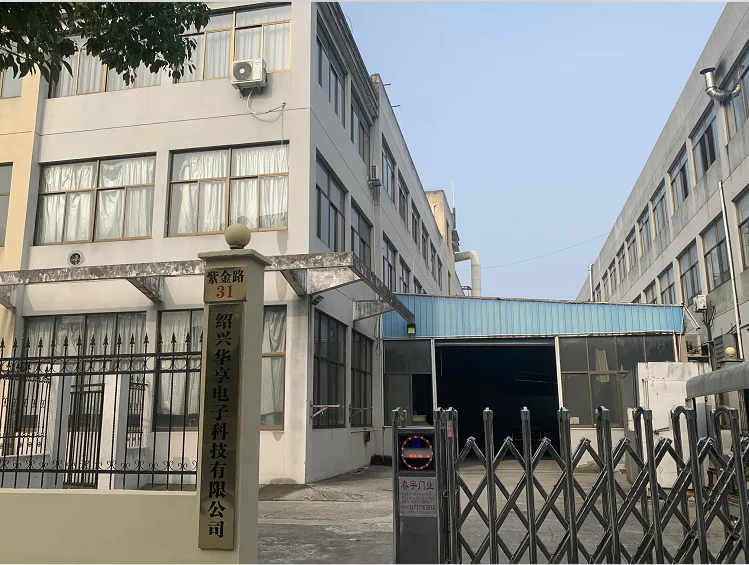
NINGBO HUAXIANG ELECTRONIC TECHNOLOGY CO.,LTD.
- Manufacturer, Trading Company
- Zhejiang, China
- Lead time35 days
- Avg. response≤ 7h
Main productsTV mount,TV stand,Monitor arm,Monitor stand,computer arm
Main marketsWestern Europe(40.00%), South Asia(20.00%), Central America(20.00%), Eastern Europe(10.00%), Eastern Asia(10.00%)


Four PC Screens 4 Monitor Arms Stand Riser
$19.80 - $21.80
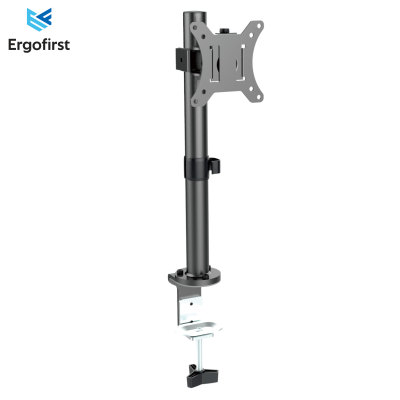

Flexible Desk Mount Monitor Bracket Stand Black
$19.80 - $21.80


Jieyang Zhongjia Metal Industry Co., Ltd
- Verified by TüVRheinland
- Manufacturer, Trading Company
- Lead time20 days
- Avg. response≤ 2h
Main productsTV Bracket, Monitor Stand, Air Conditioner Bracket, CCTV Camera Stand, TV Cart
Main marketsNorth America(30%), Western Europe(25%), Southeast Asia(15%)

Zhengrui Hardware Manufacturing (Huizhou) Co., Ltd.
- Verified by TUVRHEINLAND
- Combined
- China Guangdong
- Lead time15 days
- Avg. response≤ 6h
Main marketsEast Asia(Japan/ South Korea)
Ningbo Charm-Tech Import And Export Corporation Ltd
- Verified by Intertek
- Trading Company
- Lead time30 days
Main productsTV Mount, Monitor Mount, Standing Desk, Office Desk/Chair, Laptop Stand
Main marketsEastern Europe(40%), Western Europe(20%), South America(19%)
Shijiazhuang Sance Network Technology Co., Ltd.
- Verified by SGS Group
- Manufacturer, Trading Company
- Lead time30 days
Main productsMonitor Arms, Tv Mounts, TV Stands & Carts
Main marketsNorth America(40%), Western Europe(20%), Domestic Market(20%)

- Verified by BV
- Trading Company,Manufacturer/Factory
- China Guangdong
- Lead time23 days
- Avg. response≤ 15h
Main productsPOS System, POS Terminal, POS Machine, Industrial Monitor, Touch Monitor, Kiosk, Cash Register, Kitchen Display Screen, Point of Sale, Touch Screen PC
Main marketsSouth America,Eastern Europe,Mid East,North America,Southeast Asia,Eastern Asia,Oceania,Western Europe,Africa

- Combined
- China Guangdong
- Lead time23 days
- Avg. response≤ 9h
Main productsMedical Trolley, Medical Wall Mount, Fixed and Mobile Medical Equipment Solutions, Medical Rolling Stand, Rolling Stand for Patient Monitor, Wall Mount for Patient Monitor, Rolling Stand for ECG, Rolling Stand for Ventilator, Wall Mount for Computer, Rolling Stand for Infusion Pump
Main marketsSouth America,Southeast Asia/ Mideast,Europe,Australia,North America

Guangzhou Longgui Intelligent Technology Co., Ltd.
- Verified by BV
- Combined
- China Guangdong
- Lead time30 days
- Avg. response≤ 6h
Main productsCable Cubby, Projector Lift, TV Lift, TV Bracket, Monitor Lift, Pup-up Sockets, Wall Panel, Hotel Socekt, Customrized Goods, Customerized Alumnium or Steel Parts
Main marketsOthers(foreignTradeCapacity.exportBusinessCapacityMarketOther)

Putian Yongde Mao Machinery Co., Ltd.
- Verified by SGS
- Combined
- China Fujian
- Lead time30 days
- Avg. response≤ 3h
Main productsCommercial Metal Bed Frames, Industrial Metal Bed Frames, Commercial Hotel Beds, Platform Bed Frames, Metal Bed Frames, Canopy Bed Frames, Rental Apartment Bed Frames, Customizable Bed Frame Solutions, Laptop Stands, Monitor Arms
Main marketsDomestic
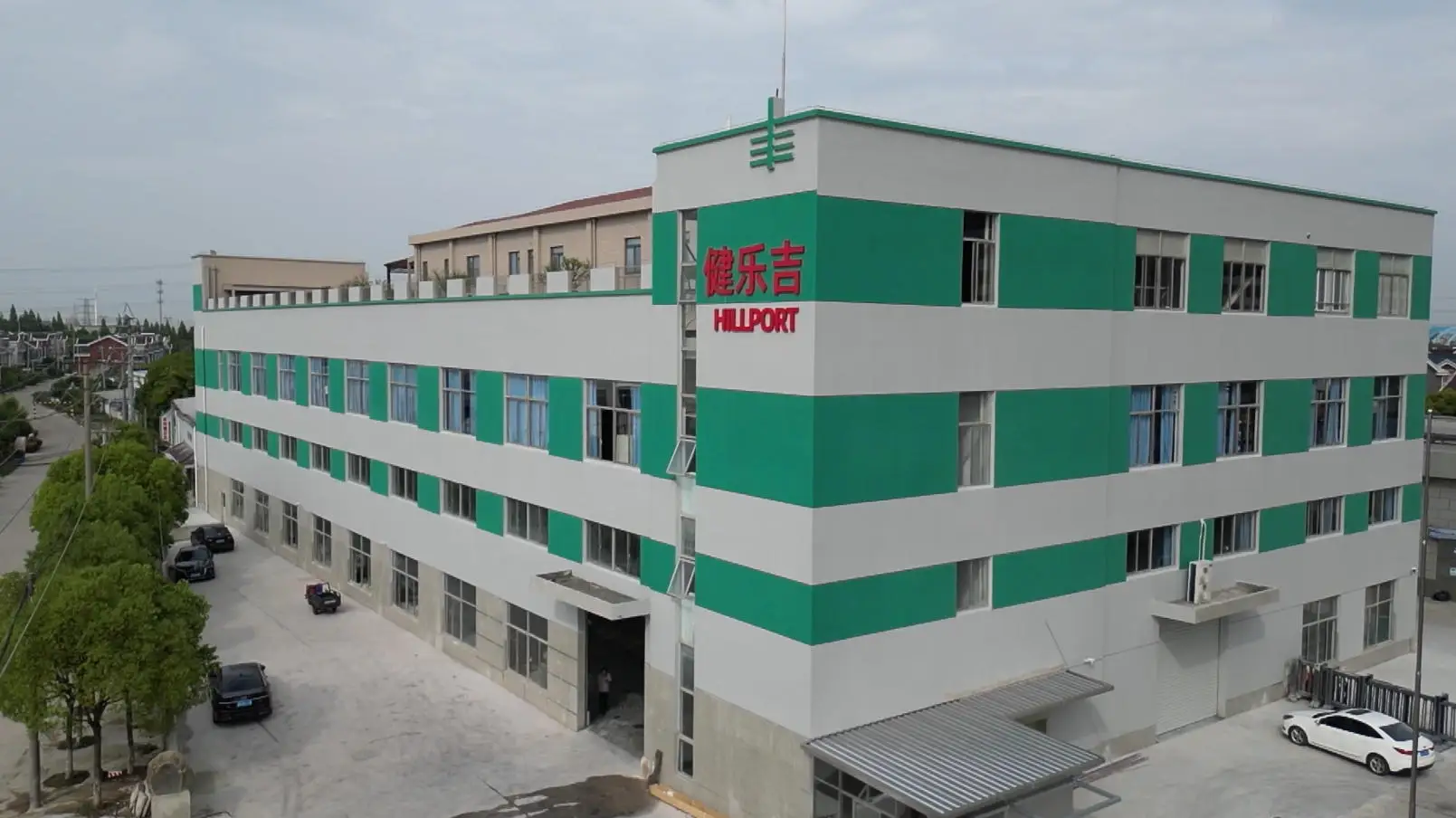
Suzhou Jianleji Intelligent Technology Incorporated Company
- Manufacturer, Trading Company
- Jiangsu, China
- Lead time10 days
- Avg. response≤ 2h
Main productsTV Mount; TV Bracket; TV Cart; TV Ceiling Mount,Monitor arm,TV wall mount,Monitor gas spring mount,monitor bracket
Main marketsDomestic Market(95.00%), North America(1.00%), Northern Europe(1.00%), Mid East(1.00%), Southeast Asia(1.00%), Eastern Europe(1.00%)

Zhejiang Chamei Industry and Trade Co.,Ltd
- Verified by BV
- Combined
- China Zhejiang
- Lead time30 days
- Avg. response≤ 4h
Main productsTv wall mount, Tv bracket
Main marketsDomestic

- Verified by BV
- Manufacturer/Factory
- China Zhejiang
- Lead time30 days
- Avg. response≤ 2h
Main productsBrush Cutter, Tiller, Garden Equipment, Chain Saw, Bike Rack, Motorcycle Lift, Furniture, Hooks, Garage Rack, Storage Bin
Main marketsSouth America,Eastern Europe,Mid East,North America,Southeast Asia,Eastern Asia,Oceania,Western Europe,Africa


Comprehensive Sourcing Guide
Monitor Riser Stand Supplier Concentration and Factory Types
Current search results indicate a concentration of manufacturing activity in China, specifically within the Hebei and Zhejiang provinces. Suppliers in Hebei are identified as offering a broad range of metal fabrication services, including CNC machining, laser cutting, and metal sheet fabrication, which are foundational for producing steel-based monitor risers. These facilities often operate as a hybrid of trading companies and manufacturers, suggesting they may control the production line while also managing sales channels. The presence of these specific industrial capabilities in Hebei implies a cluster where raw material sourcing and metal forming are integrated, potentially offering cost advantages for heavy-duty steel monitor stands.
In contrast, suppliers located in Zhejiang demonstrate a focus on diverse product lines that include TV mounts, speaker brackets, and aluminum laptop stands. These entities frequently list certifications such as BSCI and ISO 9001, indicating a structured approach to quality management and social compliance. The Zhejiang cluster appears to specialize in lighter materials like aluminum and finished consumer electronics accessories, distinguishing it from the heavier industrial output of Hebei. Buyers should verify if a specific supplier operates as a pure factory or a trading company, as this distinction affects direct communication with production engineers and the ability to customize molds for unique monitor riser designs.
How to Verify Monitor Riser Stand Suppliers
Verification of supplier credibility relies heavily on third-party audit reports and system certifications rather than self-declared claims. Several suppliers in the current results display verification status from TUVRHEINLAND, a recognized international inspection body, which provides a high-confidence baseline for operational legitimacy. Additionally, the presence of ISO 9001 certification across multiple listings confirms adherence to international quality management standards, while Zhejiang-based suppliers often hold BSCI certification, signaling compliance with social responsibility benchmarks. Buyers must request current audit reports to ensure these credentials have not expired and cover the specific facilities producing the monitor risers.
Beyond certifications, response time serves as a practical metric for assessing supplier engagement and reliability. Data shows response times varying significantly, with some suppliers averaging under five hours while others take nearly ten hours to reply. A faster response time often correlates with a dedicated sales team and efficient internal communication channels, which are critical when discussing technical specifications like VESA compatibility or load capacity. Buyers should test communication channels before placing orders to gauge the speed and clarity of responses. It is also essential to confirm that the listed main products align with the specific monitor riser requirements, ensuring the supplier has the necessary machinery and expertise rather than acting as a generalist intermediary.
What to Compare Across Monitor Riser Stand Suppliers
When evaluating potential partners, buyers must compare lead times and minimum order quantities to align with their inventory and cash flow needs. Current data reveals lead times ranging from 30 days to 45 days, with some suppliers offering expedited options while others maintain longer production cycles. Minimum order quantities also vary, with some listings requiring as few as two units while others mandate orders of 50 or 100 pieces. These differences significantly impact the feasibility of small-batch testing versus large-scale distribution. Buyers should calculate the total landed cost by factoring in these MOQs and lead times to determine which supplier offers the most efficient supply chain fit for their specific volume requirements.
Product specifications and customization capabilities form another critical comparison point. Suppliers offer monitor risers with varying materials, including steel and aluminum, and different mounting configurations such as desk mounts or tabletop stands. Customization options are explicitly available on several listings, allowing for adjustments in color, swivel angles, and VESA patterns like 75x75mm or 100x100mm. However, not all suppliers offer private molds, which limits the ability to create unique branding or proprietary designs. Buyers must verify if the supplier accepts OEM services for specific structural modifications and compare the maximum loading capacity, which ranges from 8 kg to 15 kg, to ensure the riser can safely support their intended monitor weights.
Common Monitor Riser Stand Sourcing Risks
One significant risk involves the discrepancy between advertised product attributes and actual manufacturing capabilities. While some listings claim full customization and private mold availability, others explicitly state that private molds are not offered, limiting design flexibility. This inconsistency can lead to delays if a buyer assumes a supplier can produce a custom bracket only to discover they lack the tooling. Furthermore, the material composition varies between steel and aluminum, and without physical samples, buyers risk receiving products that do not meet their durability or aesthetic standards. It is crucial to request detailed material certificates and physical prototypes to validate that the steel grade or aluminum alloy matches the specified requirements for the intended market.
Another risk pertains to the reliability of pricing and the potential for hidden costs. Price ranges in the current results span from approximately $5.90 to $23.00, a wide variance that suggests differences in material quality, finish, or included accessories. Lower prices may correlate with thinner gauge steel or simpler packaging, which could increase the risk of damage during transit. Additionally, the lack of standardized pricing across suppliers makes it difficult to benchmark costs without a clear understanding of the included services. Buyers should clarify whether the quoted price includes packaging, such as colorful boxes or cartons, and verify if shipping costs are separate to avoid budget overruns. Confirming the exact scope of the price prevents disputes over what is included in the final invoice.
Monitor Riser Stand Regional Sourcing and Logistics
Geographic location plays a pivotal role in determining shipping logistics and potential tariffs for monitor riser stands. Suppliers in Hebei and Zhejiang are both located in China, but their proximity to different ports may influence transit times and freight costs. Hebei-based manufacturers often rely on northern ports, while Zhejiang suppliers typically utilize eastern ports like Ningbo or Shanghai, which are major hubs for international container shipping. Buyers should verify the specific port of origin listed in the product attributes, as this directly impacts the estimated delivery time to their destination. Understanding the regional logistics network helps in selecting a supplier that minimizes transit time and reduces the risk of delays caused by port congestion or customs clearance issues.
Packaging standards also vary by region and supplier, affecting the safety of the goods during long-distance shipping. Some listings specify "in Carton" packaging, while others use "Colorful Box" or standard "Box" packaging. The choice of packaging material influences the product's protection against moisture and impact, which is critical for metal components that may rust or scratch. Buyers must confirm the packaging details, such as whether the box includes internal foam or dividers, to ensure the monitor risers arrive in pristine condition. Additionally, verifying the origin country in the product attributes ensures that the goods comply with any specific import regulations or labeling requirements of the destination market, preventing potential customs holds or rejections.
Monitor Riser Stand Commercial Terms and Order Planning
Commercial terms regarding payment and order planning are essential for managing financial risk and ensuring timely delivery. While specific payment terms are not detailed in the current data, the presence of escrow services is a common safeguard in international trade that protects both buyers and sellers. Buyers should prioritize suppliers who offer secure payment methods and clearly defined terms for partial payments or deposits. Understanding the lead time of 30 to 45 days is crucial for planning production schedules and inventory replenishment. Buyers must account for this duration when placing orders to avoid stockouts, especially for high-demand items like dual monitor stands or ergonomic risers.
Order planning also requires a clear understanding of the supplier's capacity to handle volume fluctuations. Some suppliers list OEM and ODM capabilities, indicating they can scale production based on demand, while others may have fixed capacities. The response time of 4.42 to 9.63 hours suggests that communication efficiency varies, which can impact the speed of resolving order issues or adjusting specifications. Buyers should establish a communication protocol with the supplier to ensure rapid response during critical phases of the order cycle. Additionally, verifying the maximum loading weight and screen size compatibility ensures that the ordered units meet the functional requirements of the end-users, reducing the risk of returns or complaints due to product failure.
FAQs
What is the typical lead time for monitor riser stands?
The typical lead time for monitor riser stands is 45 days from some suppliers in Hebei, China. Other manufacturers in Zhejiang offer a faster 30-day turnaround. Buyers should confirm specific delivery schedules based on order volume and customization needs before placing an order.
What are the minimum order quantities for these products?
Minimum order quantities vary significantly by supplier and product type. Some steel monitor mounts require a minimum of 50 units, while aluminum stands may need 100 units. A few dual-arm options allow for very small orders starting at just 2 pieces, depending on the specific model selected.
Which certifications do these monitor stands typically hold?
Many suppliers hold ISO 9001 system certification for quality management. Some products also carry specific safety certifications like RoHS, CE, and REACH. One supplier is verified by TÜV Rheinland, indicating a higher level of third-party assessment for their manufacturing processes and product safety standards.
What materials are commonly used for monitor riser stands?
Steel is a common material for heavy-duty desk mounts and dual monitor arms. Aluminum is frequently used for portable laptop stands and vertical risers. Buyers can find options in black color with adjustable angles, ensuring durability and a modern aesthetic suitable for office or home environments.
Can suppliers provide OEM and ODM services for these stands?
Yes, many manufacturers offer both OEM and ODM services for customization. Buyers can request specific branding, unique designs, or tailored specifications for their monitor stands. Customization is available for various models, allowing businesses to create branded ergonomic solutions that meet their specific market requirements.
What is the price range for dual monitor stands?
Prices for dual monitor stands range from approximately 5.90 to 23.00 USD per unit. Basic steel models start near 5.90, while premium rotating or full-motion arms can cost up to 23.00. The final price depends on the material, VESA compatibility, and specific features like swivel or tilt capabilities.
How quickly do suppliers typically respond to inquiries?
Response times vary between suppliers, with some averaging around 4.42 hours and others taking up to 9.63 hours. Faster response times are often associated with suppliers in Zhejiang, while Hebei-based manufacturers may have slightly longer reply windows. Buyers should expect a response within a day for most inquiries.