Molded Bra Cups Suppliers and Manufacturers - 18 Factories
Compare 18 verified suppliers offering Molded Bra Cups with details on certifications like REACH and ISO 14362, response times, and lead times. Review product attributes such as material and MOQ to source the right items for your needs; review the available evidence before requesting comparable quotations from suitable candidates.
Updated
Suppliers List
Jiaxing Jinhua Accessories Co., Ltd.
- Verified by TüVRheinland
- Trading Company
- Lead time7 days
- Avg. response≤ 3h
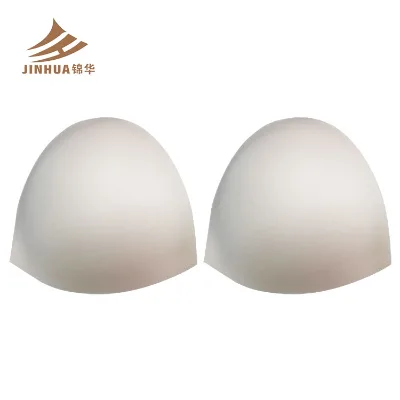
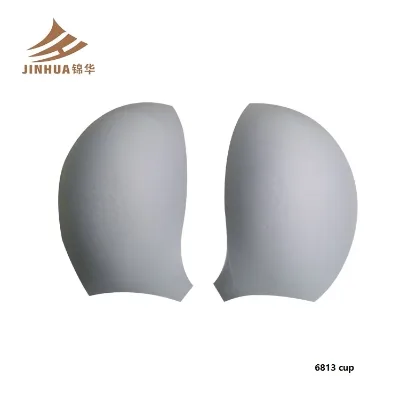
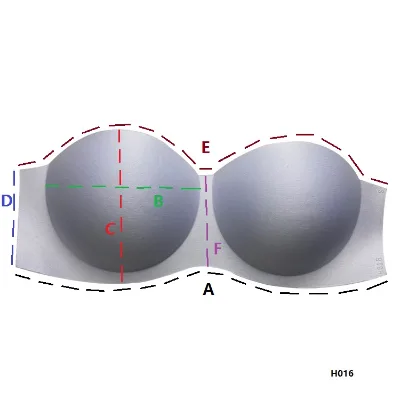
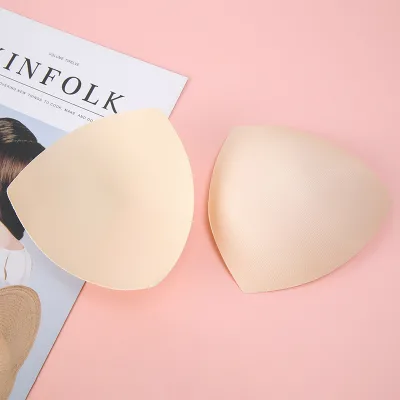
Main productsEmbroidery Patches, Hardware Accessories, Sponge Cup, Plastic Accessories, Woven Label
Main marketsNorth America(30%), Domestic Market(13%), Eastern Europe(10%)
Henan Great Long Textile Co., Ltd.
- Verified by Intertek
- Manufacturer, Trading Company
- Lead time0 days
- Avg. response≤ 4h
Main productsBungee Elastic Cord, Knitted Elastic Band, Jacquard Elastic Band, Fold Over Elastic Band

NINGBO NCJN IMPORT AND EXPORT CO., LTD.
- Verified by TUVRHEINLAND
- Trading Company
- China Zhejiang
- Lead time15 days
- Avg. response≤ 12h
Main productsGarment Accessories, Zipper, Button, Lace, Tape, Velcro Tape, Hook and Eye Tape, Ring and Slider, Bra Cup
Main marketsSouth America,Africa,Southeast Asia/ Mideast,East Asia(Japan/ South Korea),Europe,Australia,North America
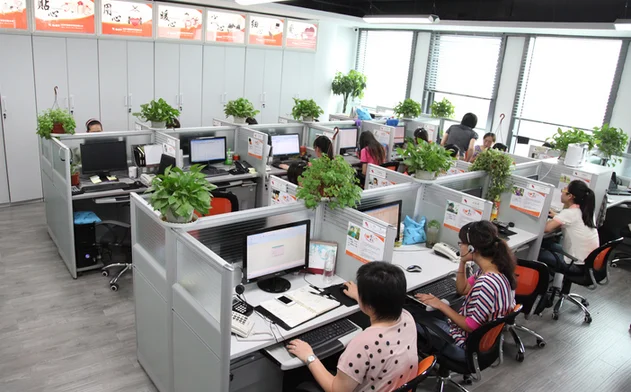
Dongguan Amor Garment Co., Ltd.
- Trading Company
- Guangdong, China
- Lead time30 days
- Avg. response≤ 13h
Main productsAdhesive Bra, Nipple Cover, Silicone Bra, Seamless Bra, Lingerie
Main marketsSoutheast Asia(35.00%), South America(30.00%), North America(20.00%), Southern Europe(10.00%), Oceania(5.00%)
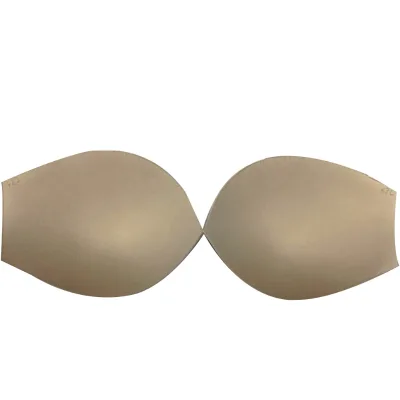
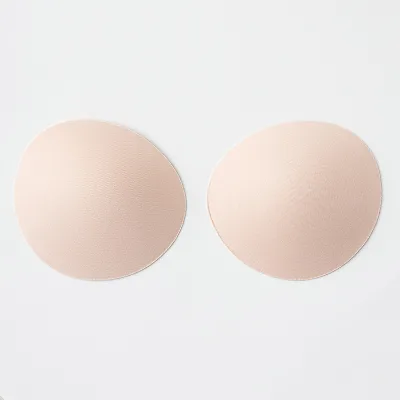
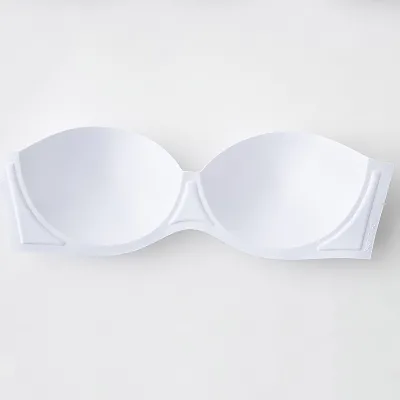
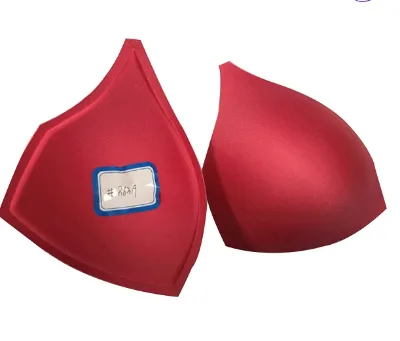
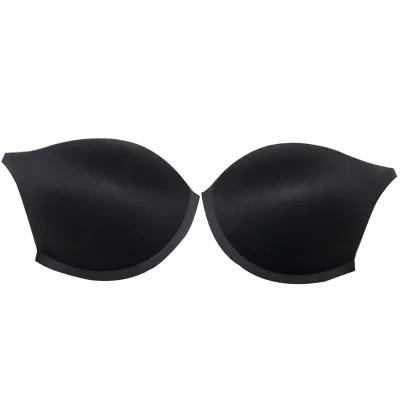
Sexy Foam Bra Cup Sheet for Dress Shape Bra Cups
$0.30 - $0.60

Phoenix Flame Holdings Limited
- Verified by BV
- Manufacturer/Factory,Group Corporation
- China Guangdong
- Lead time15 days
- Avg. response≤ 8h
Main productsWebbing Cords Buttons Zipper Drawcord & Shoelace, Label Lace Lanyard Wristband, Embroidery Patches Beaded Applique Belt, Underwear Accessories TPU Rubber Tape
Main marketsSouth America,Eastern Europe,North America,Southeast Asia,Oceania,Western Europe,Africa


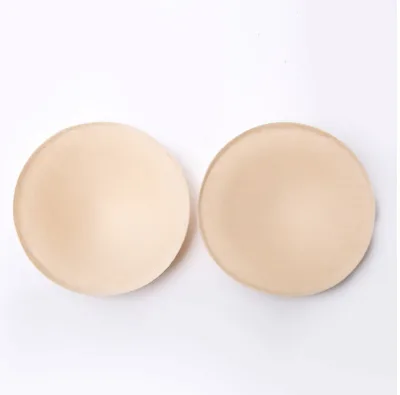
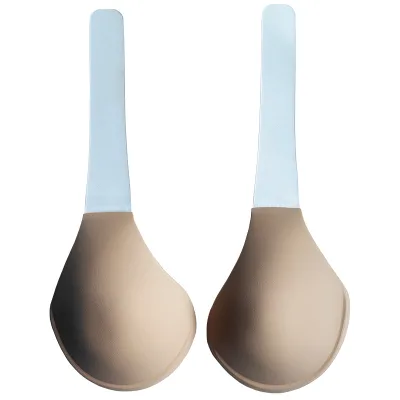
Wholesale Foam Pushing up Bra Cups Padding Sponge Molded Bra Cup Insert Breast Pad
$0.10 - $0.60
MOQ: 100 Pairs

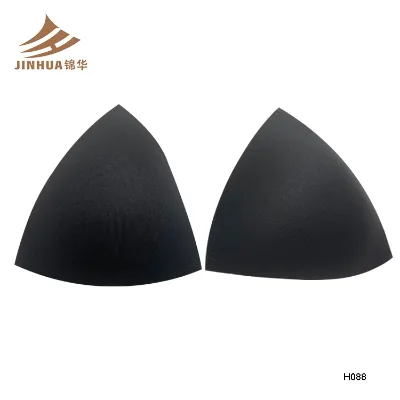
Hot Sell Push up Molded Triangle Sport Bra Cup Insert Molded for Lingerie
$0.10 - $0.60
MOQ: 100 Pairs

Dongguan Uwork Industry Co., Ltd.
- Verified by Intertek
- Manufacturer, Trading Company
- Lead time45 days
- Avg. response≤ 2h
Main productsShapewear, Adhesive Bra, Nipple Cover, Men Underwear, Seamless Underwear
Main marketsNorth America(28%), Southeast Asia(25%), South America(15%)
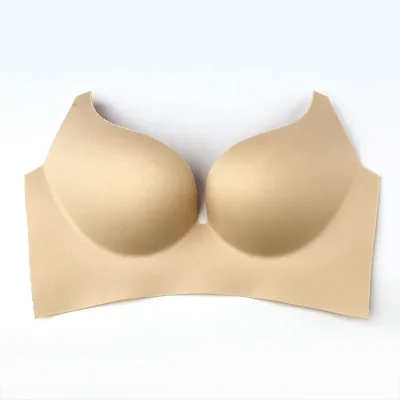
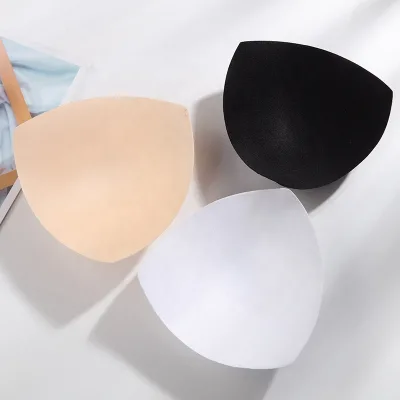
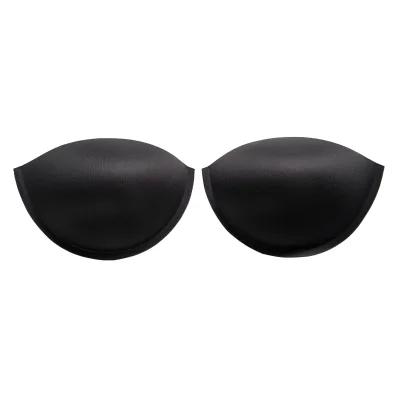
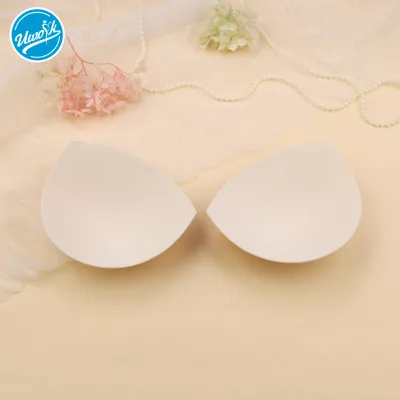
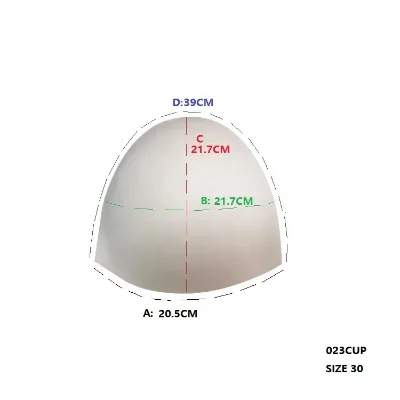
Soft Bra for Women D Cup Bra Large Molds Cups Wholesale Big Full Plus Size Big Bra Cup
$0.76 - $0.90
MOQ: 1000
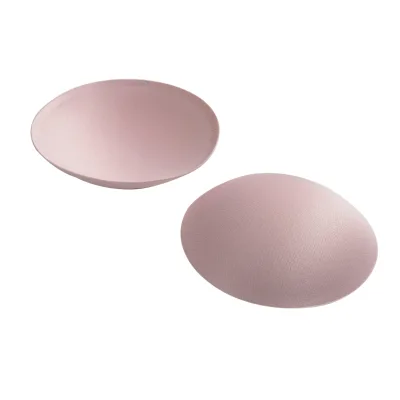

NINGBO HOBA INTERNATIONAL TRADING CO., LTD.
- Verified by BV
- Trading Company
- China Zhejiang
- Lead time30 days
- Avg. response≤ 3h
Main productsThread, Button, Lace Tape, Zipper, Hot Fix Stone, Crystal, Rope, Jewelry Accessory, Ribbon, Reflecting Material
Main marketsSouth America,Africa,Southeast Asia/ Mideast,East Asia(Japan/ South Korea),Europe,Australia,North America


Factory Washable Featherweight Bra Cup Bust Forms Sponge with Fabric for Underwear
$0.19 - $0.24
MOQ: 144 Pairs
Changshu Xingyan Interlining Co., Ltd.
- Verified by SGS Group
- Manufacturer, Trading Company
- Lead time7 days
- Avg. response≤ 4h
Main productsInterlining, Non Woven Fabric, Bra Cup, Shoulder Pad
Main marketsDomestic Market(46%), North America(40%), Oceania(5%)
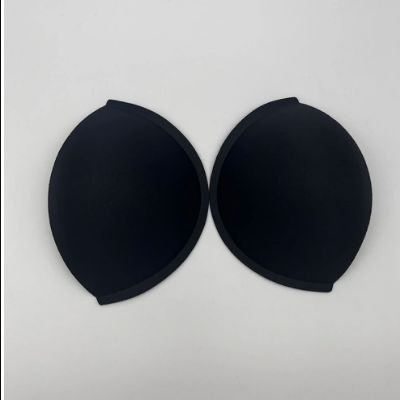
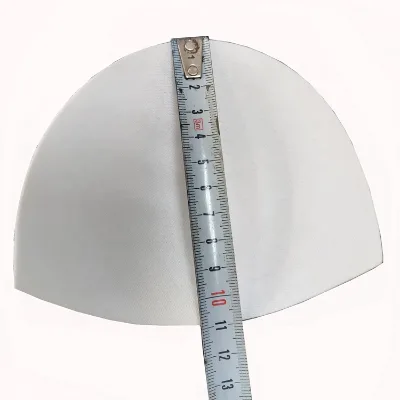
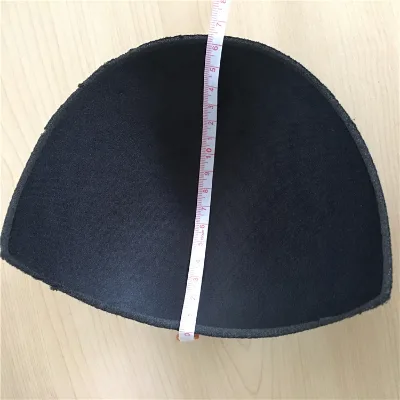
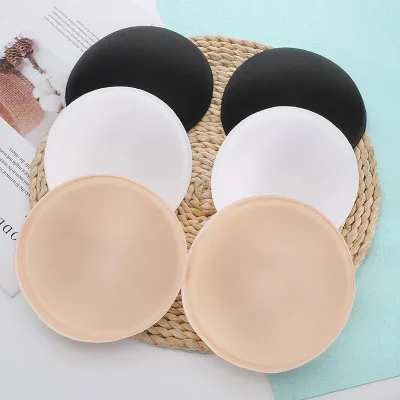
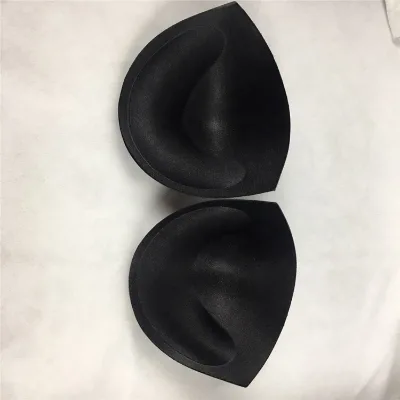
Removeable Bra Pad for Sports Cups Bra and Bilini Pad Bra Inserts Black color
$0.7695
MOQ: 100 Minimum
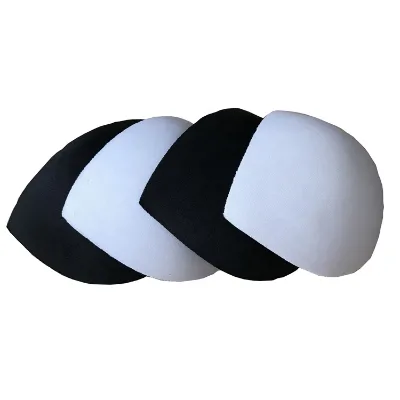
Hot Fashion Sexy Sponge Bra Cups Padding Bra Pads pushing up sexy fashion bra accessory
$0.7695
MOQ: 100 Minimum
Guangzhou Jai Silicone Rubber Technology Co., Ltd.
- Verified by TüVRheinland
- Manufacturer, Trading Company
- Lead time25 days
- Avg. response≤ 3h
Main productsSilicone Bra, Adhesive Bra, Nipple Cover, Bra Insert, Boob Tape
Main marketsNorth America(20%), Southeast Asia(15%), Western Europe(15%)
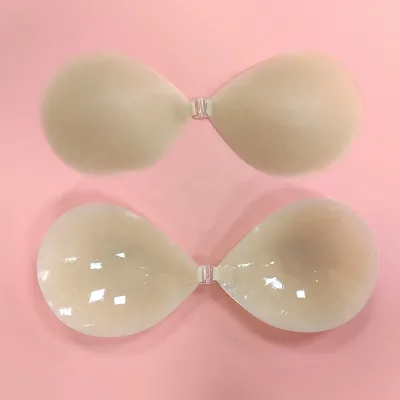
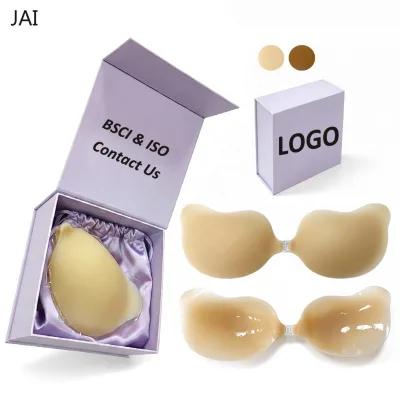
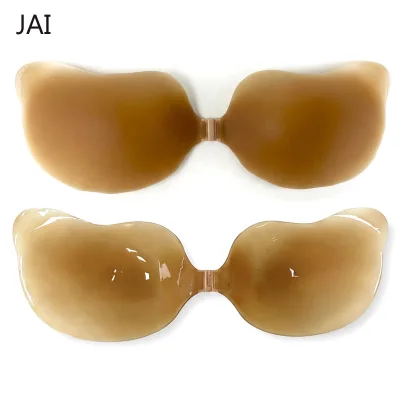
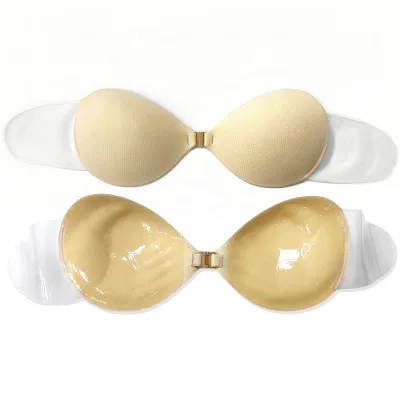
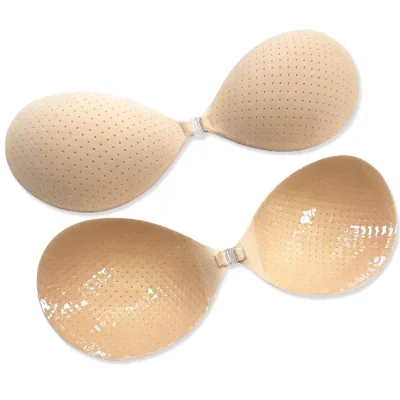
$1.4716 - $1.8443
MOQ: 200 Minimum
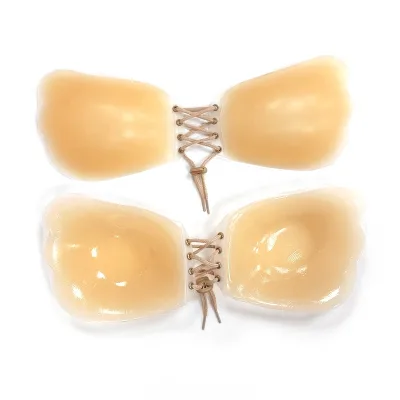
Dongguan Aimeili Fashion Underwear Co., Ltd.
- Verified by SGS Group
- Manufacturer, Trading Company
- Lead time10 days
- Avg. response≤ 3h
Main productsSilicone Nipple Cover, Silicone Bra, Boob Tape, Stick On Bra, Camel Toe Concealer
Main marketsNorth America(30%), South America(10%), Eastern Europe(10%)
Guangzhou Xinke Silicone Products Co., Ltd.
- Manufacturer, Trading Company
- Guangdong, China
- Lead time10 days
- Avg. response≤ 3h
Main productsSilicone Bra,Silicone Bra Insert,Silicone Nipple Cover,Cloth Invisible Bra
Main marketsNorth America(70.00%), South America(20.00%), Northern Europe(10.00%)
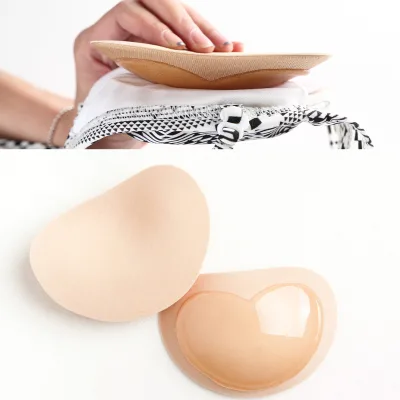
Silicone Bra Pad Inserts Large Bra Inserts Silicone Add 2 Cup Size Bra Pads Cups Padding Inserts
$1.2335 - $1.4386
MOQ: 100 pairs
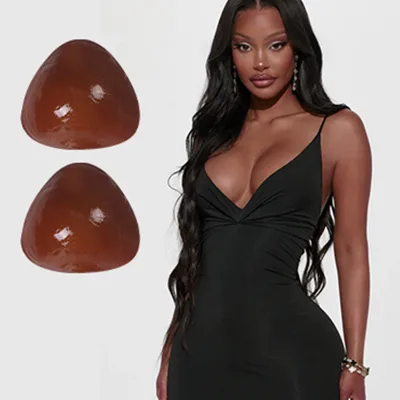
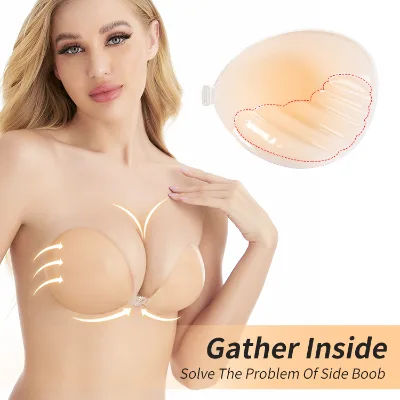
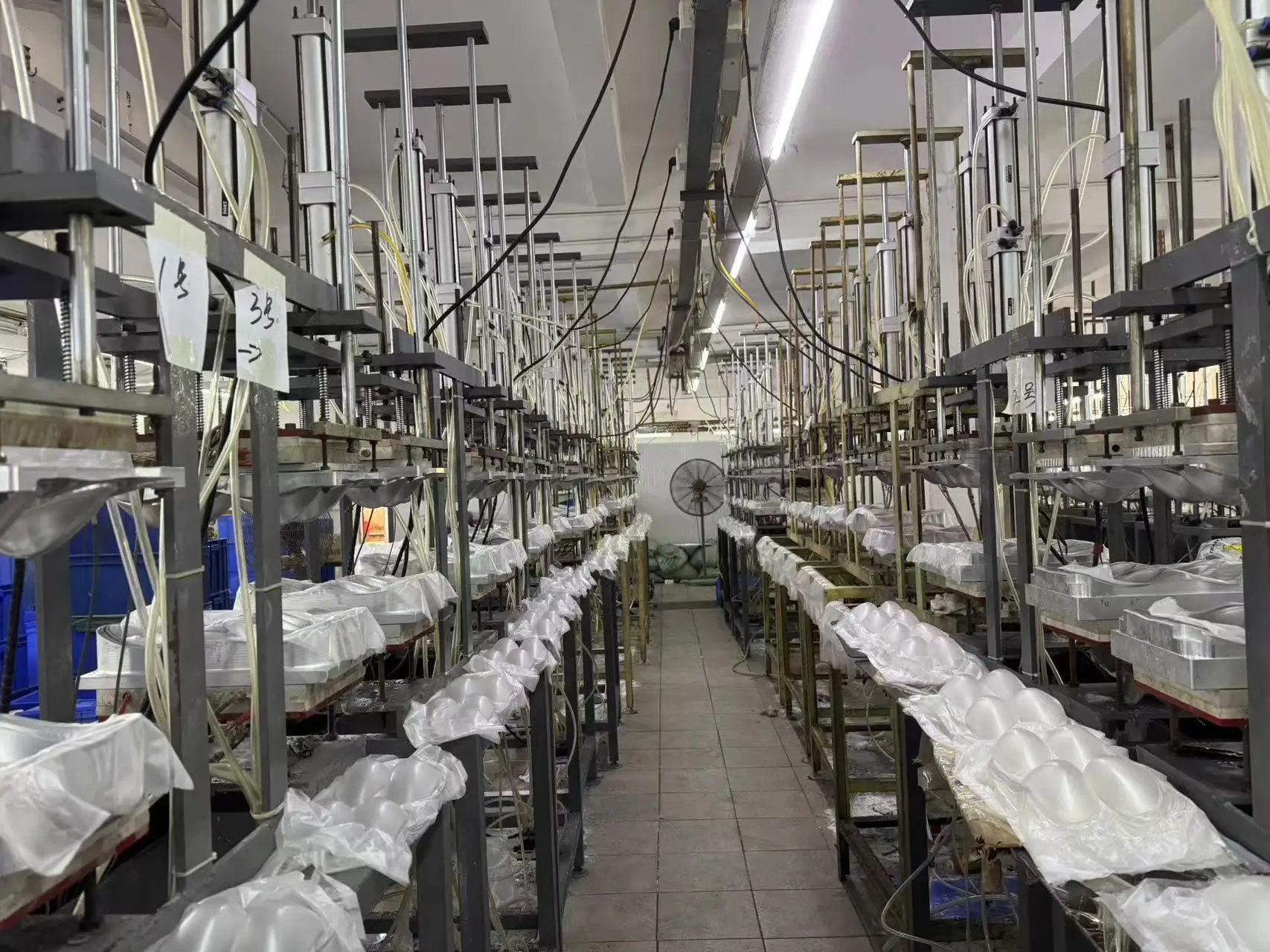
Guangzhou Hengqinlian Clothing Co., Ltd.
- Manufacturer, Distributor/Wholesaler, Other
- Guangdong, China
- Lead time7 days
- Avg. response≤ 2h
Main productssilicone bra,adhesive bra,nipple cover,silicone bra insert,silicone pads
Main marketsDomestic Market(40.00%), Western Europe(8.00%), North America(8.00%), Northern Europe(8.00%), Eastern Europe(8.00%), South America(8.00%), Southern Europe(7.00%), Central America(6.00%), South Asia(2.00%), Eastern Asia(2.00%), Southeast Asia(2.00%), Mid East(1.00%)
Dongguan Chic Apparel Co., Ltd.
- Verified by SGS Group
- Manufacturer, Trading Company
- Lead time20 days
- Avg. response≤ 2h
Main productsSilicon Bra and Accessories, Underwear, Bra Pad, Nipple Cover, Shapewear Bodysuit
Main marketsNorth America(32%), Oceania(15%), Domestic Market(12%)
Puning Zhanlong Changlizi Garment Factory
- Verified by Intertek
- Manufacturer, Trading Company
- Lead time15 days
- Avg. response≤ 6h
Main productsBra, Bra Set, Sexy Lingerie, Panties
Main marketsNorth America(45%), Eastern Europe(15%), South America(11%)

SHANTOU HUICHEN FASHIONS CO.,LTD.
- Combined
- China Guangdong
- Lead time60 days
- Avg. response≤ 9h
Main productsUnderwear, Bra, Sexy Lingerie, Sexy Babydoll, Wireless Bra, Sport Bra, Bra & Panty Set, Underwear Set, Sexy Lingerie Set
Main marketsSouth America,Africa,Europe,North America
Guangdong Kangzhiding Technology Co., Ltd.
- Manufacturer
- Guangdong, China
- Lead time0 days
- Avg. response≤ 2h
Main productsUnderwear,Razor head
Main marketsMid East(20.00%), Southeast Asia(20.00%), Eastern Europe(20.00%), South America(20.00%), North America(20.00%)
Guangzhou Xinyu Clothing Co., Ltd.
- Trading Company
- Guangdong, China
- Lead time15 days
- Avg. response≤ 3h
Main productsBra & Brief Sets,Sexy Sleepwear,Bikinis & Beachwear,Plus-size lingerie,Lace lingerie set
Main marketsDomestic Market(80.00%), North America(20.00%)

Guangzhou Tianyu Trading Co., Ltd.
- Manufacturer
- Guangdong, China
- Lead time10 days
- Avg. response≤ 4h
Main productsStock Clothing,Stock Apparel,Stock Shoes,Stock Bags,Muslim Abaya Dress
Main marketsNorth America(40.00%), Africa(30.00%), South America(10.00%), Southeast Asia(10.00%), Mid East(5.00%), Northern Europe(5.00%)




Comprehensive Sourcing Guide
Molded Bra Cups Supplier Concentration and Factory Types
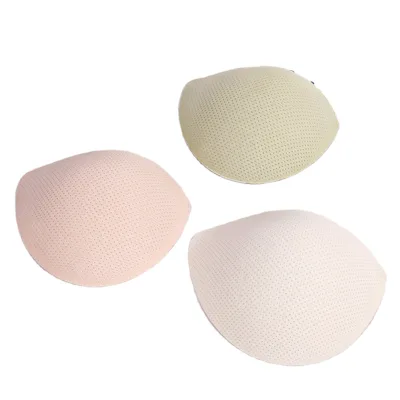
The current supplier landscape for Molded Bra Cups reveals a mix of trading companies and manufacturers, with specific entities identified as operating in Zhejiang, China. Some suppliers list their primary output as embroidery patches and hardware accessories alongside sponge cups, while others focus on elastic bands and knitted materials. This variation suggests that sourcing clusters are not limited to single-product specialists but often include diversified factories capable of handling garment processing accessories. When evaluating potential partners, buyers should look for suppliers explicitly stating their location as Zhejiang or Henan, as these regions appear in the verified product data for sponge and foam-based bra cup production.
Factory types vary significantly in their operational focus, with some entities functioning solely as trading companies while others combine manufacturing with trading activities. The presence of companies offering sample processing and graphic processing capabilities indicates a capacity for customized on-demand production, which is critical for buyers seeking specific mold designs or branding. However, not all suppliers in the search results demonstrate a manufacturing footprint; some are purely intermediaries. Buyers must verify whether a supplier is a direct factory or a trading company to understand the depth of their control over the molding process, material sourcing, and quality assurance protocols for items like soft sponge padding bra cups.
How to Verify Molded Bra Cups Suppliers
Verification of molded bra cup suppliers relies heavily on third-party audit reports and system certifications rather than self-declared claims. Several suppliers in the current results have undergone verification by TüVRheinland or Intertek, providing a baseline of trust regarding their business legitimacy and operational stability. Additionally, system certifications such as REACH, EN ISO 14362, ISO 105-E03, ISO 9227, RoHS, and GRS are present in the data, indicating compliance with international safety and environmental standards. Buyers should prioritize suppliers who can present these specific certificates, as they validate the chemical safety and durability of the sponge and foam materials used in the bra cups.
Beyond certifications, the response time and lead time metrics offer tangible evidence of a supplier's operational efficiency. Data indicates response times ranging from three to four days, with lead times for sample orders often supported within seven days. These figures help buyers assess the agility of a potential partner, especially when urgent prototyping is required. However, buyers must confirm that these metrics apply to their specific order volume and customization needs, as some suppliers may have different lead times for bulk production versus sample processing. Verifying these operational speeds ensures that the supplier can meet project timelines without compromising on the quality of the molded cups.
What to Compare Across Molded Bra Cups Suppliers
When comparing suppliers, the minimum order quantity (MOQ) is a critical differentiator that directly impacts procurement strategy. The available data shows a wide range of MOQs, from as low as one pair for specific customized items to 1,000 pairs for standard sponge and polyester blends. This variance allows buyers to select partners based on their inventory needs, whether they are testing a new design with a minimal order or scaling up for mass production. It is essential to note that the MOQ is often tied to the specific product model and material composition, so buyers must verify the threshold for each item before committing to an order.
Price and material composition are other vital comparison points that vary across the supplier base. Unit prices for Molded Bra Cups can range from $0.08 to $0.60, depending on the complexity of the mold, the type of foam or sponge used, and the customization level. Some suppliers offer products made from pure sponge, while others utilize foam or sponge with polyester blends, which affects both the cost and the functional properties like shape hold and breathability. Buyers should compare these attributes alongside the supplier's main product list to ensure the material quality aligns with their brand requirements and that the pricing structure is transparent and competitive for the specified volume.
Common Molded Bra Cups Sourcing Risks
One significant risk in sourcing Molded Bra Cups is the inconsistency in material specifications and product attributes across different suppliers. While some listings specify "soft sponge padding" with adjustable comfort, others describe "foam" materials with shape-hold functions, and the exact composition can vary even within the same product category. This lack of standardization can lead to discrepancies between the sample received and the bulk order delivered. Buyers must rigorously request detailed material specifications and physical samples to confirm that the sponge or foam density, thickness, and elasticity match the intended application, whether for swimwear, lingerie, or sport bras.
Another risk involves the reliability of lead times and the ability to fulfill orders consistently. Although some suppliers advertise a seven-day sample lead time, bulk production timelines may differ significantly, and the data shows some suppliers with a lead time of zero, which may indicate a lack of clear production scheduling or a trading company model. If a supplier cannot provide a concrete production schedule or if their response time is slow, it can delay the entire supply chain. Buyers should mitigate this by establishing clear communication channels and requiring written confirmation of production milestones before placing large orders to avoid potential delays in receiving the molded cups.
Molded Bra Cups Regional Sourcing and Logistics
Regional sourcing for Molded Bra Cups is heavily concentrated in specific Chinese provinces, with Zhejiang and Henan appearing as key locations in the verified product data. Suppliers in Zhejiang are noted for producing items like ladies push-up bra cups and molded swimming triangle bra pads, while those in Henan may focus on wholesale removable inserts with different packaging standards. Understanding these regional clusters helps buyers anticipate the logistical landscape, as shipping times and costs will vary based on the specific origin of the goods. Buyers should verify the exact place of origin for each supplier to ensure it aligns with their preferred shipping routes and to understand any regional trade regulations that might apply.
Logistics planning must also account for the packaging and weight specifications provided by suppliers, which vary widely across the product range. Some items are packed in OPP bags with a single gross weight of 0.01 kg, while others are packaged in larger bags containing 100 pairs with a gross weight of 1.000 kg. These differences impact freight costs and storage requirements, making it essential for buyers to calculate the total landed cost accurately. Additionally, the single package size, ranging from 10x10x2 cm to 30x30x30 cm, affects how efficiently the goods can be consolidated in containers. Buyers should request detailed packing lists to optimize their shipping strategy and minimize unnecessary freight expenses.
Molded Bra Cups Commercial Terms and Order Planning
Commercial terms for Molded Bra Cups often include flexible payment methods such as T/T and PayPal, which are listed in the product attributes of several suppliers. These options provide buyers with varying degrees of financial security and convenience, but the specific terms should be negotiated based on the order size and the supplier's verification status. For instance, suppliers with third-party verification like TüVRheinland or Intertek may offer more favorable payment structures due to their established trust. Buyers should clarify the payment schedule, including deposit requirements and balance due dates, to ensure cash flow aligns with the production timeline and delivery expectations.
Order planning for Molded Bra Cups requires careful attention to customization capabilities and the availability of sample processing. Many suppliers offer customized on-demand services, allowing for specific colors, sizes, and branding, but this flexibility often comes with higher MOQs or longer lead times. Buyers must balance their desire for customization with the need for cost efficiency and speed. It is advisable to start with a small sample order to validate the product quality and the supplier's ability to meet specifications before scaling up to bulk production. This approach minimizes risk and ensures that the final Molded Bra Cups meet the required standards for comfort, fit, and durability.
FAQs
What is the typical MOQ for Molded Bra Cups?
Minimum order quantities vary widely by style and supplier. Some listings on this page allow orders as small as one pair for sample-friendly sponge cups, while wholesale seamless round pads start at 1000 pairs. Larger-volume SKUs usually sit in between, so buyers should confirm the MOQ for each specific model before requesting quotations.
What materials are commonly used for Molded Bra Cups?
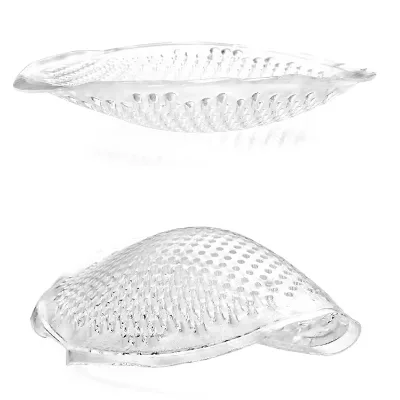
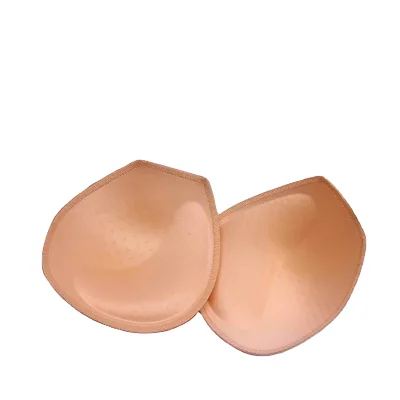
The listings shown are mainly sponge and foam padding, sometimes combined with polyester for durability. Sponge cups are soft and comfortable for lingerie and swimwear, while foam versions offer shape hold and removable, breathable wear. When requesting samples, ask suppliers to specify foam density, thickness, and whether adhesives or fabrics meet your brand's material standards.
How fast can samples of Molded Bra Cups be produced?
Several listings advertise a 7-day sample order lead time, and one supplier on this page lists a general lead time of 7 days. Sample speed also depends on customization level, since colors, sizes, and shapes can be produced to order. Confirm the exact turnaround for your chosen model and ask whether sample costs are deducted from bulk orders.
What price range can I expect for Molded Bra Cups?
Prices on this page range from about 0.08 to 0.60 US dollars per piece or pair, depending on material, size range, and order quantity. Simple sponge pads at high volumes sit at the lower end, while push-up or specialized molded styles cost more. Always request a formal quotation tied to your exact specifications and volume.
Can Molded Bra Cups be customized in color, size, and shape?
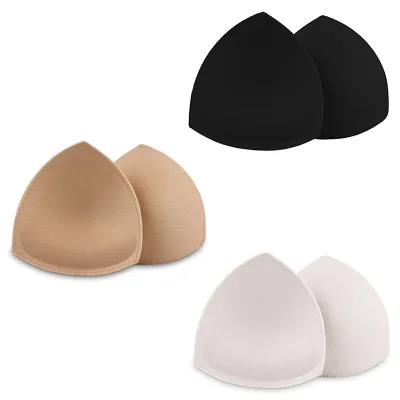
Yes, customization is widely offered. Listings support customized colors, sizes from XS upward, triangle, half-round, and push-up shapes, plus adjustable or removable features. One supplier also lists sample processing, graphic processing, and made-to-order customization among its capabilities. Provide tech packs with dimensions and density requirements so suppliers can quote accurately and produce consistent results.
Which certifications should I verify when sourcing Molded Bra Cups?
Relevant credentials on this page include GRS, REACH, RoHS, ISO 9001, and testing standards such as EN ISO 14362, ISO 105-E03, and ISO 9227. Third-party verification from bodies like TUV Rheinland and Intertek adds another layer of assurance. Ask each supplier for current, in-date certificates matching the exact materials used in your order rather than relying on expired copies.
Where are molded bra cup suppliers typically located?
The suppliers represented here are based in China, with products originating from Zhejiang and Henan provinces. Zhejiang suppliers dominate the lingerie and swimwear accessory supply chain, while Henan appears in wholesale bra pad listings. Location affects shipping costs and transit times, so factor origin province into your logistics planning and ask whether the factory or a trading company will handle your order.